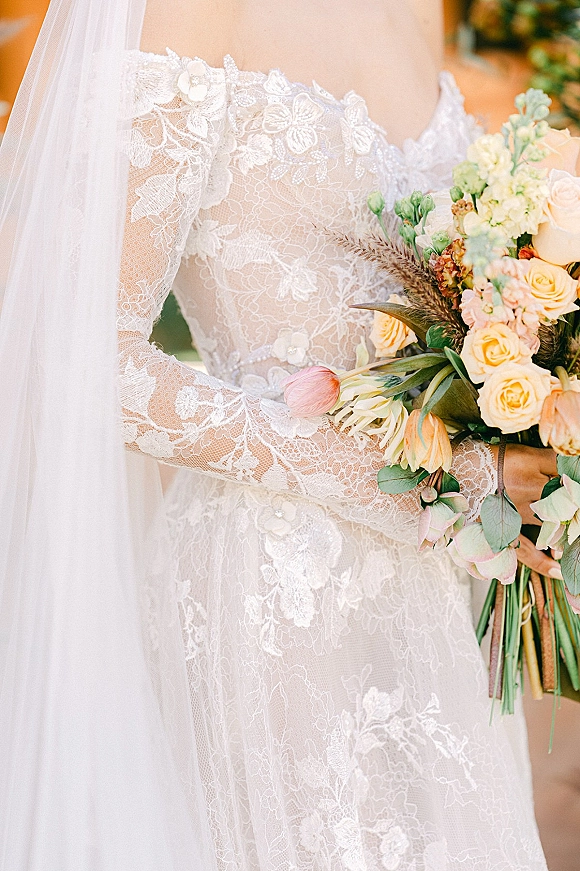
What Makes Blush Different From Pink and White
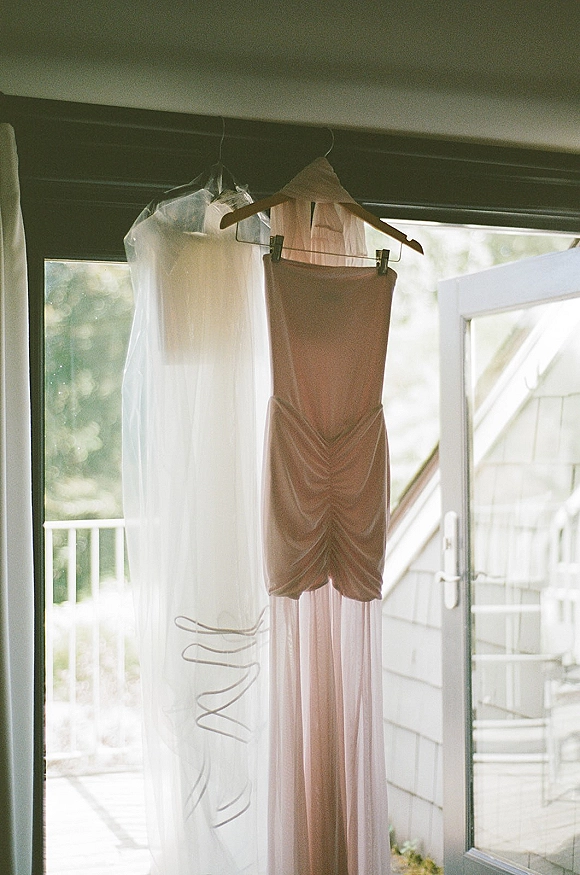
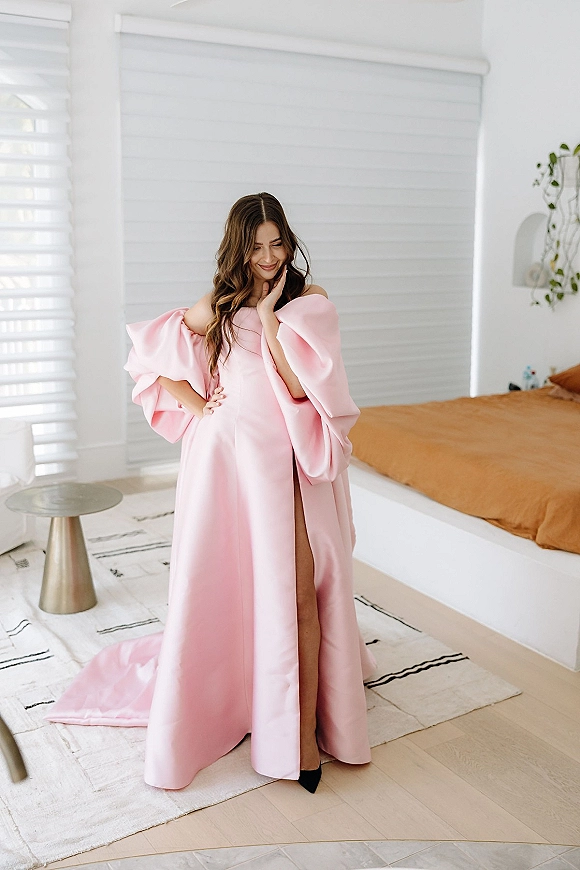
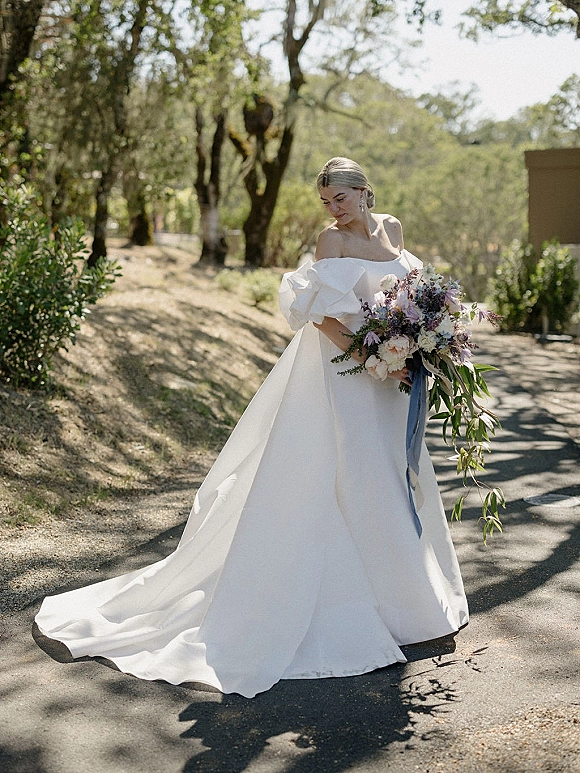
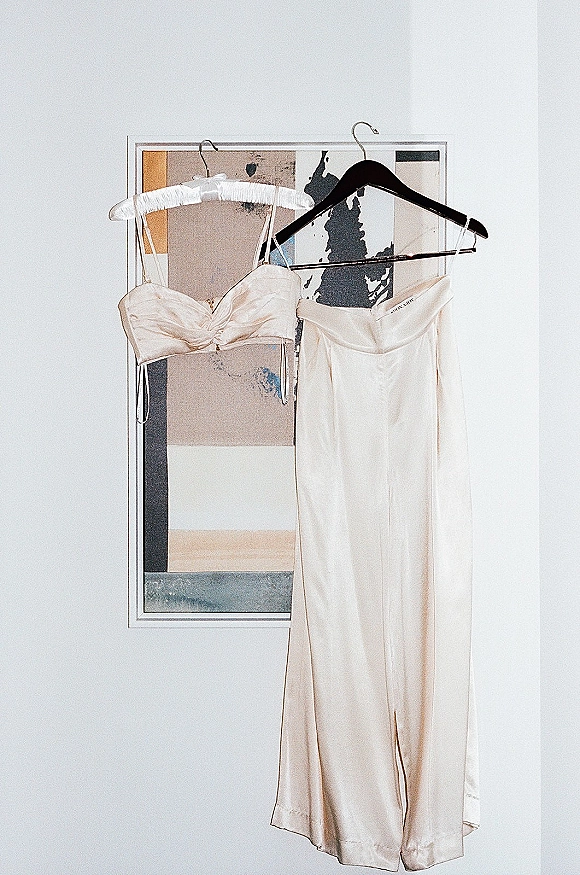
Blush is a pale, soft pink with a barely-there nude or coral undertone, sitting between ivory and a true pink. It reads as a warm, almost-neutral glow rather than a clear color, which is what separates it from a saturated pink gown: blush whispers where pink speaks. Against white, blush shows its warmth and rosiness; on its own, it can pass for a creamy ivory until daylight or candlelight reveals the pink. The shade is best seen at dusk and dawn, when its subtle coral warmth comes alive.
Why Brides Choose Blush
Blush has become one of the most popular non-white bridal shades because it adds warmth and romance while staying close enough to tradition to feel undeniably bridal. It flatters most skin tones by lending a soft glow, and it photographs beautifully in natural light. For brides who want color but find a full pink too bold, blush is the natural answer, offering a romantic, modern softness that reads as intentional rather than unconventional. It pairs naturally with the floral, garden, and fine-art aesthetics it is most associated with, and for brides who decide they want more saturation, our pink wedding dress collection shows the bolder end of the same family.
Lace and Tulle Blush Gowns
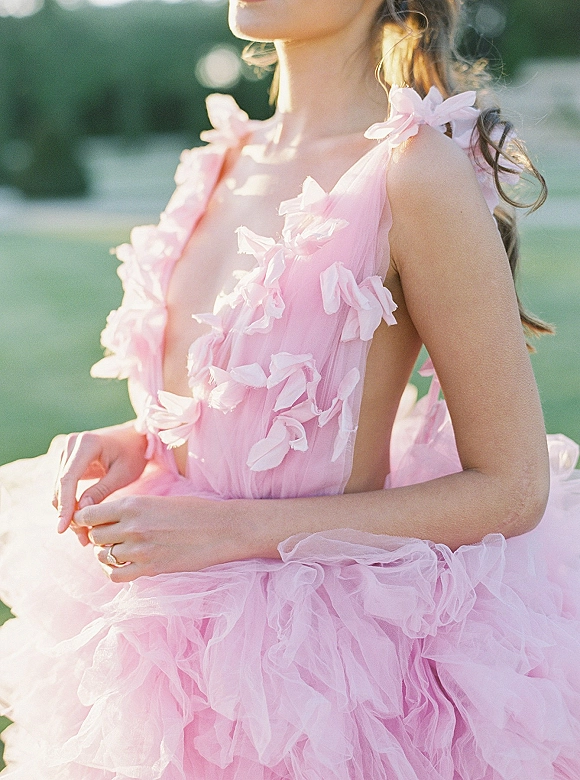
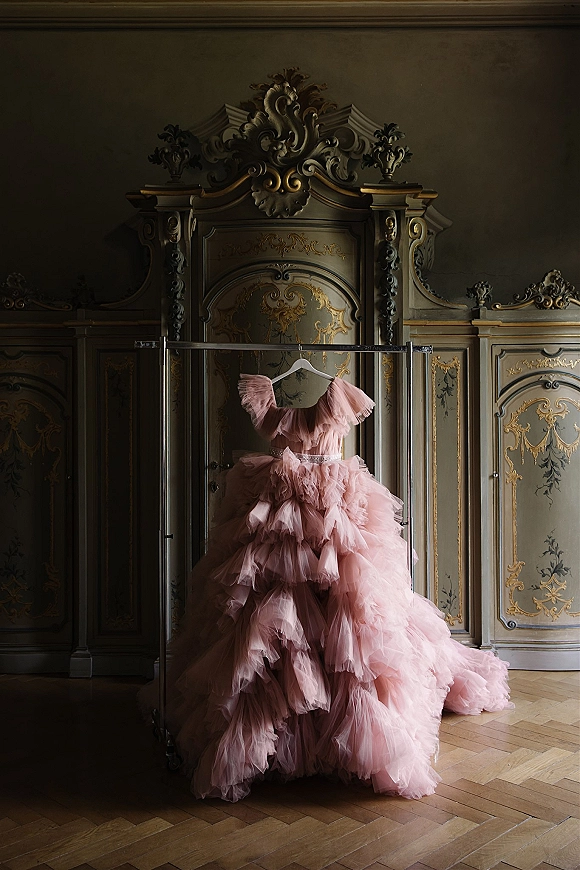
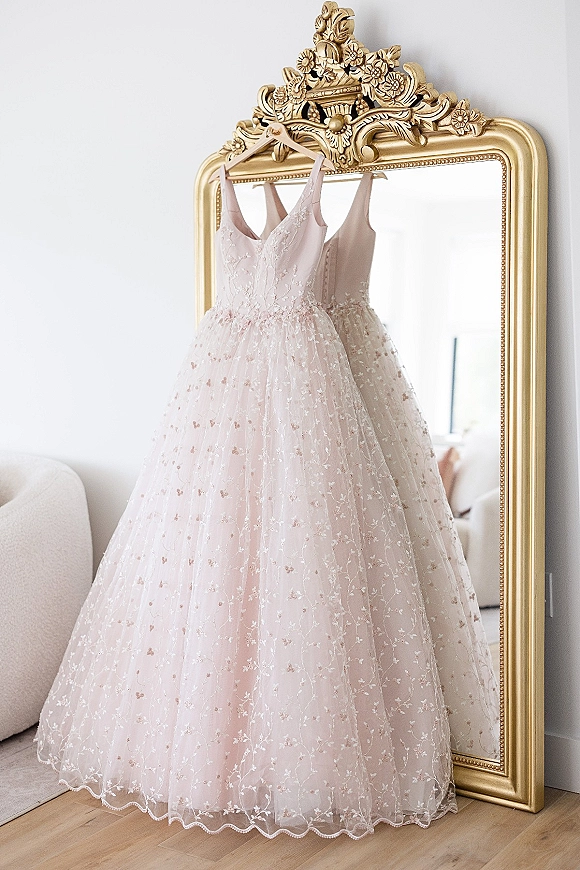
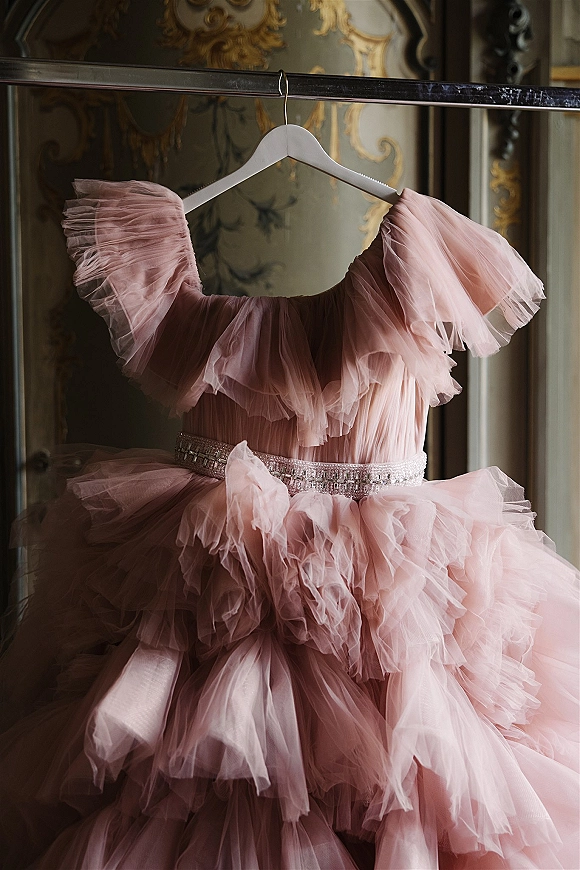
Blush reaches its full romance in soft, light fabrics. Layered tulle keeps the color airy and dimensional, building a dreamlike skirt that catches the rosy undertone in its folds. Fine lace, whether as an overlay or all-over, reads delicate and feminine against a blush lining, the pattern softened by the warm base. Chiffon and organza drape blush into fluid, ethereal lines. These airy fabrics suit the romantic silhouettes blush is known for, the ball gown, the A-line, and the soft slip, each letting the color stay gentle rather than saturated.
Blush With Ivory, Nude, and Metallic Tones
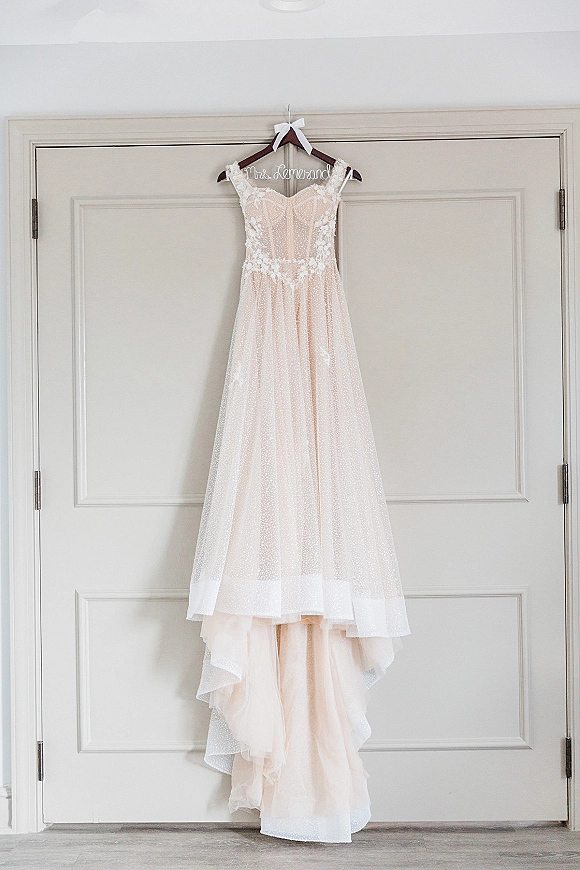
Blush sits naturally beside other warm neutrals. Paired with ivory, it reads as a tonal, layered softness, often appearing as ivory lace over a blush lining for subtle depth. With nude and champagne it deepens into a richer warm palette suited to formal settings. Metallic accents in gold or rose gold amplify blush’s warmth, while silver cools it toward a fresher read. For the gold-leaning neutral nearby, compare our champagne wedding dress looks, and for the crisp cool alternative see the ivory wedding dress collection.
Necklines and Silhouettes for Blush
Blush suits the soft, romantic silhouettes that match its gentle warmth. A sweetheart or off-the-shoulder neckline reads feminine against the rosy tone, while a delicate spaghetti strap or fine illusion bodice keeps a blush gown airy. The shade flatters full, layered ball gown skirts that let the color build through the tulle, and equally suits a fluid slip or A-line for a more understated look. Three-dimensional floral applique and fine beading sit beautifully on blush, catching light without overwhelming the soft base. Because the color is so gentle, it lets intricate detailing read clearly, which is why blush is a favorite for romantic, heavily textured gowns.
Blush Across the Seasons
Blush reads beautifully year-round, shifting subtly with the light. In spring and summer it suits garden, vineyard, and outdoor weddings, the warm undertone glowing in natural daylight and harmonizing with floral and greenery palettes. In autumn it deepens in candlelight and pairs with richer accents like burgundy, terracotta, and gold for a warmer, more layered look. For winter weddings, a blush gown offers softness against a stark setting, especially in plush fabrics or with metallic detailing. Because its color is so close to a warm neutral, blush never reads out of place, which is part of why it has stayed a perennial bridal favorite rather than a passing choice.
The depth of blush you choose also shapes how the gown photographs. A pale, barely-there blush reads as a soft glow and gives the most traditional result, while a deeper rose-blush registers clearly as color in images and holds its own outdoors. Photographers often note that blush gowns reward natural light, where the rosy undertone comes through, and can flatten slightly under cool indoor lighting. Knowing this helps you match the shade to your venue: a garden or golden-hour ceremony lets a pale blush bloom, while a deeper blush carries better through an indoor or evening reception where the light is more controlled.
Blush by Wedding Style
Blush suits a range of wedding aesthetics through its soft, romantic warmth. For a garden or fine-art wedding, blush in flowing fabrics matches the floral, light-filled setting and reads as gentle romance. For a vintage or heirloom celebration, blush warms lace and antique detailing into something soft and nostalgic. For a modern wedding, a clean blush satin or crepe reads as understated color, a subtle step away from white that still feels contemporary.
For a destination or beach wedding, a lightweight blush in chiffon glows warmly in natural light, while a winter wedding suits a richer blush with metallic or plush detailing against a stark setting. Blush bridges traditional and modern more easily than most colors, since its pale warmth reads nearly bridal while still adding a clear romantic softness. Matching the depth of blush and its fabric to the wedding’s mood keeps the gown reading as a considered choice that belongs to the day rather than standing apart from it.
Blush in Your Wedding Palette
A blush gown sets a soft, romantic tone the wider wedding can build around. A palette of blush, ivory, dusty pink, and champagne reads warm and cohesive, suited to a garden or fine-art celebration, while greenery keeps the scheme fresh and natural. Bridesmaids in blush, dusty rose, or muted neutrals continue the gown’s softness, and rose-gold or gold accents through the details reinforce its warmth.
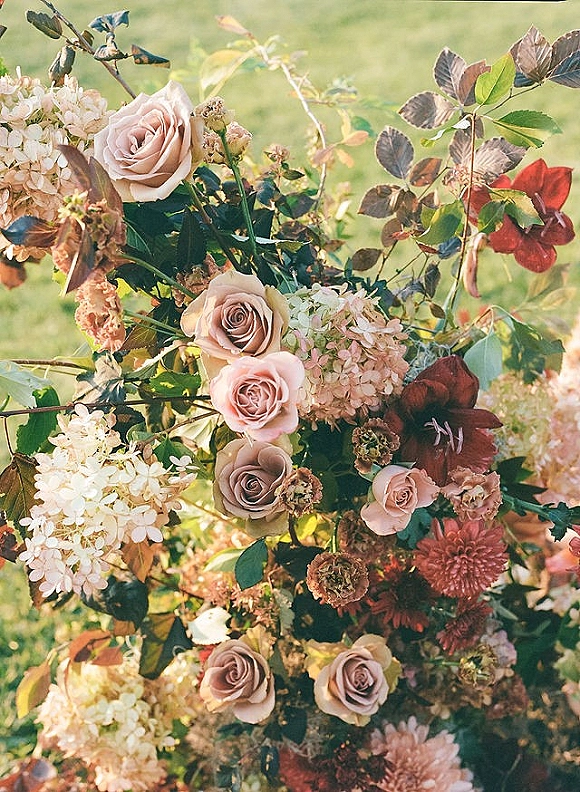
For contrast, blush pairs beautifully with deeper tones like burgundy, terracotta, or emerald, which ground its softness and add depth, and with white and greenery for a clean garden look. Table linens in cream or blush with soft florals build a romantic scene, and natural or candlelit light flatters the shade. Planning the blush into the palette from the start ensures the gown reads as the centerpiece of a warm, considered aesthetic rather than a pale choice set against an unrelated background.
Blush Trains, Hems, and Length
Length shapes how romantic or how modern a blush gown reads. A flowing floor-length gown with a soft train suits blush’s gentle romance, the color building through layers of tulle or chiffon, and a sweep or chapel train adds a touch of formality. A clean floor length keeps a blush satin sheath sleek and contemporary. The paler and airier the blush, the more a full, layered skirt flatters it, letting the soft warmth develop through the fabric.
Shorter lengths bring out blush’s sweet, playful side. A tea-length blush dress reads vintage and romantic, while a cocktail-length gown makes a soft reception look. A high-low hem adds movement for an outdoor or garden setting. Because blush reads as quiet warmth, the hemline lets a bride decide whether to lean fully romantic with length and volume or to keep the look clean and modern with a shorter, simpler silhouette.
Blush Veils, Headpieces, and Hair
The veil and headpiece either extend a blush gown’s softness or add a fresh note. A soft ivory veil keeps a blush gown anchored in tradition and reads cleanly against the warm shade, while a tonal blush veil deepens the romantic, monochrome effect. For a modern bride, a delicate hairpiece, a floral comb, or fresh blooms suits blush’s garden association and keeps the focus on the gown.
Hair styling complements the shade, with loose, soft waves and undone updos suiting blush’s gentle romance and a sleek style giving a more modern balance. Rose-gold and gold hair accents echo the gown’s warmth, while pearl and crystal keep it soft and classic. Fresh flowers worn in the hair, whether tonal blush or contrasting white and greenery, tie the gown to the florals of the day. Matching the veil, headpiece, and hair to the softness of blush keeps the whole look harmonious.
Blush Florals and Beauty
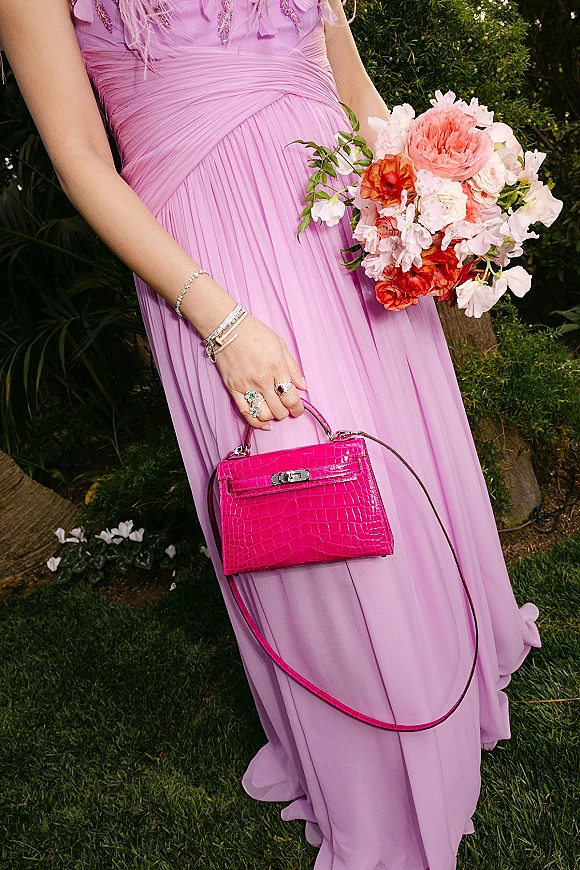
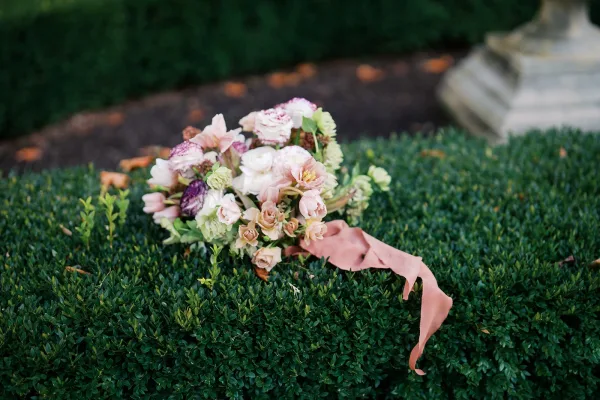
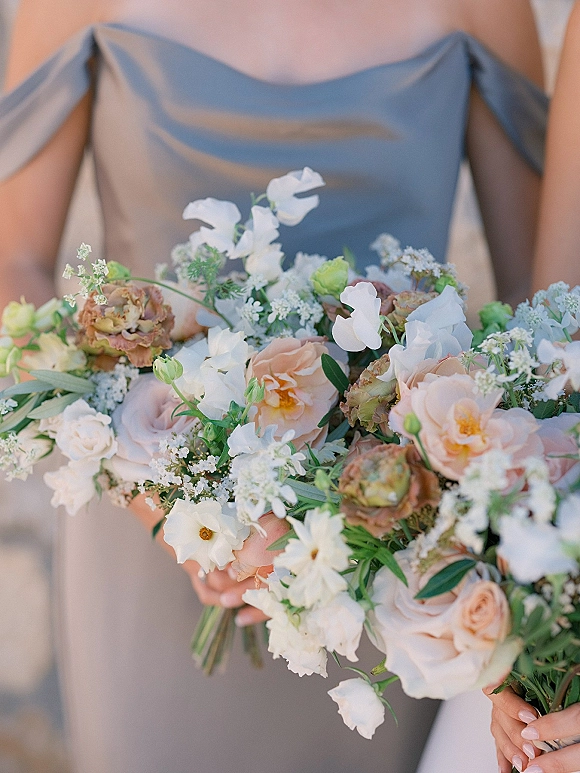
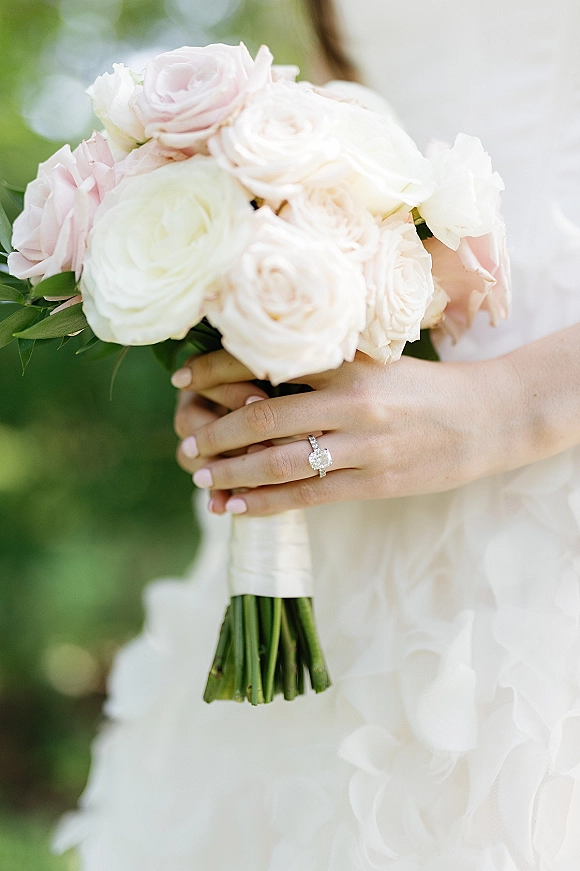
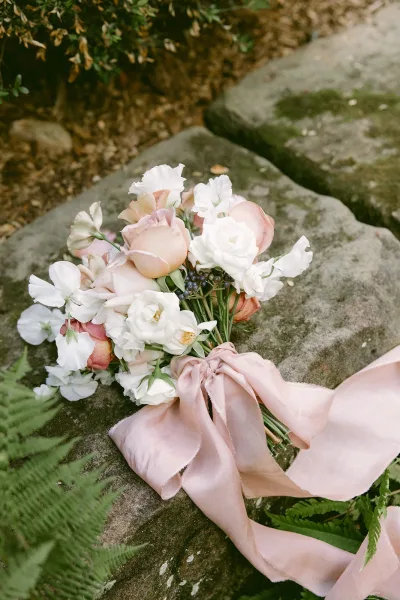
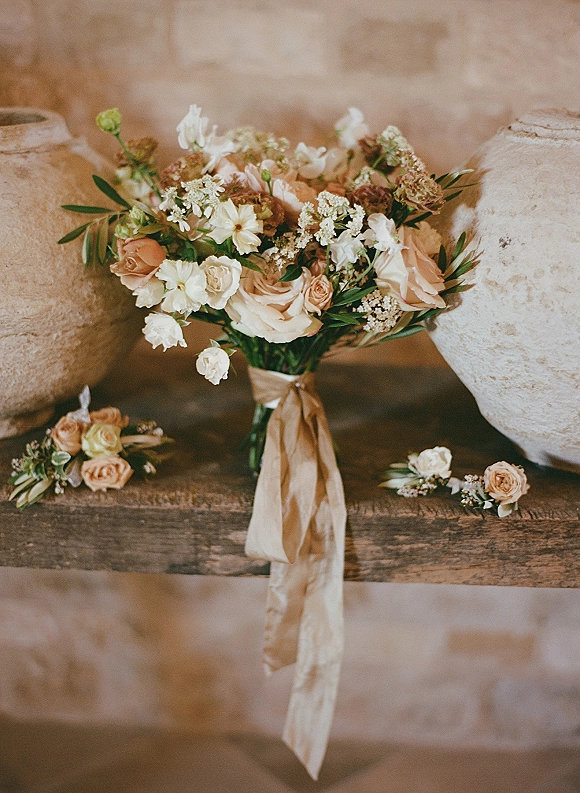
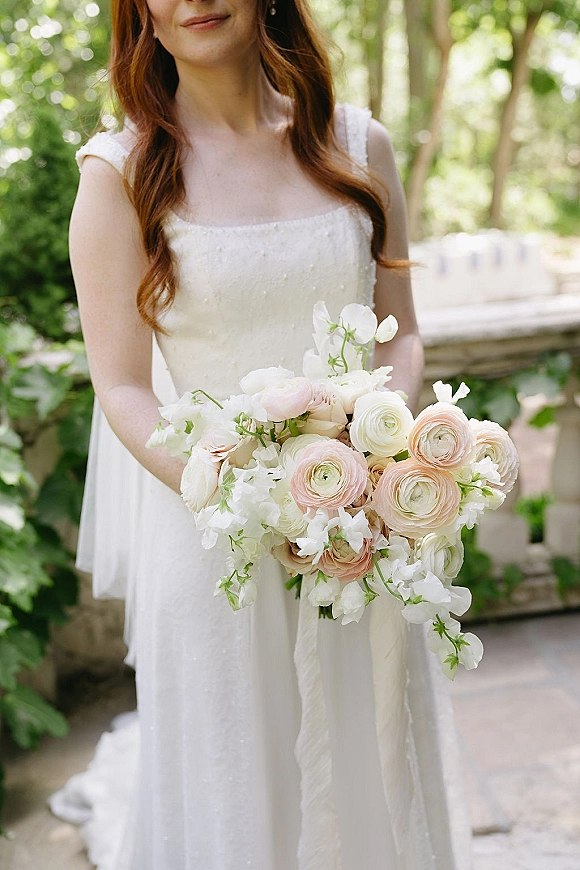
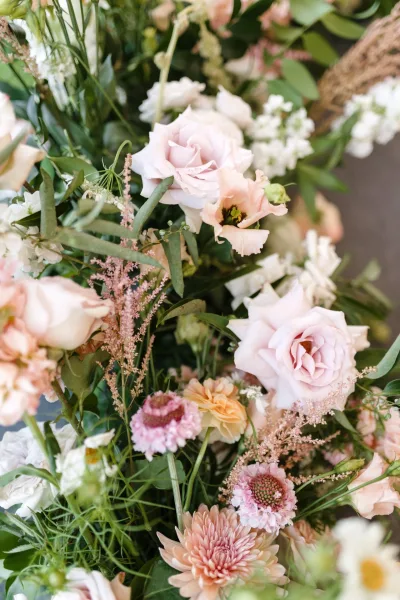
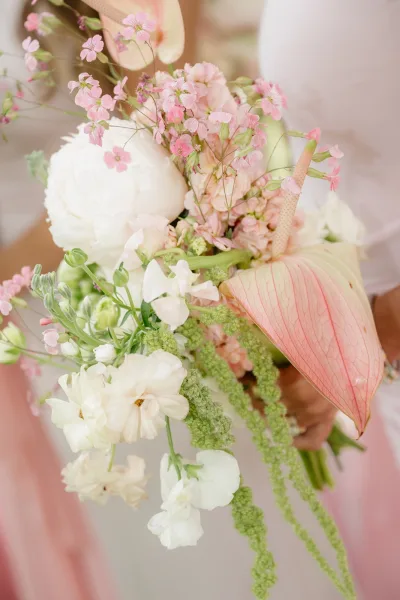
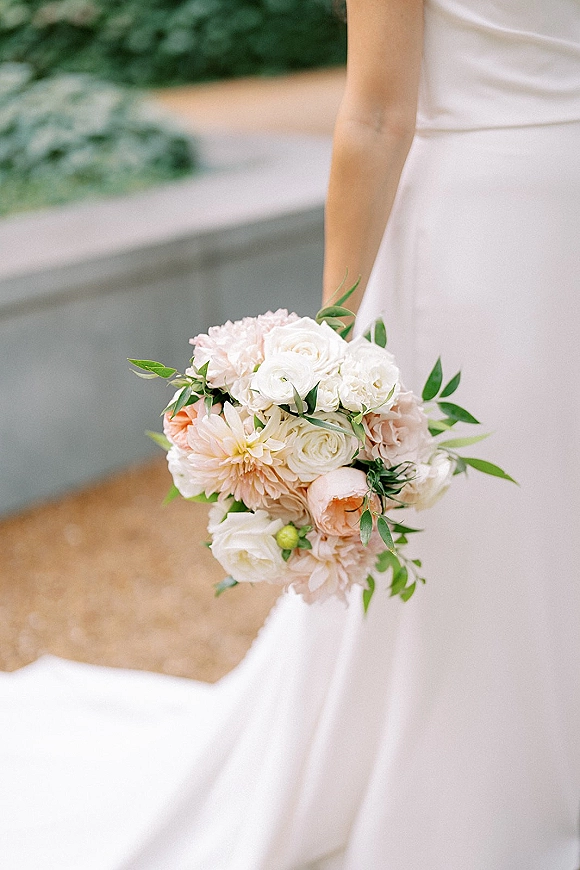
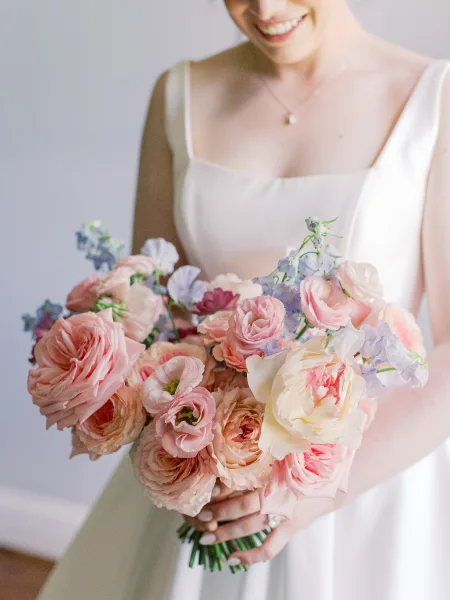
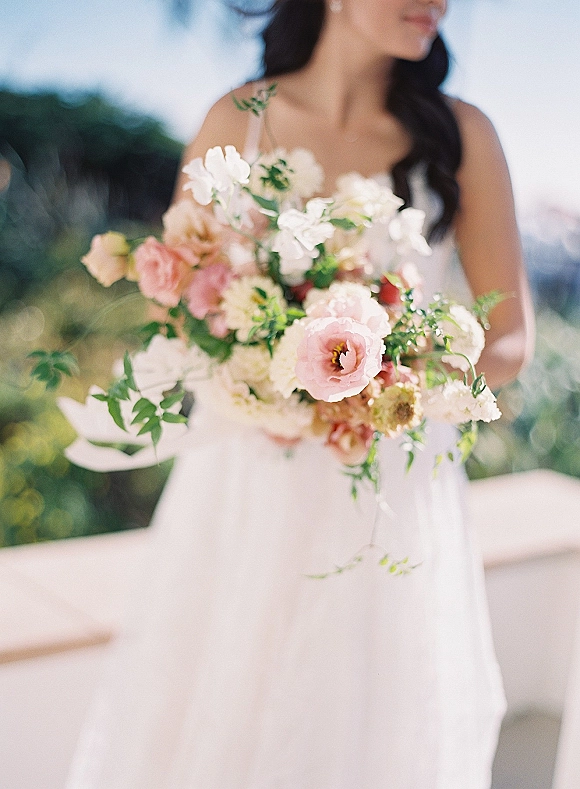
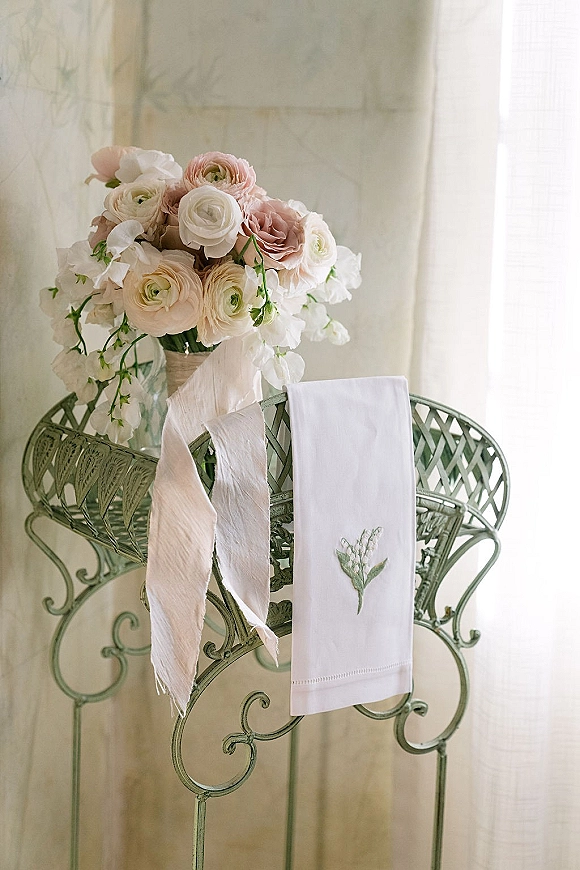
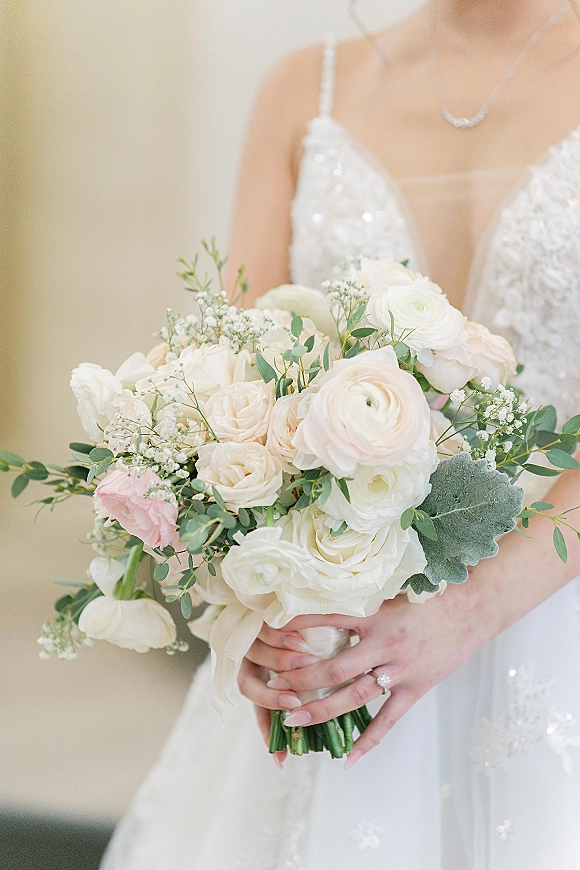
A blush gown shapes the florals and beauty around it. Tonal bouquets in blush, ivory, and dusty pink build a soft, romantic monochrome that suits the shade especially well, while greenery and white keep a blush gown fresh. For contrast, deep burgundy, terracotta, or a few bold blooms add definition and keep the palette from reading too pale. The bouquet can echo the gown’s softness or ground it with a richer tone.
For beauty, blush flatters a soft, warm, dewy makeup palette, with rosy or peach tones echoing the gown without competing. A natural, luminous finish suits the pale shade best, and hair worn soft and loose complements its romantic mood. Warm metals in the jewelry echo blush’s warmth, while crystal keeps it fresh. The aim across florals and beauty is harmony, since blush is a gentle, romantic shade that reads best when the surrounding choices support its softness rather than overpower it.
Choosing Blush for Your Coloring, and Beyond the Ceremony
Blush flatters most skin tones by lending a soft glow, though the ideal depth varies with coloring. Fair brides often suit the palest, barely-there blush, which reads as a gentle warmth against the skin, while medium, warm, and deeper complexions can carry a richer, rosier blush beautifully. A blush with a peach undertone flatters golden and olive skin, while a cooler, pinker blush suits fair and rosy complexions. Testing a swatch in daylight reveals which depth lifts your complexion, since blush shifts noticeably against different skin tones.
Blush also makes a popular second look, worn for the reception after a white ceremony gown. A bolder rose or a flowing blush slip gives a romantic change of mood for the evening, and the shift from white to blush reads as soft and joyful rather than dramatic. This route lets a bride keep a traditional ceremony moment while bringing warmth into the celebration. Whether as the main gown or a reception change, blush brings a gentle, modern romance to the day, with its range letting a bride choose exactly how soft or how rosy that moment reads.
Blush as a Wedding-Party Color
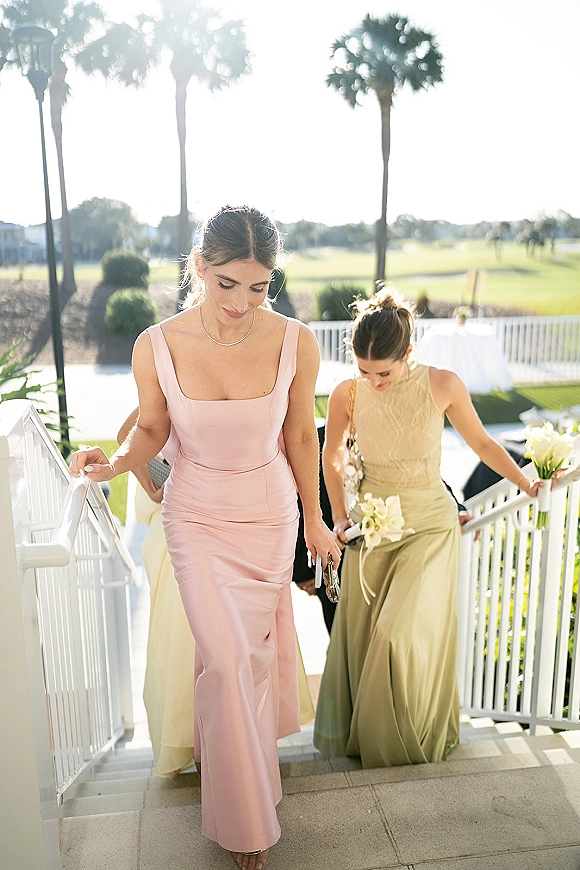
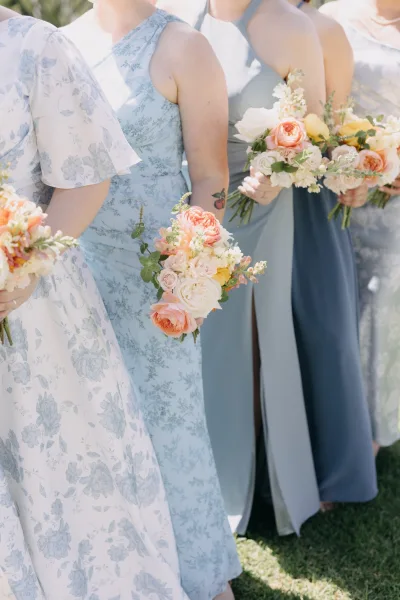
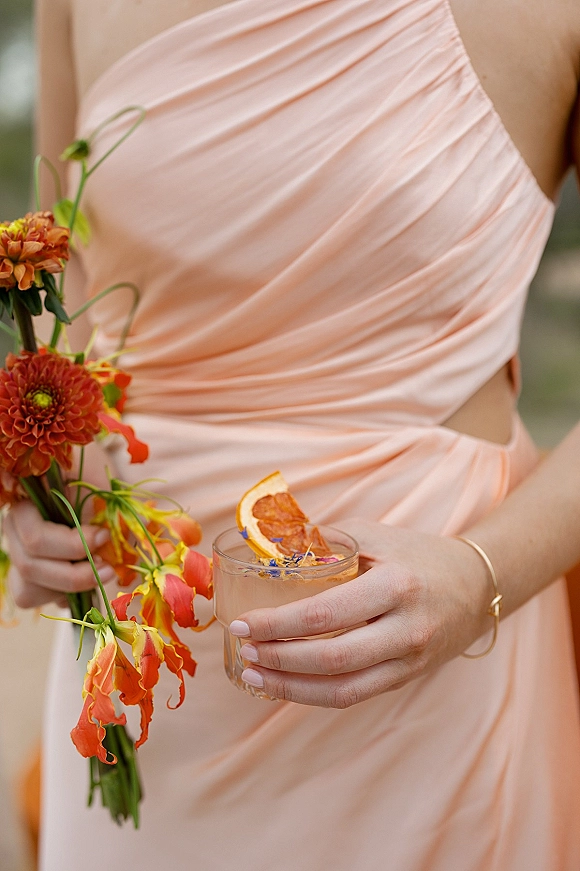
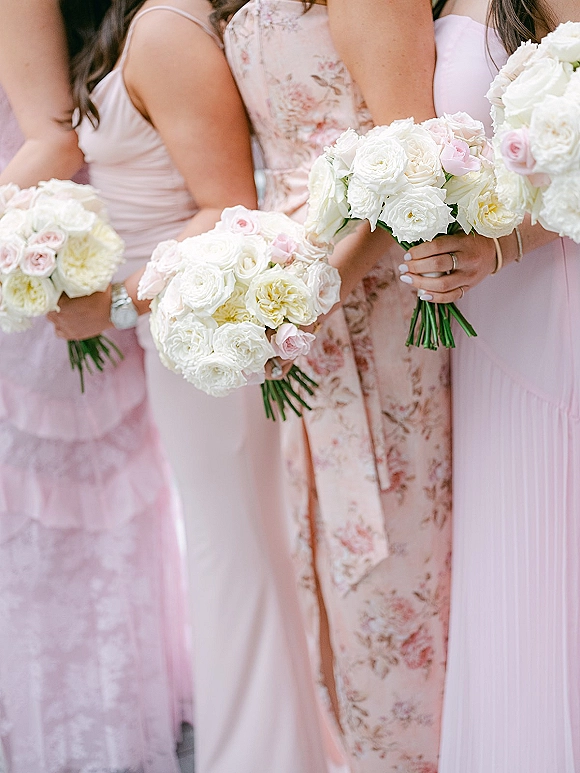
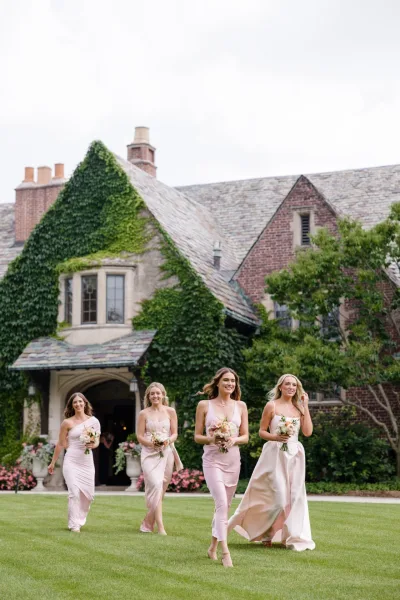
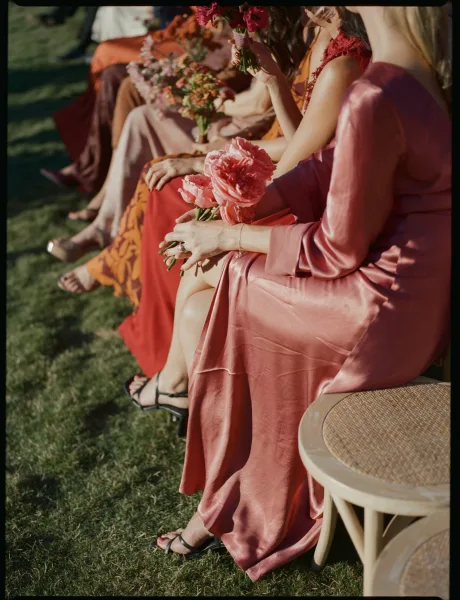
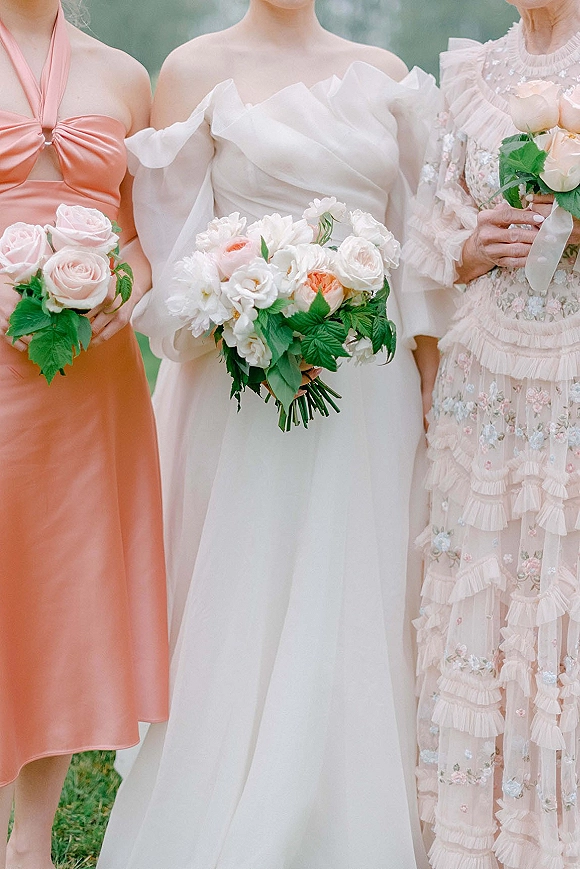
Blush is among the most popular wedding-party colors, which gives a blush bridal gown a natural cohesion across the day. Bridesmaids in blush, dusty rose, or mixed soft pinks read romantic and flattering beside a blush bride, and varying the silhouette or the exact shade keeps the bridal gown distinct within a tonal scheme. Mismatched blush bridesmaid dresses in slightly different tones create a soft, organic effect that suits a garden or fine-art celebration especially well.
For contrast, dressing the party in deeper tones like burgundy, terracotta, or sage frames a blush bridal gown and lets its softness stand out, while a tonal palette of blush and neutrals keeps the whole scene gentle and warm. Because blush flatters so broadly, it works as a party color across a wide range of complexions, which is part of its enduring popularity. Carrying the blush through the party, the florals, and the linens ties the day together, so the gown reads as the centerpiece of a soft, cohesive aesthetic rather than a pale choice standing apart from its surroundings. A tonal blush party also photographs beautifully together, the soft shades reading as one warm, romantic group around the bride.
Styling a Blush Wedding Dress
Blush gives a soft, romantic base that takes color well. Florals can stay tonal with blush, ivory, and dusty pink blooms for a monochrome effect, or contrast with greenery, deep burgundy, or white for definition. Rose-gold and gold jewelry warm the palette, while a nude shoe lengthens the line invisibly. Soft, romantic makeup suits the gown’s gentle warmth, and loose, undone hair complements its garden-romantic mood. Browse blush gowns across designers in the wedding dress directory to compare how deep each rendering of the shade runs.
Frequently Asked Questions
What is the difference between blush and pink?
Blush is a pale, soft pink with a nude or coral undertone that reads as an almost-neutral glow, while a true pink is a clearer, more saturated color. Blush whispers and can pass for warm ivory, where pink reads unmistakably as color.
Does a blush wedding dress look white in photos?
In some light blush can read close to a warm ivory, with its rosy undertone most visible at dusk, dawn, and in candlelight. Against a true white it clearly shows its warmth, so its appearance shifts with the lighting and surroundings.
Does blush flatter every skin tone?
Blush flatters most skin tones by lending a soft glow, though the ideal depth varies: fair brides often suit the palest blush, while deeper and warmer complexions can carry a richer, rosier blush beautifully. Testing a swatch in daylight helps.
What fabrics suit a blush wedding dress?
Soft, light fabrics suit blush best: layered tulle keeps it airy, fine lace reads delicate and feminine, and chiffon and organza drape it into fluid lines. These fabrics keep the color gentle rather than saturated.
What colors go with a blush wedding dress?
Blush pairs naturally with ivory, nude, and champagne for a tonal warm palette, and with greenery, burgundy, or white florals for contrast. Gold and rose-gold metals amplify its warmth, while silver gives a cooler, fresher read.
How much does a blush wedding dress cost?
Pricing depends on the designer, fabric, and lace or beadwork, the same range as any bridal gown. Fine silk and detailed lace sit at the higher end, while simpler tulle and chiffon styles are more modest.