Ivory vs White: The Difference
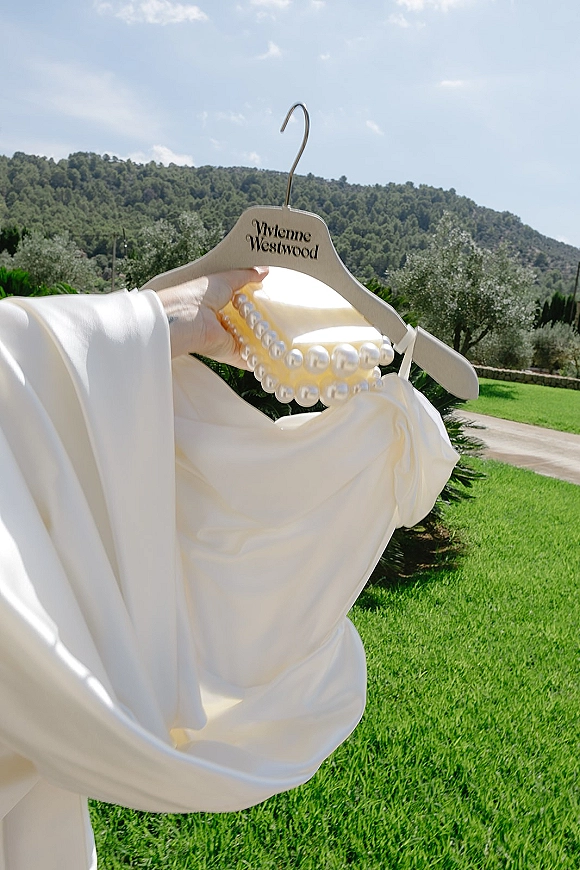
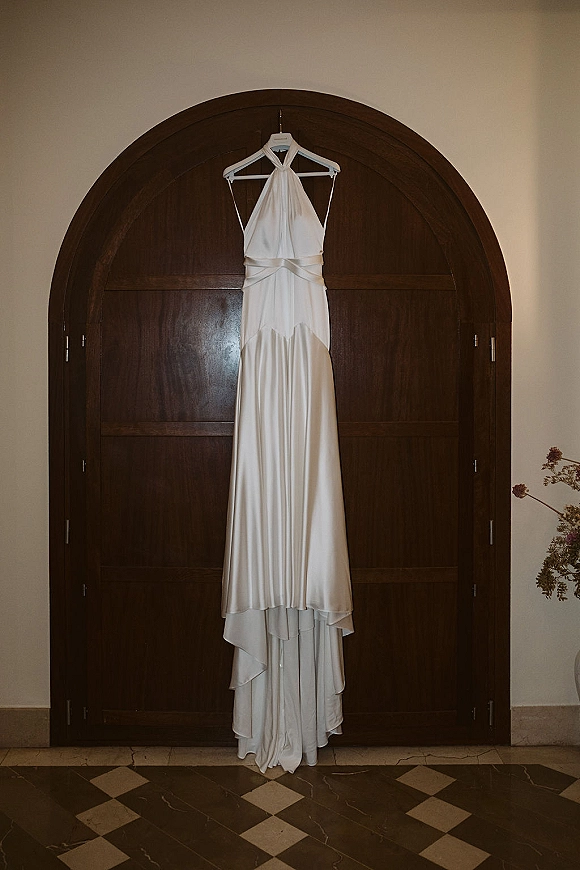
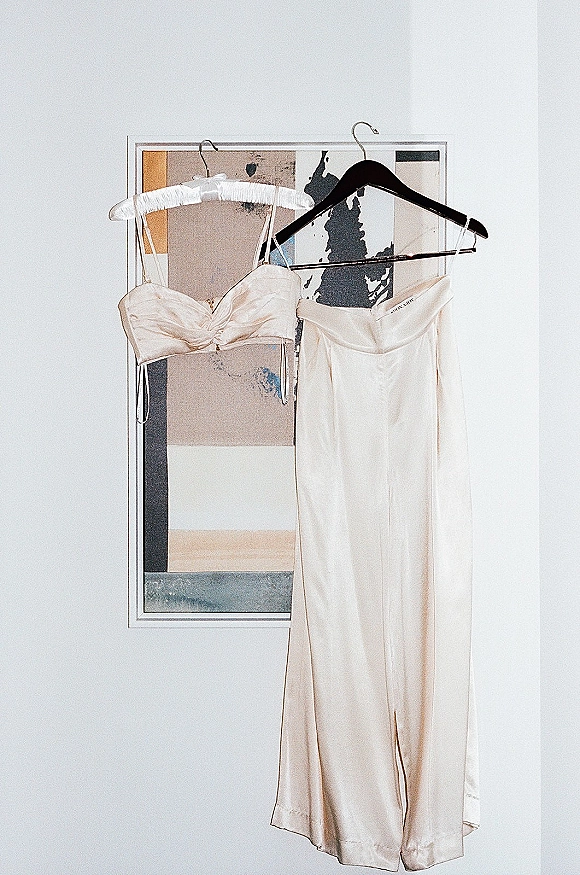
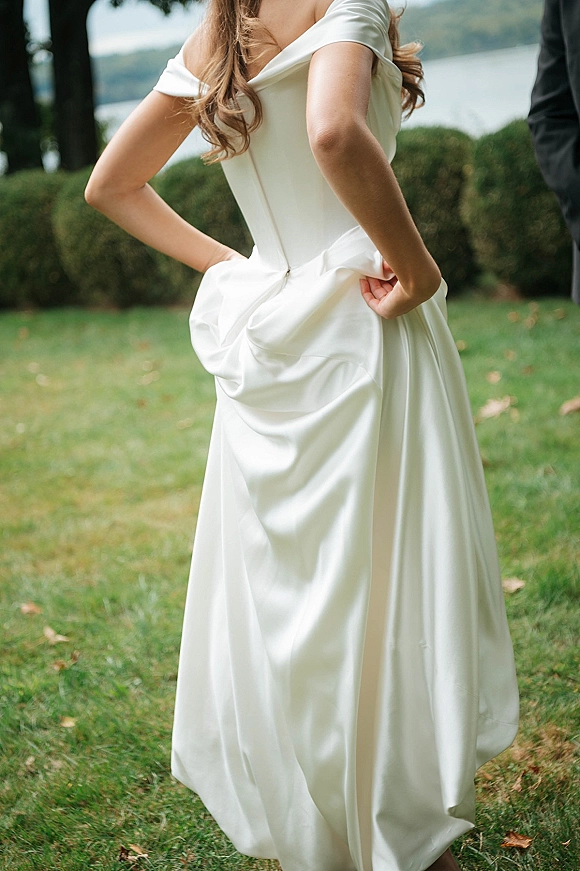
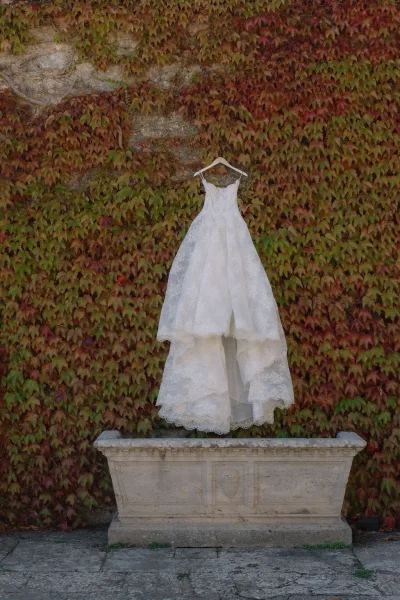
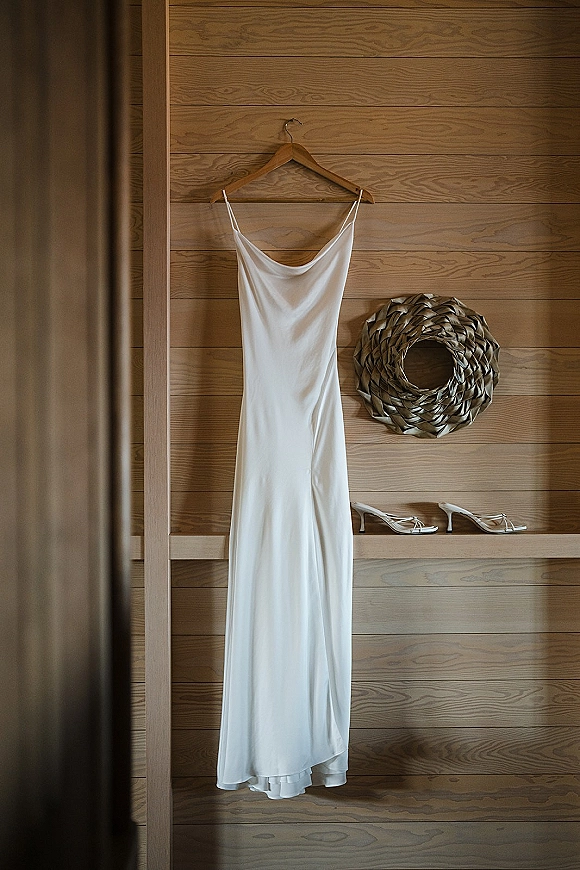
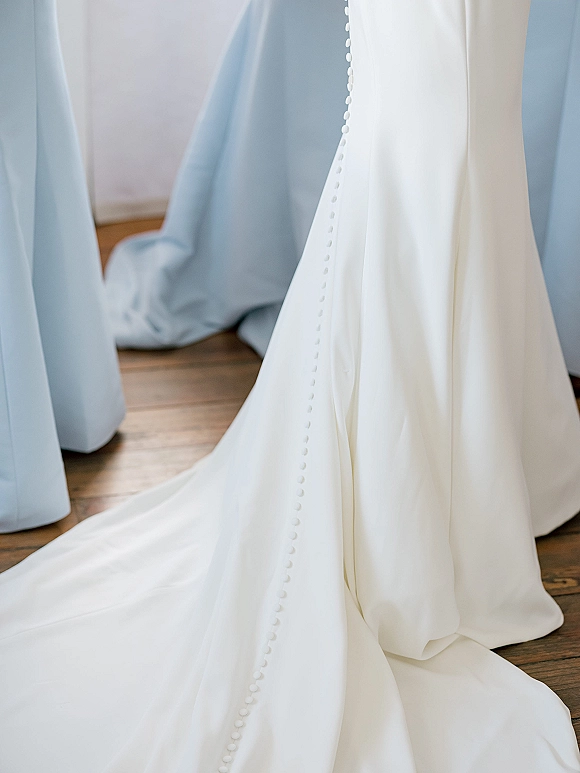
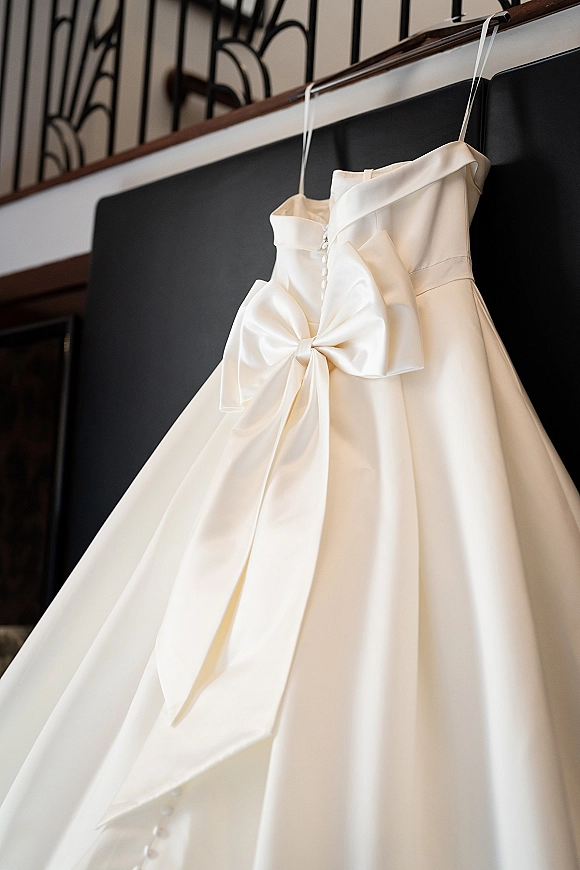
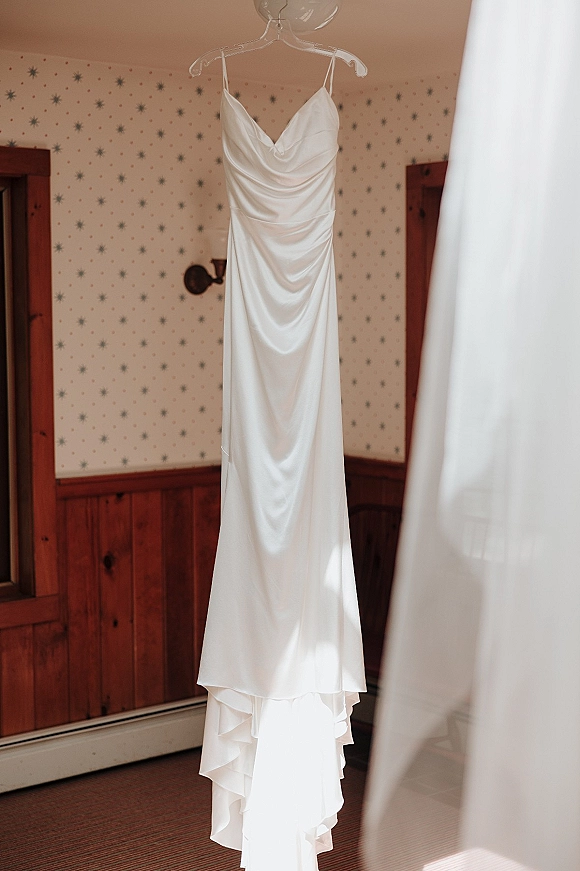
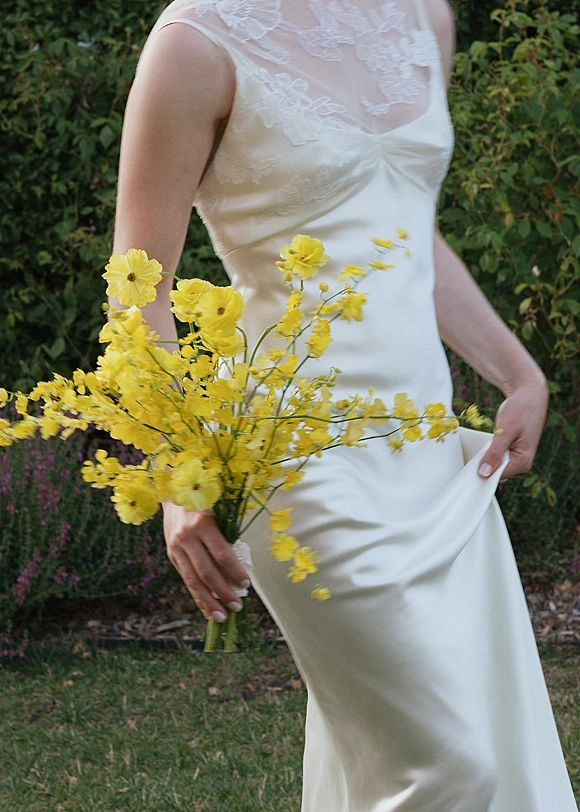
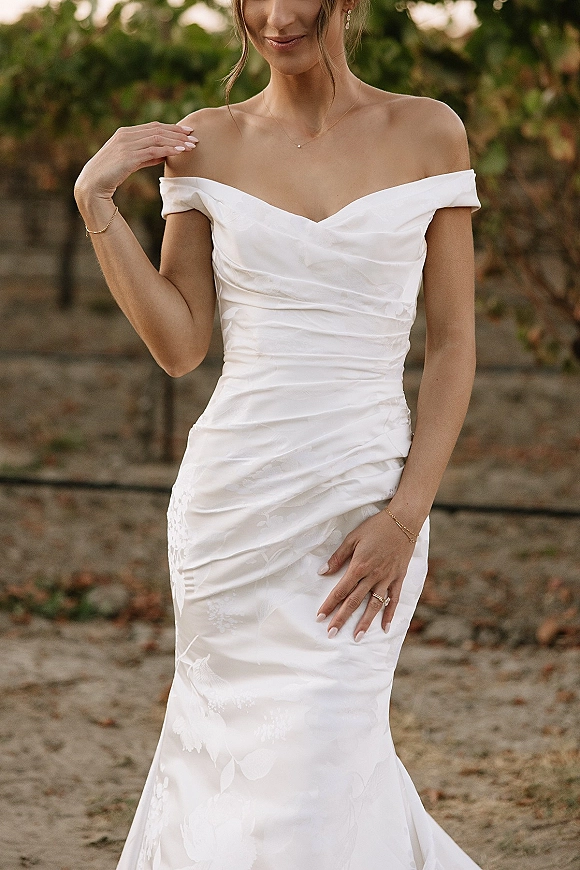
Ivory is a soft white with a warm yellow or cream undertone, while pure white is bright, crisp, and cool with no undertone. Side by side the contrast is clear: ivory reads soft, romantic, and slightly golden, where white reads sleek, modern, and stark. On its own, an ivory gown still reads unmistakably as a white wedding dress to most guests, the warmth only obvious in direct comparison. Ivory is now the most common bridal shade precisely because its gentle warmth suits a broader range of brides than true white.
Which Shade Flatters Your Skin Tone
Skin tone is the deciding factor between ivory and white. Pure white tends to flatter cool complexions with rosy or bluish undertones, but its starkness can wash out warm, golden, and olive skin. Ivory’s warm undertone is almost universally flattering, lending a soft glow to fair, medium, and deep skin alike, which is why it suits most brides. The surest test is to hold both shades against your face in natural daylight: white will look either crisp or harsh, and ivory either warm or sallow, telling you quickly which one lifts your complexion. For the warmer step beyond ivory, see our champagne wedding dress collection.
What Suits an Ivory Gown
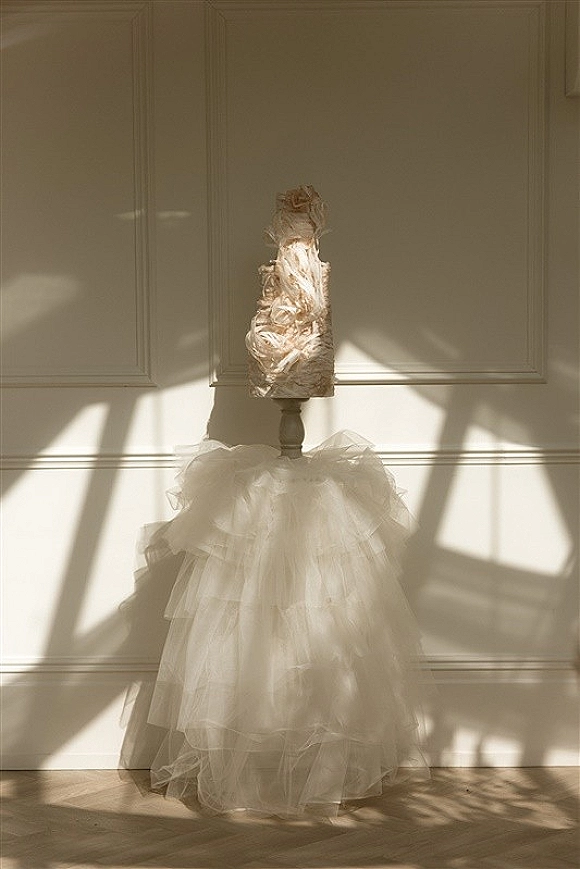
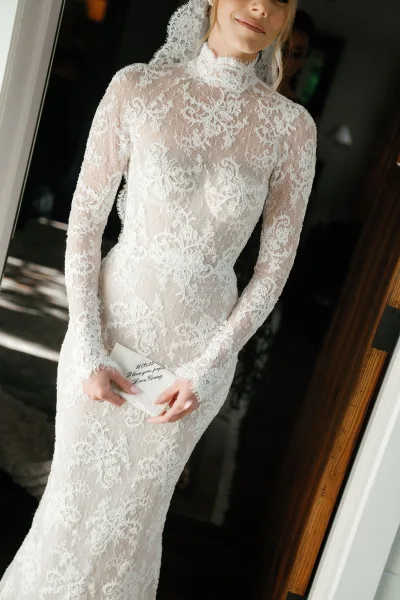
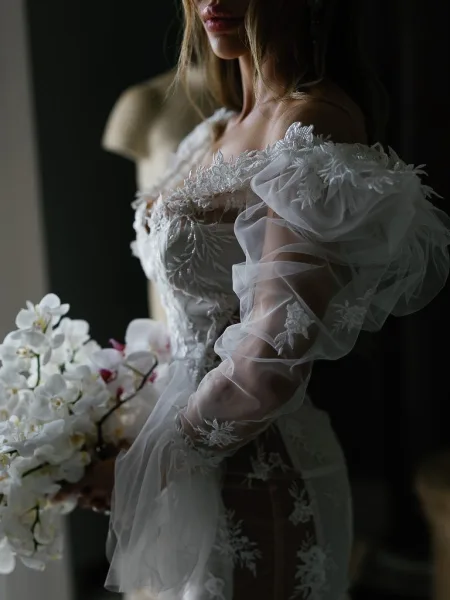
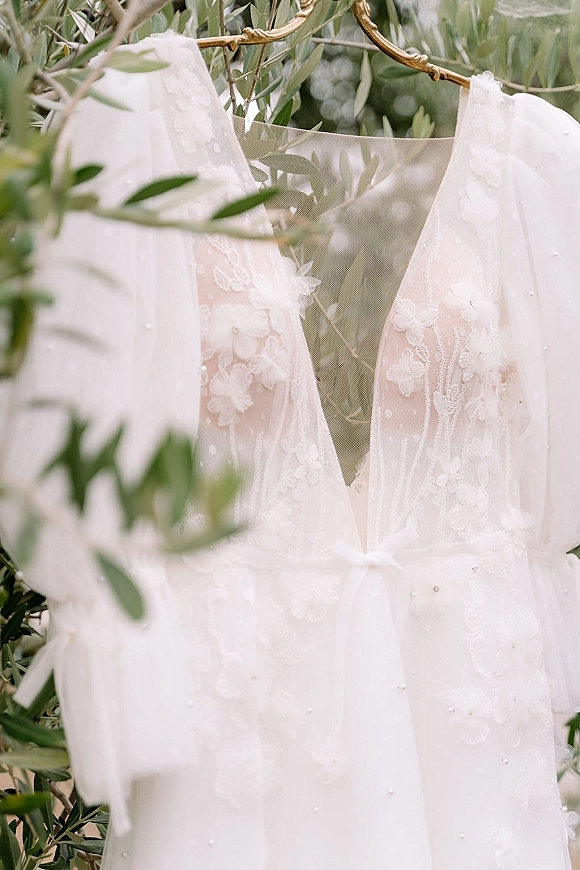
Ivory’s soft warmth makes it the natural choice for rustic, bohemian, vintage, and garden weddings, where its romantic tone matches the setting better than crisp white. It also suits any classic or formal wedding, since it reads as a traditional bridal white. The shade flatters the full range of fabrics: it warms lace into something antique and romantic, gives satin a soft sheen rather than a hard shine, and keeps tulle from looking clinical. Because so many gowns are made in ivory, the shade offers the widest selection of silhouettes and designers of any bridal color.
Ivory With Other Tones
Ivory layers beautifully with warm and contrasting accents. Paired with blush or champagne it builds a soft, tonal warm palette, while a black sash, trim, or lace overlay creates a graphic contrast. Metallic gold and rose-gold accents echo ivory’s warmth, where silver gives a cooler counterpoint. For brides drawn to the two-tone contrast route, our black and white wedding dress looks show how ivory pairs with black, and the clean lines in our minimalist wedding dress gallery suit ivory’s understated elegance.
Fabrics That Suit Ivory
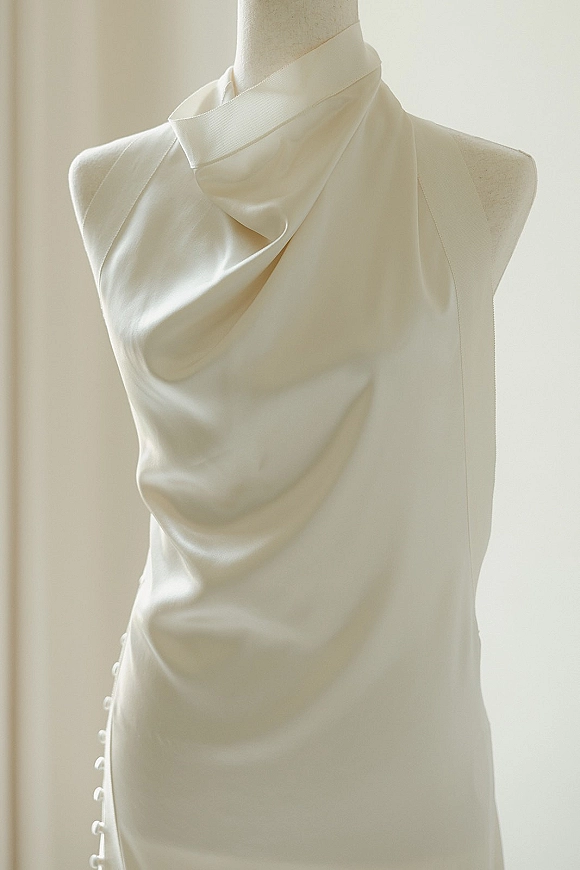
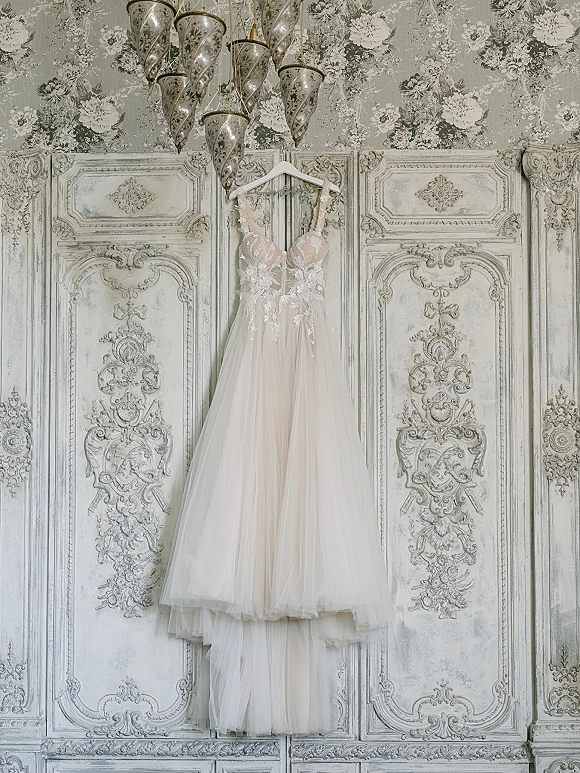
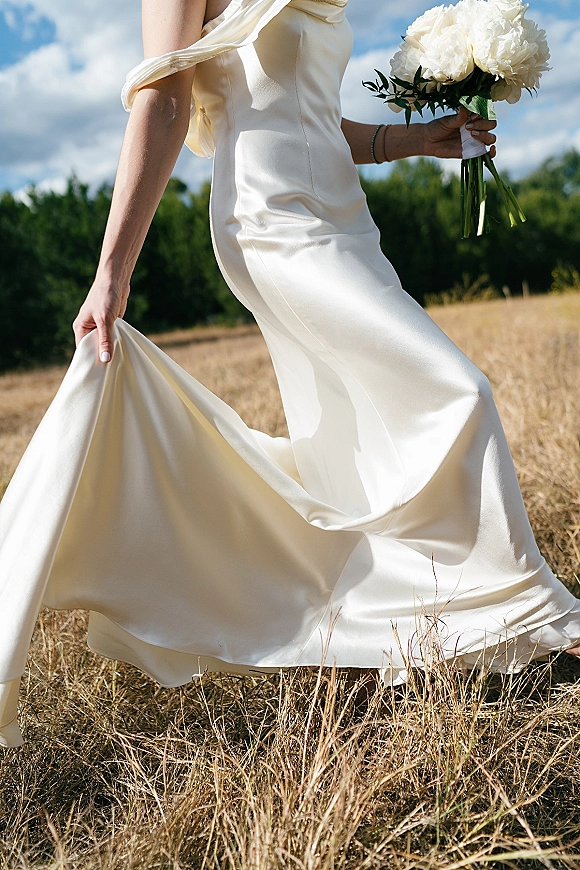
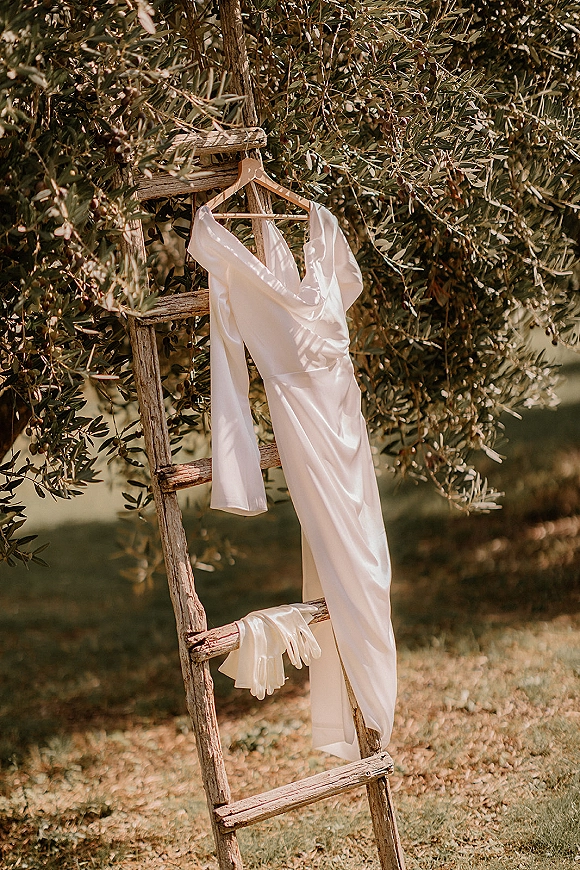
Ivory’s warmth changes how every fabric reads, almost always for the softer. Satin in ivory gives a gentle, buttery sheen rather than the hard shine of pure white, suiting structured ball gowns and sleek sheaths alike. Lace warms into something antique and romantic against an ivory ground, which is why heirloom and vintage-inspired gowns are so often made in ivory rather than white. Tulle loses its clinical edge and reads soft and dimensional. Crepe in ivory drapes with a quiet, modern elegance for minimal silhouettes. Because the undertone is forgiving, ivory also hides the slight color variations that can make a pure-white gown look uneven in photographs, a practical advantage alongside its flattering warmth.
Shades Within Ivory
Ivory is not a single fixed shade, and knowing its variations helps you find the right one. A cooler, lighter ivory sits just a step from white and suits brides who want warmth without an obvious cream tone. A warmer ivory, sometimes called diamond white or eggshell, carries more visible gold and edges toward champagne. Antique and candlelight ivories are warmer still, with a soft vintage depth that suits heirloom lace and historic venues. Trying gowns in more than one ivory under natural light reveals which warmth flatters your skin, since the difference between a cool and a warm ivory can be the difference between a gown that lifts your complexion and one that dulls it.
Ivory also coordinates more easily with the rest of a wedding than pure white, a practical point worth weighing. Bridesmaid dresses, table linens, and florals in warm or muted palettes sit in harmony with an ivory gown, where a stark white can look cold beside them. If your stationery, cake, and decor lean toward cream, blush, or warm neutrals, an ivory gown keeps the whole palette consistent. For brides building a soft, cohesive look rather than a high-contrast one, ivory’s warmth is an asset that extends well beyond the dress itself and into how the day reads as a whole.
Ivory by Wedding Style
Ivory’s soft warmth suits a wide range of wedding aesthetics, which is part of why it has become the most common bridal shade. For a rustic, bohemian, or vintage wedding, ivory’s antique warmth matches the setting far better than crisp white, reading romantic and lived-in. For a garden or outdoor wedding, ivory harmonizes with natural light and soft palettes rather than contrasting against them. For a classic or formal wedding, ivory reads as a traditional bridal white with a gentler, warmer tone.
For a destination or beach wedding, a lightweight ivory in chiffon or crepe glows softly in sunlight, while a winter wedding suits a richer ivory in satin or with plush detailing. Ivory’s versatility means it rarely looks out of place, adapting to nearly any venue and season through its choice of fabric and silhouette. Because the shade reads as warm and forgiving rather than stark, it suits brides who want a traditional white gown with a softer, more romantic character, and it gives the widest selection of any bridal color.
Ivory Lace and Embellishment
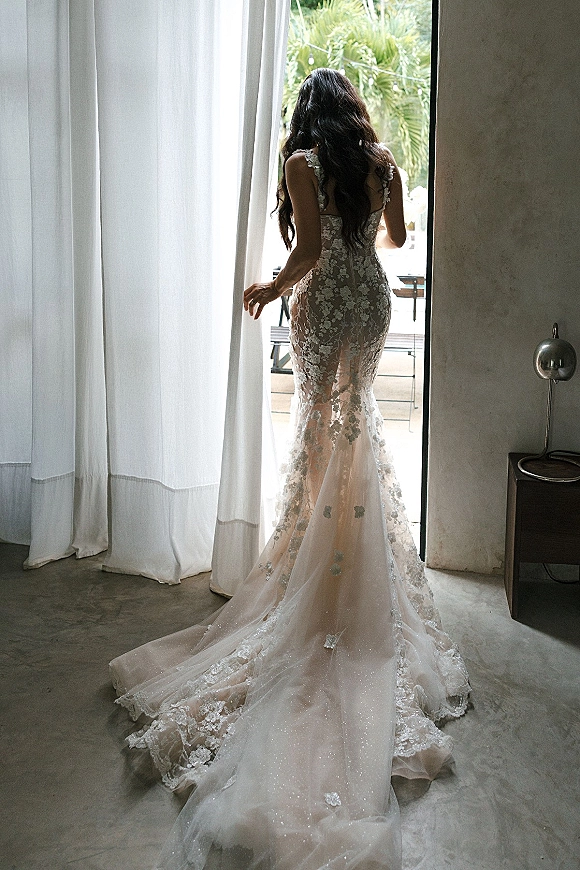
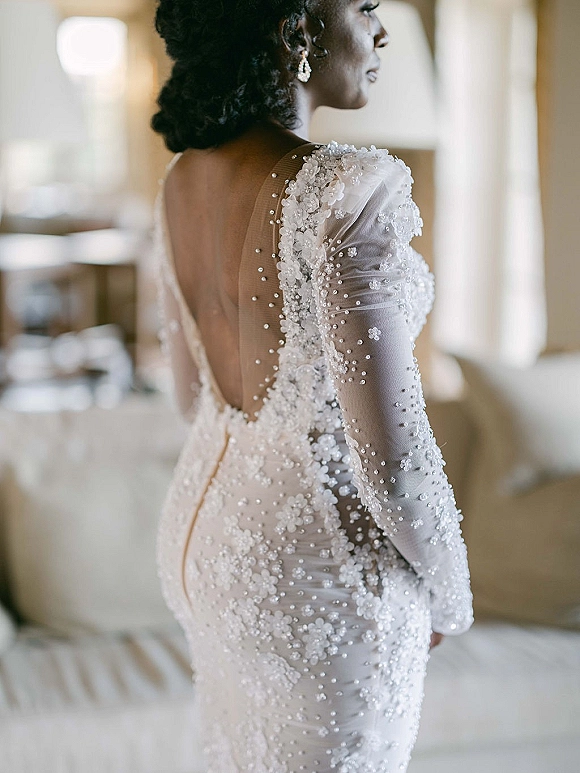
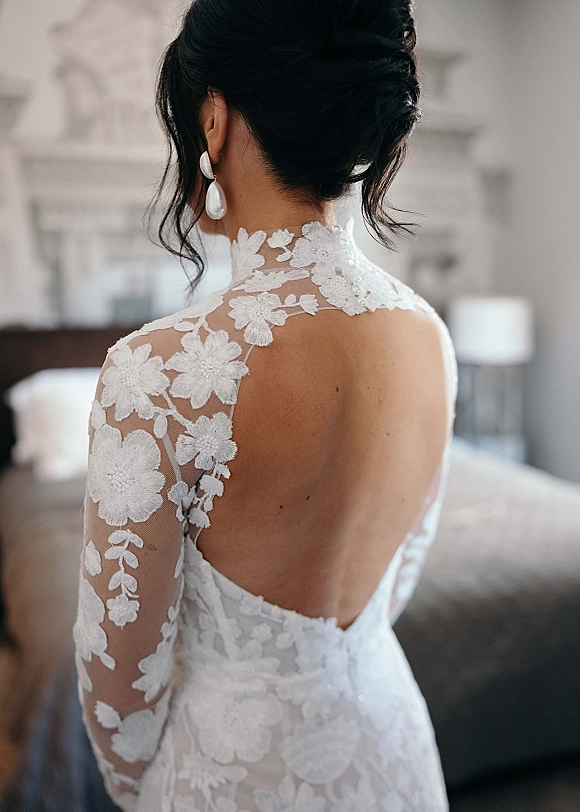
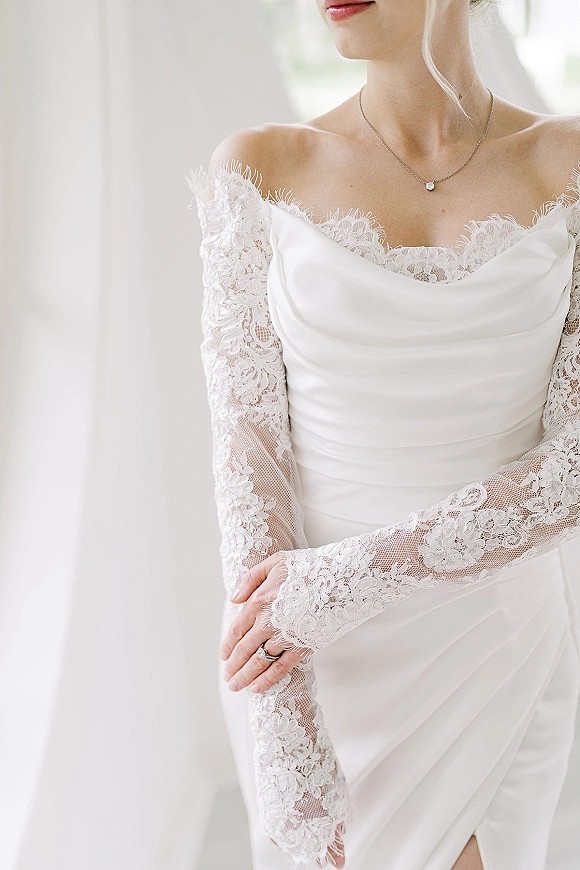
Ivory is the shade that flatters lace most, which is why heirloom and vintage-inspired gowns are so often made in it. Lace warms into something antique and romantic against an ivory ground, the pattern reading softer and richer than it would against stark white. Whether as a delicate Chantilly overlay, a corded guipure, or a beaded Alencon, lace on ivory reads classically bridal and suits sleeves, bodices, and full-lace gowns alike. The warmth of the base keeps the lace from looking cold or clinical.
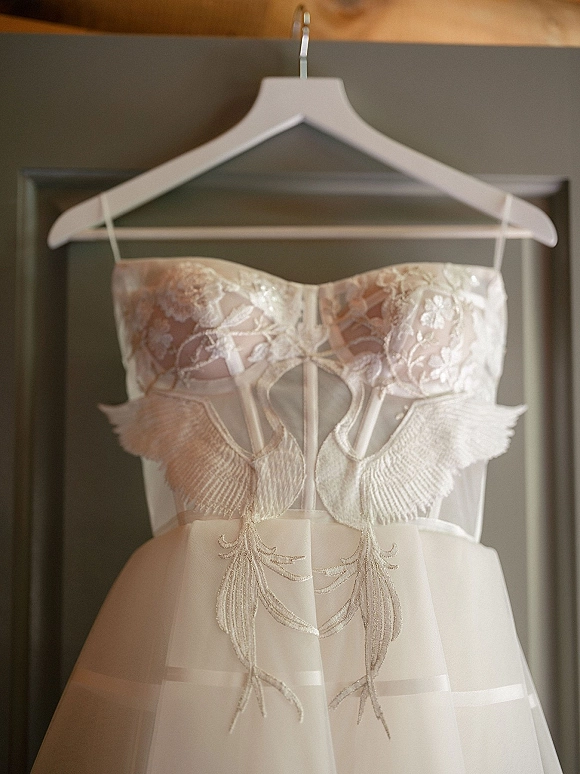
Beading and embellishment also read warmly against ivory, with pearl, crystal, and gold detailing all sitting beautifully on the soft ground. A heavily beaded ivory gown reads as glamorous without the harshness pure white can carry, while a clean ivory satin with minimal ornament reads modern and elegant. Because ivory is so widely made, it offers embellishment at every level, from simple unadorned crepe to elaborate hand-beaded silk, giving brides the broadest possible range of detailing to choose from.
Ivory in Your Wedding Palette
An ivory gown coordinates with a wider range of palettes than pure white, a practical advantage that extends through the whole wedding. Warm and muted palettes, blush, champagne, sage, terracotta, and dusty tones, sit in harmony with an ivory gown, where a stark white can look cold beside them. Bridesmaids in warm neutrals or soft colors continue the gown’s gentle tone, and gold or rose-gold accents echo its warmth.
Ivory also pairs cleanly with bolder schemes, since its soft ground lets jewel tones and deep colors read richly against it without the harsh contrast of pure white. Table linens in cream or ivory with warm florals build a cohesive, romantic scene. Because so much of a wedding’s palette is warm or muted, an ivory gown keeps the whole day consistent, reading as part of a unified aesthetic rather than a bright element set apart from softer surroundings.
Ivory Trains, Hems, and Length
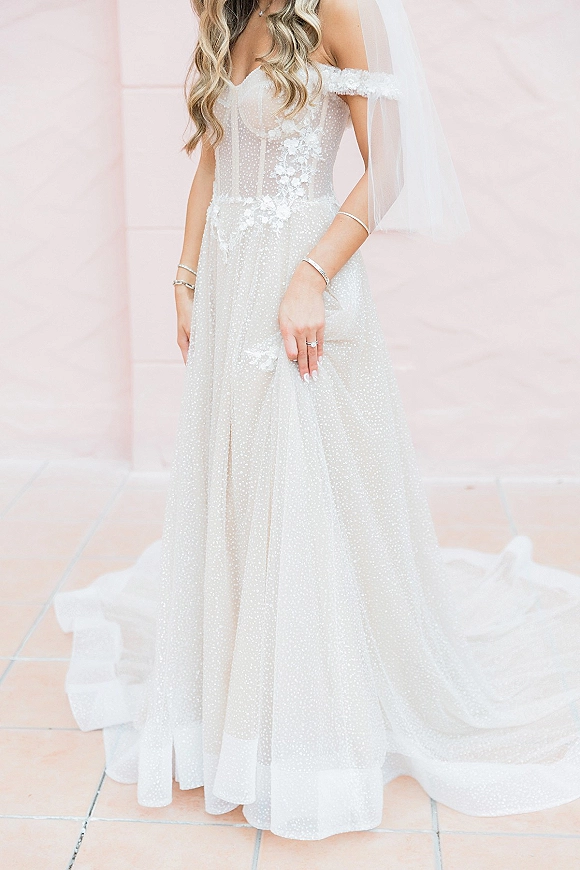
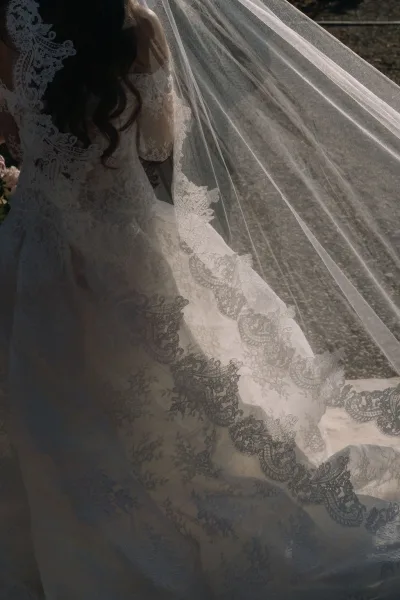
Length shapes how formal or how relaxed an ivory gown reads. A flowing floor-length gown with a soft train suits ivory’s romantic warmth, and a sweep, chapel, or cathedral train adds formality for a traditional or grand wedding. A clean floor length keeps an ivory sheath modern and understated. Because ivory flatters every fabric, the train can be anything from layered tulle to fluid crepe to rich satin, each reading softly warm rather than starkly bright.
Shorter lengths bring out a fresher side of ivory. A tea-length ivory dress reads vintage and romantic, while a cocktail-length gown suits a reception look or a courthouse celebration. A high-low hem adds movement for an outdoor setting. Because ivory reads as warm and traditional, the hemline lets a bride decide whether to lean formal and romantic with length and a train or to keep the look clean and modern with a shorter, simpler silhouette.
Ivory Veils, Headpieces, and Accessories
An ivory gown is most often paired with an ivory veil, since matching the warm tone keeps the look seamless, where a stark white veil against an ivory gown can read mismatched in photographs. This is a practical reason to confirm the veil and gown share the same undertone before the day. Beyond the veil, ivory’s warmth pairs naturally with pearl, antique gold, and warm-toned hair accessories, which echo the soft tone rather than contrasting against it, while crystal and silver give a cooler counterpoint.
Shoes, jewelry, and other accessories have wide latitude against ivory, since its forgiving warmth flatters nearly any metal and tone. Nude or metallic shoes disappear into the line, while a bolder shoe adds a pop against the soft ground. Because ivory reads as a warm, traditional white, accessories can lean classic with pearls and lace or modern with clean metallics, and the gown supports either direction. Matching the veil’s undertone to the gown is the one detail worth confirming carefully, since it is the most visible place a mismatch in warmth would show.
Ivory Florals and Beauty
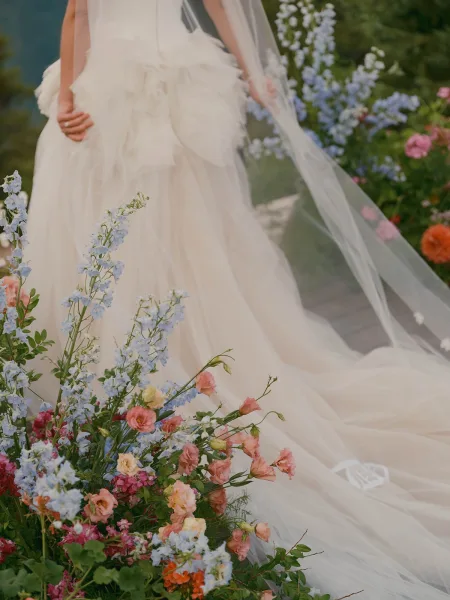
An ivory gown gives florals and beauty a warm, forgiving backdrop. White and greenery keep an ivory gown classic and fresh, blush and peach lean romantic, and bold jewel tones read richly against the soft ground without the harsh contrast pure white can create. The warmth of ivory lets nearly any floral palette work, which is part of why the shade suits so many wedding aesthetics, from garden to formal.
For beauty, ivory flatters a soft, warm makeup palette, with rosy or peach tones complementing the gentle tone, though the forgiving shade carries a bolder lip or eye equally well. A natural, glowing finish suits ivory’s romantic warmth, and hair worn soft or sleek both work against the classic shade. Warm metals in gold or rose gold reinforce ivory’s glow, while crystal keeps it fresh. Because ivory reads as warm and traditional, the surrounding florals and beauty have unusual freedom, with the gown flattering a wide range of choices.
Ivory and the Wedding Party
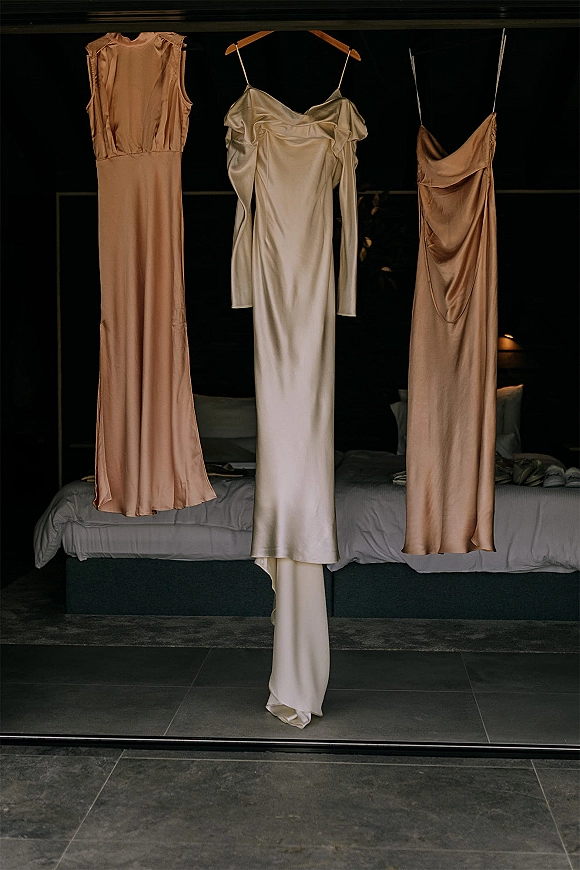
Because ivory coordinates so easily with warm and muted palettes, it gives the wedding party unusual flexibility. Bridesmaids in warm neutrals, blush, sage, or dusty tones sit in harmony with an ivory bridal gown, where a stark white can read cold beside softer colors. To keep the bride distinct, the ivory gown’s silhouette and detailing set it apart while the warm palette ties the party together.
Ivory also works beautifully as a tonal scheme, with bridesmaids in champagne, cream, or soft taupe building a warm, monochrome elegance beside the bride. For contrast, deeper jewel tones and bold colors read richly against an ivory gown without the harsh edge of pure white. Groom and groomsmen in classic black, navy, or tan sit naturally alongside ivory’s warmth. Carrying the ivory tone and its warm undertone through the party, the florals, and the linens keeps the whole day consistent, so the gown reads as part of a unified, romantic aesthetic rather than a bright element set apart from its surroundings.
Styling an Ivory Wedding Dress
Ivory gives a warm, forgiving base that takes nearly any palette. Warm metals in gold and rose gold reinforce its glow, while crystal and silver keep it fresh. Florals are unrestricted: white and greenery keep it classic, blush and peach lean romantic, and bold jewel tones pop cleanly against the soft ground. A nude or metallic shoe disappears into the line. Because ivory is so widely made, browsing the wedding dress directory lets you compare warm and cool ivories across designers before deciding which undertone suits you.
Frequently Asked Questions
What is the difference between ivory and white wedding dresses?
Ivory is a soft white with a warm yellow or cream undertone, while pure white is bright, crisp, and cool. Ivory reads romantic and slightly golden, white reads sleek and stark, though the difference is mainly visible when the two are seen side by side.
Should I choose ivory or white?
Skin tone decides it. Pure white suits cool, rosy complexions but can wash out warm and olive skin, while ivory’s warmth flatters nearly everyone. Hold both shades against your face in daylight to see which lifts your complexion.
Does an ivory wedding dress look off-white?
On its own, ivory reads as a traditional white wedding dress to most guests, with the warmth only obvious beside a true white. It is the most common bridal shade precisely because its subtle warmth is flattering without looking noticeably off-white.
What weddings suit an ivory gown?
Ivory suits rustic, bohemian, vintage, and garden weddings where its soft warmth matches the setting, as well as any classic or formal wedding, since it reads as a traditional bridal white. Its warmth makes lace look antique and romantic.
What colors go with an ivory wedding dress?
Ivory pairs with blush and champagne for a tonal warm palette, with black for graphic contrast, and with almost any floral color. Gold and rose-gold metals echo its warmth, while silver and crystal give a cooler counterpoint.
How much does an ivory wedding dress cost?
Pricing depends on the designer, fabric, and detailing, the same range as any bridal gown. Because ivory is the most widely made bridal shade, it offers options at every level from simple crepe to heavily beaded silk.