What Is an Illusion Neckline
An illusion neckline is a panel of sheer tulle, net, or organza, usually edged or covered with lace, that fills a neckline so it reads as bare skin while giving real coverage. It is a construction technique rather than a single shape, which is why one method appears across so many different gowns.
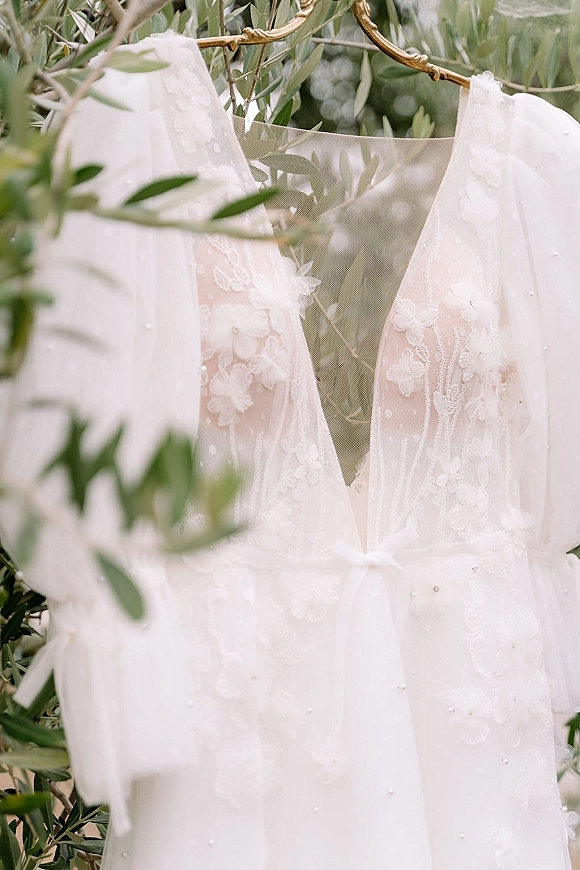
That technique is what makes illusion so adaptable. It lets a designer float lace, beading, or a neckline edge over the skin with no visible support structure, so a gown delivers coverage, a place to anchor detail, and the look of bare skin at once. The sheer panel can read as nearly invisible or show as a faintly tinted, patterned layer, and it bridges a bold silhouette and a wearable gown. Because illusion is a method and not a cut, it attaches to almost any neckline, which is why the same word describes a filled-in plunge, a soft high neck, and a scattered lace edge across the chest.
How Illusion Tulle and Lace Create Coverage With Skin
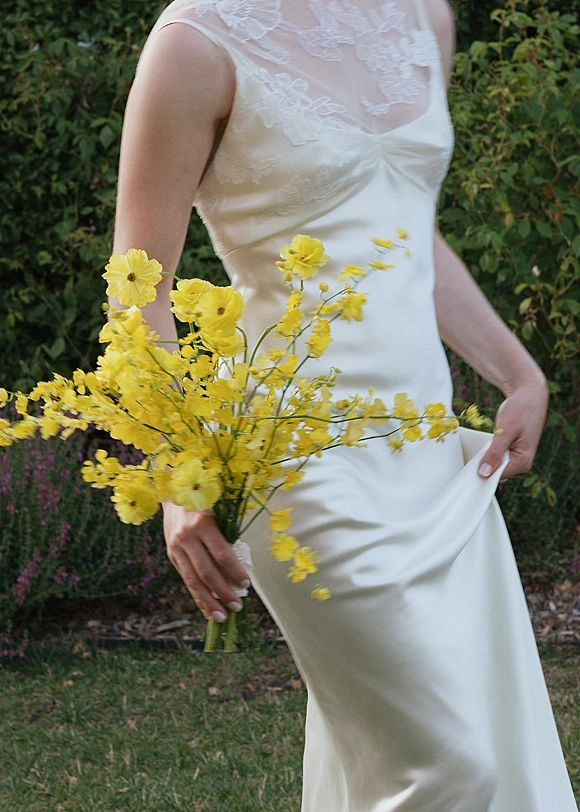
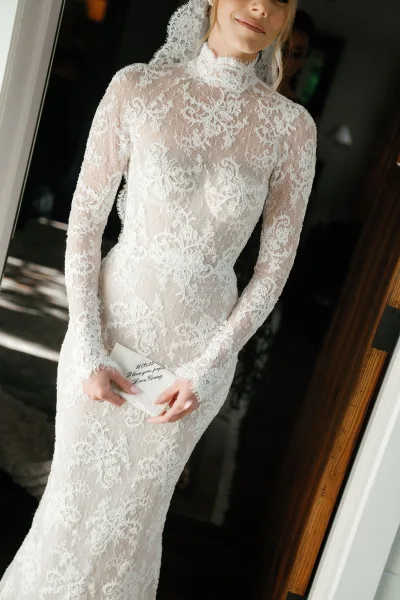
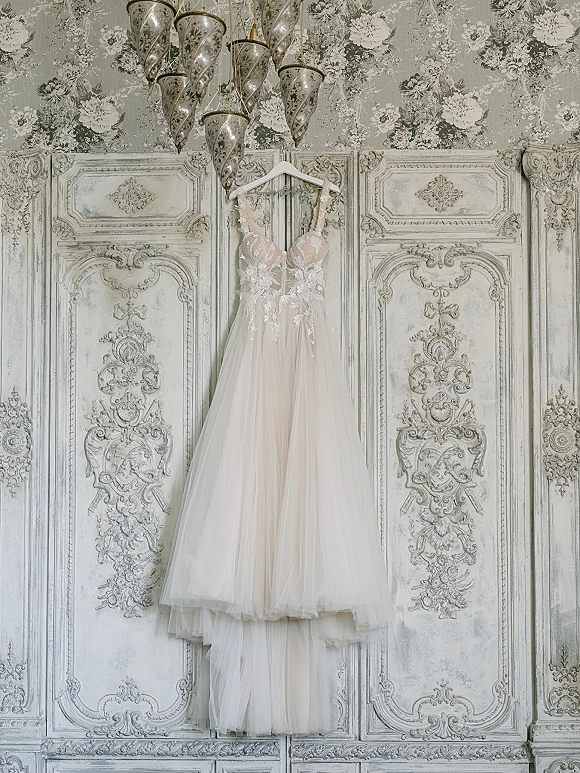
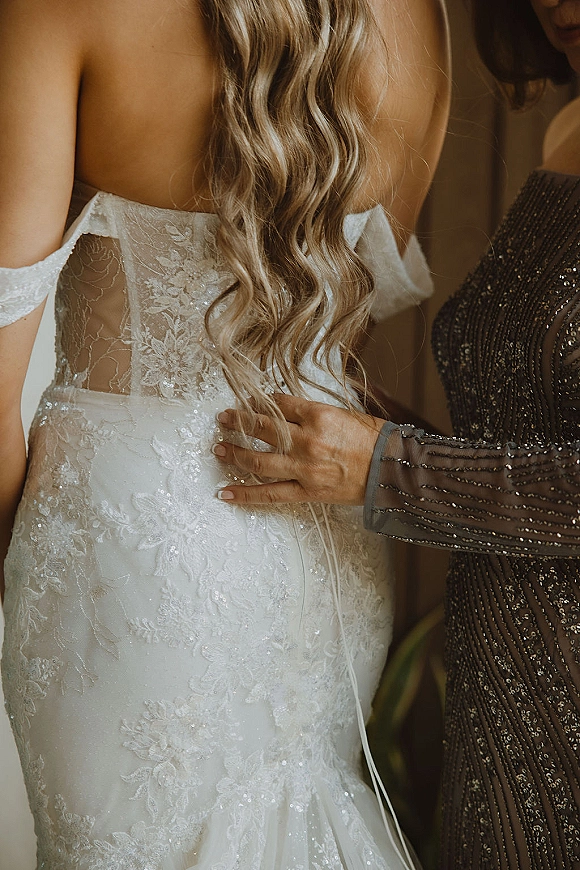
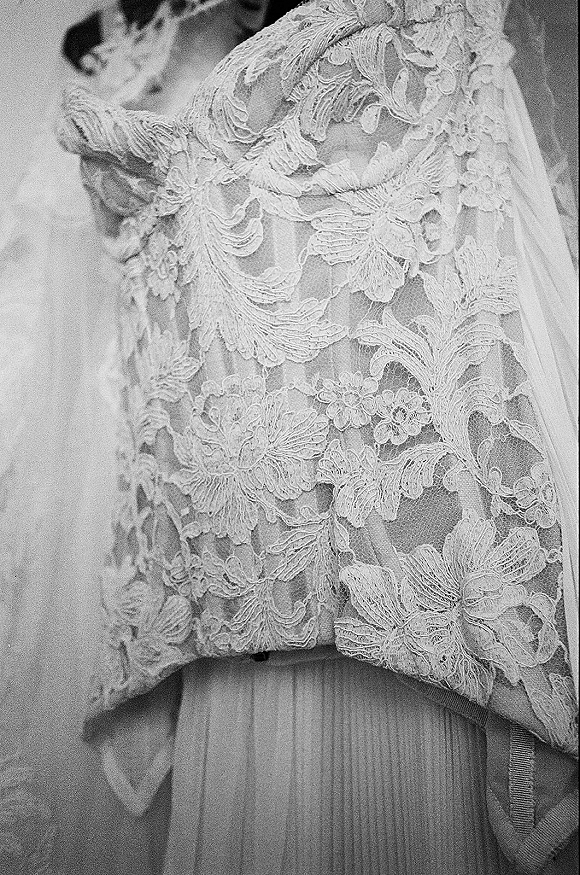
The effect comes from how fine the base fabric is. A sheer illusion neckline uses tulle or net in a weight light enough to read as skin, and a lace illusion neckline lays lace appliqué over that base so the pattern appears to sit directly on the body. The eye reads the lace as floating and the skin as bare, when in fact a continuous sheer panel holds both. Matching the tulle to the skin tone strengthens the illusion, so the coverage vanishes and only the lace, the beading, and the finished edges show. Designers choose the net weight to control that balance, using a finer mesh where they want the panel to disappear and a firmer one where it needs to carry weight or hold a neckline shape.
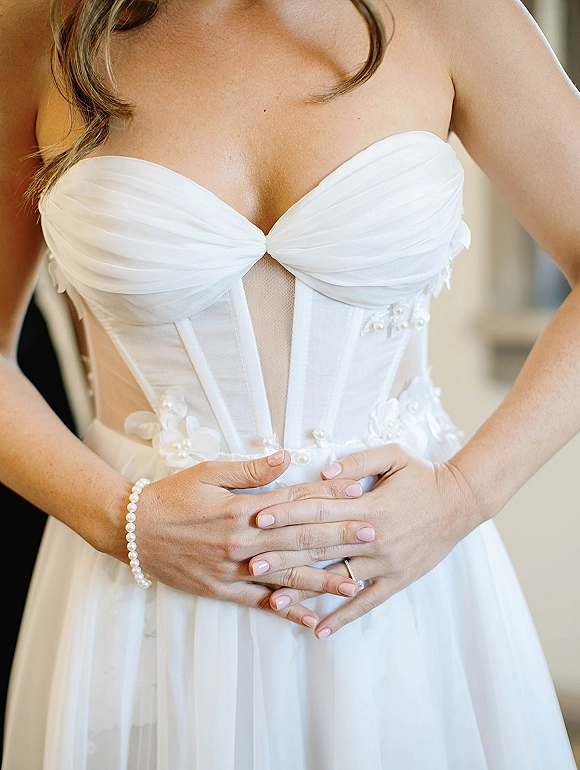
This is what lets an illusion gown give coverage without looking covered. A high neckline, a filled-in plunge, or a closed back can all be built from the same sheer-and-lace method, so the bride gets modesty and support while the gown keeps the open, skin-baring look it appears to have. The sheer panel also gives the bodice beneath a clean line to anchor to, so boning or a built-in corset can do the structural work while the illusion carries only the surface detail.
Illusion Sleeves and Backs
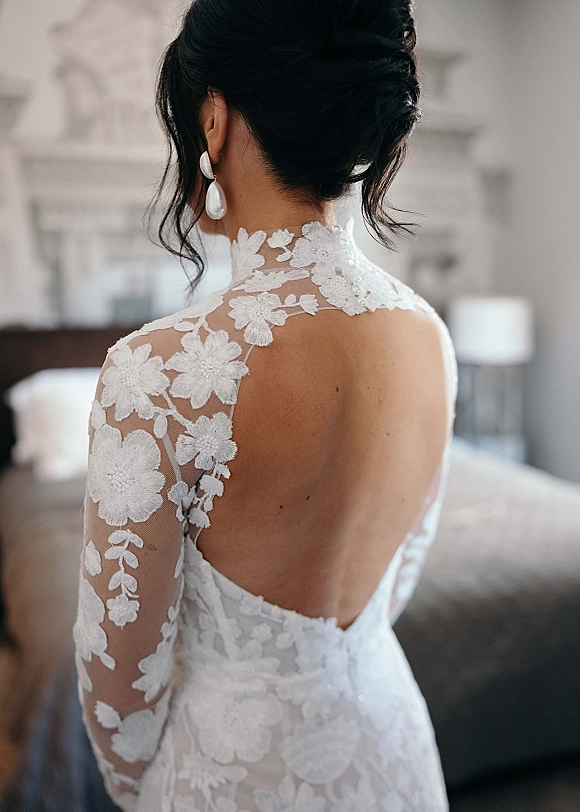
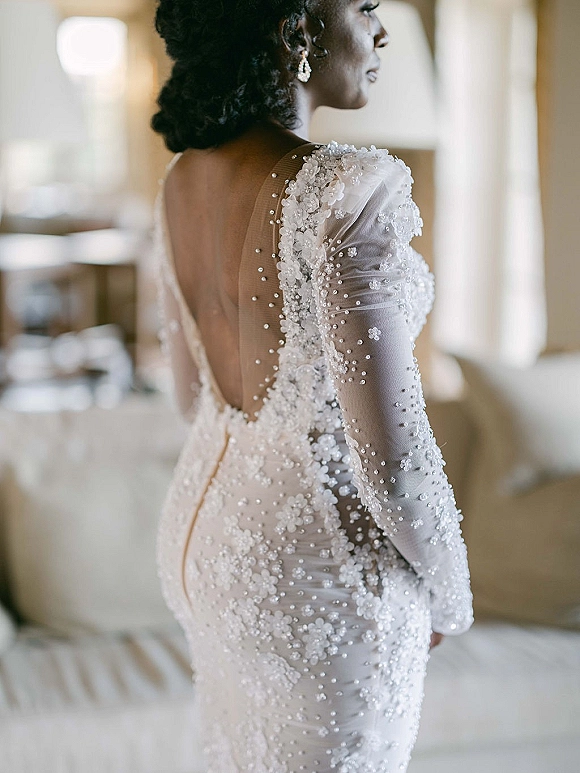
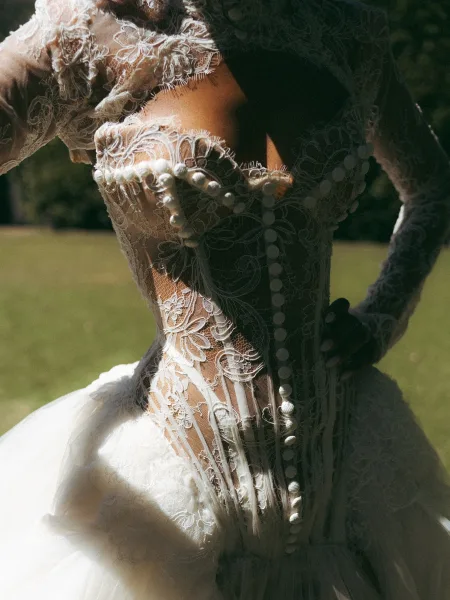
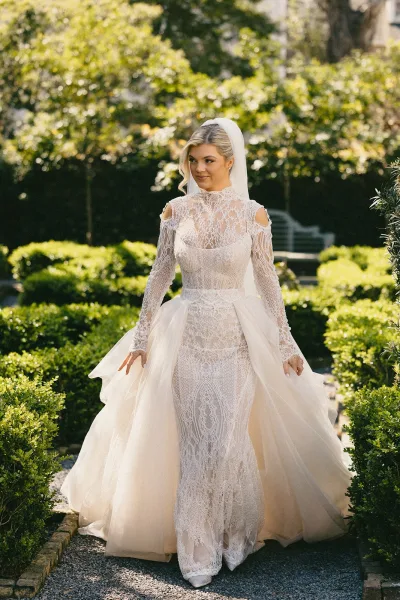
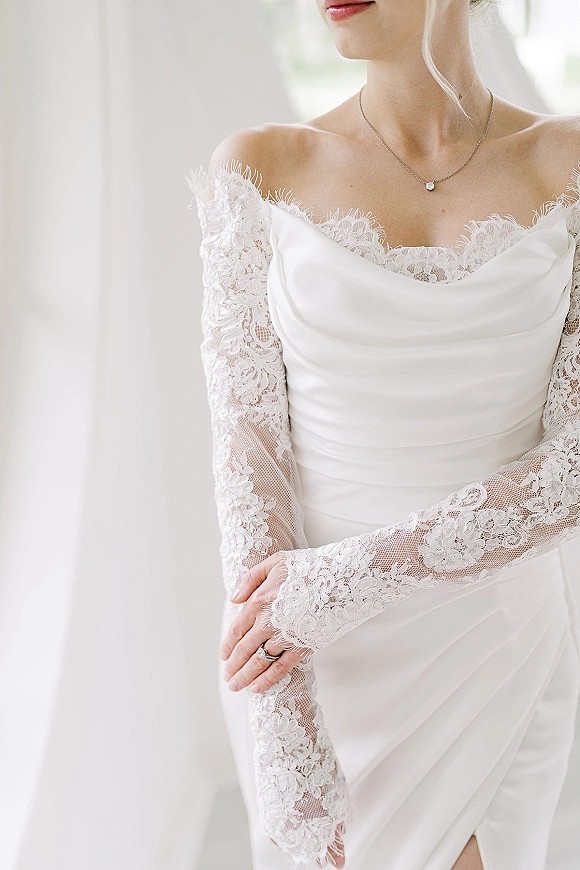
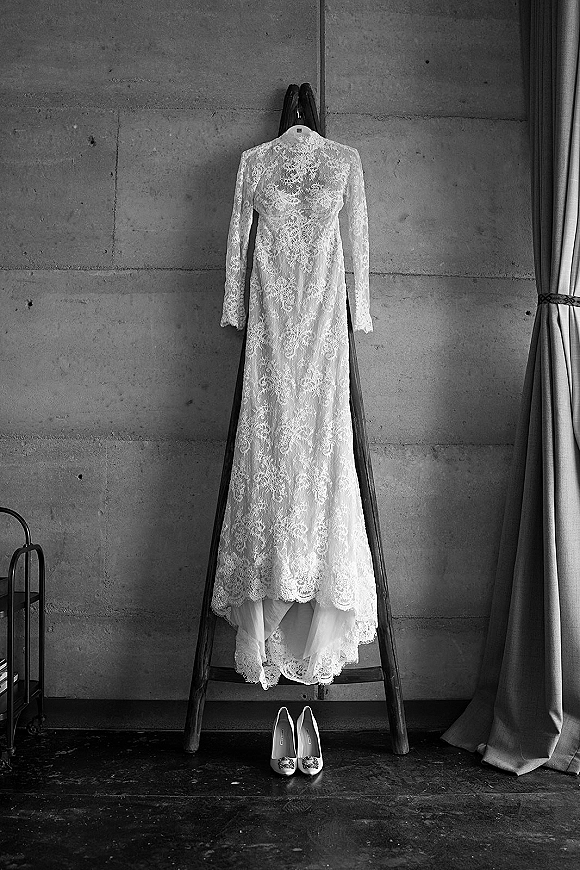
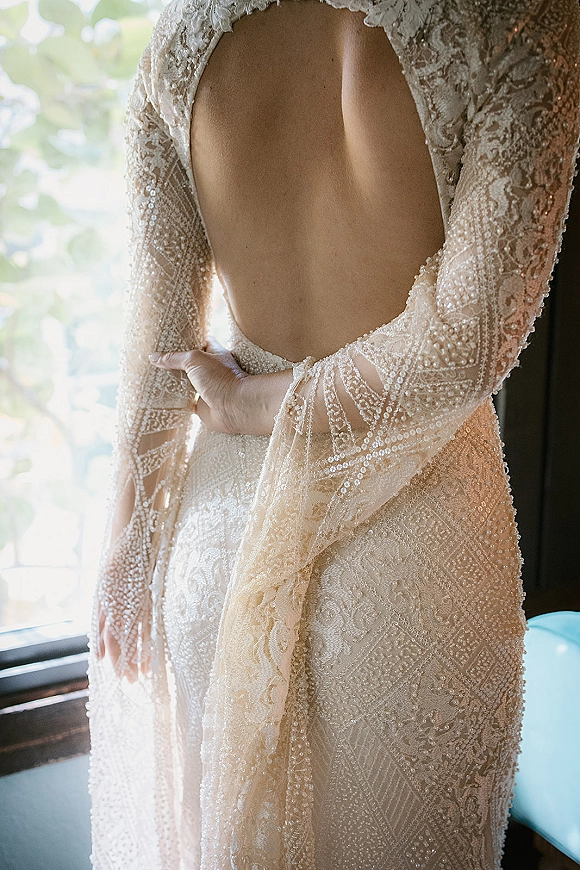
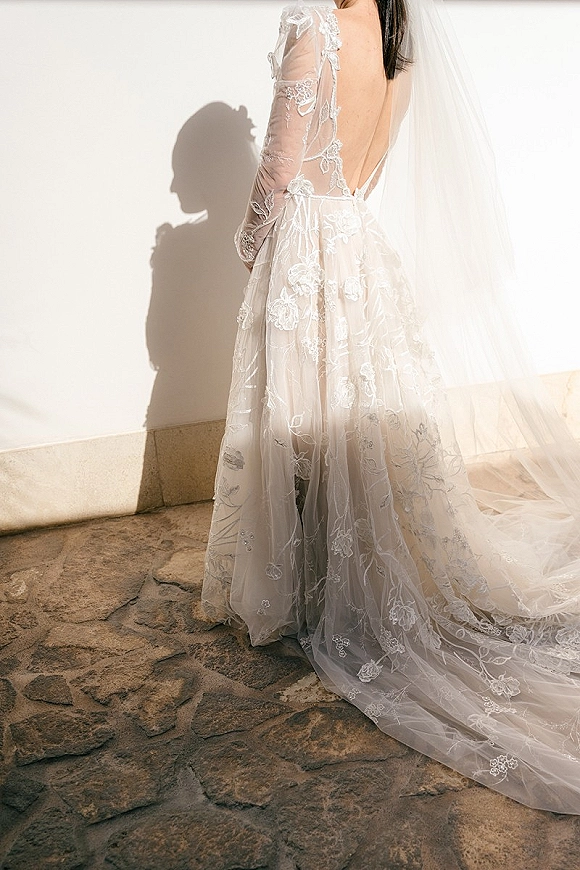
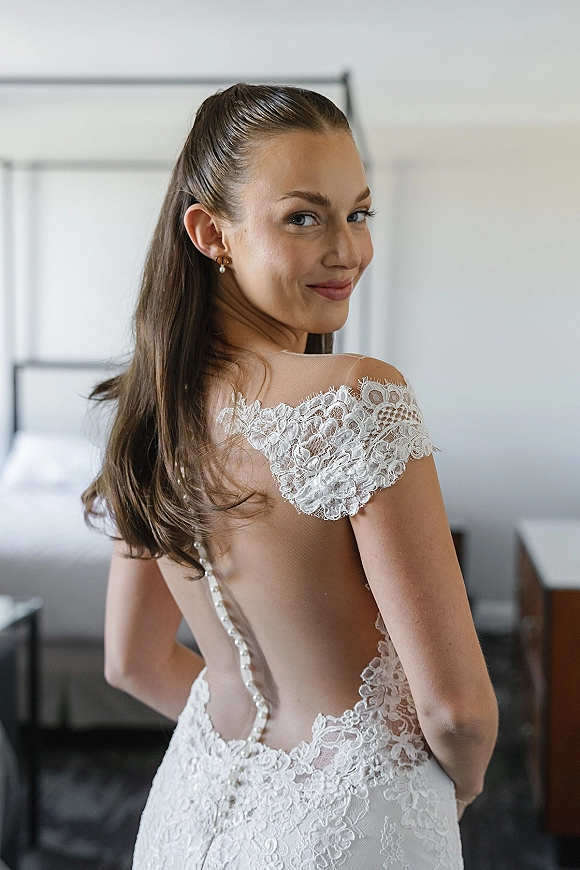
Beyond the neckline, illusion runs across the arms and the back. An illusion neckline wedding dress with sleeves carries the same sheer-and-lace panel down each arm, so the sleeves read as lace-over-skin rather than solid fabric, which keeps a long-sleeve gown light and fine. An illusion neckline with sleeves can taper to a point at the wrist or gather at the shoulder, and a cap sleeve illusion neckline uses a small sheer sleeve to soften bare shoulders without full coverage.
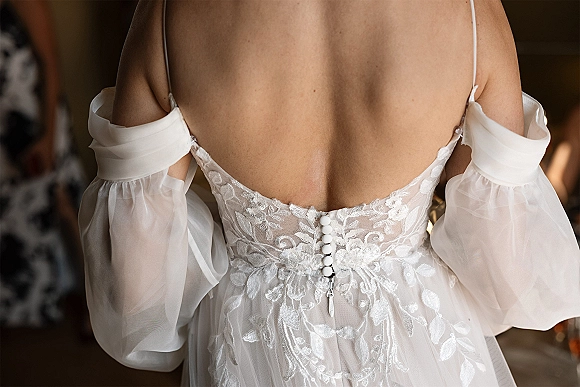
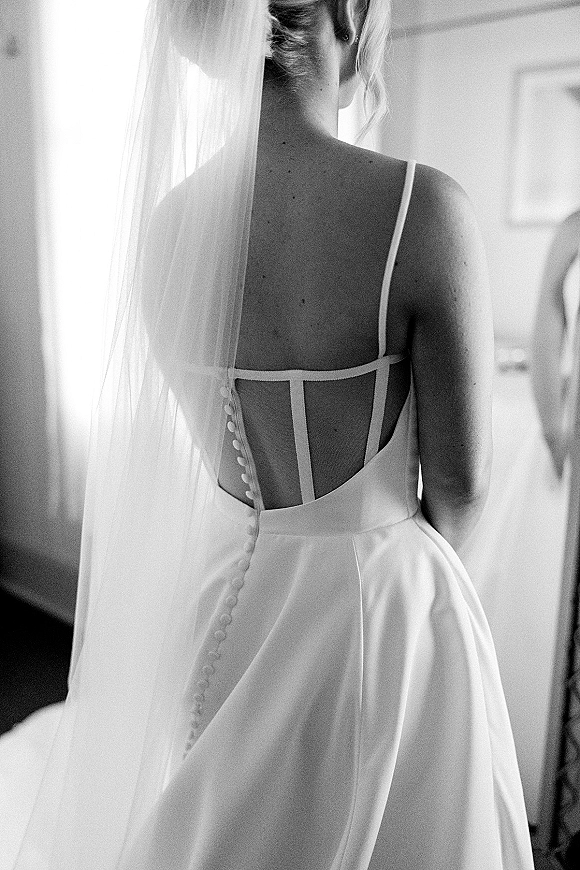
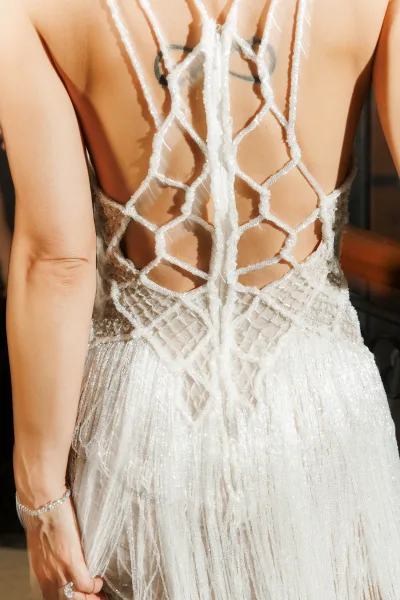
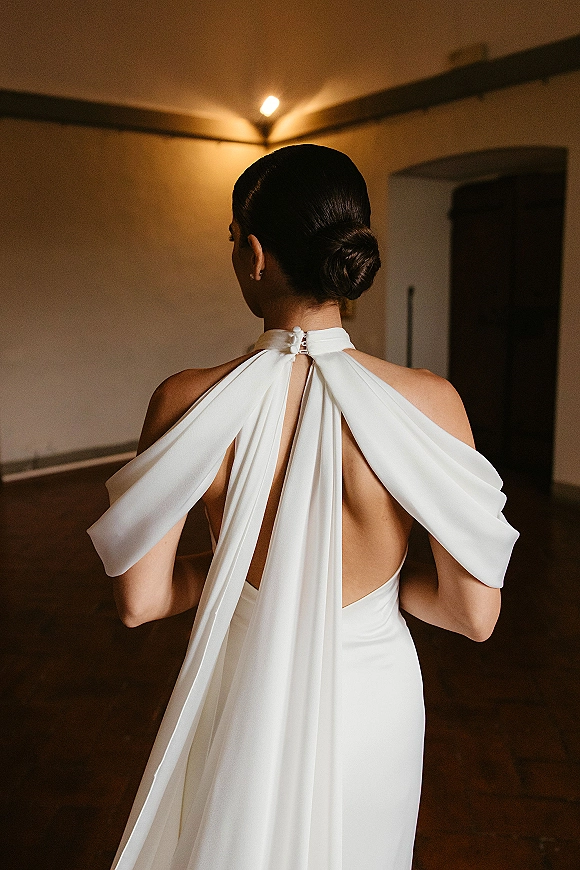
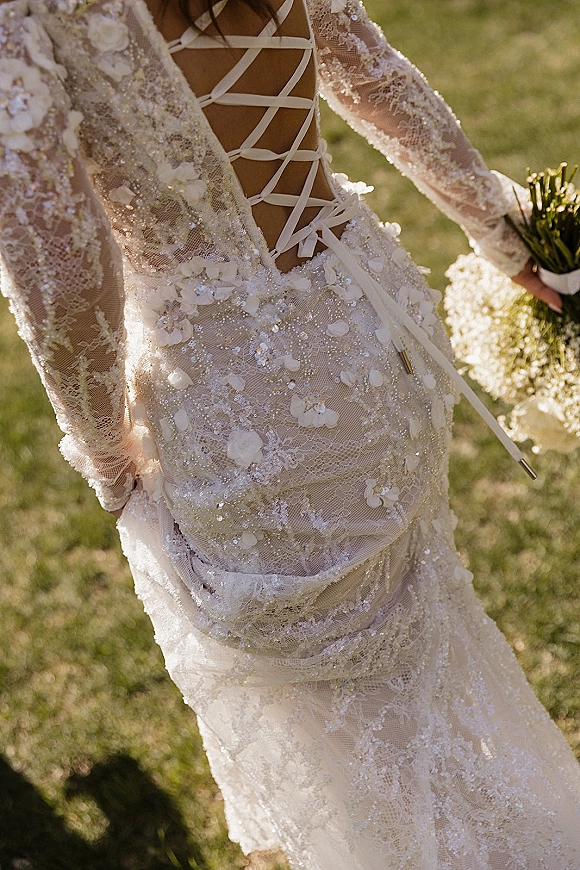
An illusion neckline and back extends the technique behind the gown, filling an open back with sheer tulle traced in lace or dotted with buttons, so the back reads bare while staying covered and supported. Illusion backs are a common way to get the look of a deep open back with more security, and they give a place to run a line of covered buttons from the shoulders to below the waist. The same method that opens the front discreetly can close the back with a clean seam of detail.
Illusion Over a Sweetheart or High-Neck Base
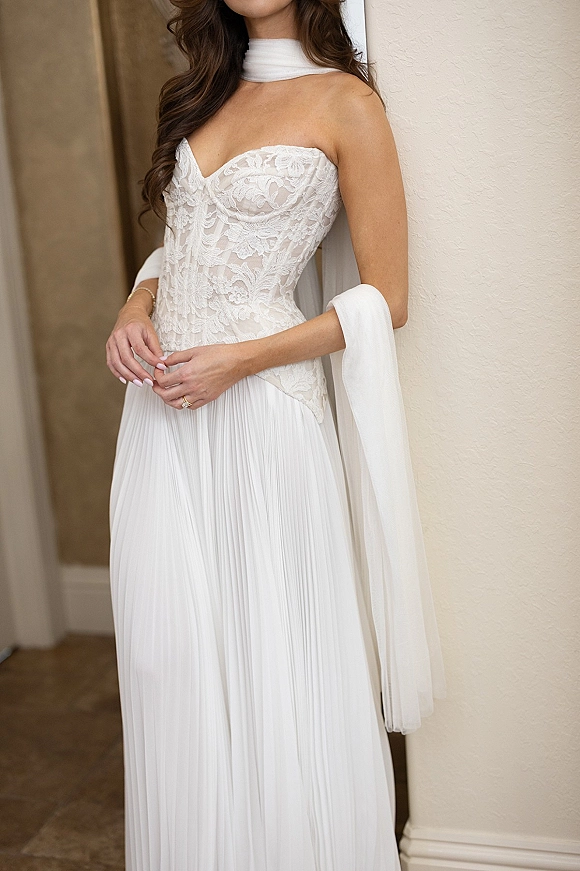
One of illusion’s most common jobs is extending another neckline. An illusion sweetheart neckline sets a sheer panel above a sweetheart bodice, so the gown keeps the flattering sweetheart curve underneath while the illusion adds a higher neckline, cap sleeves, or a scattered lace edge over the chest. It is how a strapless sweetheart gains coverage without losing its shape, and the sweetheart neckline wedding dress gallery shows the base curve this builds on.
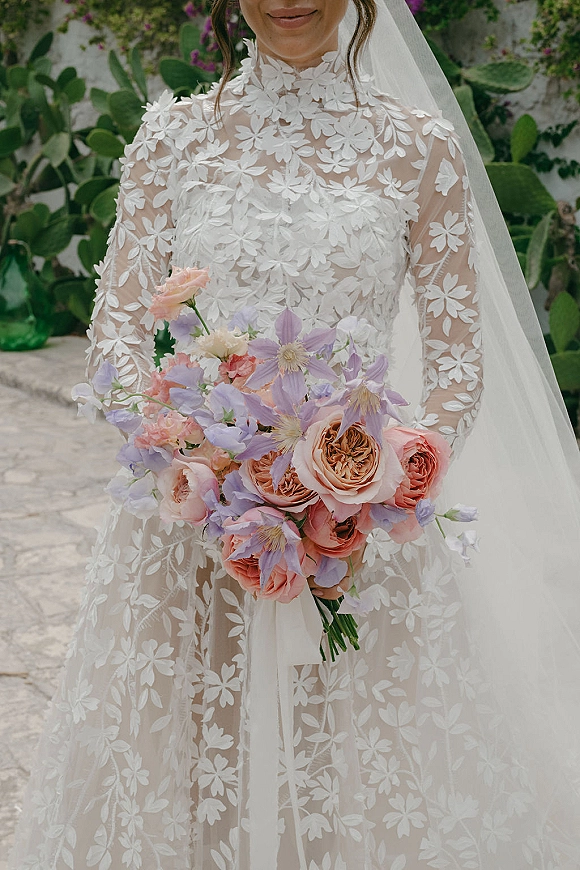
An illusion high neckline works the same way at the top, building a high, covered neckline entirely from sheer tulle and lace so the coverage reads light rather than solid. This is the method behind most high-neck and long-sleeve gowns, where the height comes from the panel rather than from heavy fabric, and the high neck wedding dress gallery shows how illusion carries that line. Illusion is the connective technique that lets one neckline borrow the look of another.
Beaded and Appliqué Illusion
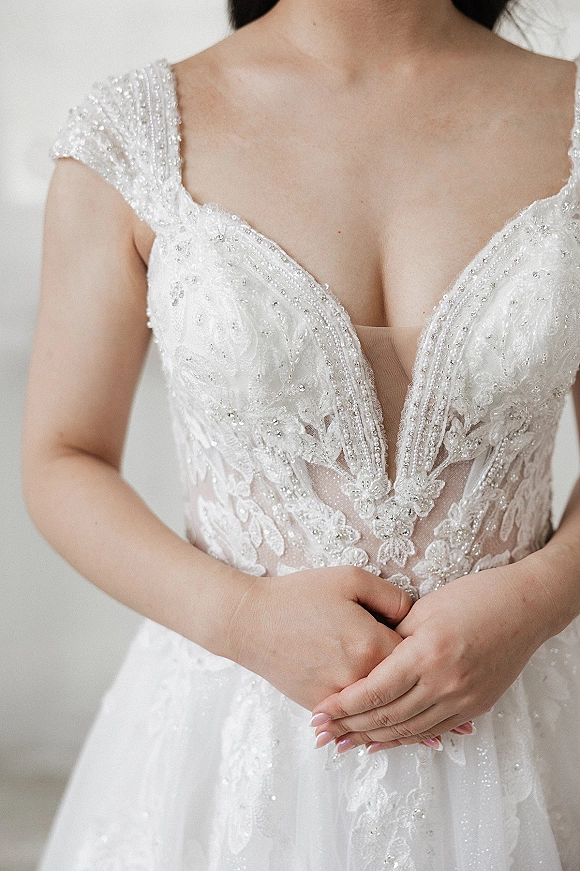
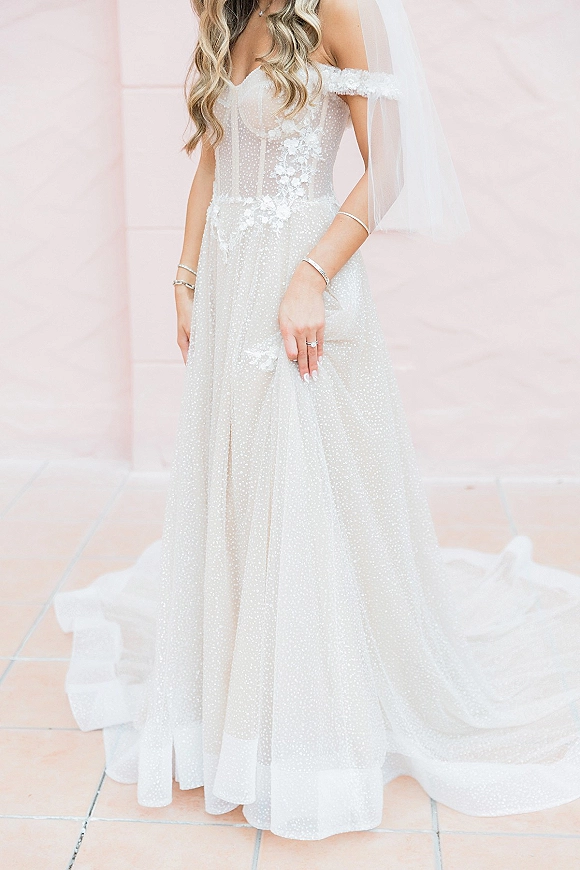
Illusion gives beading and appliqué a place to float. A beaded illusion neckline scatters crystals, pearls, or sequins across the sheer panel so the beadwork appears to rest on the skin, catching light at the neckline, the shoulders, or the back. Placement is deliberate, with the beads set densest where the neckline sits and thinning toward the edges so the panel dissolves rather than stopping in a hard line. Lace appliqué follows the same logic, with motifs cut apart and re-laid so they fade toward the tulle’s border.
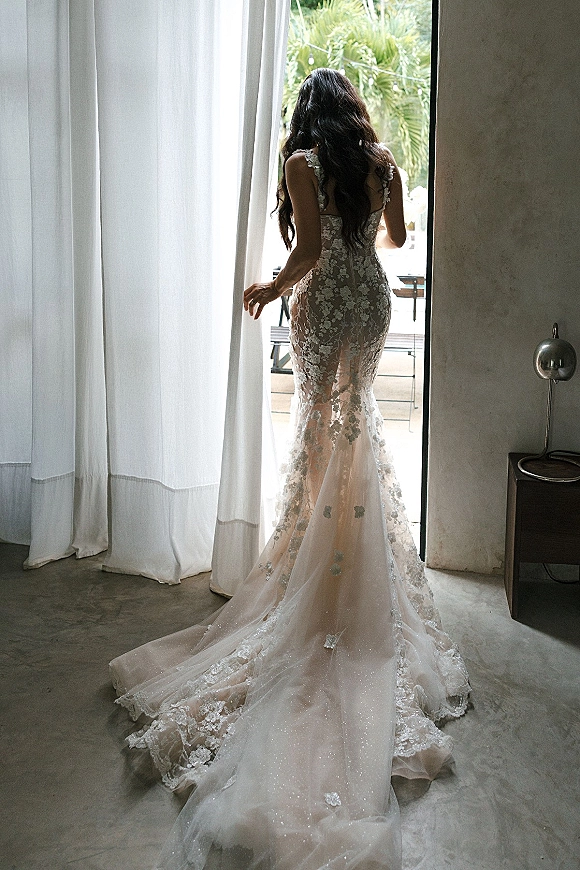
This is where illusion turns from a coverage tool into a decorative one. Because the panel is nearly invisible, any detail placed on it reads as sitting on the body, which gives a jeweler’s precision to where the sparkle or the pattern lands. A lace mermaid wedding dress often uses illusion this way to run lace past the edges of the solid bodice, so the pattern trails onto the arms or up the back without a seam to interrupt it.
Illusion by Silhouette and Who It Suits
Illusion works on any silhouette, and an a line illusion neckline is among the most common, pairing the light sheer panel with a widely flattering skirt that suits most figures. On a fitted or mermaid gown, illusion runs lace and beading past the bodice edges for a seamless, decorated line down the torso. The technique adapts to the gown rather than dictating its shape, so the same panel reads soft and romantic on an a-line and sharp and structured on a mermaid.
It suits brides who want coverage that does not read as heavy, a modest neckline that still feels open, or a place to anchor lace and beading against the skin. It is equally useful for a bride who wants the look of a daring neckline with real support underneath, and for anyone dressing for a ceremony with a coverage guideline. Because it is a method rather than a shape, illusion is one of the most flexible tools in bridal, and the wedding dress with sleeves gallery and the wedding dress directory show how widely it is used.
Frequently Asked Questions
What is an illusion neckline on a wedding dress?
An illusion neckline is a panel of sheer tulle, net, or organza, usually edged or covered with lace, that fills a neckline so it reads as bare skin while actually providing coverage. It is a construction technique rather than a single neckline shape, which lets a gown appear more open or daring than it is while keeping coverage and support.
How does an illusion neckline stay sheer but covered?
The base fabric is fine enough to read as skin, often matched to the skin tone, and lace or beading is laid over it so the detail appears to float on the body. The eye reads the lace as floating and the skin as bare, when a continuous sheer panel actually holds both, giving coverage and support without looking covered.
Can an illusion neckline be used on the back or sleeves?
Yes. The same sheer-and-lace panel runs down the arms for illusion sleeves that read as lace-over-skin, and across the back to fill an open back with tulle traced in lace or buttons. Illusion backs give the look of a deep open back with more security and a place to run covered buttons.
Who does an illusion neckline suit?
It suits brides who want coverage that does not read as heavy, a modest neckline that still feels open, or a place to anchor lace and beading against the skin. It is equally useful for the look of a daring or plunging neckline with real support beneath. Because it is a method rather than a shape, it works on any silhouette.