What a Sweetheart Neckline Is and Why It Flatters
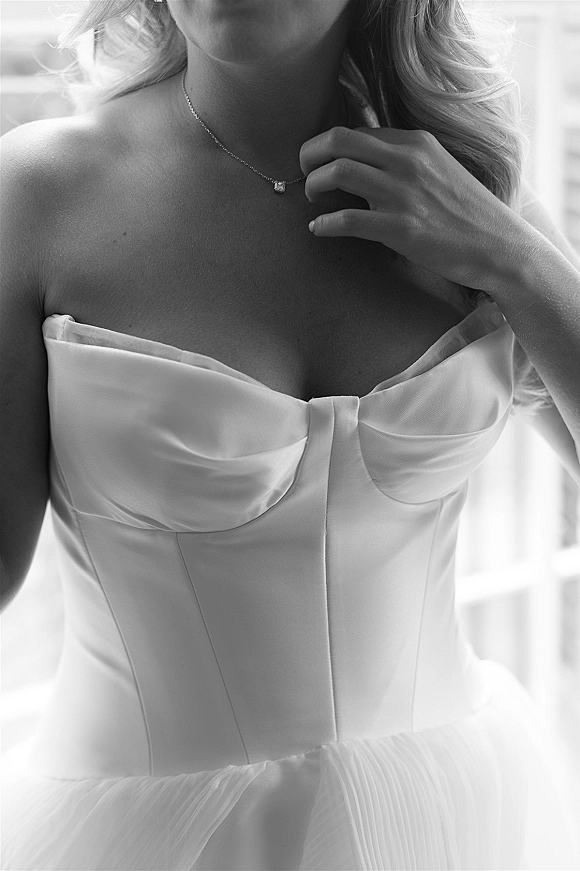
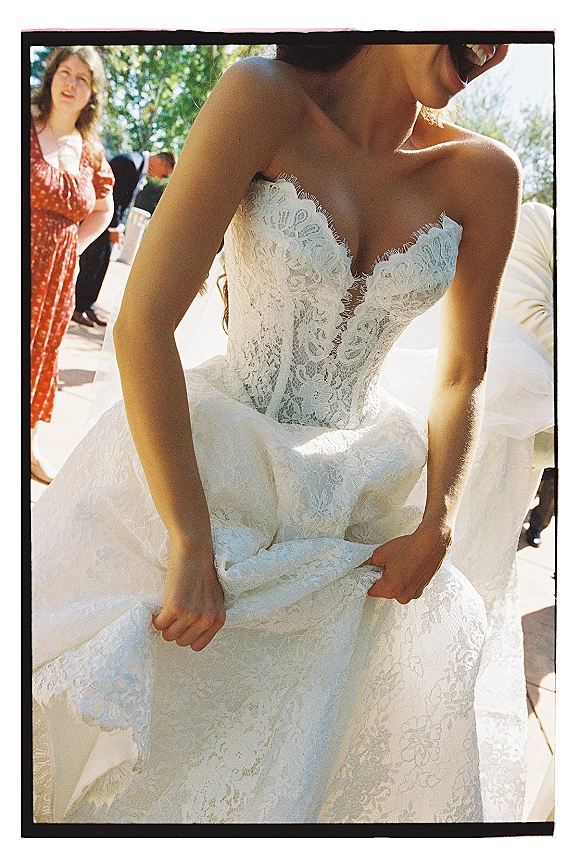
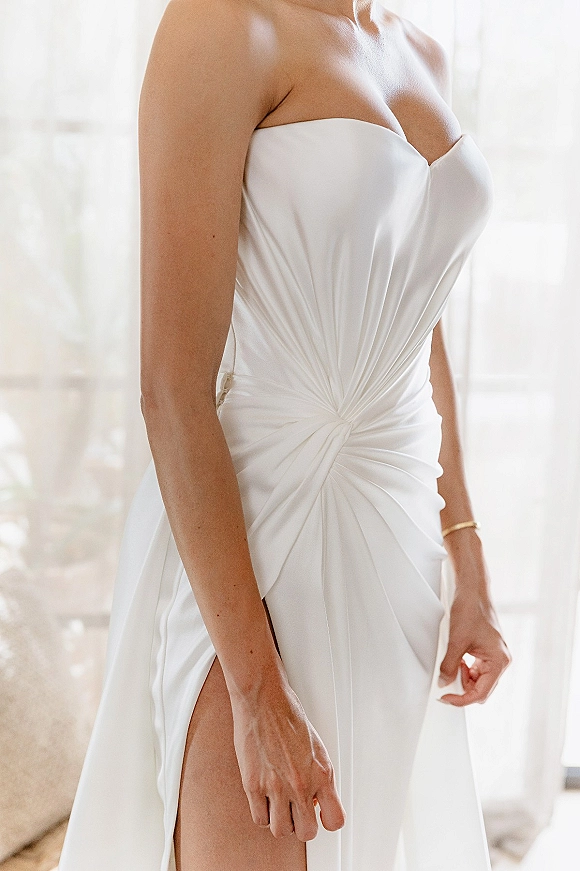
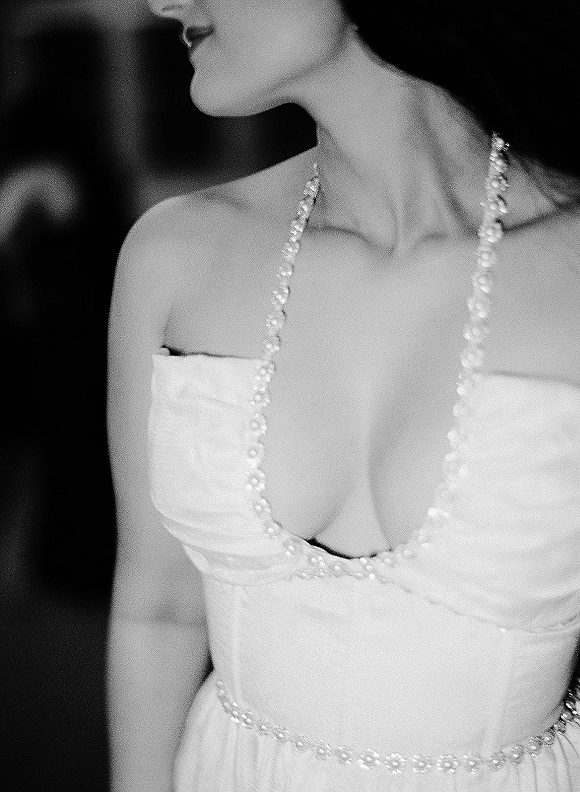
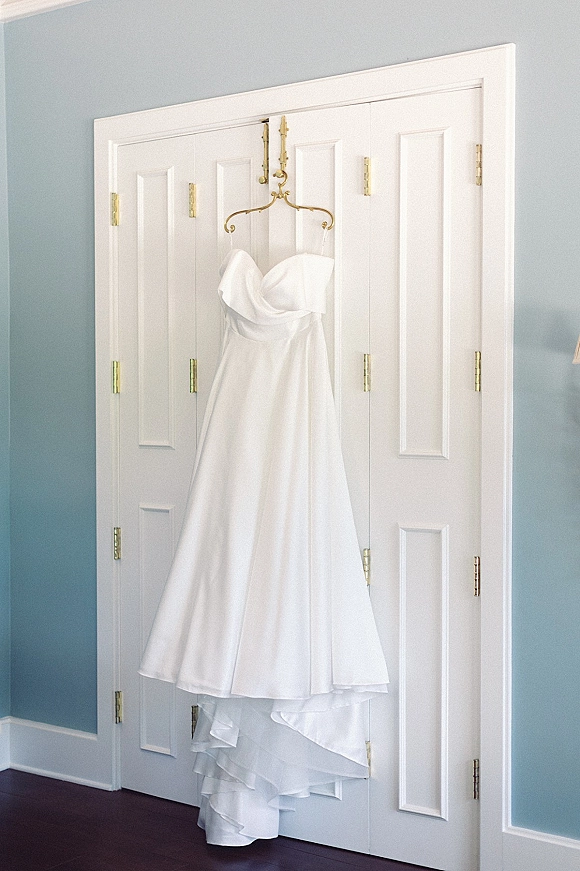
A sweetheart neckline dips into two soft curves across the bust that meet in a shallow point at the center, echoing the top of a heart. The shape follows the natural line of the chest, lifting and defining the bust while opening the decolletage, which is why it reads as romantic and flattering.
The double curve is the whole story. Each side of the neckline rises from the underarm, rounds outward over the fullest part of the bust, and dips back down toward the center, so the fabric traces the shape of the body instead of cutting a flat line across it. That single design choice does two things at once. It lifts, because a curved edge sits under and around the bust rather than flattening it, and it frames, because the open space between the two curves draws the eye to the collarbone and the center of the chest. The result narrows the visual line at the top of the torso and keeps the upper body from reading square or blocky, which is the reason so many brides describe the neckline as flattering before they can explain why.
Depth is the variable that changes everything else. A sweetheart cut shallow shows a modest sliver of decolletage and reads soft and understated, while a deeper cut opens more of the chest and reads bolder and more romantic. A wedding dress with sweetheart neckline can therefore feel demure or dramatic on the same body depending on how far the curves dip and how high they rise at the sides. Because the shape is defined by its curve and not by how much skin it covers, it adapts to straps, sleeves, lace, and every silhouette below the waist while keeping the signature softness that sets it apart from a straight strapless or a sharp V.
Set against its neighbors, the sweetheart occupies a middle ground that explains its reach. A straight strapless cuts a horizontal line across the bust that can widen the frame and read severe, while a bateau or high neck covers the chest and closes the decolletage. The sweetheart keeps the bare shoulders of a strapless without the flat edge, and it opens the chest without the coverage of a higher cut. That in-between quality lets it frame the face and collarbone, soften the shoulders, and hold a bride’s natural shape rather than imposing a line on it.
That adaptability is why it stays one of the most requested necklines in bridal. It flatters a wide range of figures without demanding a specific one, it photographs cleanly from the front and the side, and it gives a fitted bodice and a full skirt equal support as a starting point. A bride can build a quiet gown or a grand one on the same neckline, and the curve carries both.
Strapless Sweetheart Versus Sweetheart With Straps or Sleeves
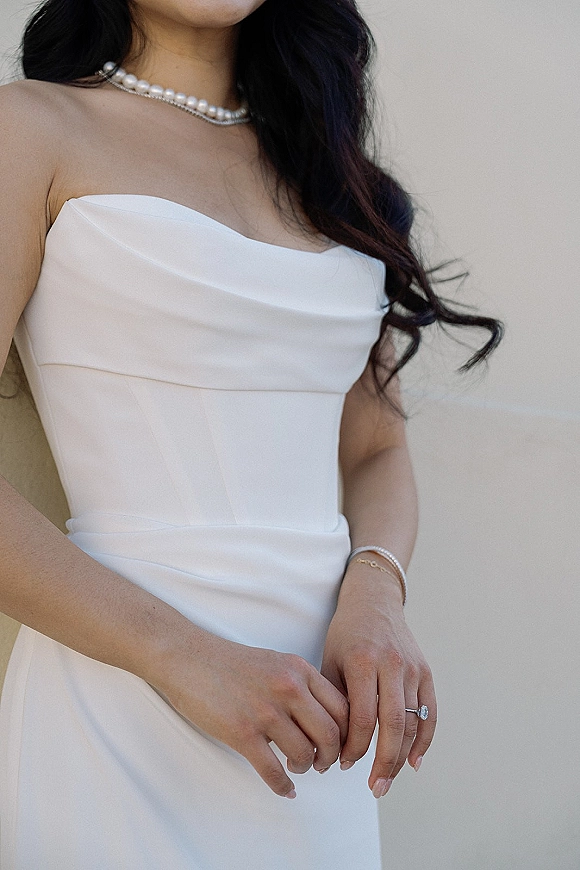
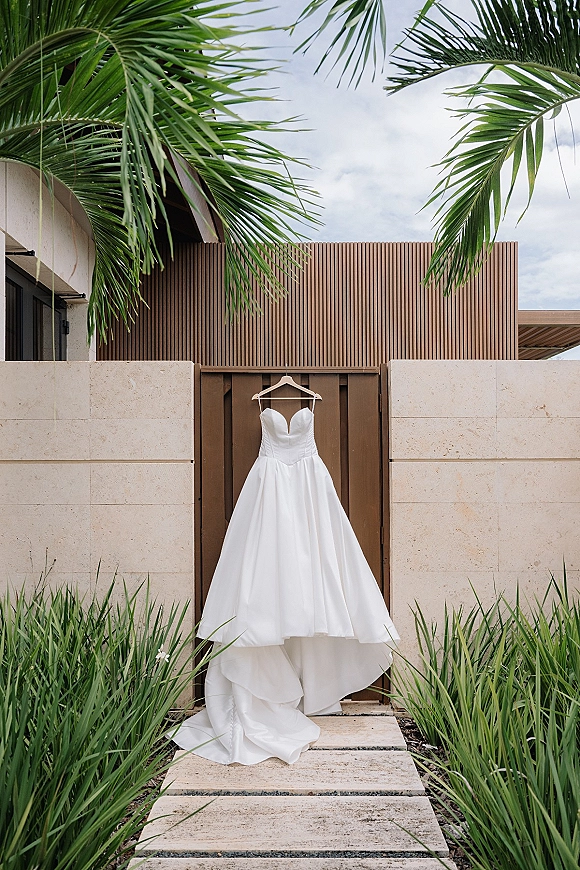
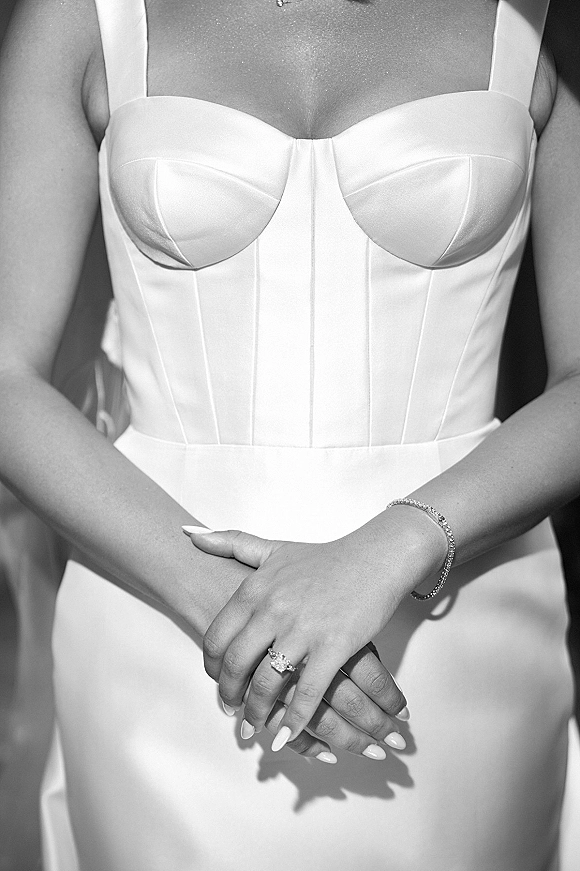
The most common form is the strapless sweetheart, where the curved neckline sits on a boned, structured bodice with nothing on the shoulders. A strapless sweetheart neckline wedding dress reads clean and classic, letting the curve and the bare shoulders carry the look, and it depends entirely on the internal structure to stay in place. The strapless wedding dress gallery shows how much the bodice construction matters when nothing rests on the shoulder.
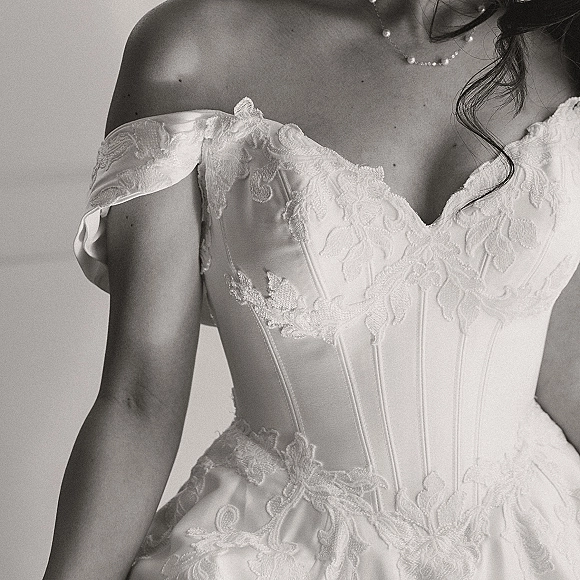
Inside a strapless sweetheart, a series of vertical boning channels runs through the bodice to hold the neckline’s shape and keep the top edge from folding or slipping. Sewn-in cups or a molded shelf support the bust and preserve the curve so it stays rounded rather than collapsing against the chest. A band of grip elastic along the top inside edge, a snug waist stay, and a corset-style back or a concealed zip all work together to anchor the gown at the ribcage, since a strapless dress hangs from the waist rather than the shoulders. The better the structure, the more the curve holds its lift through a full day of standing, dancing, and sitting.
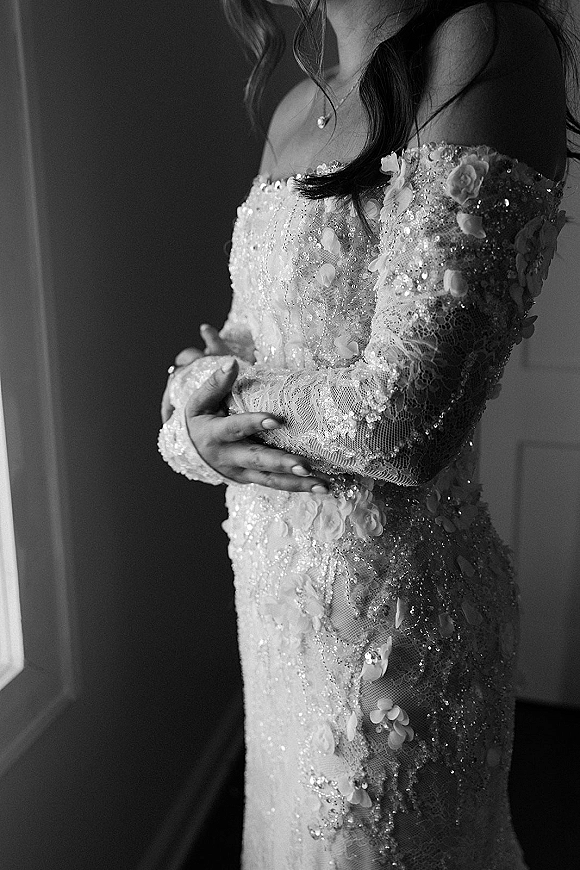
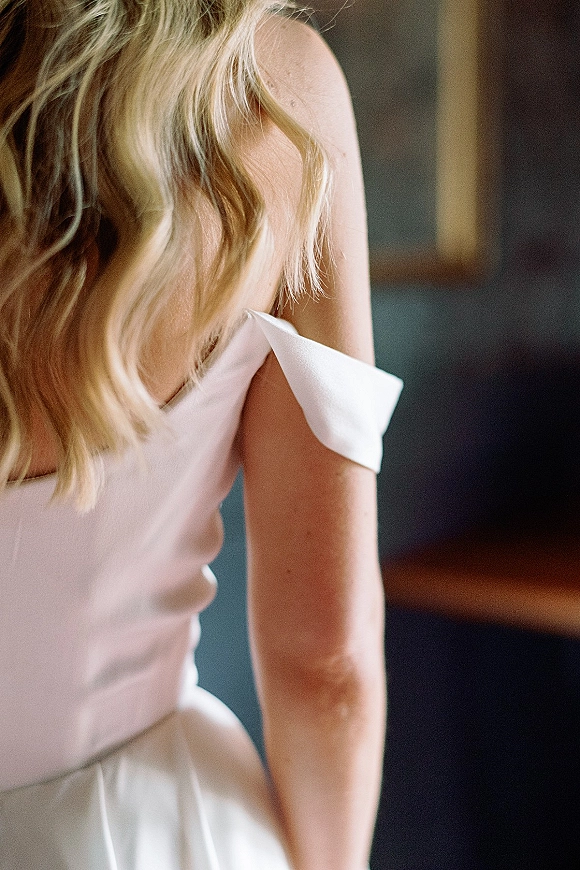
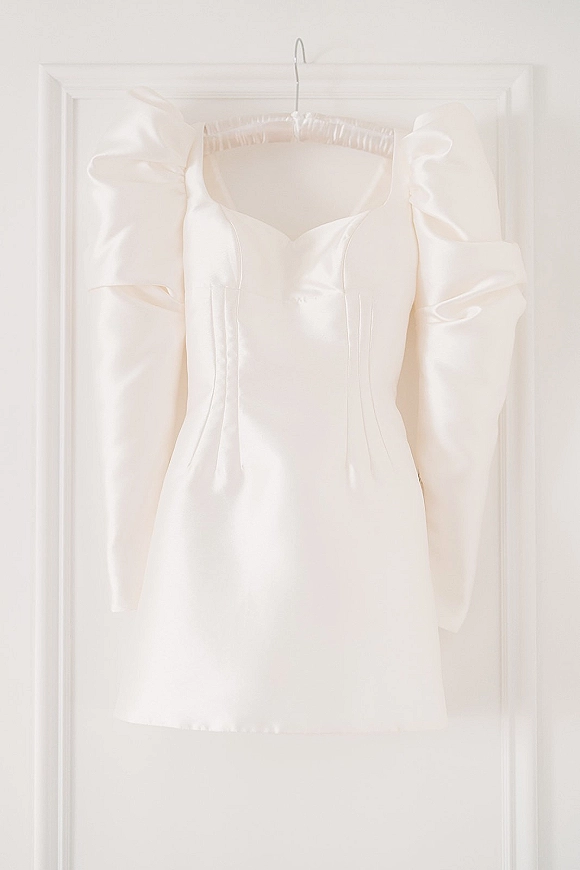
Adding straps or sleeves changes the mood and the support. A sweetheart neckline wedding dress with straps keeps the curve while adding a thin spaghetti strap, a wider set band, or an off-shoulder sleeve that eases the load off the bodice and adds a layer of security. A sweetheart neckline wedding dress with sleeves pairs the soft curve with a fitted lace or sheer illusion sleeve for coverage and a more vintage feel, so the shoulders and arms gain fabric while the heart shape stays open at the center. Straps and sleeves also give a fuller bust a reassuring point of connection at the shoulder, which lets the bodice work a little less hard. The choice comes down to how much support and coverage you want, since the curve itself stays the same whether the shoulders are bare or covered.
Sweetheart and the A-Line
The sweetheart and the a-line are among the most popular pairings in bridal, and a sweetheart neckline aline wedding dress is one of the highest-searched versions of the neckline. The fitted sweetheart bodice flows into a gently widening skirt, so the curve defines the top while the a-line skims the hips and suits nearly every figure. It is the balanced, widely flattering combination that reads romantic without leaning grand.
This pairing is a first choice for brides who want a classic bridal picture that photographs well and moves easily. The a-line skirt gives room to walk, sit, and dance, and it grazes the body from the waist down without clinging, so it forgives and flatters at the hip while the sweetheart holds the attention up top. The two shapes balance each other. A fitted, curved bodice keeps the a-line from reading loose or shapeless, and the widening skirt keeps the open neckline from feeling exposed. It works across fabrics, from a clean satin a-line to a lace-covered one, and it takes straps or a strapless cut equally well. A fit and flare wedding dress with a sweetheart offers a slightly closer take on the same idea, holding the line through the hip before it releases lower down.
Where the bodice meets the skirt shapes how the whole gown reads. A natural waist keeps the seam at the narrowest point and sends the a-line out from there, which suits most figures and holds the sweetheart in a familiar, balanced place. An empire waist lifts the seam just under the bust, so the sweetheart sits above a long, uninterrupted skirt that lengthens the body and eases pressure at the middle. A slightly dropped waist stretches the fitted section lower before the flare, lengthening the torso under the curve. Each choice keeps the sweetheart intact while changing the proportion beneath it, which is part of why the neckline pairs so widely.
Sweetheart With a Ball Gown or Princess Skirt
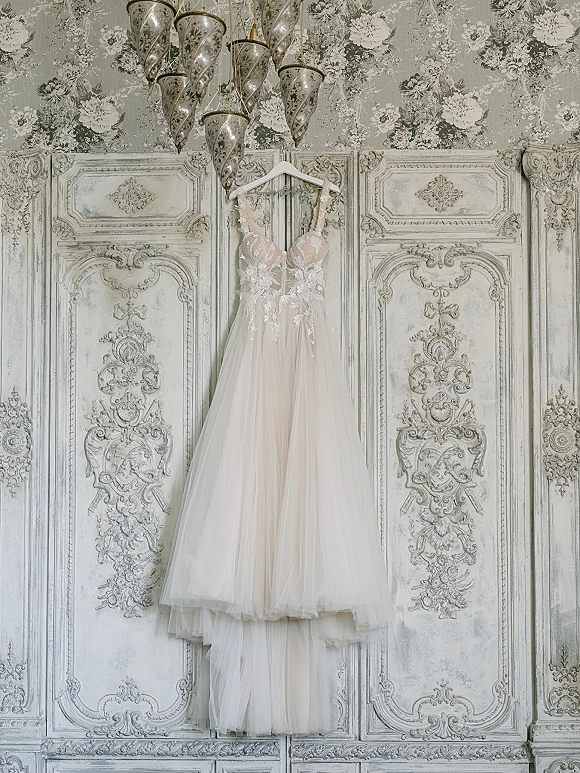
For the most romantic and grand version, the sweetheart pairs with a full skirt. A sweetheart neckline ball gown wedding dress sets the soft curved bodice above a dramatic full skirt, so the neckline keeps a formal gown from reading heavy by opening the chest and framing the face. A sweetheart neckline princess wedding dress uses the same idea with a fitted bodice and a voluminous skirt for the classic fairytale line.
The pairing works because the open, curved neckline balances the volume below, keeping the eye moving between the framed bust and the sweep of the skirt. Without that open top, a large skirt can overwhelm the frame, so the bare, curved decolletage acts as a counterweight that lightens the whole gown. A structured bodice supports both the neckline and the weight of a full skirt, which is why a corset or basque waist often anchors the look. A dropped, V-shaped basque waist also lengthens the torso and eases the transition into the fullness below. A corset wedding dress with a sweetheart neckline adds visible structure and support that suits a fuller skirt and a fuller bust alike.
Sweetheart and the Mermaid Silhouette
A sweetheart neckline mermaid wedding dress is the most fitted and body-conscious version of the neckline, tracing the torso and hips before the skirt flares below the knee. The curved bodice defines the bust at the top while the mermaid cut follows the waist and hip, so the open neckline and the sculpted silhouette work as a single continuous line down the body.
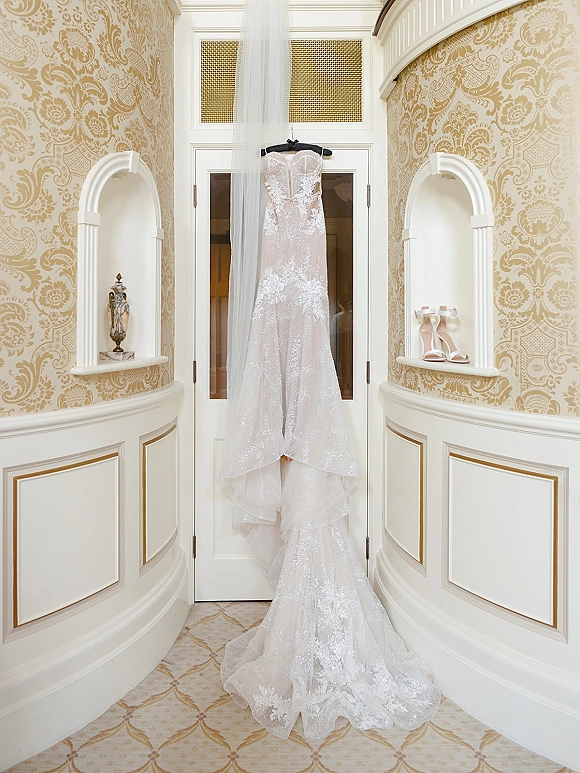
The neckline earns its place on a mermaid by keeping a close gown from reading too severe. A fitted skirt draws the eye down the length of the body, and the soft curve at the top balances that vertical pull with a rounded, romantic finish at the chest. Construction matters more here than almost anywhere, because a mermaid holds its shape through the ribs, waist, and hips, and the strapless or lightly strapped sweetheart above it relies on that same boned foundation to stay lifted while the wearer moves. Brides who want the neckline with a little more coverage often add straps or illusion sleeves to a mermaid, which steadies the bodice against the pull of the fitted skirt. A trumpet cut, which flares higher and softer than a true mermaid, gives the same sweetheart a gentler release through the hip for those who want to sit and dance with more ease.
Building the Sweetheart Bodice
Underneath the fabric, a sweetheart bodice is a small piece of engineering, and the structure decides how well the curve behaves. Vertical boning channels shape the neckline and the waist, sewn-in cups or a molded shelf hold the bust, and an inner support layer carries the weight so the outer fabric can stay smooth. The more of this structure a gown carries, the more the curve holds its lift.
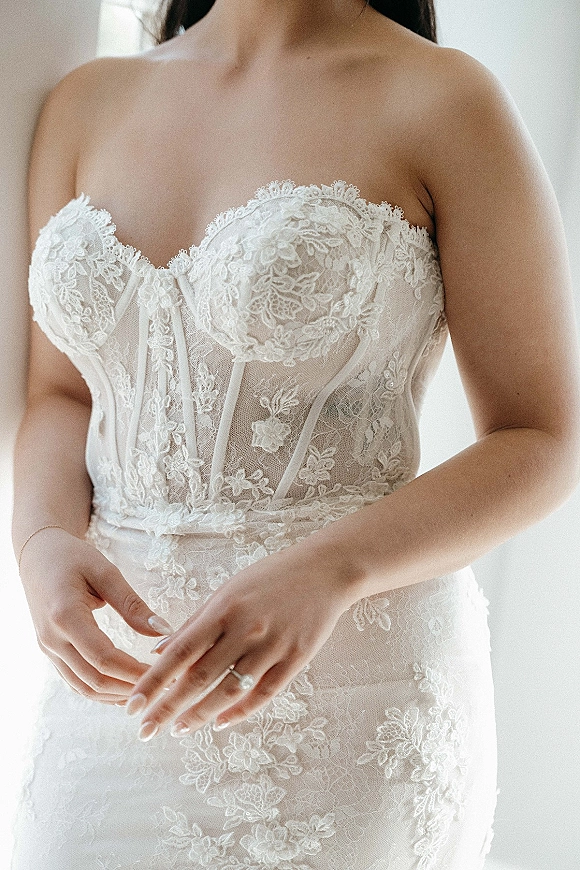
A sweetheart corset bodice takes that structure and makes it the feature. Closely spaced boning and a laced or hooked back let the bodice cinch the waist and support the bust at once, so the curve sits high and the torso reads sculpted. A corset back adjusts across a range of measurements, which helps at fittings and gives a strapless sweetheart extra grip against slipping. Boning can run through a smooth satin bodice invisibly or sit behind sheer panels where the channels show as a deliberate detail. Cups shape how the curve reads on the body, since a molded cup keeps the neckline rounded and full while a lighter lining lets the curve follow the natural shape more closely. Every version of the sweetheart, from the shallowest modified curve to the deepest strapless dip, rests on this foundation, and matching the amount of structure to the bust and the skirt is what keeps the neckline both comfortable and secure.
The outer fabric layered over that structure shifts the mood of the same curve. A crisp satin or mikado holds a sharp, sculptural edge along the neckline and reflects light in a clean sheen, which suits a modern, architectural sweetheart. Softer charmeuse or crepe drapes closer to the body and rounds the curve for a fluid, understated finish. Tulle and organza add lightness above and around a boned bodice, often carrying the illusion panels and appliqué that extend the neckline upward. The structure stays the same underneath, so a bride can keep her preferred curve and change the entire character of the gown through the fabric that covers it.
Lace Sweetheart Gowns
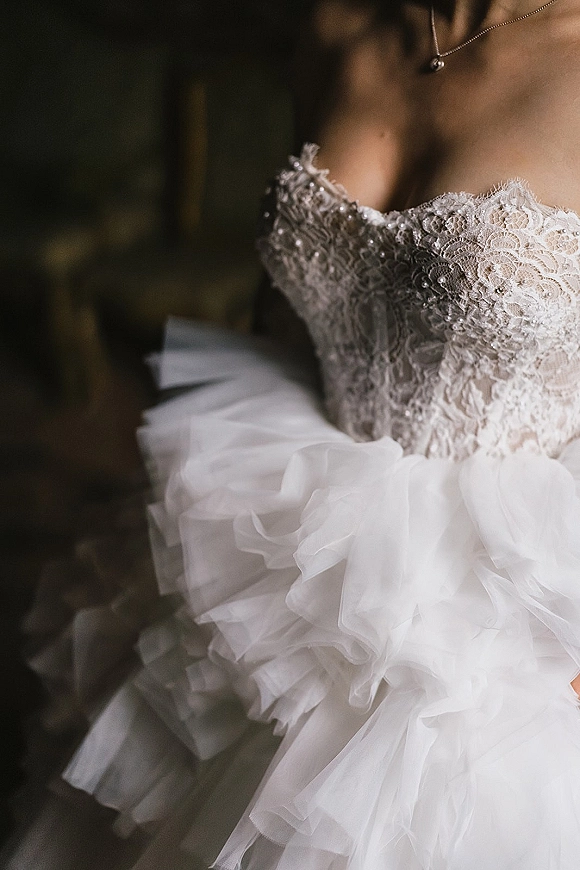
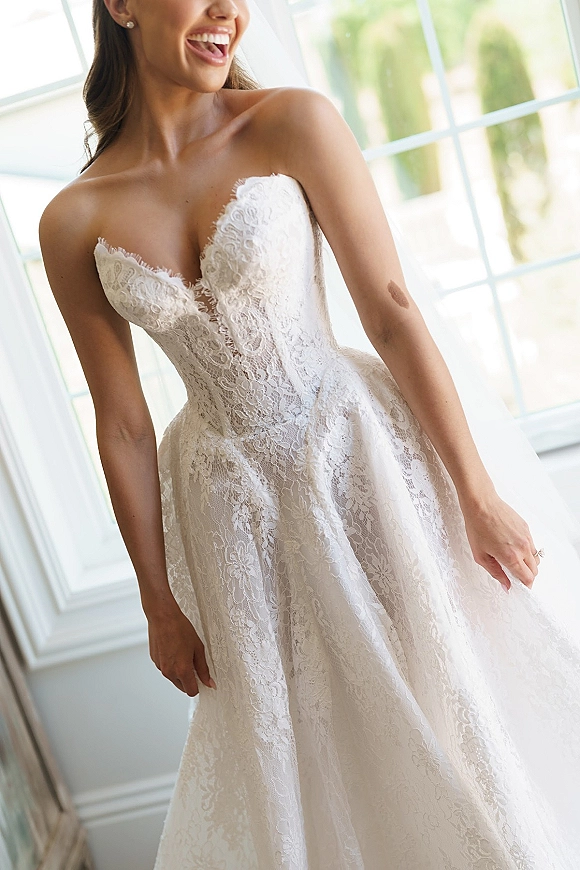
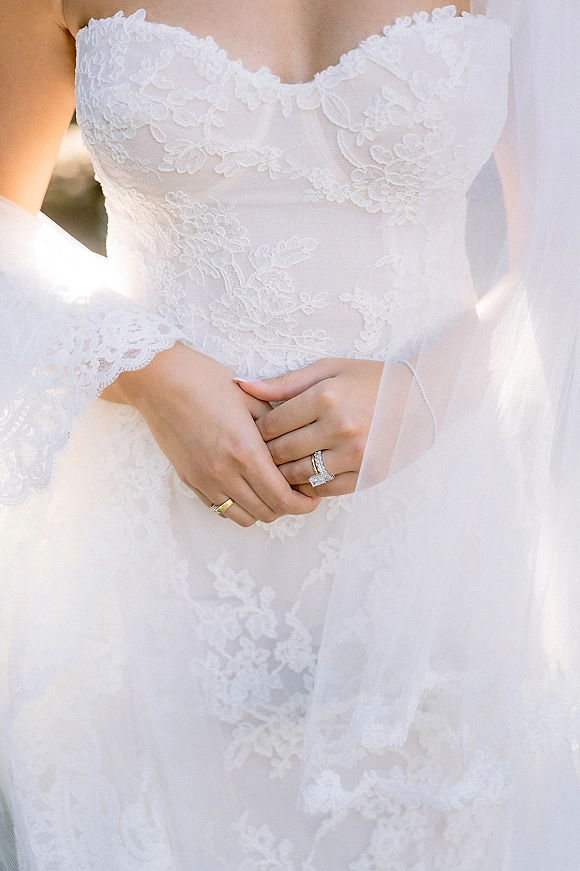
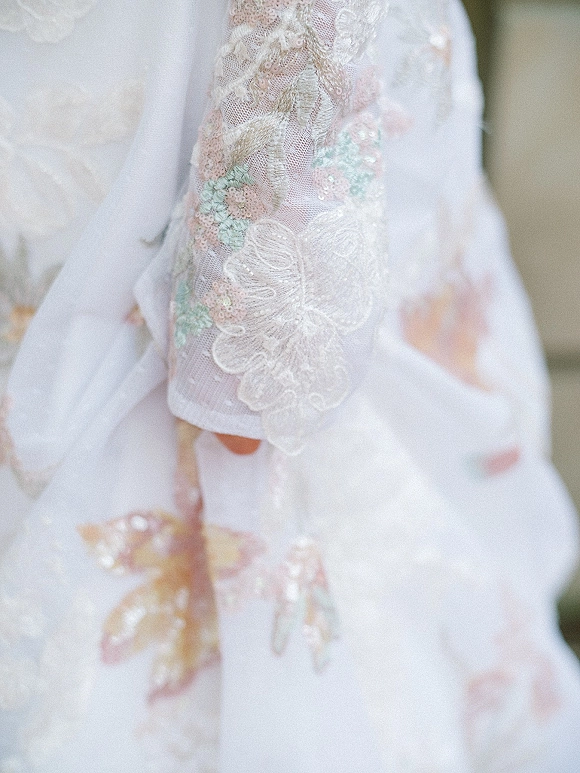
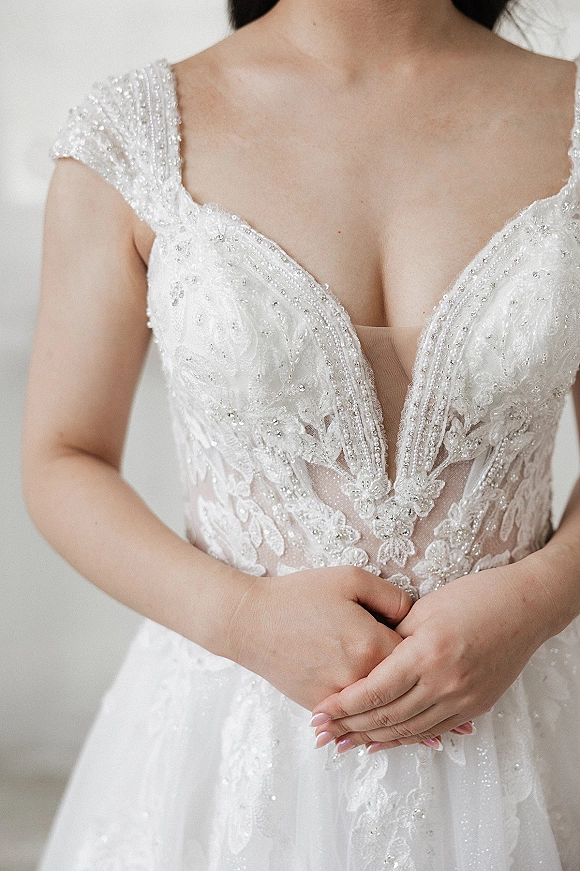
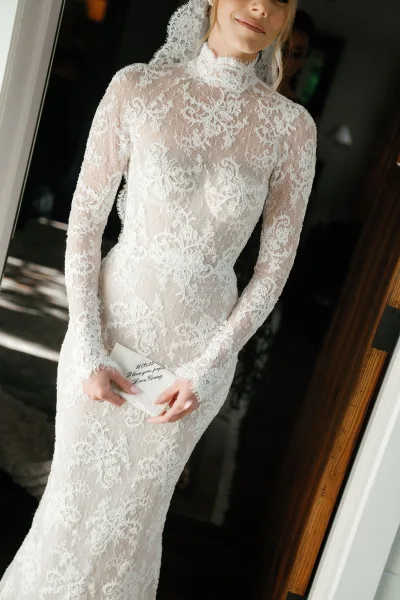
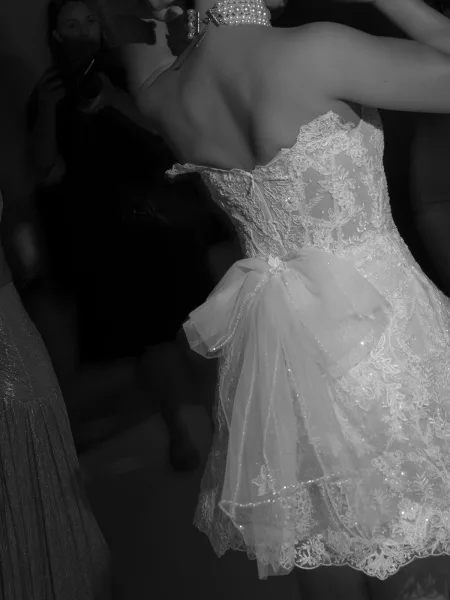
A sweetheart neckline lace wedding dress softens the curve with texture, tracing the neckline in Chantilly, Alencon, or guipure lace so the heart shape reads romantic and detailed. Lace can outline the sweetheart edge, fill the bodice, or extend above the curve as an illusion panel that gives the effect of a higher neckline while keeping the sweetheart line beneath. That illusion trick lets a strapless sweetheart gain a sheer lace neckline without losing its shape.
The type of lace sets the tone. Chantilly is a fine, delicate net lace with soft floral motifs and often a scalloped edge, and it keeps a sweetheart light and airy. Alencon is a corded lace with raised outlines around each motif, so it reads more defined and structured along the curve. Guipure, sometimes called Venise, has no net ground and links its motifs directly, which gives a bold, graphic texture that stands away from the skin. Corded lace adds a raised thread that catches light and reads richer, while appliqué places individual lace motifs onto the fabric so a designer can scatter them densely at the bodice and let them fade toward the edges. That fading appliqué is the trick behind an illusion panel over a sweetheart, where a sheer tulle layer carries lace motifs above the curve to suggest a higher neckline while the boned sweetheart holds the bust beneath. Because lace and the sweetheart both read romantic, this version usually wants restrained jewelry so the neckline stays the focus. Lace over a sweetheart is one of the most enduring combinations in bridal, pairing the softest neckline with the softest fabric.
Modified, Scalloped, and Pointed Sweetheart Variations
The classic sweetheart is a smooth double curve, but several variations change its character. A modified sweetheart softens the dip into a shallower, more subtle curve for brides who want the shape without a deep decolletage. A scalloped sweetheart edges the neckline with small lace scallops for a delicate, decorative finish, and a pointed sweetheart sharpens the center dip into a more defined V-like point for a slightly bolder line.
Each variation changes one specific thing. The modified sweetheart changes depth, raising the center and shortening the dip so less chest shows and the line reads clean and modest. The scalloped sweetheart changes the edge, replacing a smooth curve with a series of small rounded lace points that add a vintage, decorative softness and let the lace itself define the finish. The pointed sweetheart changes the center, deepening and sharpening the meeting point of the two curves so the neckline gains a crisper, more graphic angle that leans modern. These variations matter because they let the neckline suit different comfort levels and styles without leaving the sweetheart family. A subtle modified curve reads modest, a scalloped edge reads romantic, and a pointed center reads a little bolder. The right variation depends on how much decolletage you want to show and how sharp or soft you want the line to read, and all of them keep the lift and framing that make the sweetheart flattering.
Flattering the Bust, Small and Full
The sweetheart is often called universally flattering, and the reason is how it works with the bust. On a smaller bust, the curved neckline and a structured bodice create the impression of shape and lift, and a bit of padding or a well-boned cup adds definition without looking artificial. The curve gives a straight figure a softer, more defined line across the chest, and a deeper dip or a pointed center can add the suggestion of more shape where a straight strapless would fall flat.
On a fuller bust, the sweetheart lifts and supports while the open neckline keeps the chest from looking covered or heavy. A deeper curve needs a supportive, boned bodice and sometimes a strap or a wider band to feel secure, since more weight rests on the neckline’s edge. The key across both is the bodice construction, since the curve is only as flattering as the support beneath it. A shallower modified sweetheart tends to feel more secure on a fuller bust and keeps coverage generous, while a deeper curve shows more decolletage and reads well on a smaller one. Cup size, boning density, and the choice to add straps all follow from the bust, and matching the depth of the curve to your comfort is what makes the neckline work for the figure it sits on.
Styling and Necklaces
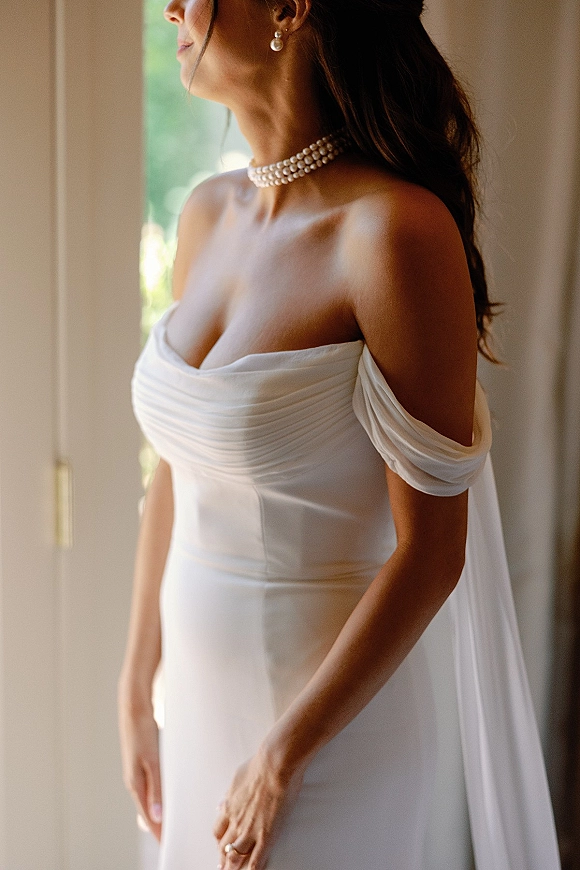
The open decolletage of a sweetheart is one of the few necklines that genuinely welcomes a necklace. The curve leaves a clear space at the center of the chest, so a pendant, a delicate drop, or a statement necklace all sit well and follow the neckline’s line. A shorter pendant echoes the point of the curve, while a longer drop draws the eye down into the open space. A bride who wants a bare look can skip it and let the curve stand alone, but the sweetheart gives more jewelry options than a halter or a high neck.
Metal and stone choices follow the fabric. A satin bodice gives a clean backdrop that lets a diamond or crystal drop read sharp, while a lace bodice already carries texture, so a single pendant or a strand of pearls keeps the chest from competing with itself. The width of the curve sets the scale, since a wide, open sweetheart holds a larger piece comfortably and a shallow modified curve suits something finer. Because the neckline frames the space on its own, the jewelry can rest lightly and still register.
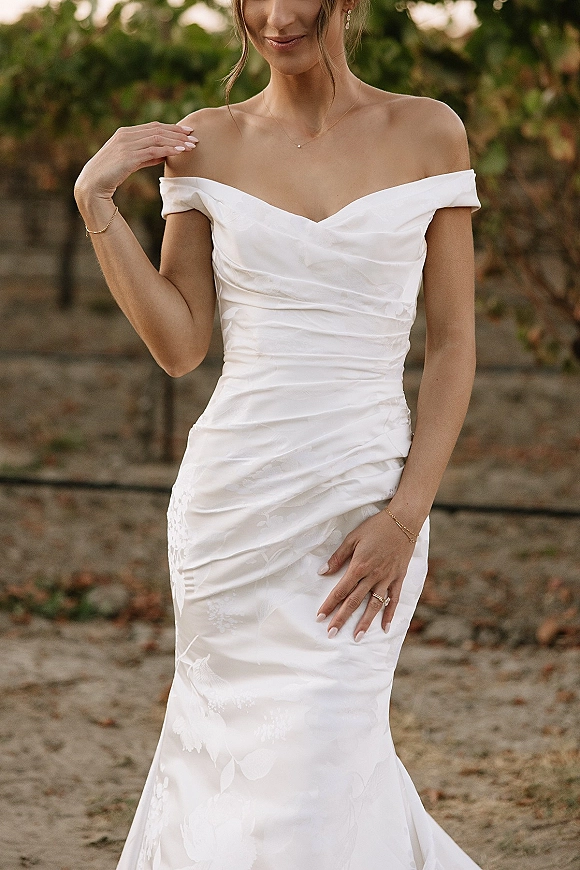
Earrings and a bracelet round out the look, and the neckline suits both a minimal and a maximal approach. Hair worn up shows the full neckline and the bare shoulders of a strapless version, while hair down softens the frame and reads more relaxed. A veil drapes cleanly from either, and a chapel or cathedral length balances the open top with length behind. For adjacent looks, compare the deeper line of a v-neck wedding dress or the framed shoulders of an off the shoulder wedding dress, and browse makers in the wedding dress directory.
Frequently Asked Questions
Why is the sweetheart neckline so popular?
The sweetheart dips into a soft double curve that follows the natural line of the chest, lifting and framing the bust while opening the decolletage. It creates the impression of shape and lift, suits a wide range of figures, and balances both fitted bodices and full skirts. That near-universal flattery is why it is one of the most-requested necklines in bridal.
Is a sweetheart neckline flattering on a small or full bust?
Both, with the right bodice. On a smaller bust, the curve and a structured cup create shape and lift. On a fuller bust, the neckline lifts and supports while keeping the chest open, though a deeper curve needs a boned bodice and sometimes a strap to feel secure. A shallower modified sweetheart tends to feel more secure on a fuller bust.
Can a sweetheart neckline have straps or sleeves?
Yes. The most common form is strapless on a structured bodice, but the curve pairs with thin straps, wider bands, off-shoulder sleeves, or fitted lace and illusion sleeves. Straps and sleeves ease the load off the bodice, add security, and offer more coverage while keeping the sweetheart curve unchanged.
What is a modified, scalloped, or pointed sweetheart?
A modified sweetheart softens the dip into a shallower, subtler curve. A scalloped sweetheart edges the neckline with small lace scallops for a decorative finish. A pointed sweetheart sharpens the center into a defined point for a bolder line. All three keep the lift and framing of the classic curve while changing how much decolletage shows.
What silhouettes pair best with a sweetheart neckline?
The a-line is the most popular and widely flattering pairing, the ball gown and princess skirt are the most romantic and grand, and the mermaid is the most fitted and dramatic. A corset or basque-waist bodice often anchors the neckline on a fuller skirt for structure and support.
Can you wear a necklace with a sweetheart neckline?
The sweetheart is one of the best necklines for a necklace. The open decolletage leaves a clear space at the center of the chest, so a pendant, a delicate drop, or a statement piece all sit well and follow the curve. You can also leave it bare and let the neckline stand alone with earrings carrying the look.