What Off-the-Shoulder Means, and How It Differs From Cold-Shoulder and Drop-Shoulder
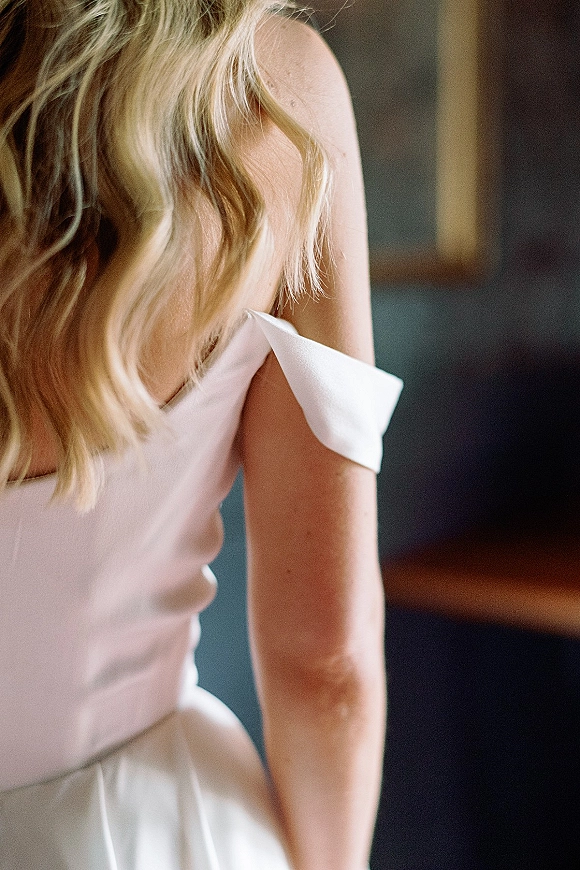
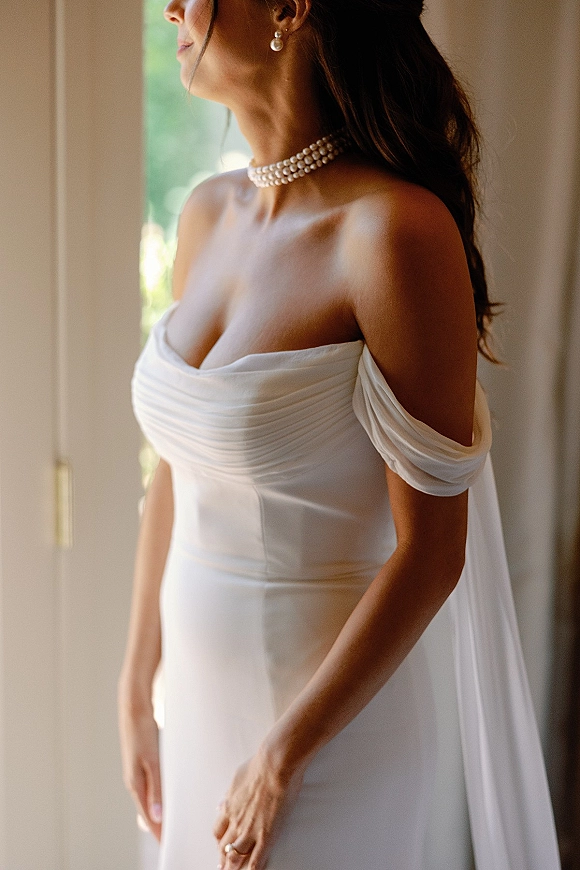
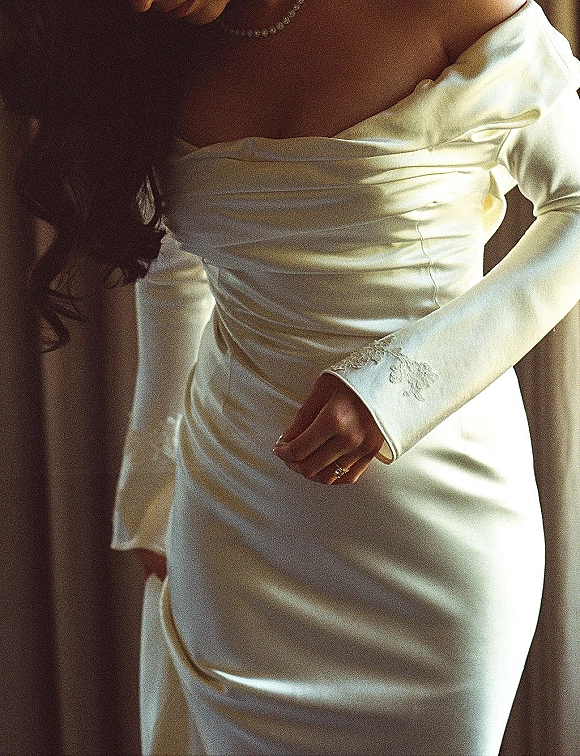
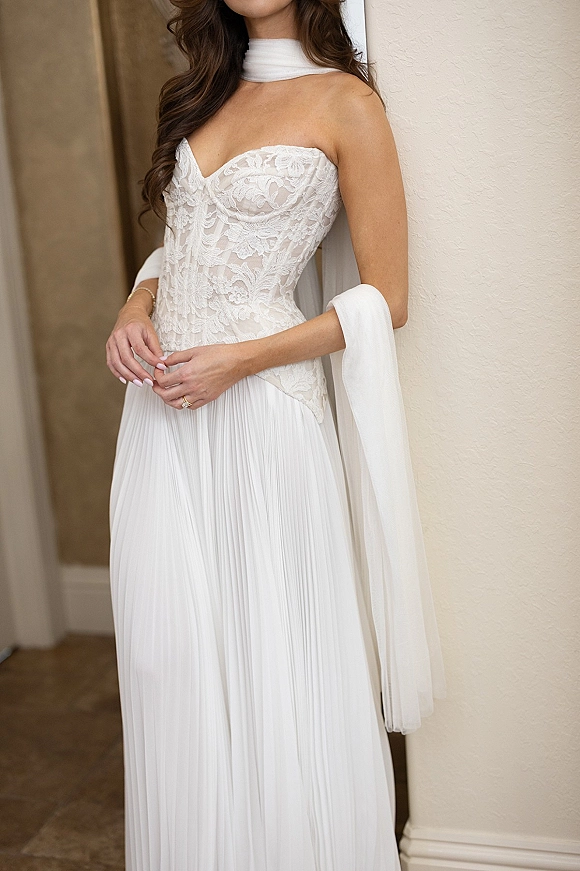
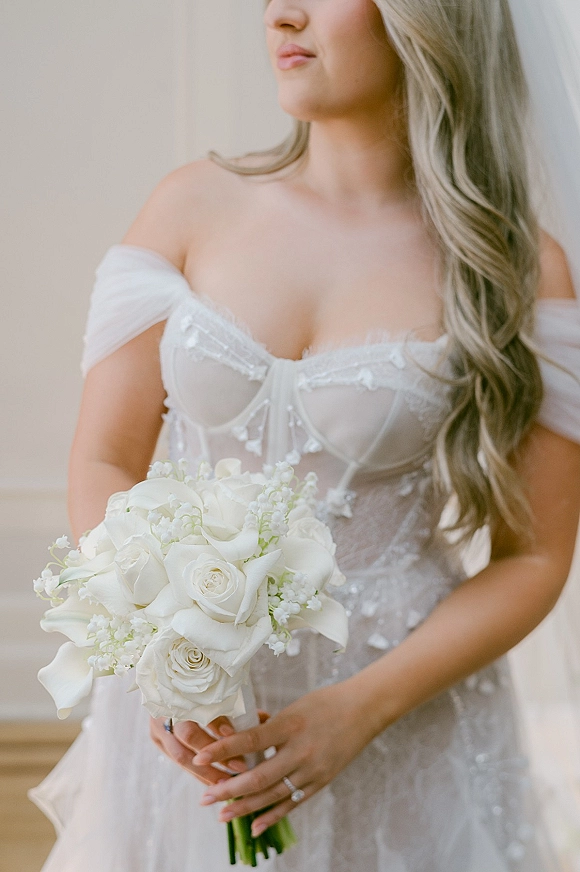
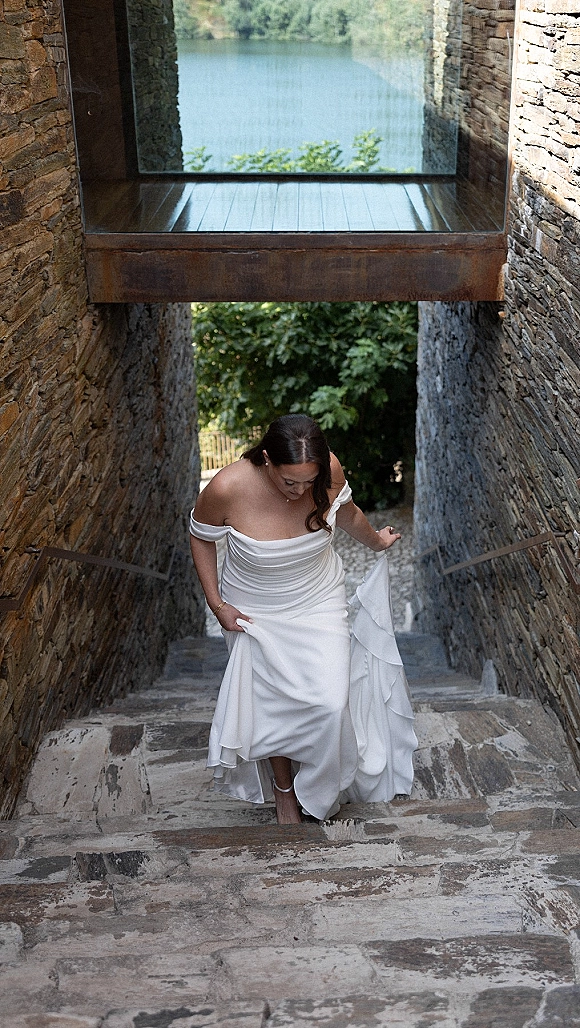
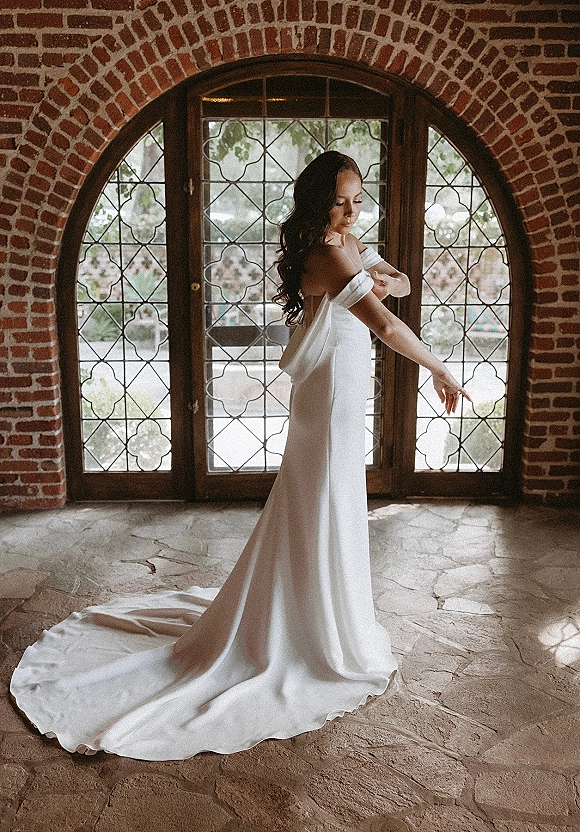
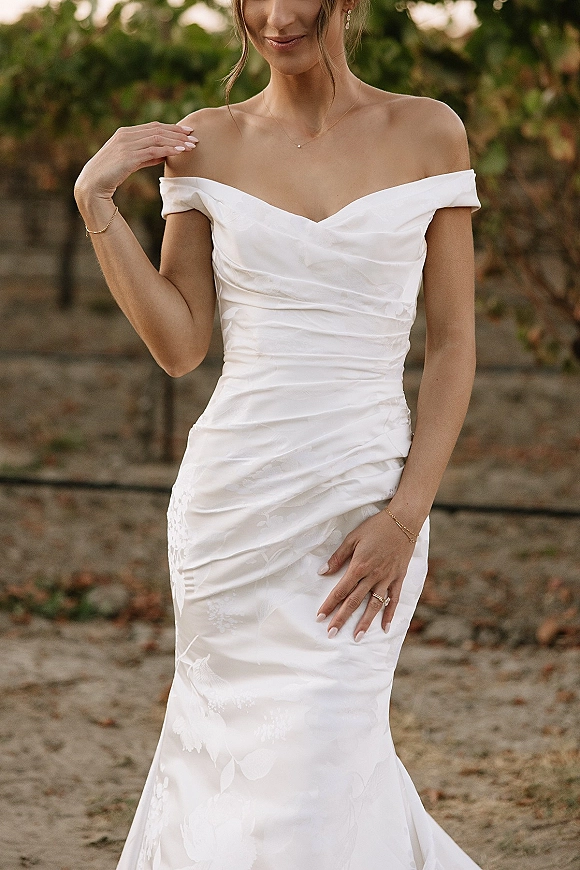
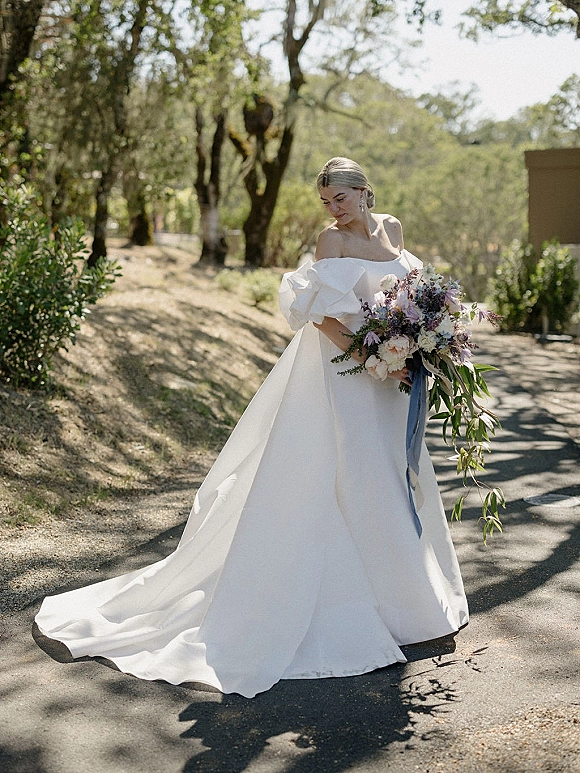
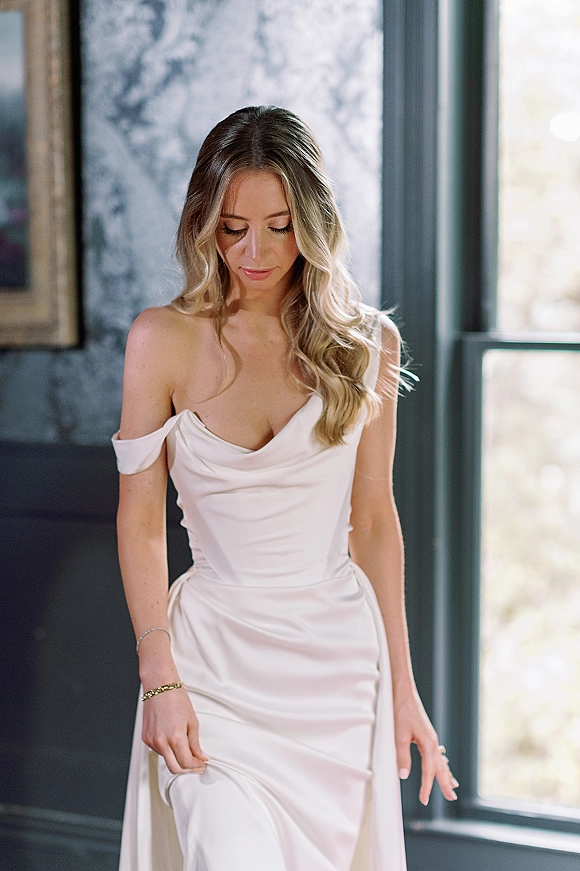
An off-the-shoulder neckline rests on the upper arm below the shoulder, baring the shoulders and collarbone while the bodice or sleeve holds its place on the arm. It clears the shoulder entirely, which sets it apart from a cold-shoulder cut that keeps the shoulder covered and a drop-shoulder seam that sits low without baring anything.
The distinction matters because all three names get used loosely, and only one describes this neckline. A cold-shoulder covers the shoulder with fabric and then cuts away a window at the top of the arm, so the shoulder stays clothed and a bare patch opens below it. A drop-shoulder sets the sleeve seam lower than the natural shoulder point, which relaxes the line and reads casual, but the shoulder itself never bares. Off-the-shoulder does the opposite of both: it lifts the whole neckline off the shoulder and lets the band or sleeve grip the upper arm. Once you can see where the fabric sits, the three are hard to confuse.
That placement is the whole appeal and the whole engineering problem. Baring the shoulders draws a wide horizontal line across the collarbone that broadens and balances the upper body, flatters many figures, and photographs cleanly from the front because nothing interrupts the neck-to-shoulder line. The tradeoff is that the neckline has to be built to stay in place, since no strap rests on the shoulder to hold it. A wide, structured bertha band grips the arms and stays put on its own, while a soft single-fold off-shoulder relies on a boned bodice underneath to anchor it. Understanding that the look is defined by where it sits and held by what is under it is the key to choosing a version that stays comfortable from ceremony through the last dance.
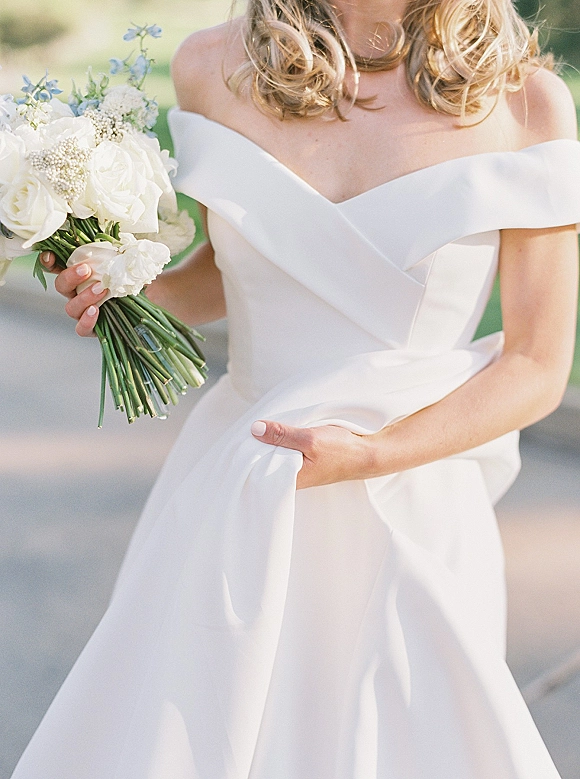
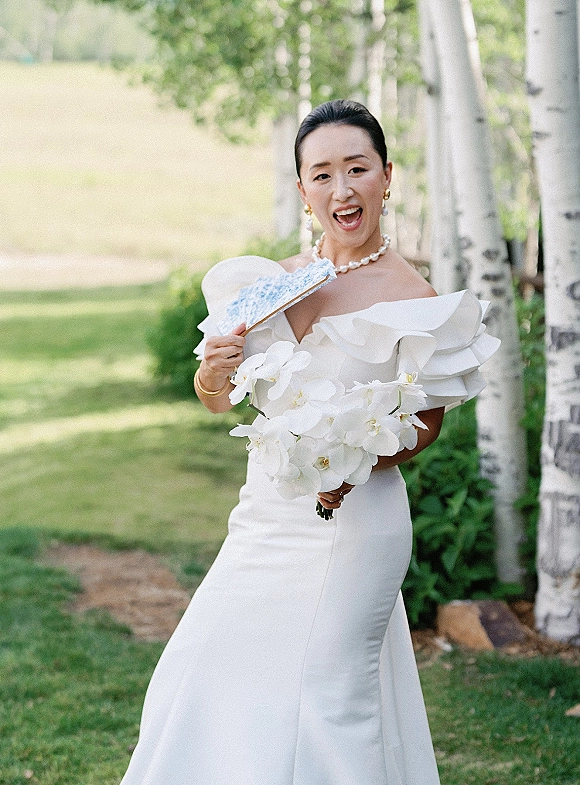
The word bertha names the band itself: a wide, often structured piece of fabric or lace that wraps from the front across both arms, drawing the widest horizontal the neckline can make. A bertha reads formal and full, and it holds its own shape well because it has width to grip with. A narrower single fold of fabric, by contrast, sits closer to a strapless line dropped onto the arms, and it leans harder on the boning below to hold. Between the two sits the portrait neckline, a wide, softly draped band that frames the face like an open collar. Knowing which of these three a gown uses tells you in advance how structured or how soft the shoulders will read.
Off the Shoulder With Long Sleeves
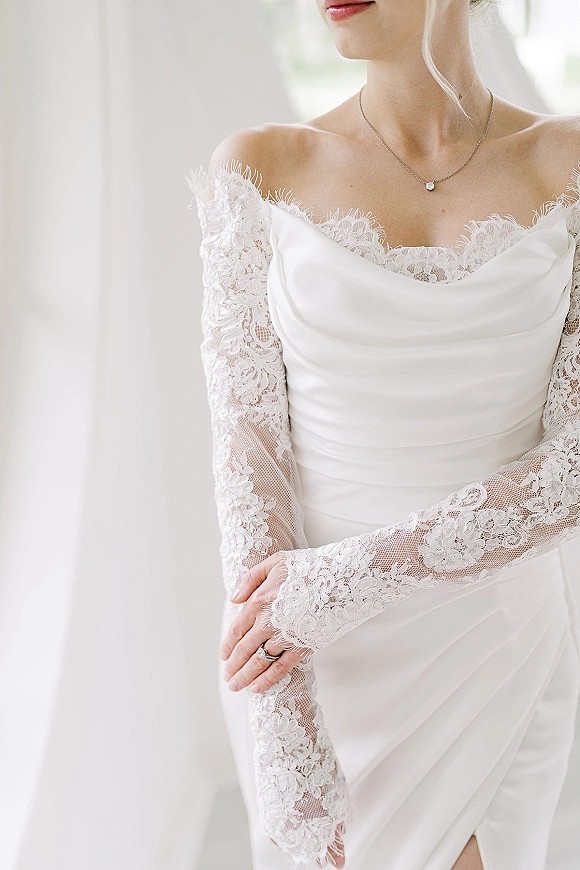
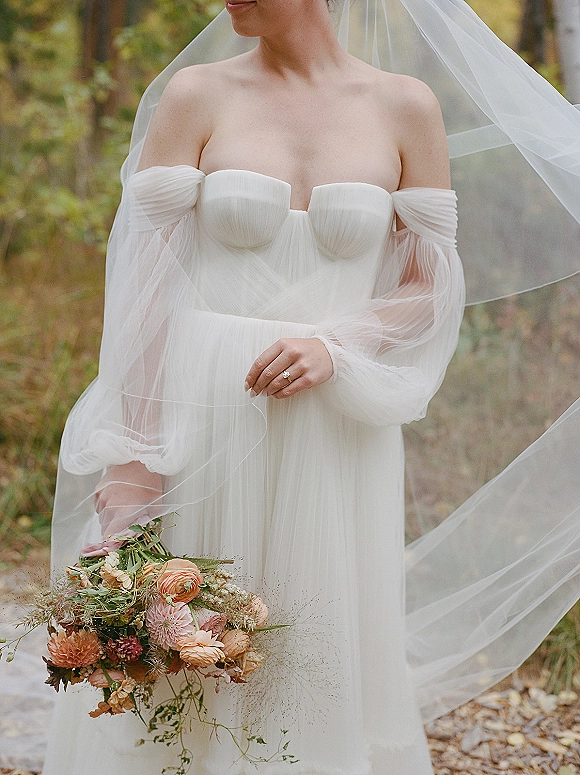
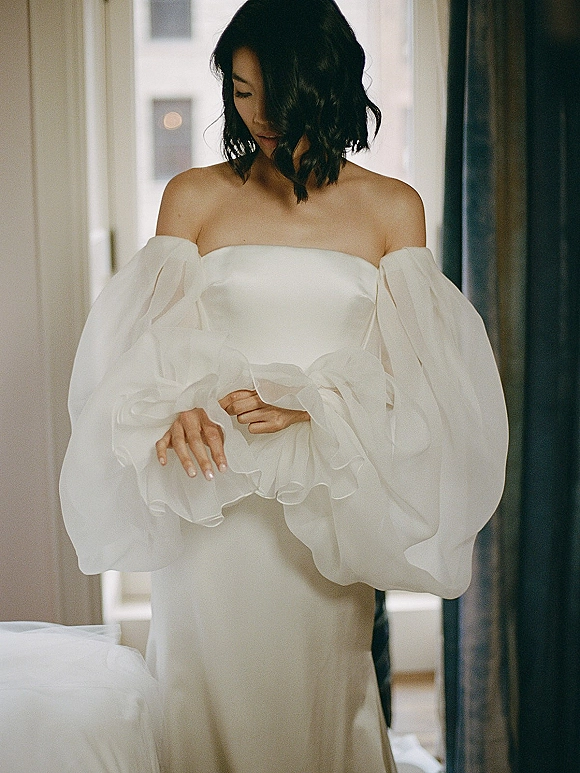
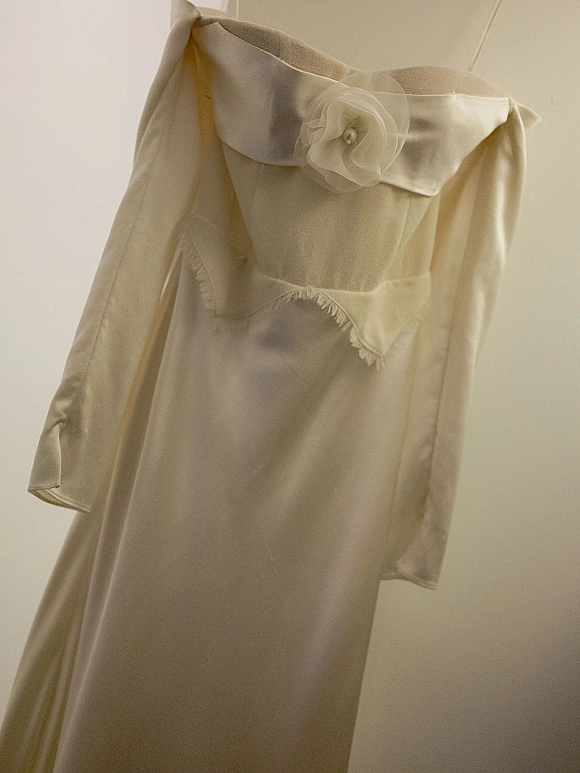
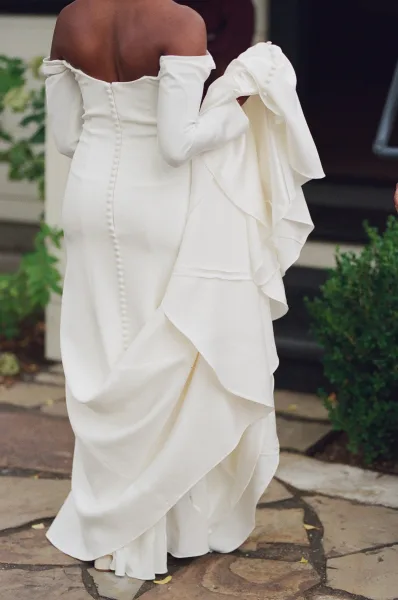
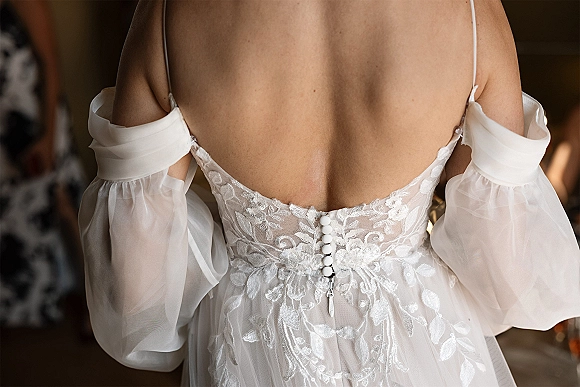
The long sleeve is the off-shoulder’s most romantic partner. An off the shoulder long sleeve wedding dress extends the bared-shoulder line into a sleeve that grips the upper arm and falls to the wrist, framing the shoulders while covering the arms. The look is soft and a little vintage, with the sleeve doing the work of holding the neckline in place. In lace, the sleeve reads delicate and heirloom; in a fluid crepe or chiffon, it reads relaxed and modern.
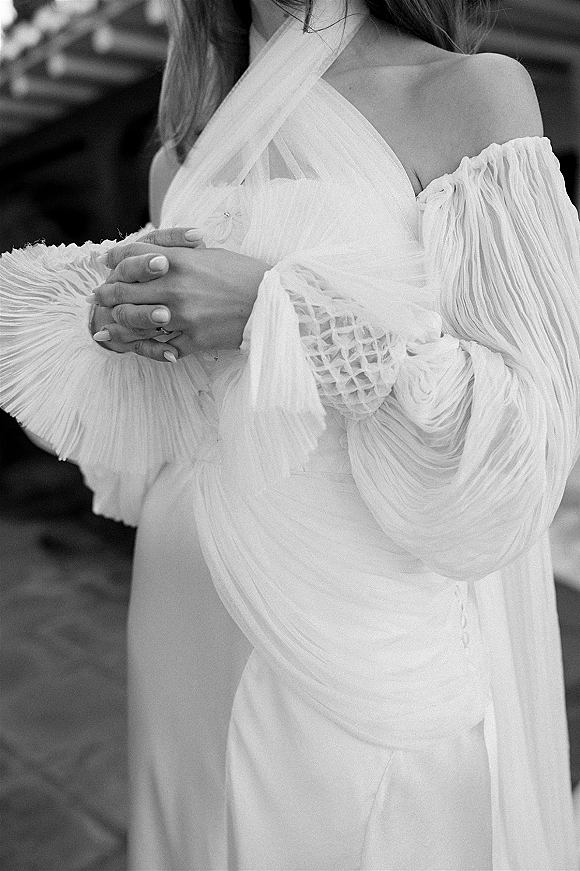
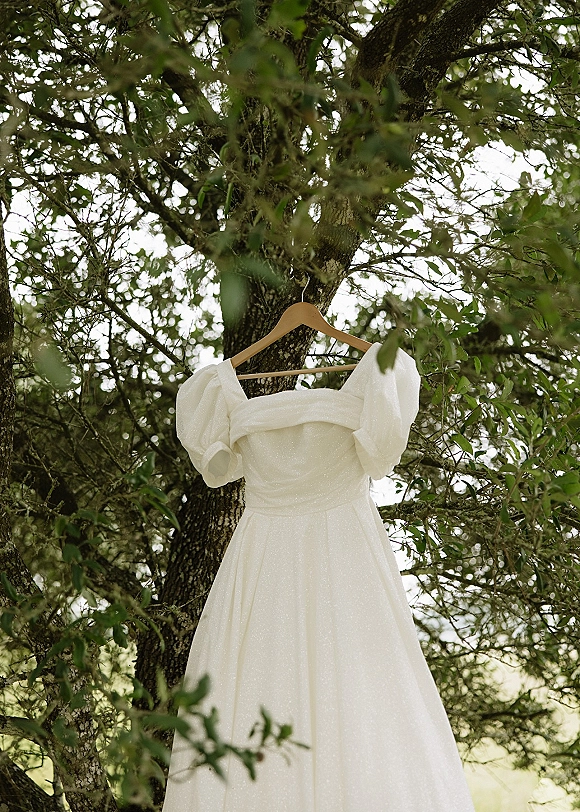
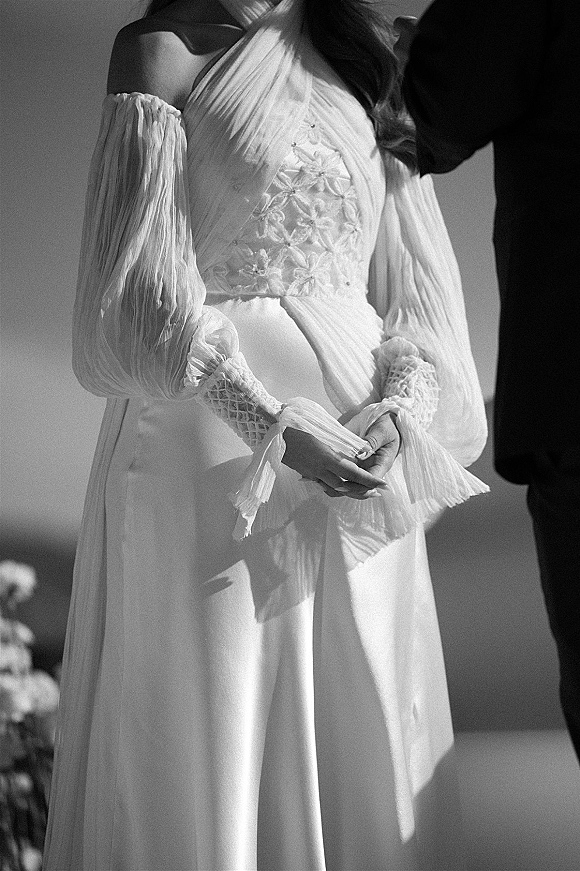
Sleeves on an off the shoulder wedding dress can finish the arm in several ways, and the type sets the mood as much as the fabric does. A fitted lace sleeve that follows the arm to the wrist reads formal and period. A bell sleeve widens from the elbow and reads bohemian and airy. A bishop sleeve gathers into a cuff for soft volume through the forearm. A short off-shoulder sleeve that caps just below the neckline keeps things light and bares more arm. Each one changes the silhouette while keeping the shoulders exposed.
Because the sleeve rests on the arm rather than the shoulder, fit through the upper arm matters as much as the bodice. A well-set sleeve grips gently and keeps the neckline from sliding when you raise your arms, while a loose one lets the whole line drift. This is where a light stretch in the fabric or a precisely fitted seam earns its place, since the sleeve is part of the support system, not only decoration. The wedding dress with sleeves gallery shows how much the sleeve alone changes a gown.
Lace Off-the-Shoulder Gowns
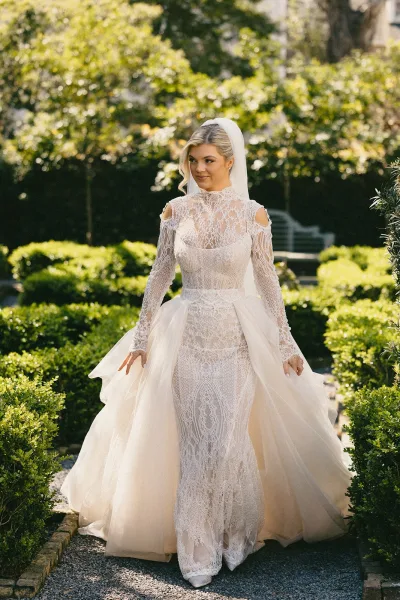
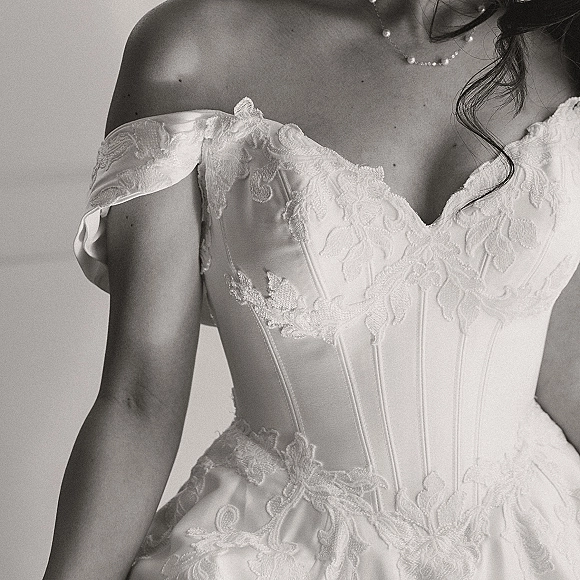
Woven in pattern across the bared neckline, a lace off the shoulder wedding dress is the classic romantic version. Lace traces the bared neckline and any sleeve, so the shoulders are framed by pattern and the softness of the placement is doubled by the softness of the fabric. A wide bertha of lace across the arms builds a real decorative band, while a finer lace edge keeps the neckline delicate. Corded and re-embroidered laces add texture that sits right at the collarbone where the light falls.
The type of lace sets the formality, and the names describe real differences in weight and pattern. Chantilly is a fine net lace with delicate floral motifs that stays close to the skin and reads soft. Alencon is a corded lace, its motifs outlined in a raised thread that gives the pattern definition and a slightly heavier hand. Guipure is a dense, motif-heavy lace with no net ground between shapes, so it reads bold and graphic across a bertha. Appliqué places cut lace motifs onto tulle or the gown itself, which lets the pattern fade up the arm and thin toward the edge of a sleeve.
Because the lace and the neckline both read romantic, this version pairs best with a quiet skirt and restrained jewelry so the shoulders stay the focus. A bold guipure bertha wants little else competing with it, while a fine Chantilly can carry more skirt detail without crowding. A lace off-shoulder is the version most brides picture when they imagine the neckline, and matching the lace to the rest of the gown keeps the whole look from tipping into too much pattern at once.
Where the lace ends is a design decision in itself. A scalloped edge finishes the neckline with a soft, curved border that reads delicate and vintage. A straight cut edge reads cleaner and more modern. Motifs that thin and scatter up the arm let a lace sleeve fade toward the wrist rather than stopping in a hard line, which keeps a long lace sleeve from looking heavy. On a bertha, lace laid over a nude or ivory lining changes how the pattern reads against the skin, since the ground tone behind the motifs sets how much they stand out. These small choices at the edge of the lace do as much for the look as the lace itself.
The Off-Shoulder by Silhouette
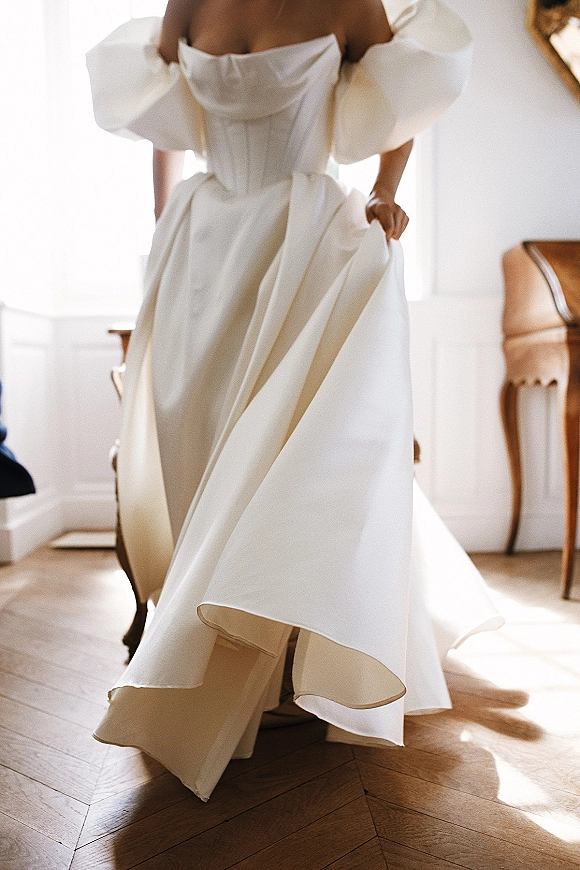
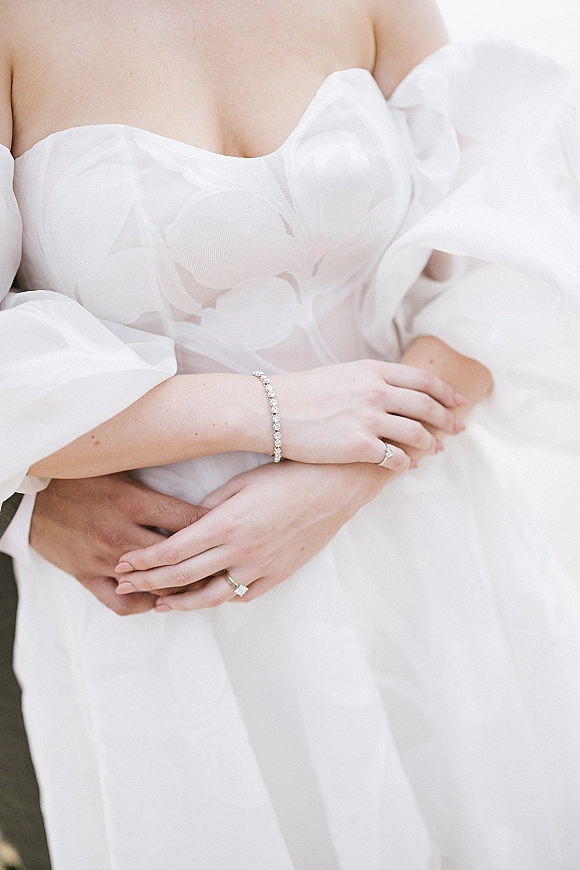
Every skirt can carry the off-shoulder, and the pairing changes its scale. An off the shoulder a line wedding dress is the most balanced, with the framed shoulders above a gently widening skirt that suits most figures and most venues. An off the shoulder mermaid wedding dress is the most striking, tracing the body through the hip before the skirt releases, so the bared shoulders and the fitted line both emphasize the body’s shape. An off the shoulder ball gown wedding dress is the most romantic and grand, using the wide neckline to balance a full skirt for a classic bridal picture.
The reasoning by figure follows from the skirt. The a-line skims the hips and gives the widest room to walk, sit, and dance, which is why it flatters nearly everyone and reads romantic without leaning dramatic. The mermaid rewards a bride who wants line and contour, since the fitted cut through the waist and hip echoes the strong horizontal of the bared shoulders and lengthens the whole figure. The ball gown grounds the volume of a full skirt with a soft, open top, so the neckline keeps a formal gown from reading heavy by opening the chest and framing the face.
The ball gown pairing is worth calling out, because the off-shoulder neckline and the full skirt reinforce each other, framing the shoulders while the skirt sweeps below. A corset back adds structure and helps the neckline stay put, which is why the off the shoulder corset wedding dress is a common combination. A boned bodice with a lace-up back holds the neckline firmly on the arm and takes the weight of the skirt at the same time, giving the whole gown a single line of support. On a fitted silhouette the neckline lengthens and streamlines; on a ball gown it softens the volume. Matching the neckline to the silhouette is about deciding how romantic or how dramatic you want the overall line to read.
Satin and Simple Off-Shoulder Gowns
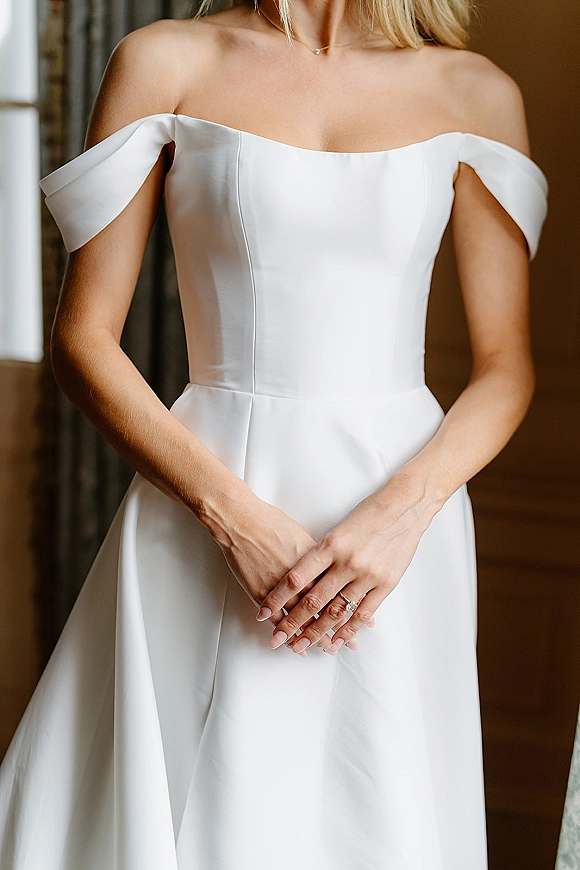
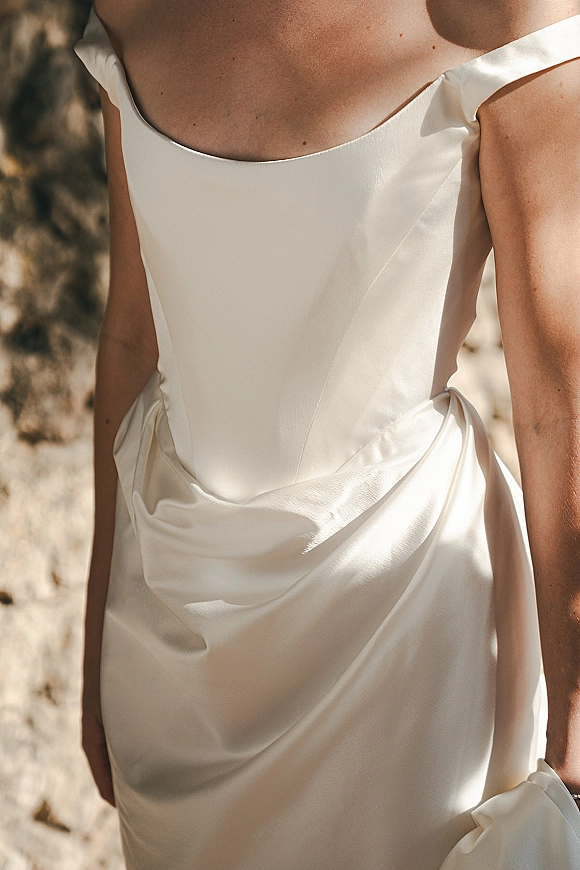
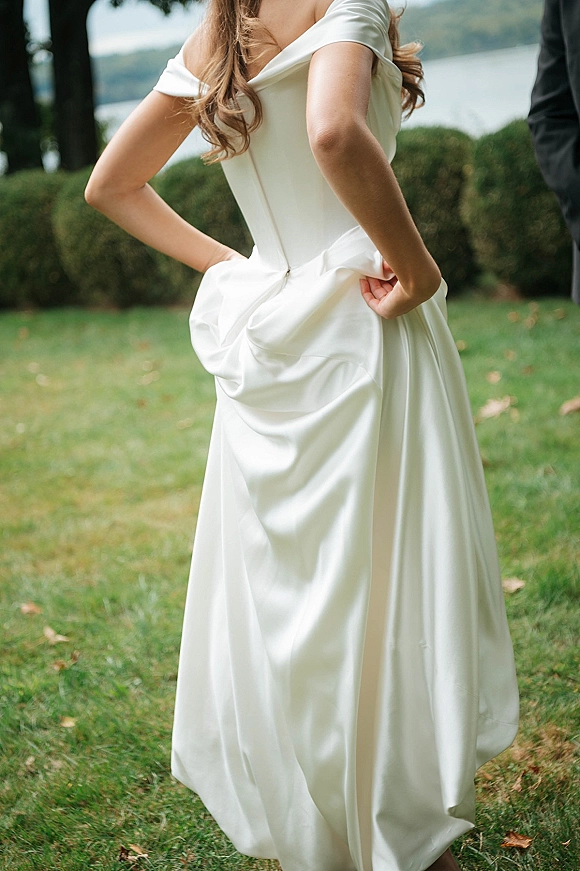
Where lace adds romance, a satin off the shoulder wedding dress leans on line and light. In duchess or mikado satin, a clean off-shoulder band stands away from the arms in a sculptural, minimalist way, holding a crisp edge because the fabric has body and structure. In charmeuse, a lighter satin with more drape, the same band folds soft and fluid against the skin. The fabric decides whether the neckline reads architectural or liquid, even when the cut is identical.
Stripped of lace or beading, a simple off the shoulder wedding dress lets the neckline and the fabric’s shine carry the whole look, which reads modern and pared back. These versions reward precise construction, since there is no pattern to hide a seam and the placement of the band has to be exact. A clean satin off-shoulder in a column or a-line is the choice for a bride who wants the romance of the neckline with a contemporary rest of the gown, and it photographs on line and light rather than detail.
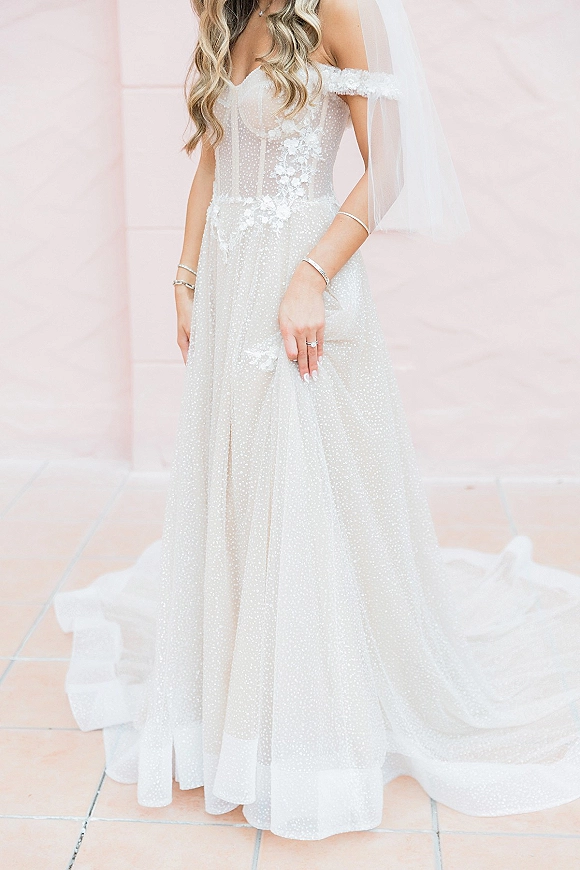
Between structured satin and soft lace sits the off the shoulder tulle wedding dress, using layers of tulle for a full, airy skirt beneath a clean neckline. Tulle builds volume without weight, so the shoulders stay the focus while the skirt drifts, and a soft off-shoulder band reads romantic against it. A white off the shoulder wedding dress in crisp satin is about as graphic as the neckline gets, while ivory and softer whites warm the same shape. Charmeuse against the skin, duchess satin standing away from it, chiffon layered light, tulle built full: the fabric is doing as much work as the cut in every one of these gowns. A satin band also catches and throws light along its edge, so the shine traces the shoulders and doubles the horizontal line the neckline already draws, which is part of why a clean satin off-shoulder photographs so cleanly from the front.
Off-Shoulder in a Mermaid or Fitted Cut
The mermaid earns its own section here, because an off the shoulder mermaid wedding dress does something specific to the figure. The mermaid holds the body through the waist and hip before the skirt flares below the knee, and the bared shoulders sit above that fitted line as a strong horizontal that balances the long vertical of the silhouette. The two shapes pull against each other in a way that lengthens and defines, which is why this combination reads bolder than an off-shoulder on a softer skirt.
The engineering has to match the cut. A fitted mermaid needs a boned bodice that grips through the ribcage, and the off-shoulder band extends that grip up onto the arms, so the whole top of the gown works as one structured piece. A satin off-shoulder mermaid reads sleek and contemporary, tracing line in duchess or mikado, while a lace off-shoulder mermaid softens the same silhouette with pattern across the shoulders and down the body. A corset or lace-up back suits this cut well, adding both support and adjustability where the gown grips closest. For a fuller figure, the fitted line asks for real internal structure, and a wide band on the arm helps distribute the hold rather than resting it all on the bodice.
Boho Off-Shoulder Gowns
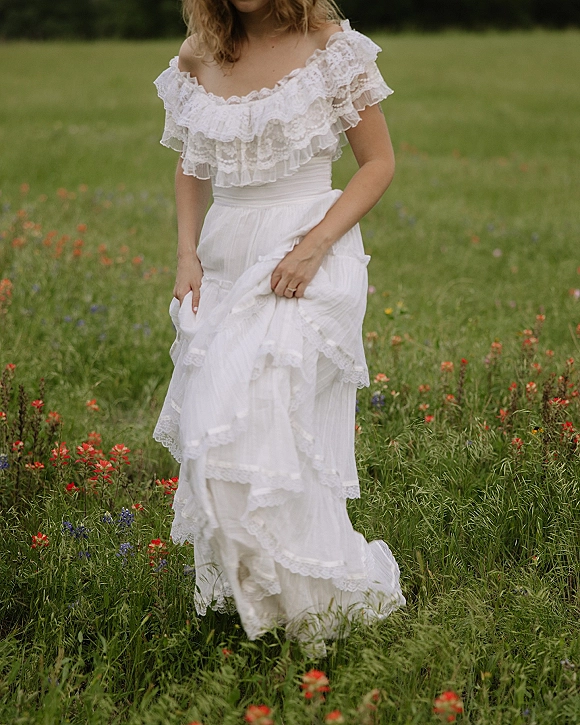
Relaxed into something soft and unstructured, an off the shoulder boho wedding dress usually appears in lace, cotton-blend, or chiffon with a bishop or bell sleeve resting off the shoulder. The mood is easy and natural rather than formal, with the bared shoulders reading free-spirited instead of grand. Crochet-effect and floral laces, a soft slip skirt, and an undone finish are the markers of the look.
This version suits garden, vineyard, and outdoor ceremonies, and it layers well with loose waves and minimal jewelry. Because a boho gown carries little internal structure, the off-shoulder sleeve does more of the work holding the neckline, so fit through the upper arm matters even more than usual. A bishop sleeve that gathers into a cuff or a bell sleeve that widens from the elbow both grip the arm while reading soft and relaxed, which is how a low-structure gown keeps its neckline in place. The boho wedding dress gallery shows how the aesthetic reads across necklines. An off-shoulder is a natural fit for it, since the neckline’s softness matches the relaxed silhouette.
Vintage Off-Shoulder Styles
Long a fixture in bridal, the off-shoulder invites a vintage off the shoulder wedding dress to lean into that history with a wide bertha band, fine lace across the arms, and a full or tea-length skirt. The reference is mid-century and older, when the bared shoulder framed by a structured band read as formal elegance. In aged ivory tones and soft lace, the look is romantic and composed without tipping into costume.
What makes the vintage version work is proportion. A wide off-shoulder band balances a full skirt and a defined waist, which is the silhouette the era is known for. Covered buttons down the back, a portrait neckline that stretches wide across the arms, and delicate lace are the details that signal it. A portrait band in particular reads vintage, since it draws the widest possible horizontal across the shoulders and frames the face like a collar of fabric. Because the reference is a general period rather than any one gown, the look stays adaptable to a modern fit, a personal skirt length, and a fabric that suits your venue.
Short and Tea-Length Off-Shoulder Gowns
Cut short, an off the shoulder short wedding dress carries the neckline into a lighter, less formal gown for a rehearsal dinner, a city-hall ceremony, a reception change, or an elopement. The bared shoulders keep the romance of the neckline while a knee-length or tea-length skirt reads playful and easy to move in. A short off-shoulder in crisp satin reads clean and modern, while one in lace or tulle stays soft and a little retro.
The tea-length version pairs naturally with a vintage read, since a full skirt cut to the mid-calf echoes the same mid-century proportion that makes the off-shoulder look period. A wide band across the arms above a fuller short skirt balances the way a longer gown would, only lighter. Because a short gown shows more leg and less fabric overall, the neckline carries more of the visual weight, so the placement and the band do the styling work. A simple off the shoulder short dress lets the shoulders and the line of the skirt speak for themselves without needing lace or beading to fill it out.
Fabric decides how a short off-shoulder moves. Charmeuse and chiffon fall soft and swing with the leg, which suits a slip-style short gown, while a stiffer mikado or duchess satin holds a fuller shape and keeps a tea-length skirt standing away from the body. Tulle over a short skirt builds light volume for a retro read. Because a short gown asks less of its internal structure than a floor-length ball gown, a boned bodice under the band still earns its place, since the neckline has the same staying-put job to do at any length.
Plus-Size Off-Shoulder, Staying Put, and Fit
For a fuller figure, a plus size off the shoulder wedding dress uses the neckline’s strengths well: the wide horizontal line across the collarbone balances the frame, bares the shoulders and decolletage, and draws the eye up toward the face. The comfort question is staying-put, since the neckline has nothing on the shoulder to hold it. A wide, structured bertha band that grips the upper arms, built over a boned and supportive bodice, is the most secure and comfortable construction for a fuller bust.
Fit through the upper arm is as important as the bodice. The band should rest firmly without digging, and a slight stretch or a well-set sleeve keeps it in place through raised arms and dancing. A corset or lace-up back adds adjustability and support, which is why it pairs so often with this neckline: the back tightens to hold both the bodice and the band, and it can be eased or taken in as fit changes. A wider band also spreads the hold across more of the arm, so it feels more secure than a thin one. Chosen with real internal structure, an off-shoulder stays comfortable and secure all day rather than needing a constant adjustment.
Styling an Off-the-Shoulder Neckline
Baring the collarbone and framing a wide open space, the off-shoulder gives jewelry room to work. A necklace can sit in the open decolletage, unlike a halter or high neck that fills the space, so a pendant or a delicate choker has a real place here. A shorter necklace follows the neckline and keeps the eye on the shoulders, while a longer drop lengthens the line into the bodice. Earrings and a bracelet round it out, and the wide neckline suits both a statement piece and a bare, jewelry-free look.
Hair is flexible, and the choice changes what the neckline shows. An updo bares the full shoulders and the clean line of the band, which suits a structured satin or a formal ball gown. Hair worn down softens the frame and leans into the romantic mood, which suits lace and boho versions. A veil drapes well from either, and a longer veil trails the strong horizontal of the shoulders without covering it. Because the neckline already draws a bold line across the body, keep the other elements balanced so the shoulders stay the focus. For adjacent romantic necklines, compare the soft curve of a sweetheart neckline wedding dress or the fitted line of a mermaid wedding dress, and find makers in the wedding dress directory.
Frequently Asked Questions
What is the difference between off-the-shoulder, cold-shoulder, and drop-shoulder?
An off-the-shoulder neckline rests on the upper arm below the shoulder, baring the shoulder and collarbone. A cold-shoulder covers the shoulder but cuts a window at the top of the arm. A drop-shoulder sits the sleeve seam lower than the natural shoulder without baring it. Only off-the-shoulder clears the shoulder entirely.
Does an off-the-shoulder wedding dress stay up?
Yes, when it is built for it. A wide, structured bertha band grips the upper arms and a boned, supportive bodice underneath holds the neckline in place. Fit through the upper arm matters as much as the bodice, and a corset or lace-up back adds support and adjustability. A well-constructed off-shoulder stays secure through raised arms and dancing.
Is an off-the-shoulder neckline flattering?
The off-shoulder draws a wide horizontal line across the collarbone that broadens and balances the upper body and frames the face, which flatters many figures. It bares the shoulders and decolletage and photographs well from the front. On a fuller figure, a structured band and supportive bodice keep it both flattering and comfortable.
Can an off-the-shoulder dress have long sleeves?
The long sleeve is one of the neckline's most popular partners. The sleeve rests off the shoulder and falls to the wrist, framing the shoulders while covering the arms. It can be a fitted lace sleeve for a vintage look, a soft bell or bishop sleeve for a boho feel, or a short off-shoulder sleeve. The sleeve also helps hold the neckline in place.
What silhouettes work with an off-the-shoulder neckline?
The off-shoulder sits on every silhouette. An a-line gives the most balanced read, a mermaid or fitted cut is the most striking, and a ball gown is the most romantic, using the wide neckline to balance a full skirt. A corset back pairs naturally with the neckline for structure and staying-power.
What jewelry suits an off-the-shoulder gown?
Unlike a halter or high neck, the off-shoulder opens the decolletage, so a necklace has a real place. A pendant or delicate choker sits well in the open space, or you can leave it bare and let earrings carry the look. An updo shows the full bared shoulders, while hair down softens the frame.