How the Mermaid Silhouette Is Built
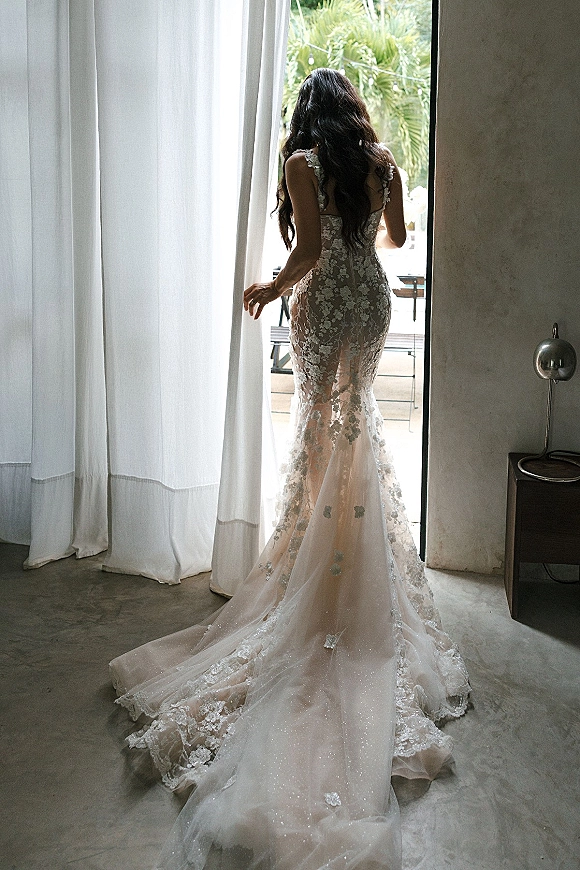
A mermaid wedding dress hugs the body from the bust to somewhere between the mid-thigh and the knee, then flares sharply into a trumpet of fabric to the hem. The defining feature is where that flare begins: the lower it sits, the more fitted and dramatic the gown reads. Because the bodice and upper skirt sit close to the body, the silhouette relies on construction the eye never sees, including vertical boning channels, a structured or fully boned bodice, and an internal lining or corsetry that holds the shape so the fabric does the contouring rather than the body.
The flare itself is engineered. Many mermaid gowns build volume into the lower skirt with godets, which are triangular panels set into the seams that release fullness exactly where the skirt opens, or with a horsehair braid stitched into the hem that holds the flare out instead of letting it fall flat. These details are why a well-made mermaid keeps its shape through a full day while a poorly constructed one collapses at the knee.
That hidden structure is also why fabric choice matters more on a mermaid than on almost any other silhouette. A gown cut close to the hip and thigh shows the behavior of its material at every seam, so the same pattern reads sleek in one fabric and soft in another. The closer the fit, the more the fabric and the construction beneath it determine the result.
The bodice does the structural work that the close skirt cannot. A boned underbodice or a built-in corset anchors the gown at the rib cage and waist so the fabric stays smooth against the torso, and a waist stay keeps the gown from shifting as the bride moves. This is why a mermaid can be strapless and still hold its position through a full day of wear.
Lining matters as much as the outer fabric on a fitted gown. A structured lining smooths the line beneath a delicate lace or chiffon, while a stretch lining gives at the hip and thigh for comfort. The combination of boning, lining, and the engineered flare is what separates a gown that holds its shape from one that strains or sags at the seams.
Mermaid vs. Trumpet vs. Fit-and-Flare
The three fitted silhouettes brides confuse most differ only in where the skirt opens. A mermaid flares low, near or below the knee, for the most fitted line. A trumpet flares higher, around the mid-thigh, giving more room to walk while keeping a curve-skimming shape. A fit-and-flare opens highest and most gradually, near the upper thigh, for the softest and most forgiving version of the fitted family.
Put simply, the flare point sets the drama and the movement together. The lower the break, the more body-conscious the gown and the more deliberately a bride moves in it; the higher the break, the easier the stride. Choose a mermaid for the boldest hourglass and a defined sit at the knee, a trumpet when you want curve with easier walking, and a fit-and-flare when you want the shape without the close hold through the thigh.
From a distance these silhouettes can read alike, which is why the flare placement is the single detail worth checking at a fitting. See the related trumpet wedding dress and fit-and-flare wedding dress collections for the side-by-side difference in person.
The practical takeaway is to match the flare point to how you want to move. A bride who wants to make a dramatic entrance and is comfortable taking measured steps suits a low mermaid flare, while a bride who wants to dance freely leans toward a higher break. Trying the three side by side is the clearest way to feel the difference, since the silhouettes look similar in photographs but wear quite differently in person.
Sleeves and Straps on a Mermaid Gown
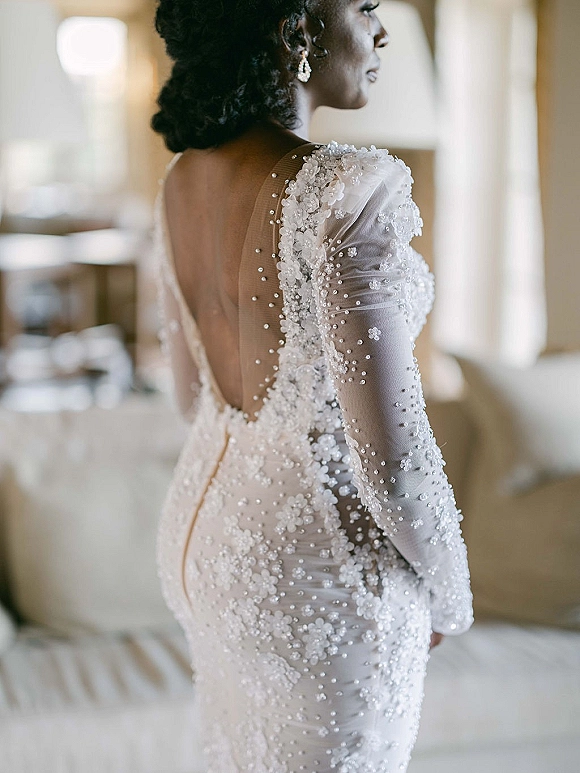
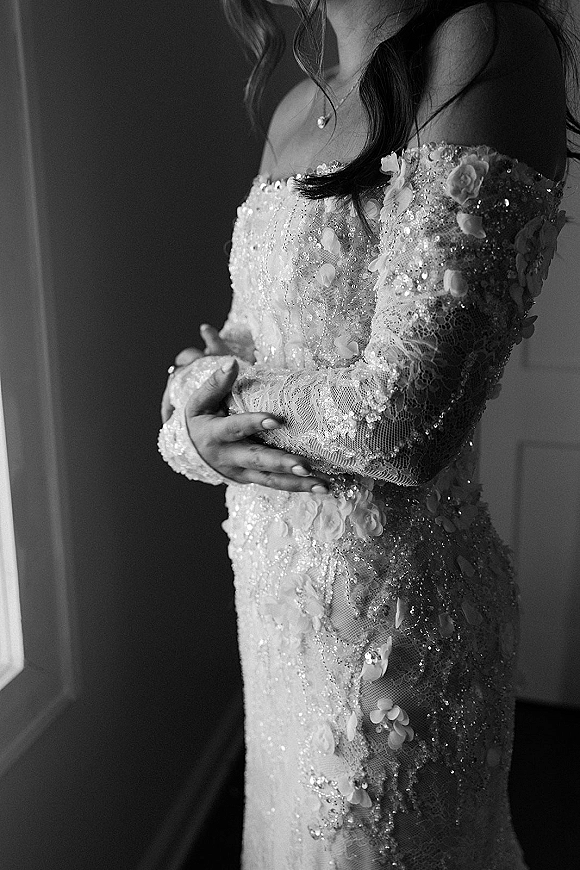
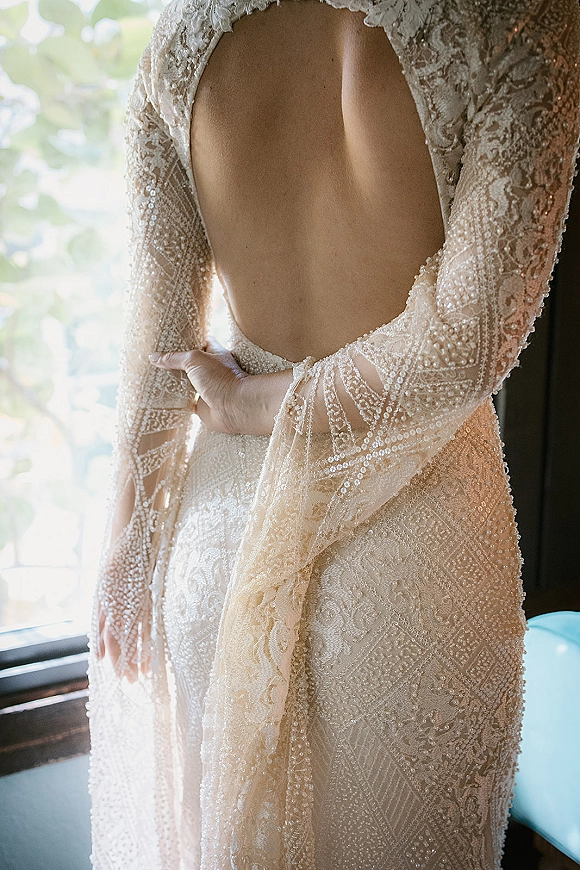
Sleeves change the temperature of a mermaid gown more than any other detail. A long sleeve in matching lace or sheer illusion tulle softens the body-conscious cut and reads more covered without adding volume, which is why the long-sleeve mermaid is one of the most requested variations. Fitted point sleeves that taper over the back of the hand lengthen the arm and balance the visual weight of a full skirt sweep.
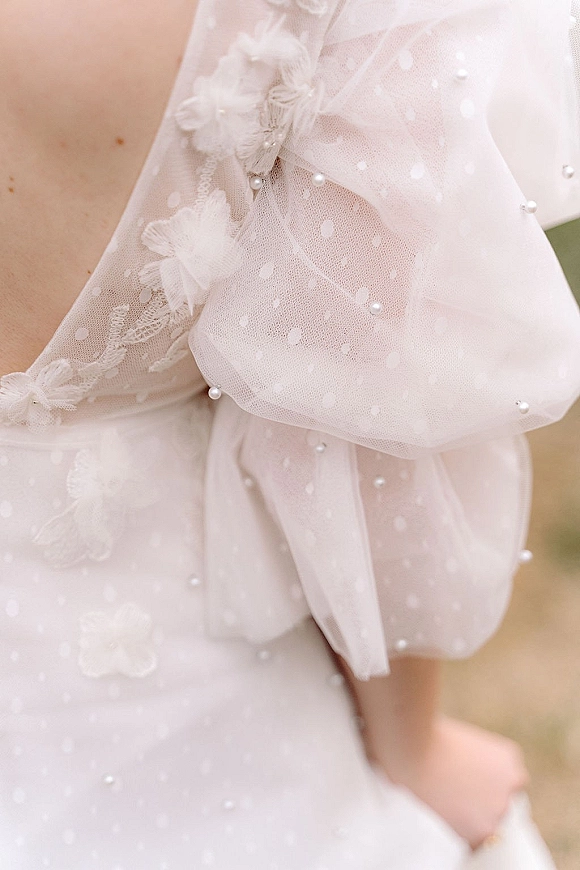
For brides who want coverage without full sleeves, off-the-shoulder bands, cap sleeves, flutter sleeves, and detachable sleeves that lift away for the reception all work on a fitted bodice. Illusion sleeves in fine tulle give the look of bare arms with lace appliqué floating across them, a popular middle ground between strapless and fully covered.
The structure that holds a mermaid in place also anchors a strapless or thin-strap neckline securely, so on this silhouette straps are an aesthetic decision rather than a support one. The boned bodice carries the gown regardless of what covers the shoulders.
Necklines for a Mermaid Dress
Because a mermaid concentrates attention on the upper body, the neckline does heavy styling work. A sweetheart neckline is the classic pairing: it frames the décolletage and echoes the curve of the silhouette below. A strapless mermaid keeps the line clean and lets the bodice structure show, while an illusion neckline in tulle or lace extends coverage to the collarbone or shoulders without losing the skin-like transparency that reads modern.
Halter and high-neck mermaids draw the eye up and elongate the frame, and they pair especially well with a sleek, unadorned skirt that keeps the focus at the throat. A v-neck lengthens the torso and breaks up a heavily fitted bodice. Each of these necklines pairs with the same fitted body, so the choice is about where you want the focus rather than about whether the gown will fit.
The bodice shape interacts with the neckline as much as the neckline itself does. A sweetheart paired with a structured satin bodice reads classic, while the same neckline in lace over illusion reads soft and romantic, so the neckline and the fabric should be considered together rather than in isolation. A higher neckline balances a low, dramatic flare, keeping the proportions of the gown in harmony.
Open and Low Backs on a Mermaid
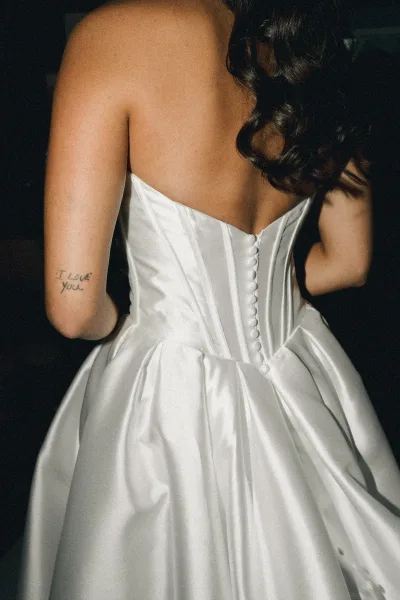
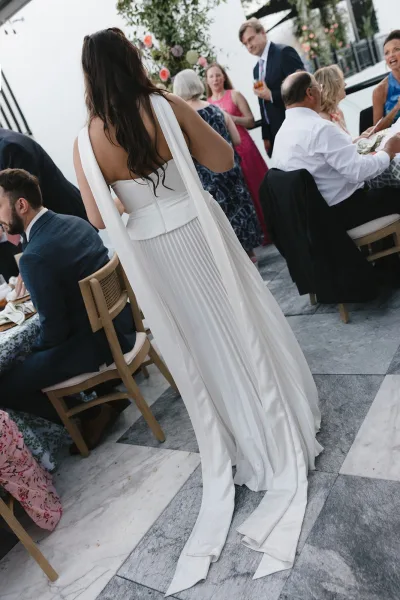
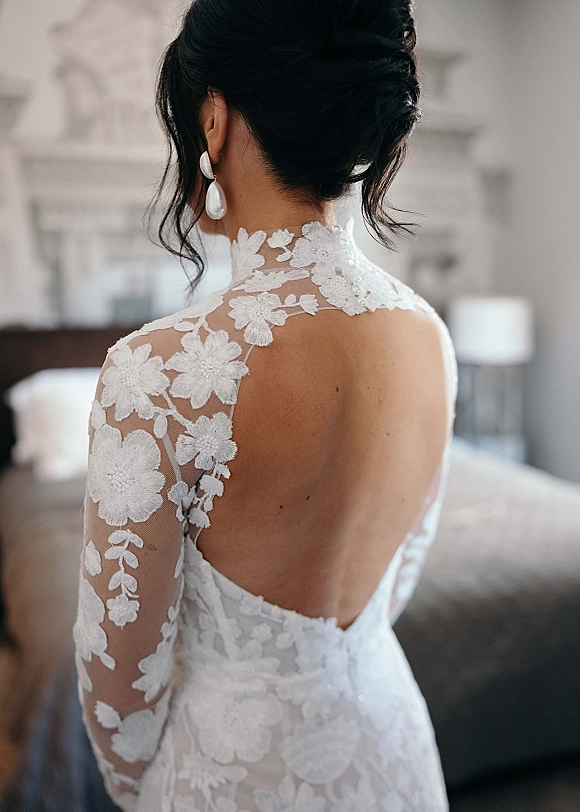
The back of a mermaid is its second focal point, and on a fitted silhouette it often becomes the first. Because the gown traces the spine, an open back, a low scoop, or a plunging V reads dramatically against the close fit, and it is what guests see during the ceremony as the bride faces forward. An open-back mermaid pairs the bare back with illusion tulle, a strap detail, or a row of covered buttons running to the hip.
Backs also carry the closure. A fitted mermaid relies on a precise back zipper, often concealed beneath a button placket, or on a corset-style lace-up that adjusts the fit through the rib cage. The closure choice affects both the line of the back and how the gown is fitted, so it is worth considering alongside the neckline rather than as an afterthought.
Trains and Detachable Skirts
A mermaid train extends the low flare into a sweep behind the gown, and the length sets the formality: a sweep or chapel train suits most weddings, while a cathedral train reads grand and ceremonial. Because the flare already carries weight at the hem, mermaid trains gather into a tier of fabric rather than lying flat, which gives the train movement as the bride walks.
Bustling a mermaid takes more planning than bustling a fuller skirt. A French under-bustle tucks the train beneath the gown for a clean line, while an American over-bustle gathers it on top and shows the train fabric as a design element. The right choice depends on the weight of the fabric and how the flare is built, and a careful bustle fitting keeps the gown moving cleanly through the reception.
A detachable skirt is the mermaid bride’s most practical option: a fitted mermaid base for the ceremony with an overskirt or train that lifts away to free the legs for dancing. It gives two silhouettes in one gown without altering the close fit that defines the style, and it removes the bustle question entirely.
Fabrics That Shape a Mermaid: Satin, Crepe, and Lace
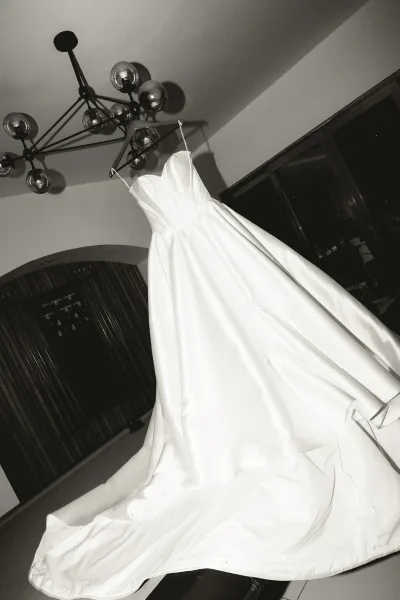
Fabric decides whether a mermaid reads sleek or romantic. A satin mermaid wedding dress in duchess satin gives a polished, structured surface that holds the fitted line and reflects light along the curve of the body, while stretch satin moves with the figure for comfort. Crepe sits matte and fluid, skimming the body for a modern, architectural line that photographs cleanly without ornament, and it forgives more than a high-shine fabric because it does not catch light at every seam.
A lace mermaid wedding dress layers texture across the whole silhouette, with allover lace or placed appliqué adding dimension that a smooth fabric cannot. Mikado, a heavier blended silk, holds the most architectural flare and suits a structured, formal mermaid, while charmeuse drapes softly for a fluid, second-skin effect that reads sensual rather than sculptural.
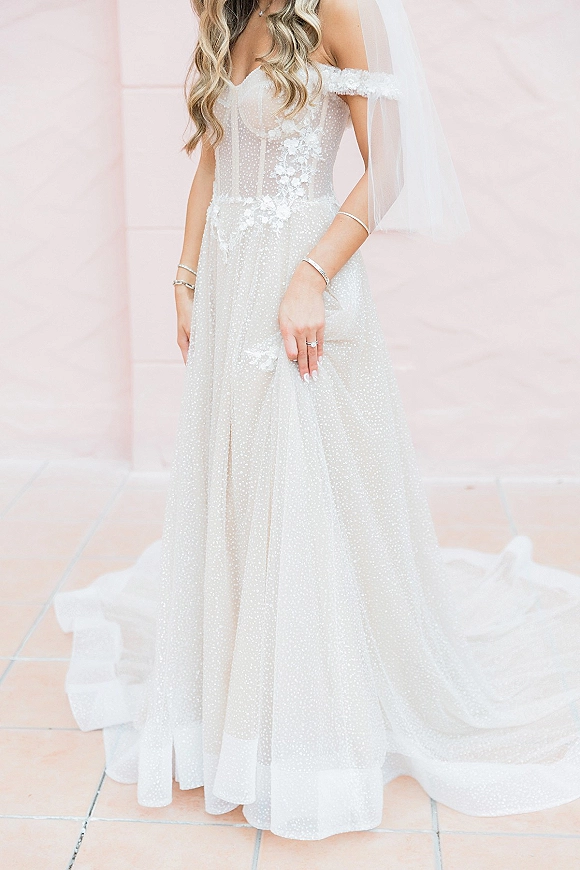
A simple mermaid in unadorned crepe or satin lets the cut carry the gown, which suits a bride who wants impact through silhouette rather than detail. The grid below shows how each fabric falls differently at the flare point, which is the clearest way to see the difference before trying gowns on.
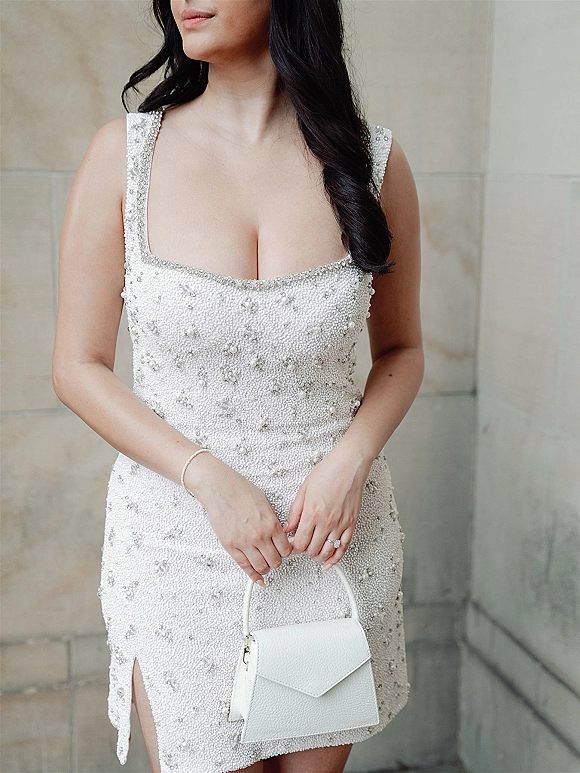
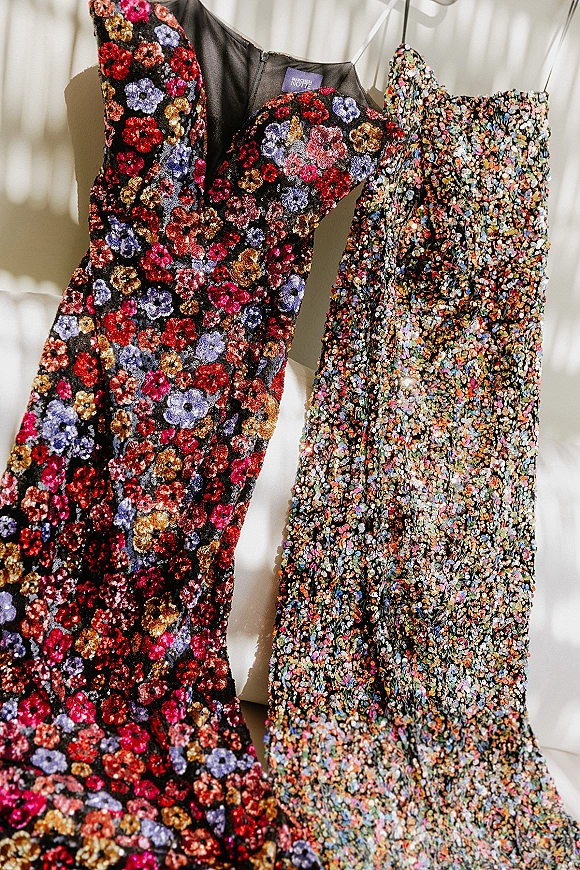
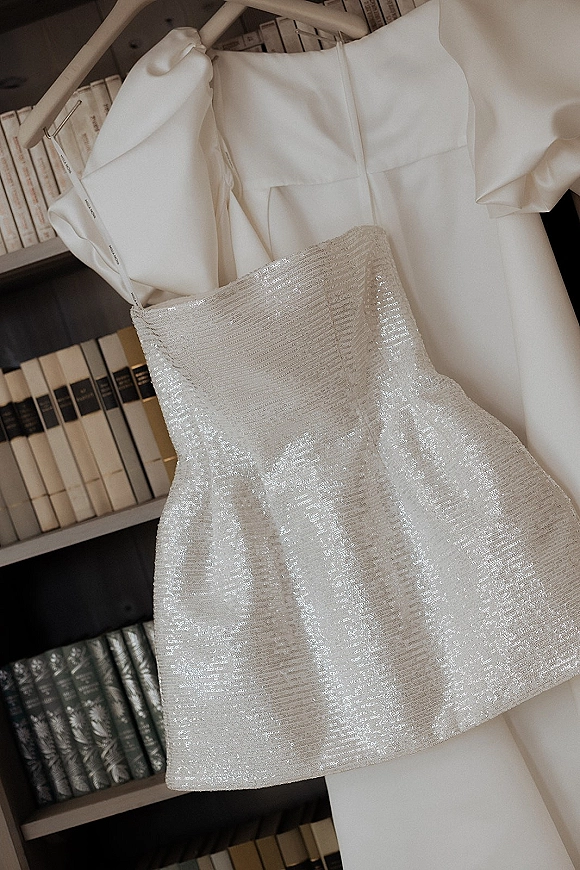
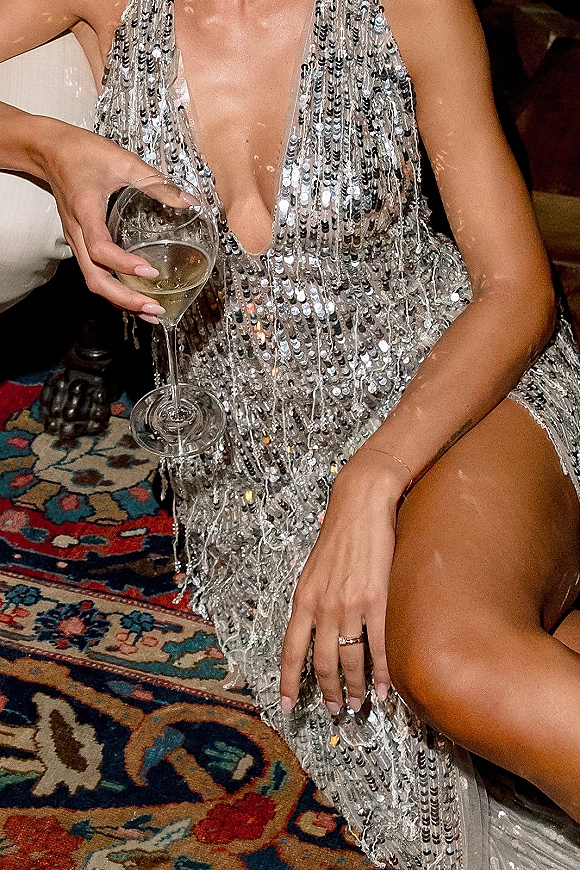
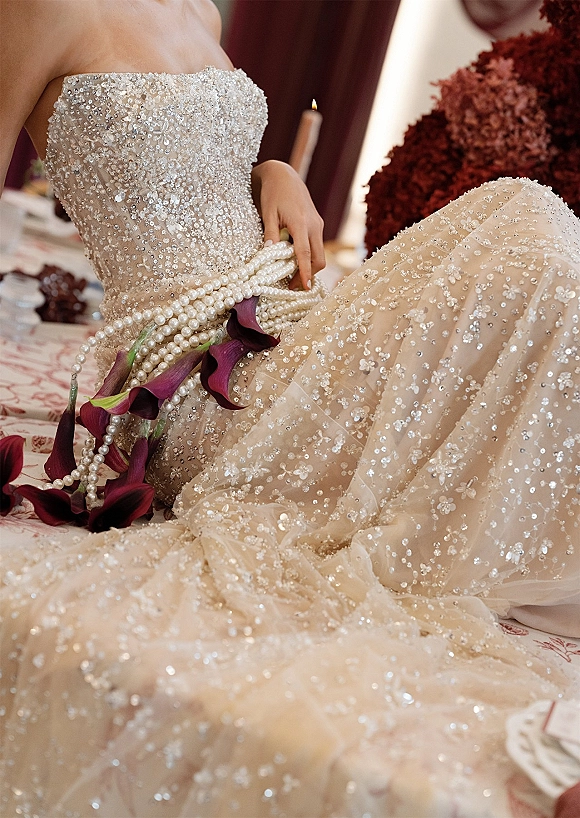
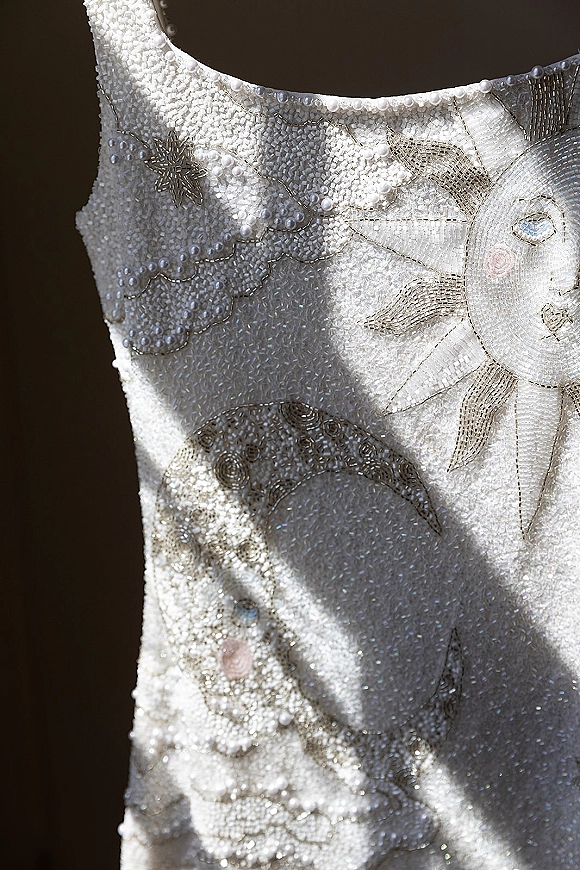
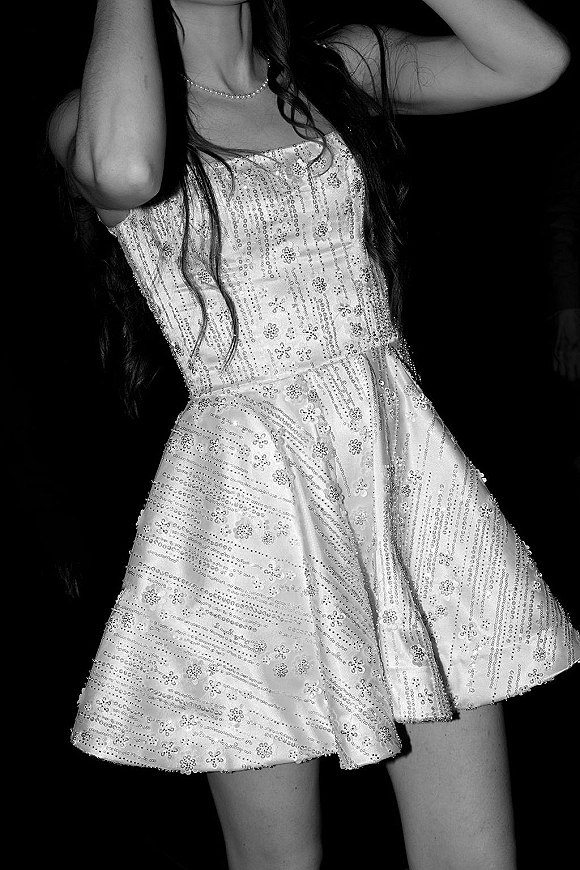
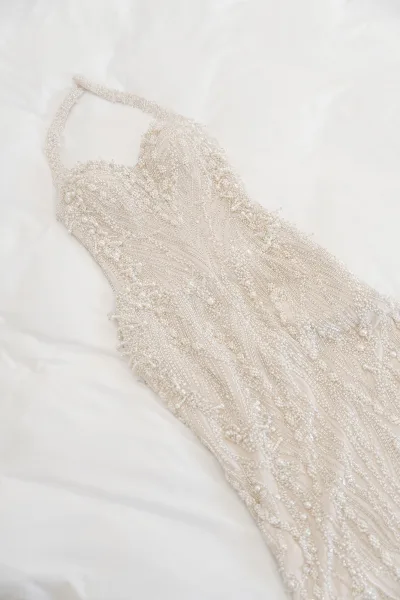
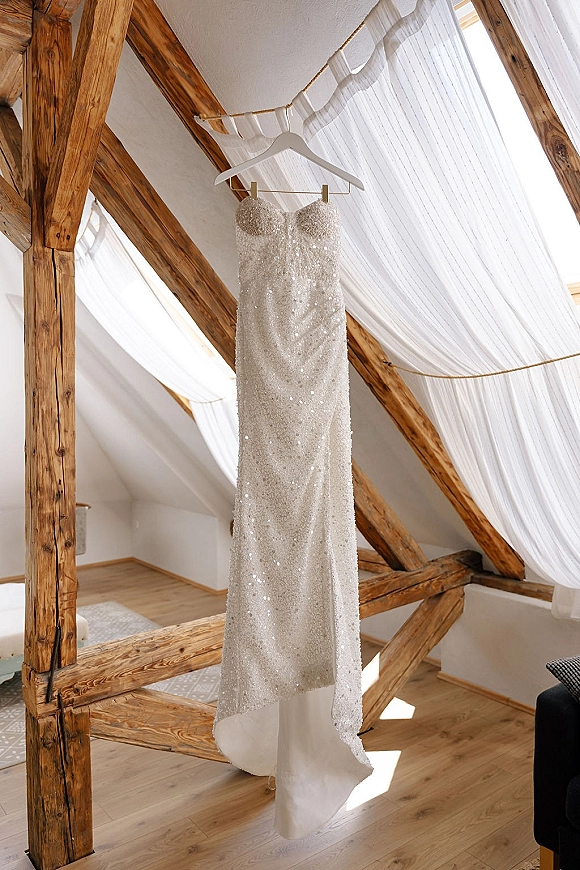
Beaded and sequined mermaids deserve their own mention, because allover beadwork catches light along the fitted line and gives the most glamorous version of the silhouette. The weight of beading helps the fabric hold the body-conscious shape, though it asks for a sturdy lining to carry that weight comfortably across a full day.
Fit, Body Type, and the Plus-Size Mermaid
The mermaid is often described as a silhouette for one figure, but the reality is about proportion and structure, not size. A well-built mermaid bodice with internal boning and a flare placed to flatter works across body types, and a plus-size mermaid wedding dress uses the same engineering to define the waist and skim the hip. The key variable is the flare point: a slightly higher break gives more walking room and reads softer, while a lower break maximizes the dramatic hourglass.
For petite frames, a mermaid lengthens the body by drawing a single fitted line to a low flare, and a sweetheart or v-neck keeps the proportions balanced. For curvier figures, the structured bodice provides shape and support, and a stretch fabric adds comfort across a full day. The fit at the hip and the position of the flare matter more than any rule about who the silhouette suits, which is why a fitting is the only reliable way to judge a mermaid. To compare fitted gowns in person, browse the wedding dress designers in the directory.
Color Beyond Ivory: The Black Mermaid
The mermaid silhouette carries color exceptionally well because its fitted line shows fabric and shade with clarity. A black mermaid wedding dress reads bold and architectural, with the close cut making the depth of the color the focal point and the construction details, the boning and seaming, showing more clearly against a dark fabric than against ivory. Brides exploring color often start with the mermaid for exactly this reason: the shape is dramatic enough to carry a strong tone without competing with it. See the black wedding dress collection for color-forward fitted gowns.
Styling a Mermaid Gown: Veils, Shoes, and Jewelry
Because a mermaid draws a single uninterrupted line down the body, accessories work best when they follow that line rather than break it. A cathedral or chapel veil echoes a long train and keeps the eye traveling downward, while a fingertip veil suits a gown with a shorter sweep and keeps the focus on the fitted bodice. A bare neckline pairs with statement earrings or a drop necklace, and a covered illusion neckline usually needs less at the throat so the lace reads cleanly.
Shoes matter more on a mermaid than on a fuller skirt because the narrow lower leg means the hem sits close to the foot, and a heel height should be settled before the gown is hemmed so the flare breaks at the right point. Brides often bring their ceremony shoes to every fitting for this reason. A belt or a beaded sash at the natural waist accentuates the cinch between the fitted bodice and the flare, sharpening the hourglass the silhouette is built to create.
Fittings and Alterations for a Fitted Silhouette
A mermaid asks for more fitting attention than any other silhouette, because every seam sits against the body and there is nowhere for an imprecise fit to hide. Most mermaid gowns go through several fittings to dial in the bodice, the hip, and the exact point where the flare releases, and the hem is one of the last steps because it depends on the bride’s shoes and posture. A gown that fits cleanly at the rib cage and hip is what makes the silhouette read couture rather than tight.
The flare and the train shape the alteration plan. A bustle has to be tested with the full weight of the lower skirt so it holds through dancing, and brides who plan to move freely often add a hidden kick pleat or choose a stretch lining at the knee. Leaving time for these adjustments is part of choosing a mermaid, since the fit is the feature rather than an afterthought.
Mermaid Gowns by Season and Setting
The mermaid suits formal settings especially well because its structured line and dramatic sweep read as occasion dressing. A ballroom or estate wedding carries a satin or mikado mermaid with a long train, where the gown has room to make an entrance and the flare has floor to sweep across. The fitted silhouette photographs with clarity in these settings because the line is unbroken and the construction shows.
Fabric is the lever that adapts the mermaid to a warmer or more relaxed setting. A crepe or stretch-lace mermaid reads lighter for a vineyard or coastal celebration, moving more easily than a heavy satin, while a fully beaded or duchess-satin gown anchors a black-tie evening. Matching the fabric weight to the setting keeps the silhouette comfortable without changing its body-conscious shape.
Fishtail and Godet Variations
The fishtail is a close relative of the mermaid, and the names are often used interchangeably, though a fishtail usually describes a gown where the flare is built from layered or godet panels that fan out at the back like a fish tail. The effect is a softer, more fluttering hem than a single sweeping flare, and it adds movement to the back of the gown where guests see it during the ceremony.
Godet panels are the construction trick behind both effects. Set into the seams of the lower skirt, these triangular inserts release fullness exactly where the designer wants the flare to open, which lets a mermaid hold a smooth, fitted line through the thigh and then bloom cleanly at the knee. The number and width of the godets determine how dramatic the flare reads.
What to Look for When Trying On a Mermaid
Because the mermaid is the most fit-dependent silhouette, a few checks at the appointment reveal whether a gown will work. Walk, sit, and climb a step in it to feel where the flare releases, since a flare set too low restricts the stride while one set well allows natural movement. Check that the bodice stays smooth against the rib cage without gaping or digging, which is the sign the boning and lining are doing their job.
Look at the back as well as the front, since the fitted line makes the back a focal point and the closure has to lie flat against the spine. A gown that fits cleanly at these points needs only minor alterations, while one that strains or sags will fight the silhouette no matter how it is taken in.
Caring for and Moving in a Mermaid Gown
A fitted gown rewards a little planning around movement and care. Practicing how to sit, gathering the flare slightly and lowering with control, keeps the line smooth and the seams comfortable, and a bride often does a trial run at the final fitting. For the ceremony exit and photos, knowing how the flare moves helps the bride lead with the right foot so the gown sweeps cleanly rather than catching.
Steaming and hanging matter on a structured gown, since creases settle into a fitted line more visibly than into a full skirt. A padded hanger that supports the bodice and a steam just before the ceremony keep the fabric smooth, and a designated person to help with the bustle and train saves the bride from managing the gown alone during the transition to the reception.
Hemlines and Floor Length
The hem on a mermaid is set with precision because the narrow lower skirt sits close to the foot, and the goal is a clean break just at the floor that lets the flare sweep without dragging. A slightly puddled hem reads soft and romantic in photographs, while a precise floor-length hem keeps the line sharp for dancing. Settling the heel height before the final hem fitting is what makes the difference between a hem that glides and one that catches underfoot.
Frequently Asked Questions
What is the difference between a mermaid and a trumpet wedding dress?
Both are fitted through the bodice, waist, and hip, then flare to the hem. The difference is the flare point. A mermaid flares low, near or below the knee, for the most body-conscious line. A trumpet flares higher, around the mid-thigh, giving more room to walk while keeping a curved shape.
Can you walk and sit in a mermaid wedding dress?
Yes, with the right flare placement. A flare that begins at or just above the knee allows a natural stride, and many brides add a small kick pleat or choose a stretch fabric for ease. Sitting is comfortable because the structure is in the bodice and upper skirt rather than the legs. A trumpet or fit-and-flare offers more movement if walking room is a priority.
What body type suits a mermaid wedding dress?
A mermaid flatters across body types because the structured bodice and adjustable flare point define the waist and skim the hip on most figures. Curvier brides get shape and support from the boned bodice, and petite brides gain length from the single fitted line. The flare position, not the body, is the variable that makes the gown work.
What fabric holds a mermaid shape best?
Structured fabrics like duchess satin, mikado, and crepe hold the fitted line cleanly because they resist collapsing at the hip and thigh. Stretch satin and stretch lace move with the body for comfort while keeping the contour. Lighter fabrics like charmeuse and chiffon need an internal lining, corsetry, or a horsehair hem to maintain the silhouette.
Where does the flare start on a mermaid dress?
The flare on a true mermaid begins low, generally between the mid-thigh and the knee, with most styles breaking at or just below the knee. A lower flare creates a more dramatic, fitted look, while a slightly higher break adds walking ease. The exact point varies by gown and is one of the first things to check at a fitting.
How do you bustle a mermaid train?
Mermaid trains usually bustle into a gathered tier rather than lying flat, because the low flare carries volume at the hem. A French under-bustle tucks the train beneath the gown, while an American over-bustle gathers it on top. The choice depends on fabric weight and how the flare is built. A detachable train or overskirt is the simplest alternative for brides who want the train gone for the reception.