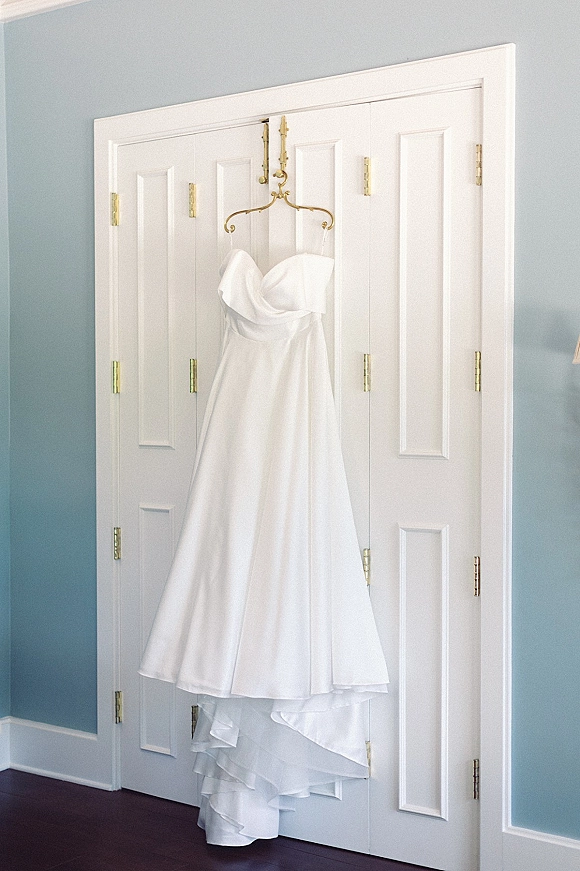
What Is a Trumpet Wedding Dress
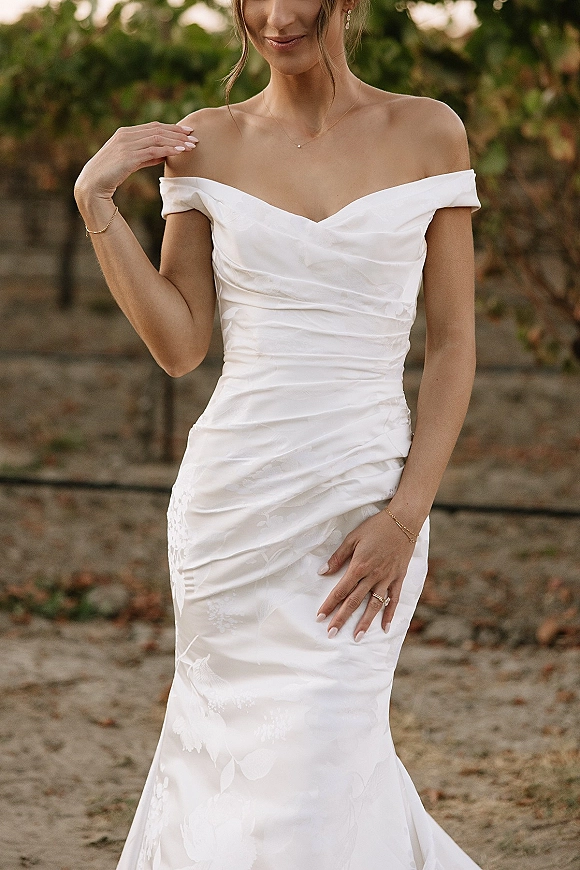
A trumpet wedding dress hugs the bodice, waist, and hips, then flares out at the mid-thigh into a skirt that opens toward the hem, named for the way the flare resembles the bell of a trumpet. The flare point is the defining detail: it begins higher than a mermaid, which gives the gown more walking room while still creating a fitted, curve-conscious shape through the hip and upper thigh.
The result is a silhouette that delivers drama and curve without the close hold of a mermaid through the leg, which is why brides who love a fitted look but want easier movement often land on a trumpet. Like the mermaid, the trumpet relies on a structured bodice and often godet panels in the lower skirt to release the flare cleanly, so the gown holds its shape through the day.
The flare can be soft, releasing gradually from the mid-thigh, or crisp and pronounced, depending on the fabric and whether godet panels or a horsehair hem are built into the skirt. A softer flare reads closer to a fit-and-flare, while a structured one approaches the drama of a mermaid, which places the trumpet squarely in the middle of the fitted family.
Some retailers group trumpet and mermaid gowns together because the silhouettes are so closely related, which is why a bride shopping for one will often see the other in the same collection. The reliable way to tell them apart is to look at where the skirt leaves the leg rather than at the label.
Trumpet vs. Mermaid
This is the comparison brides ask about most, and the answer is the flare point. A trumpet flares at the mid-thigh, while a mermaid flares lower, near or below the knee. The higher trumpet flare gives more room to walk and a slightly softer line, while the lower mermaid flare creates the most dramatic, body-conscious hourglass.
Choose a trumpet when you want a fitted shape with easier stride and a flare that opens gradually, and a mermaid when you want the boldest contour and a defined break at the knee. The two read similarly from a distance, so the flare placement is the detail to check at a fitting. A fit-and-flare is the softest option if you want even more movement, opening higher and more gently than a trumpet.
A useful rule of thumb is that a trumpet lets you walk up a flight of stairs without thinking about it, while a mermaid asks you to take the steps more deliberately. That single difference in movement, driven entirely by the flare point, is what most often decides the choice between the two for a bride who likes both looks.
Lace Trumpet Gowns
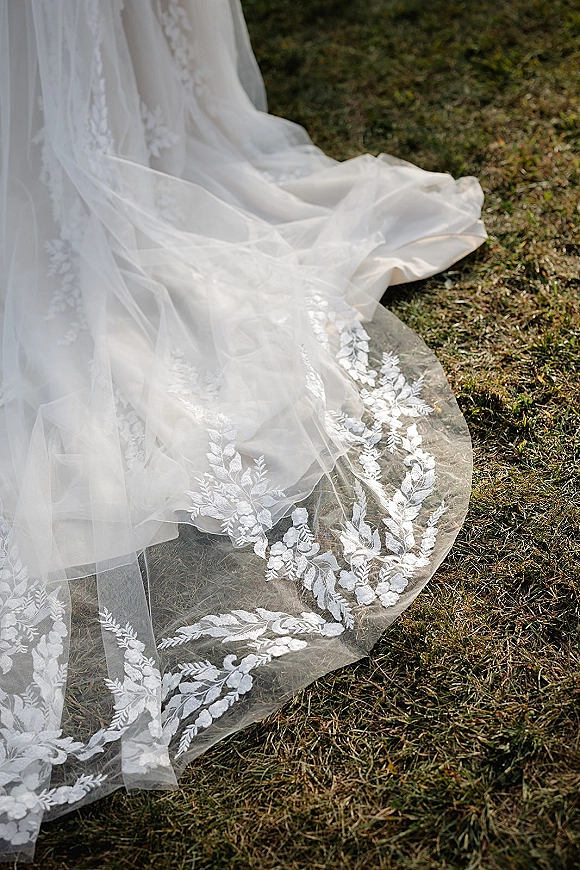
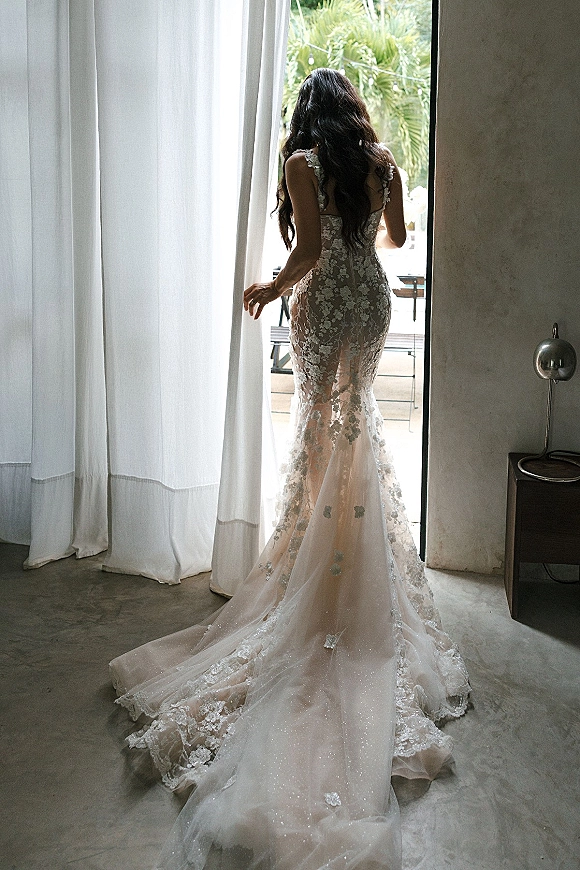
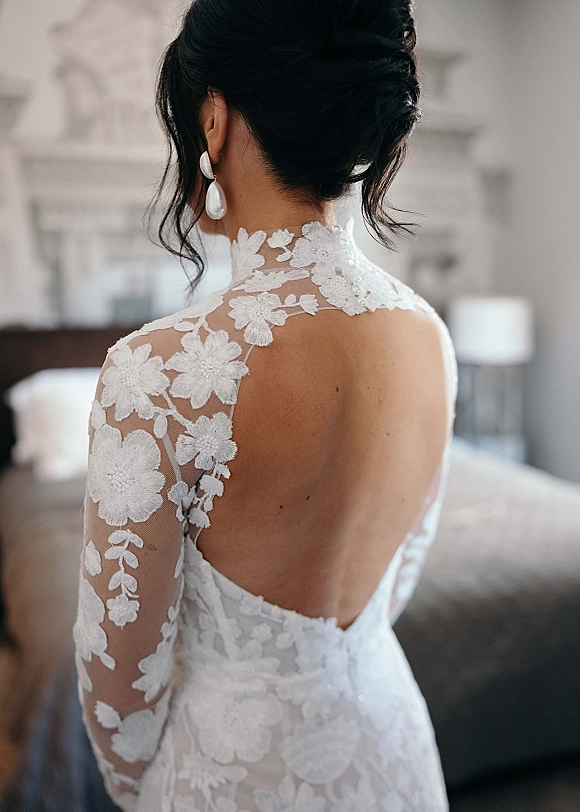
Lace suits the trumpet because the mid-thigh flare gives the pattern a place to open and show. A lace trumpet wedding dress carries allover lace across the fitted bodice and hip, then lets the lace fall into the flare for texture and movement at the hem, or uses placed appliqué to concentrate detail through the bodice while the skirt stays cleaner. The flare keeps the lace from sitting flat, which adds dimension as the bride moves.
The lace type shifts the effect: fine Chantilly reads soft and romantic against the fitted line, while corded or guipure lace gives more structure and graphic definition at the flare. Lace also softens the curve-forward silhouette, pairing the fitted line with romantic texture for a look that reads detailed rather than sleek.
An allover lace trumpet reads cohesive from bodice to hem because the pattern carries through the fitted line and into the flare, while a gown that fades the lace toward the hem draws the eye to the bodice and waist. Either approach keeps the silhouette’s curve-forward shape while adding the romance of texture.
Sleeves and Off-the-Shoulder Trumpet Styles
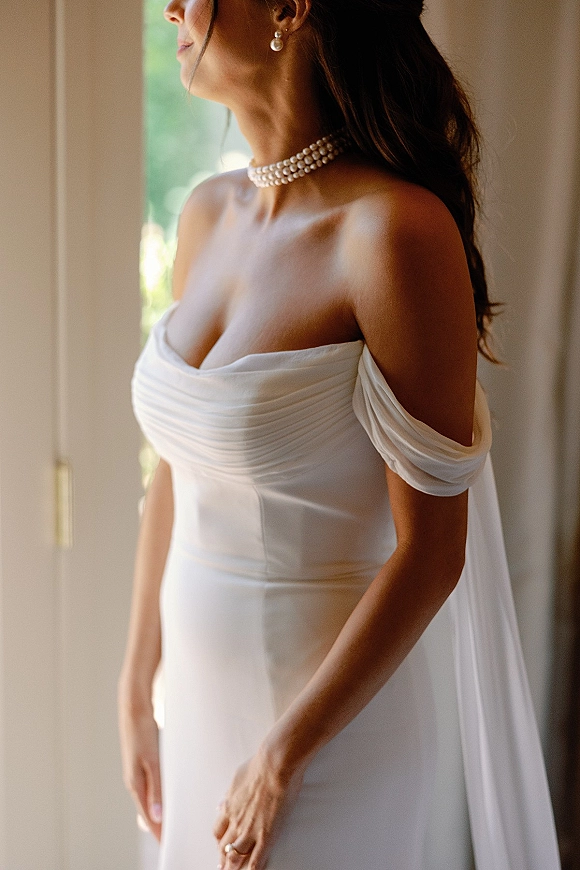
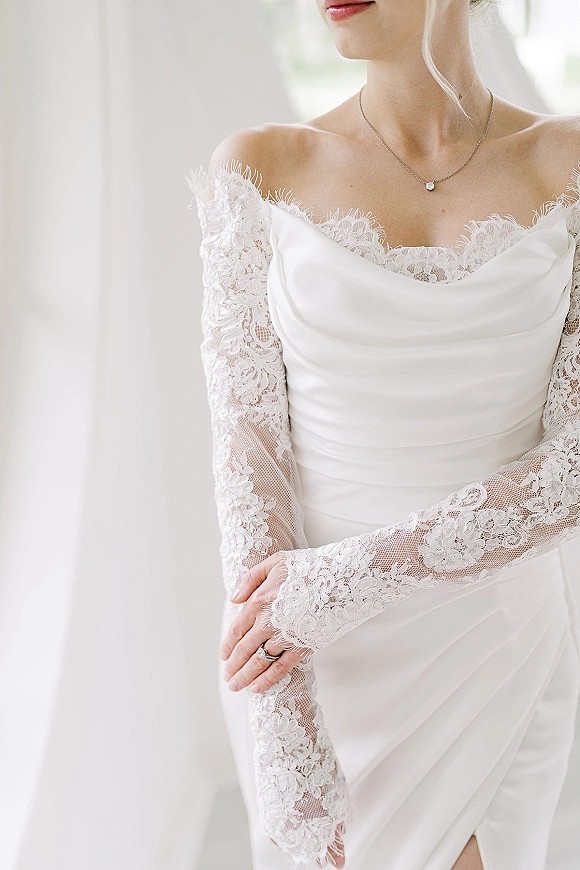
The trumpet bodice carries necklines and sleeves easily because its structure holds the fitted line. A trumpet wedding dress with sleeves can pair the silhouette with long lace or illusion sleeves for coverage, while an off-the-shoulder trumpet adds bands that frame the shoulders and balance the flare below. A sweetheart neckline is a classic pairing that echoes the curve of the silhouette.
Because the shaping is in the body of the gown, the neckline and sleeves become styling choices that shift the mood from covered and romantic to bare and modern without changing the fit. An illusion or open back turns the fitted silhouette around for the recessional, a natural focal point on a body-tracing gown.
Fabrics: Satin and Structured Trumpet Gowns
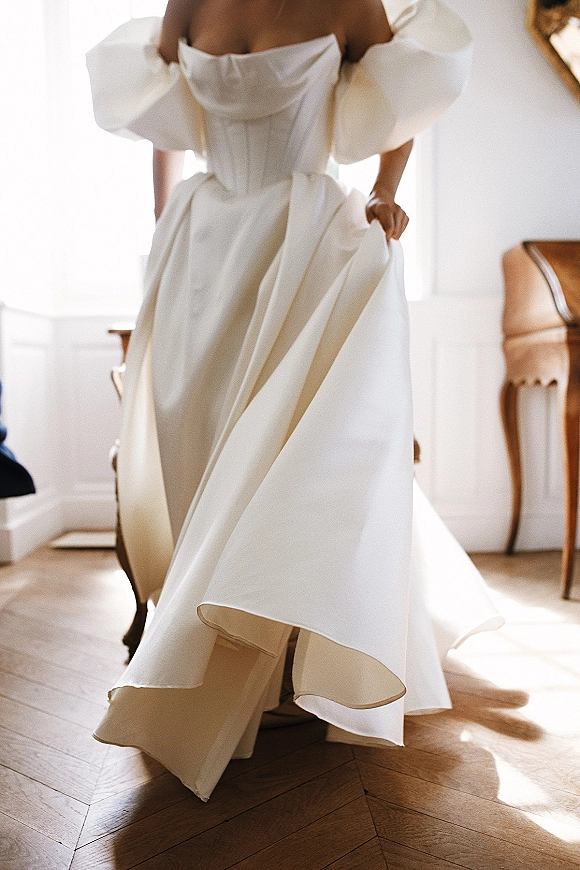
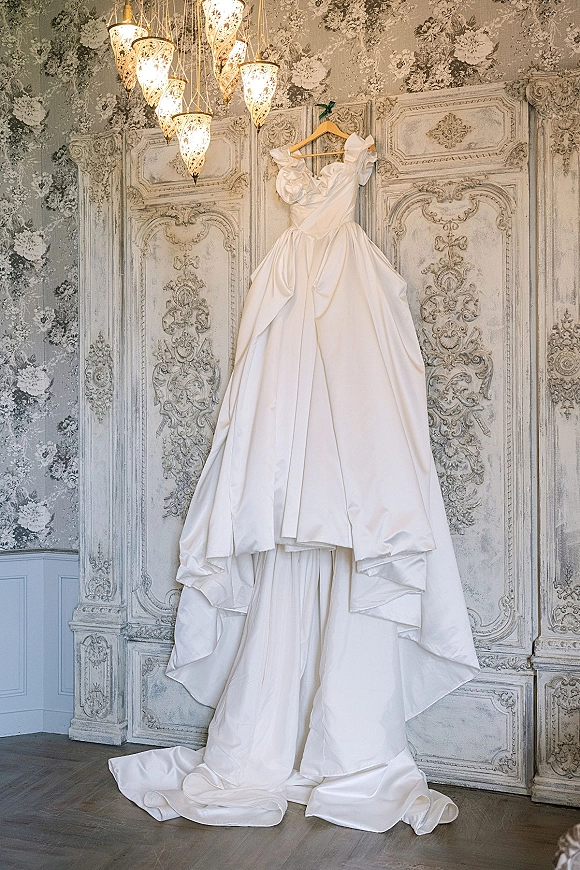
Fabric sets the character of a trumpet. A satin trumpet wedding dress in duchess or stretch satin gives a polished, structured surface that holds the mid-thigh flare with a clean line and catches light along the curve of the body. Crepe sits matte and fluid for a modern, understated trumpet, while mikado holds the most architectural flare and suits a formal, structured gown.
Structured fabrics suit the trumpet because they keep the flare crisp rather than letting it collapse, and a horsehair hem can hold the flare out for added definition. The fabric decision shapes whether the trumpet reads sleek and contemporary or polished and formal, with the flare point staying the same across materials.
Who the Trumpet Flatters
The trumpet flatters brides who want to show curve with more movement than a mermaid allows. The fitted bodice and hip define the waist and trace the figure, while the mid-thigh flare gives room to walk and dance, which makes the silhouette work for brides who love a body-conscious look but do not want to manage a low, tight flare all evening. It reads especially well on hourglass and curvier figures, where it follows the natural line.
For brides between silhouettes, the trumpet is the middle path: more shape than a fit-and-flare, more movement than a mermaid, with a flare that opens at a comfortable, flattering point. The structured bodice also provides support and shaping, which adds comfort across a full day of wear. Browse the wedding dress designers in the directory to see trumpet gowns across collections.
Trains and Movement on a Trumpet Gown
The mid-thigh flare gives a trumpet more natural movement than a mermaid, and it shapes how the train and bustle work. The flare flows into a sweep or chapel train that moves with the bride as she walks, and because the skirt opens higher, the bustle gathers a lighter section of fabric than a low-flaring mermaid would. This makes the trumpet a practical choice for brides who want a fitted look they can move and dance in.
The walking ease is the trumpet’s defining practical advantage. A bride can take a full stride without the close hold a mermaid keeps through the knee, which is why the silhouette suits a long ceremony processional and an active reception equally well.
Styling a Trumpet Gown by Setting
The trumpet reads formal enough for a ballroom and relaxed enough for a garden depending on its fabric and detailing. A satin or mikado trumpet with a chapel train anchors a black-tie evening, while a crepe or lace version moves easily through an outdoor or destination celebration. The mid-thigh flare gives the gown presence without the full drama of a low mermaid sweep.
Accessories follow the same logic as the silhouette: a veil that echoes the train length keeps the proportions balanced, and a belt or sash at the natural waist sharpens the line between the fitted bodice and the flare. Because the gown already carries curve and movement, restrained accessories let the silhouette lead.
Trumpet vs. Fit-and-Flare
The trumpet and the fit-and-flare both open above the knee, which makes them easy to confuse, but the trumpet has a more defined break and a more fitted line through the hip and thigh. A fit-and-flare opens higher and more gradually for a softer shape, while a trumpet holds the body-conscious fit longer before flaring with more definition.
For a bride deciding between them, the trumpet shows more curve and reads closer to a mermaid, while the fit-and-flare is the gentler, more forgiving option. Seeing both on the body makes the difference clear, since the trumpet’s firmer flare and closer hip distinguish it from the fit-and-flare’s easy opening.
Necklines and Backs on a Trumpet
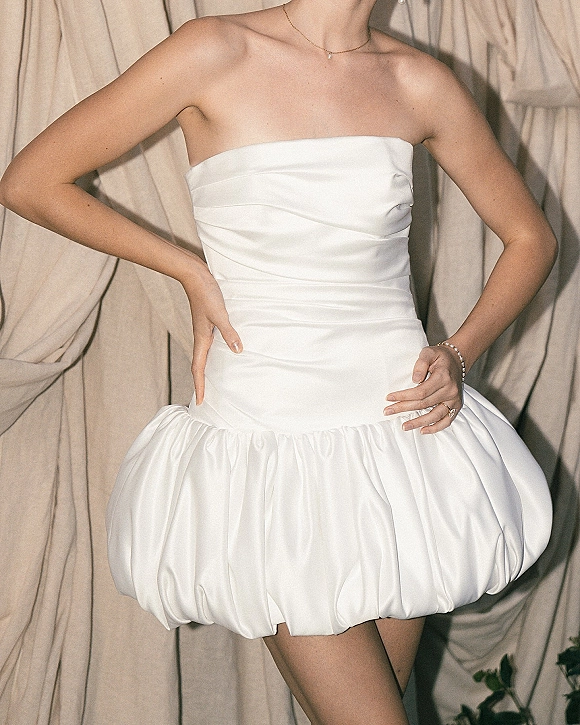
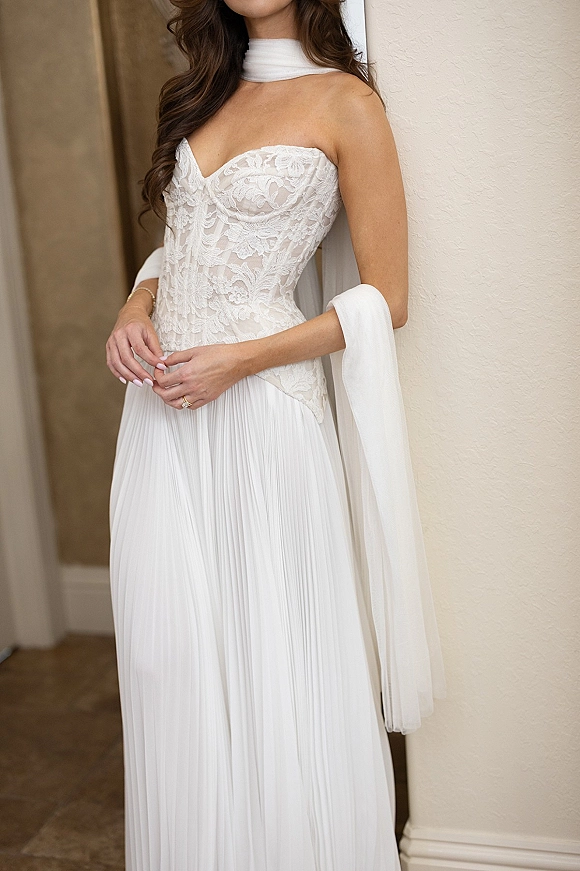
The fitted trumpet bodice frames the neckline cleanly, so the choice sets the mood of the gown. A sweetheart softens the top edge and echoes the curve below, a v-neck lengthens the torso, and a halter or high neck draws the eye up and balances the flare. Strapless trumpets keep the focus on the cinched waist and the line of the flare.
The back is a natural focal point on a body-tracing gown. An open back, a low V, or an illusion panel with buttons running to the hip gives the trumpet a second look for the recessional, when guests see the bride walk away and the fitted line and flare are most visible.
Fittings for a Trumpet Gown
Like its fitted relatives, the trumpet needs careful fitting through the bodice, waist, and hip, though the higher flare makes it a little more forgiving than a mermaid. The hem is set last and depends on the bride’s shoes, since the flare has to break at the right point above the floor. A bustle is fitted to gather the train cleanly for the reception.
Allowing time for these adjustments lets the gown sit smoothly against the body, which is what gives the trumpet its polished, curve-defining line. A precise fit through the hip is the single most important step, because that is where the silhouette either flatters or fights the figure.
Trumpet Fabrics and Styling by Season
Fabric carries the trumpet across seasons and settings. A duchess satin or mikado trumpet reads structured and formal for a cooler-season or evening wedding, while a crepe or stretch-lace version moves more easily and breathes for a warm-weather or outdoor celebration. The mid-thigh flare holds its shape across these fabrics, so the choice is about weight and formality rather than silhouette.
Styling follows suit. A long-sleeve lace trumpet reads seasonal and covered, while a strapless satin trumpet reads sleek and modern. The same flare and fitted line adapt to either direction depending on the fabric and the neckline.
Color and Embellishment on a Trumpet
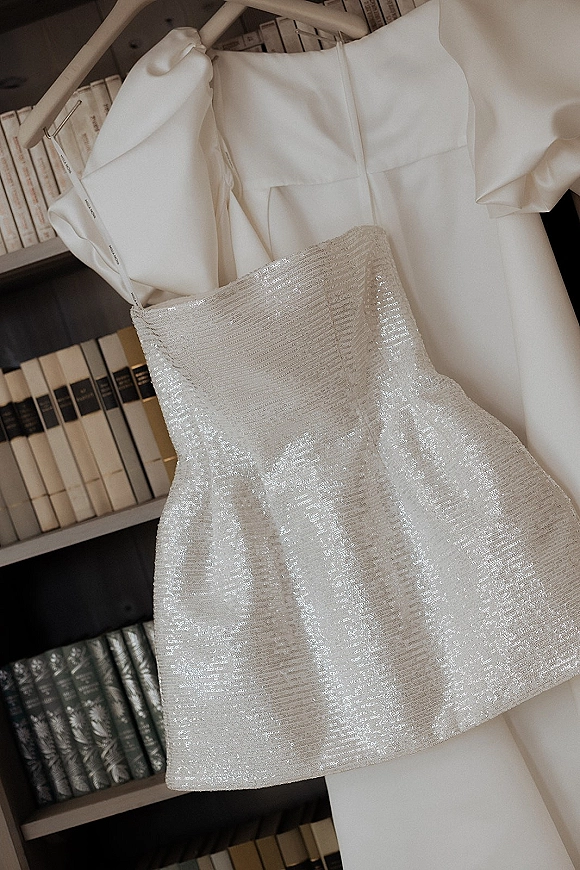
The trumpet’s fitted line shows embellishment and color with clarity, which makes it a strong canvas for detail. Beading along the bodice and hip catches light on the curve of the body, while a clean satin or crepe trumpet lets the silhouette speak on its own. Lace that falls into the flare adds movement and texture at the hem.
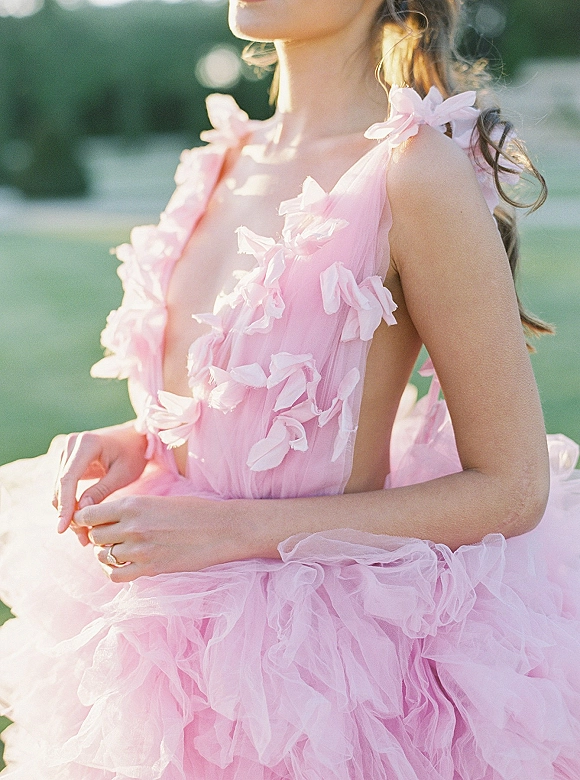
Color reads well on a trumpet for the same reason it does on a mermaid: the unbroken fitted line carries a shade without competing with it. A blush, champagne, or bolder tone shows the silhouette plainly, giving a color-forward bride a shape that frames the choice.
Choosing a Trumpet for Your Wedding
The trumpet suits a bride who wants the drama of a fitted gown with more freedom to move than a mermaid allows. It reads formal enough for a ballroom and relaxed enough for a vineyard depending on its fabric, and its mid-thigh flare gives presence on the aisle and ease on the dance floor. For brides torn between a mermaid and a fit-and-flare, it is the middle path that borrows from both.
Trying a trumpet alongside a mermaid is the clearest way to settle the choice, since the higher flare and the easier stride become obvious on the body even when the two look similar on a hanger. The trumpet rewards a bride who wants curve and movement together.
Veils and Accessories for a Trumpet
A veil that matches the train length keeps a trumpet’s proportions balanced, with a chapel veil suiting a chapel train and a shorter veil keeping the focus on the fitted bodice. Because the silhouette already carries curve and movement, accessories work best when they are restrained: a sash or belt at the natural waist sharpens the line into the flare, and a bare neckline takes a statement earring while a covered one needs little at the throat.
Frequently Asked Questions
What is the difference between a trumpet and a mermaid wedding dress?
Both are fitted through the bodice and hip, then flare to the hem. A trumpet flares higher, at the mid-thigh, giving more room to walk and a softer line. A mermaid flares lower, near or below the knee, for the most dramatic, body-conscious shape. The flare point is the key difference between the two.
Where does the flare start on a trumpet wedding dress?
A trumpet flares out at the mid-thigh, higher than a mermaid and lower than a fit-and-flare. The mid-thigh break is what gives the silhouette its name and its balance of fitted shape with walking room. The exact point varies by gown and is worth checking at a fitting.
Can you walk and dance in a trumpet wedding dress?
Yes, more easily than in a mermaid. Because the trumpet flare begins at the mid-thigh rather than near the knee, the skirt opens sooner and allows a more natural stride and room to dance. It is a common choice for brides who want a fitted silhouette without the close hold of a mermaid through the leg.
What body type suits a trumpet wedding dress?
The trumpet flatters brides who want to define and show their curves, reading especially well on hourglass and curvier figures where it follows the natural line. The fitted bodice and hip define the waist while the mid-thigh flare adds shape and movement. It also works for brides who want a body-conscious look with more ease than a mermaid.
What fabric is best for a trumpet wedding dress?
Structured fabrics suit the trumpet because they hold the mid-thigh flare crisply. Duchess and stretch satin give a polished, light-catching surface, mikado holds the most architectural flare, and crepe gives a matte, modern line. Lace adds romantic texture that falls into the flare. The fabric sets whether the gown reads sleek or formal.