What a Purple Wedding Dress Conveys
A purple wedding dress is a gown where purple leads, and the color brings a distinct heritage of royalty, luxury, and creativity. Because purple sits between warm red and cool blue, its undertone shifts the read: redder purples like plum and magenta feel warm and dramatic, while bluer purples like lavender and periwinkle feel cool and serene. That range means purple suits both a soft romantic garden wedding in lilac and a formal evening affair in deep amethyst. The shade you choose sets the tone more than any other decision.
Lilac and Lavender Wedding Dresses
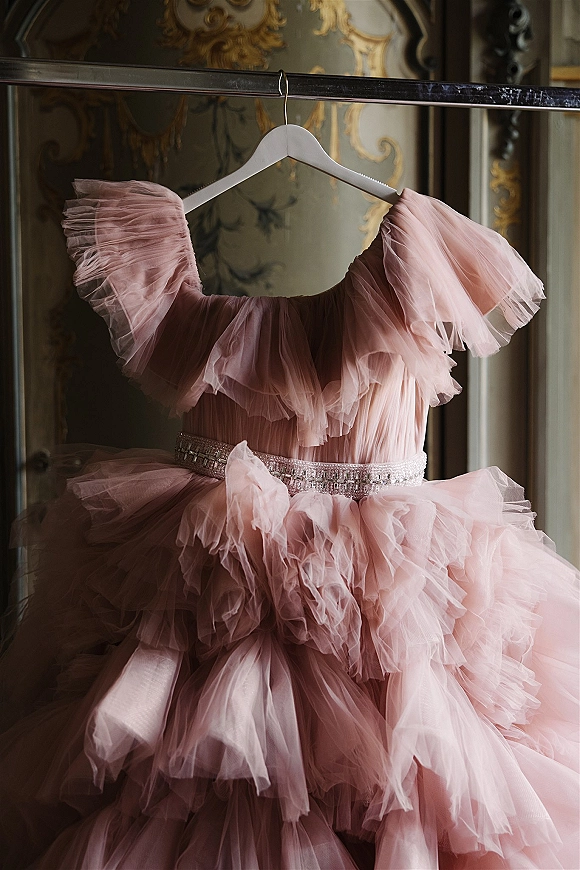
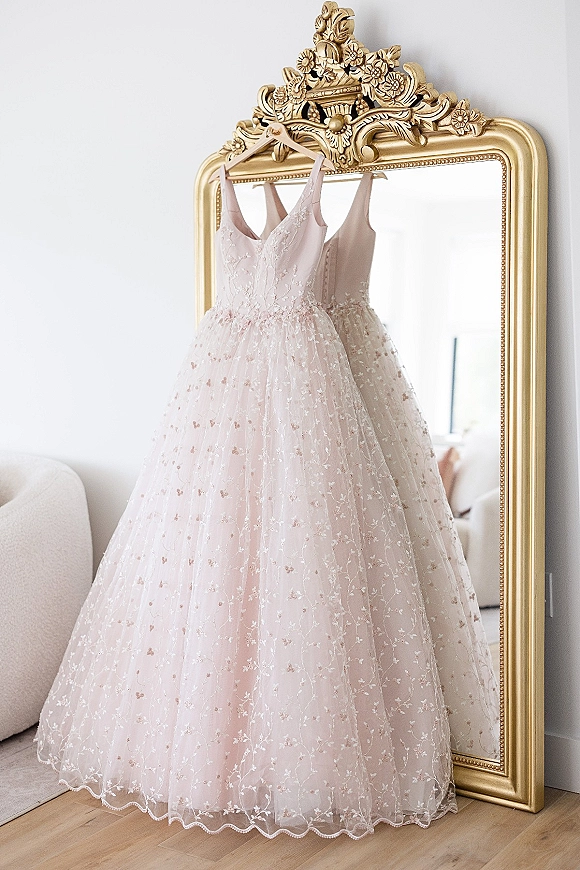
The palest purples are the most popular and the most wearable. Lilac and lavender read as soft, cool pastels that stay close to bridal tradition while adding a wash of color, and they flatter a broad range of complexions. These light shades suit delicate, airy fabrics, layered tulle, chiffon, and fine lace, that keep the color floating rather than saturated. Lavender in particular pairs beautifully with greenery and dusty palettes, photographing with a calm, romantic softness in daylight. For a dedicated take on this shade we maintain a separate lavender collection, and the neighboring blue wedding dress looks show where the cool end of the palette heads.
Deep Plum and Eggplant Gowns
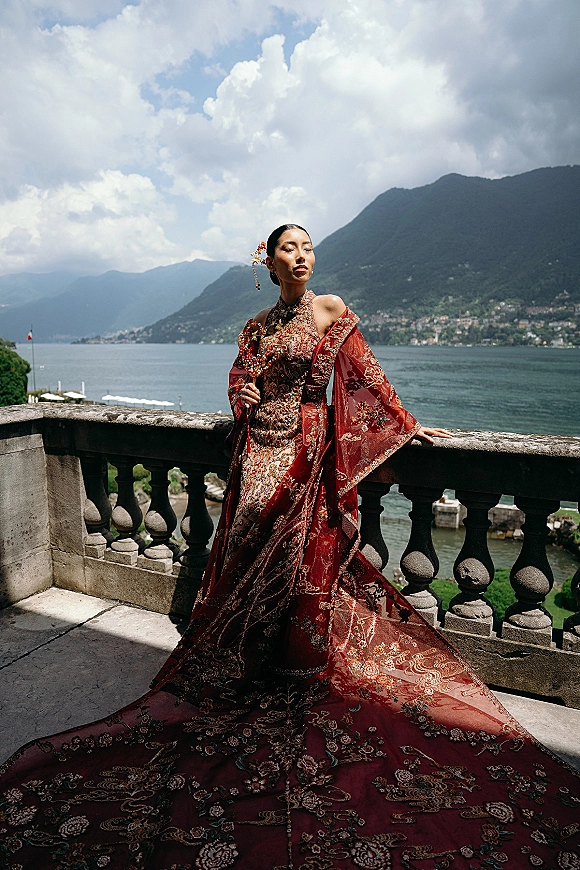
At the rich end, plum, eggplant, and amethyst turn purple formal and dramatic. These saturated shades read almost as jewel tones, deep enough to suit black-tie and cooler-weather weddings while still unmistakably purple. They pair naturally with luxurious fabrics, satin, mikado, and velvet, that deepen the color and add a reflective or light-absorbing richness. A deep purple gown photographs with real drama against candlelight and autumn settings, and it gives brides who want a colored gown with gravitas an alternative to navy or burgundy. The boldest versions lean gothic, often paired with black detailing.
Purple and Black or White Pairings
Purple combines readily with both neutrals. Purple and white keeps the gown bridal and fresh, appearing as white lace over a purple lining, purple floral applique on white, or an ombre from white to lilac, a soft route that suits garden and spring weddings. Purple and black runs the other way, a gothic, dramatic pairing where deep plum or amethyst meets black lace, capes, or corsetry for a dark-romantic effect. For that darker direction, compare our black wedding dress looks, which share the structural, high-drama silhouettes purple gowns often borrow.
Fabrics and Silhouettes for Purple
Fabric tunes purple between airy and opulent. Tulle and chiffon keep lilac and lavender light and dimensional, organza adds crisp body, and satin and velvet give plum and eggplant their jewel-tone depth. Lace over a purple lining reads romantic and shows the pattern clearly against the color. For silhouette, a ball gown turns a pale purple fully romantic, a fitted mermaid gives a deep purple drama and shape, and a flowing A-line suits the soft pastels for a garden setting. Browse designers rendering each shade in the wedding dress directory to compare tone and fabric.
Purple for Your Season and Setting
Purple spans the calendar through its shades. Lilac, lavender, and soft wisteria read fresh and romantic in spring and summer gardens, harmonizing with greenery and pastel florals. Mid-toned orchid and mauve carry a vintage softness suited to indoor and autumn celebrations. Deep plum, eggplant, and amethyst come into their own for cooler-weather and evening weddings, reading rich and formal against candlelight and darker settings. The shade should match the light: pale lilac glows in daylight but can wash toward gray indoors, while deep amethyst reaches its jewel-tone richness after dark. Picture your venue and time of day, then choose the depth of purple that will hold its color in that light.
Necklines and Details That Suit Purple
Purple flatters both romantic and dramatic detailing. On lilac and lavender, floral applique, beading, and soft off-the-shoulder or sweetheart necklines suit the gentle, garden-romantic mood. On deep plum and amethyst, a plunging V, a clean strapless, or a high-neck lace bodice lets the jewel tone lead, and gold or silver beadwork glitters richly against the saturated ground. A fitted bodice with a flowing skirt flatters across the range, while a corseted bodice suits the gothic plum direction. The detailing should follow the depth: the lighter the purple, the more it invites softness, and the deeper it goes, the more it rewards clean, confident lines.
The Range of Purple, Shade by Shade
Purple covers a wide spectrum, and naming the shade is the first step to choosing a gown. Lilac and wisteria are the palest, soft cool pastels that stay close to bridal tradition. Lavender adds a touch more gray for a muted, romantic calm. Orchid and mauve sit in the middle, clear purples with a pink or gray cast that read sophisticated rather than sweet. Amethyst is the jewel tone, saturated and luminous, while plum and eggplant are the deepest, rich enough to read almost as neutrals at an evening wedding.
Each shade carries its own undertone, which decides how it sits against skin and setting. Redder purples like plum and magenta feel warm and dramatic, while bluer purples like lavender and periwinkle feel cool and serene. The pastels suit airy fabrics and garden settings, the mid-tones suit fine-art and vintage aesthetics, and the deep jewel shades suit formal and cooler-weather weddings. Knowing where your chosen purple falls on this range guides the fabric, the silhouette, and the whole palette, since a lilac gown and a plum gown ask for entirely different surroundings.
Purple Lace and Embellishment
Purple takes embellishment with a regal richness that suits its heritage. Lace over a purple lining reads romantic and shows the pattern softly against the color, while a tonal purple lace on a purple gown gives a subtle, dimensional monochrome. On deep plum and amethyst, gold and silver beadwork glitters against the saturated ground for an opulent, jewel-toned effect, and metallic embroidery traces the silhouette beautifully. Three-dimensional floral applique suits the softer lilac and lavender gowns, echoing their garden association.
For a more modern result, a clean purple satin or crepe with minimal ornament lets the color and the cut lead, which suits both the pastels and the deep jewel tones. Beading catches light against purple and adds glamour for an evening setting, while a matte fabric keeps the focus on the shade itself. The level of embellishment should follow the depth and the occasion, with soft floral detail suiting a romantic lilac and rich beadwork suiting a formal amethyst or plum gown.
Purple in Your Wedding Palette
A purple gown sets a tone that the wider wedding can echo. A tonal palette of lilac, lavender, and plum across the florals and bridal party reads romantic and cohesive, suited to a garden or fine-art celebration. For contrast, purple pairs beautifully with greenery and white for freshness, with gold for a regal warmth, or with soft yellow and blush for a garden-bright scheme. The depth of the gown guides the palette, since a pale lilac sits quietly within a neutral, greenery-rich scene while a deep plum anchors a richer, evening one.
Bridesmaids in a complementary or deeper purple let a pale lilac bridal gown stand apart, while a tonal purple party heightens the romance. Gold accents through the stationery and details echo purple’s sense of luxury, and dried or muted florals suit the mauve and dusty shades. Planning the purple into the palette from the start ensures the gown reads as the centerpiece of a considered scheme, with the surrounding colors chosen to support its richness rather than competing with it.
Purple Trains, Hems, and Length
Length shapes how romantic or how formal a purple gown reads. A flowing floor-length gown with a soft train suits the serene mood of the lilac and lavender shades, the color trailing in layers of tulle or chiffon. A sweep or chapel train adds formality to a deep amethyst or plum gown, while a clean floor length keeps a jewel-toned purple sleek and modern. The lighter and airier the purple, the more a full, layered skirt flatters it.
Shorter lengths bring out purple’s playful and modern sides. A tea-length lilac dress reads vintage and sweet, while a mini or cocktail-length gown in a bold amethyst makes a striking reception look. A high-low hem adds movement for an outdoor setting. Because purple spans pastel to deep jewel, the hemline lets a bride decide whether to lean soft and romantic with length and volume or to sharpen the look with a shorter, cleaner cut that highlights the saturated color.
Purple Florals and Beauty
A purple gown shapes the florals and beauty around it. Tonal purple bouquets in lilac, lavender, and plum build a romantic monochrome, while white and greenery keep a purple gown fresh and lift a pale shade toward a garden feel. For contrast, soft yellow, blush, or deep burgundy add definition. Purple flowers like lisianthus, sweet pea, and anemone echo the gown directly for a cohesive look.
For beauty, purple flatters a soft, cool-toned makeup palette, with rosy or mauve tones on the lip and cheek complementing the shade. A deep plum gown can carry a slightly stronger eye or lip, while a pale lilac suits a natural, luminous finish. Hair worn soft and loose suits the romantic shades, and a sleek style balances a bold amethyst. Silver and crystal accents keep a purple gown cool, while gold warms it toward richness, so the beauty look can tune the gown’s temperature in either direction.
Who Suits Purple, and Wearing It Beyond the Ceremony
Purple flatters a broad range of complexions, and the shade can be tuned to your coloring. Cooler lavender and lilac suit fair and cool skin tones, reading soft and fresh, while warm-leaning plum and magenta flatter olive and warm complexions. Deep amethyst and eggplant carry beautifully across deep skin tones, the saturated color glowing against them. Trying purple in more than one depth reveals which reads best, since a pale lilac and a deep plum sit quite differently against the same skin.
Purple also works as a second look, worn for the reception after a white ceremony gown. A deep amethyst or plum reception dress reads sophisticated and lets a bride change the mood for the evening, while a soft lilac keeps the romance of the ceremony. This route lets a bride drawn to purple keep a traditional aisle moment while bringing color into the celebration. Whether as the main gown or a second look, purple brings a sense of richness and individuality that suits a bride who wants color with a regal undertone.
Purple Veils, Headpieces, and Jewelry
The veil and headpiece either deepen a purple gown’s romance or add a fresh contrast. A soft ivory or white veil keeps a purple gown anchored in tradition and reads cleanly against the color, while a tonal purple veil heightens the monochrome effect for a fully romantic look. For a modern bride, a delicate hairpiece, a jeweled comb, or fresh blooms suits the gown and keeps the focus on the shade.
Hair styling complements the depth of purple, with loose, soft waves suiting lilac and lavender and a sleek style balancing a bold amethyst or plum. Silver and crystal accents keep a cool lavender fresh, while gold warms a deep plum toward richness. Amethyst and crystal jewelry echo a jewel-toned purple beautifully, while pearl keeps a soft lilac classic, and a metallic or nude shoe lengthens the line without competing. Fresh flowers worn in the hair, whether tonal purples or contrasting white and greenery, tie the gown to the florals of the day. Matching the veil, headpiece, and accessories to the depth of purple keeps the whole look harmonious from the top down.
Styling a Purple Wedding Dress
Purple takes well to metallic accents. Silver and crystal keep a cool lavender fresh, while gold warms a plum or amethyst toward richer territory. Florals can echo the gown with tonal purples and lavender for a romantic monochrome, or contrast with white, greenery, or soft yellow for definition. Metallic or nude shoes lengthen the line without competing. For brides weighing purple against a warmer romantic shade, our pink wedding dress collection shows the adjacent direction, and a fitted modern cut suits the deeper plums especially well.
Frequently Asked Questions
What does a purple wedding dress symbolize?
Purple has long signified royalty, luxury, creativity, and ambition, which gives even a pale lilac gown a regal undertone. Many brides choose it for that sense of richness as much as for the color itself.
What is the most popular shade of purple for a wedding dress?
Lilac and lavender are the most popular because they read as soft, wearable pastels that stay close to bridal tradition while flattering a wide range of skin tones. Deep plum and amethyst suit brides wanting a richer, more formal statement.
Does purple suit a formal wedding?
Yes. Deep plum, eggplant, and amethyst read as jewel tones formal enough for black-tie and evening weddings, especially in satin or velvet. Lighter lilac suits garden and daytime celebrations, so the shade lets you match the formality.
What colors pair well with a purple wedding dress?
White keeps a purple gown fresh and bridal, black creates a gothic, dramatic pairing with deep plum, and greenery or soft yellow florals add contrast. For metals, silver suits cool lavenders while gold warms rich plums.
What fabric works best for a purple wedding dress?
Tulle and chiffon keep lilac and lavender airy, organza adds structure, and satin and velvet give plum and eggplant a jewel-tone depth. Lace over a purple lining adds romantic texture that shows clearly against the color.
How much does a purple wedding dress cost?
Pricing depends on the designer, fabric, beadwork, and where you buy, the same range as any bridal gown. Rich fabrics like silk velvet and custom dyeing to a specific purple sit at the higher end of the scale.