Red Flowers and What Red Brings
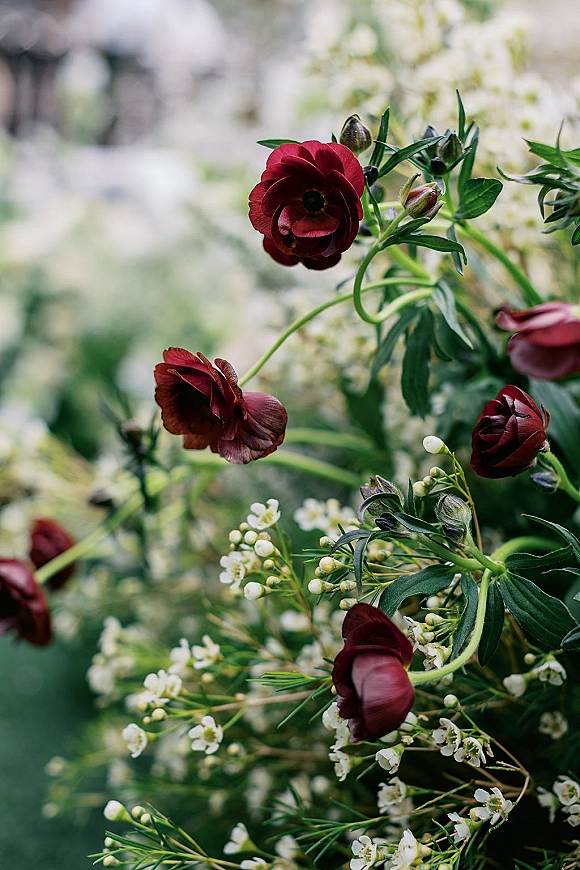
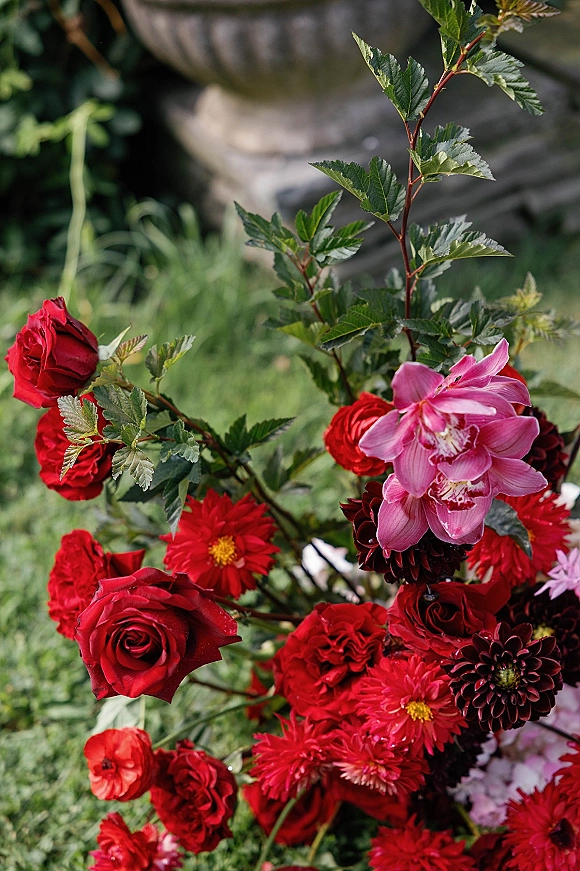
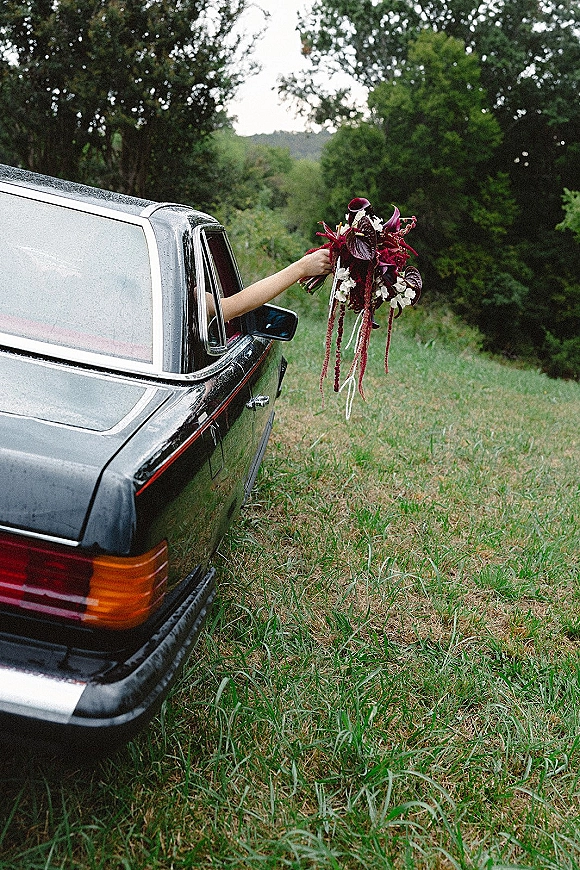
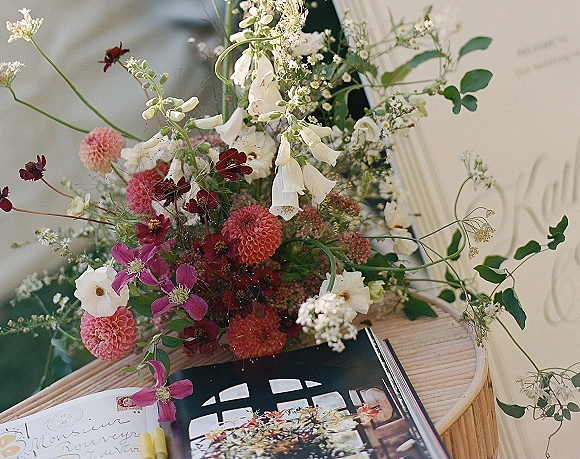
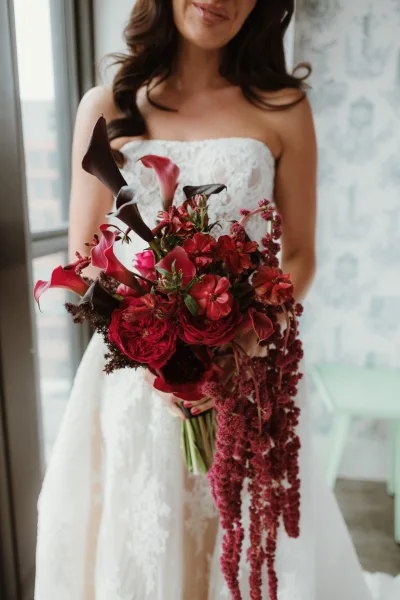
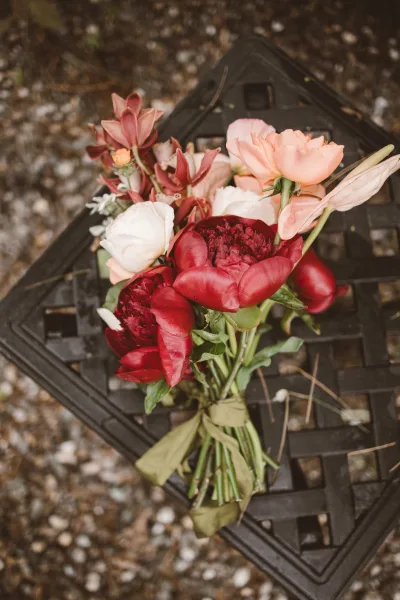
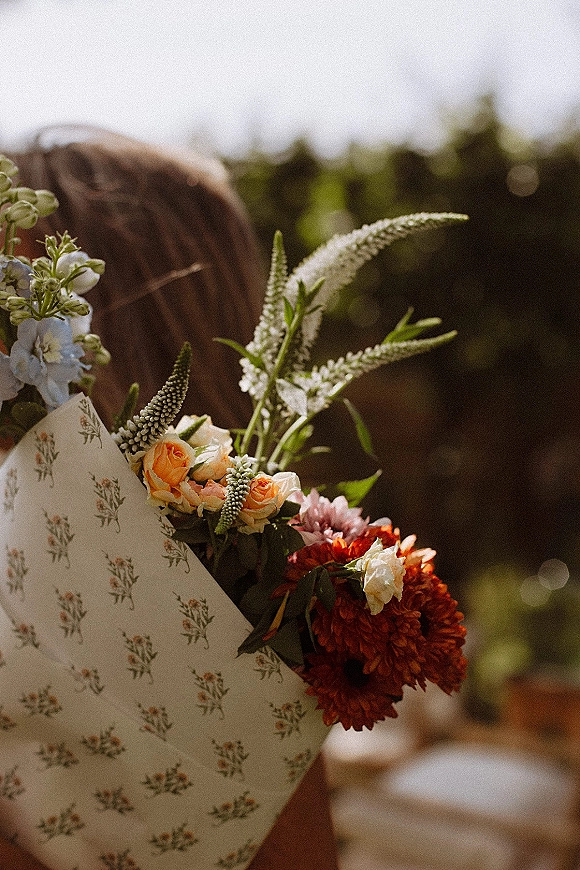
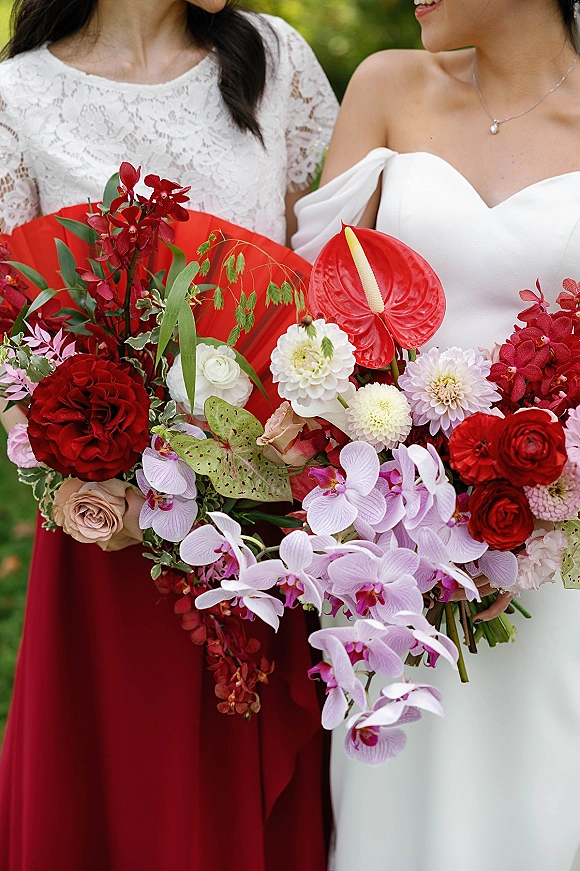
Red comes in more flowers than most couples expect. Red roses are the classic, velvety, dependable out of water, joined by anemones with dark graphic centers, dahlias with structured geometry for late summer and fall, and soft, ruffled red peonies and ranunculus. Red tulips suit spring, red calla lilies turn sleek and modern, and amaryllis brings large, dramatic blooms for winter. Mix several reds and textures instead of one flower in one shade, and the bouquet gains depth.
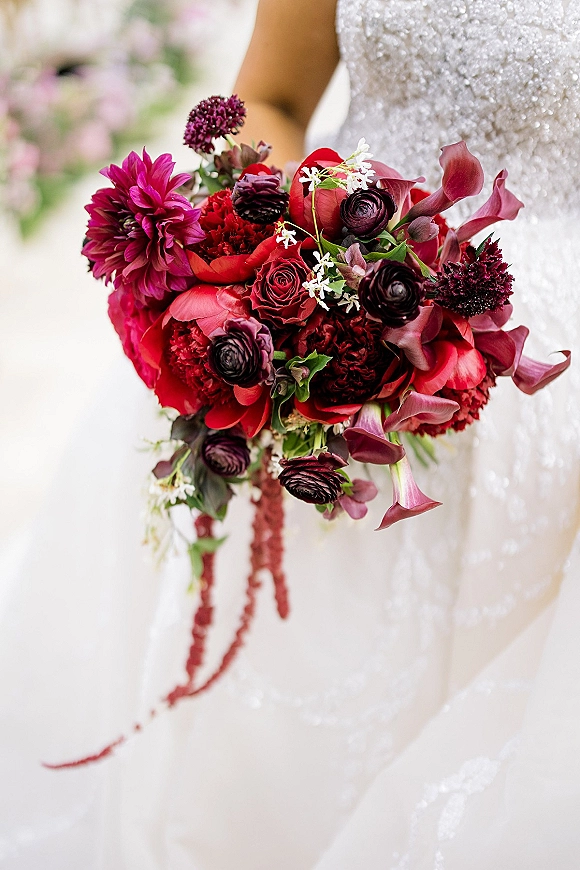
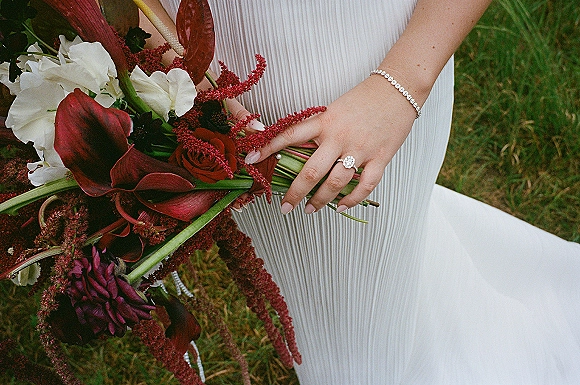
Meaning and symbolism. Few colors read as clearly. Red has meant love and passion for centuries, and in several cultures it also signals luck, joy, and prosperity, which gives a red bridal bouquet an unmistakable weight; red roses in particular are a near-universal symbol of love. It also has genuine presence in a photograph, holding its depth indoors and after dark where pale palettes go flat, so a red bouquet turns into a deliberate focal point against a white gown. Since red spans bright scarlet to near-black burgundy, deciding roughly where you want to sit on that range is the useful first step, it points toward the flowers, the season, and the mood. For a lighter contrast on the same idea, see our pink wedding bouquet collection.
Classic All-Red and Two-Tone Bouquets
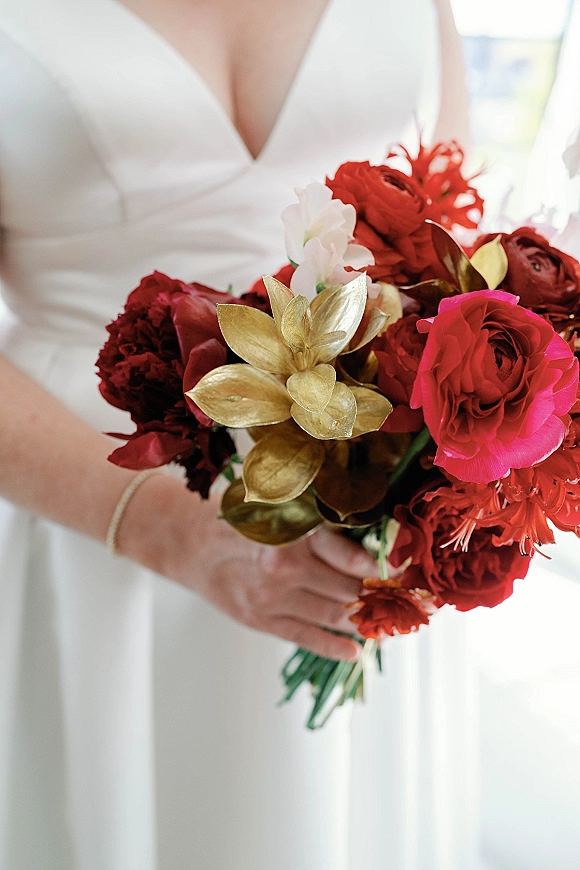
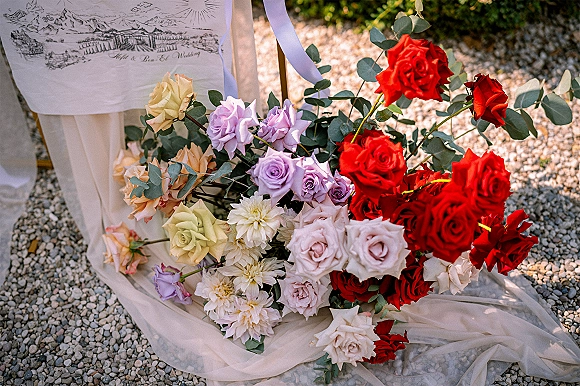
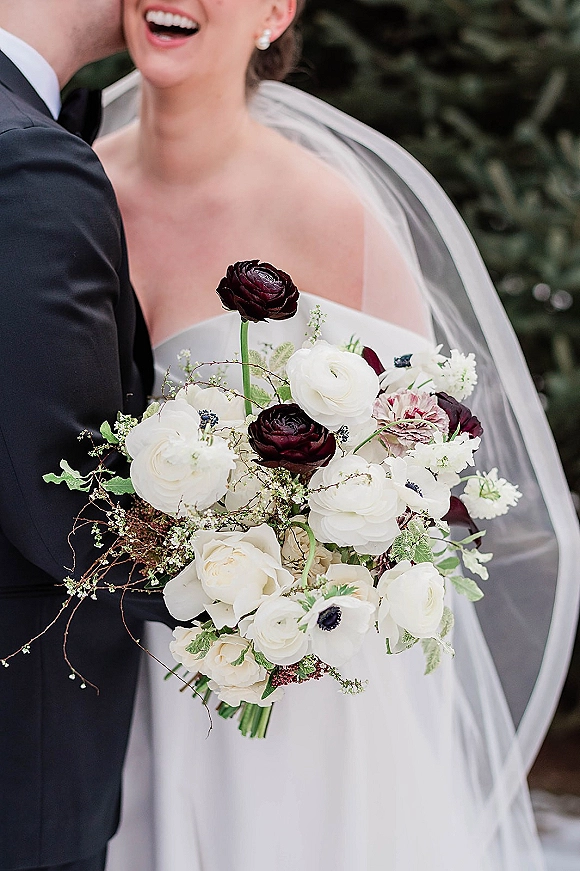
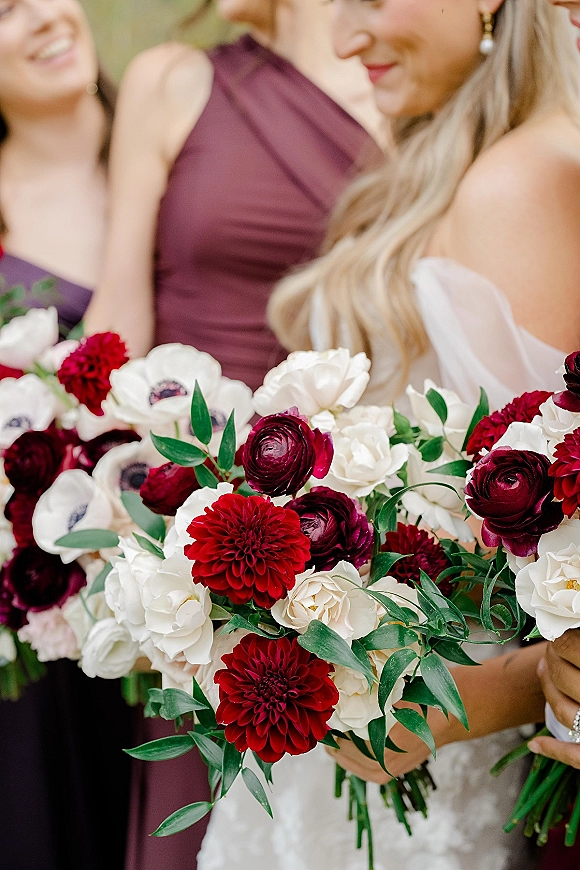
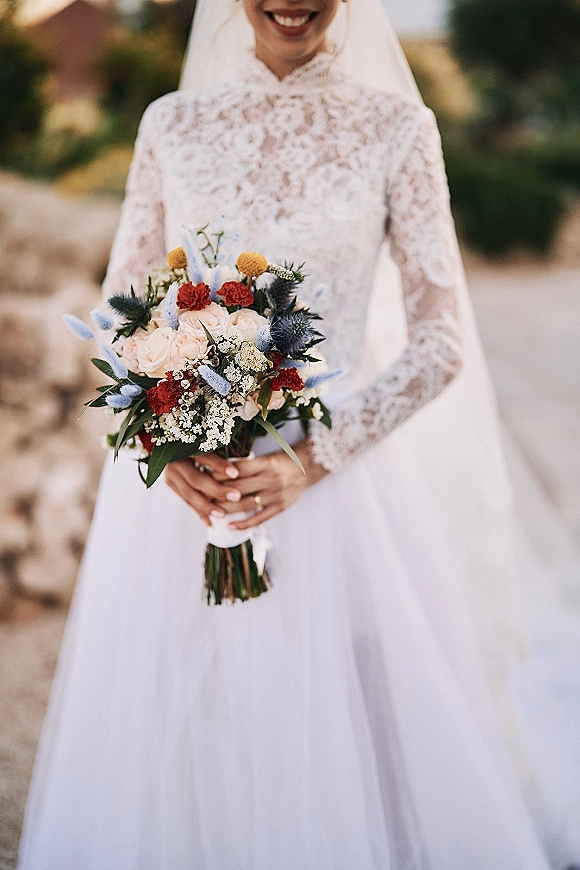
An all-red bouquet is bold and unmistakable, usually built on red roses; a single deep red plays formal and dramatic, while blending scarlet, crimson, and burgundy adds dimension inside the color. Red and white is the highest-contrast pairing, crisp and classic with a formal edge, at its best in winter and around the holidays, and our white wedding bouquet collection covers the white-forward versions.
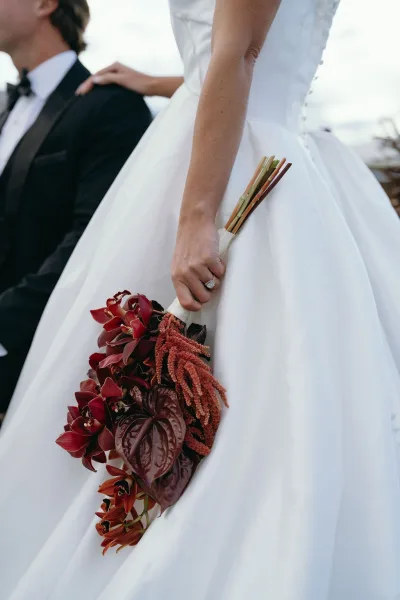
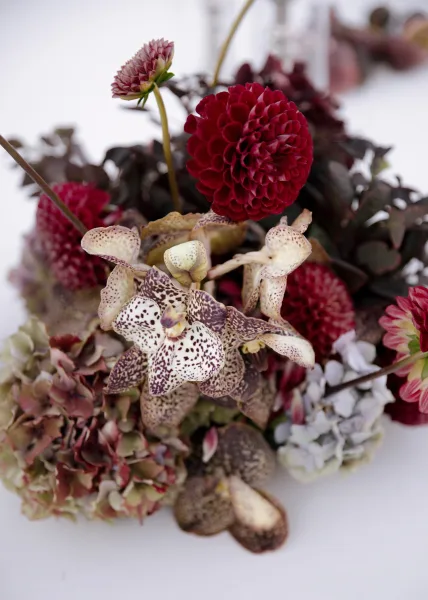
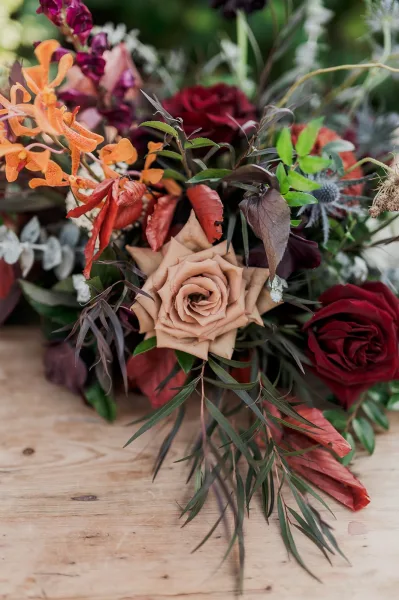
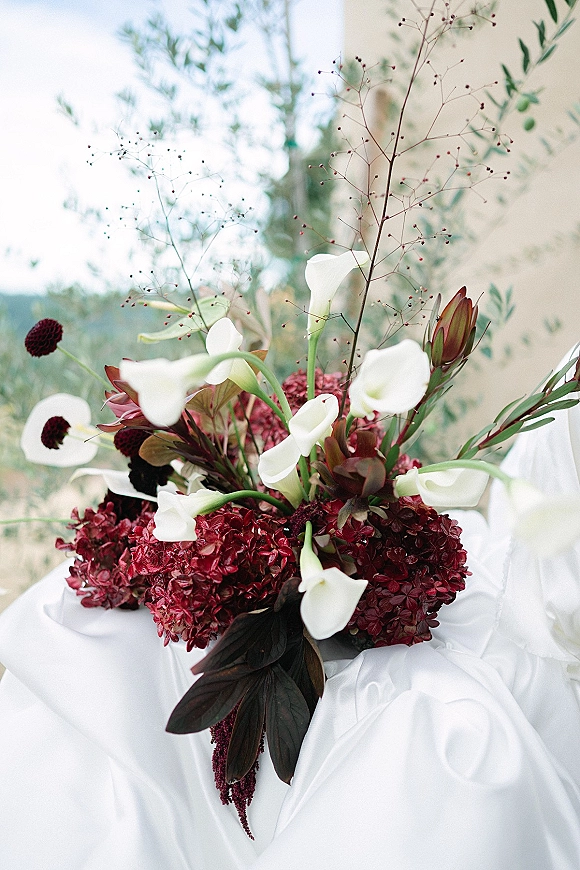
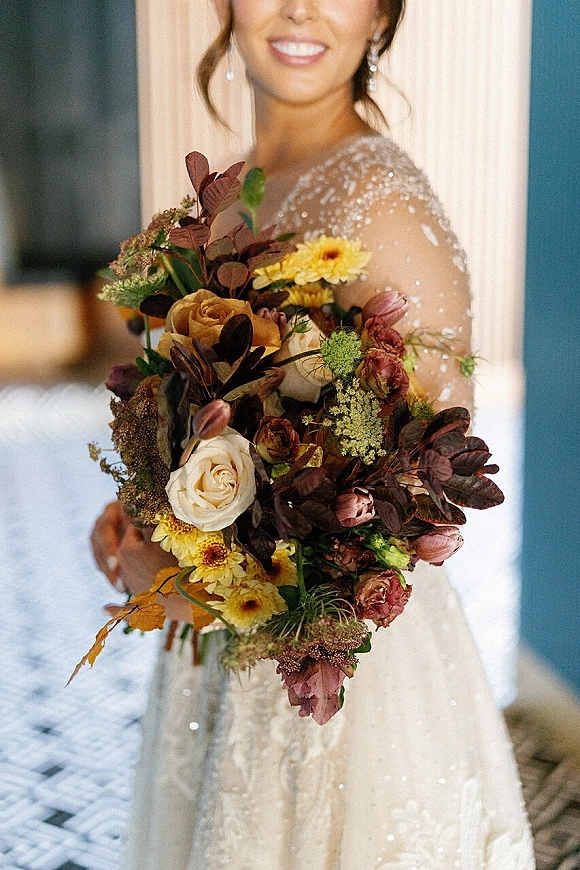
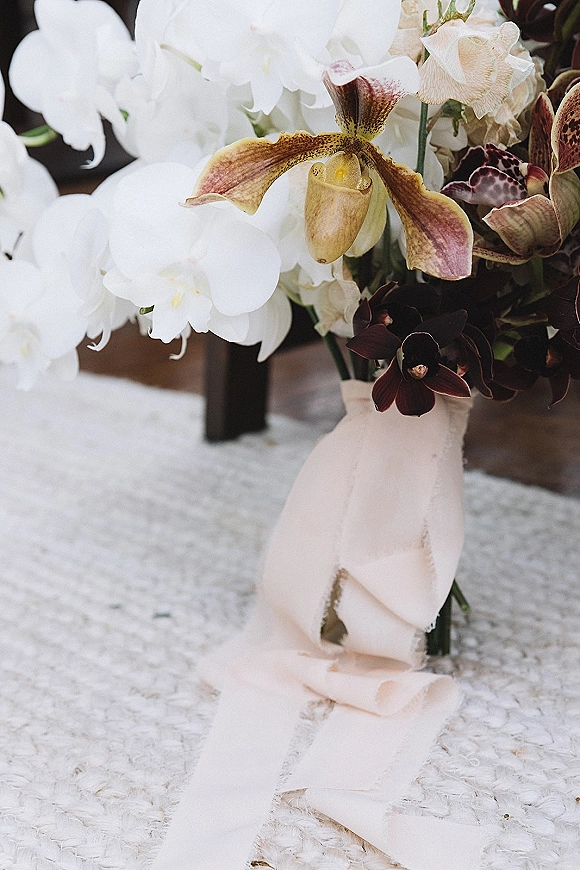
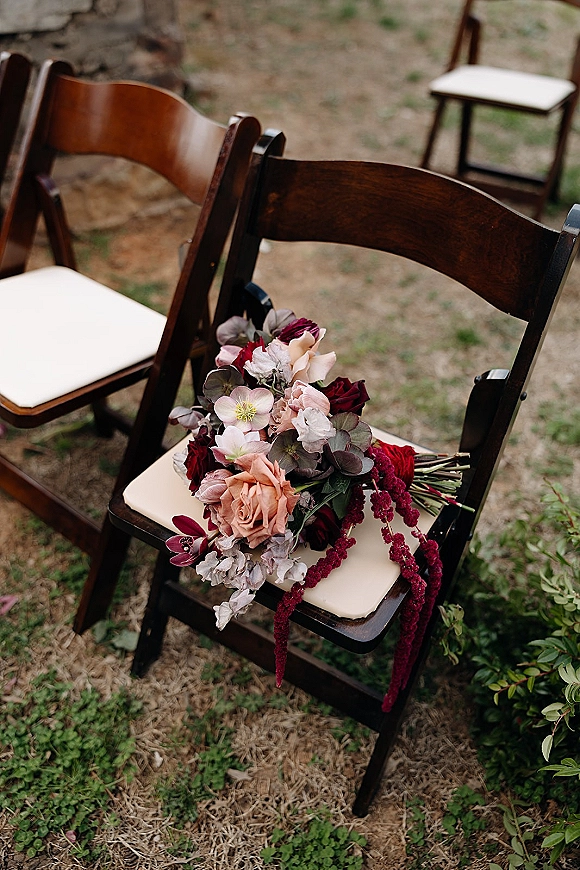
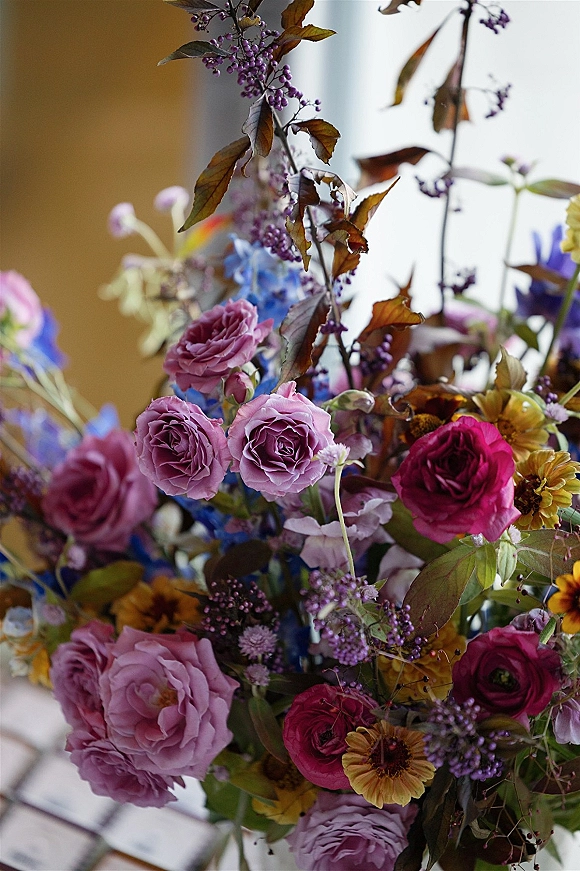
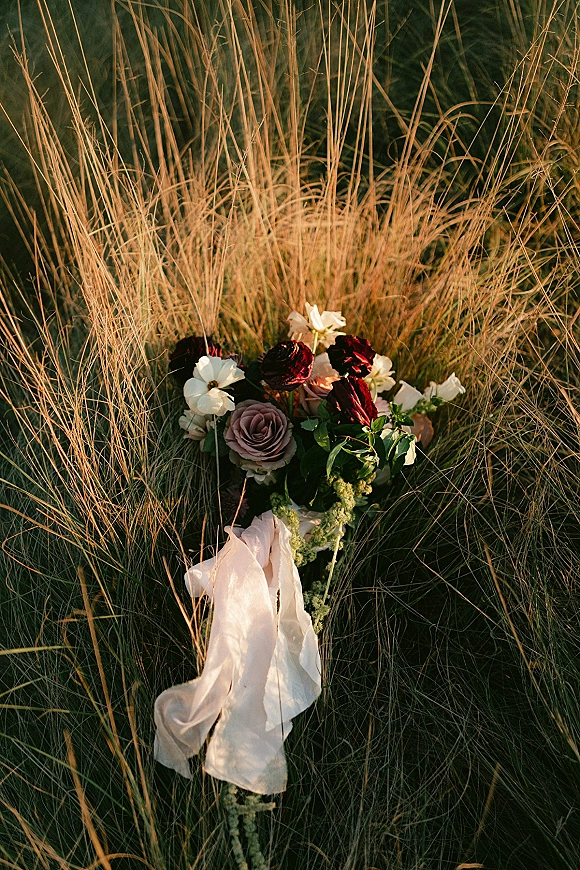
For depth, layer true red with burgundy and wine, a rich, moody effect for fall and winter, with a little near-black foliage or dark berries to push the drama for an evening or holiday wedding. Warm it with orange and coral for a sunset feel at a fall or desert wedding, less formal than red-and-white and more vivid than red alone, keeping the tones close in intensity so neither fights the other.
Red Flowers by Season
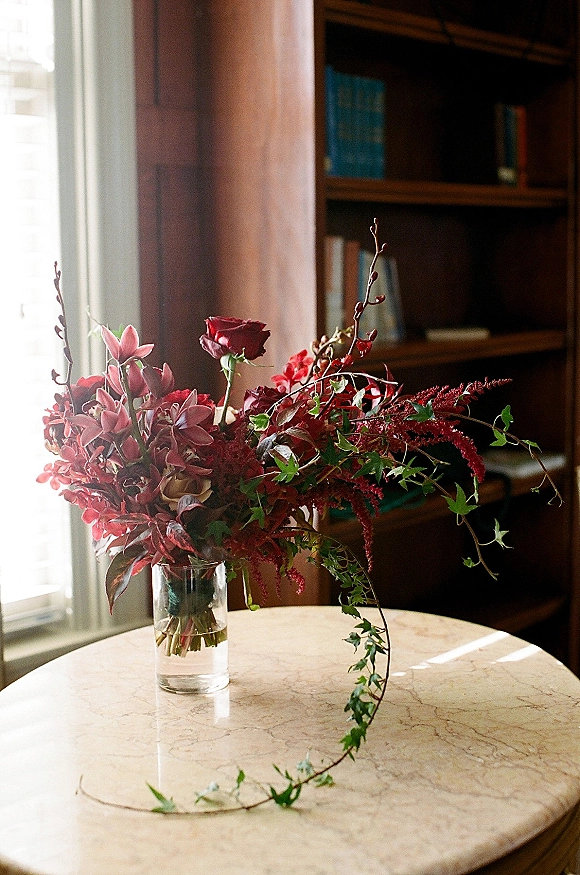
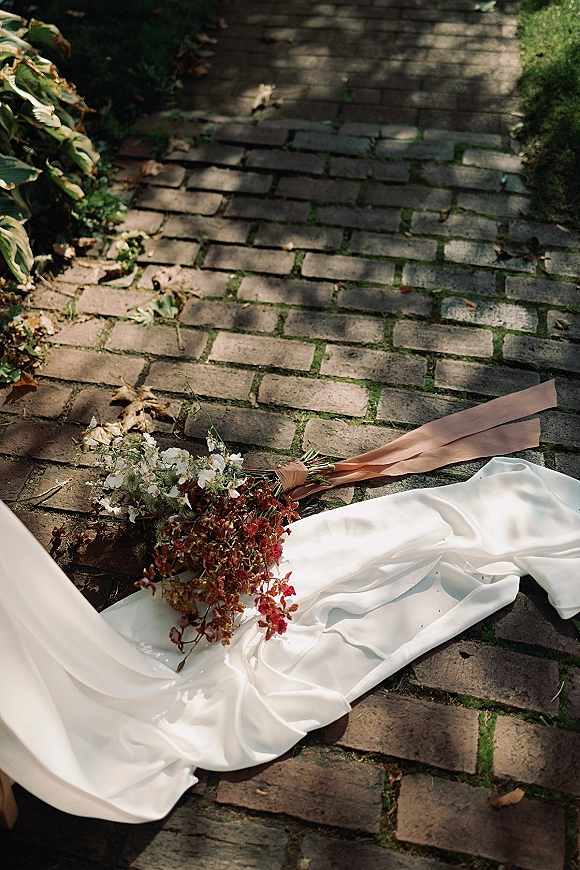
Red works all year with the right flowers, though fall and winter are its natural home, where deep reds and burgundies match the season through dahlias, garden roses, and berried branches. Spring offers red tulips, ranunculus, and anemones; summer brings red roses, dahlias, and zinnias at their fullest; winter suits amaryllis, roses, and ranunculus against evergreen. Buy red flowers in season and the bouquet stays fresh and the cost stays reasonable. Search the wedding florist directory for someone who handles a bold palette well, and the wedding bouquet guide covers coordinating the rest.
Choosing Red for Your Wedding Style
Red flexes to very different weddings. A deep, single-red rose bouquet plays formal and dramatic for a ballroom or an evening celebration. A mix of red blooms with dark foliage and berries turns rustic and seasonal for a fall or barn wedding. Bright scarlet with white goes crisp and classic; red layered with wine goes moody. Many cultural weddings center red for its meaning, in which case a bold, saturated bouquet carries the tradition.
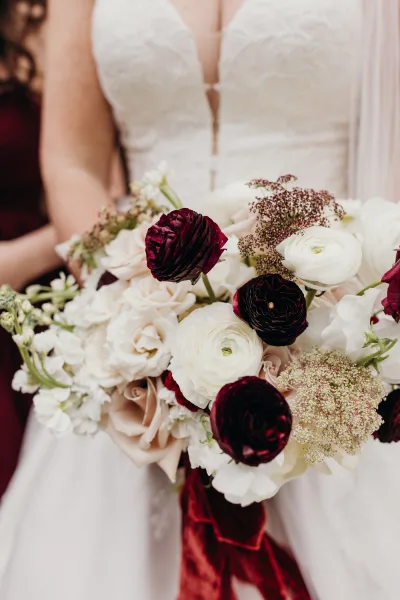
Bridesmaid and accent bouquets. Because red is strong, it coordinates a party a couple of ways. Bridesmaids can carry smaller all-red bouquets that echo the bride, or lighter arrangements with red as an accent against white and greenery so the bride’s red stays the focal point. Pair the bride’s red bouquet with white or blush bridesmaid bouquets for contrast without competition, and a single red bloom makes a striking, modern bridesmaid piece on its own.
Shapes, Greenery, and Finishing
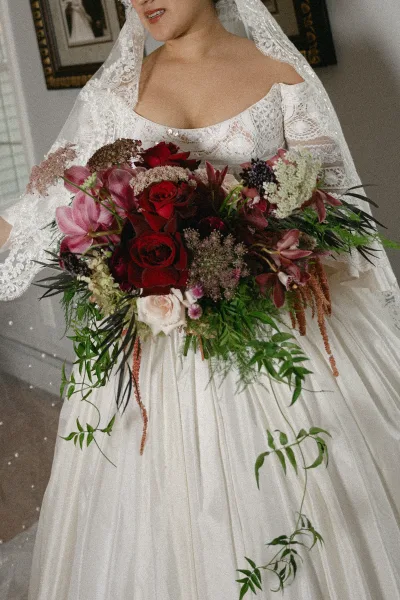
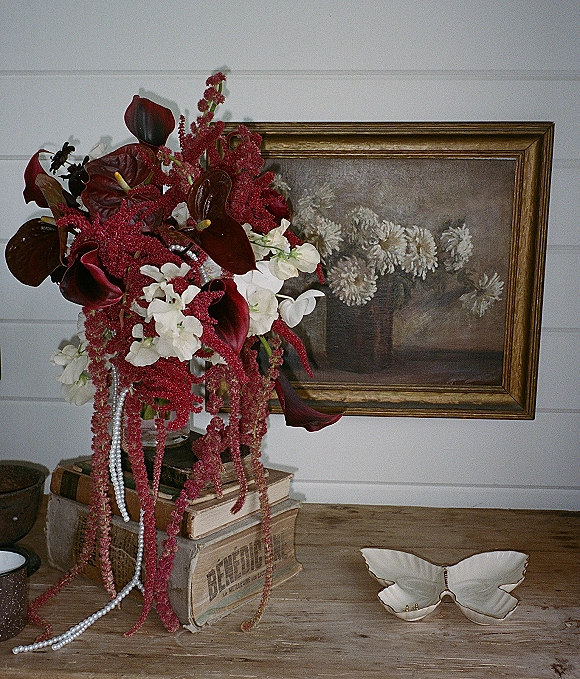
Red takes structure or looseness, and the choice shifts the mood: a tight round of red roses for a formal or evening wedding, a loose hand-tied mix with dark greenery for something organic and seasonal, a red cascade for a dramatic statement against a white gown. Since red already carries weight, a smaller, denser bouquet often looks more deliberate than an oversized one.
Greenery and the wrap sharpen the effect. Eucalyptus or olive softens red toward a garden feel; darker, glossy foliage deepens the drama. A black or burgundy velvet ribbon plays formal and dramatic, while an ivory or blush satin tempers the intensity. Pick those details on purpose, with a color this strong, the finishing is part of setting the mood, not an afterthought.
Frequently Asked Questions
What red flowers are used in wedding bouquets?
Red roses are the classic, joined by red anemones, dahlias, peonies, ranunculus, and calla lilies. Each brings a different texture, from the velvety rose to the graphic anemone to the structured dahlia. Mixing several red flowers and shades gives a bouquet more depth than a single variety.
Is red a good bouquet color for a fall wedding?
Yes. Red is one of the most natural fall bouquet colors, especially in deeper burgundy and wine tones layered with berried branches and darker greenery. These moody reds echo the season and photograph richly in autumn light.
How do you keep a red bouquet from looking flat?
Mix textures and shades rather than using a single flower in one red. Blending scarlet, crimson, and burgundy across roses, dahlias, and anemones adds dimension, and a little greenery gives the bouquet shape. Contrast, whether from white blooms or dark foliage, keeps a bold red reading rich.
What colors go well with red in a bouquet?
White gives crisp, formal contrast, burgundy and wine add depth, and greenery grounds and softens the red. For a warmer look, red also blends well with orange and coral. The pairing depends on your season and how bold you want the bouquet to read.