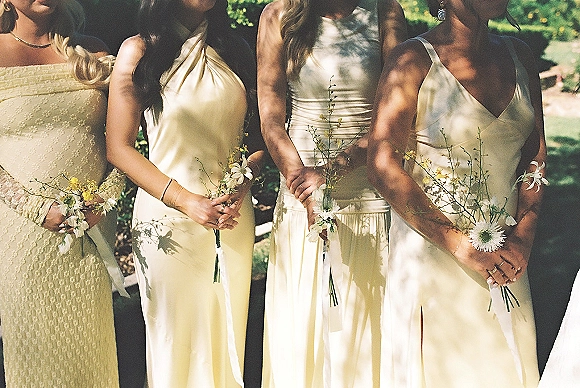
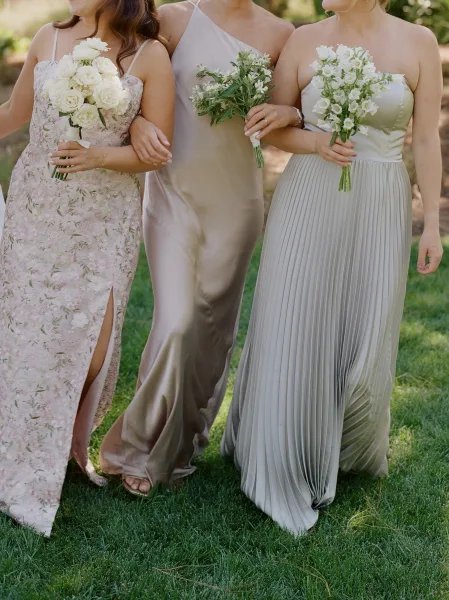
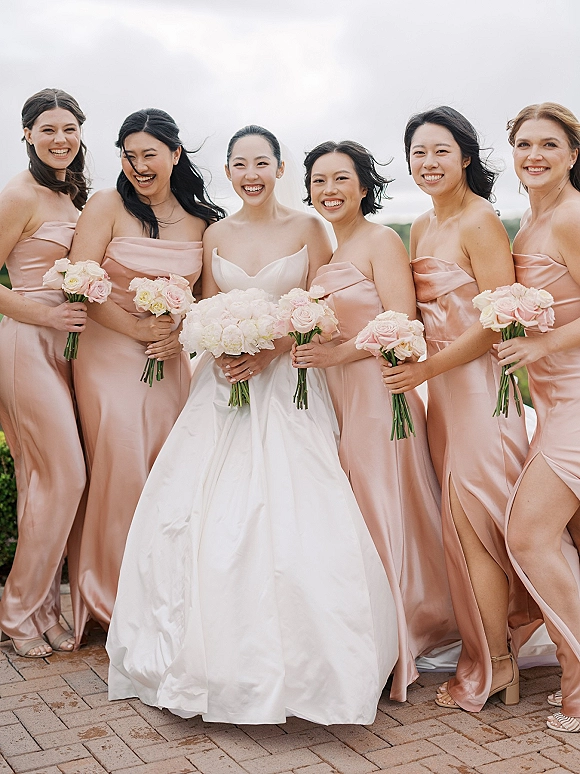
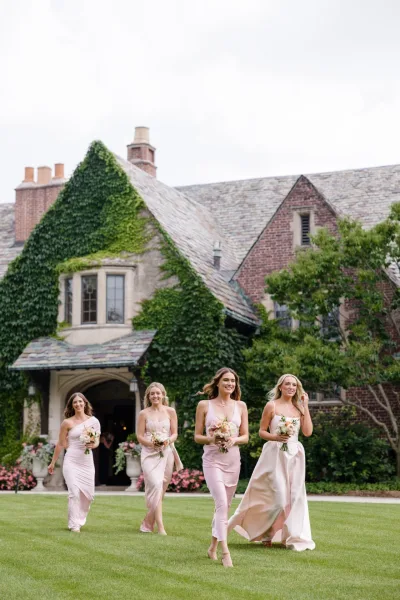
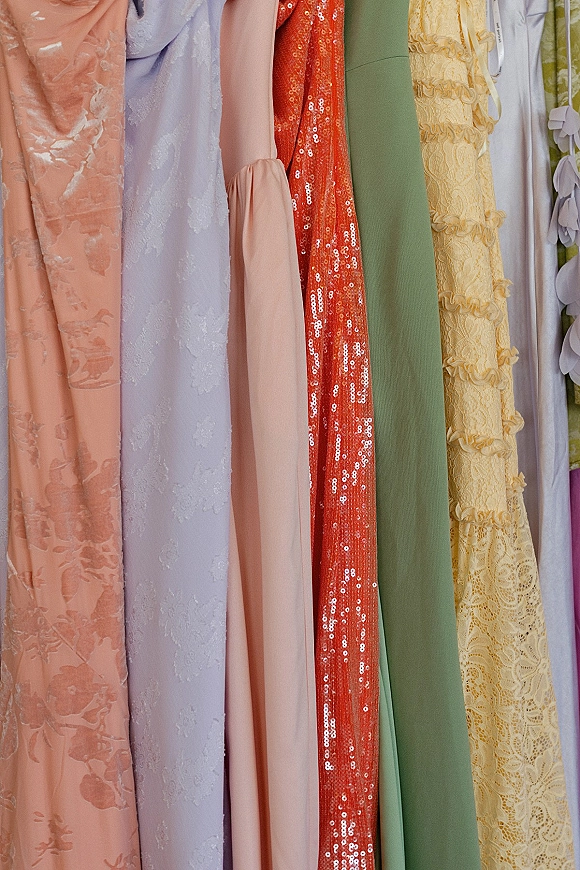
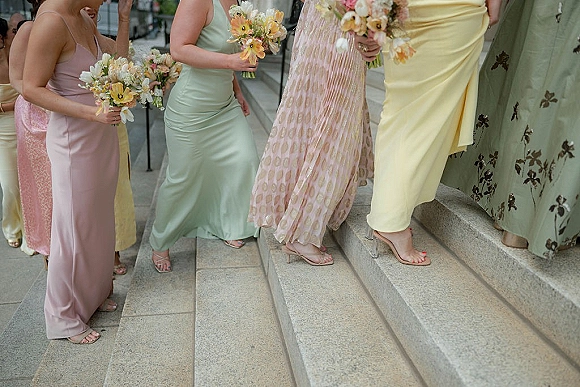
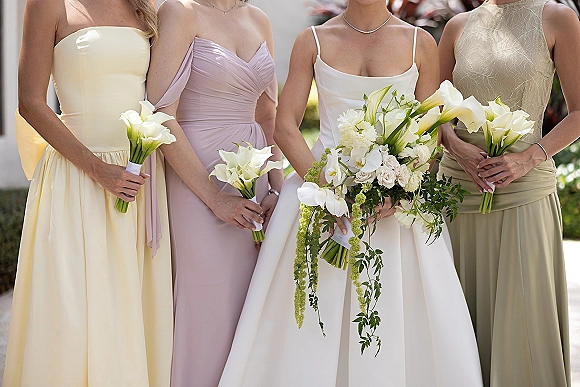
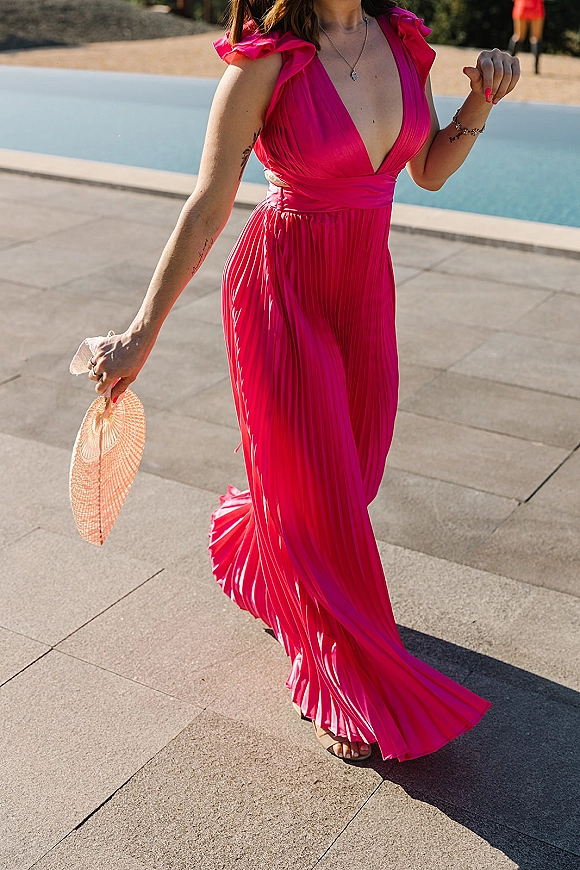
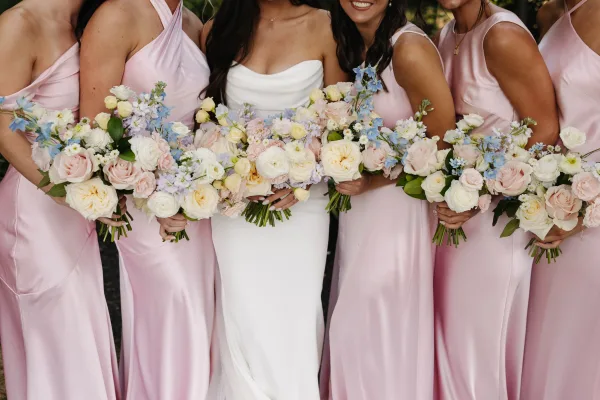
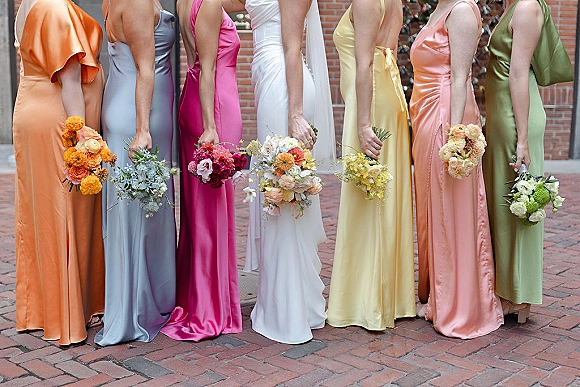
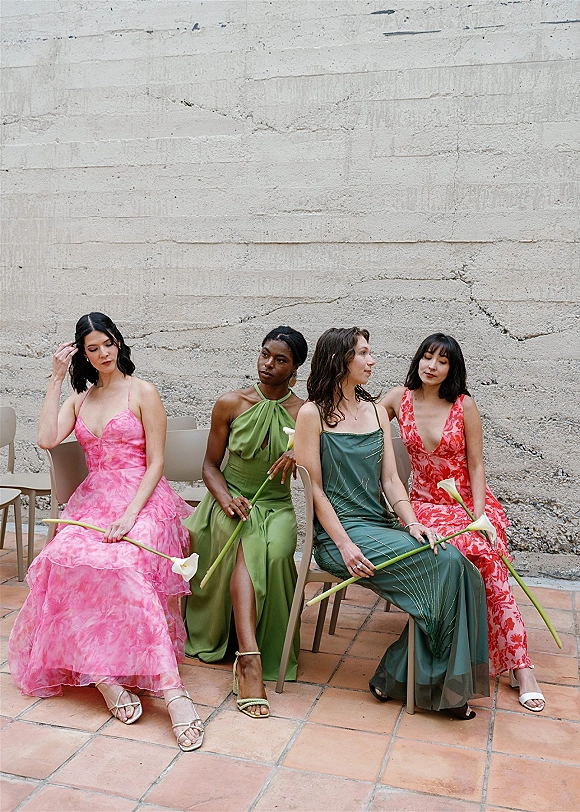
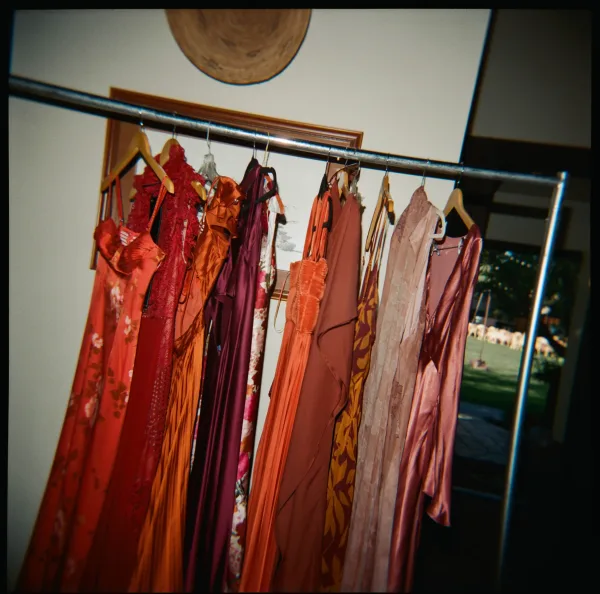
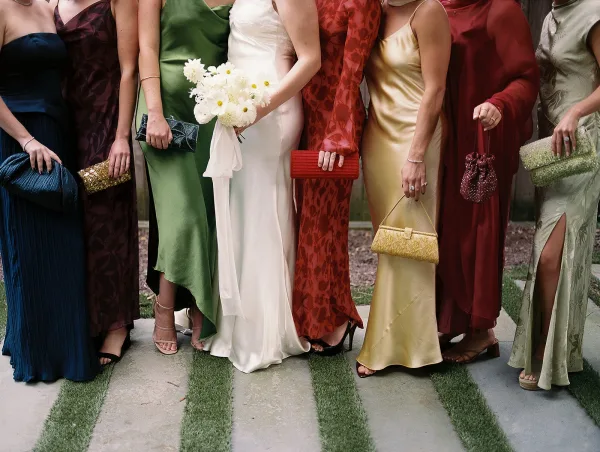
The appeal of blush as a bridesmaid palette is well-documented, but it persists because it genuinely earns its place. The color reads warmly in photographs without introducing strong contrast against the bridal look, it’s flattering across a range of skin tones when the shade is chosen carefully, and it works across seasons in a way that more saturated pinks don’t — lighter and fresher in spring and summer, deeper and dustier in fall and winter. Blush pink bridesmaid dresses consistently rank among the most searched bridesmaid styles in the US, with demand concentrated across chiffon and satin silhouettes in the pale-to-blushing-pink range.
Fabric and Finish in Blush Bridesmaid Dresses
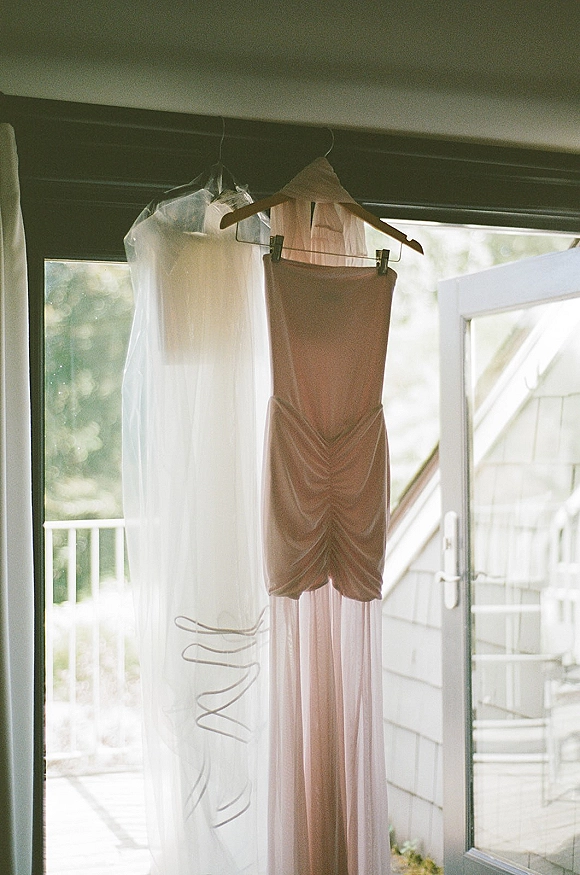
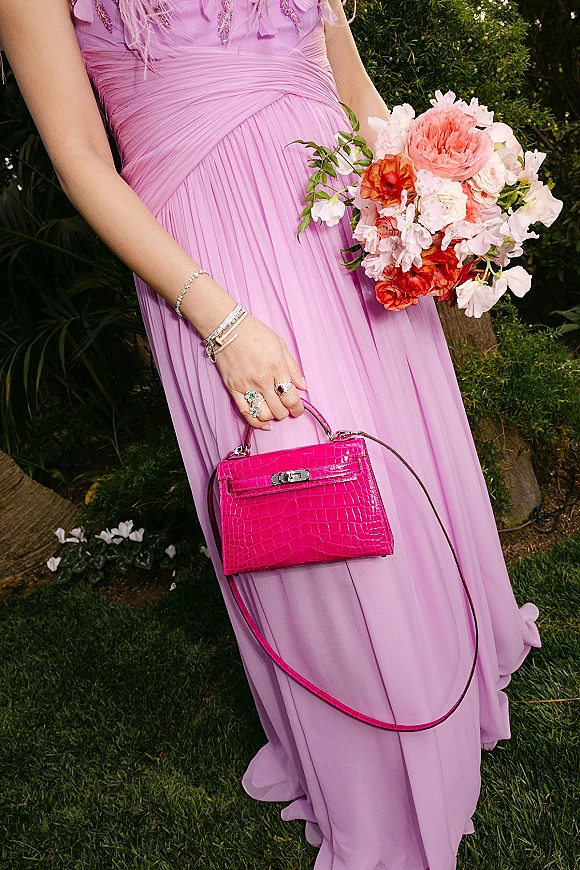
Chiffon is the most common fabric for blush bridesmaid dresses, and it suits the color well. The slight translucency of chiffon softens the pink and gives it movement, which reads particularly well in outdoor settings and garden ceremonies. Layered chiffon with multiple skirt panels or a chiffon overlay on a satin base adds depth to what can otherwise be a flat color in photographs.
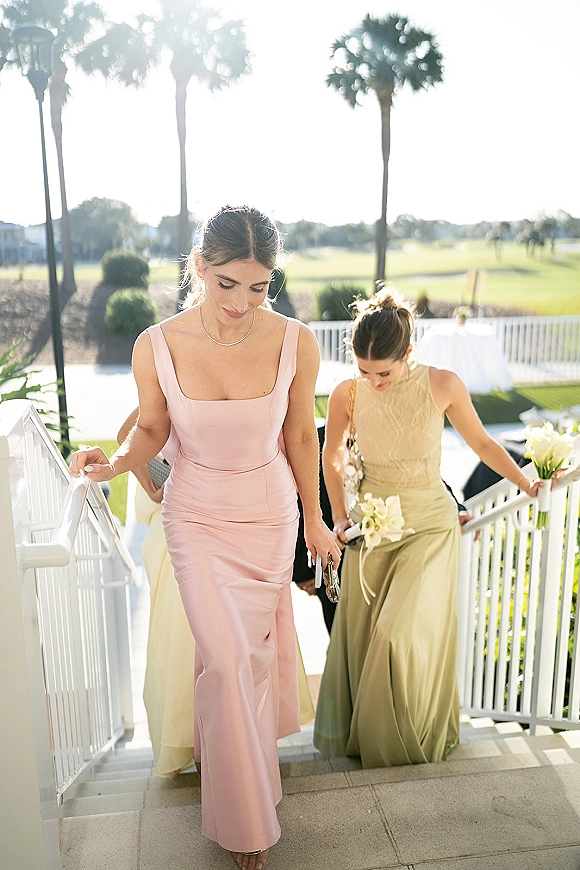
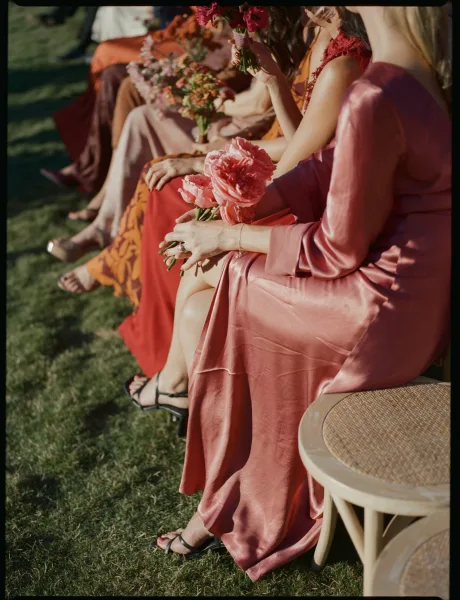
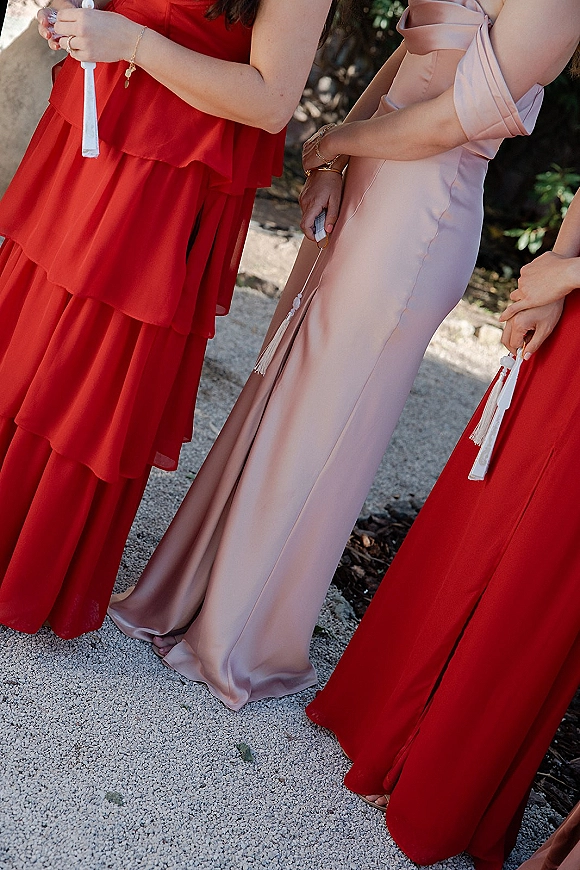
Satin in blush is a different register. The sheen amplifies the warmth of the color and gives it more presence, which works for formal and indoor receptions but can feel heavy in casual or outdoor settings. Silk satin in pale blush is one of the cleaner choices in this palette: the luminosity is controlled, and the color holds its tone across different lighting conditions without shifting as dramatically as polyester satin.
Matte crepe and matte satin are the right choice for bridal parties where a more modern or understated look is the goal. The absence of sheen keeps the color quiet, which is particularly useful in mixed-silhouette parties where visual cohesion depends on the fabric reading consistently across different dress styles.
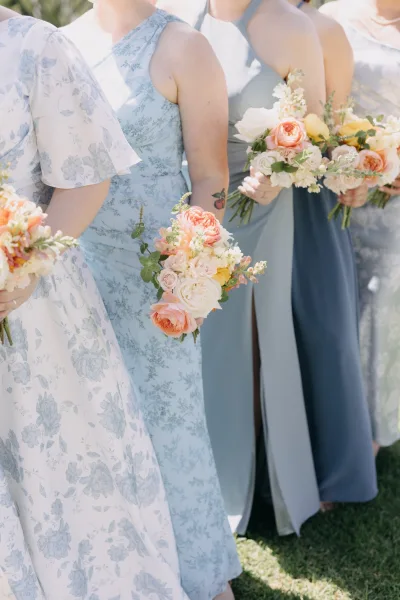
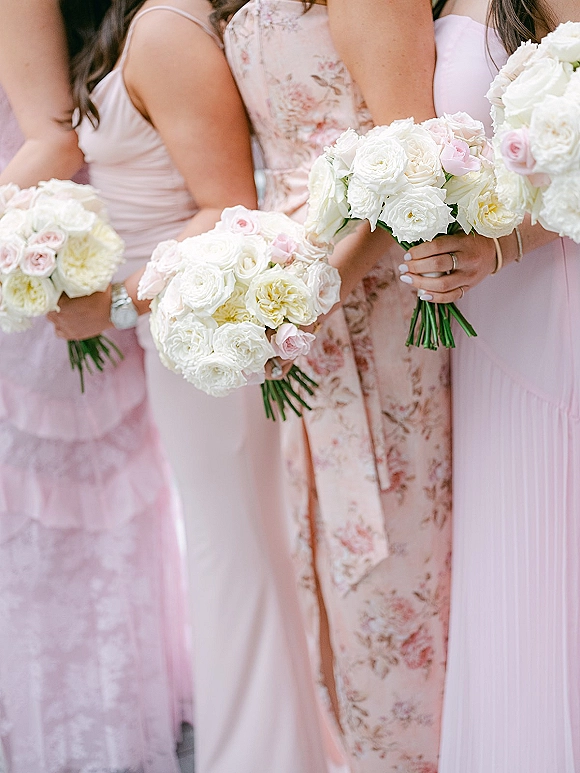
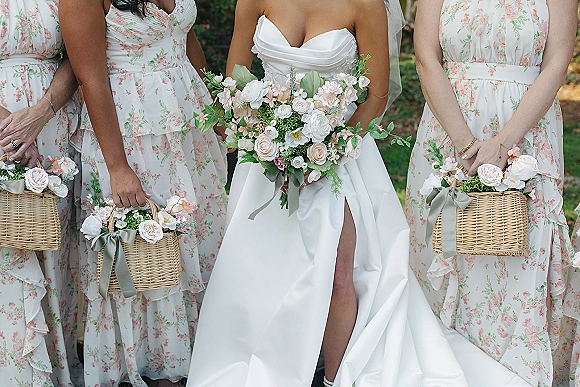
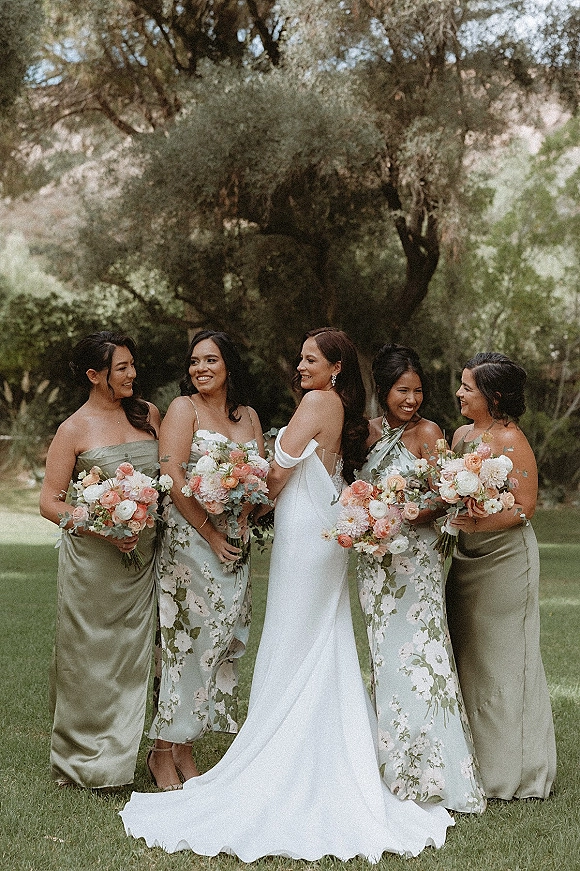
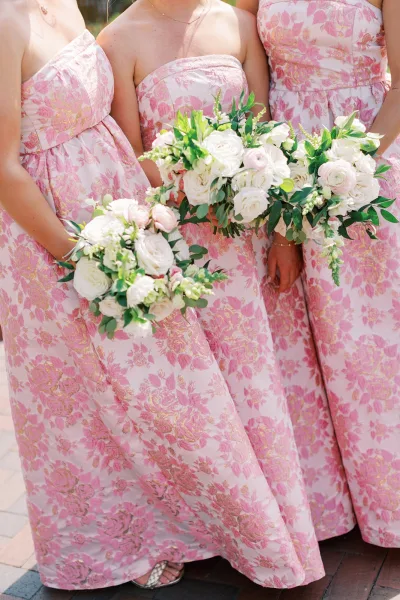
Floral blush bridesmaid dresses, which use a blush base with a printed or embroidered floral overlay, introduce a different dynamic. The pattern competes with the color, sometimes intentionally, but requires more careful attention to how it interacts with ceremony florals. A floral dress against a full floral arch reads as layered; against a minimal greenery installation, it reads as the statement.
Shade Variations: Pale Blush, Blushing Pink, and Champagne-Blush
Pale blush is the most neutral version of the palette. In bright outdoor sun or overexposed indoor photography, it can read as white or ivory; test it against the expected venue lighting before committing. It performs best in venues with controlled, warm lighting where the subtlety of the color registers.
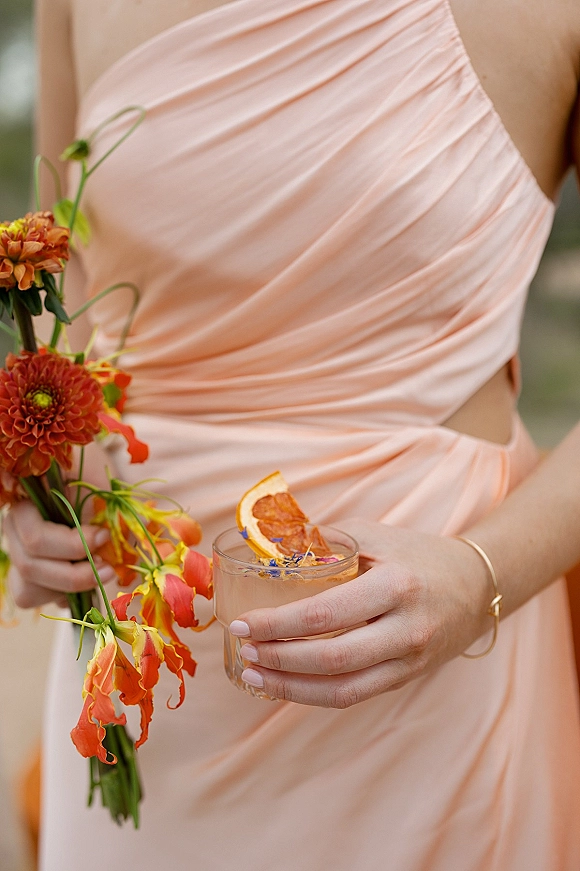
Blushing pink reads with more confidence in photographs and is less likely to disappear in outdoor settings. The tradeoff is more color contrast against ivory and cream bridal gowns, which may or may not be the intended effect depending on the overall palette.
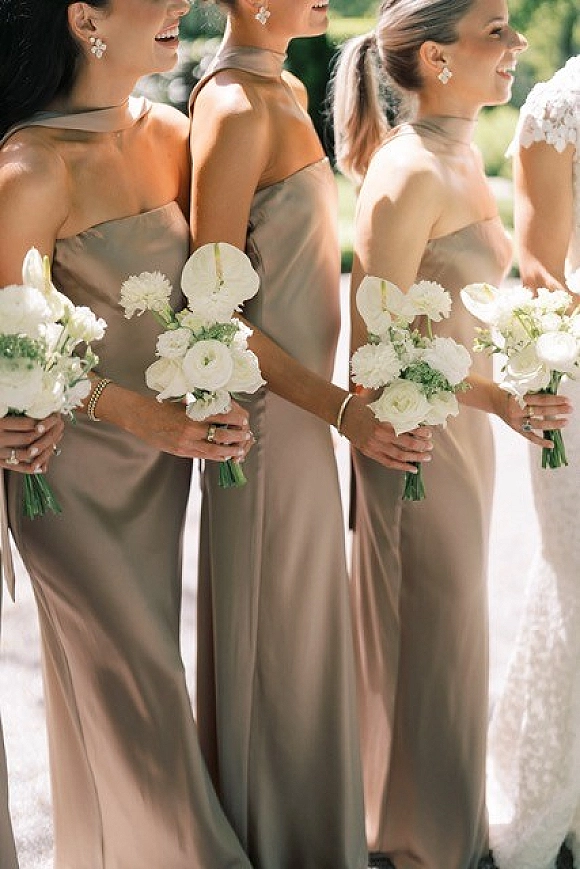
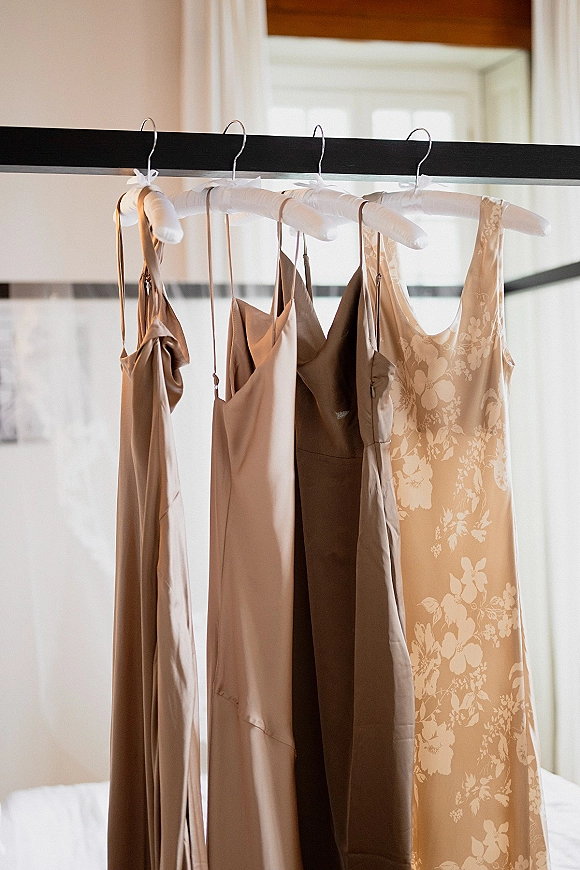
Champagne-blush occupies the intersection of the blush and champagne palettes and reads as either depending on the surrounding colors. Against warm ivory it shifts toward blush; against white it reads more champagne. For weddings where the palette spans both tones, it’s a useful bridge, though swatch testing against the actual venue is essential before ordering. Couples drawn to this end of the range should also explore dusty rose bridesmaid dresses, which sit slightly deeper and warmer and can anchor a champagne-blush palette effectively.
What to Pair With Blush Bridesmaid Dresses
Blush bridesmaid dresses work with a wide range of accent and floral colors, which is a central reason for their endurance in wedding palettes. White and ivory arrangements let the dress color carry without competition. Garden roses, ranunculus, and peonies in cream, white, and soft peach are recurring choices; the warmth of those blooms reads naturally against blush without introducing a competing hue.
For deeper accent tones, burgundy and blush is a well-established pairing, particularly for fall weddings, where the contrast grounds the softness of the blush. Sage green bridesmaid dresses work as a natural foliage or secondary color alongside blush, especially in outdoor settings where both shades align with the landscape. Navy is a stronger contrast and shifts the register toward more formal; it can work, but it changes the overall mood significantly.
Gold hardware in shoes, clutches, and jewelry reads well against blush in most lighting. Rose gold is a consistent companion across real blush-palette weddings. Silver introduces more contrast, which can work in pale blush settings but can feel mismatched against warmer blushing pink tones.
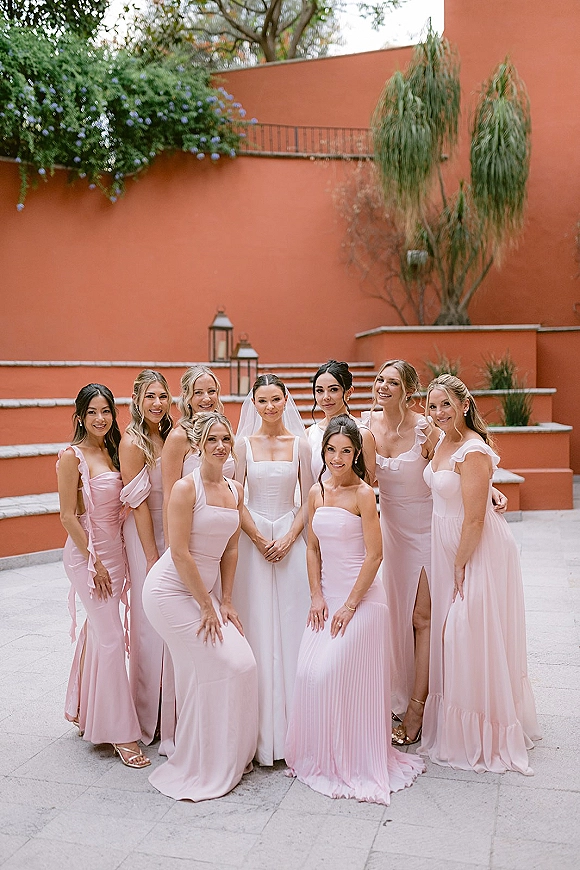
Internal consistency across the bridal party matters more in this palette than in more saturated colors. Two blush dresses that photograph as different shades, one warmer and one cooler, look like a planning error rather than an intentional choice. Ordering from the same dye lot, or confirming the shade reads consistently against the same fabric swatch, is essential. Bridesmaid dress designers and boutiques are searchable by location on Carats + Cake.
Blush Bridesmaid Dresses by Wedding Style
Garden and outdoor spring weddings are the most natural setting for blush bridesmaid dresses. The color reads with the season and complements natural textures like stone, wood, linen, and fresh greenery without requiring much additional styling to feel cohesive.
For formal ballroom or indoor receptions, fabric matters more than color. Chiffon in a formal ballroom can read as underdressed; satin or silk in the same blush carries appropriate weight. Floor-length blush satin silhouettes have a strong track record in formal wedding contexts and photograph well against the warm lighting typical of ballroom venues.
Boho and garden-party settings suit blush well when the shade leans pale or dusty, close enough to neutral that it doesn’t compete with the organic, textured aesthetic. Floral blush dresses appear frequently in boho settings, where the print aligns with the botanical references throughout the rest of the design. Boho bridesmaid dress inspiration on Cherry shows how blush-adjacent shades translate across this aesthetic.
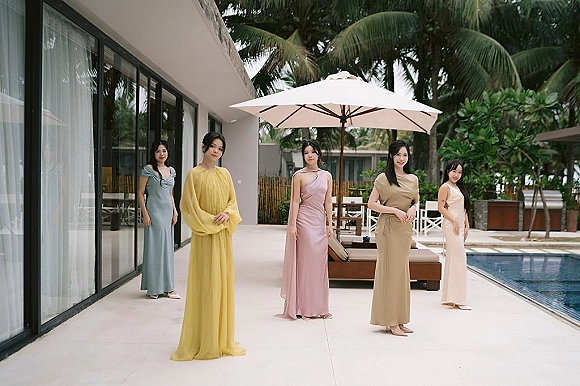
For beach and destination weddings, lightweight chiffon in a pale or true blush is the most practical choice. The fabric moves in outdoor conditions, doesn’t retain heat, and photographs cleanly in bright light, though pale blush should be verified against expected venue lighting, since it can wash out against sand and sky.
A deep archive of bridal party photos on Cherry shows how blush bridesmaid dresses read across different venue types and lighting conditions.
Frequently Asked Questions
What's the difference between blush and blush pink bridesmaid dresses?
In practice, the terms are used interchangeably. Blush typically refers to the cooler, more neutral version of the palette, closer to pale pink-nude. Blush pink tends to indicate a warmer, more clearly pink reading. The actual difference depends entirely on the specific color a given brand offers, so swatch comparison is more reliable than terminology alone.
Do blush bridesmaid dresses work for all skin tones?
Blush is one of the more broadly workable bridesmaid palettes, but the specific shade matters. Pale, cool blush can wash out very fair complexions. Warmer blushing pink tones are more flattering across a wider range. Fabric finish plays a role as well. Matte fabrics are more forgiving than high-sheen satin, which amplifies any color issues against the skin.
What colors pair well with blush bridesmaid dresses?
White and ivory florals are the most natural pairing. Sage green, dusty rose, burgundy, and champagne all work well as accent tones. Gold hardware is a consistent choice in blush-palette weddings. The palette carries both warm and cool accent colors depending on which shade of blush is in use.
What fabric works best for blush bridesmaid dresses?
Chiffon is the most common and most forgiving; it works across body types and seasons and photographs softly. Satin reads more formal and amplifies the warmth of the color. For mixed-silhouette bridal parties, keeping the same fabric across different dress styles matters more than which fabric is chosen, since chiffon and satin in nominally the same blush shade photograph as different colors.
Can blush bridesmaid dresses work for a winter wedding?
Yes, with adjustments to fabric and shade. Lightweight chiffon in pale blush reads as a summer color in a winter setting. For winter, heavier fabrics like velvet, matte crepe, or heavier satin in a deeper or dustier blush register more seasonally appropriate. The shade should lean toward mauve or champagne rather than pale pink.