The Meaning Behind a Red Wedding Dress
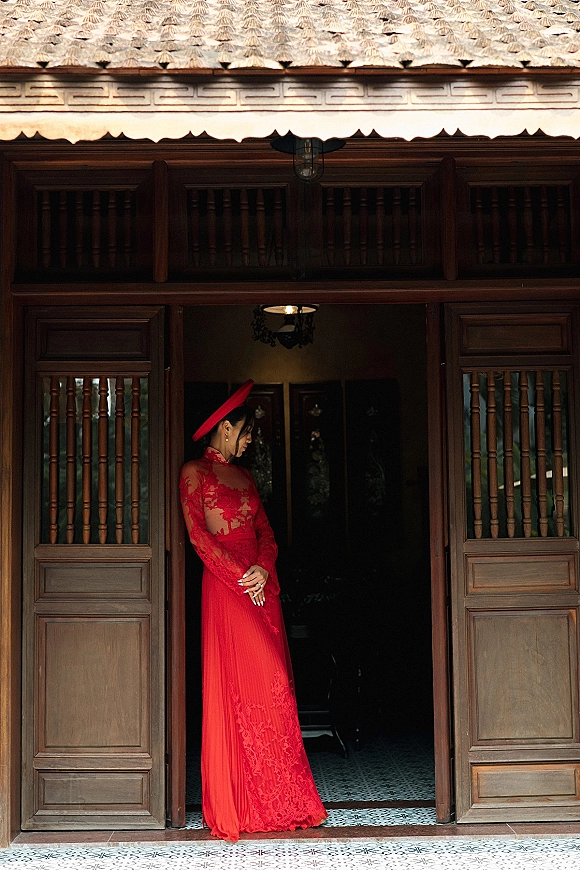
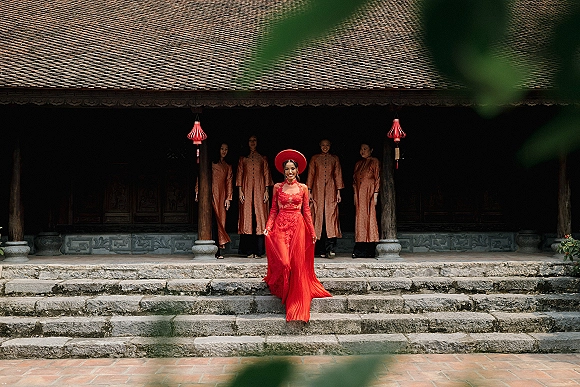
A red wedding dress is a gown where red is the dominant color, and unlike many bridal shades it carries clear symbolism. In many Eastern cultures red is the traditional bridal color, signifying luck, prosperity, joy, and new beginnings, which is why red gowns and the qipao or lehenga remain central to Chinese and South Asian weddings. In western fashion red reads as passion, love, and boldness. Before white became standard in the nineteenth century, brides chose any color they liked, and dark red was a longstanding favorite among royal and noble brides for its richness and durability.
Choosing Your Shade of Red
Red spans a wide range, and the shade sets the entire mood. Bright true red and scarlet are the boldest and most celebratory, reading clearly even in bright daylight. Crimson and cherry add a touch of blue for a cooler, richer tone. Deep wine, burgundy, and oxblood are the most wearable and formal, dark enough to read almost as a neutral and especially suited to cooler-weather and evening weddings. Warmer brick and tomato reds lean rustic and autumnal. Cooler skin tones tend to suit blue-based crimsons, while warmer complexions carry orange-based reds well. For the wine-dark end of the range, see our related deep-red collections, and for the dramatic pairing visit our black and red wedding dress looks.
Red and White Wedding Dresses
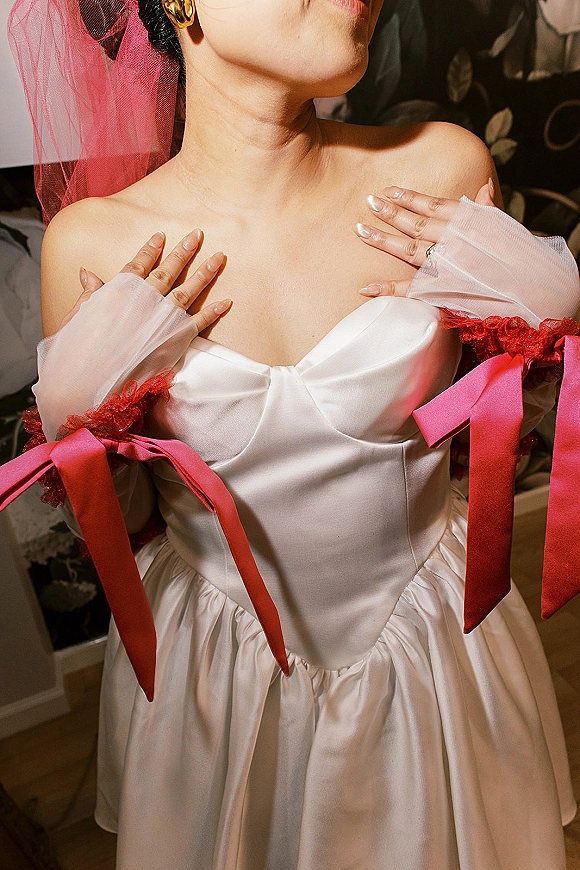
Pairing red with white tempers the boldness and keeps the gown anchored in bridal tradition. The combination appears as a white gown with red floral applique or embroidery, a red sash or belt at the waist, an ombre fading from white to red, or red lace over an ivory base. This route suits brides who want red’s warmth and symbolism without a fully colored gown, and it photographs with more contrast and dimension than a single shade. White also brightens a deep red, lifting a wine tone toward something fresher and more spring-ready.
Fabrics and Silhouettes for Red
Red changes character with fabric. Satin and mikado give a rich, reflective surface that deepens the color and suits structured ball gowns and mermaid cuts. Lace, whether all-over or as a bodice overlay, softens red into romance and reads beautifully in crimson and wine. Chiffon and tulle keep a bright red light and airy for flowing A-lines and ethereal layered skirts. Velvet brings a deep, light-absorbing richness ideal for cold-weather weddings. For silhouette, a ball gown maximizes drama, a mermaid hugs the figure, and a sleek column reads modern and understated. Compare how designers render red across fabrics in the wedding dress directory.
Red Across Cultures and Traditions
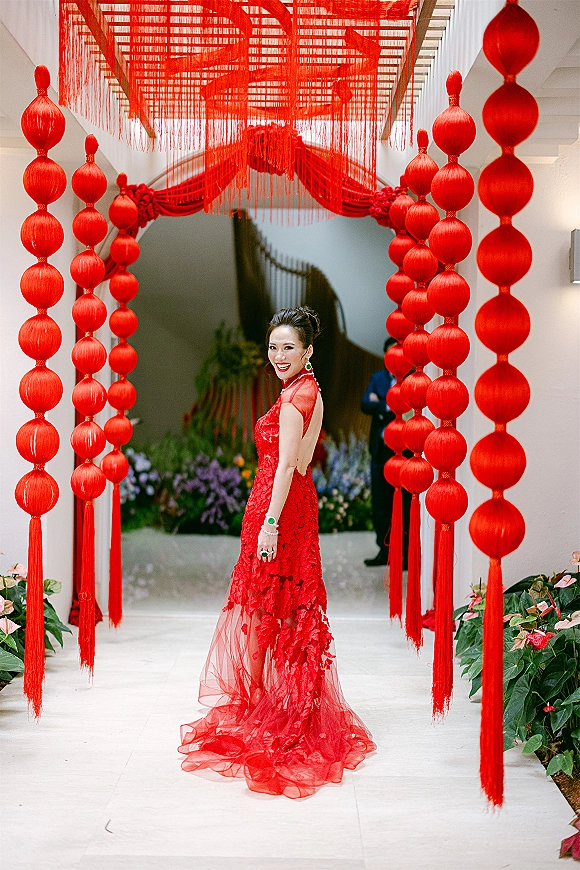
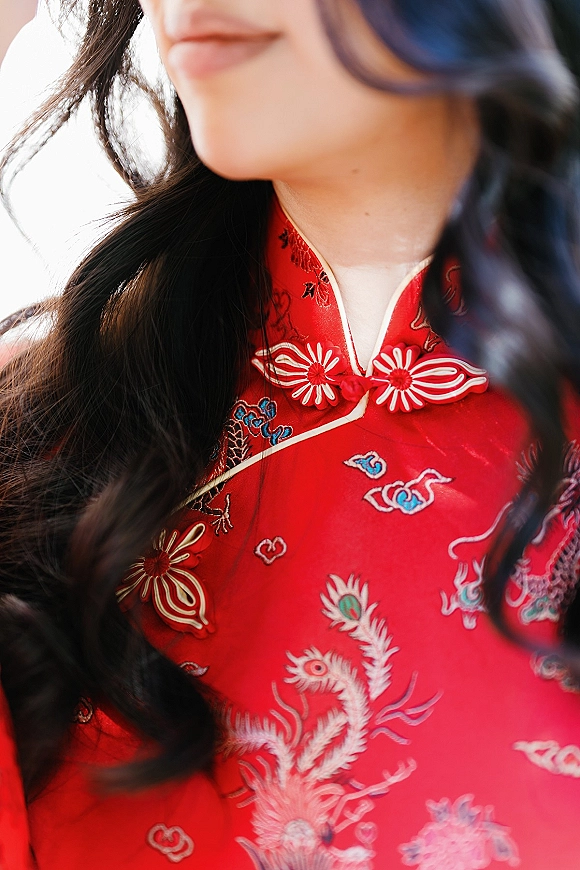
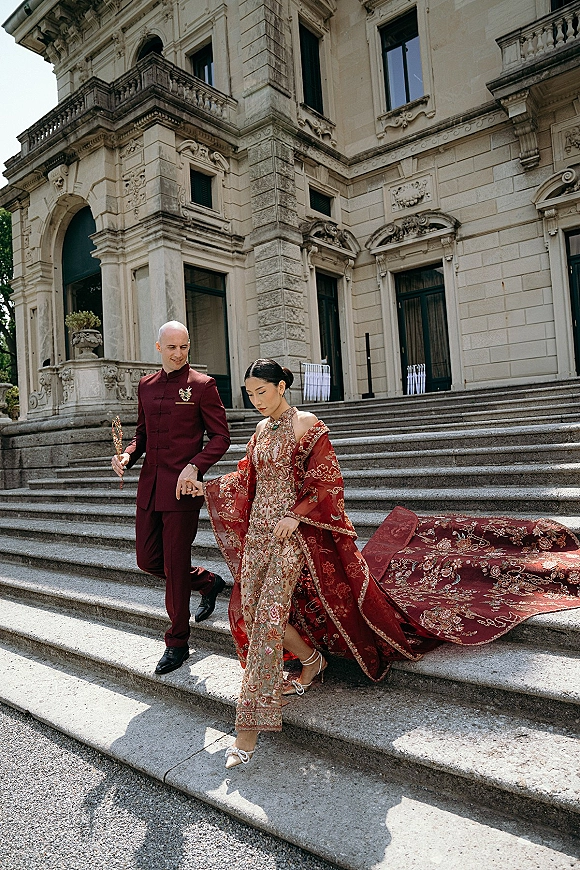
Red’s place in weddings runs deeper than fashion. In Chinese tradition the bride often wears red, the color of luck and happiness, in a qipao or a modern red gown, and red continues through the tea ceremony and celebrations. In South Asian weddings the red lehenga or sari is central, symbolizing prosperity, fertility, and new beginnings, frequently worked with gold embroidery. Many brides with these heritages choose a red wedding dress to honor that lineage while expressing personal style, and some wear a white gown for one part of the day and red for another. Even outside these traditions, red’s long association with luck and love gives the gown a resonance that a purely fashion-led color choice lacks.
Necklines and Silhouette Details for Red
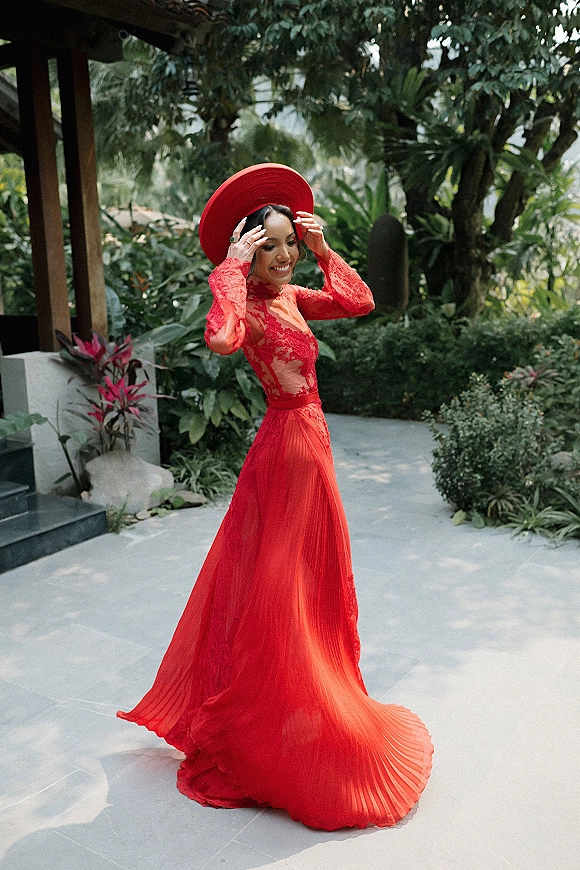
Red carries strong necklines well. A deep V or plunging neckline reads sultry and confident against the bold color, while a sweetheart or off-the-shoulder cut leans romantic. A high neckline or long sleeves in red lace gives a more covered, vintage-inspired elegance. Because red is already saturated, many gowns keep ornament restrained and let the color lead, though gold embroidery and beadwork sit beautifully against it for a richer, more ceremonial look. A fitted bodice with a flared or full skirt balances the intensity of the color with a flattering shape, and a long train in red satin or chiffon extends the drama down the aisle.
Deep Red and Wine Tones
The deeper end of red deserves its own attention, since wine, oxblood, and dark red read differently from a bright scarlet. These rich, shadowed reds are the most formal and the most wearable, dark enough to function almost as a neutral while still carrying red’s warmth and symbolism. A wine red reads sophisticated and restrained, suited to evening and cooler-weather weddings where its depth matches the setting. Oxblood adds a brown cast for an earthy, vintage richness, while a true dark red sits between wine and a clear crimson.
These deep reds flatter a broad range of complexions because their muted depth softens the contrast against skin, and they photograph with a luxurious quality in candlelight and low light. They pair naturally with rich fabrics like velvet and satin and with warm metals, and they suit a formal palette better than a bright red does. For a bride who wants red’s meaning and warmth in a more understated form, a deep wine gown is often the answer, reading as elegant and considered rather than loud. The dark reds also bridge toward other rich tones, sitting comfortably alongside gold, deep green, and plum in a wedding palette.
Red Lace and Embellishment
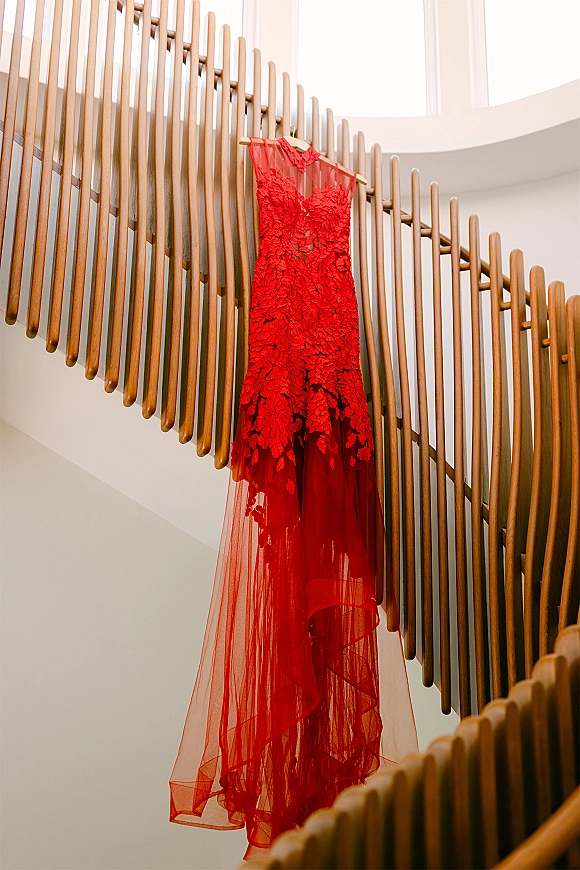
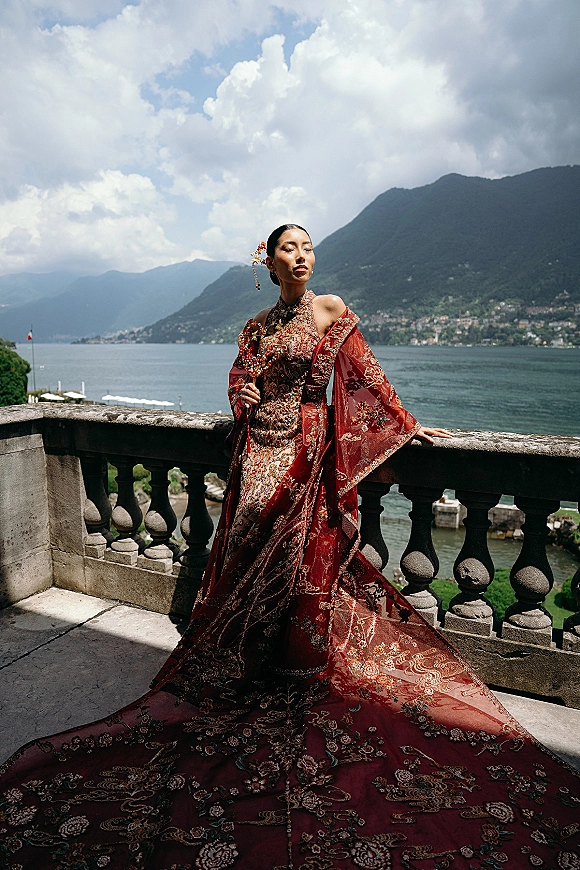
Red carries detailing with drama, and the type of embellishment shifts the gown between romantic and bold. All-over red lace reads soft and romantic, especially in crimson and wine, the pattern adding texture and a vintage quality. A red lace bodice over an illusion lining gives the look of the pattern resting on the skin, an effect that reads couture against the warm color. Gold embroidery and beadwork sit beautifully against red, adding a ceremonial richness that suits cultural and formal weddings alike.
For a more modern result, a clean red satin or crepe with minimal ornament lets the saturated color and the silhouette lead, which suits a bold statement gown. Beading and sequins catch light against red and add glamour for an evening setting, while a matte fabric keeps the focus on the color itself. The level of embellishment should follow the shade and the occasion: a romantic crimson lace gown invites soft detail, while a bright statement red often reads strongest clean and unadorned, letting the color carry the entire effect.
Red by Wedding Style
Red suits several wedding aesthetics, and the shade should follow the mood. For a cultural or traditional wedding, red is the established bridal color across much of Asia, worn in a range of silhouettes and often paired with gold. For a formal or evening wedding, a deep wine or rich crimson in satin or velvet reads as elevated and sophisticated. For a bold or destination wedding, a bright true red makes the gown the centerpiece and brings energy to a celebratory setting.
For a winter or holiday wedding, red’s warmth matches the season and the setting, especially in deeper tones. A romantic or vintage celebration suits soft crimson lace, while a modern wedding carries a sleek red column or a clean satin gown. Red is unusual in spanning both deeply traditional and boldly unconventional, since it is the oldest bridal color in some cultures and a striking statement in others, which lets a bride choose a shade and silhouette that reads exactly as traditional or as daring as she intends.
Red Florals and Beauty
A red gown shapes the florals and beauty around it. Tonal red bouquets in crimson, wine, and deep red build a rich, dramatic monochrome, while white and greenery keep a red gown fresh and lift a bright shade toward something more garden-ready. Deep contrast options like dark foliage or burgundy blooms ground the palette and add depth. The bouquet can either echo the gown’s intensity or temper it with a cooler, fresher tone.
For beauty, red gives two clear routes. A matching red lip ties the gown’s warmth to the face for a classic, confident look, while a softer neutral lip lets the gown lead and reads more understated. A clean or lightly defined eye keeps the focus balanced, and hair worn sleek or softly waved both suit the color depending on the formality. Warm metals in the jewelry and a warm-toned makeup palette echo red’s heat, while cooler crystal accents provide contrast. The aim is to let the gown stay the focal point while the beauty look supports its warmth.
Veils and Accessories for Red
Accessories for a red gown work best when they support the color rather than compete with it. A white or ivory veil keeps the look bridal and softens a bold red, while a red or blusher veil in a matching tone leans dramatic and tonal. Metallic shoes in gold or nude lengthen the line without breaking the palette, and a matching red shoe adds boldness for those who want it. Jewelry in gold warms and enriches red, while crystal and diamond give a cooler, cleaner contrast.
For cooler weather, a wrap, faux-fur stole, or structured coat in a neutral or matching tone extends a red gown’s elegance, and a deep wine gown in particular suits a velvet layer. The styling principle with red is to let one strong color lead, so accessories that stay within metallics, neutrals, and the red family keep the look intentional. Because red is already the statement, a single considered accessory reads better than many, allowing the gown to remain the center of the look from ceremony through reception.
Red in Your Wedding Palette
A red gown sets a warm, confident tone that the wider wedding can build around. A tonal palette of red, wine, and deep crimson across the florals and bridal party reads rich and dramatic, suited to a formal, cultural, or winter celebration. For contrast, red pairs beautifully with white and greenery for freshness, with gold for ceremonial warmth, or with deep green and plum for a jewel-toned scheme. The shade of the gown guides the palette, since a bright red anchors a vivid, celebratory look while a deep wine sits within a more formal, muted one.
Bridesmaids in a complementary or deeper tone let a red bridal gown stand apart, while a tonal red party heightens the drama. Gold is a natural partner across stationery, details, and florals, echoing the warmth that red carries and suiting the cultural traditions where the two colors appear together. Planning the red into the palette from the start ensures the gown reads as the centerpiece of a considered scheme, with the surrounding colors chosen to support its warmth and symbolism rather than competing with it.
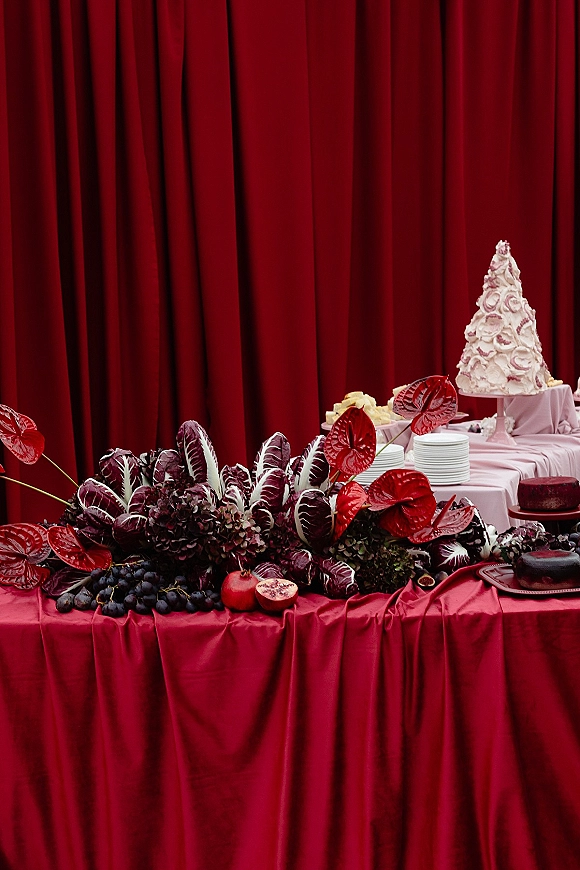
The fabrics and details around the gown extend its richness. Velvet linens, candlelight, and lush florals suit a deep red gown and heighten its warmth, while a brighter red pairs well with crisp white and abundant greenery for a fresher, more celebratory feel. Gold accents through the stationery, the place settings, and the floral vessels echo red’s heat and lend a ceremonial glow, a pairing with deep roots in the cultures where red and gold appear together at weddings. Choosing these surrounding elements to match the shade of red, whether vivid and bright or deep and formal, keeps the whole celebration reading as a unified expression of the color.
Red Trains, Hems, and Length
Length shapes how formal or how bold a red gown reads. A sweeping chapel or cathedral train in red satin extends the gown’s drama down the aisle and suits a formal or evening wedding, while a sweep train keeps the effect manageable. A clean floor length with no train reads modern and lets a bright red stay sleek. Rich fabrics like satin and velvet carry a long red train especially well, the deep color reading luxurious as it trails.
Shorter lengths bring out red’s spirited side. A tea-length red dress reads vintage and lively, suited to a retro or relaxed celebration, while a mini or cocktail-length red gown makes a striking reception look or a bold courthouse choice. A high-low hem adds movement and a fashion-forward note. Because red is already a confident statement, the hemline lets a bride decide whether to lean formal and dramatic with length or to sharpen the look with a shorter cut that puts the saturated color front and center.
Red in Photographs and Light
Red is one of the most photogenic bridal colors, though it behaves differently by shade and light. Bright true red holds up vividly in daylight and reads clearly across a room, making it dependable for outdoor and daytime weddings. Deep wine and crimson reach their richest in candlelight and low light, where their depth glows, which suits evening and indoor settings. The fabric matters as much as the shade, since a satin red catches light and shifts across its folds while a matte crepe reads as a truer, flatter color.
Deeply saturated reds can occasionally read hot or oversaturated in certain digital lighting, so seeing the gown photographed in conditions close to your venue helps confirm the shade reads the way you want. A deep wine tends to photograph as reliably elegant across conditions, while a bright red rewards good light. Matching the shade and fabric to the light you expect ensures the gown reads as the rich, intentional color you chose rather than a shifted or flattened version, which keeps red looking its best from ceremony through reception.
Choosing Red for Your Body and Fit
Red flatters across body types, and the silhouette can be chosen to suit your shape as much as the color. A ball gown in red brings full drama and emphasizes a defined waist, a mermaid or fit-and-flare follows the figure before a dramatic hem for the most figure-conscious option, and a sheath or column reads sleek and elongating. An A-line suits nearly every frame, carrying red in a balanced, flattering line. Because red draws the eye, the silhouette receives more attention than it would in a neutral, so the cut is worth choosing with care.
Shade interacts with the silhouette in the mirror, since a deep wine reads more forgiving and formal while a bright red creates strong visual definition and highlights the gown’s lines. Trying red in more than one depth and cut reveals which combination flatters most, as the same gown reads differently in crimson versus wine. The aim is a gown where the color and the cut reinforce each other, the red lending warmth and confidence and the silhouette lending shape, so the gown feels personal rather than chosen for its color alone.
Red as a Reception or Second Look
Red is a popular second look, worn for the reception after a white ceremony gown. The change from white to red reads as joyful and celebratory, and in cultures where red signals luck and prosperity it carries added meaning, letting a bride honor a tradition for part of the day. A red cocktail dress, a bold satin gown, or a sleek slip gives a vibrant change of mood for dancing and brings warmth and energy to the evening celebration.
This route lets a bride keep a classic white ceremony while bringing color and personality to the reception, which appeals to those drawn to red who also want a traditional aisle moment. A shorter or sleeker red reception dress frees the bride to move and dance and photographs with energy against an evening setting. Paired with gold jewelry, a red or neutral lip, and metallic shoes, the red second look becomes its own fashion statement. Whether red is the main gown or the reception change, it brings confidence and warmth to the day, and its cultural resonance gives the choice depth beyond style alone.
Styling a Red Wedding Dress
Red is already the focal point, so accessories should support it. Gold metals warm and enrich red, while silver and crystal give a cooler, cleaner contrast. For shoes, metallic or nude lengthens the line, and a matching red adds boldness. Florals can go tonal with red and burgundy blooms for a monochrome effect, or contrast with white and greenery for freshness. A red lip ties the color to the face, while neutral makeup lets the gown lead. For brides weighing red against a softer warm tone, our pink wedding dress collection shows where the palette lightens, and our red wedding dress guide explores the color’s history in depth.
Weddings That Suit Red
Red suits celebrations with warmth and richness in the setting. Cultural and traditional weddings where red signals luck are its oldest home, and the color also shines at evening receptions, cooler-weather weddings, and festive holiday celebrations. Deep wine and burgundy read formal enough for black-tie, while bright red carries the energy of a garden party or destination wedding. The shade should match the light: bright reds hold up in full sun, while deep wine tones reach their richest at dusk and in candlelight.
Frequently Asked Questions
What does a red wedding dress symbolize?
In many Eastern cultures red is the traditional bridal color, symbolizing luck, prosperity, joy, and new beginnings. In western fashion it reads as passion, love, and confidence. Dark red was also a favorite among royal brides before white became standard.
What shade of red should I choose?
Bright true red is the most celebratory and holds up in daylight, crimson adds a cooler richness, and deep wine or burgundy reads almost as a neutral and suits formal evening weddings. Cooler skin tones favor blue-based reds, warmer tones favor orange-based reds.
Is it acceptable to wear a red wedding dress?
Yes. Brides chose colored gowns for most of history, and red remains the traditional bridal color across much of Asia. Whether worn for culture, symbolism, or personal style, a red gown is a recognized and widely offered bridal option.
What fabric works best for a red wedding dress?
Satin and mikado give a rich, reflective depth for structured gowns, lace softens red into romance, chiffon and tulle keep bright red airy, and velvet adds cold-weather richness. The fabric shifts how deep and formal the red reads.
How do I style a red wedding dress?
Gold metals warm red, while silver and crystal give a cooler contrast. Metallic or nude shoes lengthen the line. Choose tonal red and burgundy florals for a monochrome look or white and greenery for freshness, and a red lip to tie the color to the face.
How much does a red wedding dress cost?
Pricing depends on the designer, fabric, beading or lace, and where you buy, the same range as any bridal gown. Rich fabrics like silk satin and velvet and custom dyeing to a specific red sit at the higher end.