What a Black and Red Wedding Dress Says
A black and red wedding dress is a two-tone gown built on contrast between a dark base and a saturated red, and it reads as the boldest statement in bridal color. Black supplies the gothic, formal weight; red brings passion, warmth, and movement. The ratio between them sets the tone, a black gown with red accents feels mysterious and restrained, while a red gown with black detail feels fiery and forward. The pairing has a strong association with gothic, Halloween, and dark-romantic weddings, but it also suits any couple drawn to high drama and rich color.
Ombre Black-to-Red Gowns
The ombre treatment is the signature black-and-red look, blending one color into the other so there is no hard seam. Most often the gown runs black at the bodice and dissolves into red toward the hem, the gradient reading like embers catching at the bottom of the skirt. The effect works best on full, flowing fabrics, layered tulle or chiffon, where the transition has room to develop across many layers. Reversed, a red bodice melting into a black hem grounds the gown with a darker base. Ombre suits ball gowns and fit-and-flare silhouettes where the skirt gives the gradient space to breathe.
Red Lace Over Black
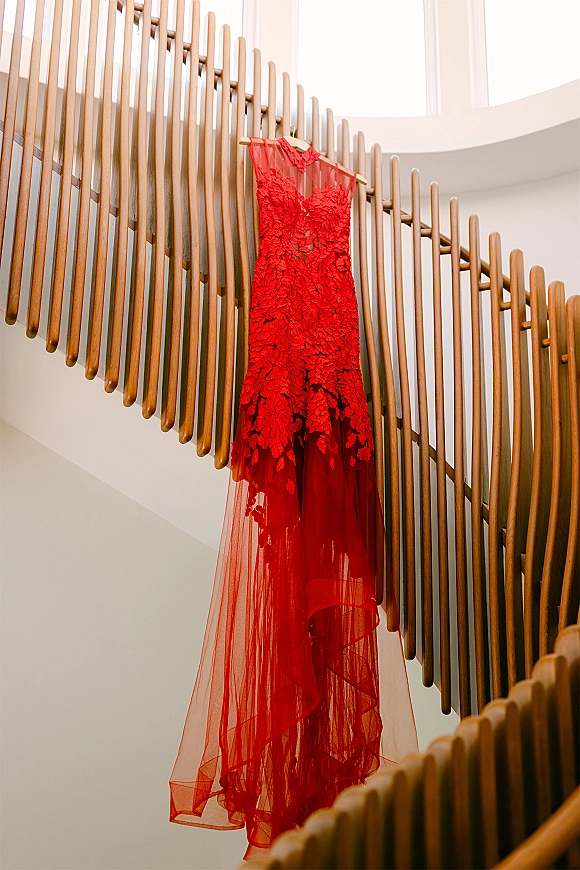
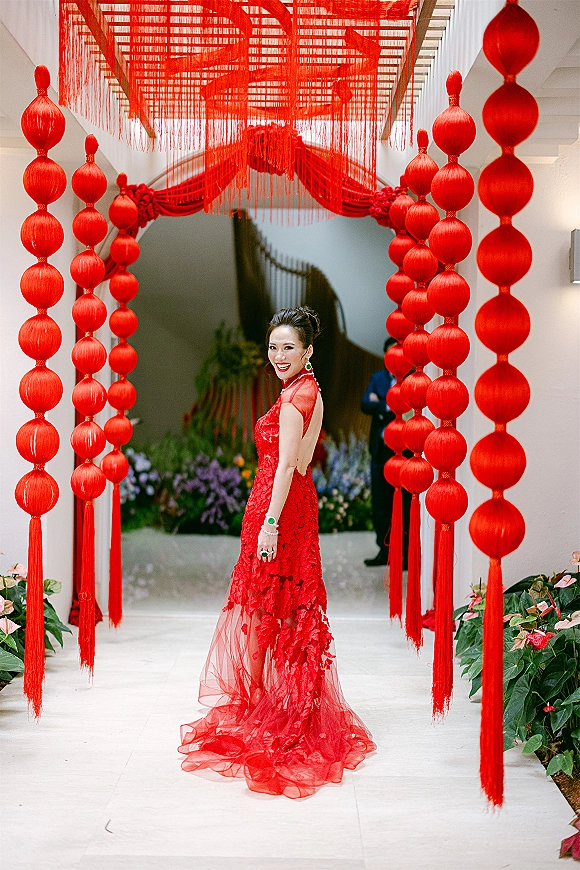
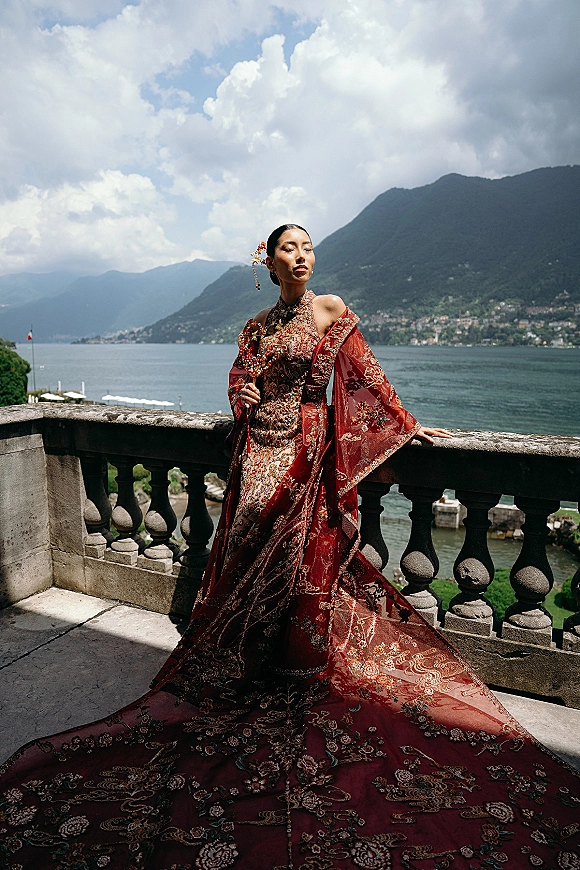
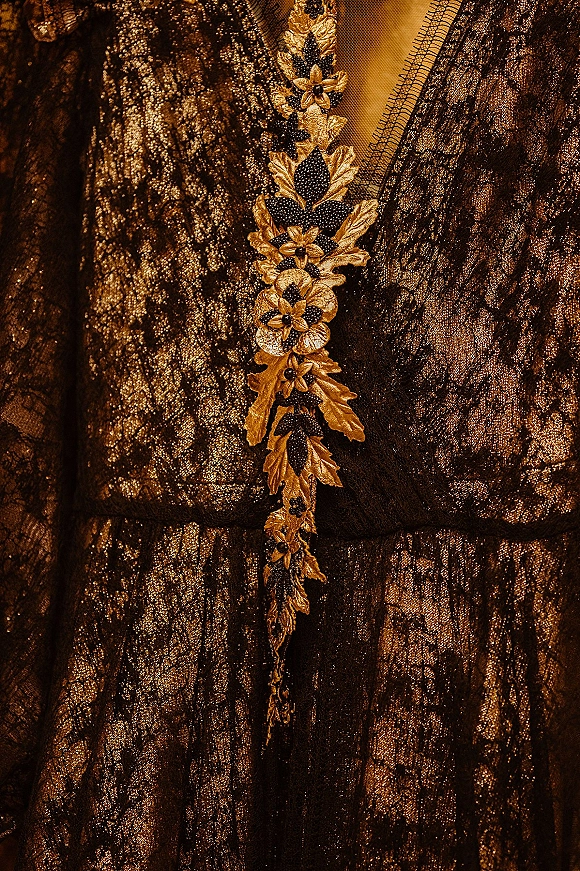
Layering red lace or appliqué over a black base is the most intricate version of the pairing. Floral lace in red traced over black satin or tulle lets the dark base show through the pattern, creating depth and a sense of the red blooming out of shadow. This approach concentrates the contrast where you want it, across the bodice, down a sleeve, or scattered as appliqué that thins toward the hem. It gives a more couture, detailed result than a flat two-tone and photographs with real dimension in close-up.
Gothic and Dramatic Silhouettes
Black and red lends itself to silhouettes that match its intensity. A mermaid or trumpet cut keeps the gown fitted through the body before a dramatic flare, the most figure-conscious way to carry the pairing. A corseted bodice with lace-up back detail leans fully gothic, especially with long fitted or bishop sleeves. Capes and detachable trains in black over a red gown add ceremony-to-reception drama. Sheer black paneling over red, or a red lining glimpsed through black lace, builds the dark-romantic effect the pairing is searched for. For the single-color version of this drama, see our black wedding dress and red wedding dress collections.
Red Lining and Hidden-Color Details
One of the most wearable ways to do black and red is to keep the visible gown black and hide the red, letting it flash only in movement. A red lining beneath a black tulle or organza skirt glows through the layers and reveals itself as the bride walks or dances, a subtle effect that reads dramatic without committing the whole gown to two bold colors. Red trim along a hem, a red underskirt, or red buttons down a black back give the same controlled hit of color. This approach suits brides drawn to the pairing who want their ceremony portraits to read mostly black, with the red as a private, kinetic detail rather than a constant statement.
Cultural and Symbolic Weight
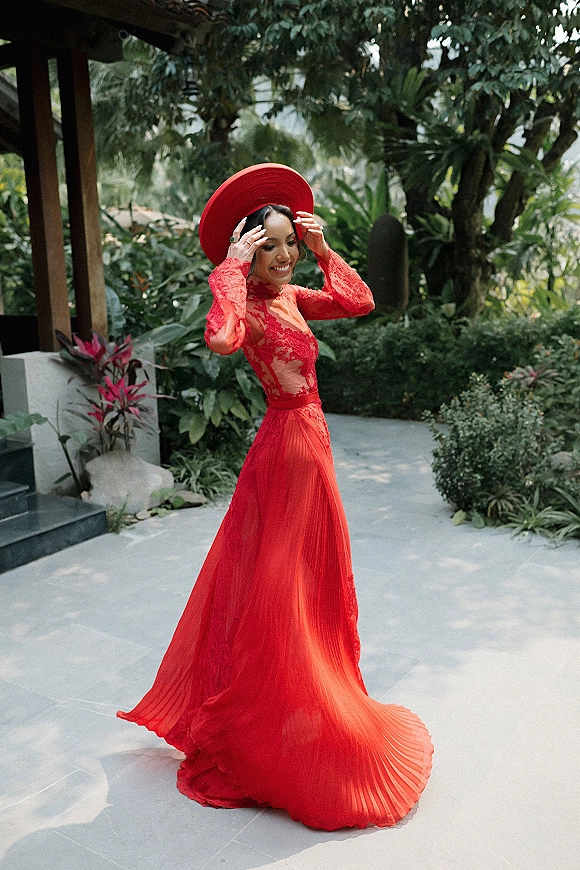
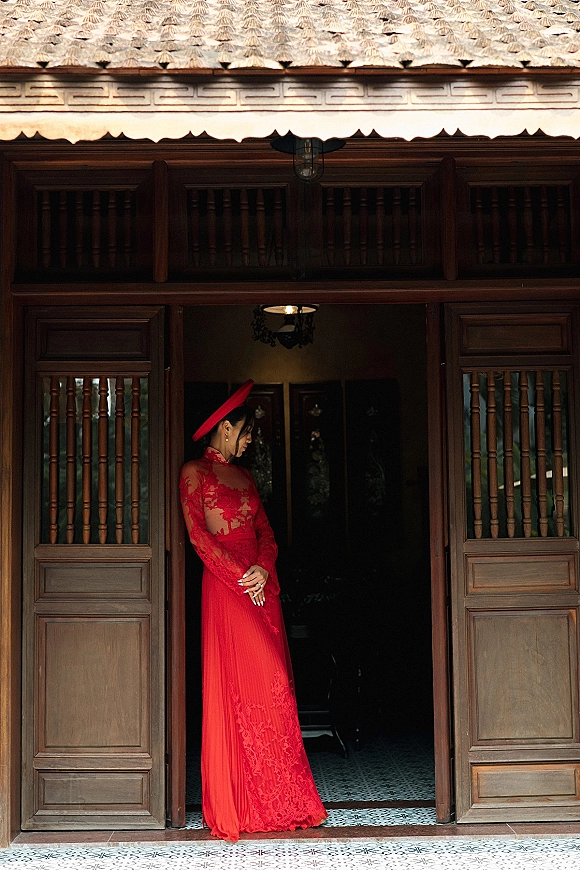
The black-and-red pairing carries meaning beyond aesthetics. Red is the traditional bridal color across much of Asia, signifying luck, joy, and prosperity, so a red gown with black detailing can bridge heritage and a modern, dramatic sensibility. In western symbolism the combination reads as passion balanced by mystery, love edged with boldness. Because both colors are saturated and assertive, the gown communicates confidence regardless of the wearer’s specific intent, which is part of why it appeals to brides who want their dress to make an unmistakable statement. Understanding the symbolism helps you decide how much of each color to feature and where.
Which Shade of Red Against Black
The red you pair with black sets the entire mood of the gown. A bright, true red against black reads boldest and most theatrical, the high contrast giving maximum drama, suited to a confident statement gown. A deep wine or oxblood red against black reads richer and more formal, the two dark tones blending into a moody, sophisticated palette rather than a sharp clash. A crimson or cherry red adds a cool, jewel-like depth that sits between the two.
The depth of the red also decides how the gown photographs and where it suits. A vivid red on black stands out sharply even in low light and reads dramatic across a room, while a wine-on-black gown reads as nearly tonal until the light catches the red, a subtler effect that rewards close-up. Warmer reds with an orange cast bring heat and energy, while cooler, bluer reds lean gothic and rich. Pairing the red’s temperature to your skin and your setting matters as much here as the contrast itself, since the black amplifies whatever quality the red already carries.
Fabrics for a Black and Red Gown
Fabric shapes how the two colors meet. Satin in either tone gives a rich, reflective surface that deepens both the black and the red and suits structured, dramatic silhouettes. Red lace over black satin or tulle is the signature combination, letting the dark base show through the pattern so the red appears to bloom out of shadow, an effect that reads couture and intricate. Layered tulle is essential for ombre gowns, where many sheer layers let one color dissolve into the other across the skirt.
Velvet brings a deep, light-absorbing richness to either color and suits cooler-weather weddings, especially in a wine-red-and-black palette. Chiffon keeps a brighter red and black lighter and more fluid, suited to a flowing gown rather than a structured one. Mixing fabrics heightens the contrast: a matte black bodice against a glossy red skirt, or red satin glimpsed beneath black lace, builds dimension the eye reads as deliberate. Because the pairing is already bold, the fabric should make the meeting of the two colors look intentional rather than accidental.
Black and Red by Wedding Style
Black and red belongs most naturally to a few distinct wedding aesthetics. For a gothic or dark-romantic wedding, the pairing is the defining choice, worn with corsetry, lace, capes, and candlelight for full dramatic effect. For a Halloween or themed celebration, black and red gives license for theatrical detail and bold styling. For a culturally rooted wedding, a red gown with black detailing can honor traditions where red signals luck and joy while adding a modern, dramatic edge.
For a formal evening or winter wedding, a wine-red-and-black palette in rich satin or velvet reads sophisticated rather than costume-like, suited to a black-tie setting. The pairing rarely suits a soft, light, or garden aesthetic, since its strength is drama and depth, though a red-dominant gown with subtle black accents can soften the effect for a less gothic result. Naming the wedding’s mood tells you how much of each color to feature and how dark to take the overall look, which keeps the gown coherent with the day.
Veils, Capes, and Accessories for Black and Red
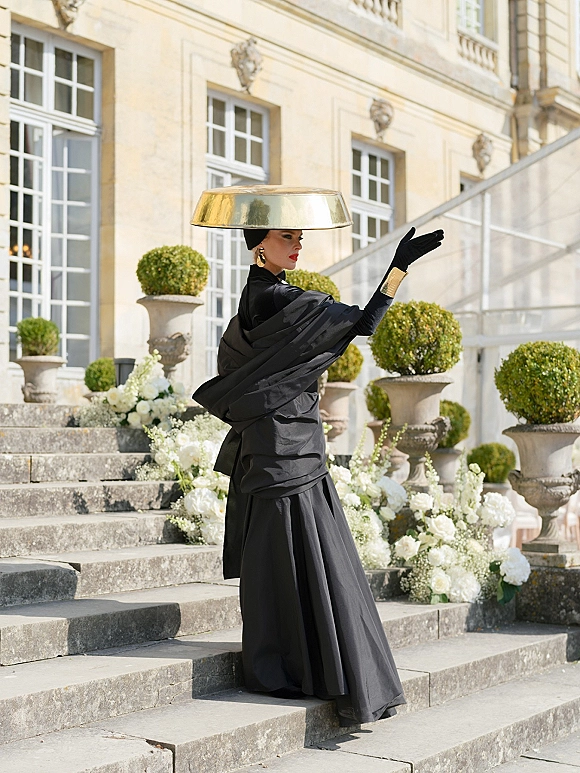
With two saturated colors in the gown, layers and accessories work best when they pick up one of the existing tones. A black veil or a sheer black cape deepens the gothic effect and reads as a natural extension of the gown, while a detachable black train adds ceremony drama before a sleeker reception look. A red-lined black cape is a striking option, flashing color with movement. Gloves in black lace lean vintage and reinforce the dark-romantic mood.
For jewelry, jet, garnet, and dark gold suit the palette without introducing a competing color, and a single bold piece reads better than many against an already-dramatic gown. Shoes in black or deep red continue the scheme cleanly. The styling discipline with black and red is restraint, since the gown already carries maximum contrast, so accessories that stay within black, red, and warm metal keep the look intentional rather than busy. A red lip is the one near-universal addition, tying the gown’s warm tone up to the face.
Black and Red Florals and Beauty
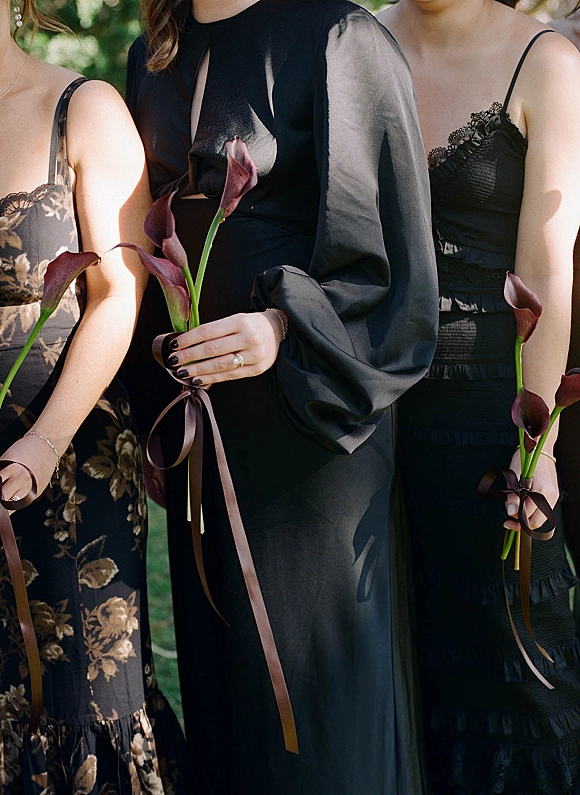
The bouquet and beauty look should match the gown’s intensity. Deep red roses, black-dyed blooms, burgundy dahlias, and dark calla lilies hold the dramatic palette, and dark foliage frames them for a moody, rich effect. For a touch of contrast, a few white or deep-burgundy accents add dimension without lightening the overall mood. The florals are a chance to echo the gown’s drama rather than soften it, which keeps the whole look coherent.
For beauty, black and red invites a stronger, more defined approach than a pastel gown would. A bold red lip is the signature, balanced by a clean or smoky eye, and a sleek or structured hairstyle suits the gown’s drama. Deeper skin tones carry rich red and black beautifully with jewel-toned or gold accents, while fair skin reads with high contrast against the dark palette and can soften it with a romantic, diffused makeup finish. Across florals and beauty, the gown sets a confident, dramatic tone that the surrounding choices read best supporting.
Choosing Between Ombre, Lace, and Color Block
Black and red can be combined three main ways, and choosing among them is the central design decision. An ombre gown blends one color into the other with no seam, the softest and most painterly approach, best on a full skirt where the gradient has room to develop. Red lace over a black base concentrates the contrast in pattern and texture, a couture, detailed effect that reads richest in close-up. A color block, where black and red meet at a defined line such as a black bodice over a red skirt, is the boldest and most graphic, reading as deliberate, modern construction.
Each route suits a different bride and setting. Ombre reads romantic and dramatic, ideal for a flowing gothic ball gown. Lace reads intricate and vintage, suited to a bride who wants detail and depth. Color block reads sharp and contemporary, for a bride who wants the two colors to register as a clear statement. A fourth, subtler option keeps the visible gown black and hides the red as a lining or underskirt that flashes with movement. Settling on which of these you want early guides the silhouette, the fabric, and the proportion of each color, since the construction method shapes every other choice.
Black and Red Trains, Capes, and Length
Length and added layers heighten the drama a black and red gown is chosen for. A sweeping train, whether black, red, or an ombre blend, extends the gown’s effect down the aisle, and a red-lined black train flashes color with every step. A detachable cape in black over a red gown adds ceremony weight before a sleeker reception look, while a sheer black overlay across a red skirt deepens the dark-romantic mood. The fuller and longer the gown, the more an ombre gradient and a dramatic train read as theater.
Shorter lengths shift the pairing toward the modern and the playful. A tea-length or cocktail black and red dress reads fashion-forward and suits a reception or a themed celebration, while a high-low hem reveals red beneath black at the front. Because the two colors already carry maximum contrast, the length and layers should serve the mood you want, with full drama suiting a gothic evening wedding and a cleaner, shorter cut suiting a bold, contemporary one. Matching the silhouette’s scale to the setting keeps the gown reading as intentional.
Black and Red in Your Wedding Palette
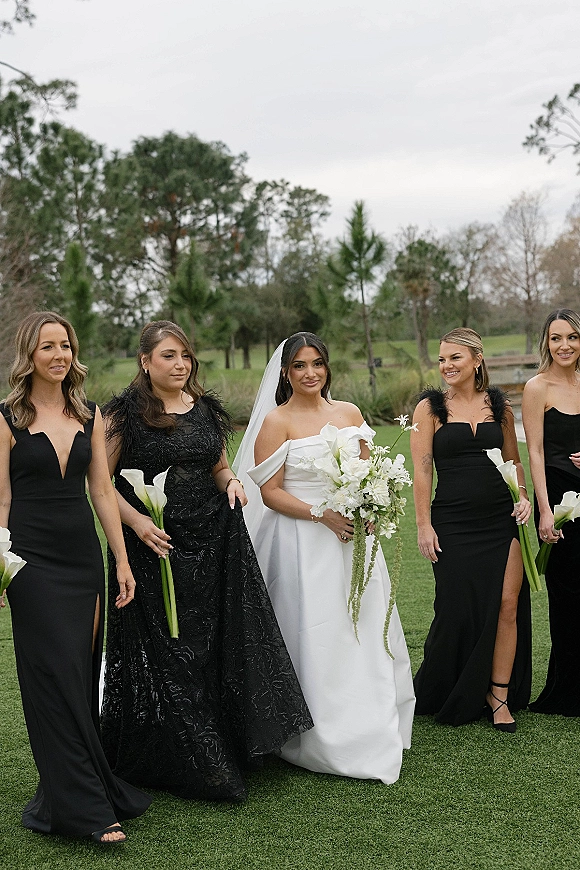
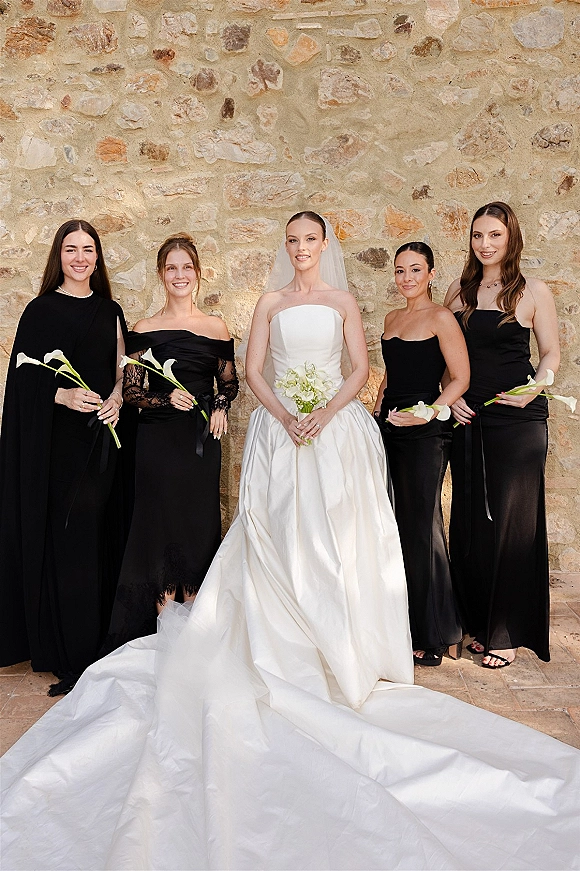
A black and red gown sets a dramatic palette that the wider wedding can echo. Deep red and black across the florals, the table settings, and the bridal party reads rich and cohesive, suited to a gothic, autumnal, or evening celebration. Gold accents warm the scheme and add a sense of luxury, while touches of white or burgundy provide contrast and depth. The palette reads strongest when it commits to the gown’s intensity rather than trying to lighten it, so dark florals and candlelight tend to suit it better than pastels.
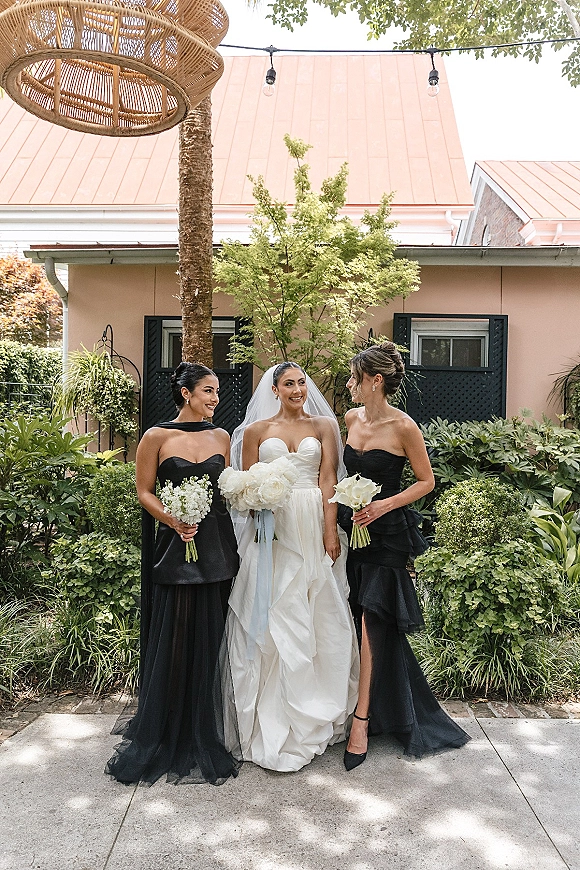
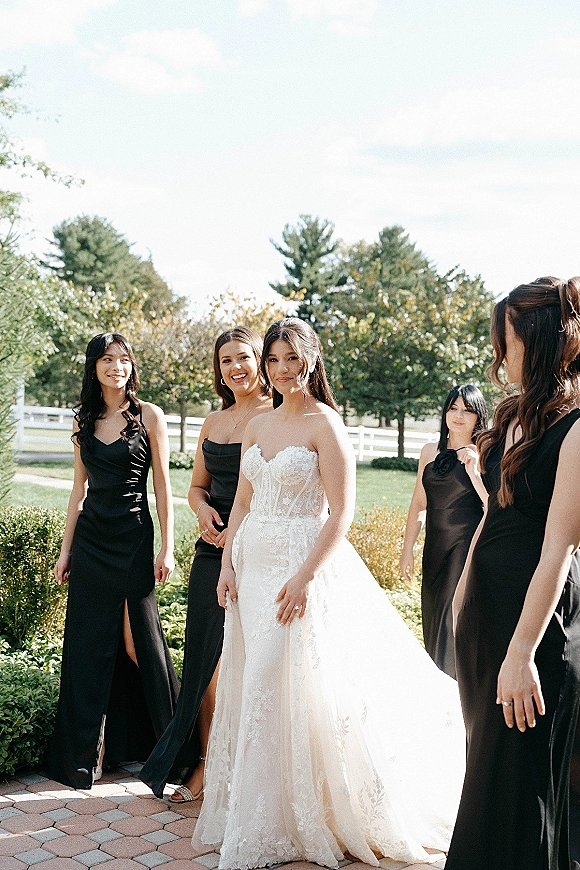
Bridesmaids in black, deep red, or a mix continue the gown’s scheme and frame the bride, while a single metallic accent keeps the look from reading too heavy. Stationery and details in black and red with gold foil tie the day together. Because the pairing carries such a strong mood, planning it through the whole palette ensures the gown reads as the centerpiece of a coherent, dramatic aesthetic rather than a bold dress set against a mismatched background.
Lighting and setting carry the palette further than color choices alone. Candlelight, dark linens, and dramatic floral installations amplify the gown’s mood, while a venue with rich architecture or low, warm light suits the pairing far better than a bright, airy space. Metallic accents in gold or antique brass add a glow that keeps a black and red scheme from reading severe, and touches of greenery or deep foliage soften the edges. Building the environment around the gown, rather than placing a dramatic dress in a neutral room, lets the black and red read as a deliberate, immersive aesthetic that carries through every part of the celebration. Even small choices like the lighting design and the entrance backdrop reward attention, since they frame the gown at its most photographed moments.
Black and Red in Photographs and Light
The black and red pairing rewards thinking about light, since the two colors behave differently across settings. In low and candlelit conditions, both deepen and read rich, the red glowing against the black for the moody effect the pairing is chosen for, which makes evening and indoor weddings its natural home. In bright daylight, a heavy black can flatten and the contrast can read stark, so brides marrying outdoors in full sun often favor a red-dominant gown with black accents rather than the reverse.
Fabric finish shapes this as well: a satin red against matte black throws a highlight that defines the silhouette, while an all-matte gown reads as a flatter field of color. An ombre gradient photographs with the most dimension when light can play across the layers, which a full tulle skirt provides. Seeing the gown in conditions close to your venue helps you judge whether the contrast reads as dramatic or heavy, and adjusting the ratio of black to red accordingly keeps the gown looking intentional in every photograph.
Black and Red as a Reception or Second Look
Black and red makes a powerful second look, worn for the reception after a white ceremony gown. The shift from a traditional white aisle moment to a dramatic black and red reception dress reads as a bold, intentional change of energy, letting a bride keep a classic ceremony while bringing full drama to the celebration. A black and red cocktail dress, a fitted gown, or a sleek slip gives freedom to dance while making a striking visual statement for the party.
This route appeals to brides drawn to the gothic, dramatic pairing who also want a white ceremony, letting them have both moods across one day. A shorter or sleeker black and red reception look photographs with energy against an evening setting and frees the bride from a heavy gown for dancing. Paired with statement jewelry, a bold lip, and dramatic shoes, the second look becomes its own fashion moment. Whether black and red is the main gown or the reception change, it brings a confident, dramatic character to the celebration that few other pairings can match.
Styling a Black and Red Wedding Dress
With two strong colors already in play, accessories should reinforce rather than add. Black shoes and a black veil deepen the gothic read, while a red lip ties the warm tone up to the face. Jewelry in jet, garnet, or dark gold suits the palette without introducing a competing color. For florals, deep red roses, black-dyed blooms, or burgundy dahlias hold the scheme, and dark foliage frames them. Keep metals warm, gold over silver, to echo the red. Our red wedding dress guide covers the symbolism behind the color, and you can compare gown construction across designers in the wedding dress directory.
Weddings That Suit Black and Red
The pairing reaches its full effect at evening and cooler-weather weddings, where the deep tones match low light and a richer setting. Gothic and dark-romantic themes are the natural home, along with Halloween celebrations and dramatic indoor venues like historic estates, candlelit halls, and industrial spaces. The colors also carry cultural meaning in some traditions, where red signals luck and joy, making the black-and-red gown a bridge between statement style and heritage. In bright daylight the contrast can read heavy, so outdoor daytime brides often choose a red-dominant gown with black accents rather than the reverse.
Frequently Asked Questions
What does a black and red wedding dress symbolize?
Black carries associations of elegance, formality, and drama, while red signals love, passion, and in some cultures luck and prosperity. Together they read as a bold, dark-romantic statement, which is why the pairing is popular for gothic and non-traditional weddings.
Should black or red lead the design?
A black-dominant gown with red accents feels mysterious and restrained, while a red-dominant gown with black detail feels fiery and forward. Brides marrying in bright daylight often choose red-dominant, since heavy black can read flat in full sun.
What is an ombre black and red wedding dress?
An ombre gown blends one color into the other with no hard seam, most often black at the bodice fading to red at the hem. The effect works best on layered tulle or chiffon ball gowns where the gradient has room to develop.
What silhouette suits a black and red gown?
Mermaid and trumpet cuts give the most figure-conscious drama, corseted bodices lean fully gothic, and full ball gowns suit ombre gradients. Sheer black paneling over red and detachable capes heighten the dark-romantic effect.
How do I style a black and red wedding dress?
Reinforce the palette rather than adding to it: black shoes and veil deepen the look, a red lip lifts the warmth, and jet or garnet jewelry suits the scheme. Choose deep red, burgundy, or black-dyed florals with dark foliage.
What weddings suit a black and red dress?
Evening and cooler-weather weddings, gothic and dark-romantic themes, and dramatic indoor venues suit the pairing best. The deep tones match low light and richer settings, where the contrast reads intentional rather than heavy.