What Is a Sheath Wedding Dress
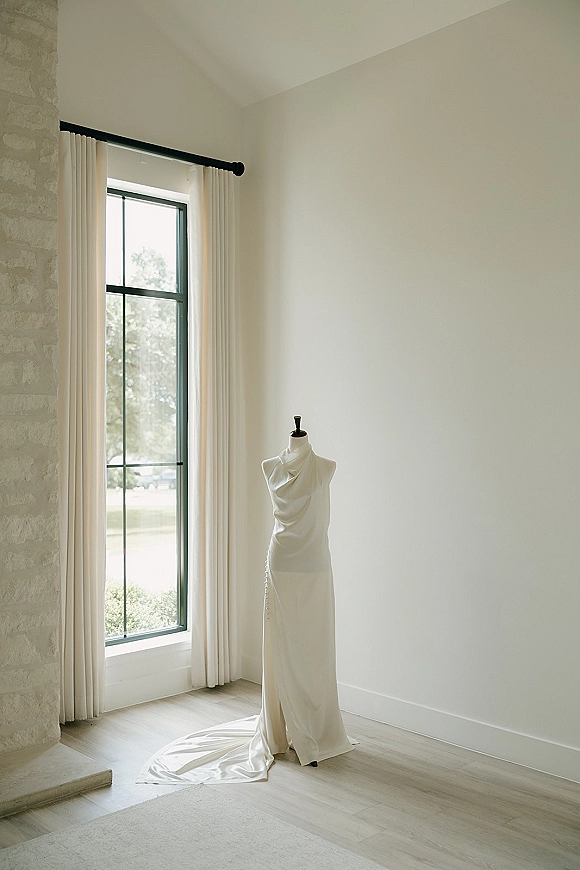
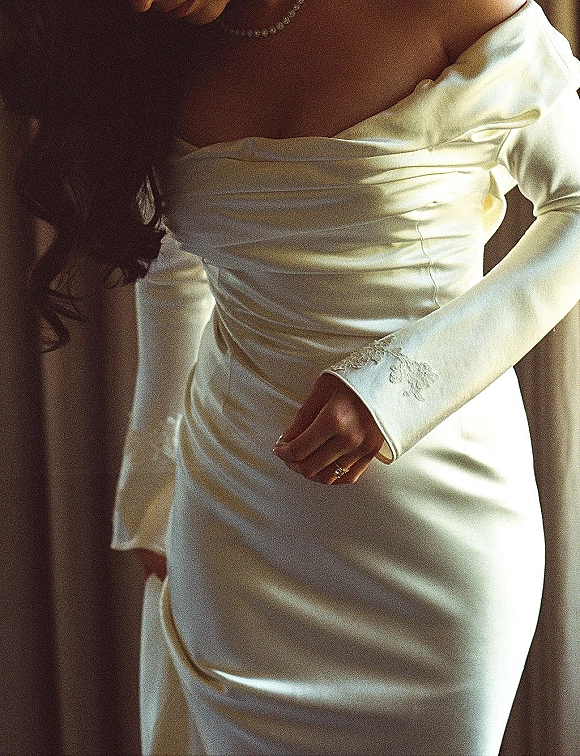
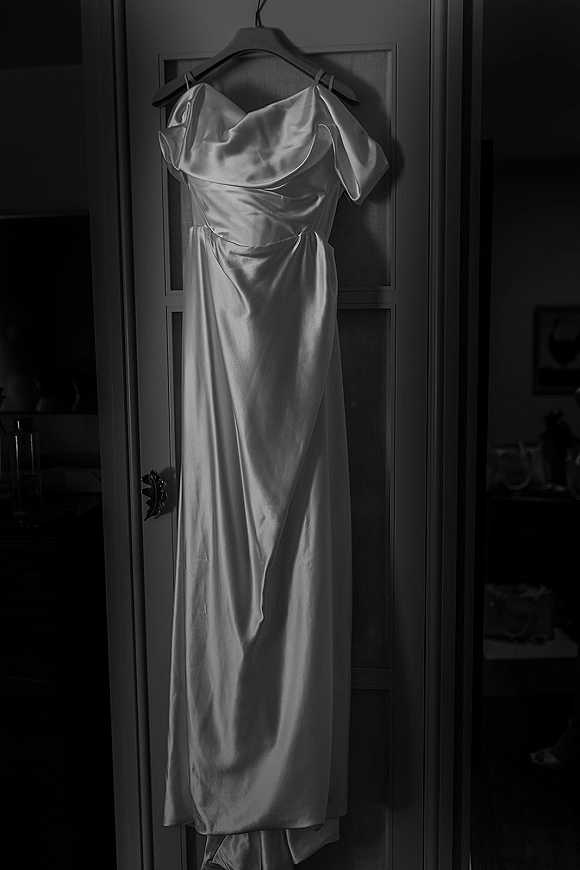
A sheath wedding dress has a skirt that falls straight from the hips to the floor, tracing the body’s natural contours without adding volume. It is a relaxed yet form-fitting silhouette that loosely skims the figure, keeping the defining curves of the shape while allowing easy movement. Unlike a fit-and-flare or A-line, the sheath does not break into a flare: the line stays narrow from top to hem.
The result is a gown that reads sleek and understated, with the cut and fabric doing the work rather than ornament or structure. Brides choose it for the clean, modern line and for the freedom of movement that a narrow, unflared skirt allows. Because there is no flare or crinoline to manage, the sheath is among the lightest and easiest silhouettes to wear across a long day.
The cut relies on precise tailoring rather than internal structure, so the gown follows the body through soft darts and seams rather than boning. This is what gives the sheath its relaxed, modern feel and what separates it from the corseted or heavily boned construction of more structured silhouettes.
Because nothing about the silhouette is exaggerated, the sheath flatters by proportion and line rather than by shaping the body into a new form, which appeals to brides who want to look like themselves rather than dramatically reshaped.
Sheath vs. Column: The Difference
Sheath and column are close cousins, and the SERP often pairs them, but they read slightly differently. Both trace the body and create long, fluid vertical lines from the bodice to the floor. A sheath usually has a more relaxed fit with slightly softer shaping that gently skims the figure, while a column gown tends to read straighter and more structured, holding a stricter vertical line with less give through the hip.
In practice, the column is the more architectural version and the sheath the softer one, and many gowns labeled sheath column wedding dress sit between the two. If you want the cleanest, most minimal vertical line, lean column; if you want the same narrow silhouette with a touch more softness and movement, lean sheath. Both pair well with a fitted wedding dress sensibility for brides who want a streamlined, body-skimming look without a dramatic flare.
The terms are used interchangeably often enough that the distinction matters most at a fitting, where you can see whether a given gown skims softly or holds a stricter line. If a bride prefers a little ease and movement through the hip, the sheath cut delivers it; if she wants the most exacting vertical line, the column is the stricter version of the same idea.
Lace Sheath Gowns
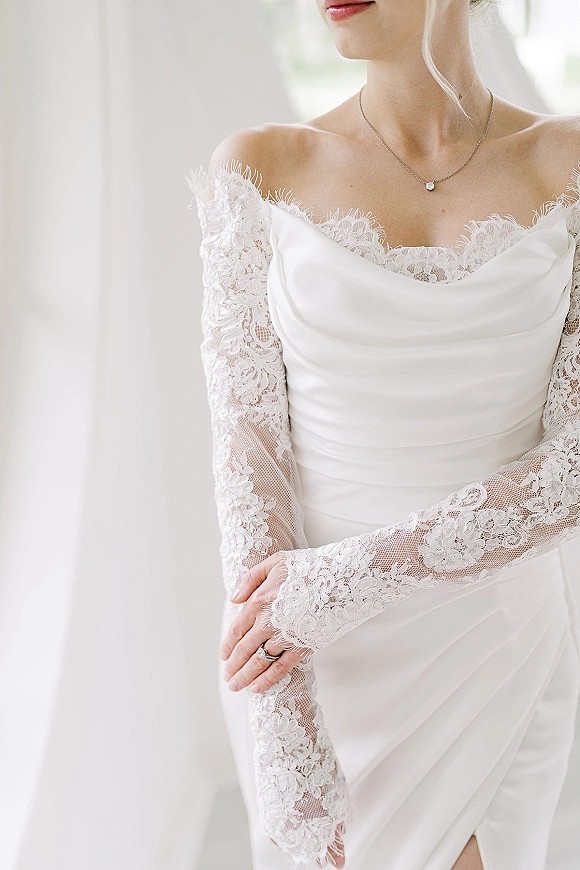
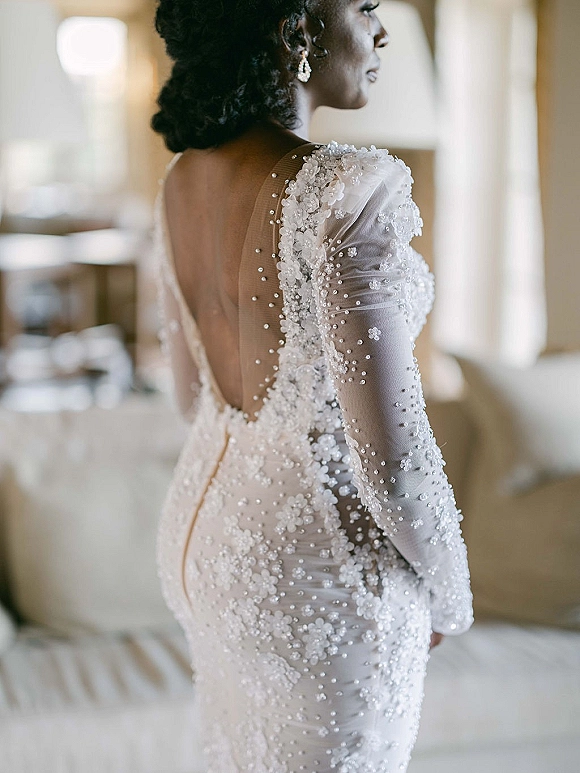
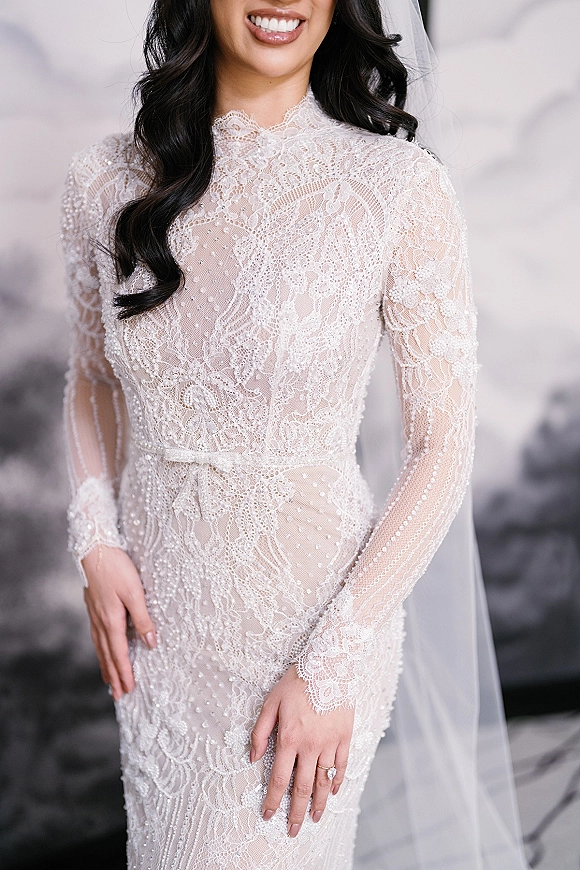
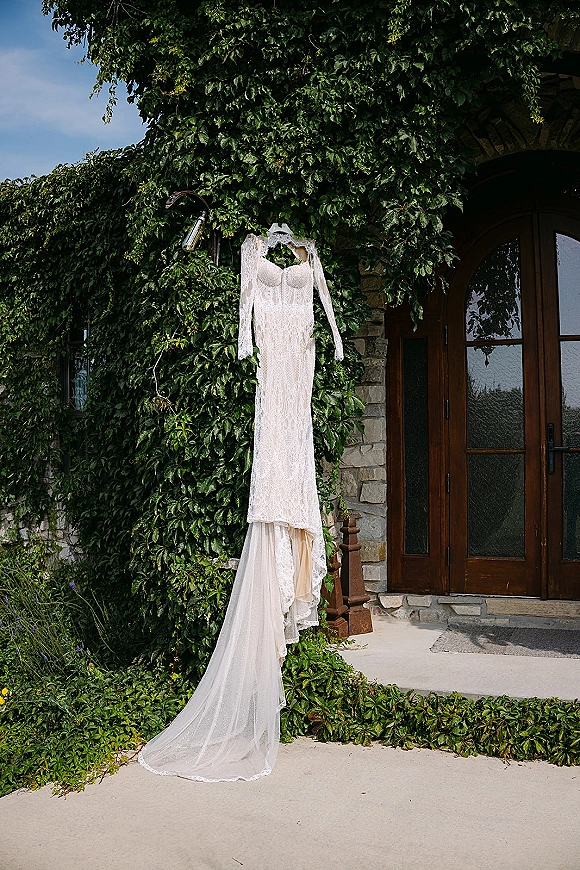
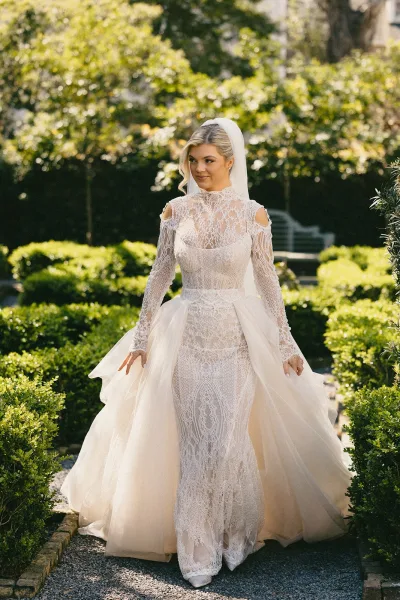
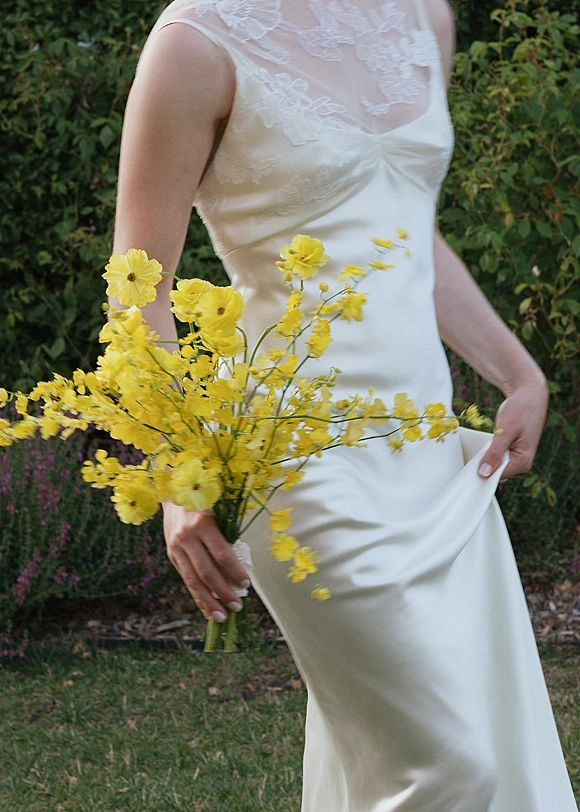
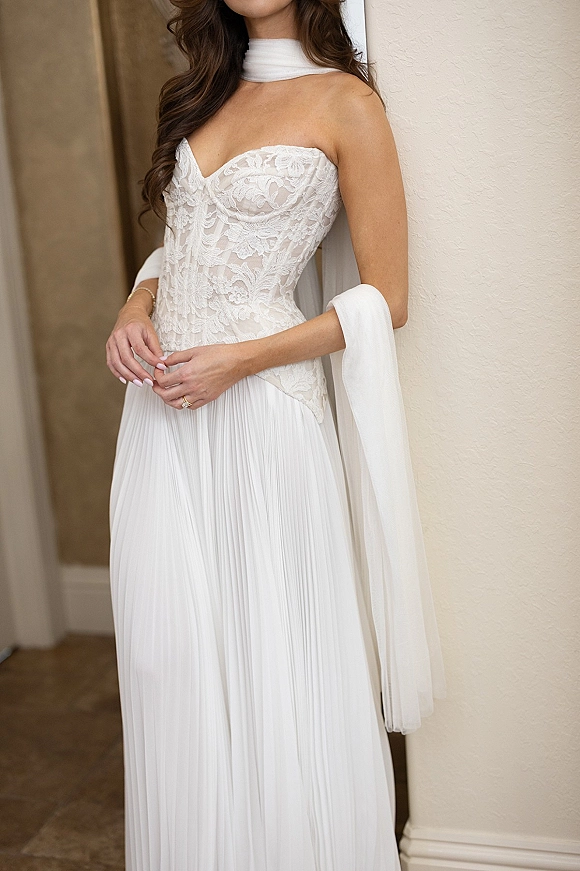
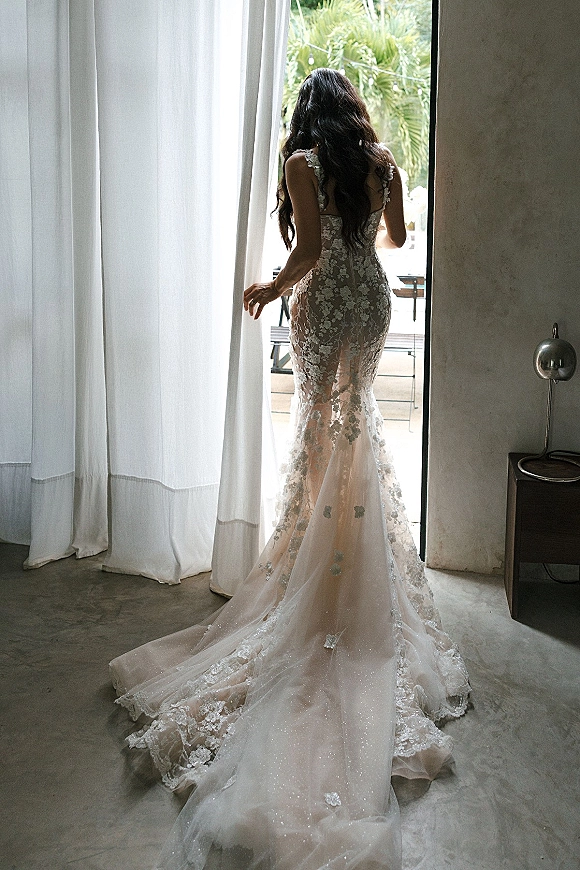
Lace transforms the minimal sheath into something romantic without adding bulk. A lace sheath wedding dress carries an allover lace overlay along the narrow line of the gown, letting the pattern follow the body from bodice to hem, or uses placed appliqué to concentrate texture at the bodice while the skirt stays clean. Because the silhouette is unflared, lace reads as surface detail rather than as volume, which keeps the look streamlined.
This makes lace a popular way to soften the sheath for brides who want the clean line with heirloom texture, particularly in Chantilly or a fine corded lace that lies flat against the narrow cut. A scalloped lace hem or a lace-trimmed slit adds a finished detail without disturbing the vertical line.
Long Sleeves and Necklines on a Sheath
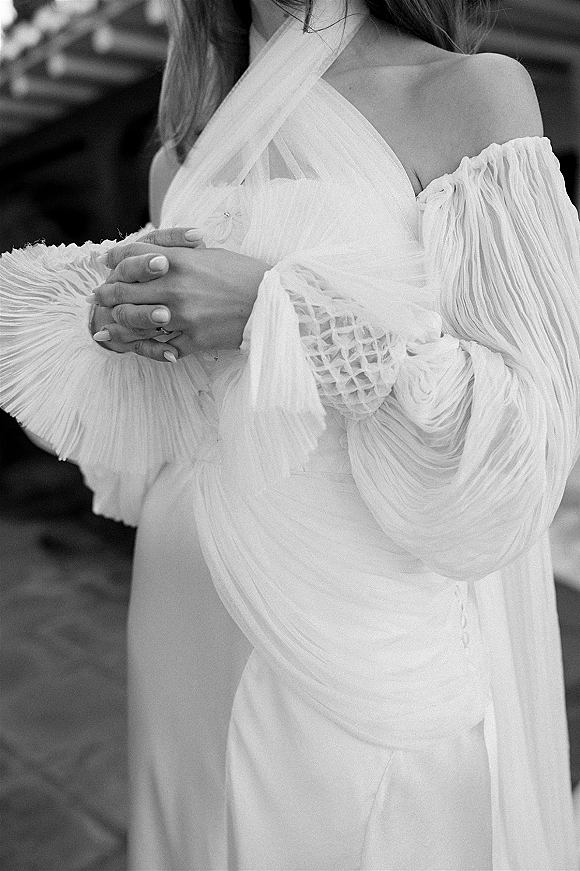
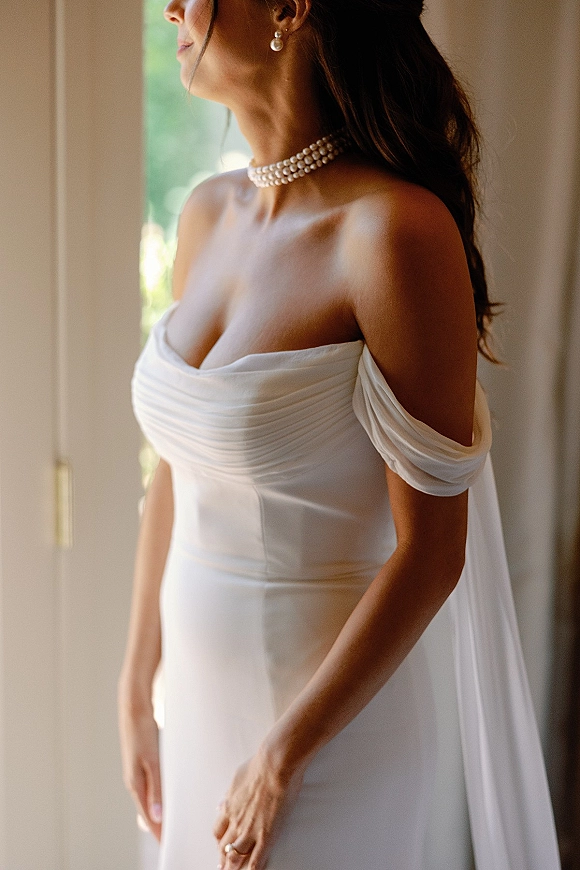
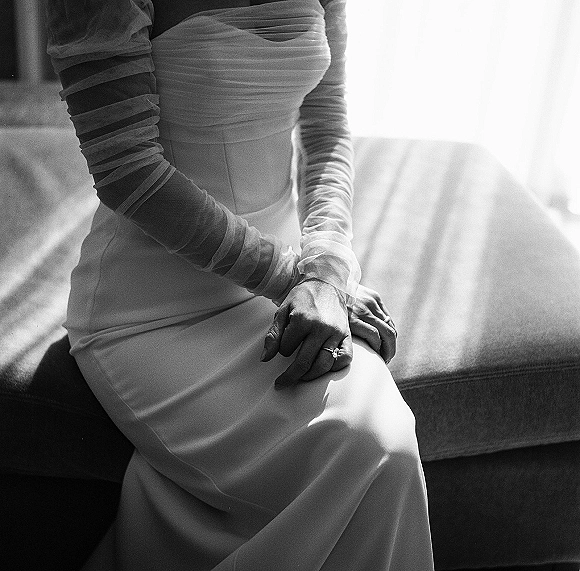
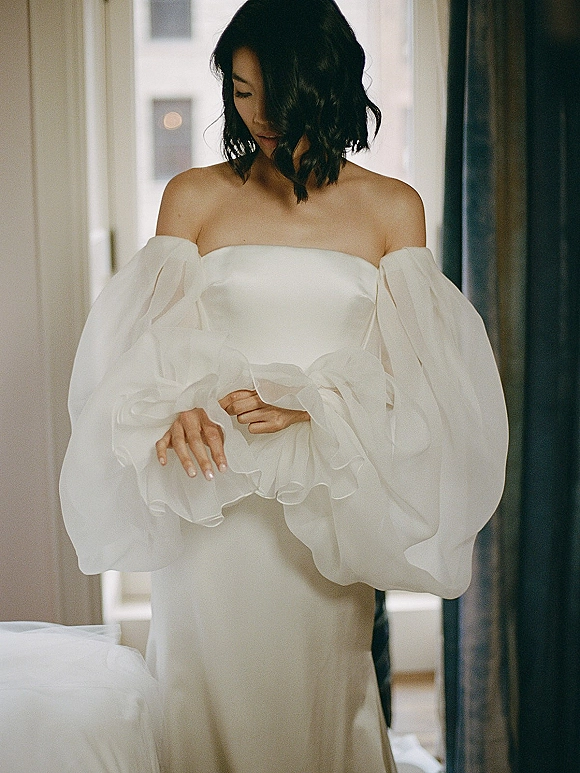
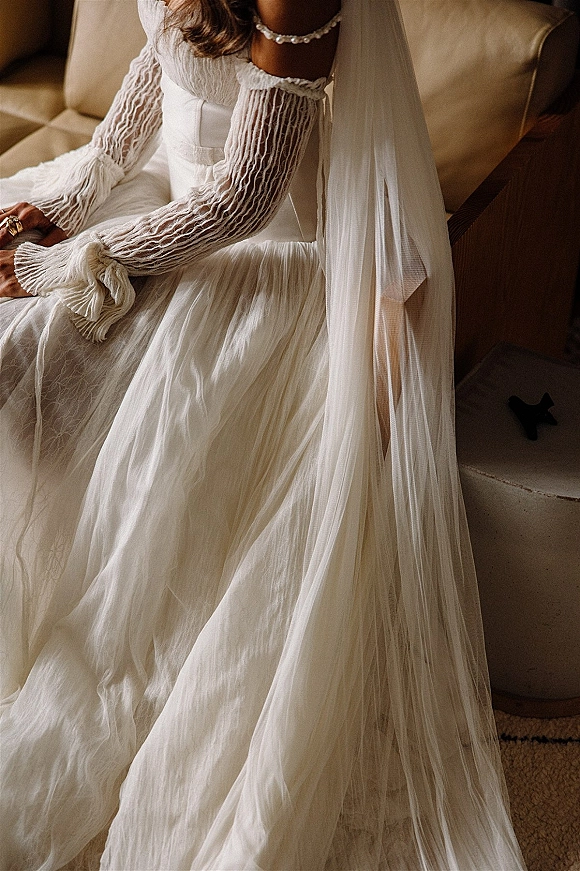
The sheath’s clean line carries a wide range of necklines and sleeves because the silhouette is uncomplicated below. A long sleeve sheath wedding dress pairs the narrow skirt with lace or illusion sleeves for a covered, refined look that suits a winter wedding or a more formal setting. Strapless, off-the-shoulder, V-neck, halter, and high necklines all work, each shifting the focus while the body of the gown stays the same.
Because there is no flare or volume to balance, the neckline and sleeves become the defining style choice on a sheath, which is why the same narrow gown can read minimal in a strapless cut and romantic with long lace sleeves. A high neck or halter draws the eye up and emphasizes the gown’s vertical, elongating line.
Fabrics: Crepe, Satin, and Simple Sheath Styles
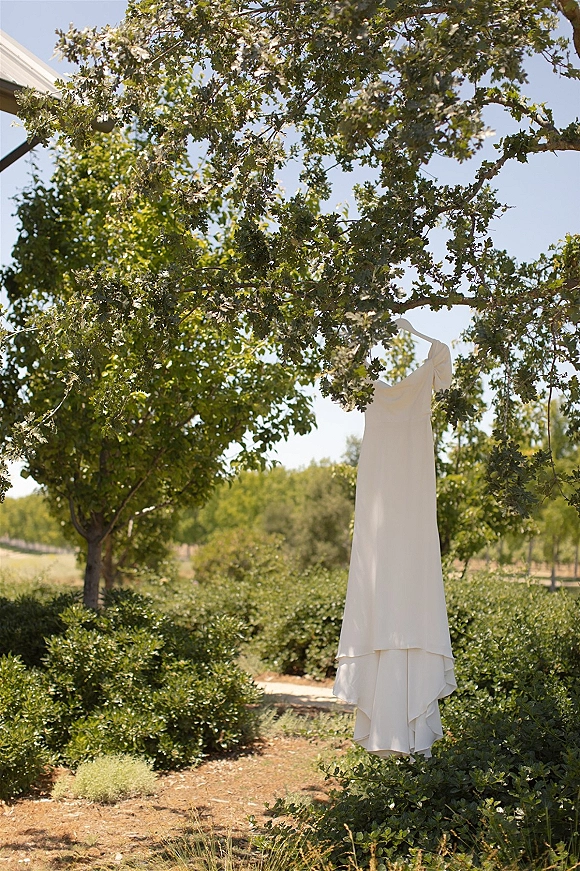
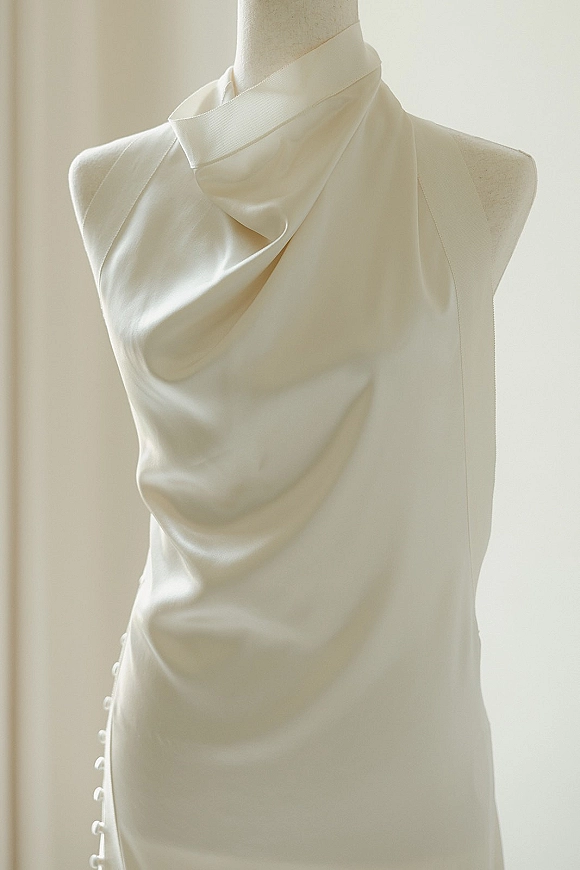
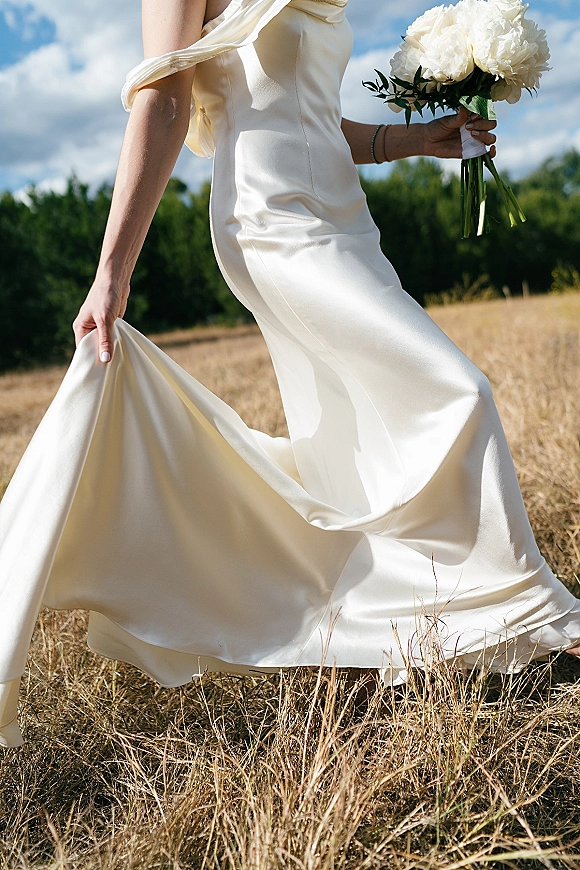
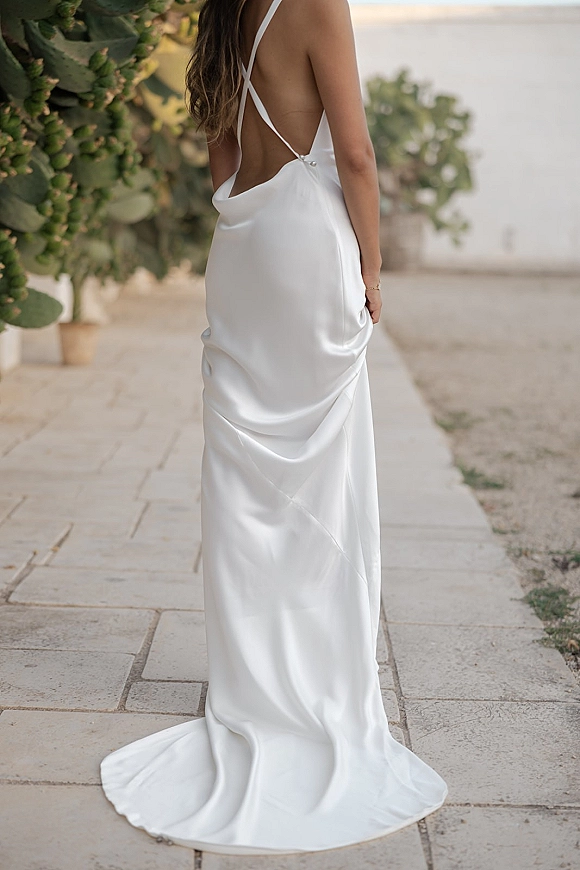
Fabric carries the sheath because the cut is so clean. Crepe is the signature choice: matte, fluid, and structured enough to hold the narrow line while skimming the body, giving the modern, architectural look the silhouette is known for. A satin sheath wedding dress adds a polished, light-catching surface for a more formal effect, while charmeuse drapes softly along the body for a fluid, second-skin result.
A simple sheath in unadorned crepe or satin lets the line and the fabric carry the entire gown, which suits a bride who wants impact through silhouette rather than detail. Because the gown is narrow and close to the body, the fabric’s behavior shows clearly, so a structured crepe holds a crisper vertical line while a softer silk reads more relaxed and draped.
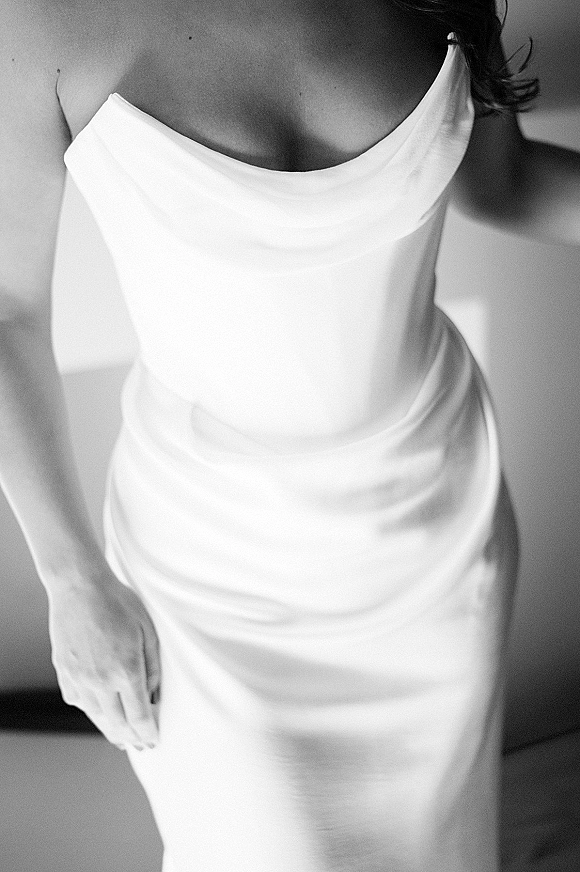
Because the silhouette carries so little ornament, the weight and hand of the fabric become the design. A heavier crepe holds the line away from the body for a cleaner column, while a fluid silk follows every contour, so the same pattern can read minimalist or sensual depending entirely on the cloth.
Sheath for Body Type and Setting
The sheath flatters by elongating the frame: the unbroken vertical line draws the eye from bodice to hem and lengthens the silhouette, which suits petite and tall brides alike. It skims rather than clings, so it follows the natural shape without the close structure of a mermaid wedding dress, making it comfortable across body types. Brides who want a defined figure without boning or a fitted thigh often land on a sheath.
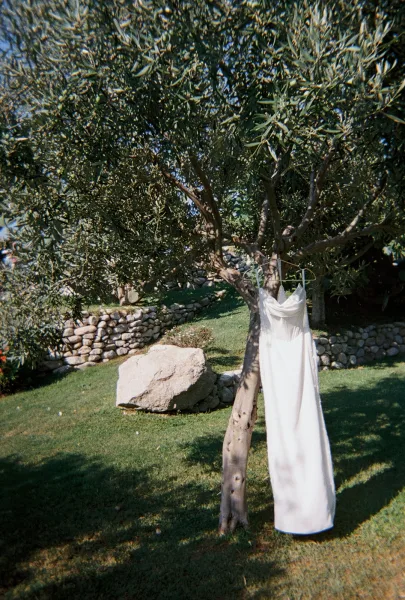
The silhouette is also a practical favorite for intimate ceremonies and destination weddings: it is light, easy to move in, and packs and travels better than a structured ball gown, while still reading polished and bridal. Its airy, lightweight build suits warm-weather and outdoor settings, and the clean line photographs well in any setting. Browse the wedding dress designers in the directory to compare sheath and column cuts.
Adding a Slit, Overskirt, or Train to a Sheath
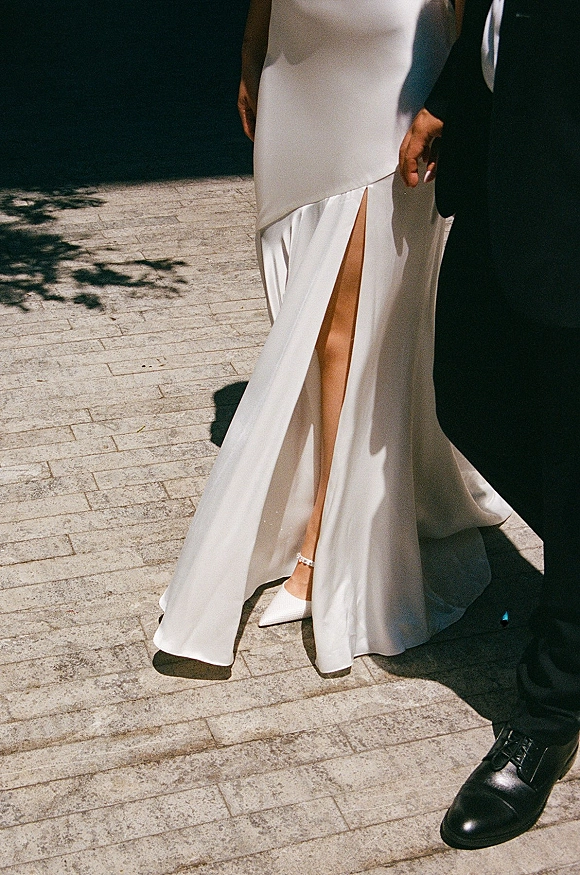
Because the sheath is a clean, narrow canvas, it takes additions well without losing its line. A front or side slit adds ease of movement and a modern edge, and it solves the one limitation of a narrow skirt by giving the legs room to stride. A detachable overskirt or a sweep train can be added over the sheath for the ceremony and removed for the reception, giving a more formal look up the aisle and a streamlined gown for dancing.
These additions keep the sheath versatile across the day. A bride can wear the bare, body-skimming line for the reception while adding drama for the ceremony, which is part of why the silhouette appeals to brides who want one gown to read two ways.
The Sheath as a Minimalist and Modern Choice
The sheath is the go-to silhouette for a minimalist bride because its clean line needs no ornament to read complete. A bias-cut sheath in silk crepe drapes along the body for a quietly modern look that has long been associated with understated, fashion-forward bridal style, letting the cut and the fabric carry the gown entirely. The absence of beading or lace is the point, not a compromise.
This restraint is also what makes the sheath read contemporary. Where a heavily embellished ball gown signals tradition, a narrow, unadorned sheath signals modern simplicity, which is why it has become a favorite for city hall ceremonies, second looks, and design-minded brides who want a gown that feels current rather than ceremonial.
Sheath vs. Slip Dress
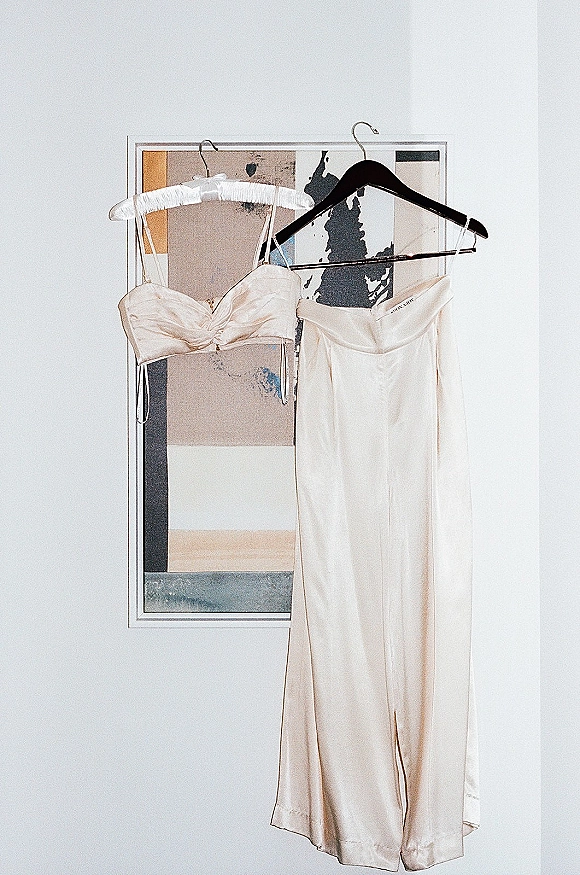
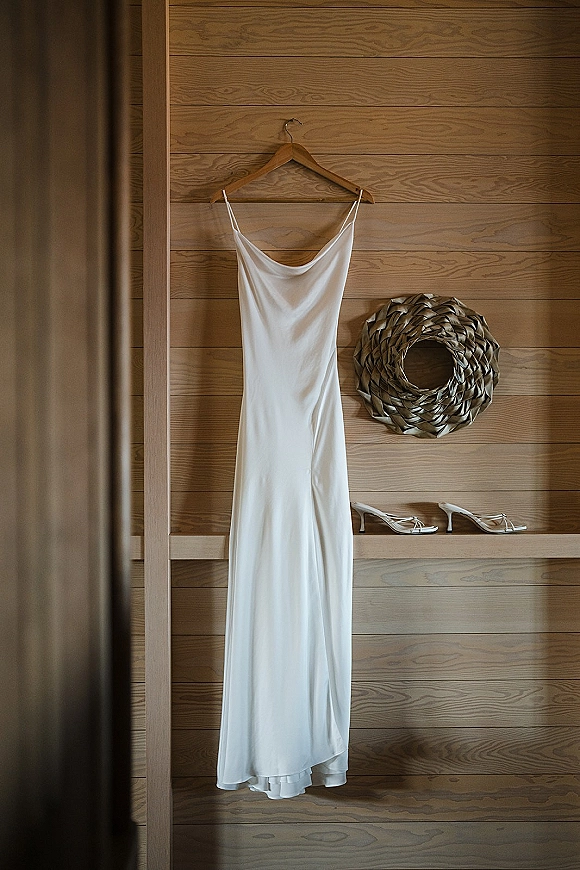
A slip dress is a type of sheath, cut on the bias from a fluid fabric so it drapes and skims the body with a soft, lingerie-inspired ease. A structured sheath in crepe holds a cleaner, more defined line, while a bias-cut slip follows every contour and moves with the body. Both share the narrow, unflared silhouette, so the difference is in the fabric and the cut rather than the overall shape.
A bride choosing between them is choosing between structure and drape. The slip reads relaxed and modern and suits an intimate or fashion-forward wedding, while a crisper sheath reads polished and holds its line for a more formal setting.
Sheath Gowns for a Second Look or Elopement
The sheath is a favorite second-look gown because it is easy to change into and easy to move in, letting a bride switch from a fuller ceremony gown into a sleek silhouette for dancing. Its narrow line packs and travels well, which is the same quality that makes it a leading choice for elopements and destination ceremonies where a bride may carry the gown herself.
For a courthouse or city hall wedding, the sheath reads appropriately understated while still feeling bridal, and a shorter sheath or a tea-length version suits these settings especially well. The silhouette’s versatility across formal and casual settings is one of its defining strengths.
Necklines and Backs on a Sheath
Because the sheath is so clean below, the neckline and back carry the personality of the gown. A plunging V or a cowl neck adds a modern, fashion-led edge, a high or halter neck elongates the line, and a square neckline reads contemporary and structured. The back can be left low and open to balance a higher front, a detail the close-fitting silhouette frames cleanly.
This is why two sheath gowns in the same fabric can read completely differently: with all the interest at the neckline and back, small changes there reshape the whole look while the body of the gown stays simple.
Sheath Lengths: Floor, Tea, and Short
The sheath translates across lengths better than fuller silhouettes because its narrow line stays clean whether it reaches the floor or stops higher. A floor-length sheath reads formal and elongating, a tea-length version reads retro and playful, and a short sheath suits a courthouse ceremony, a rehearsal dinner, or a reception change. The unbroken vertical line flatters at any length.
Shorter sheaths also show off shoes and read modern and relaxed, which suits an elopement or a second look. The silhouette’s simplicity is what lets it shift lengths without losing its identity, since there is no flare or volume that depends on reaching the floor.
Layering a Sheath with a Jacket, Cape, or Overskirt
The clean sheath line is an ideal base for layering. A structured blazer or a cropped jacket turns a sheath into a modern, fashion-led look for a city wedding, while a sheer cape or a draped overlay adds softness and movement for the ceremony. Because the gown beneath is simple, these layers read as deliberate styling rather than clutter.
A detachable overskirt is the most transformative layer, giving a fuller, more formal shape for the aisle that lifts away to reveal the sheath for dancing. This versatility lets a bride wear two distinct looks from one streamlined gown.
Caring for a Bias-Cut Sheath
A bias-cut or fluid sheath asks for a little care because the soft fabric that makes it drape so well also shows handling. Steaming smooths the line, a padded hanger preserves the shape, and the gown moves best when it is left to fall rather than gathered. These are small considerations for a silhouette that needs no structure or crinoline to look complete.
The payoff is a gown that is light and easy to wear all day. Without boning, layers, or volume to manage, the sheath is among the most comfortable silhouettes once it is fitted to the body, which is part of its appeal for travel and warm-weather weddings.
Shoes, Hems, and Finishing a Sheath
The clean sheath line draws attention to the hem and the shoes, so both are worth settling early. A hem set just at the floor keeps the vertical line uninterrupted, while a slightly shorter hem shows the shoe and reads modern. Because the silhouette is simple, a statement shoe or a delicate sandal becomes part of the look rather than an afterthought, and the heel height should be chosen before the hem is finished.
Frequently Asked Questions
What is the difference between a sheath and a column wedding dress?
Both trace the body in a long, narrow vertical line with no flare. A sheath has a slightly more relaxed fit with softer shaping that gently skims the figure, while a column reads straighter and more structured, holding a stricter vertical line. The two are close enough that many gowns are described as sheath column styles.
What is the difference between a sheath and an A-line wedding dress?
A sheath falls straight from the hip to the floor, tracing the body without added volume. An A-line flares out gradually from the waist into a wider skirt. The sheath reads narrow and body-skimming, while the A-line adds fullness and a more traditional bridal shape below the waist.
What body types suit a sheath wedding dress?
The sheath suits a wide range of body types because it skims rather than clings. Its unbroken vertical line elongates the frame, flattering both petite and tall brides, and it follows the natural shape without the close hold of a mermaid. Brides who want a defined silhouette with comfort and movement often choose it.
Can you walk easily in a sheath wedding dress?
Yes. Because the sheath skirt is narrow but not tightly fitted through the thigh like a mermaid, it allows comfortable movement and a natural stride. Some sheath gowns add a slit or a softer fabric for extra ease. The relaxed fit is one reason the silhouette is popular for destination and intimate weddings.
What fabric is best for a sheath wedding dress?
Crepe is the signature sheath fabric because it is matte, fluid, and structured enough to hold the clean vertical line while skimming the body. Satin adds polish and a light-catching surface, charmeuse drapes softly for a second-skin effect, and lace adds texture without volume. The fabric sets whether the gown reads soft and draped or sleek and architectural.
Is a sheath wedding dress good for a destination wedding?
Yes. The sheath is a favorite for destination and intimate weddings because it is light, easy to move in, and travels well compared with a structured ball gown. Its clean, body-skimming line reads polished and bridal while keeping comfort and packability, which suits beach, garden, and travel settings.