What a Gold Wedding Dress Brings
A gold wedding dress is a gown where gold, usually as a metallic finish or embellishment, is the dominant effect, and it reads as the most glamorous and festive of bridal colors. Gold catches and throws light in a way flat colors cannot, so the gown changes constantly with movement and lighting. The shade carries associations of luxury, celebration, and in many cultures prosperity and good fortune, which makes it a favorite for festive and culturally rich weddings. Gold ranges from barely-there metallic sheen to full sequin shimmer, and that intensity is the main decision.
Sequined and Metallic Gold Gowns
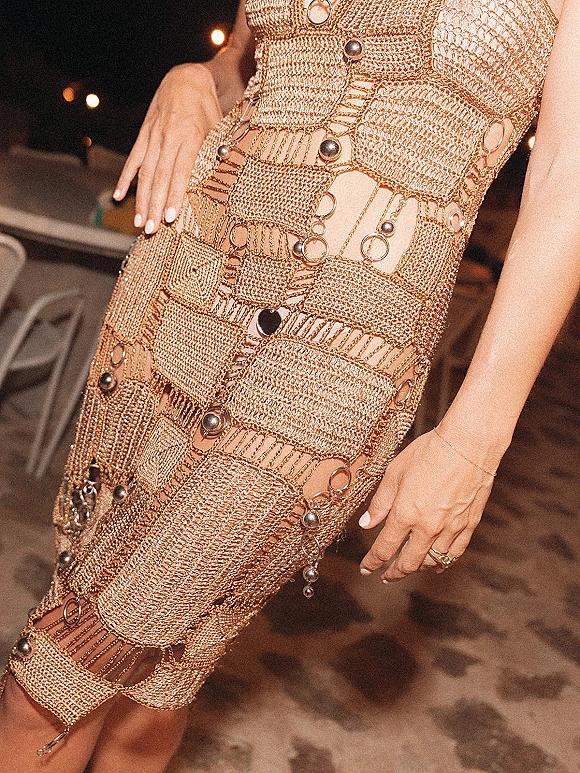
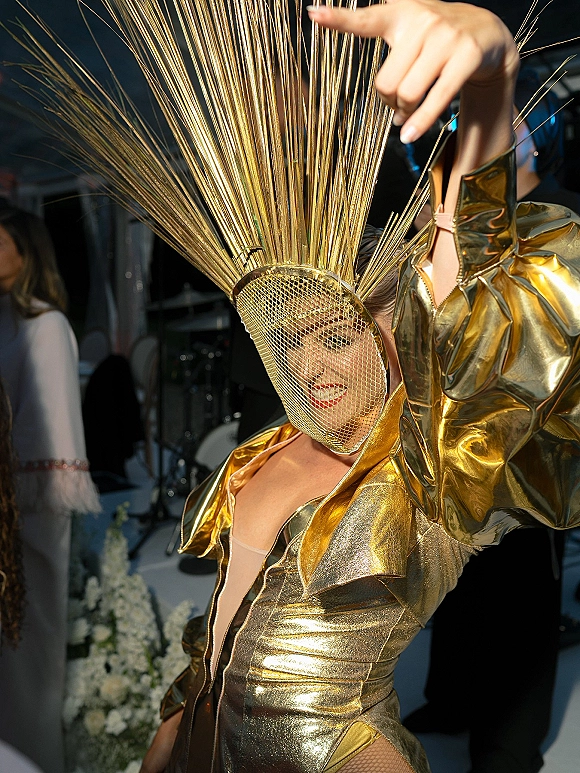
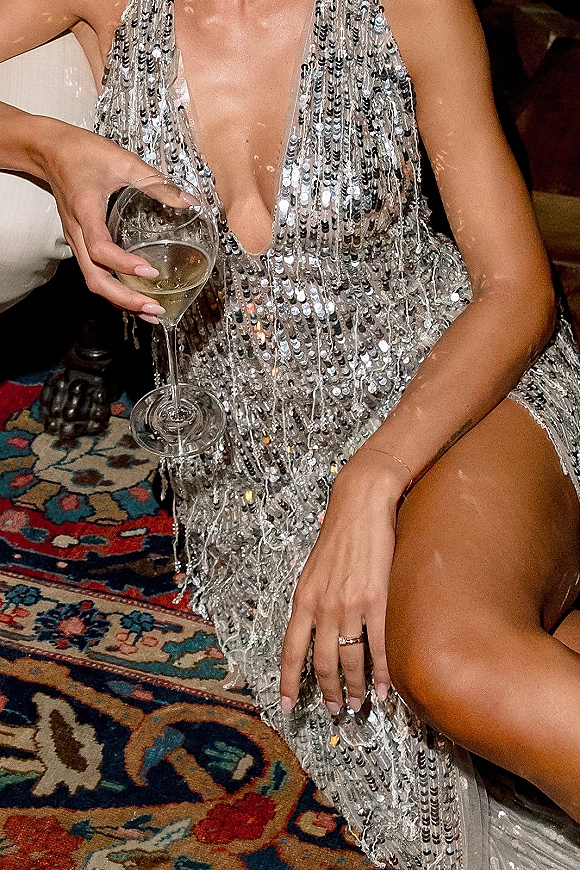
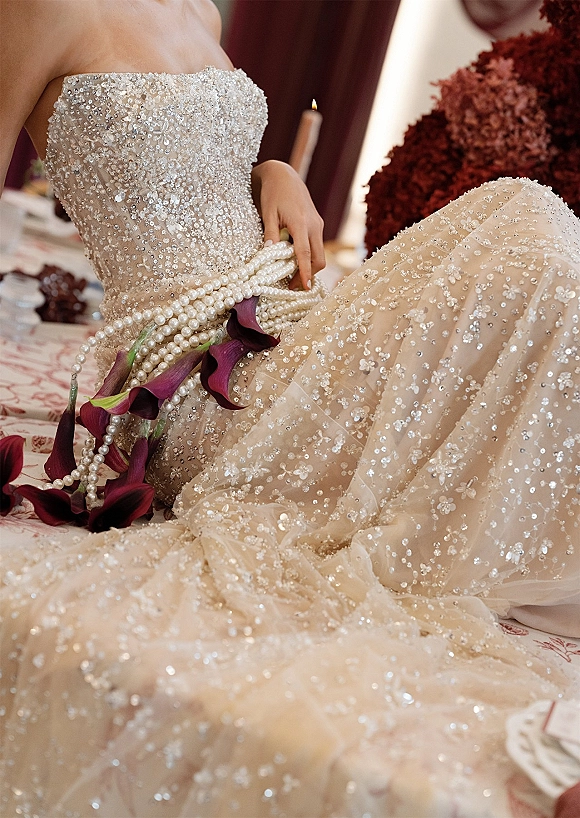
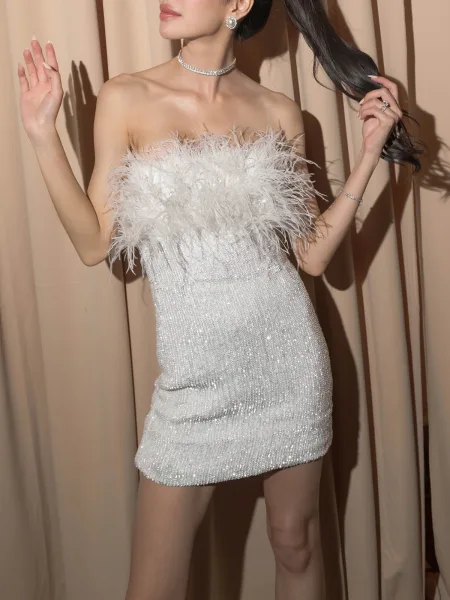
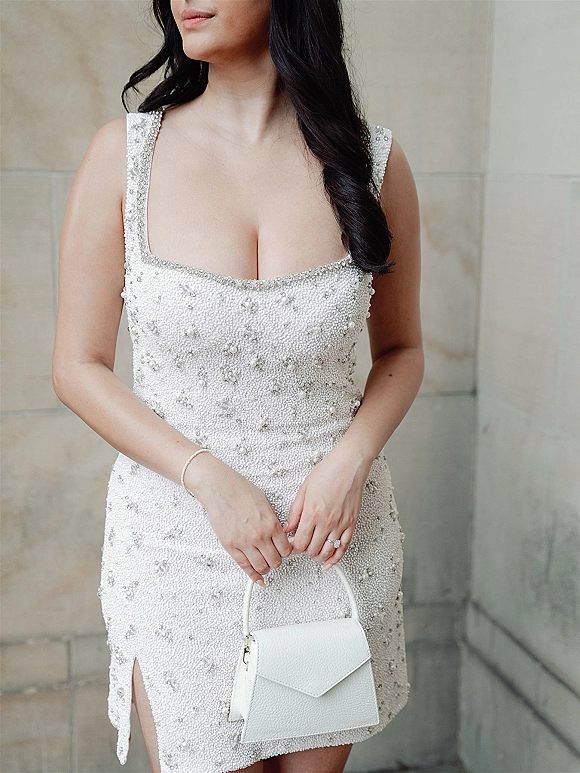
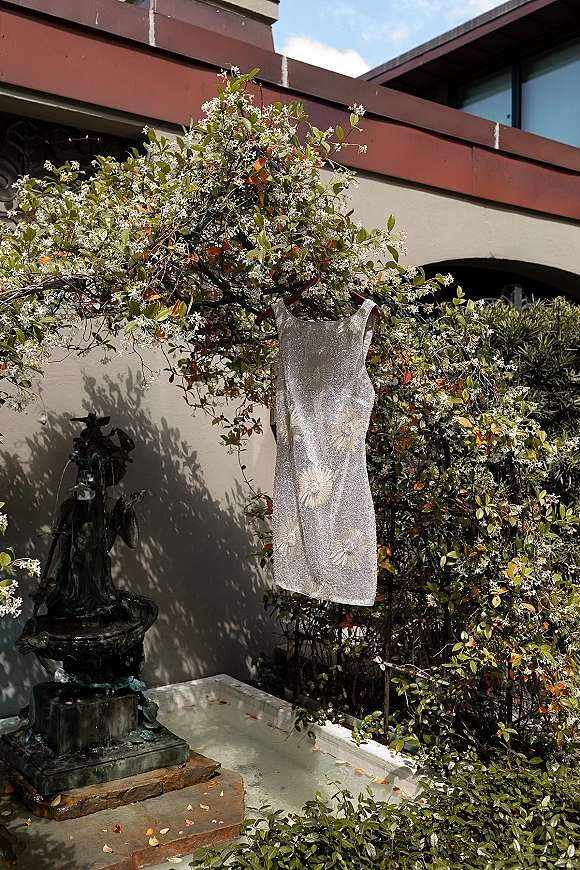
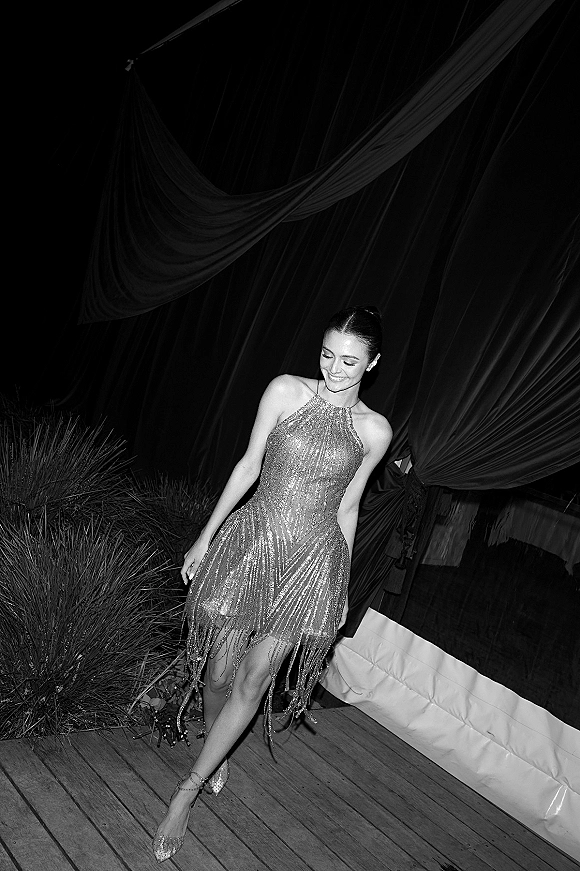
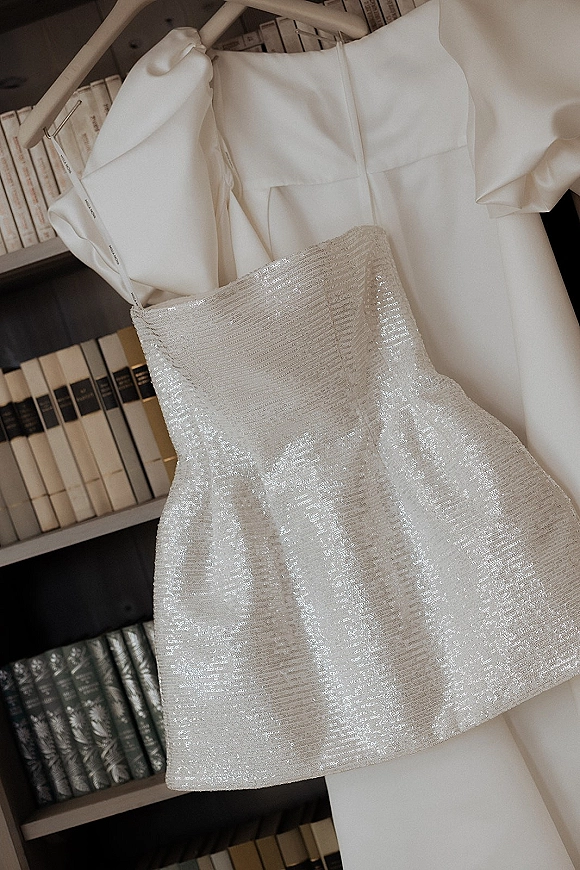
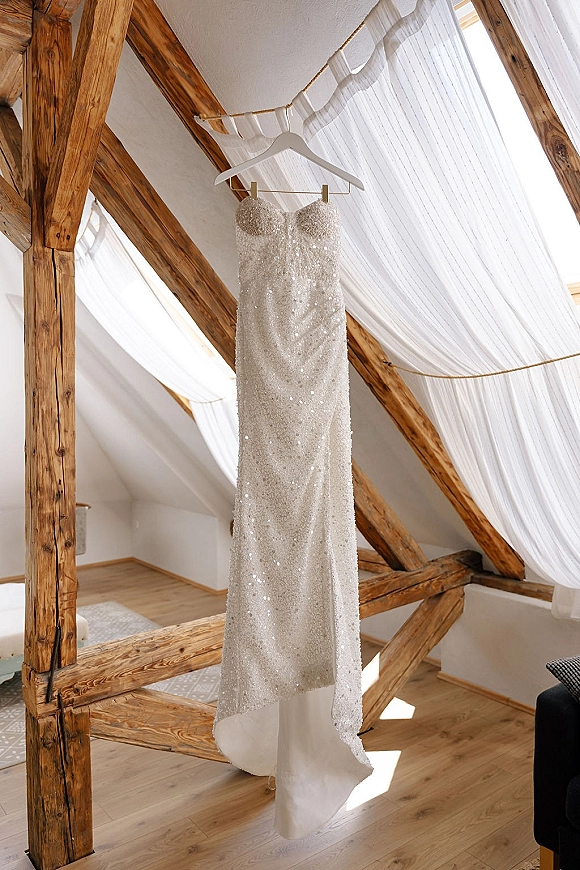
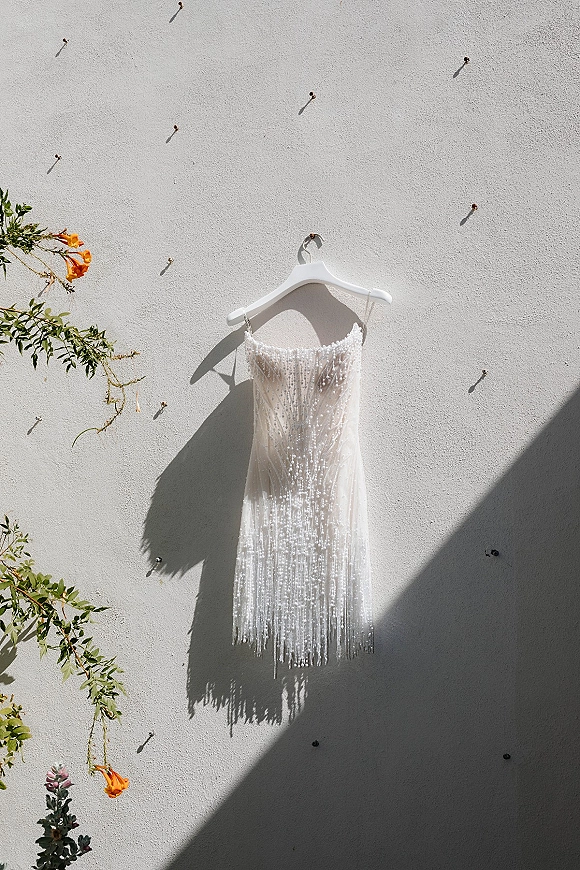
The fullest expression of gold is all-over sparkle. A fully sequined gold gown reads as pure glamour, the surface shifting from matte to brilliant as the light moves, ideal for evening and black-tie receptions. Beaded and metallic embroidered gowns give a more textured, couture version of the shine, with hand-beaded bodices and fringe layers adding movement. For a subtler effect, a metallic gold satin or lamé carries the color as a smooth sheen rather than sparkle, and gold thread woven through lace or tulle adds a gentle shimmer. The amount of sparkle sets whether the gown reads festive or refined.
White Gold and Champagne Gold Shades
Not every gold is deep and brassy. White gold and pale gold read as a cool-warm metallic that stays close to a bridal neutral, giving shine without committing to a bold color, the gentlest way to wear gold. Champagne gold sits a step warmer, blending the metallic with champagne’s soft beige for a luminous, wearable glow. These lighter golds suit brides who want a metallic effect that still reads bridal, and they pair seamlessly with ivory and blush. For the warm neutral beside it, see our champagne wedding dress collection, and for the cool classic alternative the ivory wedding dress looks.
Black and Gold Wedding Dresses
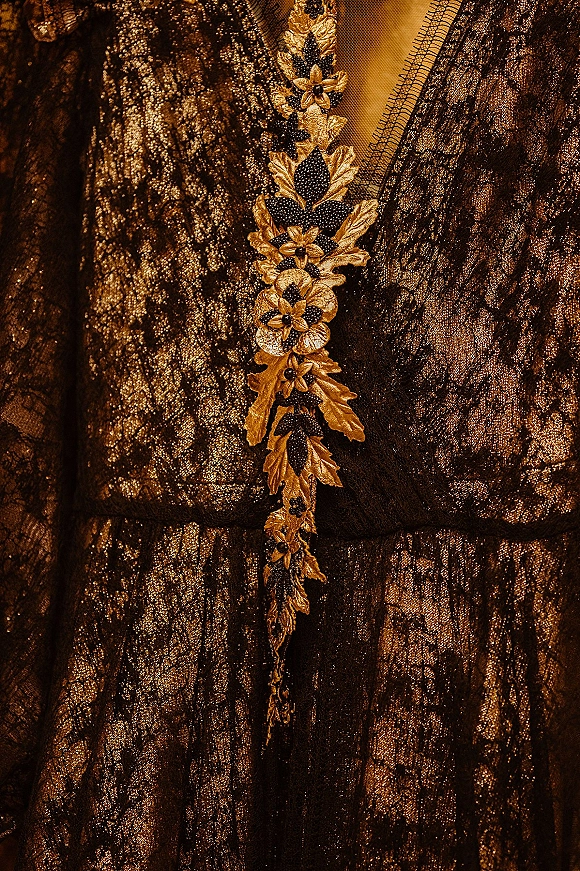
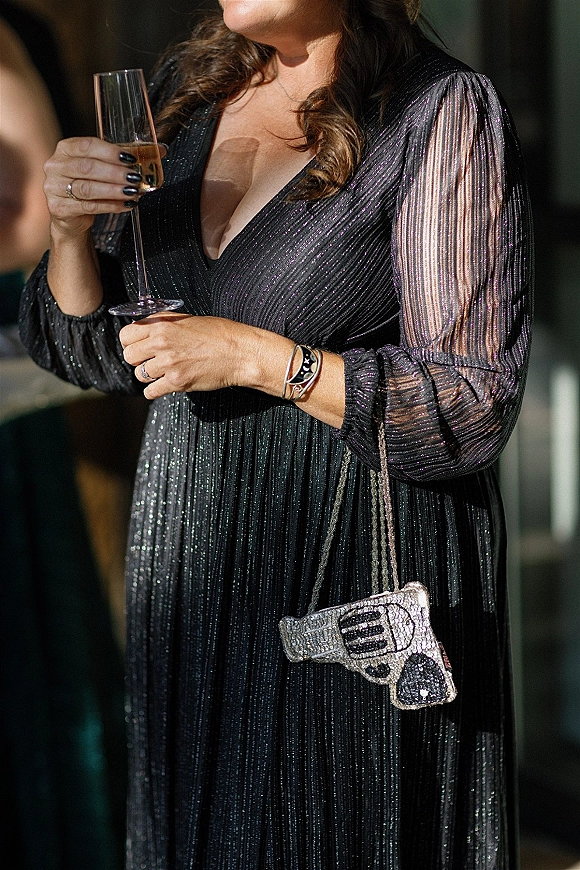
Pairing gold with black is the most dramatic way to wear the metallic. Gold sequins, embroidery, or lamé against a black base read as opulent and high-contrast, the gold glowing all the brighter for its dark ground. This pairing suits formal evening and black-tie weddings and gives a gothic-glamour edge that all-gold lacks. The black grounds the shine so the gown reads sophisticated rather than purely festive. For the single-color drama behind this pairing, see our black wedding dress collection.
Fabrics and Silhouettes for Gold
Gold lives in its finish more than its weave. Sequin and beaded fabrics carry the fullest shine, metallic lamé and brocade give a smooth or patterned sheen, and gold-threaded lace and tulle add subtle shimmer over a base color. For silhouette, a sleek column or sheath lets a metallic gold read as modern and sculptural, a fit-and-flare adds movement that animates the shine, and a ball gown turns gold fully opulent. Heavier beadwork suits structured bodices that support the weight. Compare how designers render gold across finishes in the wedding dress directory.
Gold Across Cultures and Celebrations
Gold carries deep meaning in many wedding traditions, which gives a gold gown resonance beyond its shine. In South Asian weddings gold is woven through the bride’s lehenga or sari and her jewelry, symbolizing prosperity and auspicious beginnings. Across many cultures gold signifies wealth, divinity, and celebration, making a gold or gold-embroidered gown a natural choice for couples honoring that heritage. Even in western fashion, gold reads as the color of festivity and luxury, suited to milestone celebrations and grand receptions. A bride drawn to gold can lean into this richness with full metallic embroidery and beadwork, or keep it subtle with a single gold-threaded detail, letting the color carry as much ceremonial weight as she wants.
Gold for Your Setting
Gold reaches its full effect where there is light to catch. Evening and black-tie receptions are its natural home, the metallic surface coming alive under chandeliers, candlelight, and string lighting in a way it cannot in flat daylight. Ballrooms, hotels, and grand historic venues suit the shine, their own gilded detail echoing the gown. In bright outdoor sun a heavily sequined gold can read as almost too brilliant, so daytime brides often choose a softer brushed or champagne gold, or a gown with gold detailing over a base color rather than head-to-toe metallic. Matching the intensity of the gold to the light in your venue keeps the gown reading as elegant rather than overwhelming.
Gold by Wedding Style
Gold suits weddings with a sense of occasion and celebration. For a formal or black-tie wedding, a fully sequined or beaded gold gown reads as glamorous and luminous, a statement that matches the dress code in the room. For a culturally rooted wedding, gold appears woven through traditional attire and jewelry, symbolizing prosperity and auspicious beginnings. For a glamorous evening or new-year celebration, gold brings festivity and shine that few other colors can match.
For a destination or warm-weather wedding, a lighter brushed or champagne gold reads relaxed in sunlight, while a winter or holiday wedding suits a richer, more embellished gold that glows in candlelight. Gold rarely suits a soft, pastel, or rustic aesthetic as cleanly, since its strength is shine and opulence rather than understatement, though a subtle gold-threaded detail can bridge that gap. Matching the intensity of the gold, from a single metallic accent to a head-to-toe shimmer, to the formality of the wedding keeps the gown reading as a considered choice.
Gold in Your Wedding Palette
A gold gown sets a warm, opulent tone the wider wedding can build around. A palette of gold, ivory, champagne, and blush reads luminous and cohesive, suited to a glamorous celebration, while greenery adds a fresh contrast that keeps the warmth from reading heavy. Bridesmaids in champagne, blush, or muted neutrals let a gold bridal gown shine as the centerpiece, and metallic accents through the details reinforce its richness.
For contrast, gold pairs beautifully with deep tones like burgundy, emerald, navy, and black, which ground its shine and add drama to an evening palette. Table settings with gold flatware, candlelight, and rich florals build an opulent scene, and warm lighting flatters the metallic more than any other condition. Planning the gold into the palette from the start ensures the gown reads as the centerpiece of a glamorous, considered aesthetic rather than a bold metallic choice set against an unrelated background.
Gold Trains, Hems, and Length
Length shapes how opulent or how modern a gold gown reads. A flowing floor-length gown with a soft train lets a metallic gold catch light as it trails, and a sweep or chapel train adds formality for an evening wedding. A clean floor-length sheath keeps a metallic gold sculptural and modern, while heavily beaded and sequined gowns suit a fuller silhouette that carries the weight and the shine. The more embellished the gown, the more a structured shape supports it.
Shorter lengths bring out gold’s festive side. A cocktail-length sequined gold dress makes a glamorous reception look, and a tea-length gold gown reads vintage and celebratory. A high-low hem adds movement that animates the metallic shine. Because gold reads as celebration and shine, the hemline lets a bride decide whether to lean opulent and dramatic with length and full embellishment or to keep the look sleek and modern with a shorter, cleaner metallic silhouette.
Gold in Photographs and Light
Gold is the most light-dependent bridal color, which shapes where and how it reads best. Under chandeliers, candlelight, and warm evening lighting, a gold gown comes alive, the metallic surface shifting from matte to brilliant as the light and the bride move, which makes evening and indoor receptions its natural home. In flat or cool daylight, gold reads quieter and a heavily sequined gown can appear busy, so the time of day and the lighting deserve real thought.
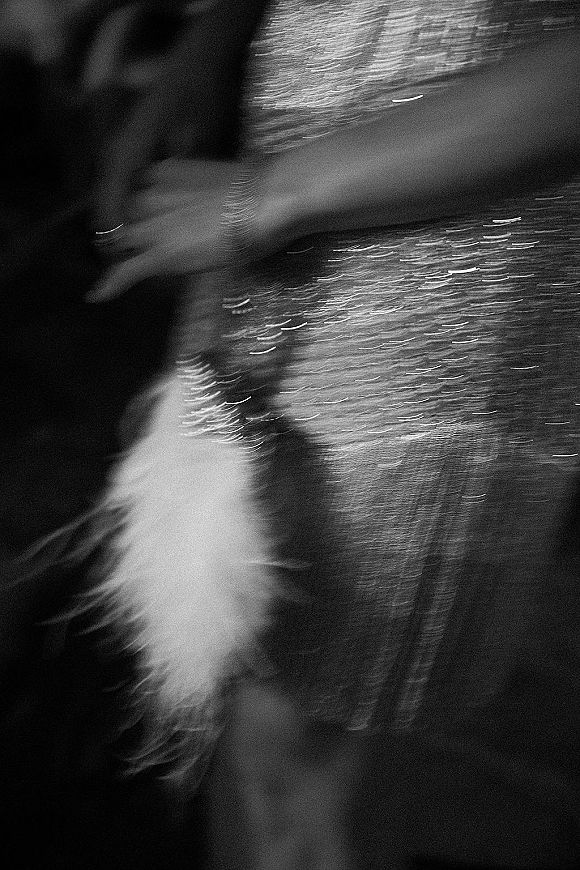
The finish decides how dramatically gold photographs, since sequins and beading scatter light into constant movement while a smooth metallic lamé reads as a steady sheen. In bright outdoor sun a full sequined gold can read as almost too brilliant, which is why daytime brides often choose a softer brushed or champagne gold, or gold detailing over a base color. Seeing the gown in the light you plan to marry in confirms the shine reads as glamorous rather than overwhelming, keeping gold at its luminous best.
Who Suits Gold and How to Wear It
Gold flatters across complexions, with the shade of gold tuned to coloring. Warm, golden, and olive skin tones glow against a rich, warm gold that echoes their undertone, while cooler complexions often suit a paler white-gold or champagne gold that reads less brassy. Deep skin tones carry saturated, luminous gold beautifully, the metallic shine reading striking against them. Because gold ranges from cool pale metallic to deep antique warmth, trying more than one shade reveals which flatters most, since the difference reads clearly against the skin.
The amount of shine should suit both the wearer and the wedding. A full sequined gold makes the boldest statement and rewards a confident bride and a glamorous setting, while a subtle gold-threaded detail or a metallic sheen suits a bride who wants warmth and light without head-to-toe sparkle. The silhouette matters too, since a structured gown supports heavy beadwork while a fluid metallic suits a sleek column. Matching the shade and the intensity of gold to your coloring and the formality of the day keeps the gown reading as a considered, personal choice.
Gold as a Second or Reception Look
Gold makes a glamorous second look, worn for the reception after a white ceremony gown. A sequined or metallic gold reception dress reads as pure evening shine, letting a bride change from a traditional ceremony to a festive party look that comes alive on the dance floor. The shift from white to gold reads as celebratory and bold, a natural fit for an evening or holiday celebration.
This route lets a bride keep a classic white ceremony while bringing shine and energy to the reception, and a shorter or sleeker gold dress frees her to move and dance under the lights. Paired with minimal jewelry so the metallic leads, a gold second look becomes its own statement. In cultures where gold signifies prosperity and celebration, a gold reception look also carries meaning beyond glamour. Whether gold is the main gown or the reception change, it brings festivity and shine to the day that few other colors can match.
Gold Accessories, Jewelry, and Shoes
A gold gown is already the statement, so accessories read best kept restrained and warm. Jewelry should stay minimal, a few warm-toned or crystal pieces rather than competing shine, since heavy jewelry against a metallic gown reads busy. Delicate gold or diamond studs, a fine bracelet, or a single statement piece let the gown lead. For the veil, a soft ivory or champagne tone suits gold’s warmth, while skipping the veil keeps a sequined gown sleek and modern.
Shoes in metallic gold, nude, or a warm neutral continue the line without breaking it, and a metallic heel echoes the gown’s shine. For cooler weather, a wrap or stole in a warm neutral extends the look without dulling the metallic. A warm, glowing makeup palette suits the gown’s shine, and hair worn sleek or softly waved both balance the shimmer. The principle throughout is restraint, letting the gold remain the focal point while every accessory supports rather than competes with its warmth and light.
Styling a Gold Wedding Dress
Gold is already the statement, so accessories should stay restrained. Let the metallic lead and keep jewelry minimal, a few warm-toned or crystal pieces rather than competing shine. Florals read best in warm or contrasting tones: ivory, blush, and burgundy all sit well against gold, and greenery cools the warmth. Nude or metallic shoes continue the line without breaking it. A warm, glowing makeup palette suits the gown’s shine. For the softer metallic-adjacent route, our champagne wedding dress collection shows where gold lightens toward a wearable neutral.
Frequently Asked Questions
What does a gold wedding dress symbolize?
Gold carries associations of luxury, celebration, and in many cultures prosperity and good fortune, which makes it a popular choice for festive and culturally rich weddings. It reads as the most glamorous and celebratory of bridal colors.
How much sparkle should a gold wedding dress have?
It depends on the effect you want: a fully sequined gown reads as pure glamour for evening and black-tie, while a metallic satin or gold-threaded lace gives a subtle sheen that reads refined. The amount of shine sets whether the gown feels festive or understated.
What is the difference between gold, white gold, and champagne gold?
Deep gold is warm and brassy with full metallic shine, white gold is a paler cool-warm metallic that stays close to a bridal neutral, and champagne gold blends the metallic with a soft beige for a luminous, wearable glow. Lighter golds read more bridal.
What accessories go with a gold wedding dress?
Keep accessories restrained so the metallic leads: minimal warm-toned or crystal jewelry rather than competing shine, and nude or metallic shoes. Ivory, blush, and burgundy florals sit well against gold, while greenery cools the warmth.
What silhouette suits a gold wedding dress?
A sleek column or sheath lets metallic gold read as modern and sculptural, a fit-and-flare animates the shine with movement, and a ball gown turns gold fully opulent. Heavier beadwork suits structured bodices that support the weight.
How much does a gold wedding dress cost?
Pricing depends on the designer, fabric, and the amount of sequin or beadwork, the same range as any bridal gown. Heavily beaded and sequined gold gowns sit at the higher end, while metallic satins and lamé styles are more modest.