What Color Is Mauve, and How Does It Differ From Dusty Rose and Mauve-Pink?
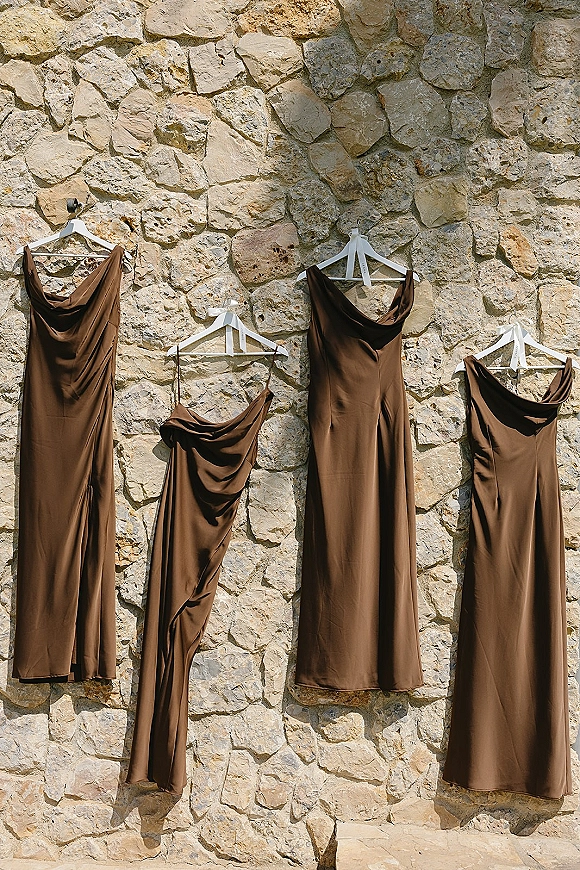
Mauve is a muted purple with a pink cast, a grayed shade that sits between pink and violet on the color wheel. Its exact read depends on the balance: a mauve-pink leans warmer and rosier, while a mauve-purple leans cooler and more violet. The gray in the mix is what gives mauve its soft, vintage quality and separates it from a clearer pink or purple.
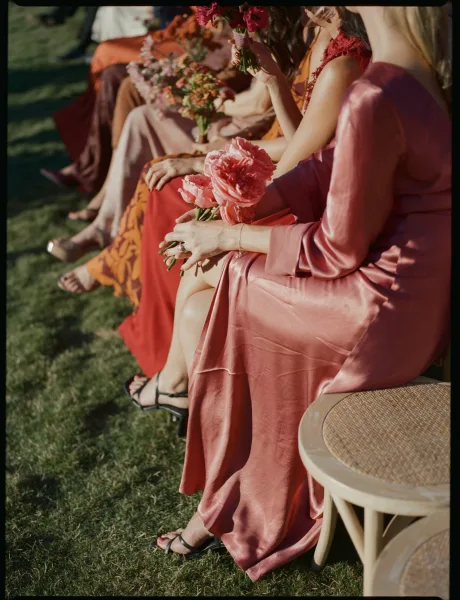
The closest comparison, and the most common source of confusion, is dusty rose. Dusty rose is a muted pink with the faintest mauve undertone, sitting firmly in the pink family. Mauve carries more purple and reads cooler and more vintage. The two are close enough to layer in a single party but distinct enough to choose between, so couples drawn to a soft rose palette should compare both. See dusty rose bridesmaid dresses for the warmer, pinker counterpart.
The Vintage and Romantic Angle
Mauve reads as a vintage color more than almost any other muted shade, which is why retailers so often label it vintage mauve. The grayed, antique-rose quality evokes pressed flowers and faded velvet, giving a bridal party an immediately romantic, old-world feel. This is the quality that draws couples to mauve for garden, estate, and romantic weddings where a soft, nostalgic palette suits the setting. The look feels gentle and enduring rather than tied to any one trend.
The vintage character also makes mauve a natural partner for lace, delicate detailing, and soft silhouettes. A mauve party leans into romance rather than drama, which is exactly its appeal for couples who want a palette that feels gentle and nostalgic rather than bright or modern.
Dark Versus Dusty Mauve
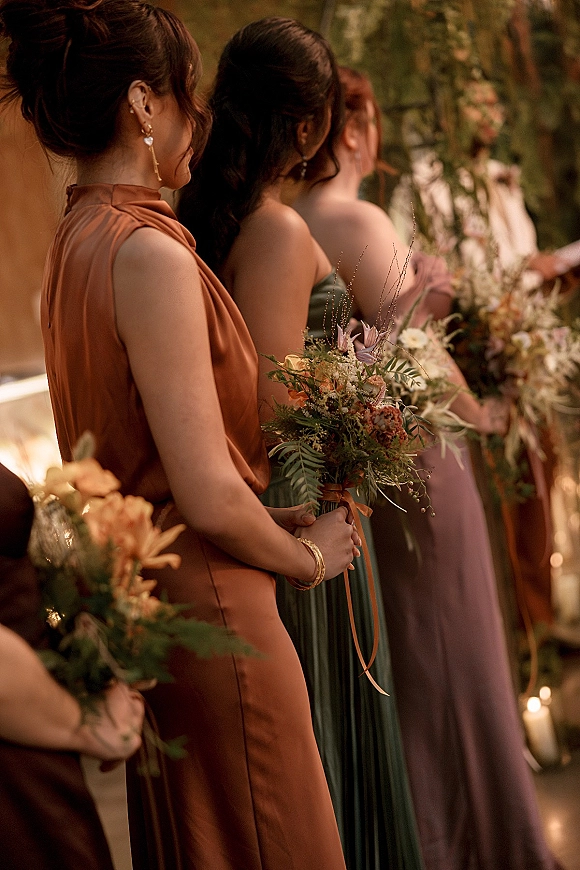
Mauve spans a range from pale, dusty versions to deeper, richer tones. Dusty mauve is the lightest and softest, a pale grayed rose suited to spring and the most delicate romantic palettes. Dark mauve deepens toward a muted plum, carrying more weight and reading richer for fall weddings and evening celebrations. The deeper tone holds up better in low light, while the lighter dusty mauve shows best in natural daylight.
For a party, the practical point is consistency: because the range is fairly wide, gowns ordered as dusty mauve and dark mauve can look mismatched side by side. Holding one tone across the party, or deliberately moving through the range for a tonal mismatched look, both work as long as the choice is intentional.
Mauve With Pink and Purple Undertones
Because mauve sits between pink and violet, its undertone shifts how a party reads. A mauve-pink party leans warm and rosy, pairing naturally with blush and dusty rose for a soft pink palette. A mauve-purple party leans cool, sitting comfortably alongside lavender and plum for a muted purple scheme. Identifying which undertone your mauve carries is the key to choosing complementary colors and florals.
This flexibility is part of mauve’s appeal: it can anchor either a pink-forward or a purple-forward palette depending on the exact shade. For a cooler, purple-leaning party, mauve pairs cleanly with lavender tones; for a warmer one, it blends into blush and rose.
Plus Size and Range Across the Party
Mauve is a flattering, forgiving choice for a party with a range of body types and skin tones, since its muted, neutral-leaning quality suits a wide range of complexions without washing anyone out. The shade is widely available in extended and plus sizes across soft silhouettes, and it reads consistently across cuts, so an A-line, a wrap, and a flutter-sleeve mauve gown coordinate easily.
The soft character of the color makes it especially suited to romantic silhouettes, which tend to be among the most comfortable and adaptable across body types. This makes mauve a practical mix-and-match base as well as a unified single-shade choice.
Season and Setting
Mauve’s dusty, muted quality makes it genuinely season-less, one of its strongest selling points. Light dusty mauve suits spring and summer in chiffon, while dark mauve carries into fall and winter in heavier fabrics. The color is a natural fit for garden, estate, and romantic settings, and its vintage character suits weddings with an antique or old-world aesthetic.
Because mauve is soft rather than bold, it photographs best in natural light, where its romantic grayed-rose quality shows. It works in evening and indoor settings too, particularly in its deeper dark-mauve form.
How Mauve Photographs in Different Light
Mauve is at its most romantic in soft natural light, which suits the garden and estate weddings it is chosen for. In open daylight the grayed rose-purple reads gentle and vintage, its pink and violet notes balanced. In brighter sun the gray can lift and the color reads a touch cooler and paler, leaning toward its purple side.
In lower and artificial light, mauve can deepen and pull toward plum, especially in its darker tones. This is generally flattering for an evening reception, where dark mauve reads rich, but lighter dusty mauve shows its soft character best in natural or warm light. For an indoor wedding, warm lighting keeps mauve from going gray or muddy in photographs.
Matching Mauve Across the Party
Mauve rewards careful coordination because its range from dusty to dark and its pink-to-purple shift mean variation shows. The same color name can read as a pale rosy mauve from one line and a deeper, more violet mauve from another, and those differences are visible side by side. Matching every gown to one physical swatch keeps the party clearly one shade rather than a drift of pinks and purples.
Fabric also shifts the read: mauve in satin catches light and looks a touch brighter and pinker, while the same dye in matte chiffon reads softer and grayer. A party can hold one tone across every gown for cohesion or move deliberately through the dusty-to-dark range for a tonal mismatched look, as long as the choice is intentional.
Flowers and Bouquets for a Mauve Party
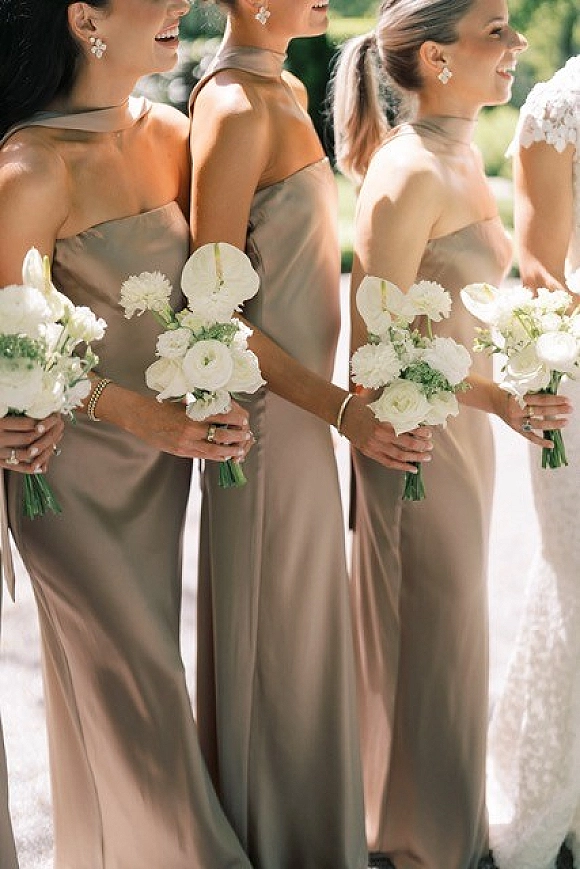
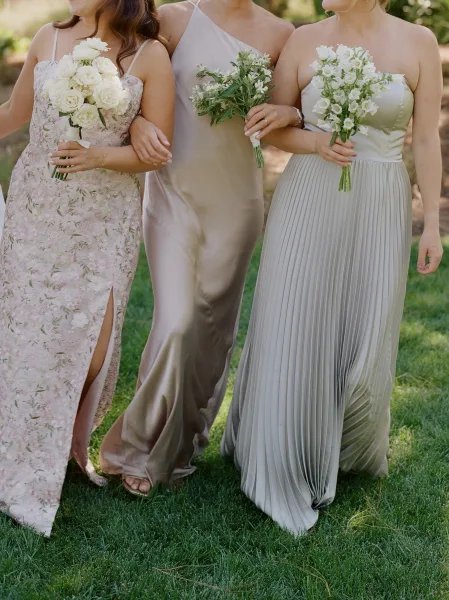
Mauve is a natural fit for romantic, vintage florals, pairing beautifully with garden roses, ranunculus, and soft blooms in its own family. Cream and blush flowers warm the palette, while deeper mauve, plum, and dusty-rose blooms build a tonal, antique-rose bouquet that echoes the gowns. Plenty of greenery in sage and eucalyptus keeps the look fresh and garden-leaning.
Because mauve sits between pink and purple, the bouquet can lean either way to set the mood, warmer with blush and rose, or cooler with lavender and plum. This flexibility lets a florist tune the palette to the exact mauve of the gowns, reinforcing whether the party reads pink-forward or purple-forward.
Styling a Mauve Bridal Party
Mauve pairs beautifully with soft neutrals, muted greens like sage and eucalyptus, and metallics in both gold and rose-gold, with rose-gold especially echoing the shade’s warmth. For bouquets, mauve sets off cream and blush blooms, garden roses, and plenty of greenery for a romantic, vintage look. Nude and metallic shoes keep the palette soft.
As a muted rose-purple, mauve layers naturally with related soft tones. It blends with dusty rose bridesmaid dresses for a tonal pink palette, sits alongside blush bridesmaid dresses for softness, and pairs with champagne bridesmaid dresses for a warm vintage scheme. To see full mauve parties at real weddings, browse the galleries above, then find designers through the bridesmaid dress vendors directory.
Frequently Asked Questions
What is the difference between mauve and dusty rose bridesmaid dresses?
Mauve is a muted purple with a pink cast, reading cooler and more vintage. Dusty rose is a muted pink with only the faintest mauve undertone, sitting firmly in the pink family and reading warmer. The two are close enough to layer in one party but distinct enough to choose between based on whether you want a cooler or warmer palette.
Is mauve a pink or a purple?
Mauve sits between the two, a muted purple with a pink cast. Its exact read depends on the balance: a mauve-pink leans warmer and rosier, while a mauve-purple leans cooler and more violet. The gray in the mix gives it its soft, vintage quality. Identifying the undertone helps in choosing complementary colors.
What season are mauve bridesmaid dresses best for?
Mauve is genuinely season-less, which is a major part of its appeal. Light dusty mauve suits spring and summer in chiffon, while dark mauve carries into fall and winter in heavier fabrics. Its muted quality keeps it from looking off-season in any setting.
What colors go with mauve bridesmaid dresses?
Mauve pairs with soft neutrals, muted greens like sage and eucalyptus, and metallics, especially rose-gold. A warmer mauve-pink blends with blush and dusty rose; a cooler mauve-purple sits alongside lavender and plum. For florals, cream and blush blooms with plenty of greenery suit its romantic character.
What is vintage mauve?
Vintage mauve is a common retailer label for the classic grayed, antique-rose version of mauve. The name reflects the color's nostalgic, old-world quality, which evokes pressed flowers and faded velvet. It suits romantic, garden, and estate weddings where a soft, vintage palette fits the setting.