Why the Pairing Just Works
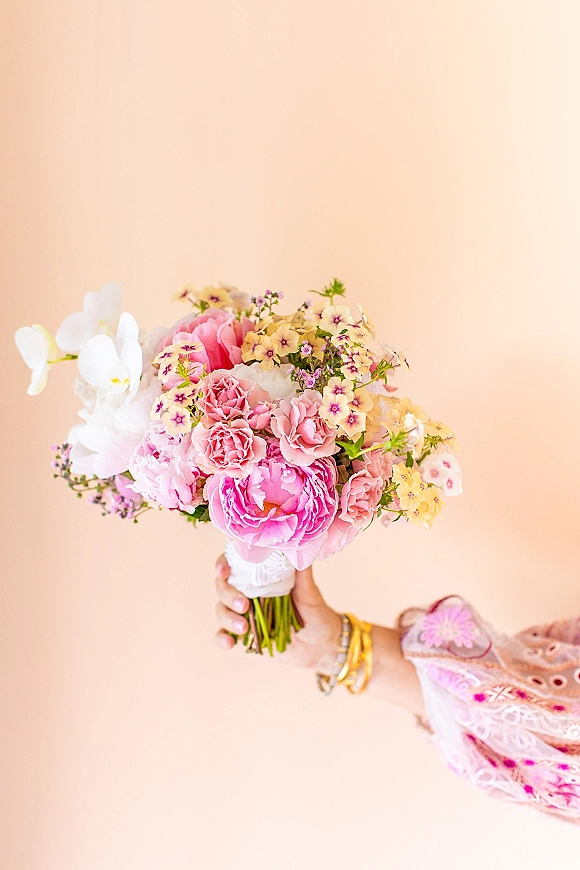
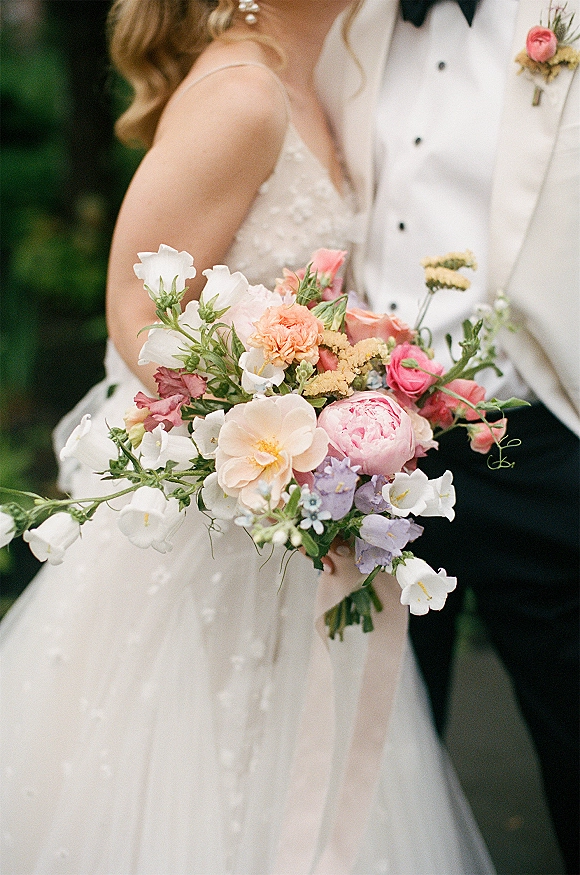
Pink and white is the palette couples return to, and the reason is simple chemistry. White brightens and freshens; pink warms and softens; neither has to carry the bouquet by itself. The combination suits every season and nearly every dress, and it flatters any gown tone, since white bridges pure-white and ivory while pink adds warmth. Its real strength is range, the same two colors turn formal in a structured rose cascade, romantic in a loose garden gather, and clean and modern in a crisp posy, so the palette bends to the wedding instead of dictating one mood.
Balancing the Two Colors
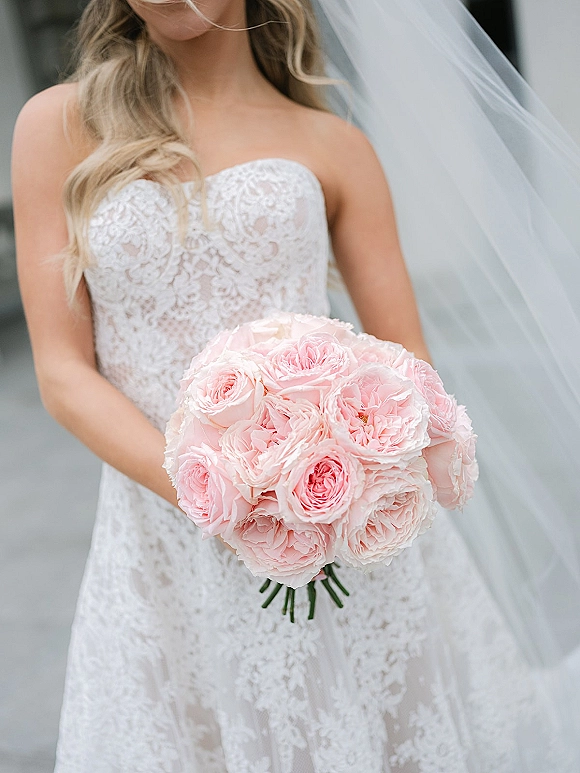
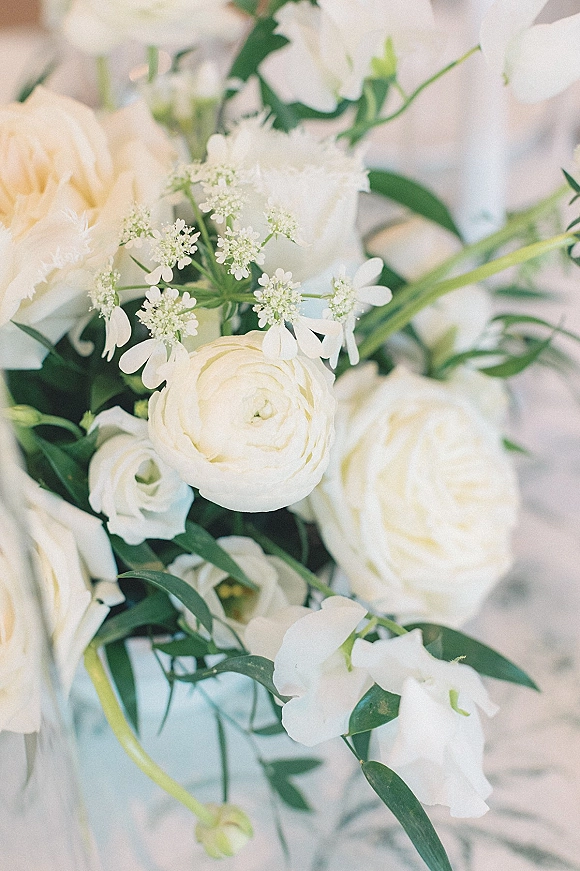
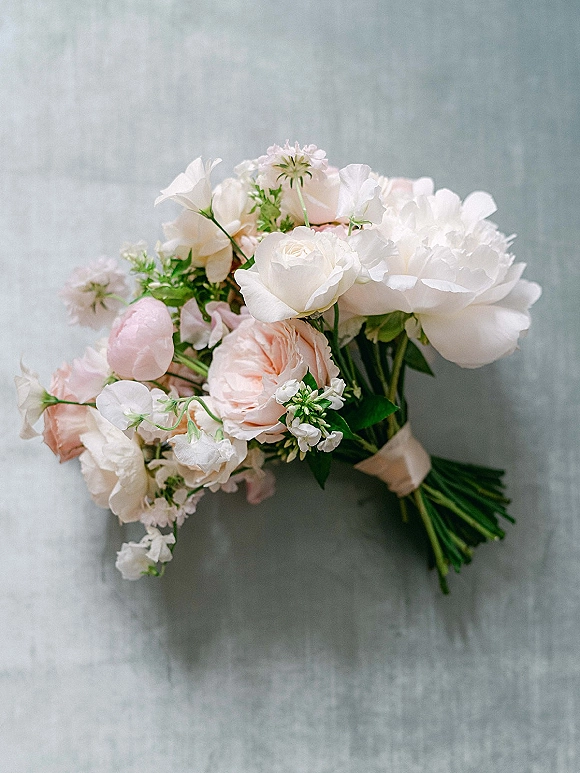
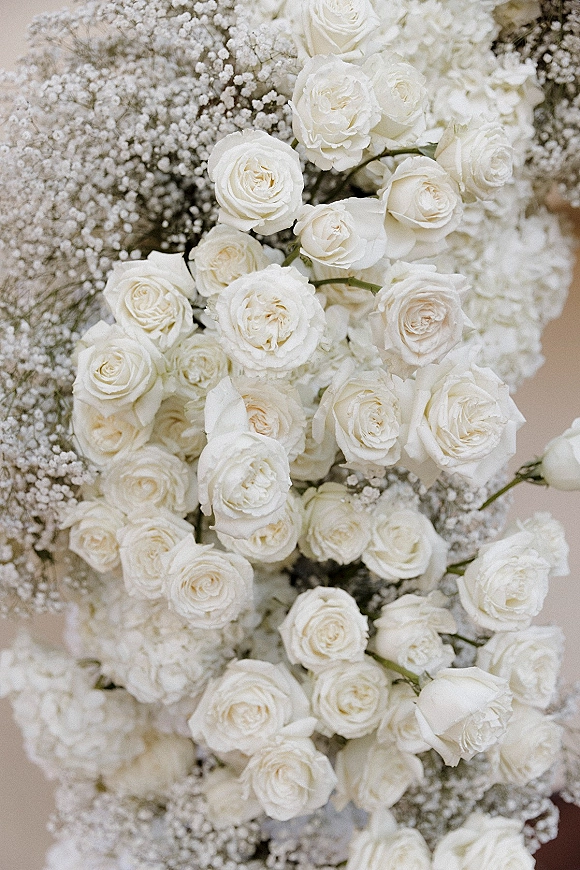
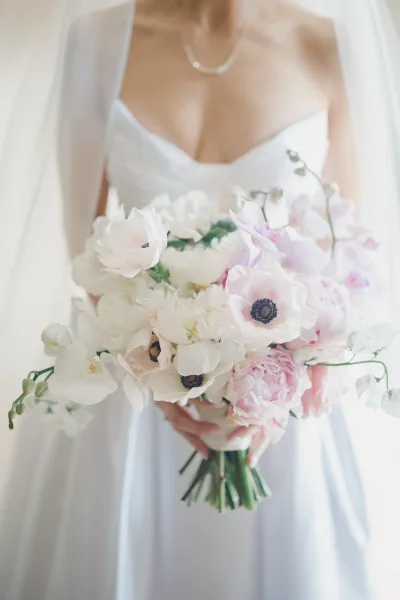
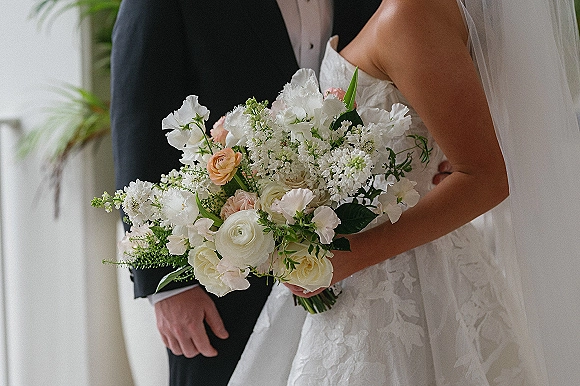
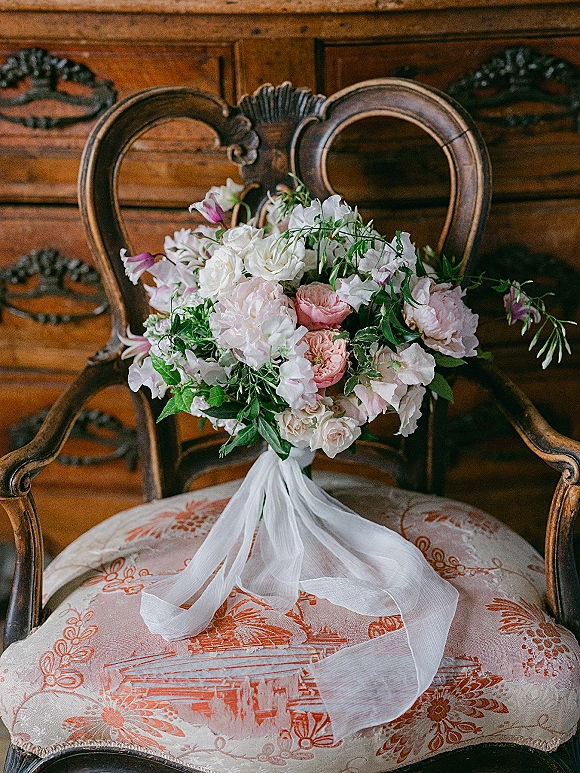
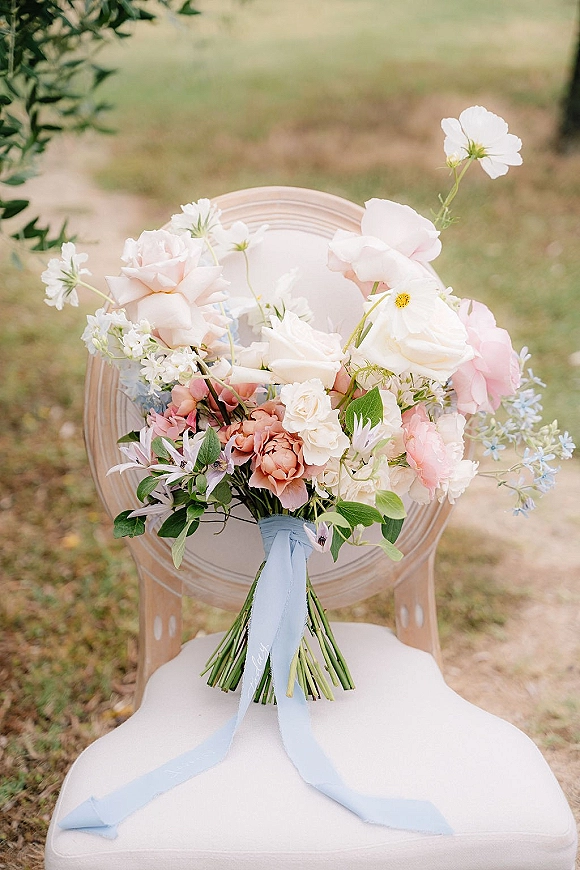
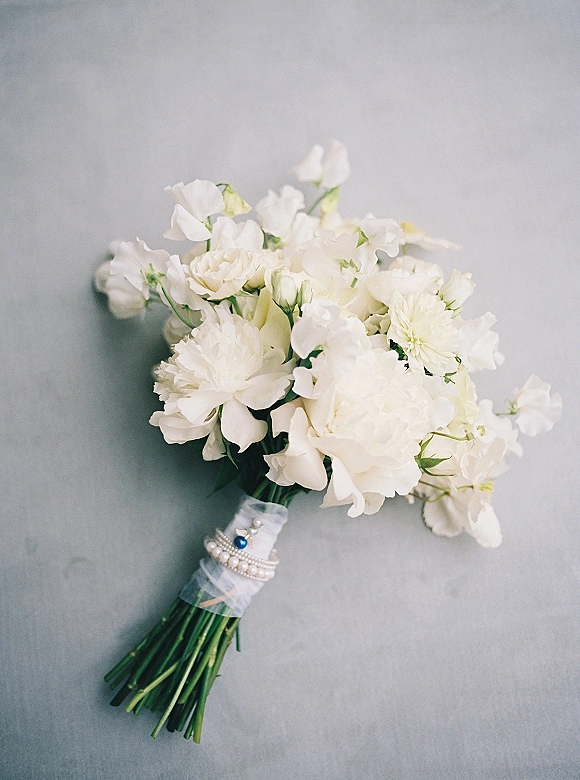
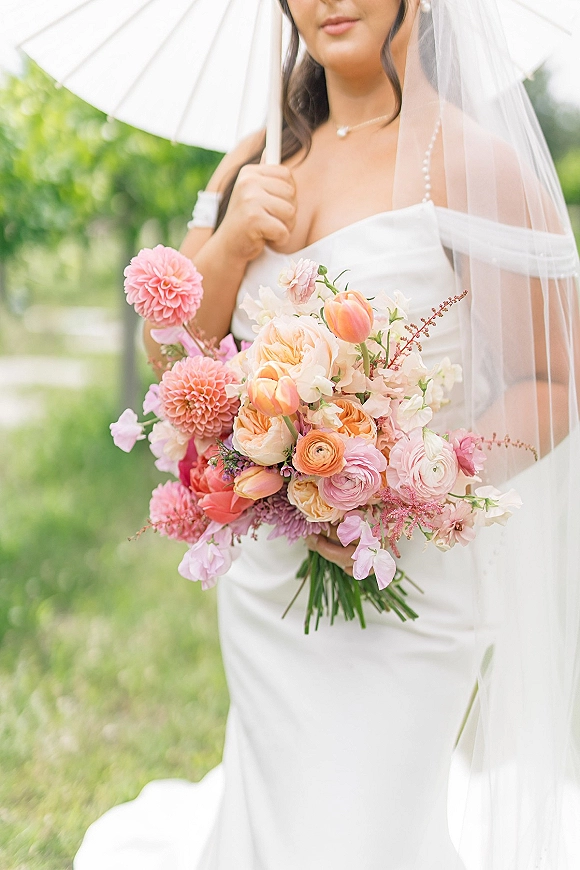
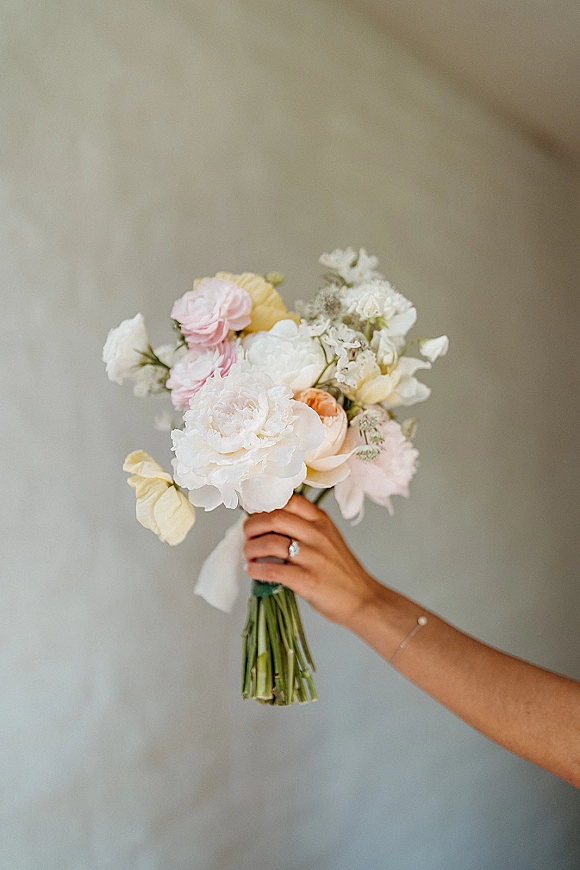
The ratio matters more than the specific flowers, because the same blooms change character at different balances. White-dominant with pink accents looks clean, formal, and modern; an even split feels classic; pink-dominant with white highlights turns warm and romantic. Decide roughly where you want to land and tell your florist in those terms, and you save a lot of back-and-forth.
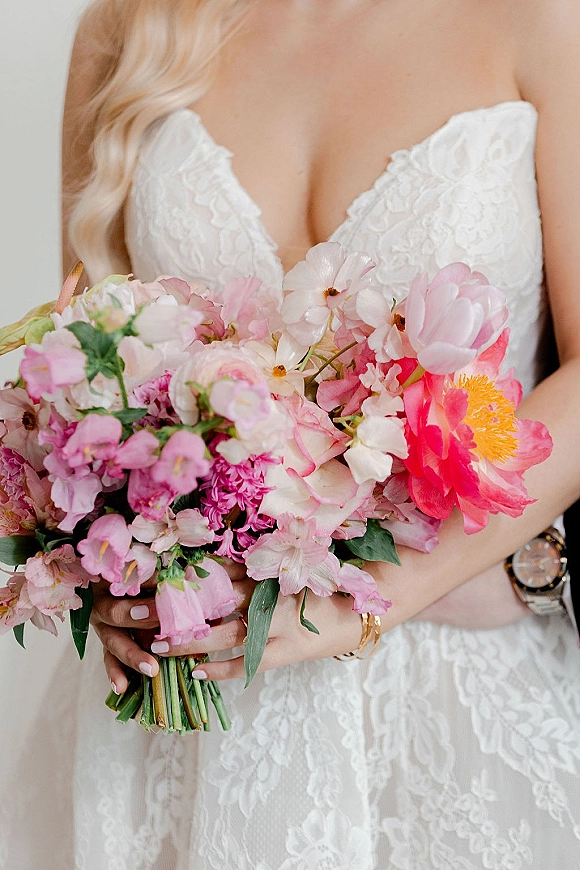
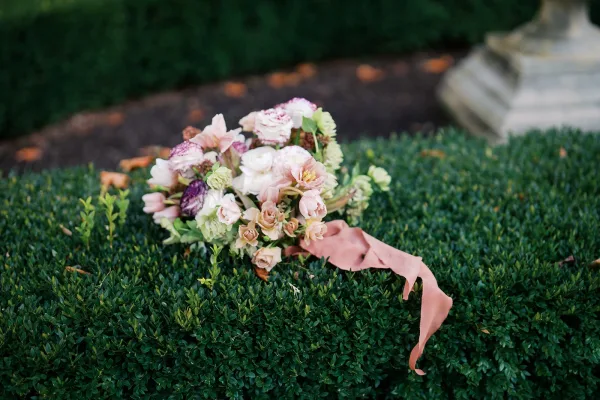
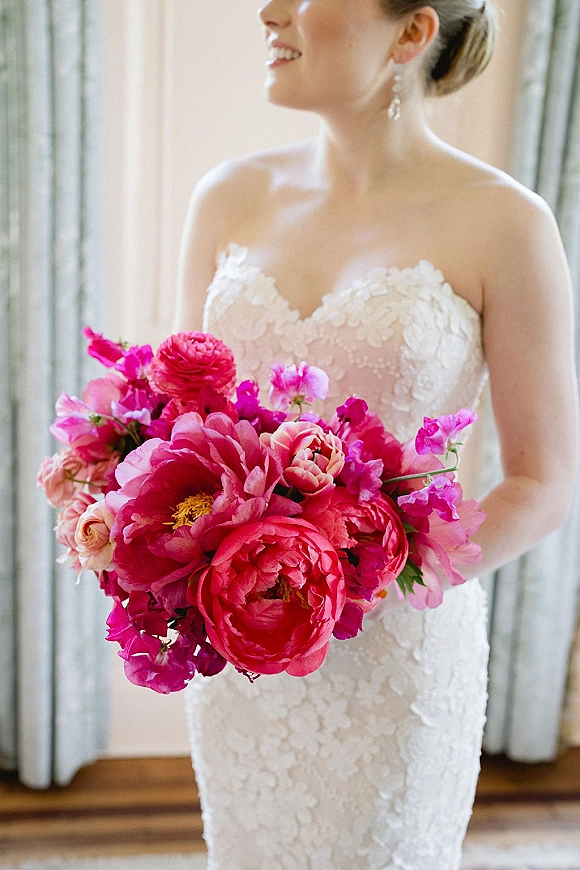
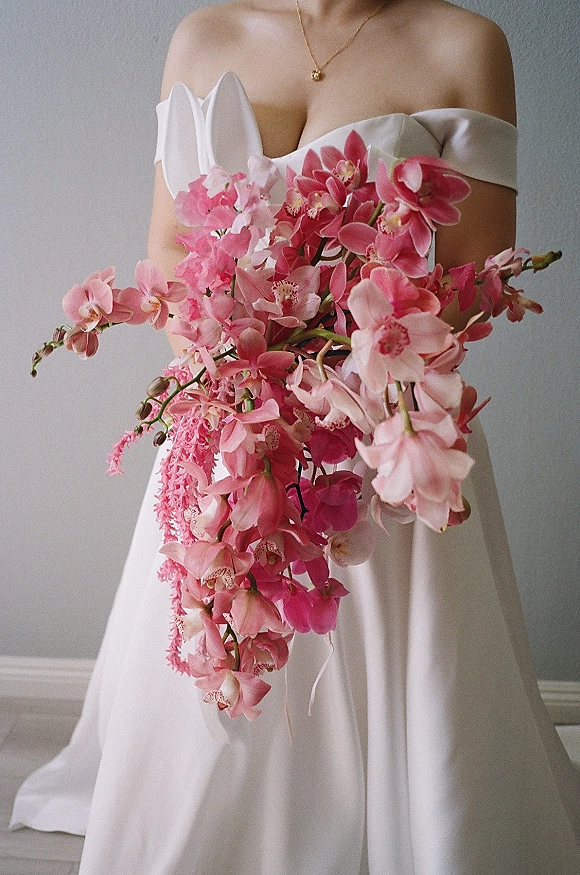
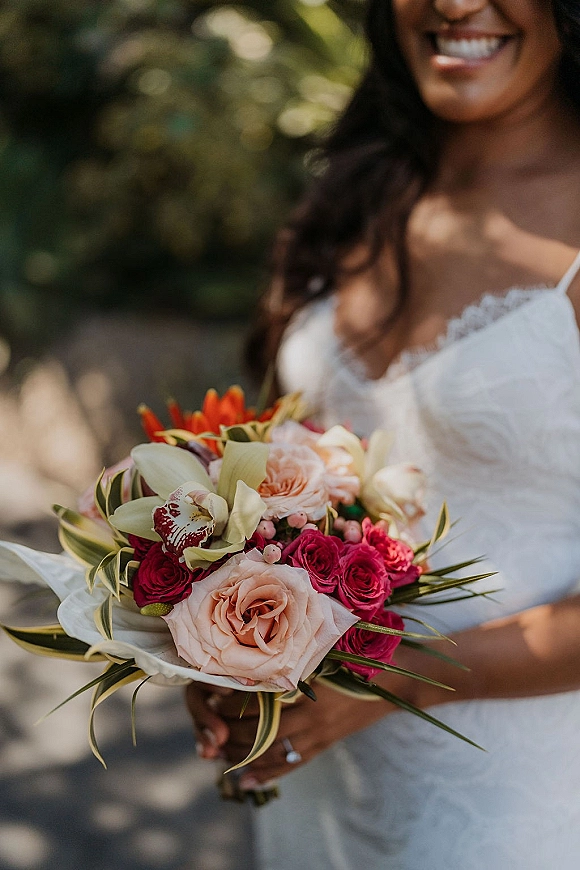
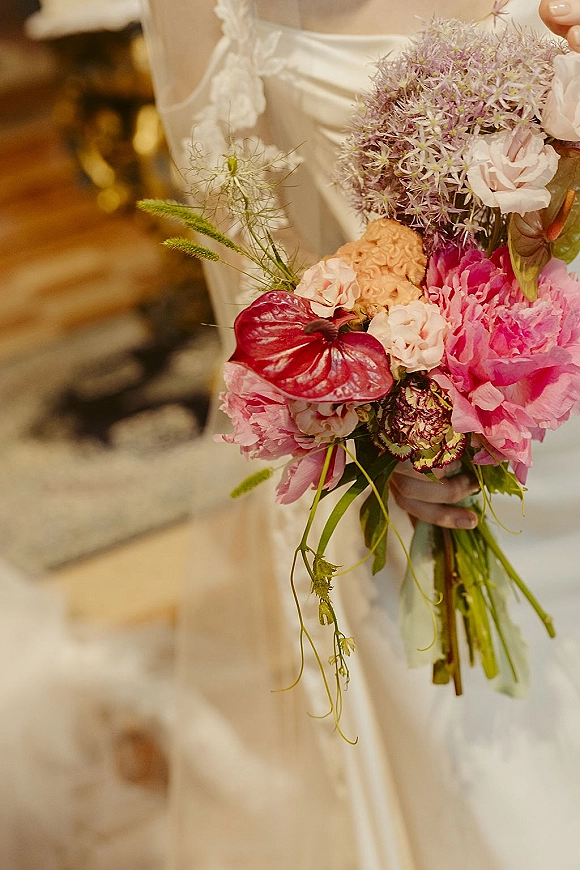
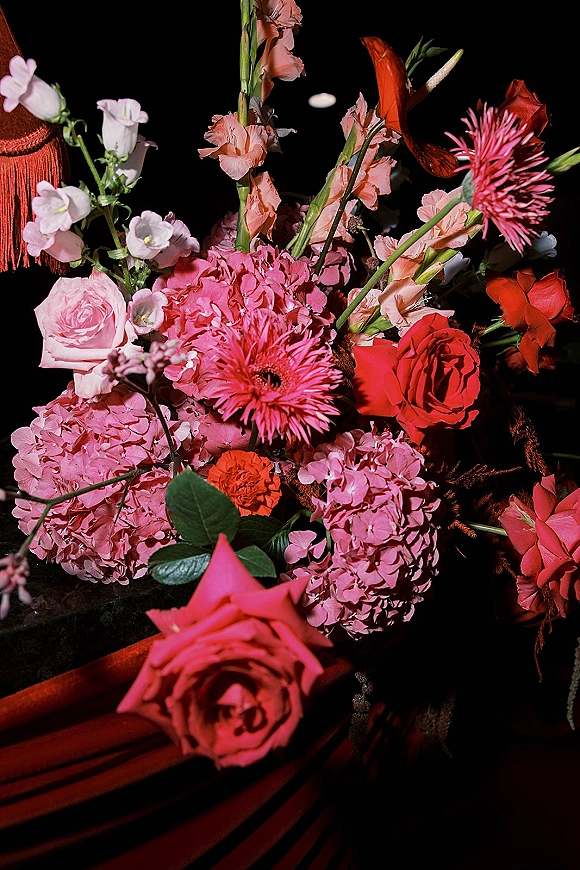
It also helps to call the palette soft or bright up front, since nearly everything follows from it. Soft means blush, ivory, and cream in a low-contrast, tonal blend, romantic and understated, and especially forgiving in bright outdoor light. Bright means a clear or vivid pink against crisp white, higher-contrast and celebratory, and it keeps its definition indoors and after dark where a blush palette can go quiet.
The Flowers to Build It From
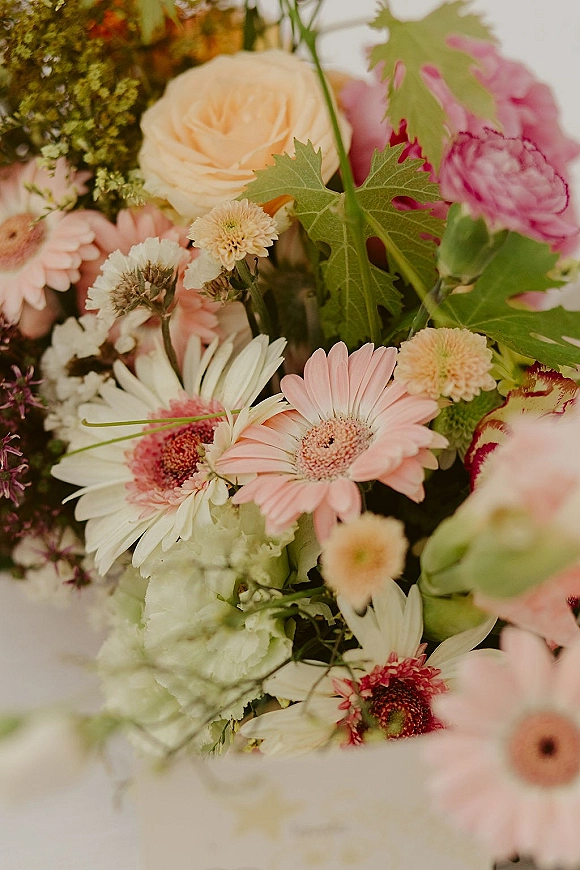
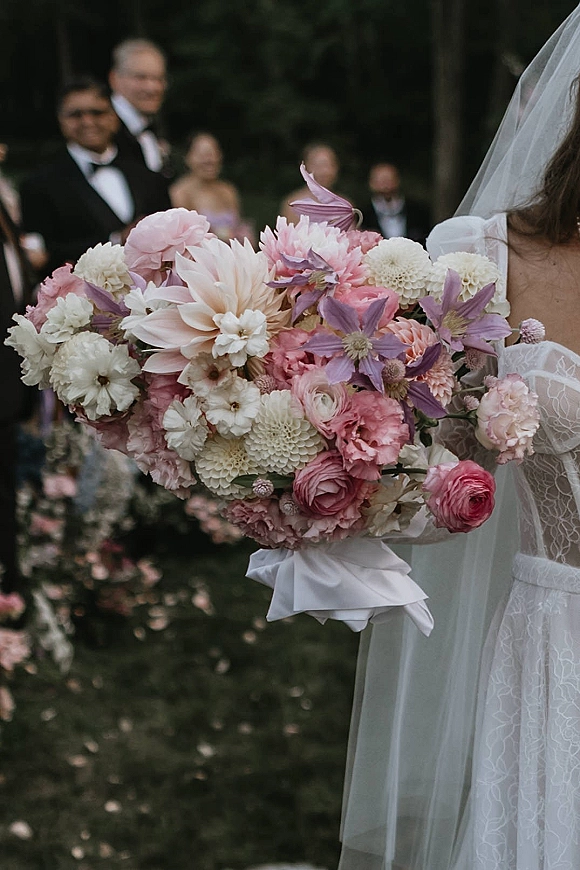
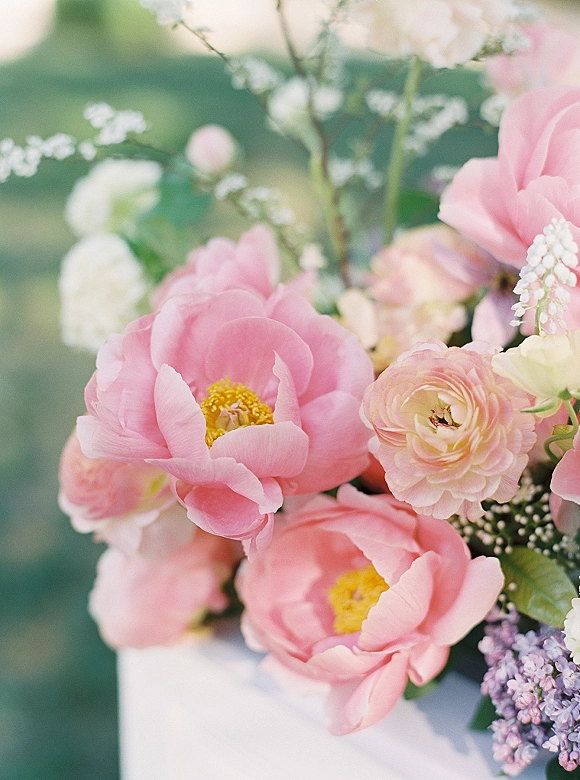
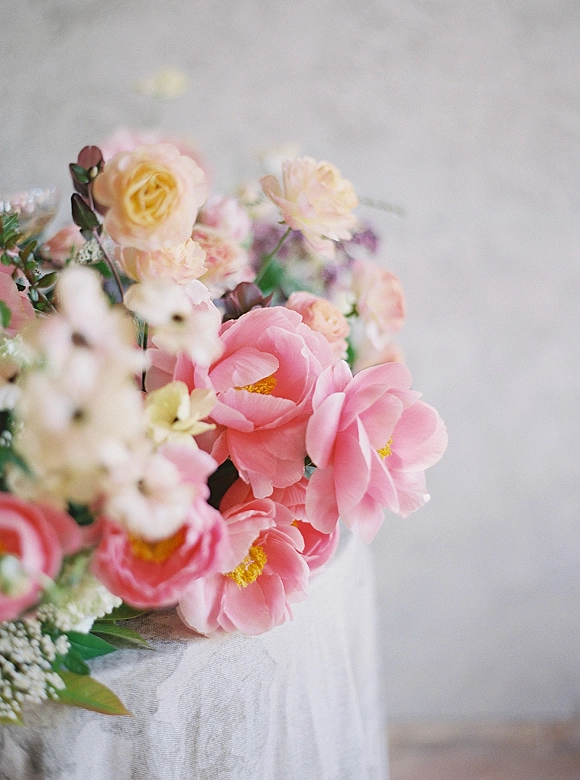
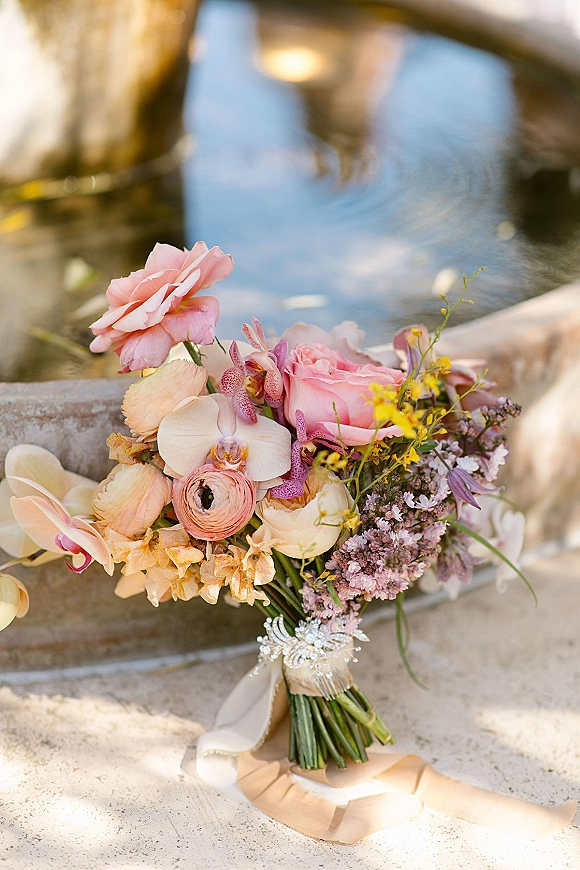
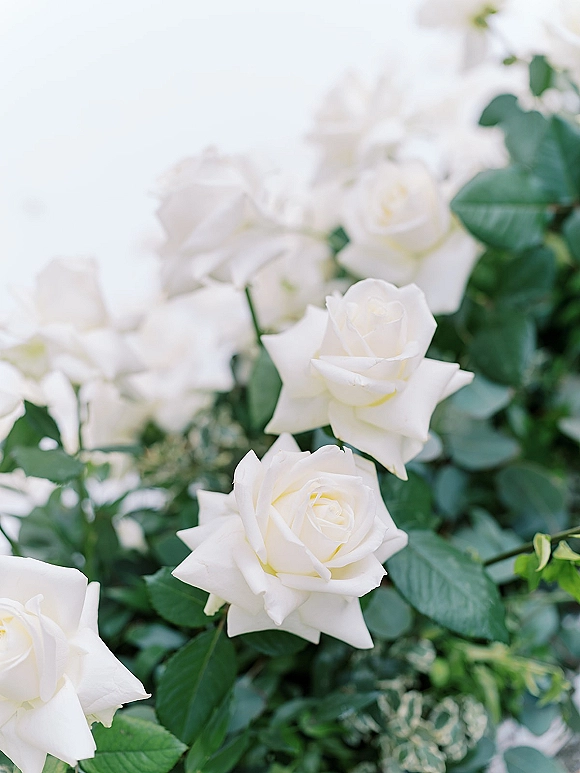
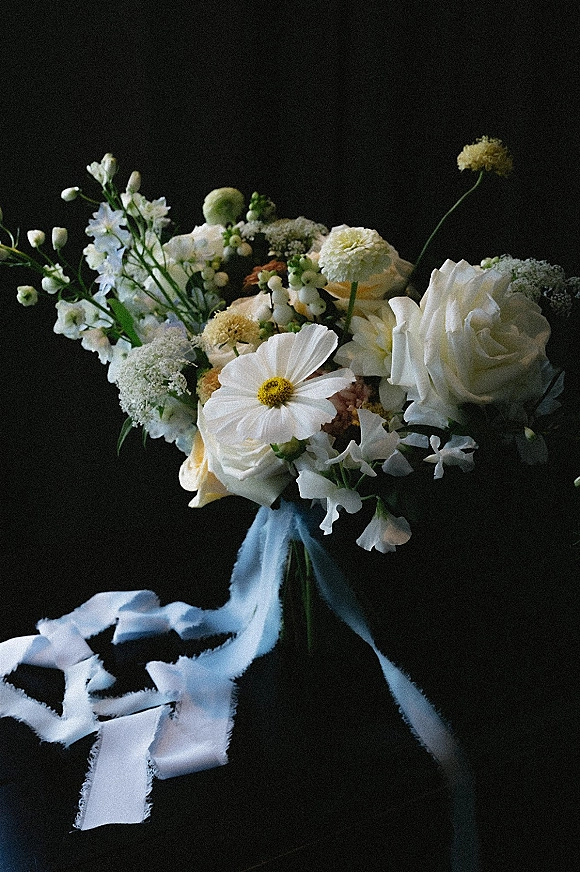
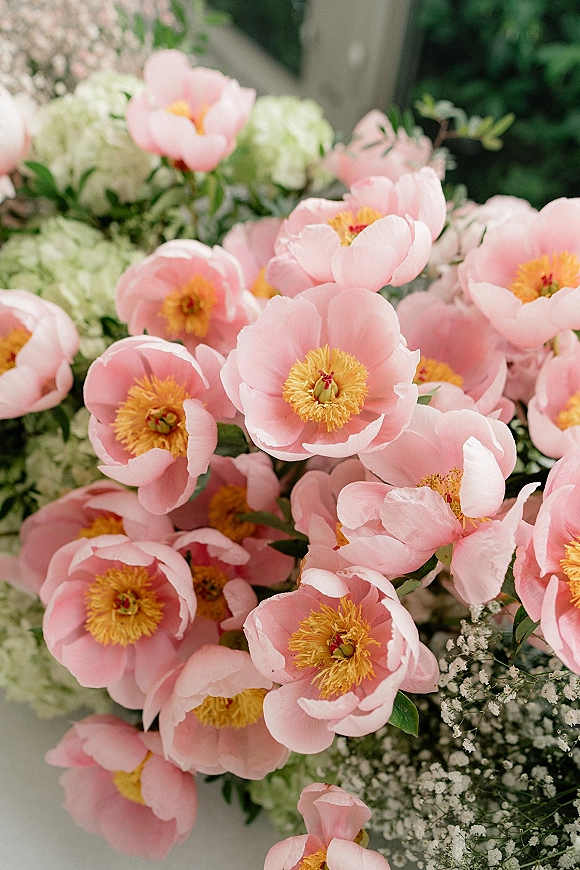
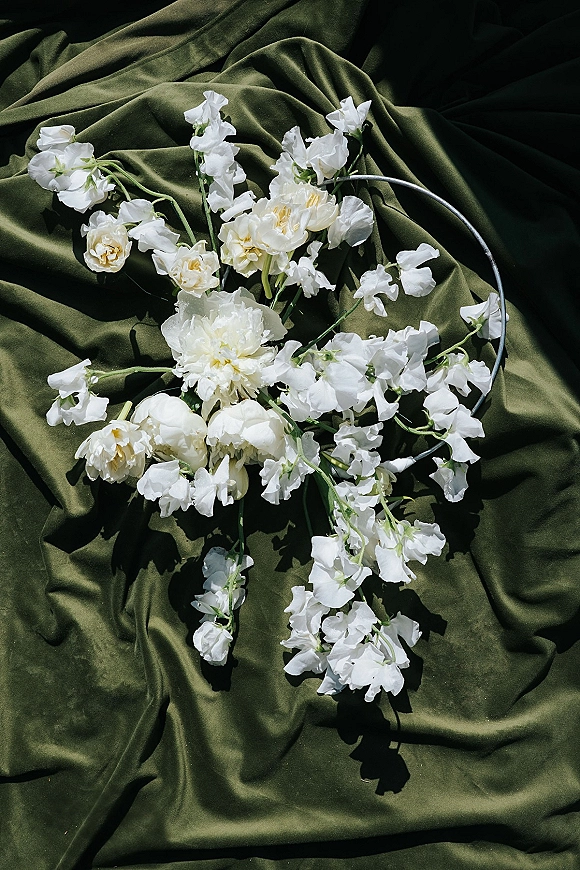
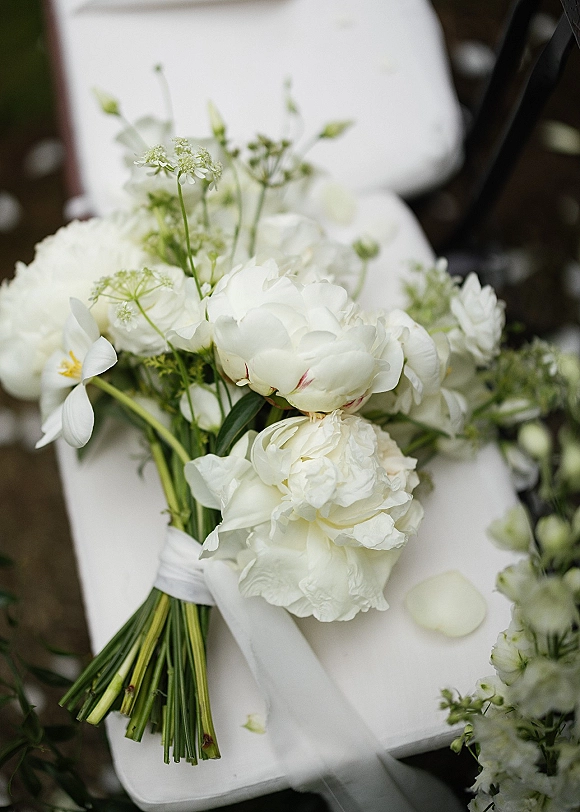
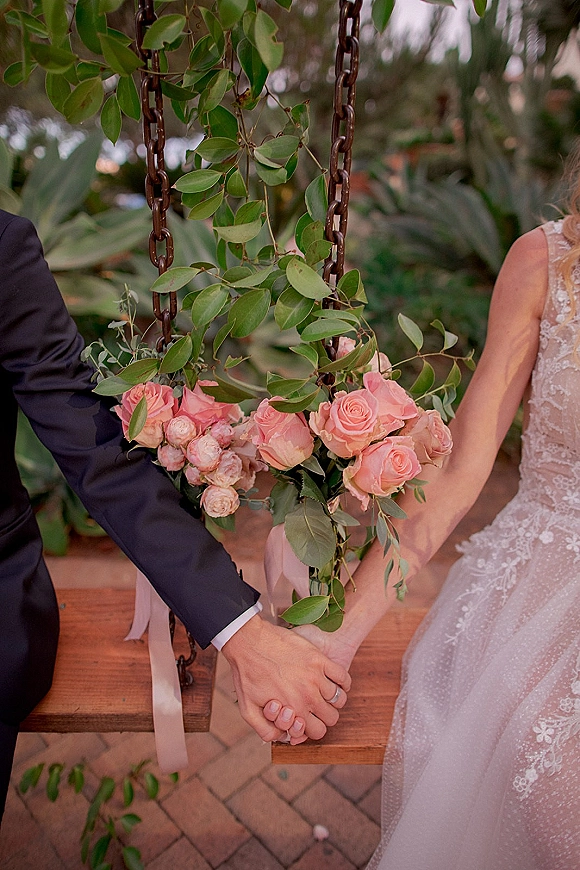
Roses are the natural vehicle, since they come in every pink and a clean white and let you tune the balance with one flower; garden roses add ruffled fullness for a softer take, and mixing two pink shades with white gives depth without a second color. Past roses, variety is what gives the palette texture: peonies for oversized spring volume, hydrangea for full white or pink base, ranunculus and lisianthus for a smaller rose-like shape, sweet peas and cosmos for airy movement.
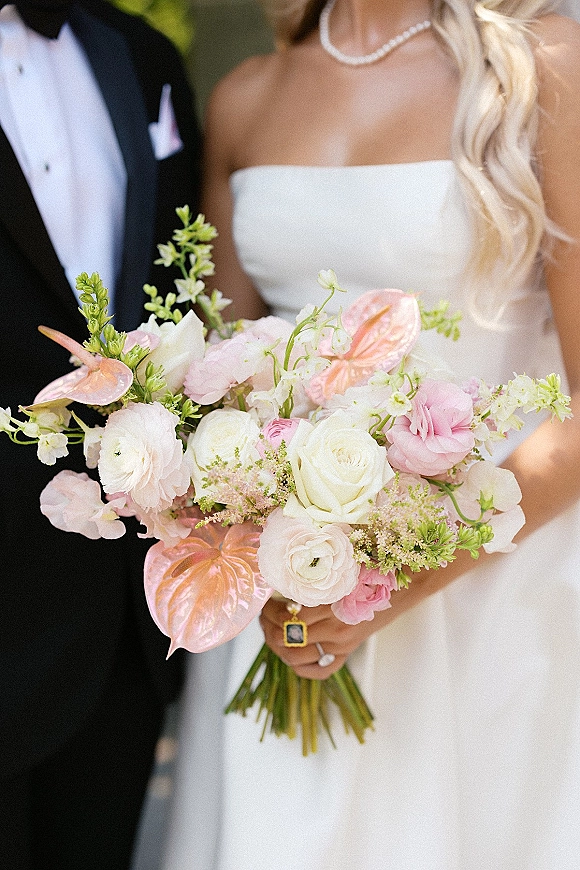
Pair one large focal bloom in pink or white with smaller companions in the other color, add a little greenery, and the bouquet avoids looking like a solid block of two tones; repeating each color throughout instead of clustering it keeps the whole thing intentional. Our pink and white bouquet collections dig into each color, and the softer pastel route is close by if you want the tones even gentler.
Shapes, Greenery, and Finishing
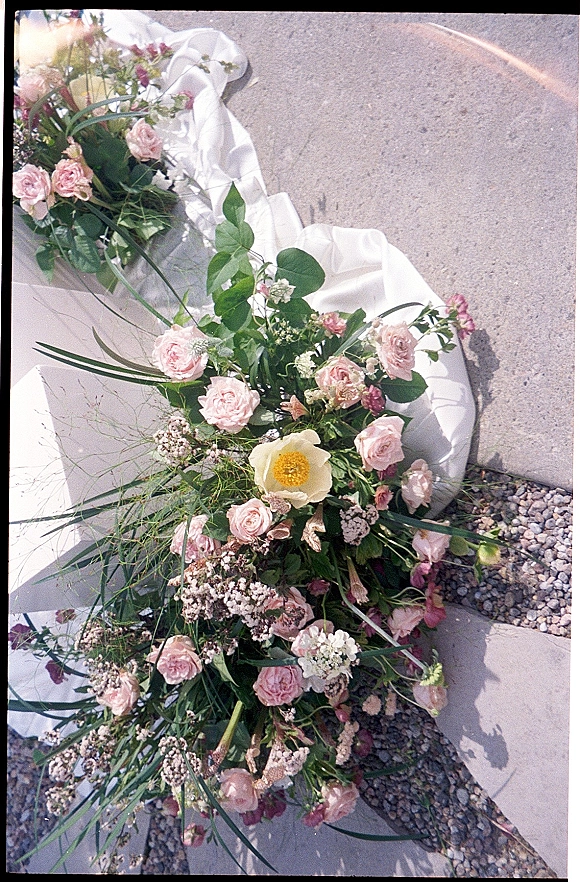
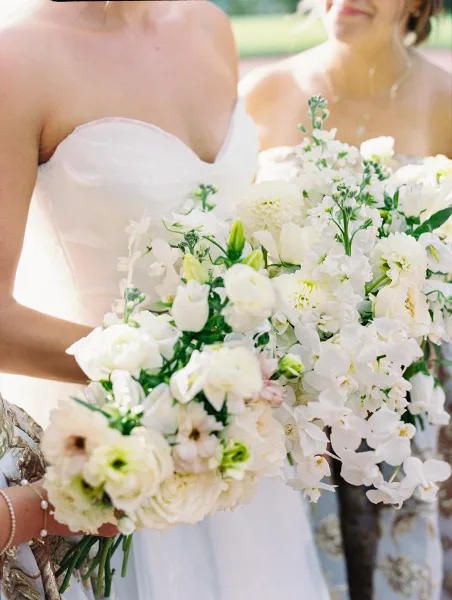
Shape changes how the palette lands, so decide it alongside the ratio: a hand-tied gather for garden and outdoor weddings, a cascade for drama in full-length photos with a formal gown, a compact posy for a minimalist dress. A touch of green keeps the two soft colors from turning sweet, silvery eucalyptus for romance, glossy leaves for something modern, trailing vines for a cascade, and the amount of foliage shifts the mood as much as the pink-to-white split. Our wedding greenery ideas take the leafy version further.
By Season and Across the Party
The palette carries through the year on a change of flowers and shade: peonies, tulips, and sweet peas in soft pink and cream for spring; garden roses, dahlias, and cosmos in fuller pinks for summer; dusty rose and mauve with white for a warmer fall; ranunculus and anemones in cool pink with crisp white for winter. Match the shade to the season and a bright spring pink stops looking out of place at a moody winter wedding.
It also coordinates a party easily, since the two colors can be split or reweighted across the group, bridesmaids in a pink-dominant version beside a white-dominant bridal bouquet, or the reverse, so everyone reads as a set without matching. Because it flatters most bridesmaid dress colors, it is a forgiving pick for a mixed palette. To find a designer who works in the look, the wedding florist directory is a good start, and the wedding bouquet guide covers coordinating everyone.
Frequently Asked Questions
How much pink versus white should a bouquet have?
It depends on the mood you want. White-dominant with pink accents reads formal and modern, an even split reads classic, and pink-dominant reads warm and romantic. Deciding the ratio is more important than the specific flowers, since the same blooms change character at different balances.
What flowers work best in a pink and white bouquet?
Roses are ideal because they come in every pink and a clean white, letting you tune the balance with one flower. Peonies, ranunculus, hydrangea, lisianthus, and sweet peas all add texture. Mixing a large focal bloom with smaller companions keeps the bouquet from looking one-note.
Is a pink and white bouquet formal or casual?
It can be either. A cascade or compact posy of roses reads formal, while a loose hand-tied gathering reads relaxed and garden-like. The shape and the shade of pink, more than the palette itself, determine how dressy the bouquet feels.
What is the difference between a blush and a bright pink and white bouquet?
Blush and ivory read soft, tonal, and understated, flattering warm-toned gowns, while bright pink and crisp white read clean, modern, and high-contrast. Blush is the romantic, quiet option; bright pink is the bold, celebratory one.