How Much Dessert to Order for a Wedding Dessert Table
Plan three to four pieces per guest when the dessert table is the only sweet course, and one to two pieces per guest when a cut cake is also served. Scale down toward one per guest for full-size items like frosted cupcakes or standard donuts, and up toward five for anything the size of a macaron, a truffle, or a two-bite tart.
Variety and volume pull against each other. Guests take one of everything they have not seen before, so a table with twelve varieties runs out of the popular three and leaves the rest sitting. Five to seven varieties is the working range for most receptions, weighted so two of them are high-volume crowd items and the rest are smaller accents. Adding an eighth variety usually adds waste, not coverage.
The rest of the menu changes the math. A long cocktail hour with passed bites, a heavy plated entrée, or a late dinner service all reduce dessert consumption. A short reception, a buffet, or a bar that has been open since the ceremony all increase it. Tables that open alongside a late-night savory station, rather than immediately after dinner, move noticeably more product because guests have had time to reset.
Order by count, not by tray. Bakeries and caterers quote in trays, platters, and dozens, and those units rarely map cleanly onto a guest list. Converting the quote to a per-guest piece count before signing catches the two common errors: a table sized for a cocktail party at a seated wedding, and a table sized for dinner at an event where the cake is also being cut. Takeaway boxes or bags at the end of the table absorb the surplus and keep the display from looking picked over.
What to Put on a Wedding Dessert Table
A working dessert table has one focal piece, three to five bite-size supporting items, and one thing nobody expects. The focal piece anchors the composition and gives the eye somewhere to land; the supporting cast does the actual feeding; the unexpected item is what people photograph and talk about.
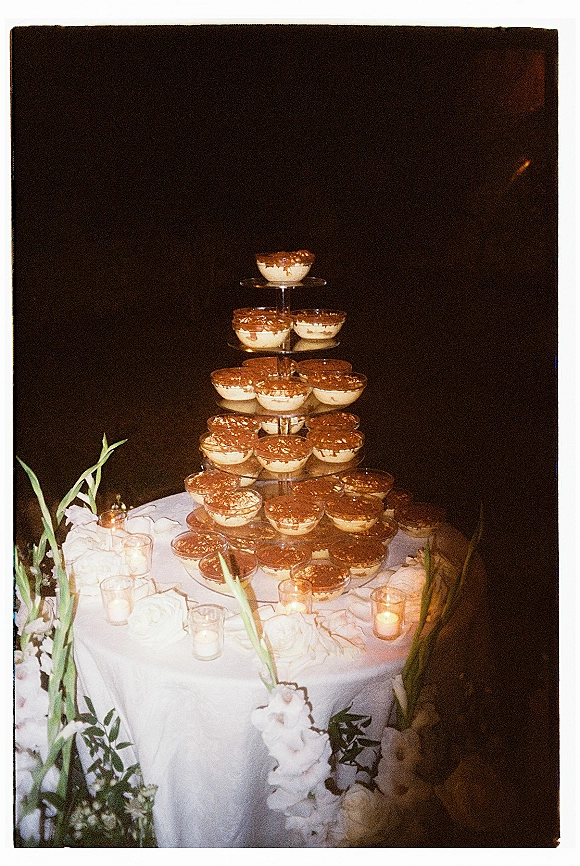
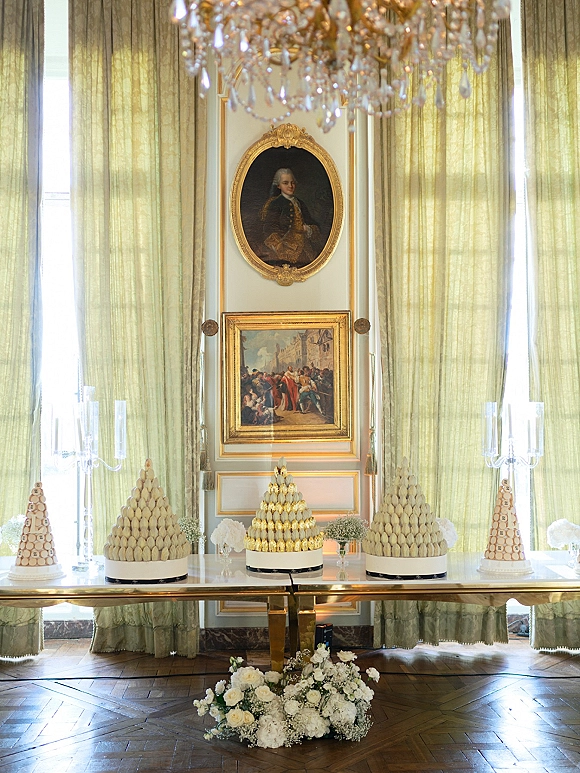
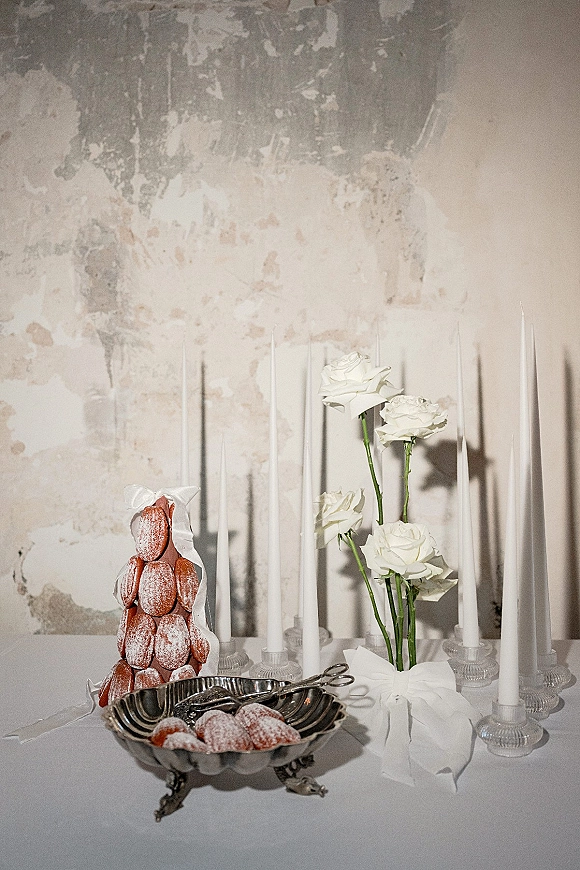
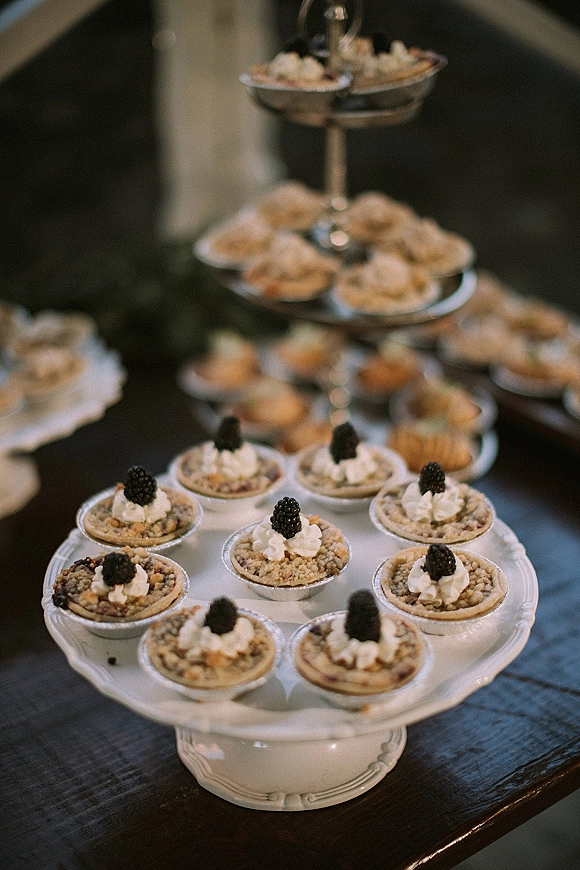
The focal piece. A single-tier or two-tier cake, a croquembouche, a macaron tower, a stacked cheese wheel, or a tiered stand of tarts. It should be the tallest object on the table and the only one of its kind. Two competing centerpieces flatten the display into a buffet.
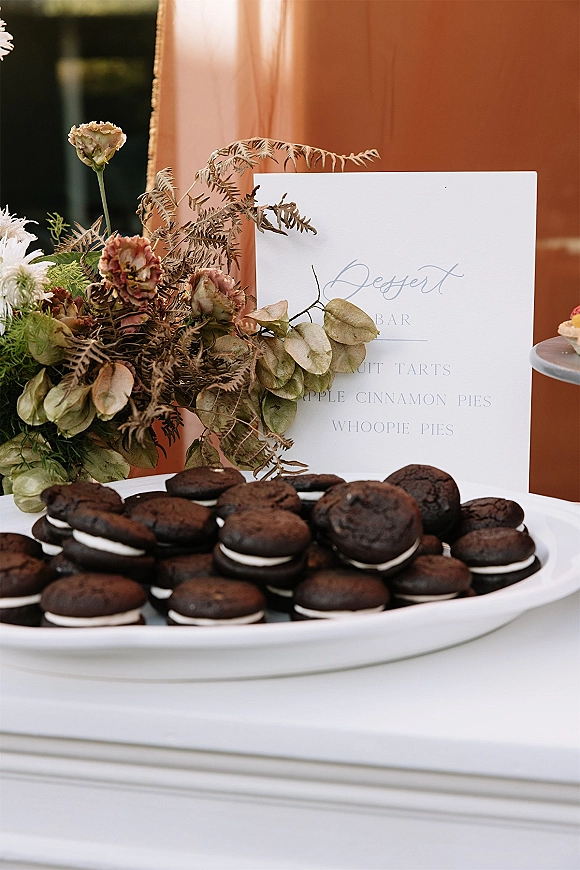
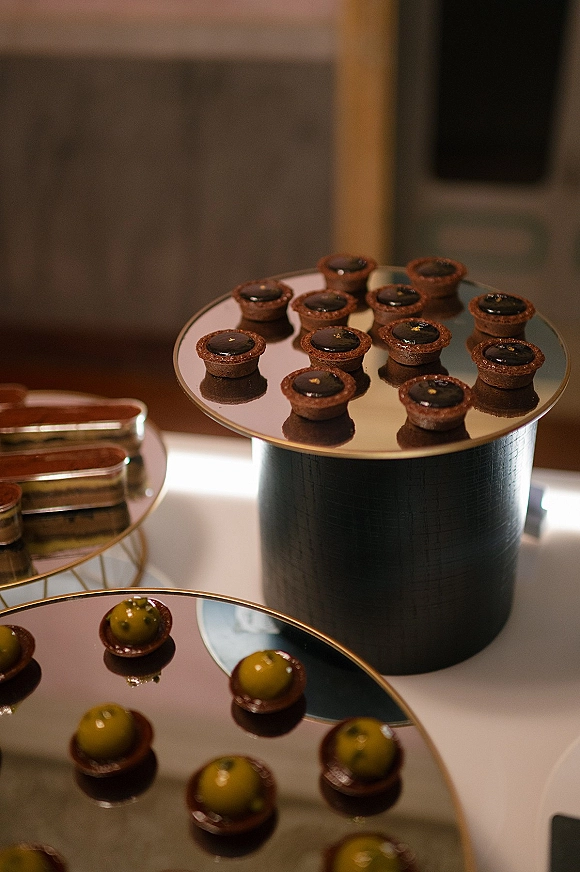
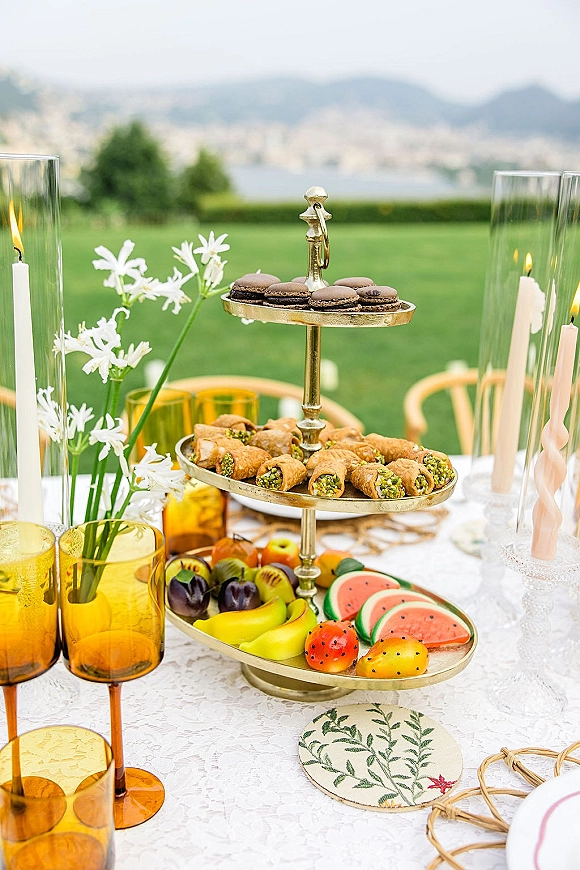
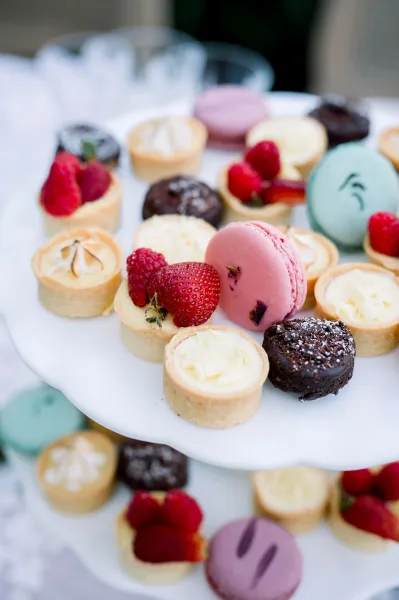
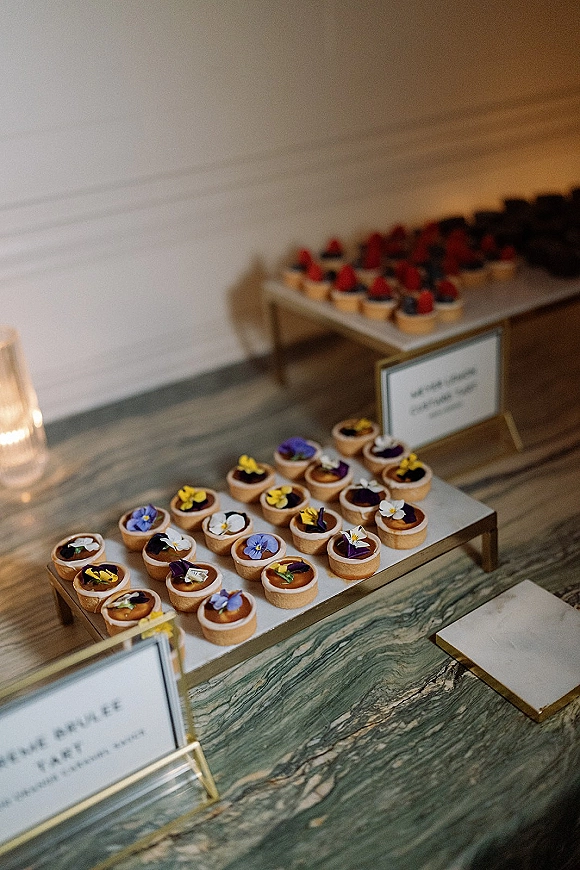
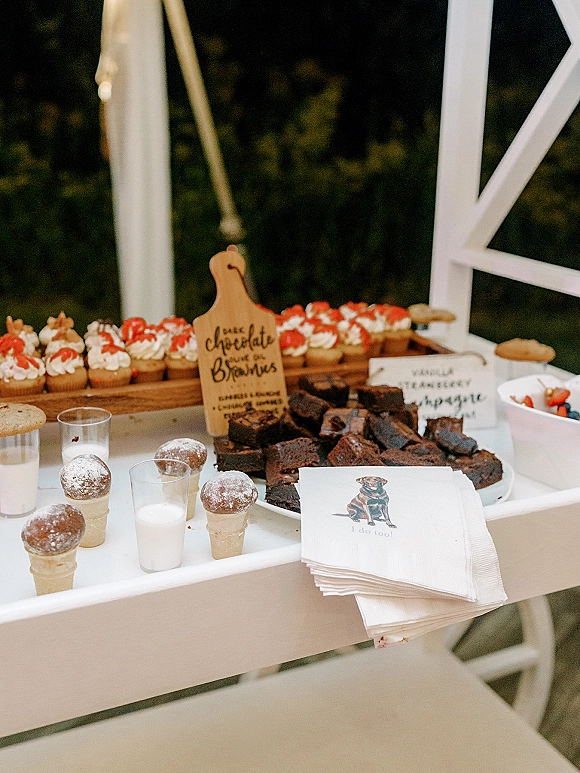
Bite-size items. Macarons, mini tarts, cake pops, French pastries, dessert squares and bars, mini cheesecakes, cookies, cannoli, mini pies, brownie bites. These should be one or two bites and stable enough to hold in a hand while holding a drink. Anything requiring a fork and a plate slows the line and ends up abandoned on cocktail tables.
Something personal. Family recipes, a regional specialty, a childhood favorite, a dessert from the couple’s heritage, or the pastry from the bakery near their first apartment. This is the item that makes the table read as theirs rather than as a catering package, and it is usually the one that gets explained to guests by a parent standing next to it.
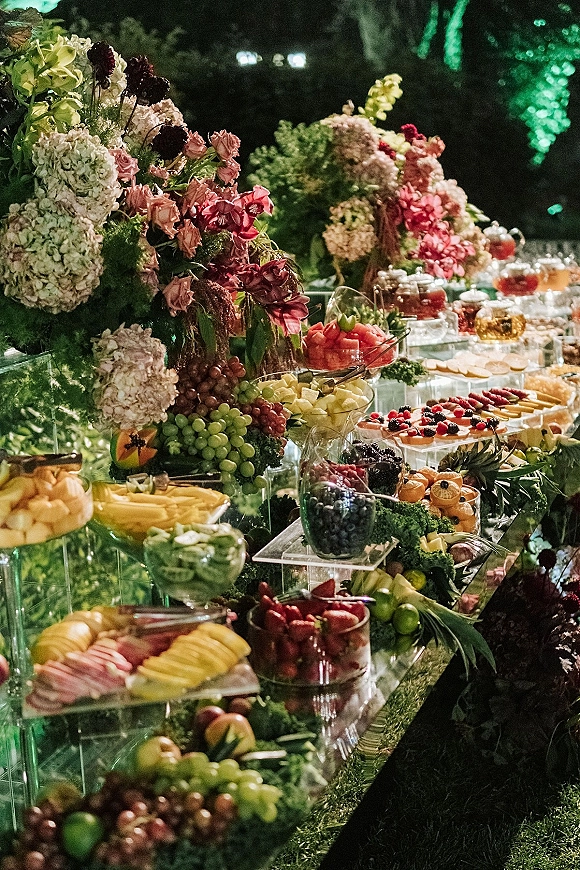
A non-sweet edge. A small cheese and fruit section, salted nuts, or a coffee and tea setup at one end gives guests who do not eat dessert a reason to walk over, and it breaks up an unrelieved wall of sugar. Couples working with a bakery on both the cake and the spread can compare approaches through the wedding cake vendors directory.
Wedding Dessert Table vs. Wedding Cake
A dessert table can fully replace a wedding cake. Nothing about the reception structurally requires a tiered cake, and a table with a strong focal piece performs the same visual and ceremonial job. The question is whether the couple wants a cutting moment, because that is the only function a cake performs that a spread of small desserts does not.
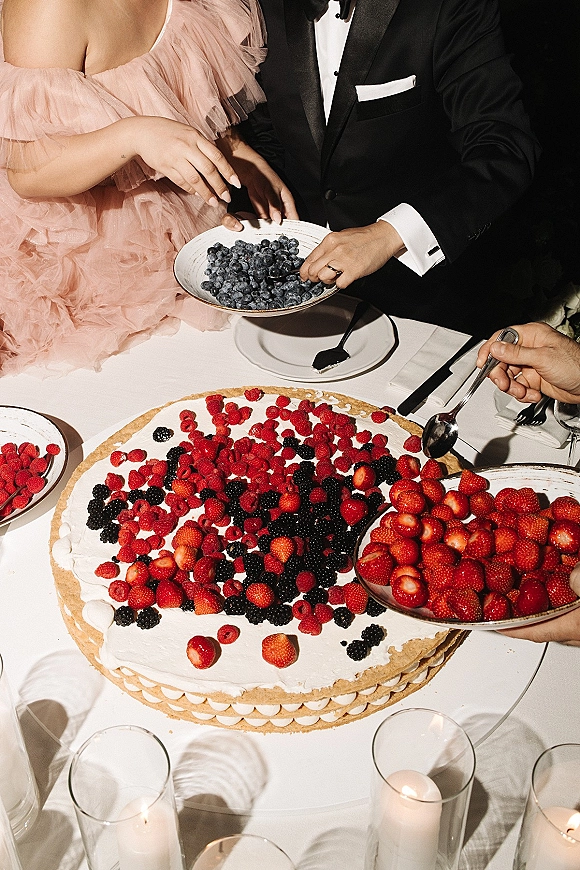
Keeping a small cake solves both. A single-tier or two-tier cake used as the table’s focal piece gives photographers and the band a cutting moment, then gets sliced and folded into the spread. This is the most common arrangement at receptions that run a dessert table, and it costs the display nothing.
Going without a cake entirely. A croquembouche gets cracked open instead of cut. A macaron tower gets photographed and dismantled. Some couples move the ceremony to a different dessert altogether, or skip the moment and let the table open quietly while the dancing starts. All of these work; none of them need to be explained to guests.
Doing both, separately. A tiered cake on its own table, plus a dessert table elsewhere in the room, is a real configuration and the one that most often produces too much dessert. When both exist, the per-guest count on the dessert table should drop to one or two pieces. It also introduces a second styling problem, since the cake table now needs its own design rather than borrowing from the dessert display. Couples who want the cake itself to carry the visual weight often push detail into the floral wedding cake and keep the surrounding table quiet.
Wedding Cake Table Ideas and Decor
A cake table has one job the dessert table does not: it isolates a single object so it photographs cleanly. That argues for restraint. A textured linen, a low arrangement or greenery run at the base, and controlled lighting will do more for the image than a crowded surface.
Size the table to the cake, not the room. A round table roughly thirty to thirty-six inches across suits most tiered cakes and keeps the cake reading as large. A six-foot banquet table under a two-tier cake makes the cake look small and leaves dead space that gets filled with clutter.
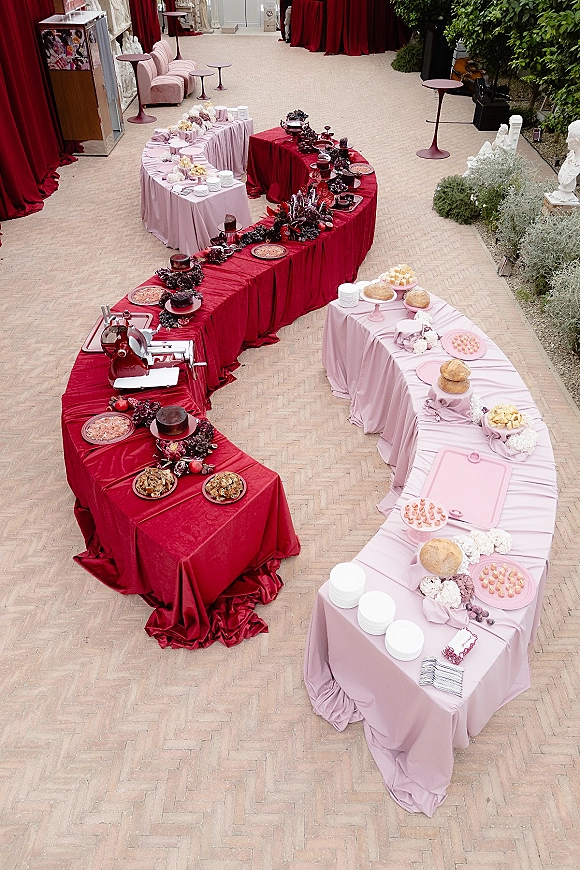
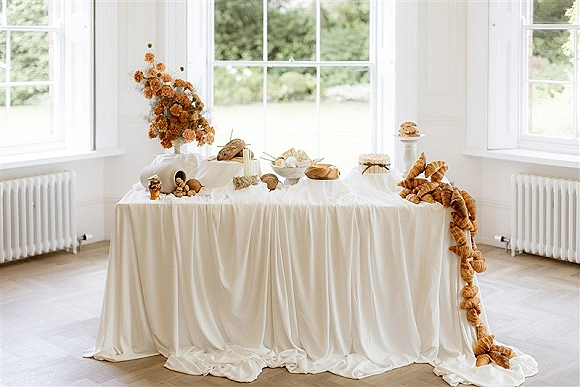
Linen and surface. A floor-length linen hides table legs and equipment and creates a clean vertical field behind the knife line. Textured fabric, raw silk, velvet, or a heavy weave picks up light where flat polyester goes gray on camera. Bare wood works when the wood is worth showing.
Base treatment. A greenery run, a loose garland, scattered petals, or a shallow ring of low blooms grounds the cake without competing with it. Keep the arrangement below the bottom tier. Anything that rises alongside the cake fights it in every photograph. The same logic that governs rustic wedding centerpieces applies here, scaled down and pulled tighter.
Backdrop and placement. The cake table wants a wall, a draped panel, a window, or a piece of architecture behind it rather than an open floor. A busy background is the most common reason cake photographs disappoint. Position it out of the main traffic line but within sight of the dance floor, since guests need to see the cutting moment without a crowd forming behind the photographer.
How to Set Up and Display a Wedding Dessert Table
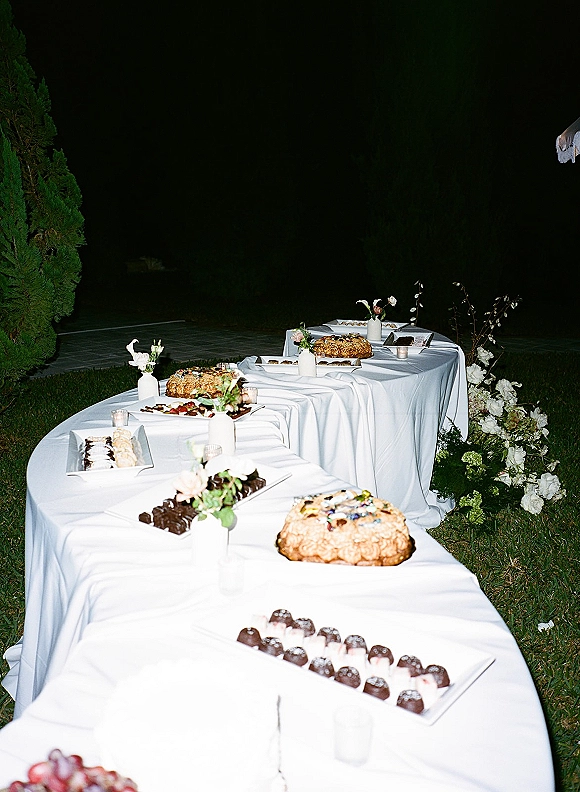
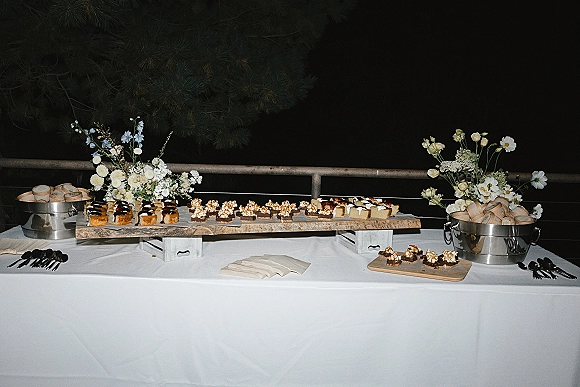
A six-foot rectangular table holds a full dessert spread for roughly one hundred guests when items are layered at three or more heights. Beyond that guest count, two six-foot tables in a straight line or an L gives enough surface to keep the display generous rather than dense.
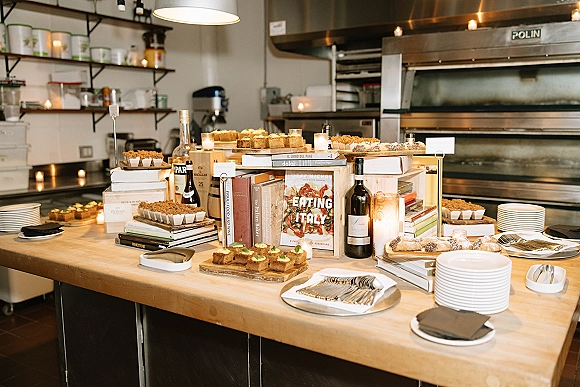
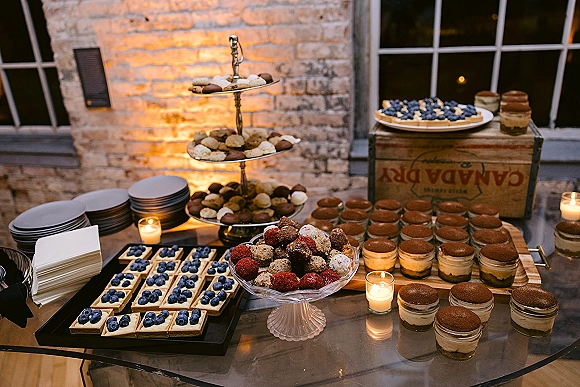
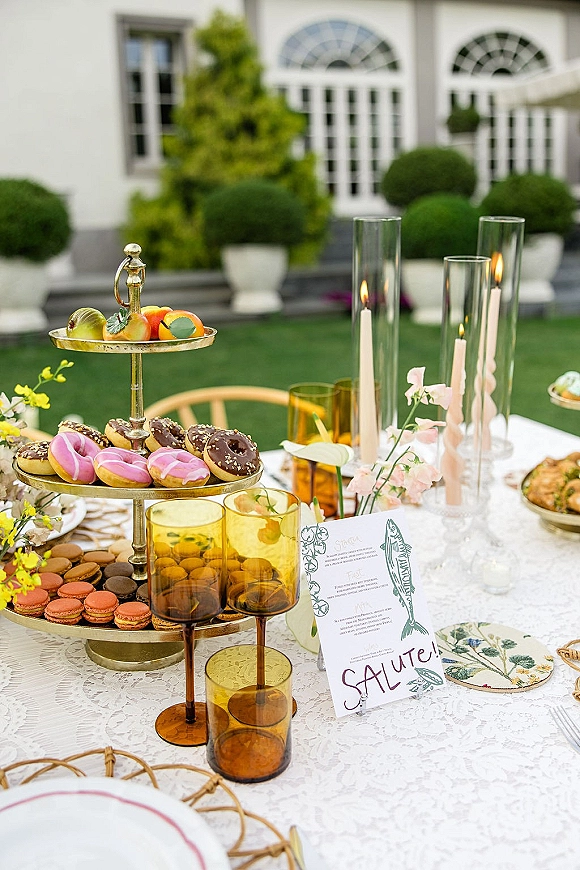
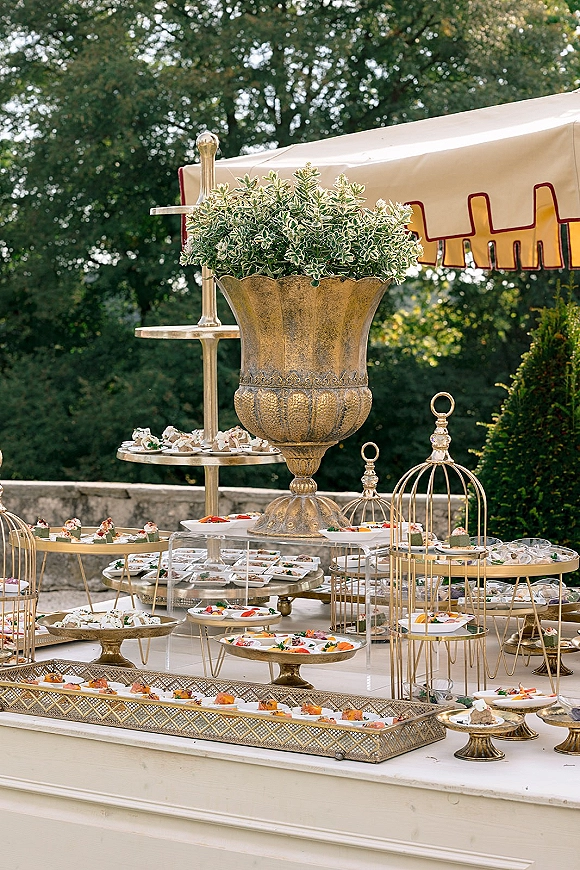
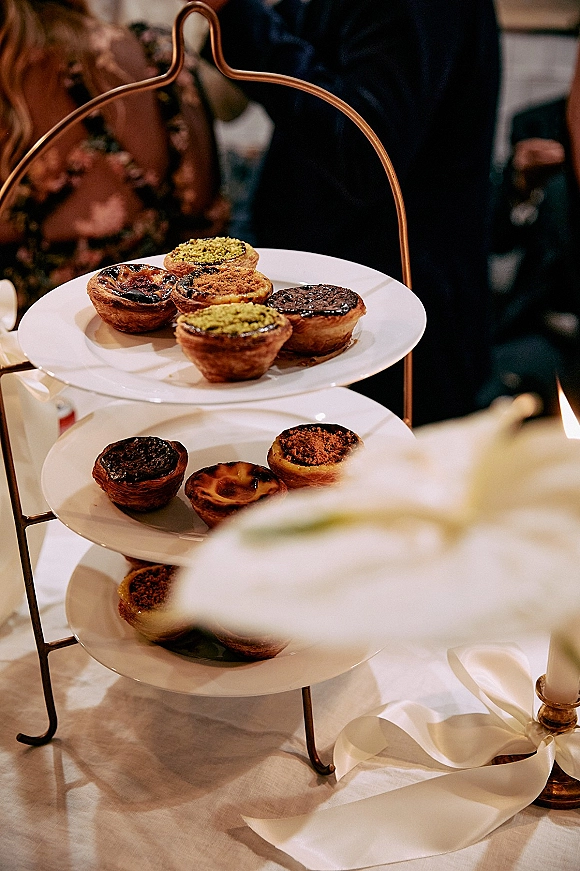
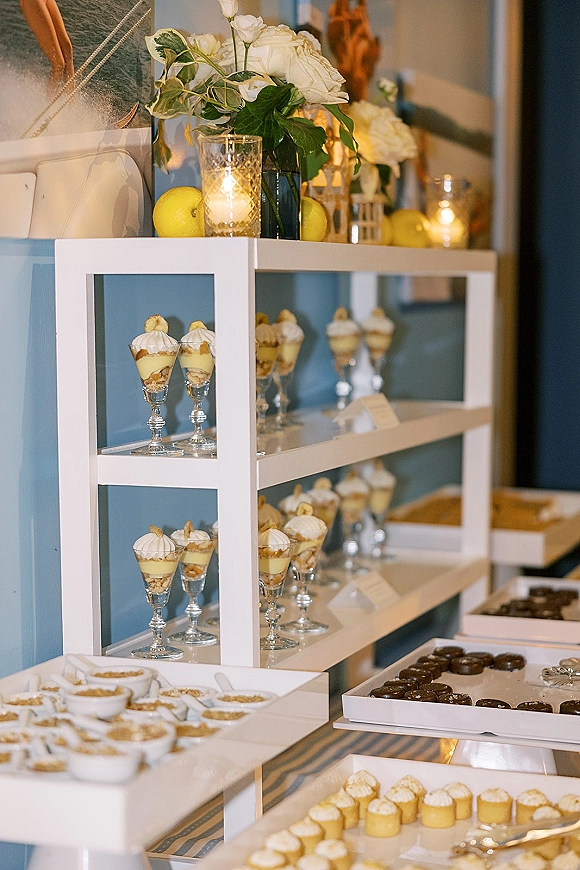
Build in three height tiers. A tall focal piece, a middle band of cake stands and risers, and a low front row of platters and trays. Flat displays photograph flat. The rule of thumb is that no two adjacent items should sit at the same level, which forces variation without requiring a plan.
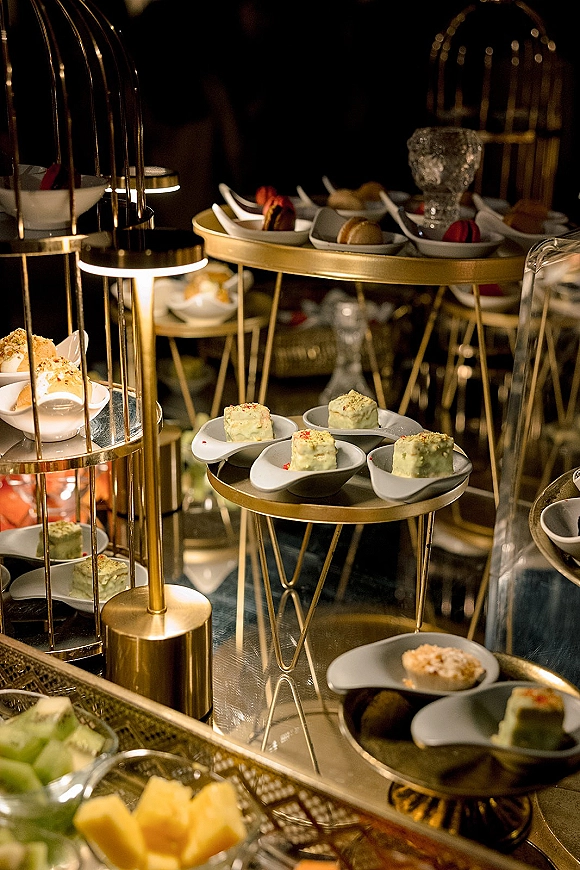
Stands and risers. Glass and acrylic cake stands disappear and let the dessert read; ceramic and wood stands become part of the composition and should match the palette. Cake boxes or crates hidden under the linen create height for free. Mixing metals and finishes across a single table reads as accidental unless the whole palette is deliberately eclectic.
Depth and reach. Keep the front row within easy reach and put fragile or slow-moving items at the back. Guests reach for what is closest, so the crowd items belong at both ends rather than the center, which spreads the line and prevents a bottleneck in the middle.
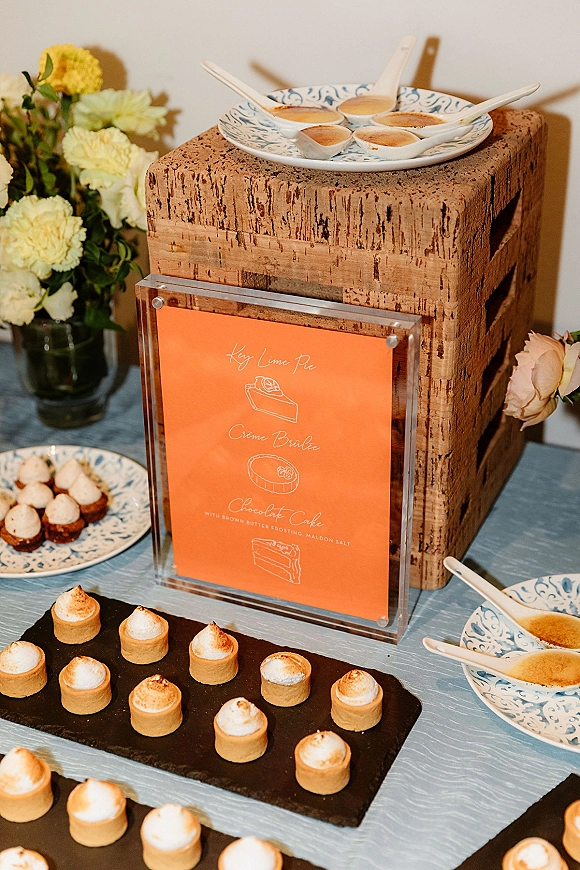
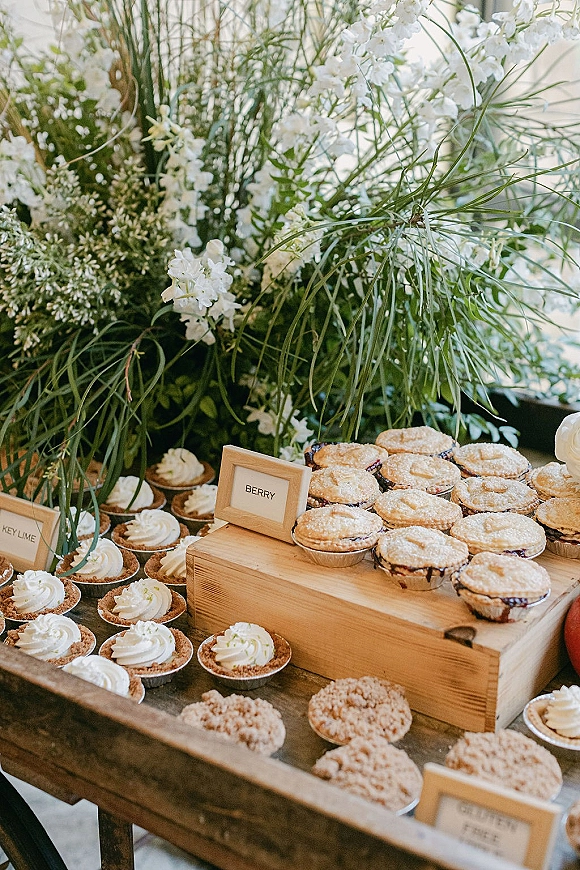
Signage and service. Small cards naming each dessert reduce hesitation and matter for guests with allergies or restrictions. Plates, napkins, tongs, and a small waste point belong at one end, not scattered. A larger sign at the table’s head does the work of announcing the table so the couple does not have to.
Backdrop. A draped panel, a greenery wall, a window, or an arch behind the table anchors the display in photographs. Setting a dessert table against an empty room is the fastest way to lose it.
Wedding Dessert Bar and Sweet Table Variations
The same table gets called a dessert bar, a sweet table, or a treat table depending on how it is staffed and what it holds. The distinctions matter less than the format decision underneath them, which is whether guests serve themselves from a static display or interact with something being made or assembled in front of them.
Dessert bar. Attended, with someone plating, torching, pouring, or assembling to order. It slows the line and creates a small performance, which is the point. Works best at receptions with a long dancing window and a bar that can absorb the queue.
Sweet table. The static, self-serve version and the most common configuration. Everything is set out at once, guests graze across the evening, and someone from the venue refreshes gaps.
Candy bar. Jars, scoops, and bags, weighted toward color rather than flavor. It photographs well and doubles as a favor, and it skews younger than most dessert formats.
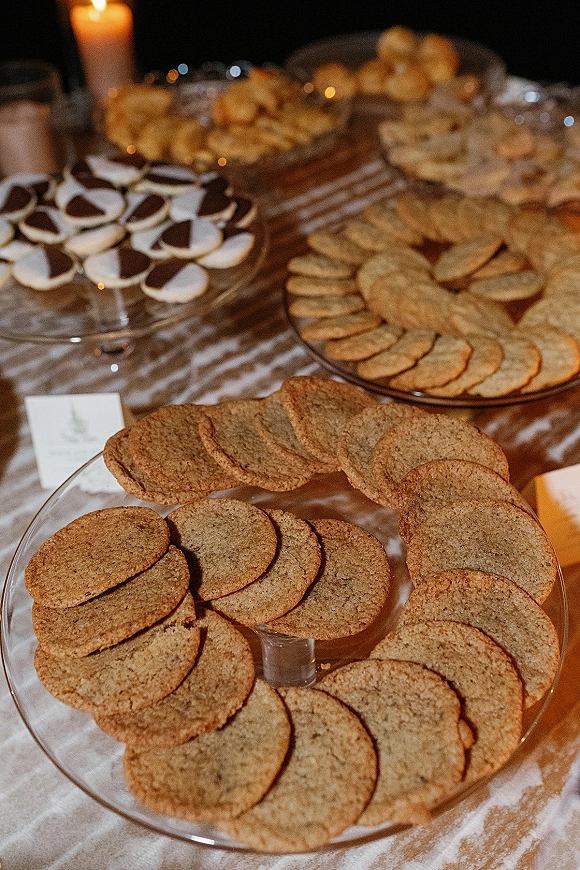
Cookie table. A regional tradition in parts of the Midwest and Northeast, where extended family bakes and the table becomes a genuine multi-generational contribution. Where it exists, it is not a styling choice.
Late-night table. Opens after dancing has started and leans savory-adjacent: donuts, soft pretzels, fries, sliders, and coffee. It solves a different problem than dessert, which is that people who have been drinking need food at the end of the night. Late-night tables consistently clear faster than dessert tables set out immediately after dinner.
Takeaway table. Boxes, bags, or tins at the exit, stocked from the same spread. It converts leftovers into a favor and removes the end-of-night waste question entirely.
How Different Desserts Hold Up Through a Reception
Most dessert table failures are structural rather than aesthetic. A table set out at the start of a reception sits for hours in whatever conditions the room provides, and the desserts that survive that are not always the ones that photograph best on arrival.
Frostings behave differently in heat. American buttercream softens and slumps first because it is mostly butter and sugar. Swiss and Italian meringue buttercreams hold slightly better. Ganache sets firm and stays firm until it is genuinely hot. Royal icing and fondant are the most stable and the least interesting to eat. Whipped cream and stabilized whipped frostings are the least stable of all and belong on desserts served immediately or kept cold.
Humidity attacks sugar work. Meringues, pavlova, and spun or pulled sugar go tacky and then soften in humid air; on a coastal or summer evening they can lose their texture within an hour. Macaron shells absorb moisture and lose their crispness while the filling stays fine, which is why they read best early.
Chocolate blooms. Tempered chocolate exposed to warmth and then cooling develops a dull gray film on the surface. It is harmless and it looks like a mistake, which is enough reason to keep chocolate work shaded and away from candles and uplights.
Custard and cream fillings are the real constraint. Cream pies, éclairs, tiramisu, mousse cups, and cheesecake are dairy-based and have a genuine time limit outside refrigeration. These are the items to hold back and put out in waves rather than set at the start.
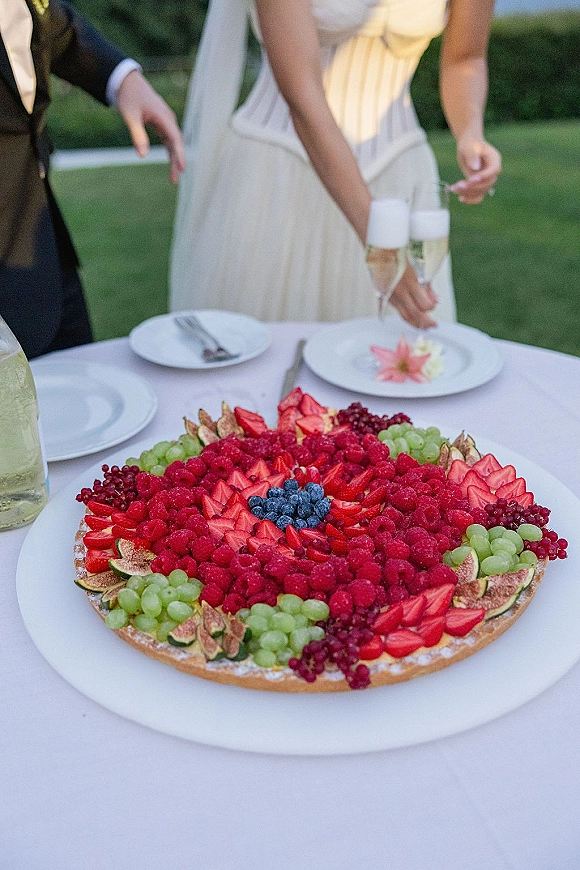
Fruit oxidizes. Cut apples, pears, bananas, and peaches brown; berries, citrus, and figs hold. Tarts topped with glazed fruit last longer than the same fruit left bare.
How a Wedding Dessert Table Photographs
Dessert tables are shot once, early, and briefly. The photographer captures it before guests reach it and rarely returns, so the table has to be complete and correct at the moment it opens rather than at the moment the reception peaks.
Height variation is what reads. A flat table photographs as a beige stripe. The same desserts on staggered stands produce depth, shadow, and a composition the eye can move through. This is the single highest-return decision on the table and it costs nothing beyond a few risers.
Backlight favors glass. A table set against a window or a lit backdrop puts light through glass and acrylic stands and gives the display luminosity. The same table shot against a dark wall with a direct flash flattens everything. Where the table sits in the room determines what the image can be.
Contrast decides whether desserts are visible. Pale desserts on a white linen against a white wall disappear. A darker linen, a wood surface, or a colored backdrop separates the food from the field. The inverse is also true: dark chocolate work needs a light surface behind it.
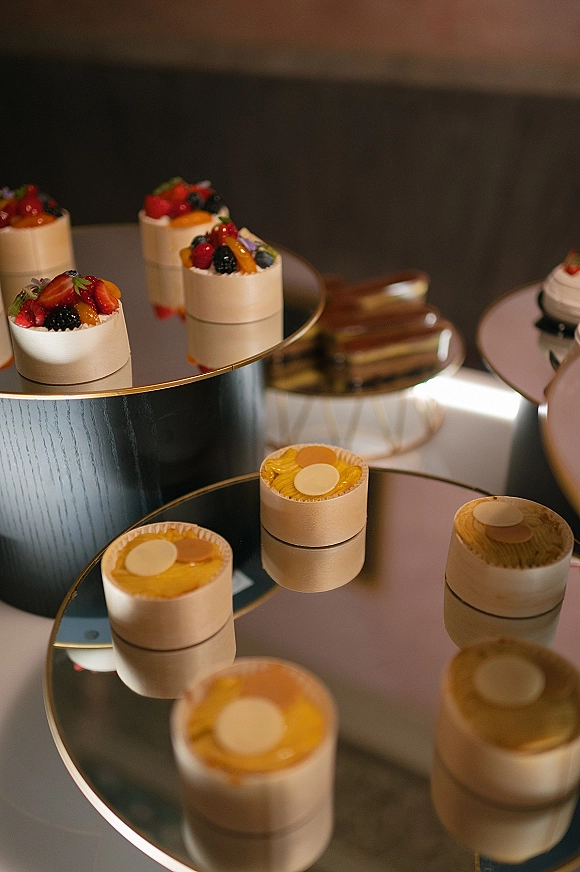
Reflections are the common miss. Mirrored trays, glass tabletops, and metallic stands catch overhead lighting and blow out. Matte and satin finishes hold detail.
The wide shot needs a boundary. A table photographed with an open room behind it has no frame. A backdrop, a wall, a run of greenery, or a draped panel gives the image an edge. Couples often reuse ceremony material here, and a run of wedding greenery moved from the ceremony to the dessert table earns its cost twice.
Matching the Dessert Table to the Wedding’s Style
The desserts change less across wedding styles than the display does. Cookies and tarts appear at almost every reception; what shifts is the surface they sit on, the height they are given, and how tightly the palette is controlled.
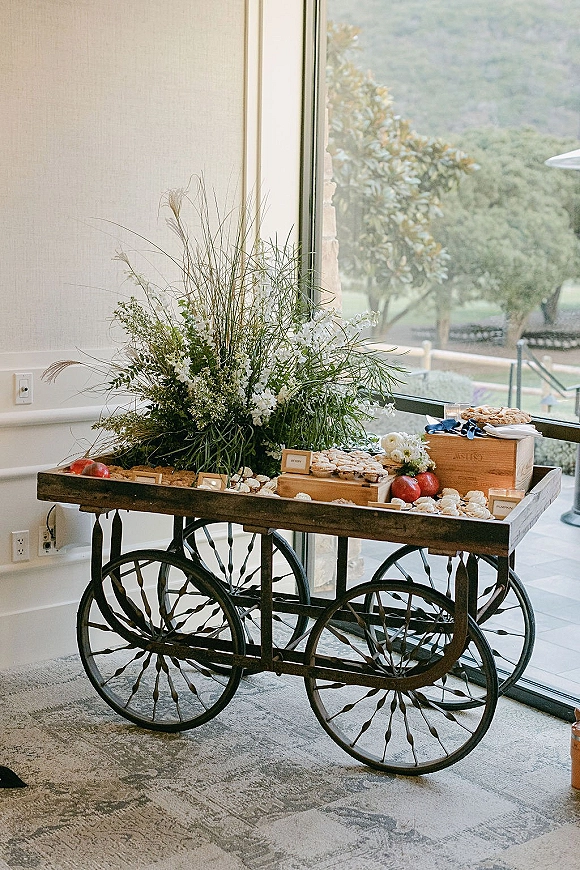
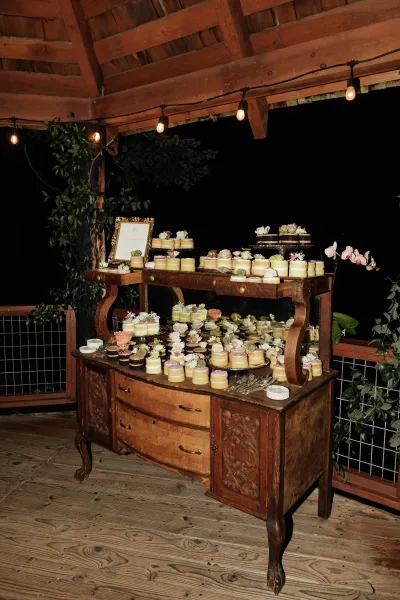
Rustic. Wood rounds, crates, galvanized trays, kraft-paper signage, pies and hand pies and crumbles, loose seasonal blooms. Works with exposed beams, barn siding, and long farm tables, and shares its material language with barn wedding ideas generally.
Elegant and formal. Silver or gold stands, mirrored and marble surfaces, French pastries, macarons, and tarts in a two-color palette. Height is controlled and symmetric rather than clustered. A ballroom or estate setting rewards restraint here, since the room already carries the ornament.
Simple and minimal. One or two dessert types, repeated. A dozen identical tarts in a grid reads as intentional; a dozen different desserts reads as a buffet. White or single-tone surfaces, no signage beyond one card, and no floral competition.
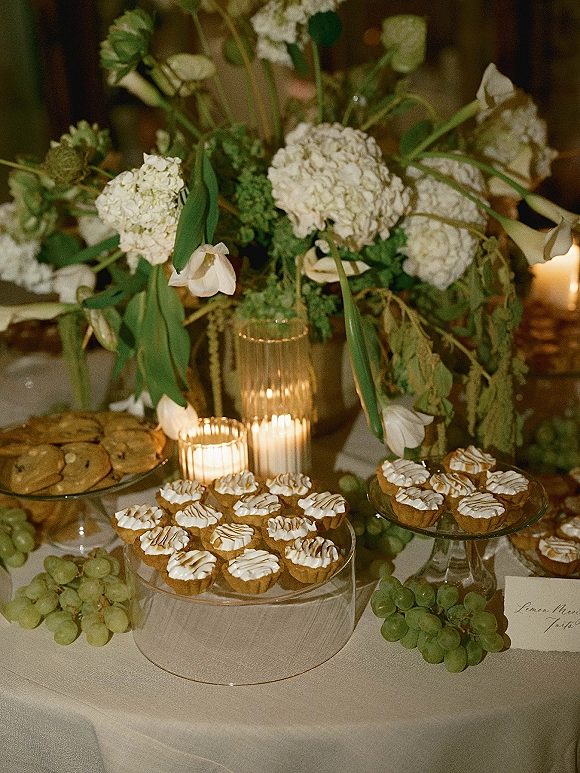
Garden. Low arrangements woven through the display, fruit and citrus as decoration, lighter desserts, pastel or unbleached linens. The florals here belong to the table rather than sitting beside it.
Modern. Geometric or monochrome stands, an unexpected palette, sculptural single desserts, and a graphic sign. Modern tables tend to hold fewer items with more space between them, which is a display choice more than a food one.
The reliable signal across all of these is palette discipline. A table restricted to three colors reads as designed regardless of style; a table holding every color the bakery offered reads as assembled.
Where the Dessert Table Goes and When It Opens
Placement and timing determine whether the table gets used. A dessert table set in a corner nobody passes will still be full at the end of the night, and one opened immediately after a heavy dinner will be barely touched no matter how it looks.
Position it on a path, not in a corner. Between the dance floor and the bar, or along the route to the restrooms, puts the table in guests’ natural circulation. Guests will not cross an empty room for dessert, but they will take something on the way past.
Give it clearance on three sides if possible. A table against a wall serves one line; a table with space behind it can be restocked without cutting through guests, and a table with room on both ends serves two lines at once. Every configuration needs at least a few feet of standing space in front so the line does not back into the dance floor.
Open it after the floor is already moving. Dessert set out during the meal competes with the meal. Opening it once dancing starts, or holding part of the spread for a later wave, spreads consumption across the evening and keeps the display looking full in photographs taken later.
Decide self-serve or attended early. Attended service controls portions and keeps the table tidy but requires staff. Self-serve is faster and messier and needs a plan for restocking and clearing. Venues have opinions about which they will support, and the answer changes what the table can hold.
Plan the end of the night. Boxes for takeaway, a decision about what goes home with family, and a clear owner for breaking the table down all belong in the timeline. Couples building the vendor team around this can start with the wedding cake and bakery guide.
Frequently Asked Questions
What size table do you need for a wedding dessert table?
A standard six-foot rectangular table holds a full dessert spread for about one hundred guests when items are layered at varying heights. For larger guest counts or a more elaborate display, two six-foot tables set in a straight line or an L give enough surface to keep the table generous rather than crowded. A cake table on its own is better at thirty to thirty-six inches round, which keeps the cake reading large.
When should a wedding dessert table be set up?
The display should be complete before the reception space opens, because photographers shoot it early and rarely return. Anything dairy-based or unstable should be held back and set out in a second wave closer to when the table opens to guests. Most venues stage the table during dinner service and open it once dancing has started.
Do you need a wedding cake if you have a dessert table?
No. A dessert table with a strong focal piece performs the same visual role, and the cutting moment is the only function a tiered cake uniquely provides. Couples who want that moment often keep a single-tier or two-tier cake as the table's centerpiece and slice it into the spread, which gives them both without doubling the dessert.
How much does a wedding dessert table cost?
It varies widely depending on how many varieties are ordered, whether items are made by a bakery or assembled at home, whether display pieces are rented or owned, and whether setup and styling are included or billed separately. Ordering fewer varieties in larger quantities is generally the biggest lever, since custom and small-batch items carry the most labor. Ask any bakery to quote per guest rather than per tray so the numbers stay comparable.
Can you make a wedding dessert table yourself?
Yes, and the constraint is timing rather than baking. Most homemade desserts need to be finished within a day or two of the wedding, which lands in the most crowded part of the week. The versions that work split the labor: a bakery supplies the focal piece and the fragile items, and family or friends contribute stable items like cookies, bars, and hand pies that can be made ahead and transported without damage.
What desserts work best for an outdoor summer wedding?
Choose desserts that hold their structure in heat and humidity. Ganache-covered items, fruit tarts with a baked base, shortbread and cookies, bars and squares, and anything set with gelatin will outlast buttercream, whipped cream, meringue, and pulled sugar. Keep custard and cream fillings refrigerated until the table opens, and shade chocolate work so it does not develop a gray bloom on the surface.