Eucalyptus for Weddings
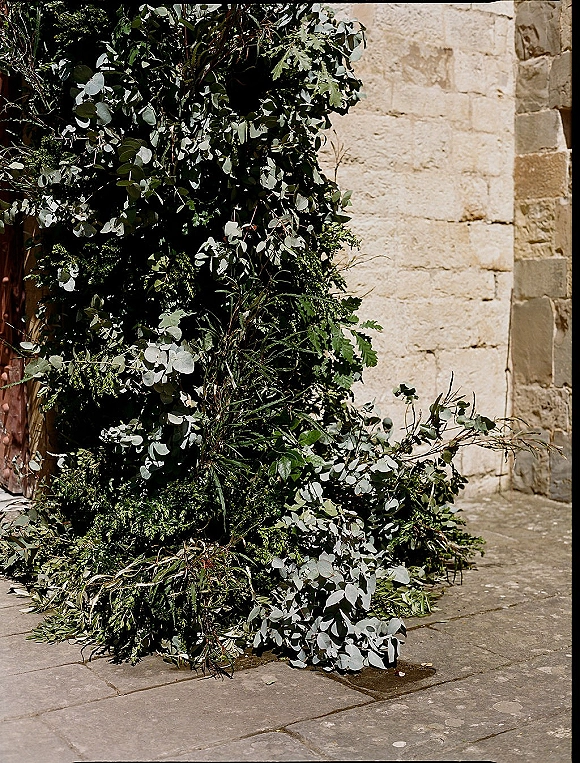
Eucalyptus is the dominant greenery in contemporary wedding design for good reason. Silver dollar eucalyptus, the rounded coin-shaped variety, is the most widely used, with a blue-gray cast that photographs as soft and neutral rather than sharp green. It trails naturally, which suits cascading bouquets, garland installations, and table runners where the organic drape of the foliage is part of the design.
Seeded eucalyptus adds texture through its small berry-like clusters along the stem. Willow eucalyptus is finer and more delicate, with a feathery quality suited to loose, relaxed arrangements.
Eucalyptus has a particular advantage in photography: its muted blue-green tone doesn’t compete with the bridal gown or bridesmaid palette the way a more saturated green would. It reads as a neutral in a composition, which is why it appears consistently across a wide range of wedding color palettes, from the whitest minimal arrangements to those built around burgundy, terracotta, and blush.
Fern and Tropical Greens for Weddings
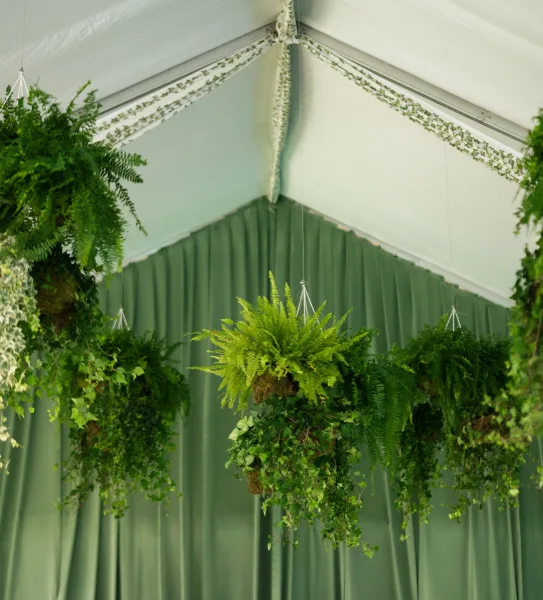
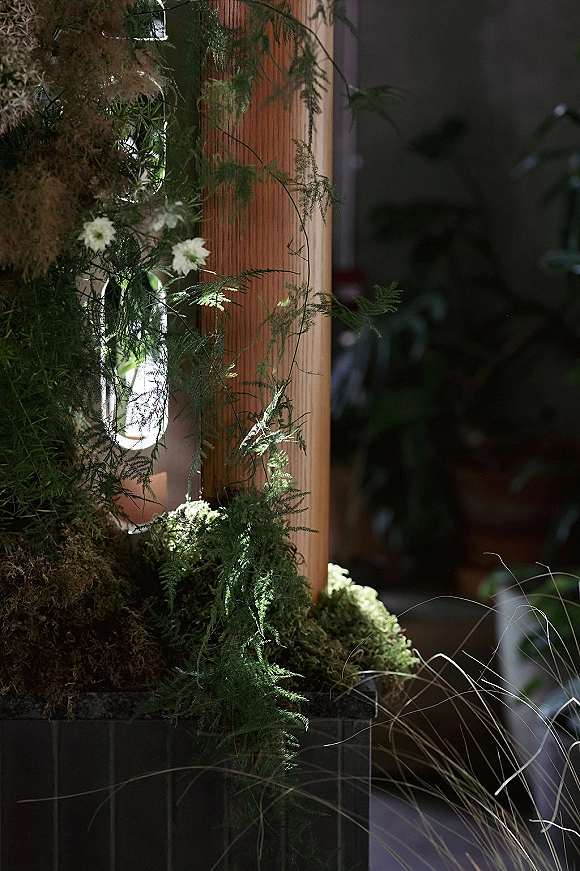
Fern spans a wide range of scales and textures, which makes it one of the most versatile foliage choices in wedding design. Maidenhair fern is the most delicate, fine-stemmed with small rounded leaflets that add an airy quality to loose arrangements and bouquets. It’s fragile in heat and doesn’t hold as well as eucalyptus over a long day, which is a practical consideration for outdoor summer weddings.
Leatherleaf fern is far more durable, with a darker, glossier surface that suits lush, full arrangements where volume is the goal. For fall and winter weddings, leatherleaf’s deeper green creates stronger visual contrast than the softer eucalyptus tones.
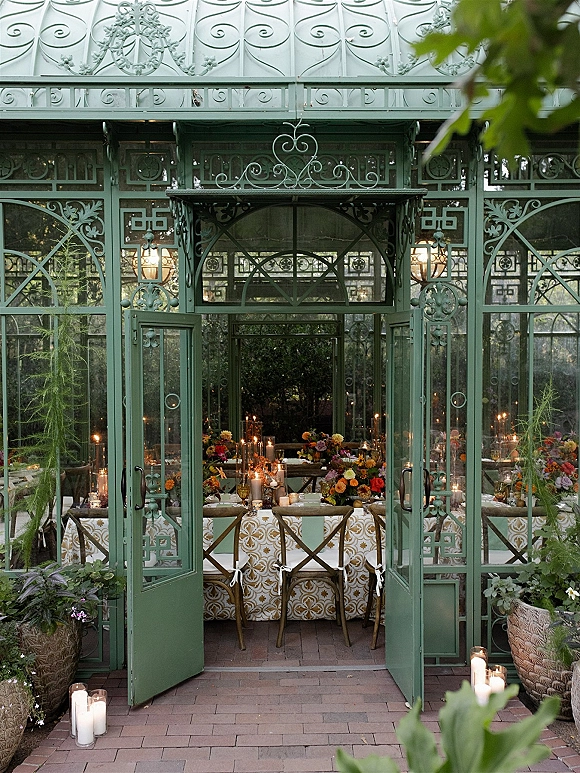
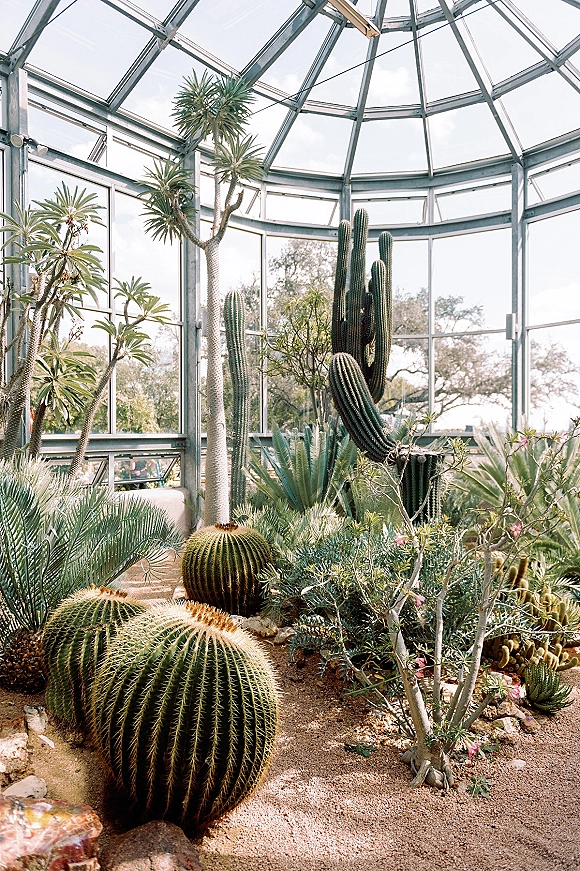
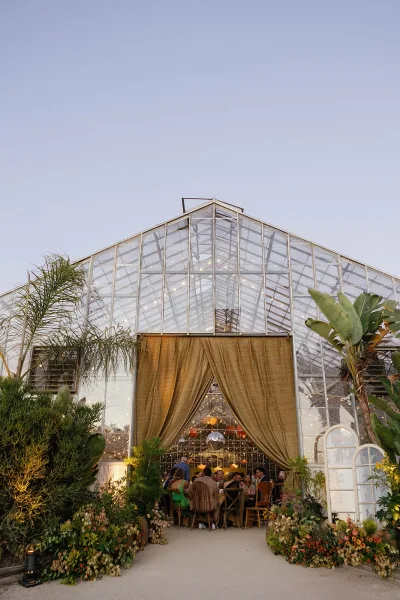
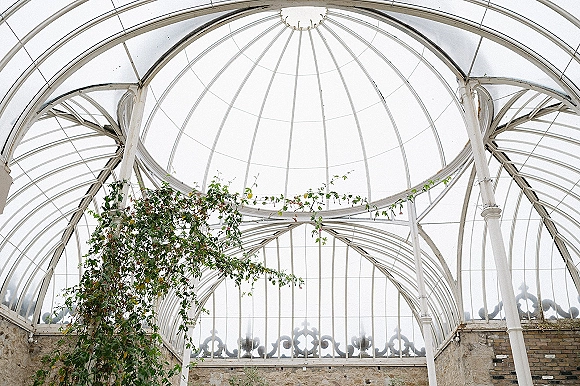
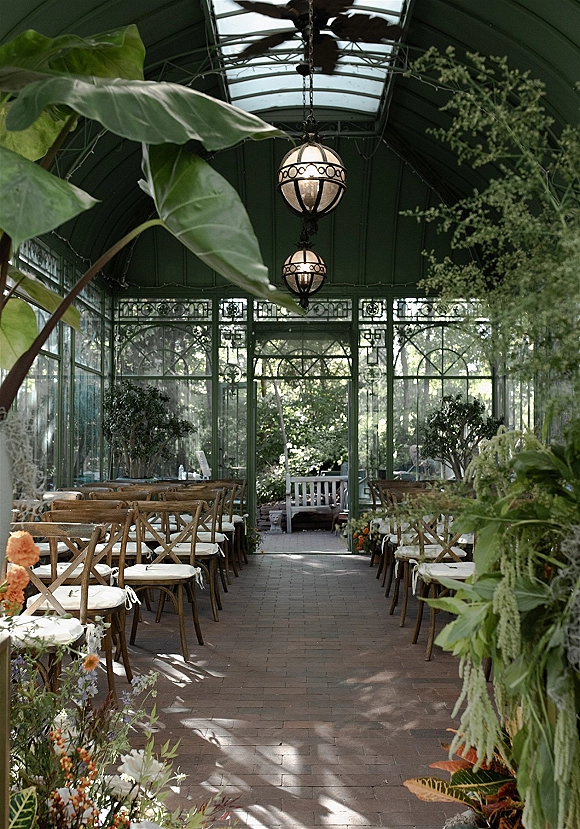
Monstera leaves and tropical foliage occupy a different category: larger, more graphic, and suited to aesthetics that lean bold or botanical. A single monstera leaf in a bridal bouquet makes a strong visual statement. In centerpieces and table runners, tropical greens create a lush density that suits estate gardens, greenhouse venues, and warm-climate settings.
Olive Branch and Mediterranean Greens for Weddings
Olive branch has a visual quality that eucalyptus and fern don’t replicate: a silvery, matte surface on narrow leaves that photographs with warmth and a slightly dusty character. It suits Mediterranean-adjacent aesthetics, vineyard ceremonies, and the terracotta-and-warm-white palette that has been strong in wedding design for the last several years.
In a bouquet, olive branch adds structured looseness with enough form to hold its shape without looking stiff. Rosemary functions similarly at smaller scale. Aromatic, structured, and visually interesting, rosemary works in boutonnières, place settings, and woven into tight bouquet designs. In Italian or garden wedding settings, rosemary functions as much as a prop as a foliage choice, with associations that suit the whole-day narrative of the event.
Wedding Greenery Bouquets
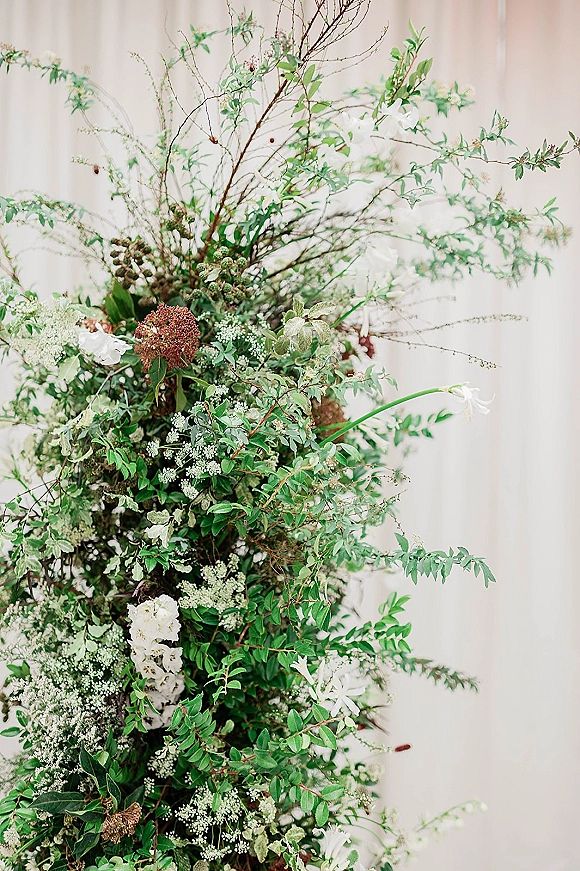
The greenery bouquet ranges from a tightly constructed all-foliage design to a loose arrangement where eucalyptus, fern, and olive branch carry the composition with blooms playing a supporting role. The foliage type determines the bouquet’s character more than any flower choice.
Silver dollar eucalyptus reads soft and romantic in a bouquet, with trailing stems that create natural movement suited to relaxed garden weddings. A bouquet built from olive branch and rosemary reads structured and slightly rustic, well-matched to vineyard and estate settings. Maidenhair fern adds an airy, delicate quality suited to loose, romantic designs, though its fragility in heat means it’s better suited to cool-month ceremonies.
For winter and fall weddings, mixing foliage types within a single bouquet creates depth that a single foliage can’t: eucalyptus as the base, leatherleaf for structure, maidenhair for softness. The contrast of texture at close range is what makes a mixed-greenery bouquet photograph well. For bouquets where a specific focal point color matters, wedding ceremony flowers shows how florists integrate foliage with blooms across ceremony and bridal party applications.
Greenery Wedding Arches and Installations
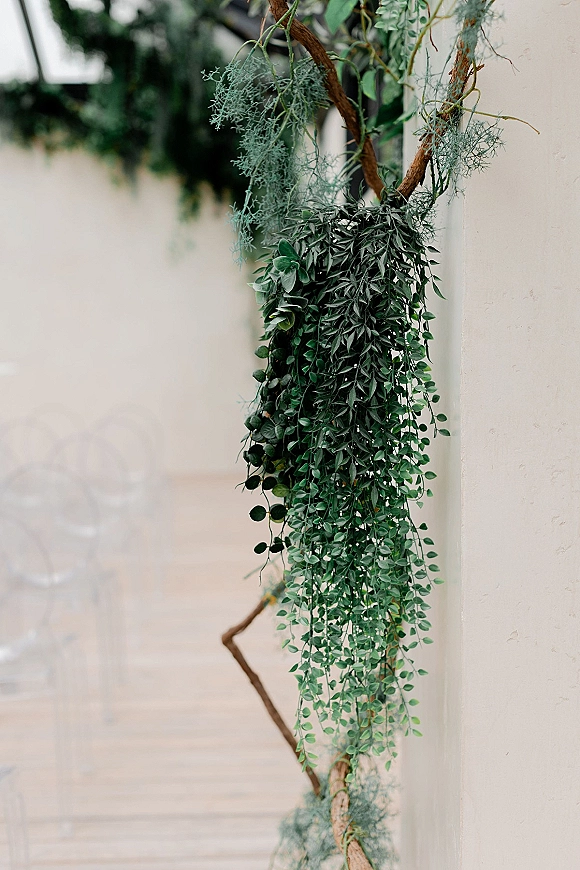
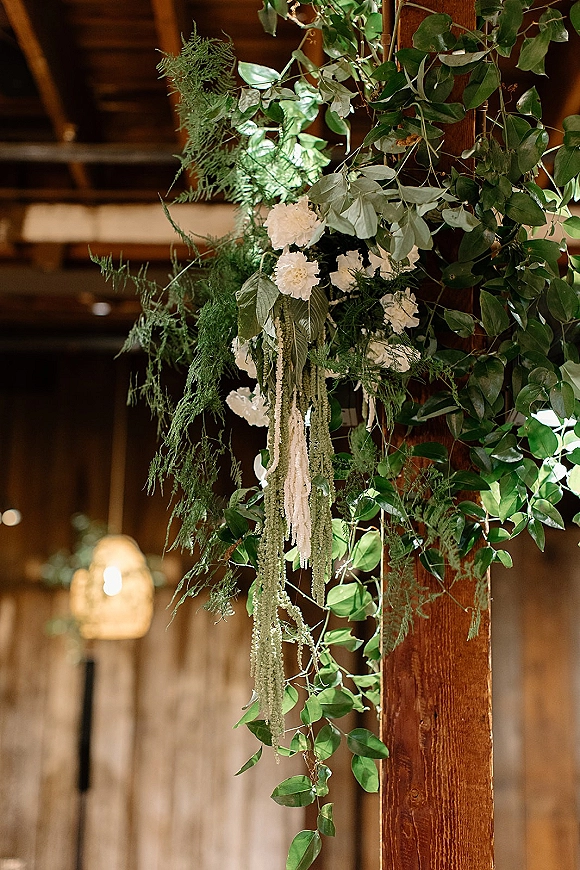
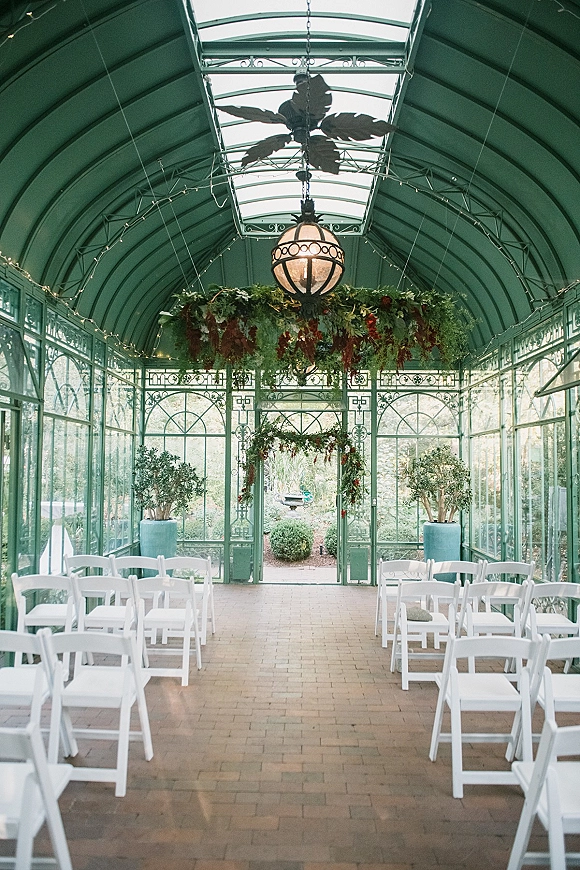
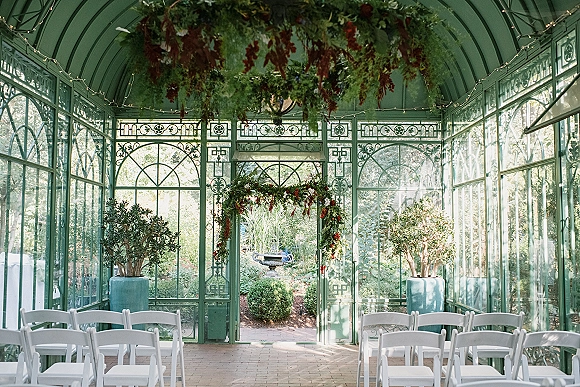
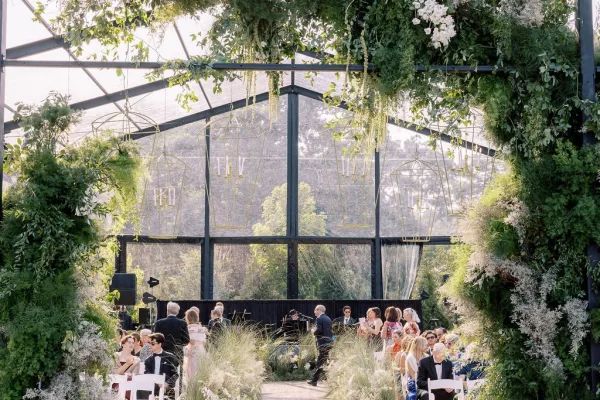
The greenery arch is one of the most photographed applications of foliage in wedding design, and the range in how it’s executed is wider than most couples expect. A full arch built primarily from eucalyptus garland and fern creates a lush, enclosed frame for ceremony photography that reads in every shot taken from the aisle. The arch structure itself determines a lot about how the greenery reads: a tight geometric metal frame creates a precise, formal result; a more organic wooden arch allows the foliage to drape and trail in a way that suits relaxed outdoor settings.
Mixed greenery arches that combine eucalyptus, fern, olive branch, and trailing vines create layered texture that photographs differently at different distances. Close detail shots show the complexity of the foliage; wider ceremony shots show the arch as a cohesive green frame.
For ceremony arch inspiration across foliage styles and structures, wedding arch ideas covers the full range including greenery-forward, asymmetric, and organic designs. For arches where flowers are the primary element alongside foliage, floral wedding arch designs narrows to arrangements where blooms and greenery work together.
Greenery Wedding Centerpieces and Table Decor
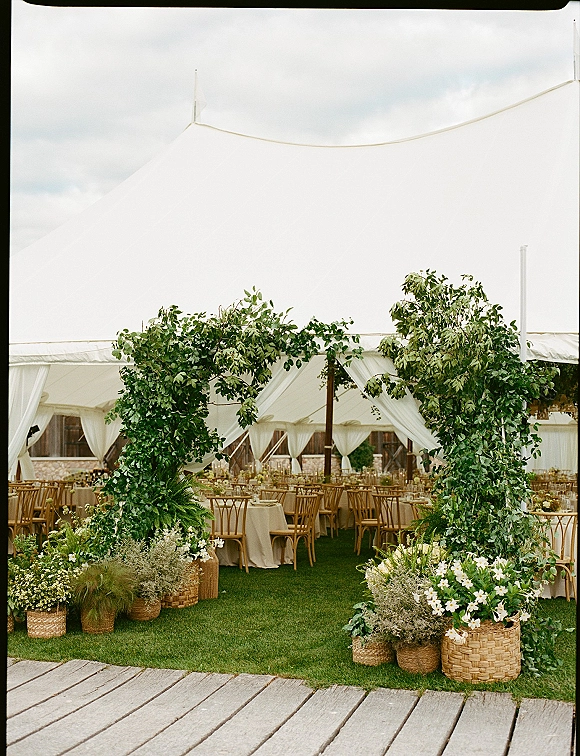
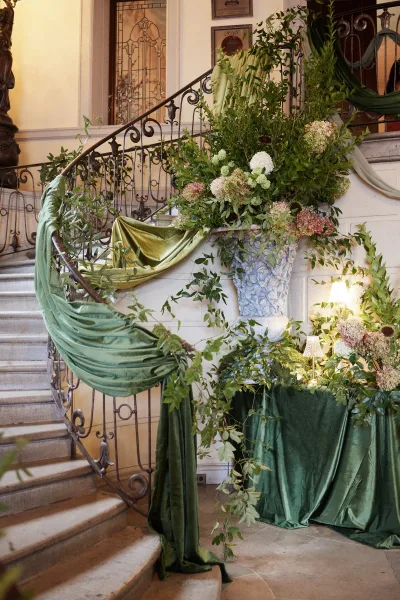
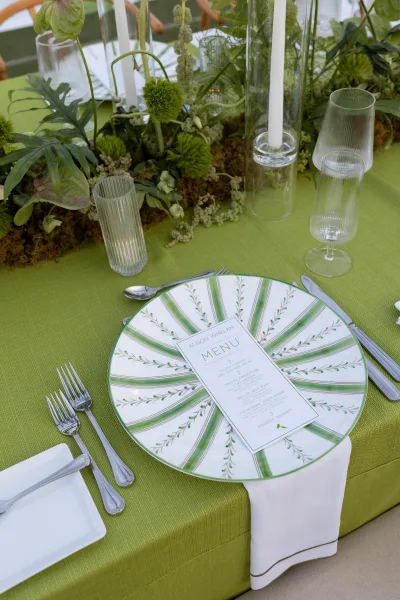
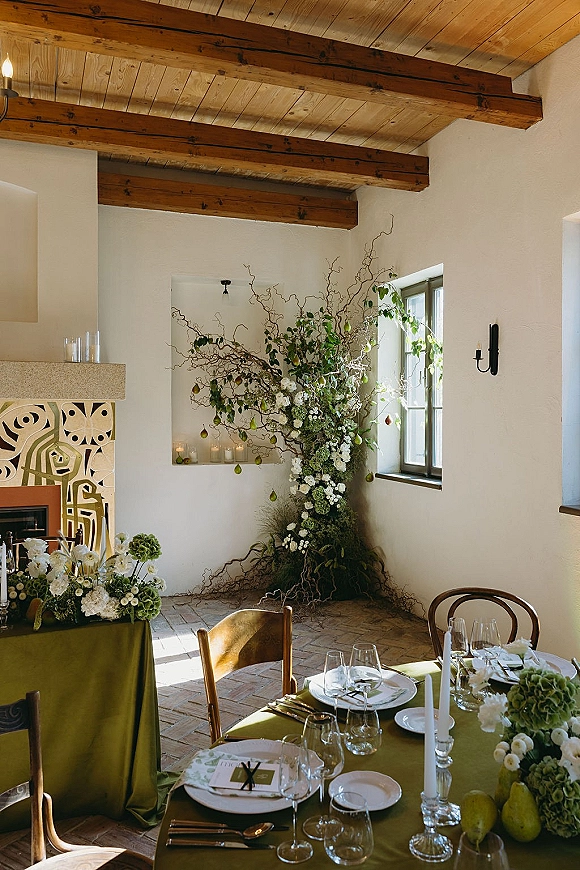
Greenery on wedding tables ranges from a few sprigs of eucalyptus laid flat alongside a taper candle to fully lush table runners that cover the length of a farm table in foliage. The greenery table runner is the most widely replicated installation because it photographs well from above and creates a continuous visual line down a table that ties place settings, candles, and florals together.
Low centerpieces in greenery-dominant arrangements suit tables where conversation across the arrangement is important; the foliage fills the space without blocking sightlines. Tall centerpieces using greenery as the structural base with florals at the top are more formal and suit ballroom settings where the vertical scale suits the architecture.
Mixing greenery types in a centerpiece adds depth that a single foliage can’t achieve. Eucalyptus as the base, leatherleaf fern for structure, and a trailing vine or maidenhair for softness is a composition logic that appears consistently in real wedding centerpiece design because the contrast of texture holds visual interest at close range.
Greenery and White Wedding
White blooms against a greenery base produce the most consistent result in real weddings: high contrast, readable in both bright outdoor light and dim candlelit reception spaces, and suited to nearly every venue type and season. Garden roses, ranunculus, anemones, and sweet peas work naturally against eucalyptus garland or fern.
In a greenery and white wedding, the foliage choice matters more than in a mixed-color arrangement because the green is doing more visual work. Eucalyptus in its blue-gray varieties creates a softer, more neutral ground. Darker, more saturated greens (leatherleaf, tropical foliage) create stronger contrast against white blooms and shift the overall tone toward something more dramatic and lush.
The palette also travels well across the full wedding day: a greenery and white arch, greenery and white table runners, and a green and white bouquet create a cohesive through-line that holds from ceremony photography to reception coverage.
Greenery Wedding Backdrops and Walls
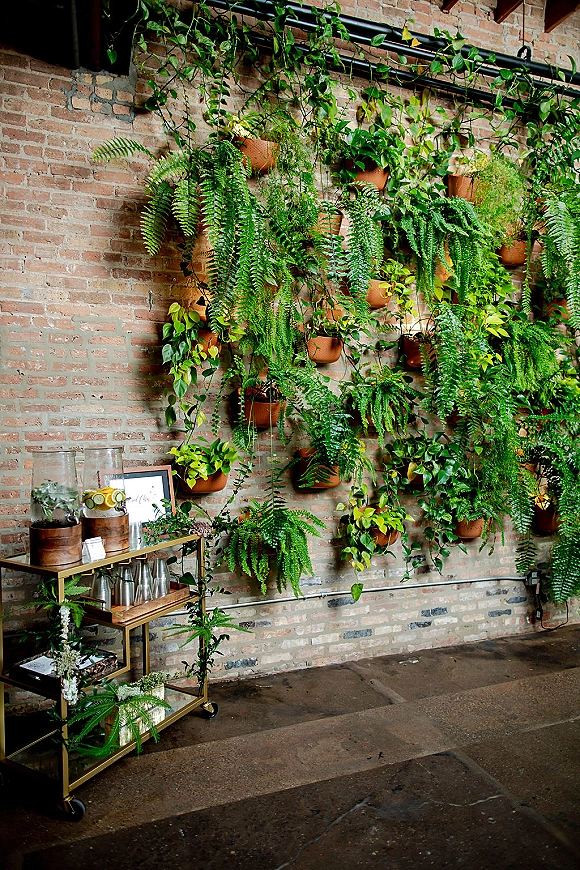
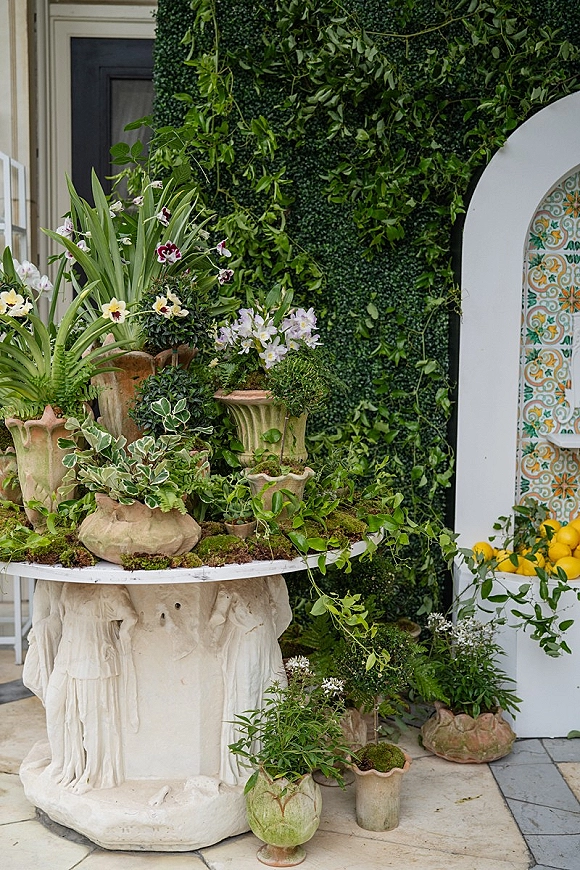
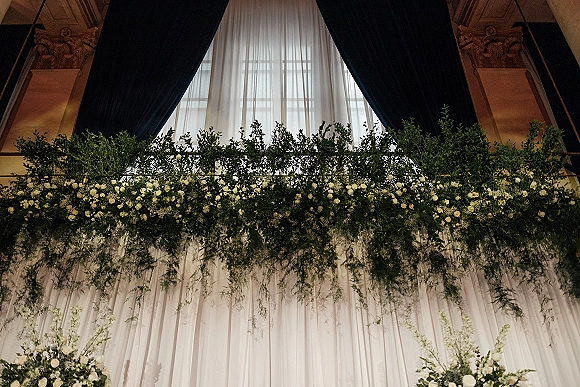
A greenery backdrop functions differently than a floral wall. It creates a living, textured surface that photographs as richly from a distance as it does up close, without the color saturation that makes floral walls tricky to position within a broader palette. Eucalyptus garland layered on a frame creates a backdrop that suits both portrait sessions and reception photo opportunities.
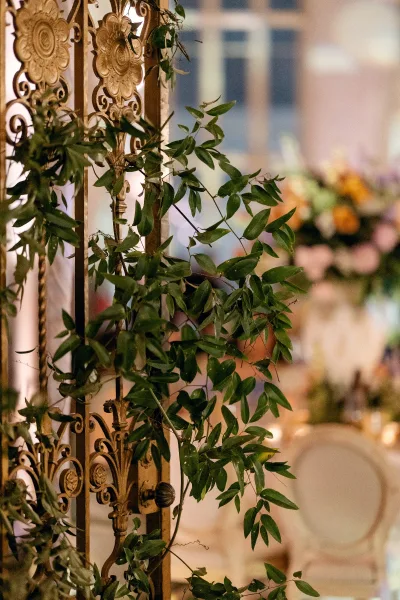
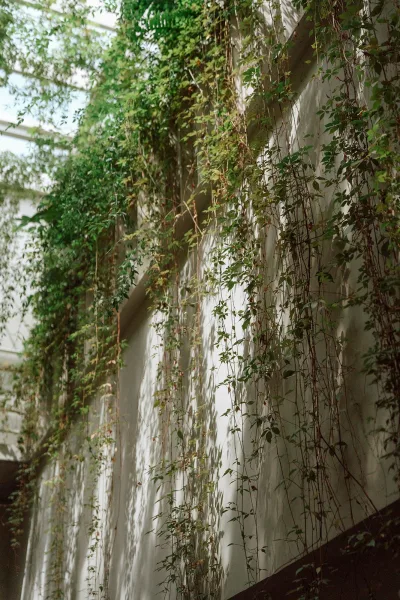
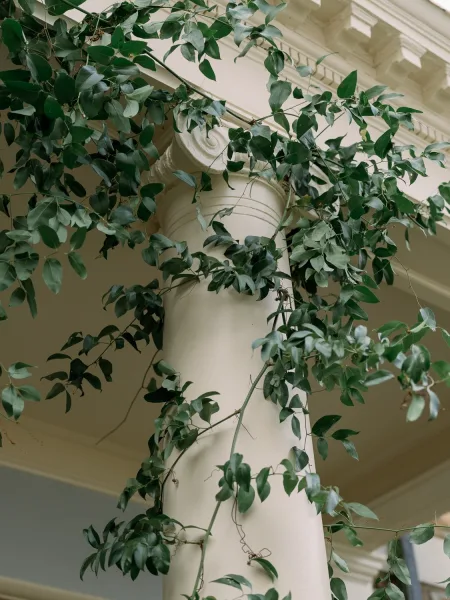
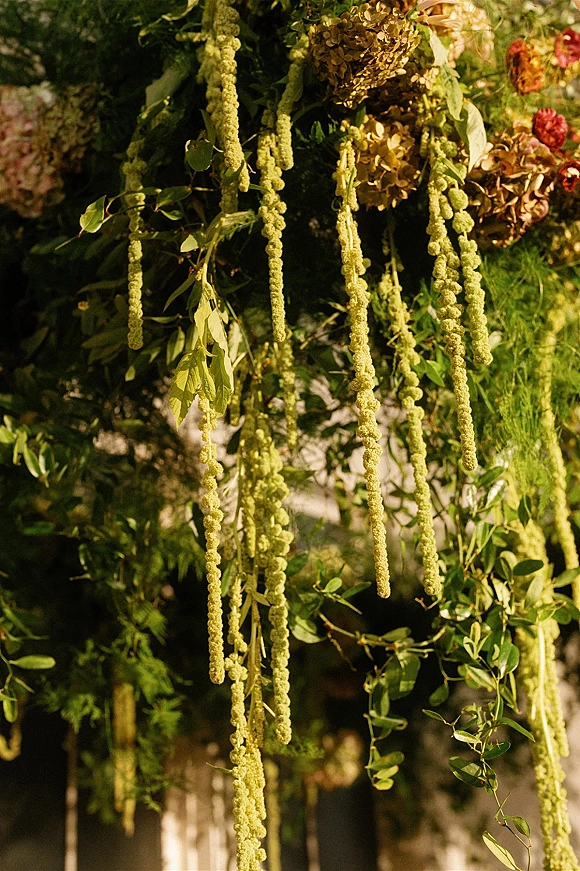
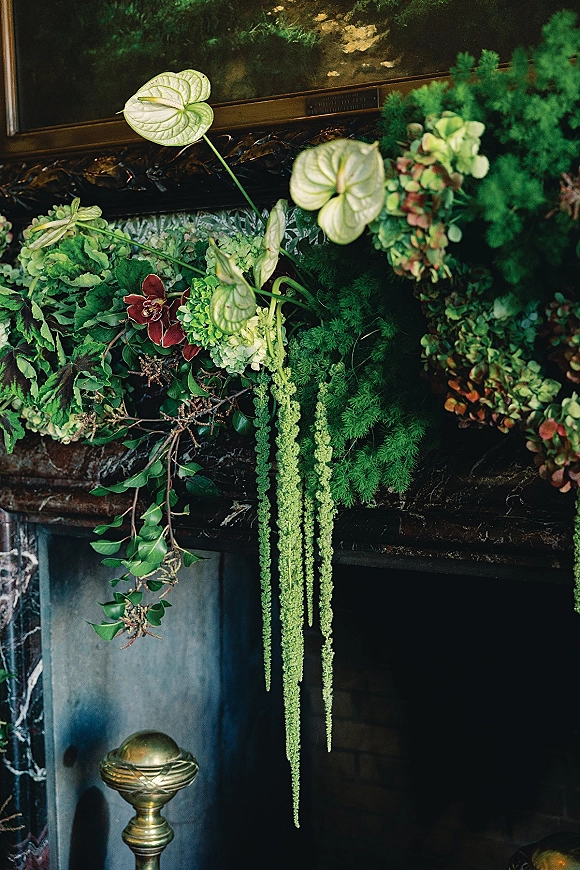
Greenery walls for receptions are most effective when the foliage is layered in depth rather than applied flat. Combining eucalyptus, trailing ivy, fern, and larger-leafed tropical foliage creates the dimensional texture that gives a greenery wall its visual weight. Smilax, with its long trailing vines, is one of the strongest choices for installations that drape from ceilings or frame doorways, since its natural movement creates an organic quality that cut-to-length garland doesn’t replicate.
For real wedding photography showing how greenery backdrops perform in ceremony and reception settings, the greenery wedding backdrop collection covers installations across venue types.
Greenery Wedding Cakes
Greenery on wedding cakes has settled into its own aesthetic category: typically a cascade of foliage and small blooms down one side of a tiered cake, or a wreath of greenery between tiers. Eucalyptus and small-leafed herbs are the most common choices because they’re food-safe and scale appropriately to the size of a cake tier. Against a white or ivory buttercream finish, the green provides the only color contrast, which means the foliage choice determines the cake’s entire character.
The distinction between real and high-quality sugar greenery matters practically: real eucalyptus stems need to be food-safe wrapped before going into a cake; sugar or silk greenery created by a cake artist integrates more cleanly without the food-safety question. Real foliage has natural variation that sugar work approximates but doesn’t match; sugar work has a precision and permanence that real foliage can’t replicate.
For inspiration on how greenery integrates with cake design across styles, floral wedding cakes includes both floral-forward and greenery-dominant cake designs from real weddings.
Wedding Greenery FAQ
What types of greenery are most commonly used in weddings?
Eucalyptus in its several varieties (silver dollar, seeded, willow) is the most widely used wedding foliage because of its neutral blue-gray tone, natural trailing habit, and durability across a full wedding day. Fern, particularly maidenhair and leatherleaf, is the next most common. Olive branch, rosemary, and ivy appear frequently in specific aesthetic contexts. For lush or tropical aesthetics, monstera and tropical foliage are used at larger scale.
Does wedding greenery work in all seasons?
Yes, with foliage choices adjusted for the season and setting. Eucalyptus is available year-round and suits all seasons. Fern and tropical greens suit warmer months and outdoor settings. For fall weddings, foliage with more warmth (olive branch, herbs, burgundy-tinted leaves) connects to the season more naturally than the blue-gray eucalyptus palette.
What is the difference between a greenery arch and a floral arch?
A greenery arch uses foliage as the primary material, with flowers as accents or absent entirely. A floral arch uses blooms as the primary visual element with greenery providing structure and fill. In practice, most ceremony arches in real weddings are mixed: greenery provides the base and the drape, florals provide the focal points. The proportion of each determines which category the arch reads as.
How do you use greenery in wedding centerpieces?
Greenery functions as either the primary centerpiece element (a eucalyptus garland runner with minimal blooms, or a low greenery-dominant arrangement) or as the structural base for a floral arrangement. Table runners in eucalyptus garland laid along the length of a farm table are the most common greenery-forward centerpiece approach. Mixed-foliage low centerpieces work well where conversation across the table is a priority.
What color palettes pair best with wedding greenery?
White and cream pairings are the most consistent and widely used, working in every season and venue type. Terracotta, peach, and warm earth tones work naturally with the warmth of eucalyptus and olive branch. Burgundy and deep wine tones create strong contrast against dark greens. Sage green bridesmaid palettes and greenery-forward florals connect tonally in a way that creates visual continuity across the whole wedding day.
Is greenery more affordable than flowers for weddings?
Foliage generally costs less per stem than blooms, and a greenery-heavy design can reduce the total flower count without reducing visual impact. Eucalyptus, leatherleaf fern, and ivy are among the most widely available options and tend to be cost-effective at volume. The trade-off is labor: a lush greenery installation or garland table runner is time-intensive to construct, and florist labor is priced independently of material cost. Couples working with a tight floral budget often see the best value from greenery-forward centerpieces and runners, reserving blooms for the ceremony arch and bridal bouquet where they photograph most prominently.