What Makes a Bouquet Read Wild
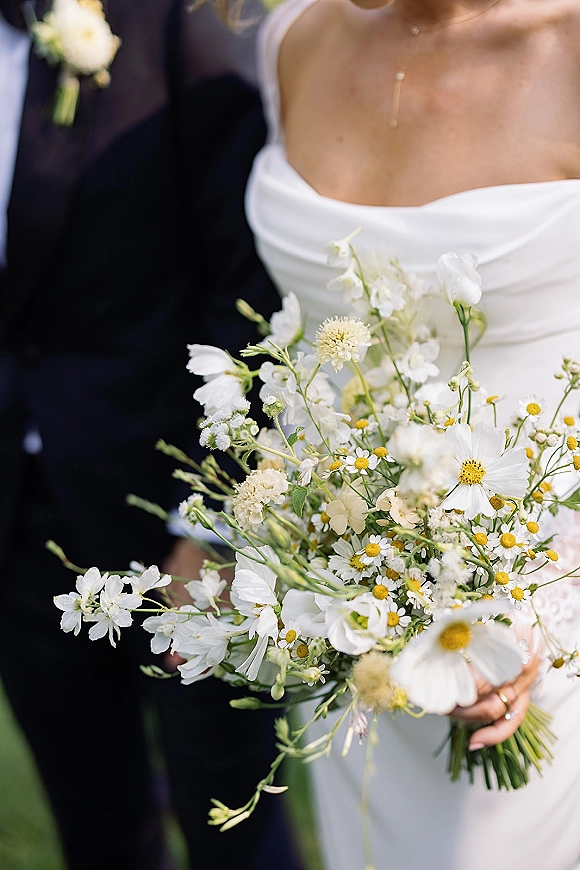
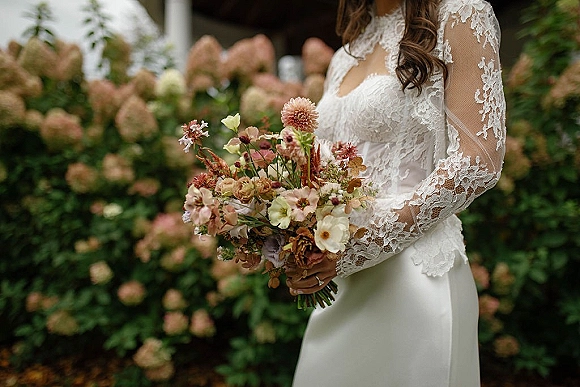
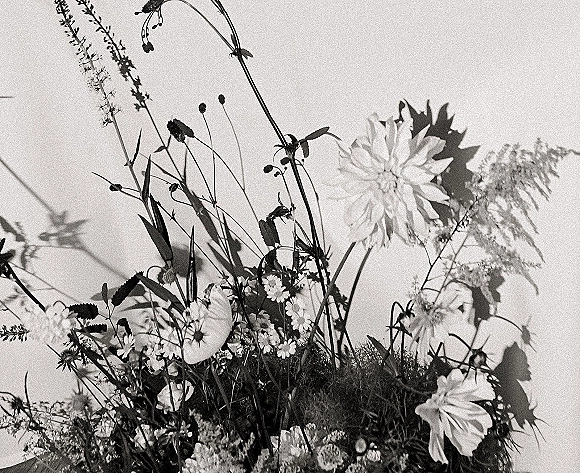
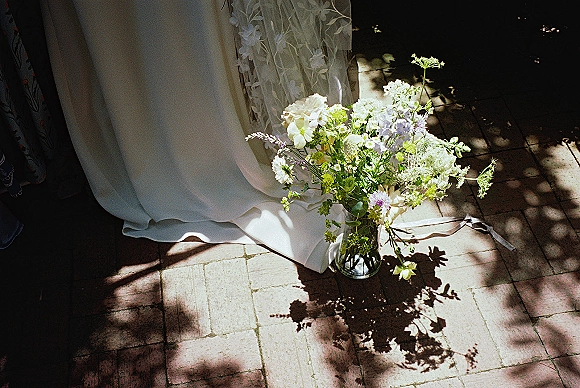
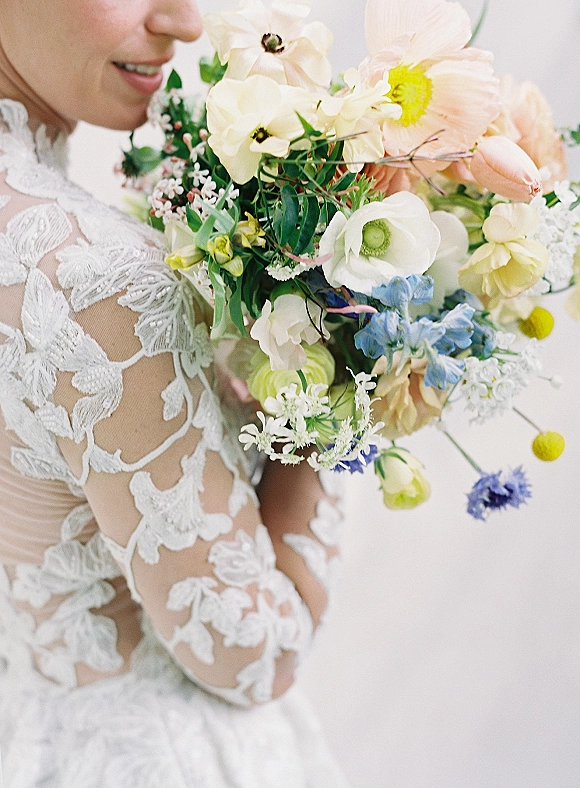
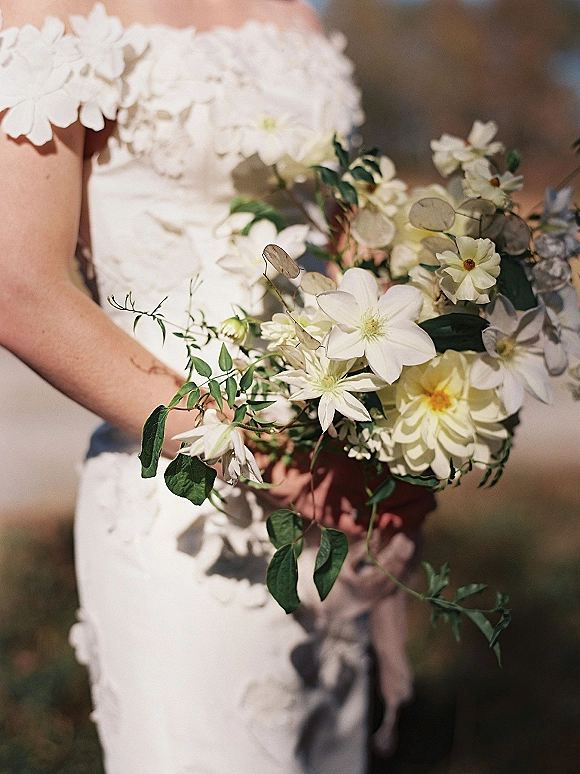
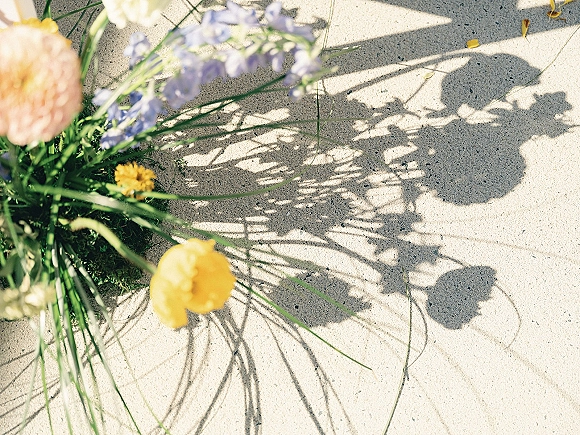
A wildflower bouquet is defined by looseness, not by any one flower. The goal is an arrangement that looks freshly picked, varied stem heights, airy gaps, an organic tangle of shapes and colors, tied low and left a little undone. The best ones look accidental and are anything but; the apparent randomness of heights and hues is planned so the bouquet balances from every angle.
Real wildflowers usually get help from cultivated flowers that share the same unstudied character, because foraged blooms rarely survive a wedding day. Many true field flowers wilt within hours of cutting, so a florist rebuilds the look with hardier garden varieties that pass for wild and last. Worth knowing going in: the wildflower look is a designed effect, not a literal handful gathered that morning.
Signature Flowers and Textures
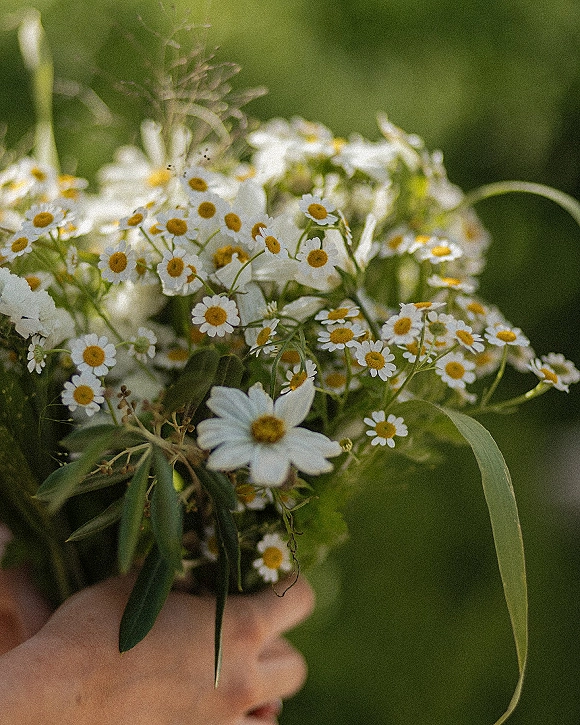
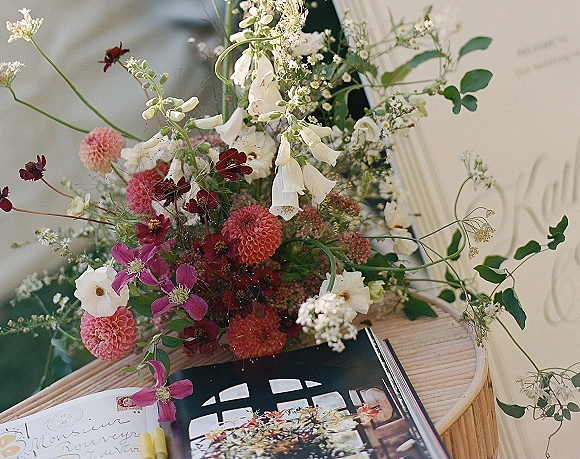
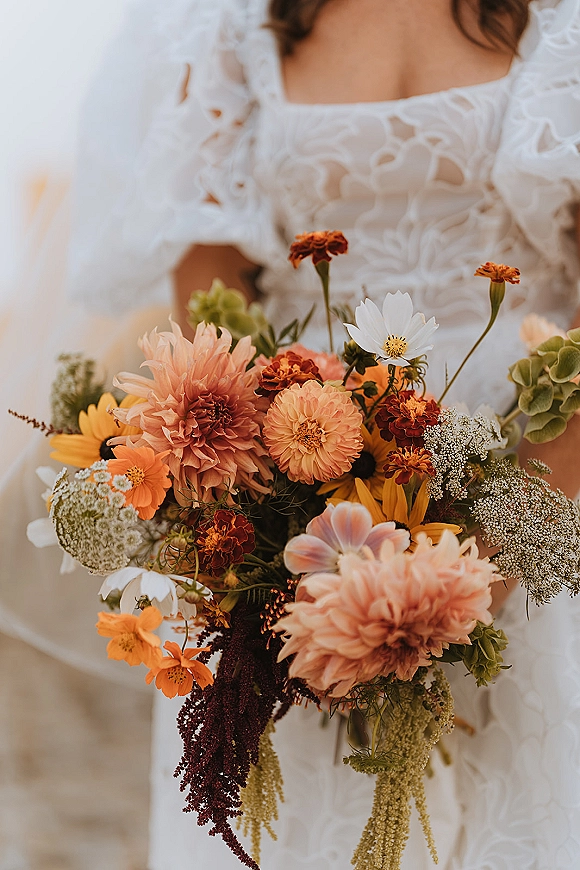
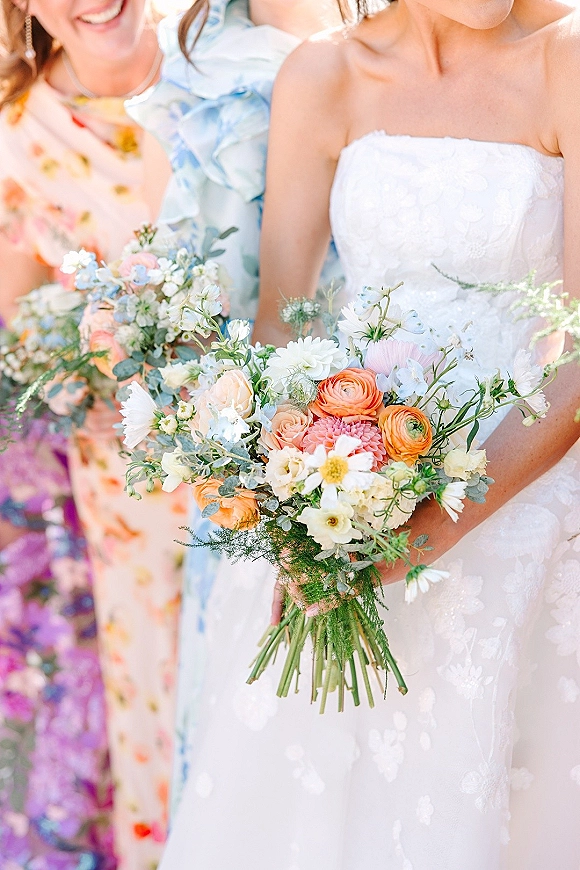
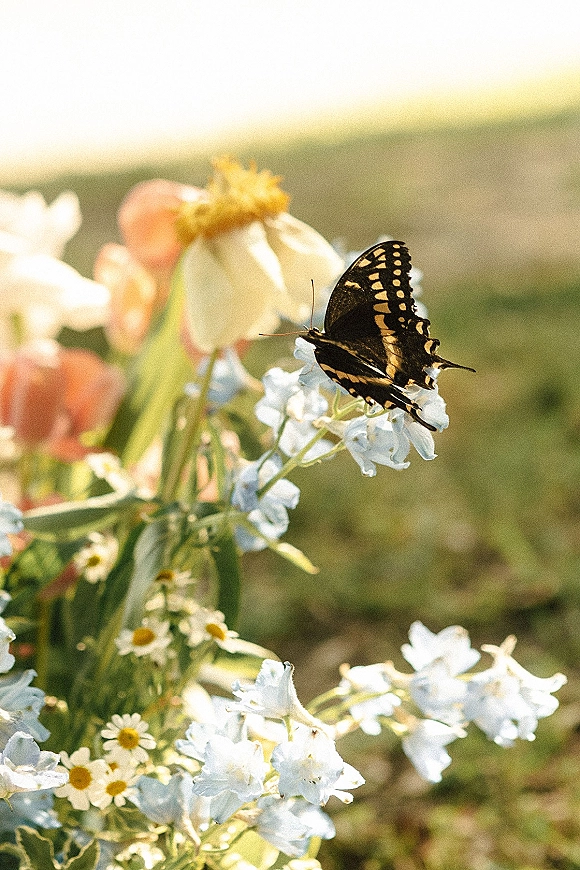
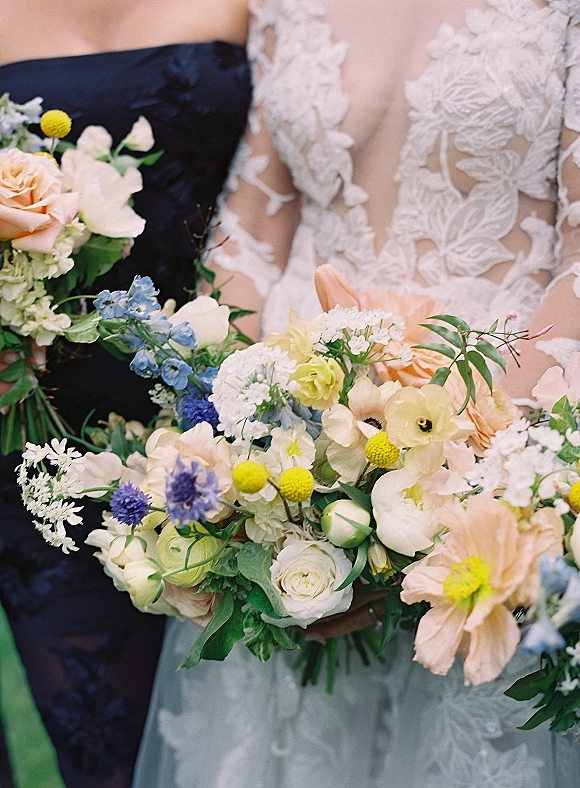
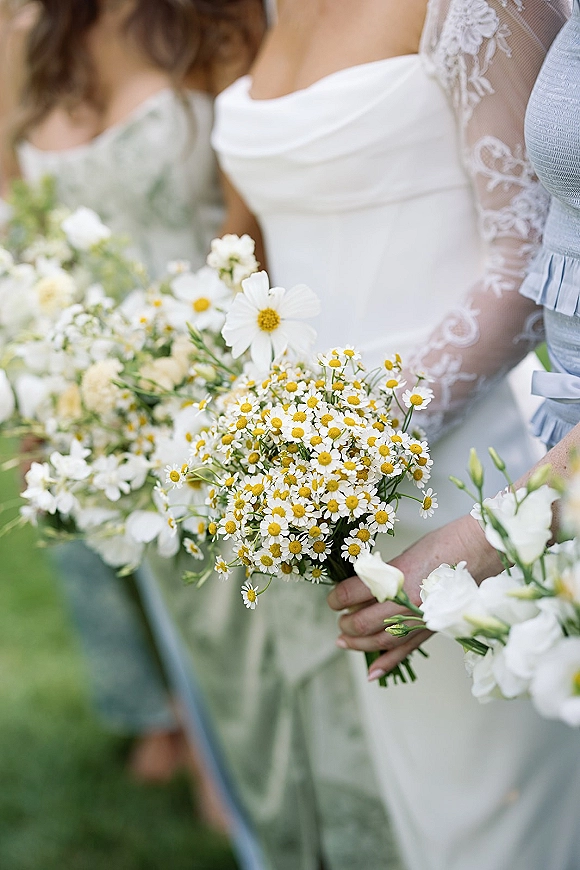
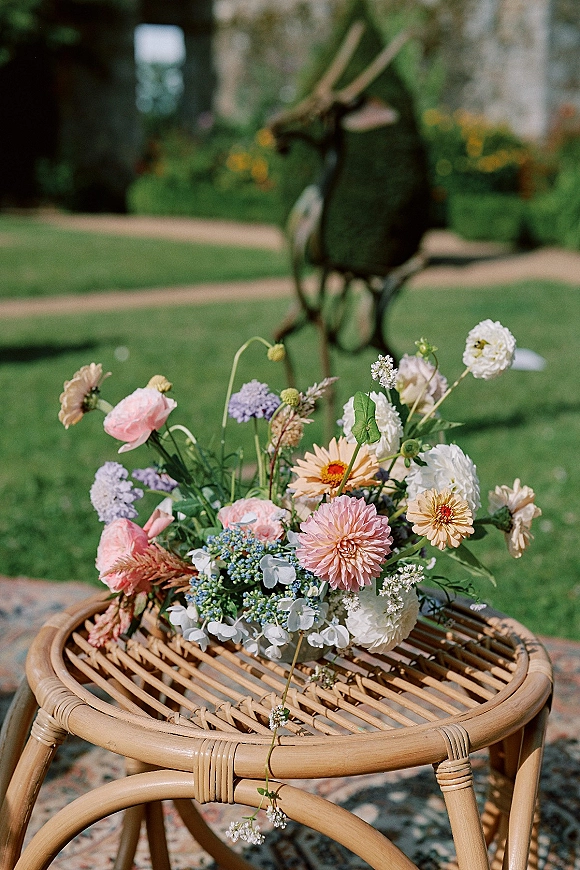
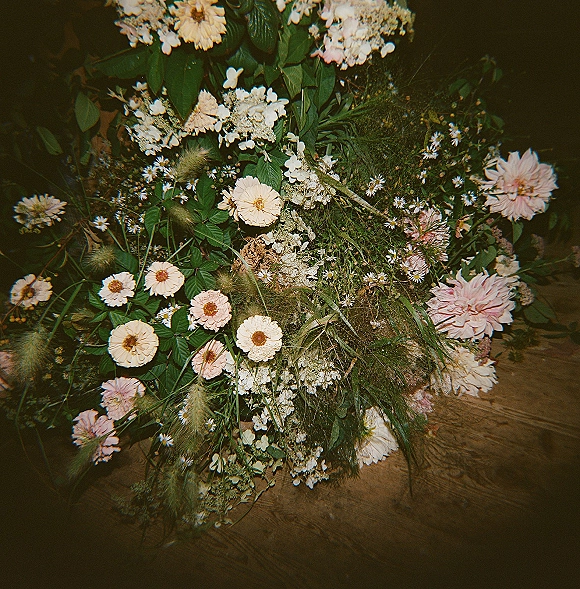
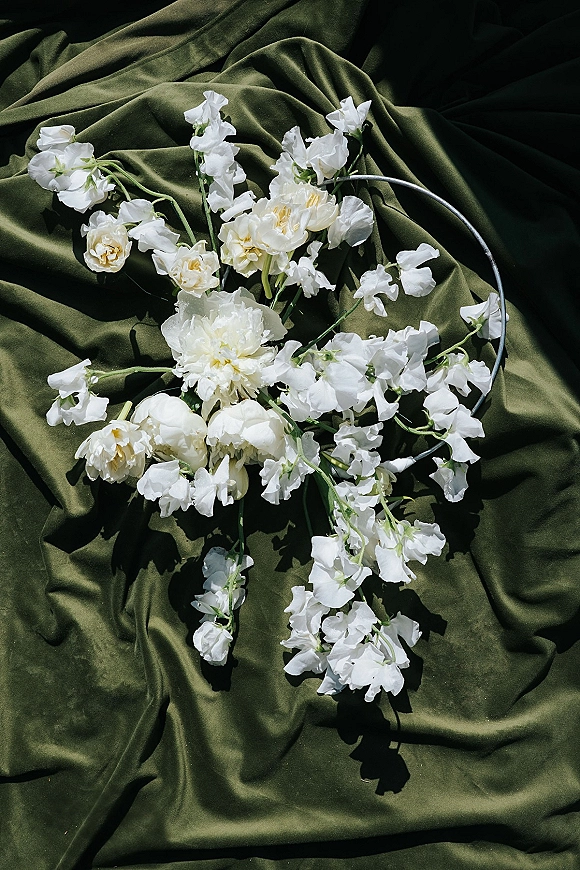
Certain flowers carry the feeling. Cosmos and sweet peas bring airy, ruffled movement; daisies and feverfew a plain meadow charm; asters a wildflower echo in blue, purple, pink, and white. Ranunculus and dahlias add focal weight without turning formal, and scabiosa and Queen Anne’s lace lend fine, lacy texture. Grasses and seeded greenery lace it together and give the loose, meadow silhouette.
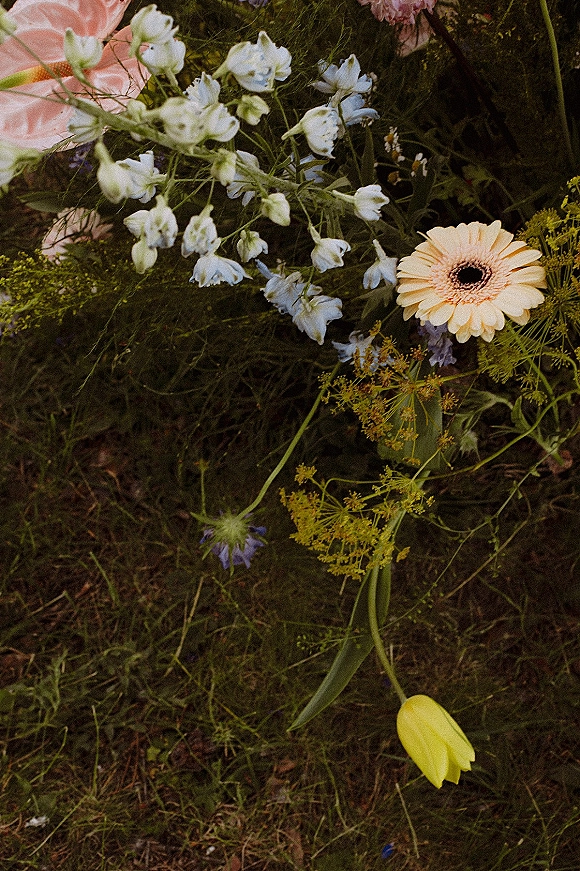
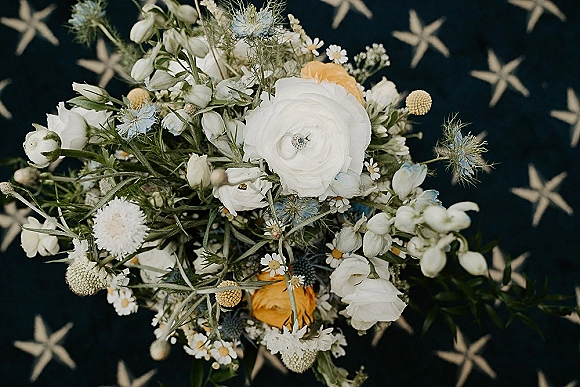
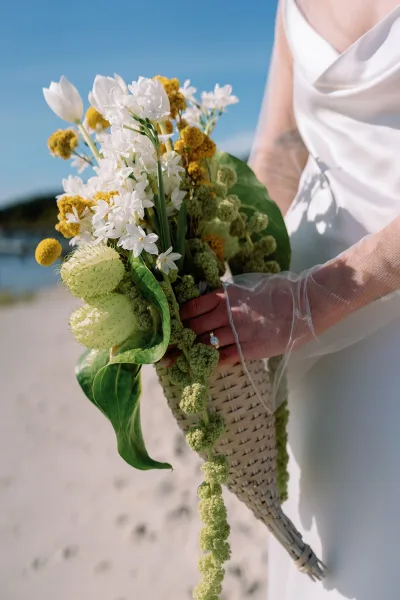
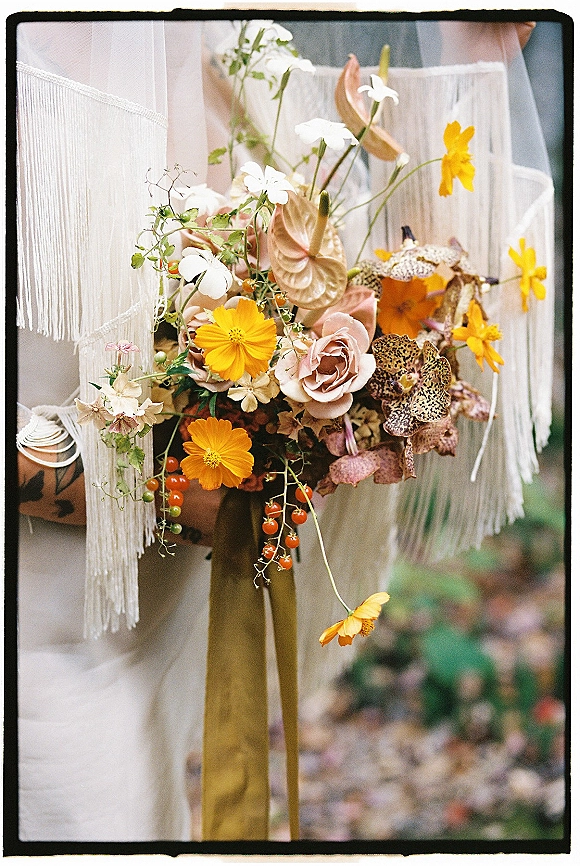
Shape variety matters as much as color, so florists mix tall airy stems with compact focal ones. Bud-like touches, billy balls, nigella pods, berries, add small points that reward a close look, and thistle and astilbe throw in unusual forms. Push it bright with dahlias, roses, thistle, and asters in mixed blues, purples, and warm tones, and it turns joyful and garden-gathered. No single list is the list; a florist picks whatever looks wild and holds up in your season, so treat these as a starting vocabulary, not a shopping order.
The Styles: Rustic, Boho, Simple, Colorful
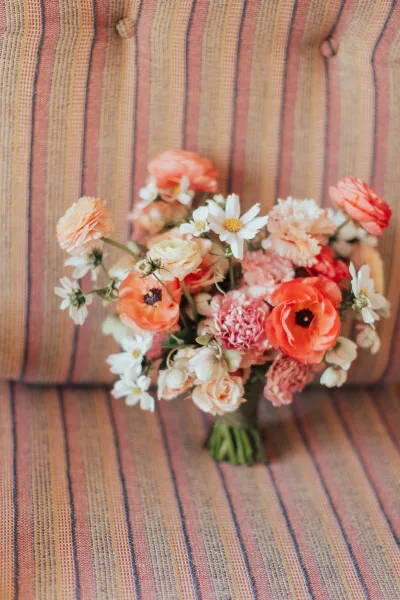
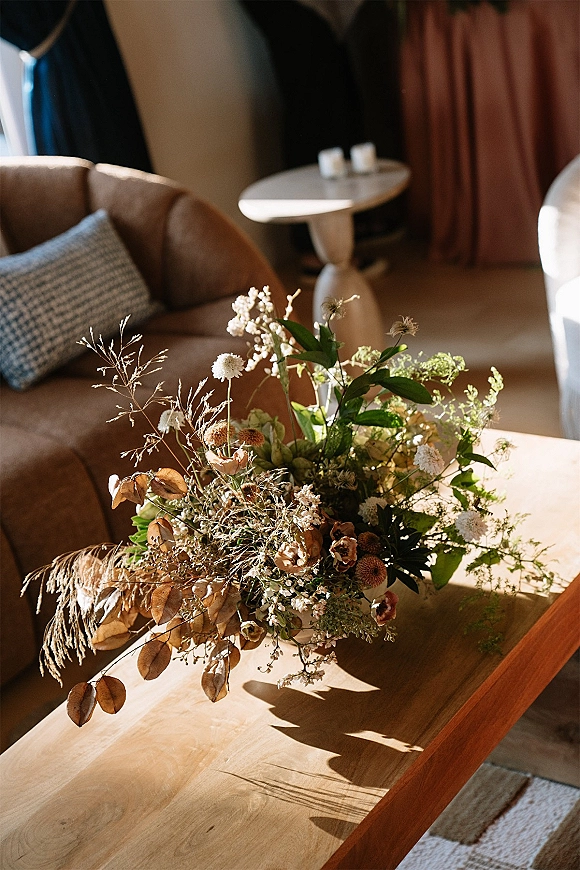
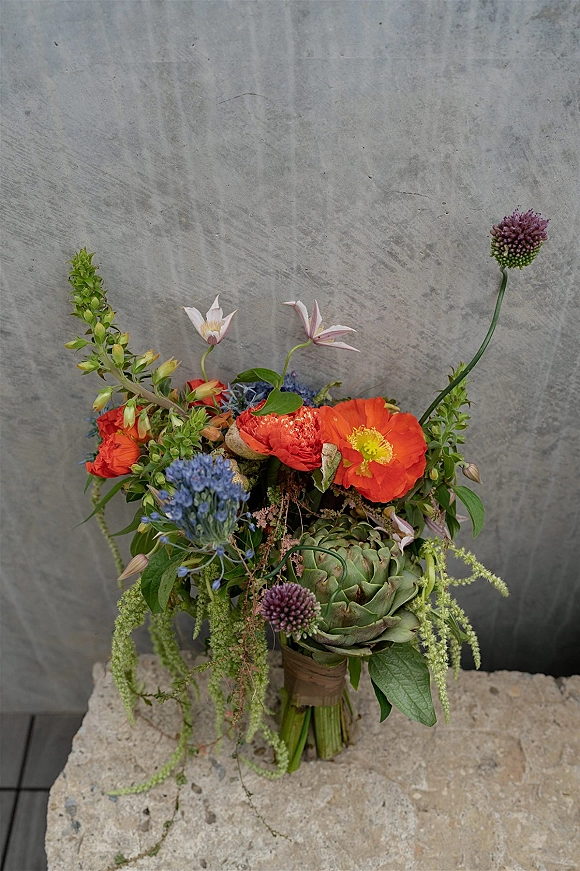
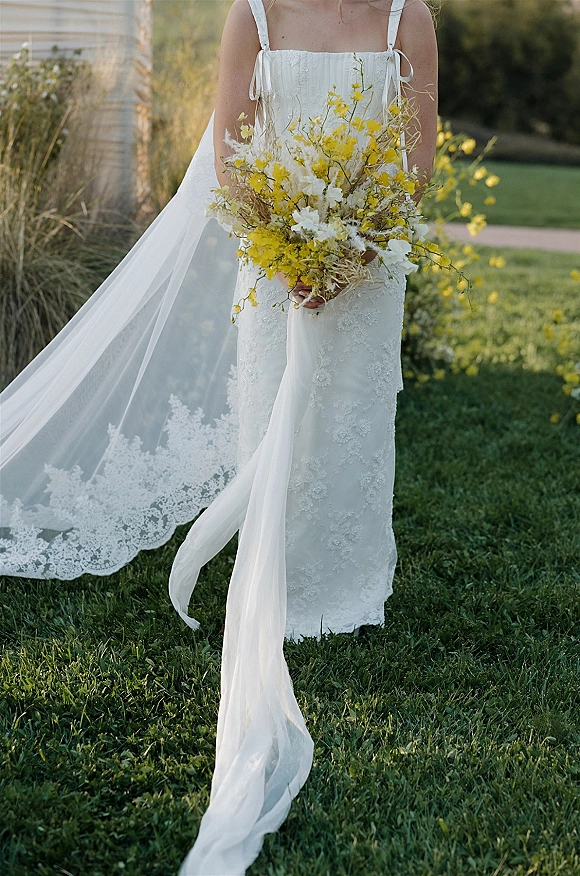
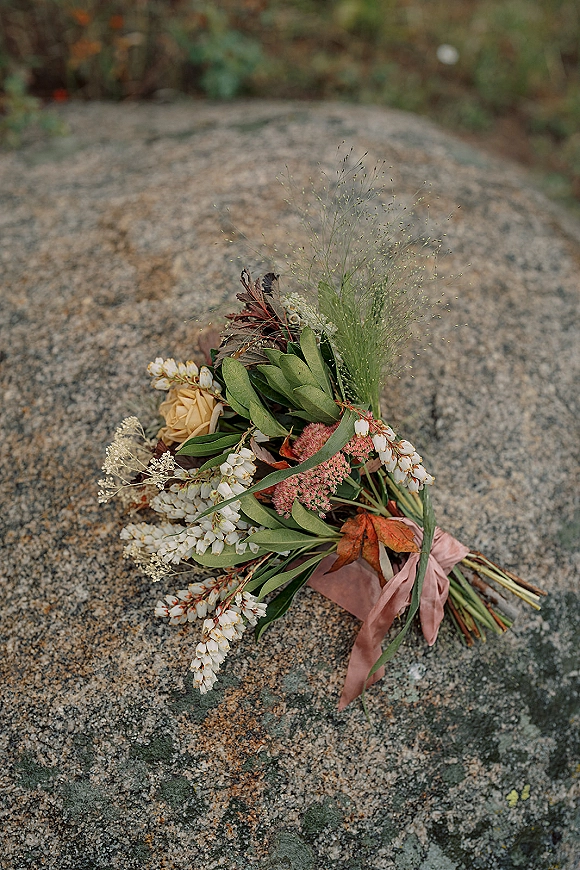
The gathered idea splits several ways. Rustic leans earthy, muted colors, grasses, stems bound in twine, for barns, farms, and vineyards, and it shines in natural light where the loose shape moves as the bride walks. Boho adds pampas, dried elements, and trailing greenery for something looser and more sculptural, suited to flowing gowns and desert settings, with the dried pieces helping it last outdoors. Simple pares the whole thing to two or three flower types in a soft palette, quiet and modern for an intimate wedding.
Color is the other dial. A soft pastel mix in blush and lavender turns romantic; warm rust and terracotta turn autumnal; a bright spread turns celebratory. The move is to pick a loose palette to work inside instead of adding every color, which keeps the bouquet gathered instead of chaotic. Our pink and white bouquet collections show how the feel translates inside a tighter color story.
Shapes, Greenery, and Scented Herbs
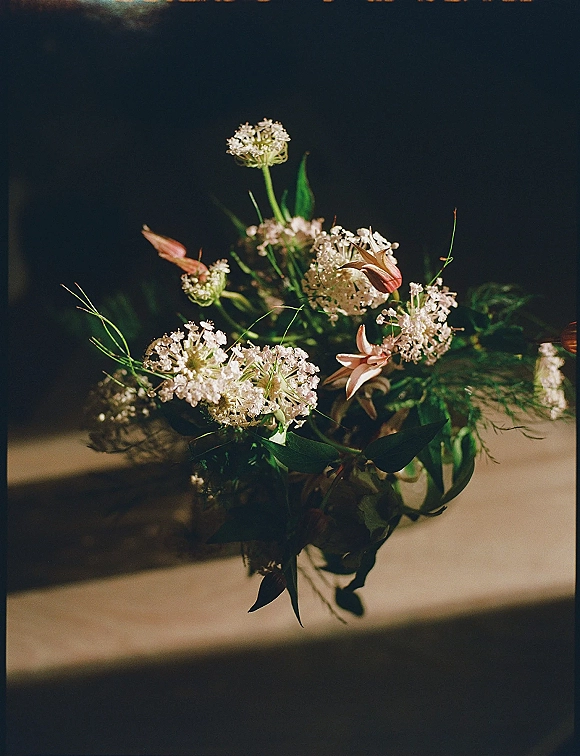
Almost always this is a loose, hand-tied gather, since the shape is inseparable from the look, though some couples run it into an informal cascade with trailing greenery and vines. Greenery does heavy lifting: grasses, ferns, olive, and seeded eucalyptus fill space, draw the meadow silhouette, and let a modest number of flowers look abundant, the gaps between stems a feature and not a hole to plug.
A distinctive touch is fresh herbs, rosemary, mint, sage, lavender, thyme, which fit the garden-gathered style and add scent, soft green and silver tones, and the odd traditional meaning, rosemary for remembrance among them. Woven through the flowers, they double down on the just-picked feeling and give the bouquet a scent it would otherwise miss, tying it to the ceremony flowers when the same herbs and grasses run through the day.
Season, Sourcing, and Budget
Because the style rides on natural-looking blooms, season counts for more than it would with a structured rose bouquet. Summer is the peak, cosmos, daisies, scabiosa, dahlias at their fullest, while spring brings sweet peas, ranunculus, and early meadow flowers, and fall turns to asters, mums, and grasses in warm, muted tones. Buy in season and the bouquet looks genuinely gathered, and it tends to cost less, since seasonal, locally grown stems are easier to get.
That local, farm-sourced quality is part of the appeal and part of the value. A florist working with a nearby flower farm can often build the look for less and with fresher stems, and the bouquet ends up reflecting what actually grows where you marry, which gives it a sense of place. Leaning on greenery and open space to fill the shape means fewer premium stems, one of the few cases where the cheapest route is also the most on-style. Browse the wedding florist directory for someone who specializes in the gathered, garden style.
Is It Right for You, and Can You DIY It
The style is not for everyone. It looks relaxed, natural, and slightly imperfect, which is the charm, and the wrong call if you want polished, uniform, or formal. It rewards couples drawn to garden, boho, and outdoor weddings who are happy to let the florist work with what is fresh instead of dictating an exact list. Across a party it coordinates through shared flowers and palette instead of matching, which suits the look and takes the pressure off sourcing identical stems for everyone.
Because the gather is forgiving, it is also one of the more DIY-friendly styles. The real hurdle is conditioning, since many wildflower-type blooms are delicate, so buy from a flower farm a day or two out and keep everything cool and well-watered. Sturdier garden flowers, ranunculus, dahlias, roses, hold up best, and a smart compromise is to DIY the bridesmaid pieces and leave the bridal bouquet to a pro. The wedding bouquet guide covers coordinating the full set.
Frequently Asked Questions
What flowers go in a wildflower wedding bouquet?
Common choices include cosmos, sweet peas, daisies, feverfew, asters, ranunculus, dahlias, scabiosa, and Queen Anne's lace, mixed with grasses and seeded greenery. Florists usually combine true wildflowers with cultivated blooms that share the same loose, natural character, since foraged flowers alone rarely last through a wedding day.
Can you DIY a wildflower bouquet?
The gathered look is more forgiving than a structured bouquet, which makes wildflower one of the more DIY-friendly styles. The challenge is conditioning the flowers so they last, since many wildflower-type blooms are delicate. If you DIY, buy from a flower farm or wholesaler a day or two ahead and keep everything cool and hydrated.
Are wildflower bouquets cheaper?
They can be, since the style uses seasonal and locally grown flowers that are often more available and less costly than imported focal blooms. Cost still depends on the specific flowers and your florist, but leaning on in-season, garden-grown stems is a reliable way to keep a wildflower bouquet budget-friendly.
What season is best for a wildflower bouquet?
Summer is the peak, when cosmos, daisies, dahlias, and scabiosa are at their fullest, but spring and fall each offer their own natural palette. Because the look depends on fresh, seasonal blooms, choosing flowers in their season keeps the bouquet looking authentically gathered.
Are wildflower bouquets good for boho weddings?
Yes, the loose, natural, textural style is a natural fit for boho weddings. Adding pampas grass, dried elements, and trailing greenery pushes a wildflower bouquet further toward the earthy, free-spirited boho look while keeping its gathered character.