Choosing Your Shade of Pink
Pink covers a wide range, and naming your shade is the single most useful thing you can tell a florist. Blush is the softest, a barely-there tint that flatters ivory and champagne gowns. Light pink is a clear, gentle pink with more presence than blush. Rose sits in the true middle, warm and saturated. Hot pink and fuchsia are the bold end, high-energy shades that read modern and photograph vividly.
Deciding where on this ladder you want to land narrows the flowers and the mood before anything else is chosen. The shade also interacts with your setting and light: soft pinks glow in bright outdoor ceremonies but can look washed out indoors or in the evening, while saturated pinks hold their intensity anywhere but can read heavy in a delicate, pale palette. Matching the shade to both your dress and your venue light is what makes the bouquet look intentional. It helps to name your pink in concrete terms, blush, ballet, rose, magenta, rather than simply asking for pink, since the word covers such a wide range that a florist cannot picture your exact tone without a reference.
Blush Pink Wedding Bouquets
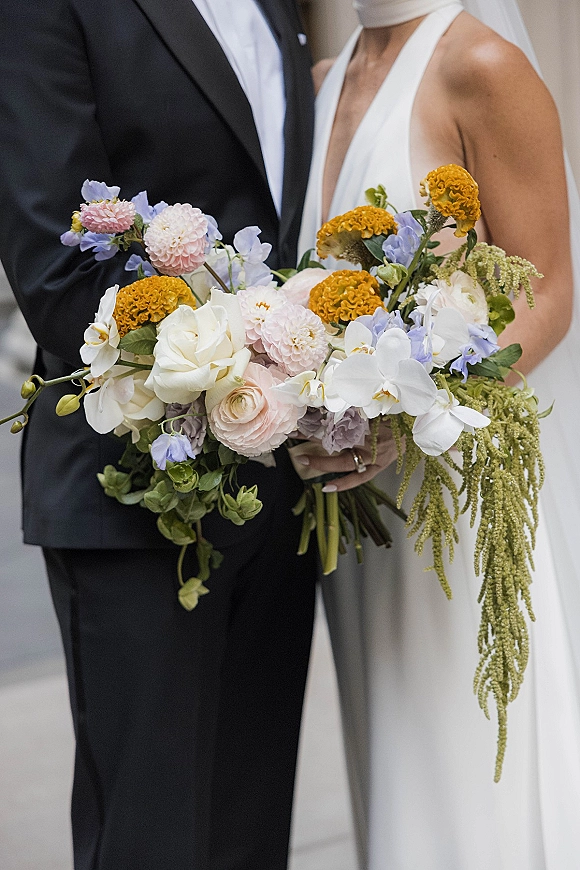
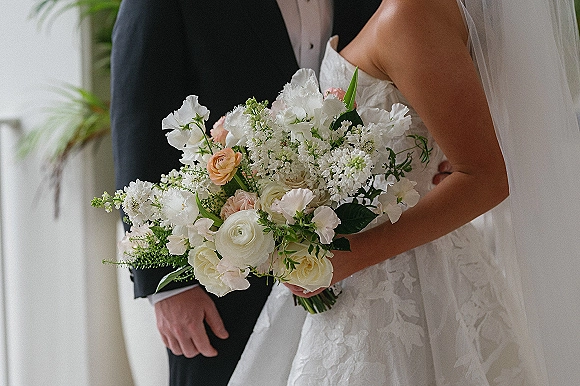
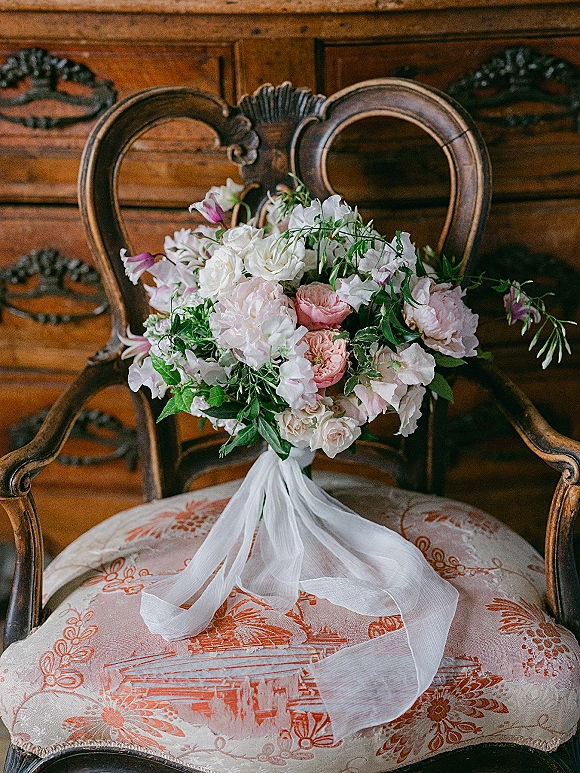
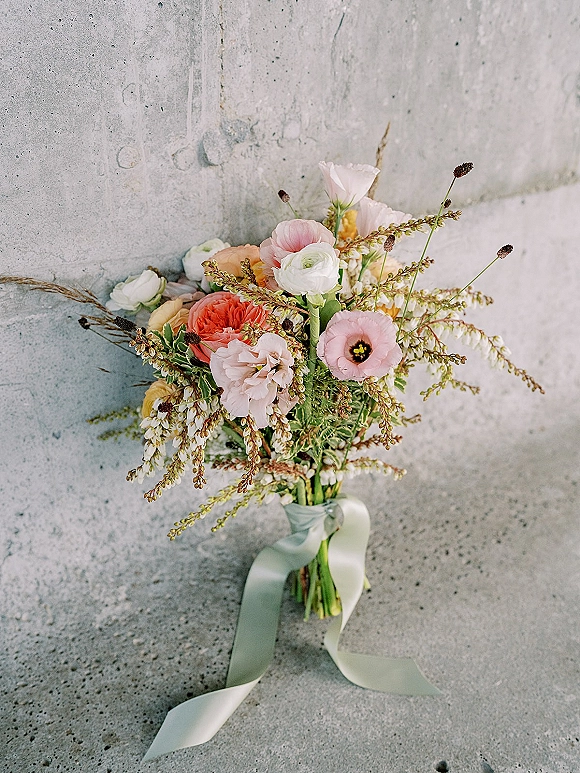
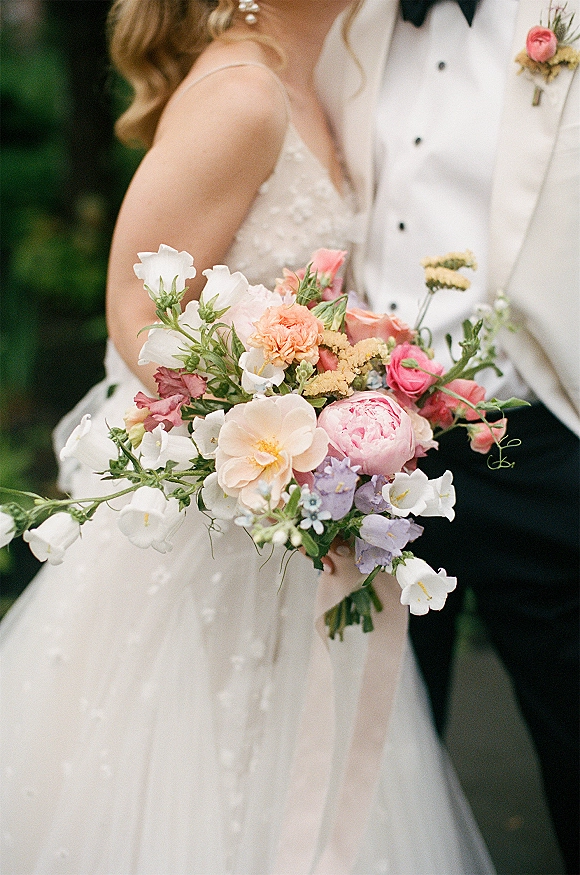
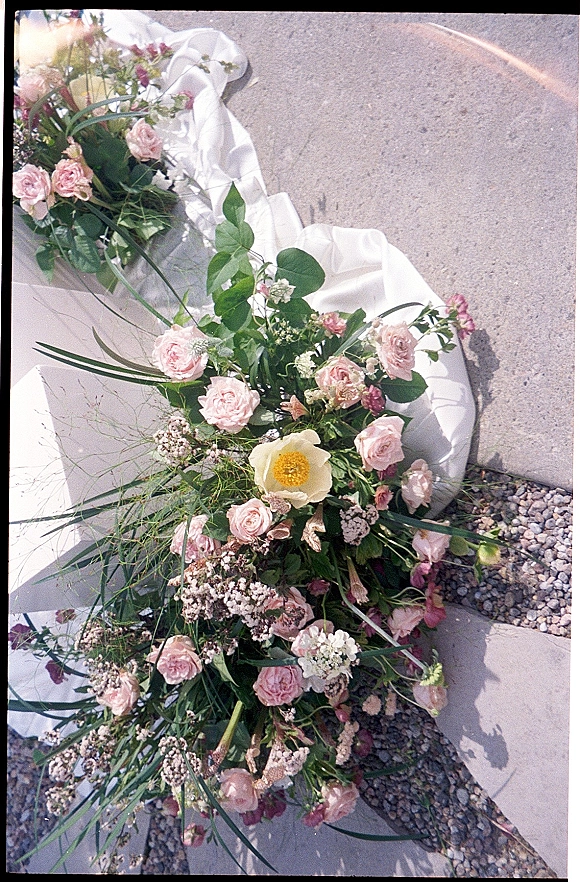
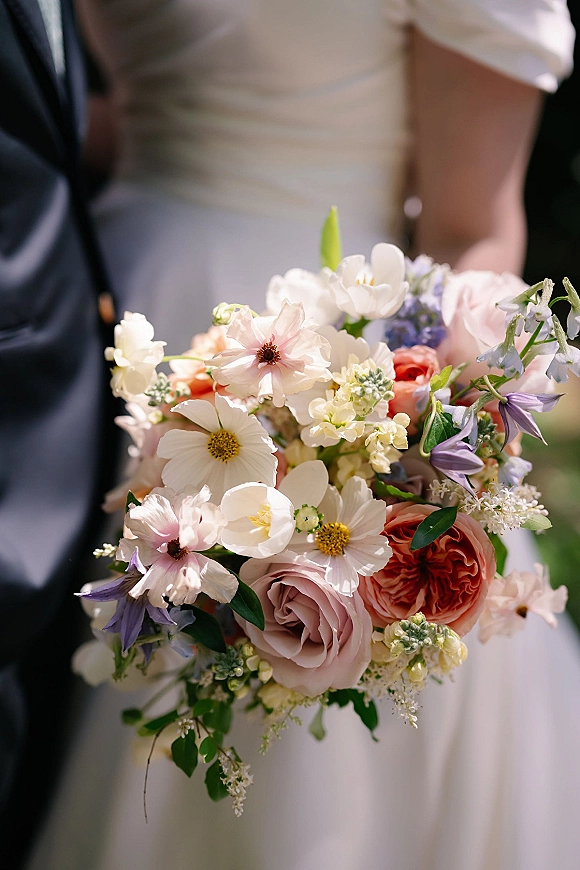
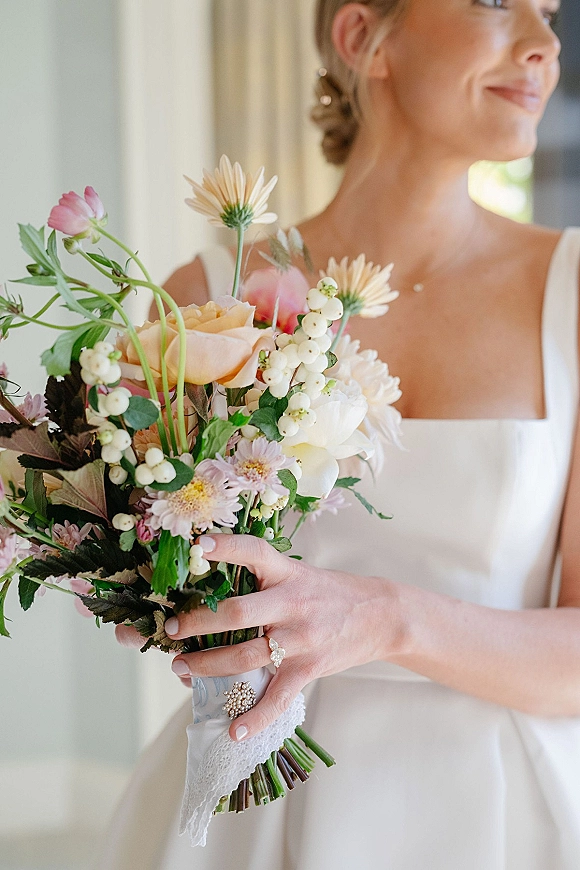
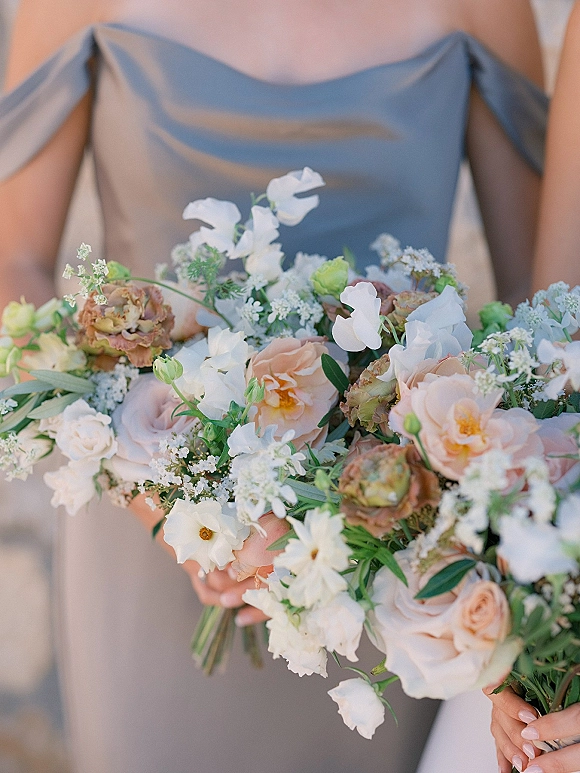
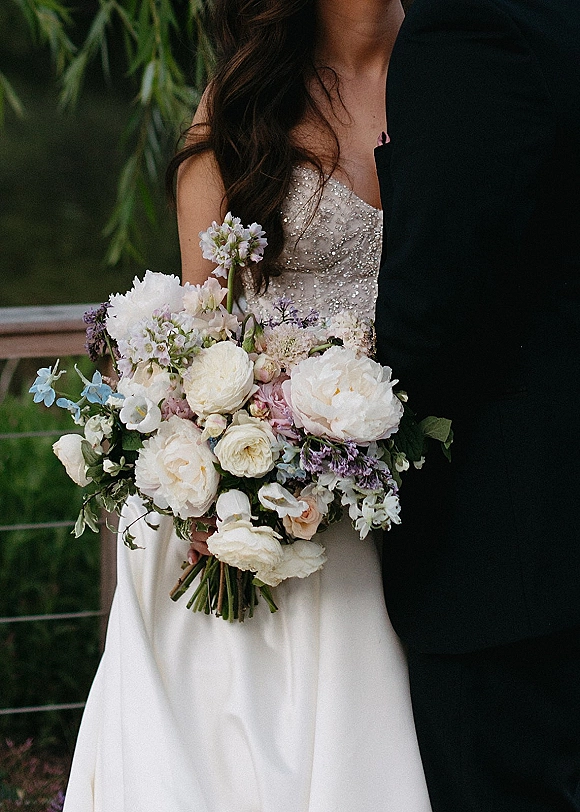
Blush is the quietest pink, a soft wash that reads almost neutral against a white dress. A blush bouquet suits romantic, understated, and formal weddings alike, and it blends seamlessly with ivory, nude, and dusty greenery. Blush garden roses, ranunculus, and peonies are the natural building blocks, and sweet peas add airy movement.
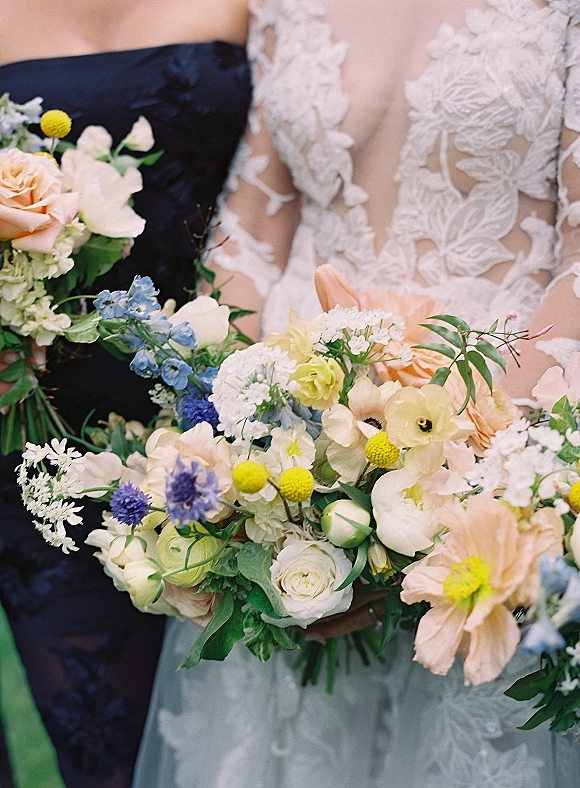
In bright outdoor light, blush stays soft where stronger pinks can photograph hot, which makes it a reliable warm-weather choice. Because it is so pale, blush relies on texture rather than color for interest, so mixing several ruffled, layered flower shapes keeps a blush bouquet from looking flat. For an even softer, multi-tone version, see pastel wedding bouquets.

Hot Pink and Fuchsia Bouquets
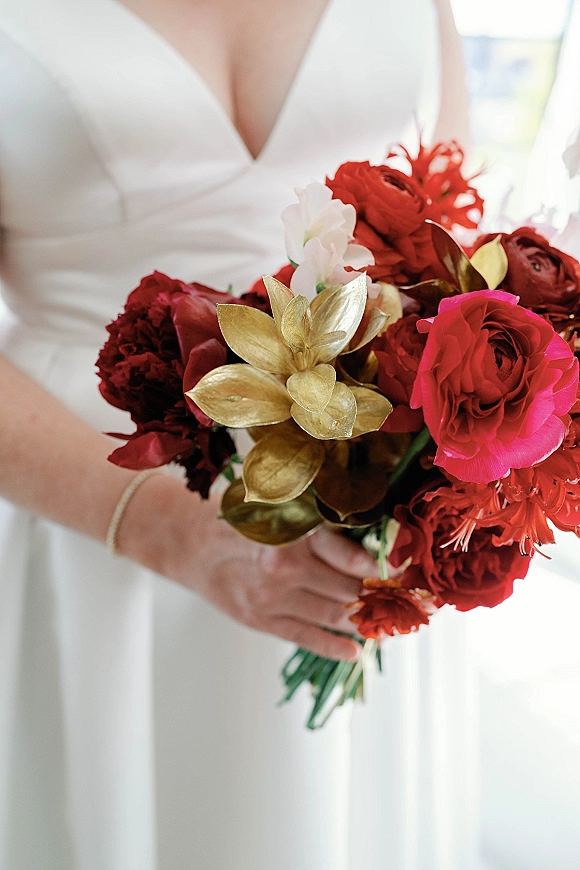
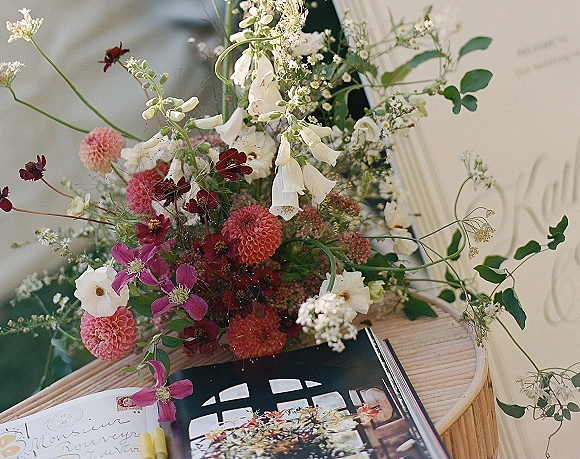
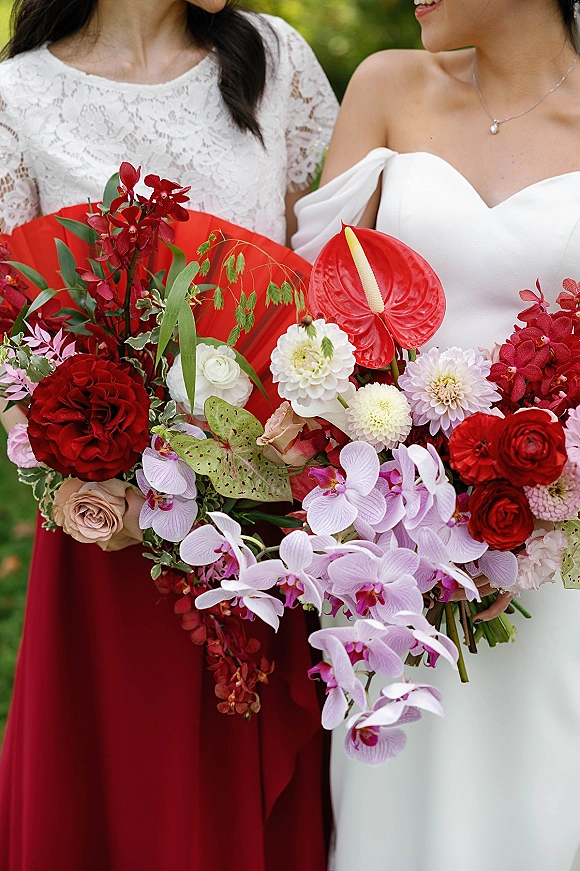
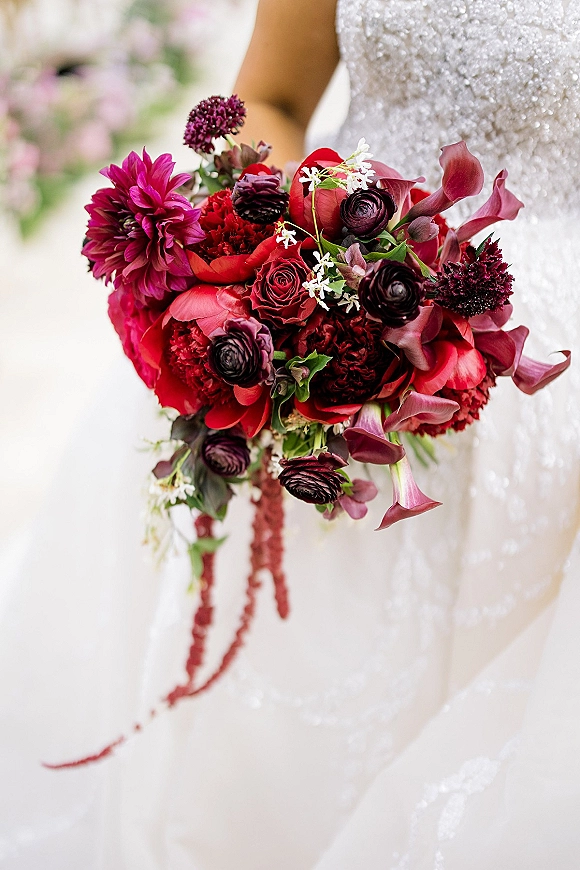
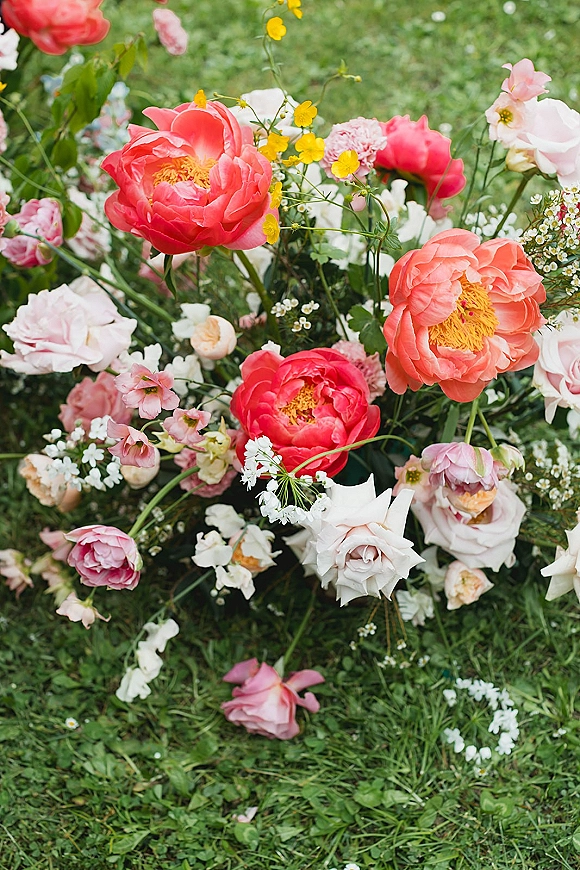
Hot pink is the bold end of the spectrum, saturated and celebratory. A fuchsia bouquet makes a statement against a white gown and holds up in strong sun and colorful venues where softer shades can wash out. Hot pink peonies, cerise garden roses, and magenta dahlias carry the intensity, and orchids add a sleek, modern note.
Pairing hot pink with coral or orange pushes the look tropical and warm, while pairing it with deep green or a touch of white keeps it grounded and prevents it from overwhelming. This is the pink for couples who want energy and contrast, and it is especially effective for destination, garden, and evening weddings where a bold bouquet reads as a deliberate focal point.
Light Pink and Baby Pink Bouquets
Between blush and true pink sits light pink, a clear, gentle shade with more presence than blush but none of hot pink's intensity. Light pink reads sweet, soft, and romantic, and it is among the most flattering shades in daylight, holding its color where blush can disappear and staying gentle where brighter pinks photograph hot. Light pink roses, ranunculus, and tulips build the look, and a little cream or white keeps it fresh. It suits spring and garden weddings and pairs easily with almost any greenery, which makes it one of the more forgiving pinks to design around.
Coral and Peachy Pink Bouquets
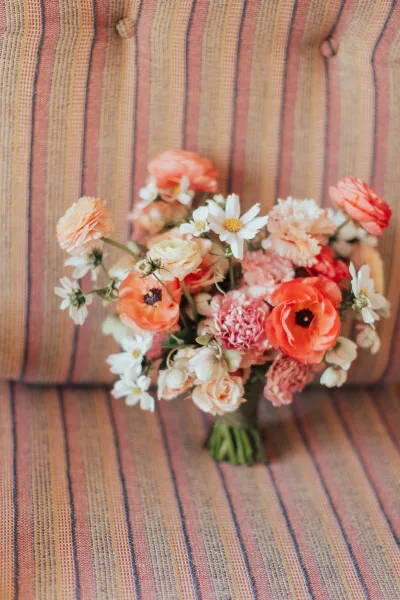
At the warm edge of pink, coral and peach tones bring a sunset quality that feels fresh and modern. Coral peonies, peach garden roses, and apricot ranunculus blend into a bouquet that reads warm rather than cool, suiting summer and destination weddings especially. Coral works beautifully alongside true pink and cream for depth, or with orange for a bolder, tropical feel. Because coral shifts as flowers open, a coral bouquet often carries several related tones at once, which gives it natural movement and keeps it from ever looking flat or overly matched.
Pink Roses Versus Pink Peonies
The two most-requested pink flowers behave differently, and knowing how helps you choose. Pink roses are reliable, come in every shade from blush to cerise, hold their form through a long day, and are available year-round. Pink peonies deliver softer, oversized, ruffled volume but are seasonal and open unpredictably over the day. Many couples use both, letting roses provide structure and dependability while a few peonies add lushness. Ranunculus bridges them, echoing the peony's layered look at a rose's reliability. Choosing among them is ultimately a choice between reliability, volume, and season.
Pink Garden Rose Bouquets
Pink garden roses deserve their own note, since they read fuller and more romantic than standard roses. Their many ruffled petals give a soft, cabbage-like bloom close to a peony, which makes them the go-to pink flower when peonies are out of season. In blush, soft pink, and deeper rose, they carry a light fragrance and a lush shape that anchors a romantic bouquet. Because they open wide, a few garden roses fill space generously, and they pair naturally with smaller ranunculus and spray roses for a bouquet that feels abundant and gathered.
Pink and Green Bouquets
Pairing pink with abundant greenery grounds the color and gives a bouquet a fresh, garden feel. Soft pink against sage or eucalyptus reads romantic and organic, while a brighter pink against deep, glossy green reads crisp and modern. Greenery also lets a modest number of pink flowers read as generous, spacing the blooms within foliage rather than packing them tight. This is a reliable way to build a pink bouquet that feels natural and gathered rather than formal.
Greenery and Ribbon with Pink
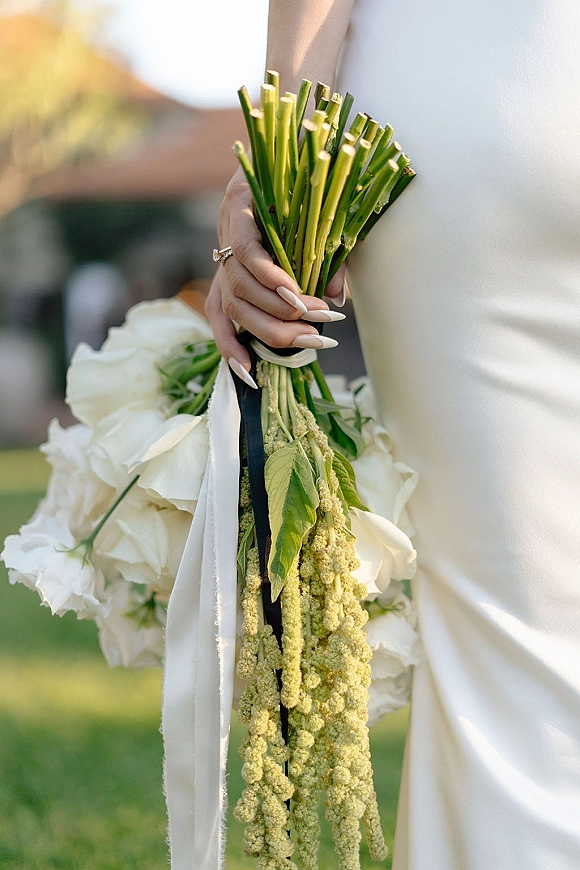
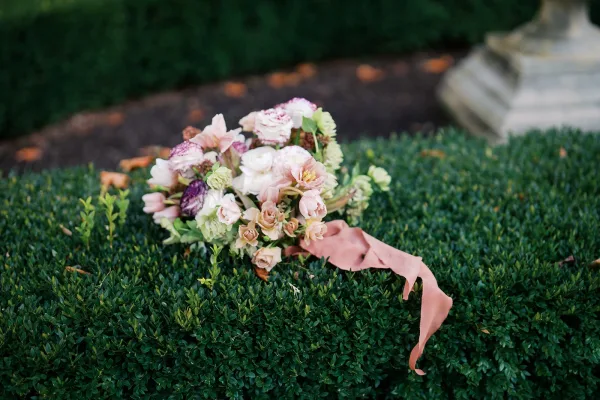
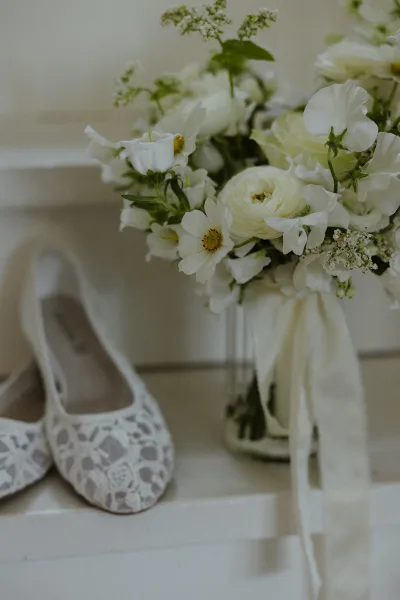
The greenery and wrap tune a pink bouquet as much as the flowers do. Soft, silvery eucalyptus keeps blush and pastel pinks gentle and romantic, while deep, glossy green sharpens a bright or hot pink and keeps it from reading sweet. The ribbon adds the final note: blush or ivory satin extends a soft look, while a contrasting wrap can ground a bold pink. Because pink spans such a range, the surrounding details are what pull the bouquet toward romantic or modern.
Pink Flowers for Bouquets
The most-used pink wedding flowers each bring something different, and combining them is what gives a bouquet depth. Roses offer reliability and come in every pink from blush to cerise, holding their form out of water. Peonies deliver soft, oversized volume in spring and early summer. Ranunculus mirrors the peony's ruffled look at a smaller scale and holds well through a long day.
Dahlias add structured, geometric blooms for late summer and fall, while sweet peas and cosmos bring airy, garden texture and movement. Lisianthus reads like a smaller rose and extends a palette affordably. Tulips and sweet peas suit spring, and orchids bring a modern line year-round. Mixing one large focal flower with one or two smaller companions and a filler keeps a pink bouquet from looking one-note. Baby's breath and waxflower add delicate white or pink filler, while astilbe and stock contribute soft, feathery height for a fuller, more textured gathering.
Pink and White Bouquets
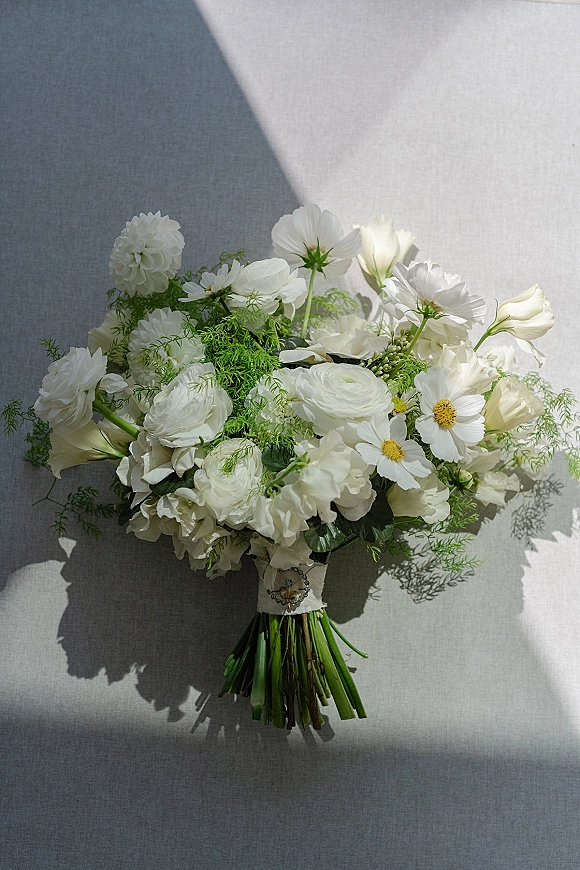
Adding white to pink keeps the palette fresh and stops a soft bouquet from reading flat. Crisp white blooms brighten blush and light pink and temper the intensity of hot pink, so the pairing works across the whole shade ladder. It is so popular it stands on its own; see the full pink and white wedding bouquet collection for tonal balance and shape ideas. As a rule, more white reads cleaner and more modern, while more pink reads warmer and more romantic.
Combining Shades of Pink
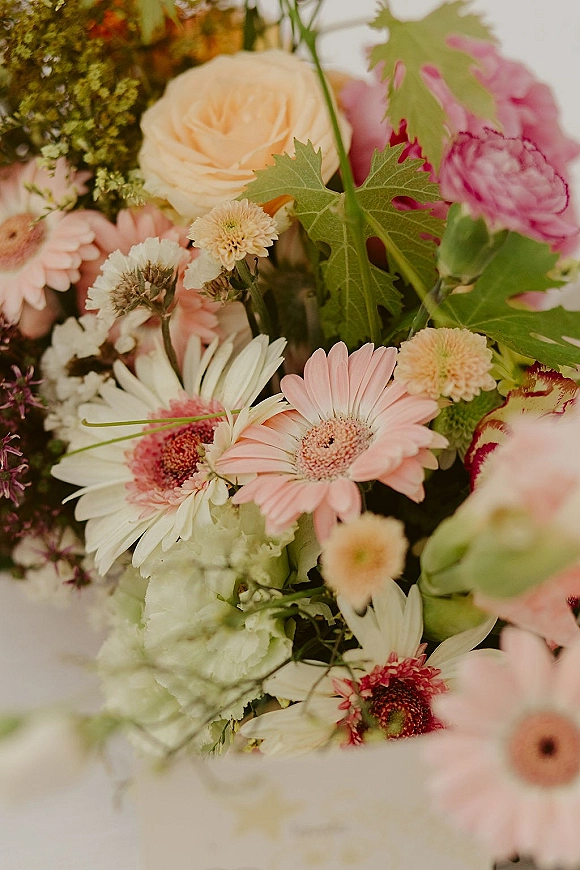
One of the simplest ways to add depth to a pink bouquet is to blend two or three shades of pink rather than using a single tone. Pairing blush with a deeper rose, or light pink with a touch of fuchsia, gives dimension and movement without introducing a second color, so the bouquet reads rich but cohesive. This tonal approach also flatters the natural variation in real flowers, where blooms rarely match exactly. Keeping the shades within the same warm or cool family holds the blend together, while jumping from a cool pink to a warm coral can feel less intentional unless bridged with a middle tone.
Pink and Orange Bouquets
Pink and orange is a warm, sunset pairing that has become a favorite for summer and destination weddings. Coral roses, peach ranunculus, and hot pink dahlias blend into a bouquet that feels vivid without being loud. The combination suits garden and outdoor settings and photographs with real warmth in golden-hour light. Keeping the two colors close in intensity, so neither overpowers the other, is what holds the blend together.
Pink and Purple Bouquets
Pairing pink with purple deepens a bouquet and adds a jewel-toned richness. Lisianthus, sweet peas, and clematis bring purple tones that sit naturally beside pink roses and ranunculus. The look ranges from soft, when lavender meets blush, to dramatic, when plum meets fuchsia, so the same pairing can read romantic or bold depending on the shades. It suits couples who want a palette with more depth than pink alone provides.
Pink Dahlia and Ranunculus Bouquets
Two pink flowers beyond roses and peonies carry specific looks worth calling out. Pink dahlias bring structured, geometric fullness at the end of summer and into fall, in everything from soft blush dinnerplate blooms to deep magenta pompoms, and they give a bouquet architecture. Pink ranunculus, with its many thin petals and long season, delivers a peony-like softness at a smaller scale and holds beautifully through a long day. Building around dahlias reads fuller and more autumnal, while building around ranunculus reads soft and springlike, so the choice sets the season as much as the shade.
Pink for Winter Weddings
Pink is not only a warm-weather color. For winter, cooler and deeper pinks, from icy blush to rich raspberry, pair with evergreen, berries, and touches of white for a bouquet that reads seasonal rather than spring-like. Ranunculus and anemones, both at their best in the cooler months, carry pink well against dark foliage. A deep pink or raspberry bouquet has real presence in the low, indoor light of a winter reception, where a pale spring pink can flatten. Pairing pink with silver, burgundy, or deep green grounds it for the season.
Choosing Pink for Your Dress
The shade of pink interacts with the tone of your gown. Against a bright white dress, cooler and clearer pinks read crisp and intentional, while blush can look almost tonal. Against a warm ivory or champagne gown, blush and peachy pinks blend seamlessly and softly, while a cool pink can read slightly at odds. If you want the bouquet to stand out against the dress, choose a shade a step bolder than blush; if you want it to melt into a soft, tonal look, match the pink closely to the gown's undertone. Bringing a swatch of your dress to your florist settles this quickly.
Pink Bouquet Meaning
Pink flowers carry gentle, well-established associations that suit a wedding: grace, admiration, joy, and young love, with softer shades reading as sweetness and bolder shades as celebration and energy. Pink roses in particular have long signaled affection and gratitude. For couples who like a flower to carry a little meaning, pink offers a warm, romantic symbolism without the intensity of red or the formality of white. The shade you choose subtly shifts that message, from the tenderness of blush to the exuberance of fuchsia.
Dusty Rose and Mauve for Fall
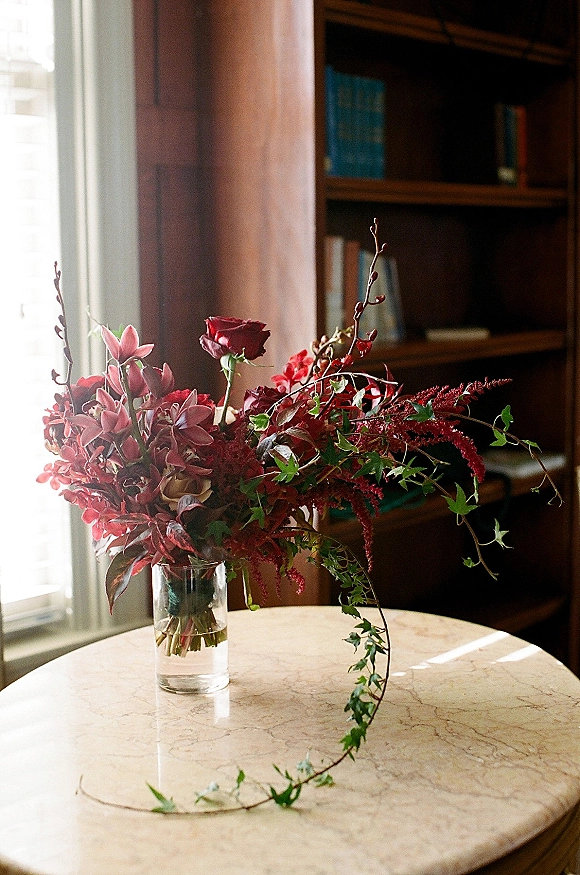
At the muted end of the spectrum, dusty rose and mauve are pinks with grey and brown undertones that read soft, vintage, and seasonal. They suit fall and winter weddings where a bright spring pink would look out of place, and they pair beautifully with burgundy, rust, and antique tones. Dahlias, garden roses, and mums carry these shades well. Dusty rose in particular has become a go-to for couples who want pink without a sweet or overtly girlish feel, since its muted quality reads sophisticated.
Pink Bouquet Shapes
Pink works across every bouquet shape, so the form can follow the mood. A loose hand-tied gathering of blush and soft pink reads romantic and garden-like. A structured round of a single pink flower reads clean and classic. A cascade in bold pink makes a dramatic statement in full-length photos. Because pink spans soft to bold, matching the shape to the shade helps: a delicate blush suits a loose, airy build, while a saturated fuchsia can carry a tighter, more graphic shape.
Pink Bridesmaid Bouquets
Pink is a natural bridesmaid color because its range lets the party coordinate without matching exactly. Bridesmaids can carry a slightly different shade of pink, or a simpler version of the bridal bouquet in the same tone, so the group reads as a set. Blush and soft pink flatter most dress colors and photograph gently, while a bolder pink adds energy to a neutral bridesmaid palette. Varying the shade slightly across the party gives portraits depth.
Pink Sweet Pea and Cosmos Bouquets
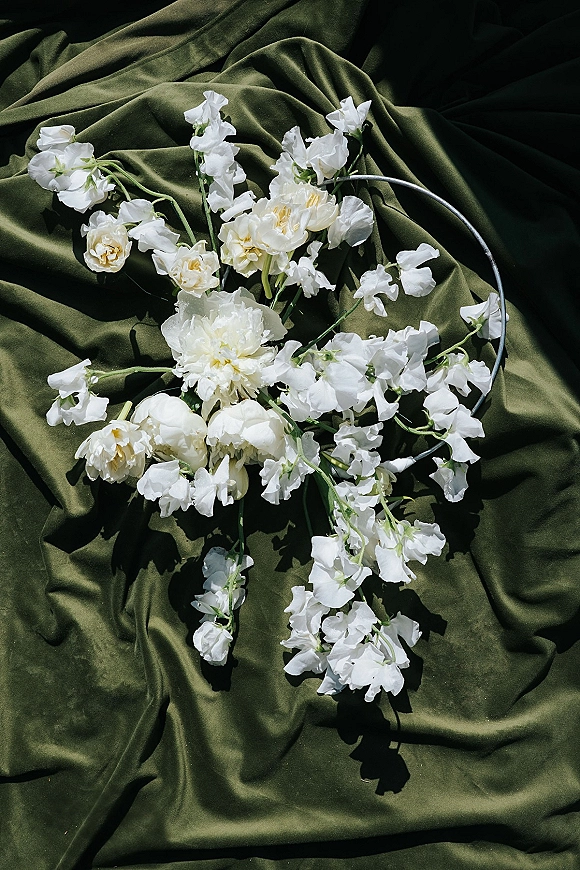
For the softest, most garden-like pink bouquets, sweet peas and cosmos bring airy, delicate movement that fuller flowers cannot. Sweet peas offer ruffled petals in blush, rose, and lavender-pink with a light fragrance, while cosmos add simple, open blooms on slender stems for a meadow feel. Both read relaxed and romantic and suit spring and summer garden weddings. Because they are delicate, they work best combined with sturdier pink roses or ranunculus for structure, with the airier flowers adding lightness and grace around them.
Pink Bouquets for Destination Weddings
Pink travels well for a destination or beach wedding, where warm light and bright surroundings suit vivid and coral-leaning shades that would read bold at home. Hot pink, coral, and fuchsia hold their color in strong sun where blush can wash out, and they pair naturally with tropical greenery and orange accents. For a warm-climate wedding, choosing hardier pink flowers that tolerate heat, and building the bouquet close to the ceremony, keeps it fresh through an outdoor celebration. The result reads celebratory and at home in a sunny setting.
Pink Bouquets by Wedding Style
The same color reads differently depending on the wedding, so let your style guide the shade and shape. A romantic wedding suits soft blush and light pink in a loose, garden-gathered bouquet. A modern wedding can carry a bold, saturated pink in a cleaner, structured shape. A boho wedding pairs dusty rose and mauve with wild, textural elements and grasses. A formal wedding suits a refined pink rose bouquet in a controlled round or cascade. Matching the pink to the mood, rather than choosing it in isolation, is what makes the bouquet feel of a piece with the day. See the full wedding bouquet guide for coordinating the rest.
All-Pink Versus Pink Accents
A decision worth making early is whether pink is the whole bouquet or an accent within it. An all-pink bouquet, in one shade or a blend of related pinks, reads bold and cohesive and makes pink the statement. Pink as an accent, set among white, cream, or greenery, reads softer and lets the pink punctuate rather than dominate. The all-pink route suits couples who want the color to lead; the accent route suits those who want a mostly neutral bouquet with a wash of warmth. Both are valid, and knowing which you want shapes every other choice.
Keeping a Pink Bouquet Fresh
Most pink wedding flowers hold up well, but longevity varies by bloom. Roses, ranunculus, and lisianthus are reliable through a long day, while peonies and sweet peas are softer and more sensitive to heat. For an outdoor or summer wedding, leaning on the hardier pink flowers and keeping the bouquet cool and hydrated until the ceremony keeps it looking fresh. If you love a delicate flower like the sweet pea, using it as an accent among sturdier blooms is a reliable way to enjoy it without risking the whole bouquet.
Pink Bouquets by Season
Pink adapts to every season through its flowers, which is a large part of its versatility. Spring leans on peonies, tulips, and sweet peas in soft shades. Summer brings garden roses, dahlias, and cosmos in fuller pinks. Fall shifts toward dusty rose and mauve with dahlias and mums for a warmer, muted feel. Winter favors ranunculus and anemones in cooler pinks with evergreen accents.
Choosing pink flowers in their season keeps the bouquet fresh and the cost reasonable, since in-season stems travel less and last longer. It also keeps the shade appropriate: a bright spring pink can look out of place at a moody winter wedding, where a dusty or deep pink reads far more seasonal, and the reverse is equally true for a warm-weather celebration. For a two-tone version of any of these, see pink and white wedding bouquets, and browse wedding florists to match your shade to what is in bloom on your date.
Frequently Asked Questions
What flowers come in pink for wedding bouquets?
Many wedding favorites come in pink, including roses, peonies, ranunculus, dahlias, sweet peas, cosmos, and lisianthus. Roses and ranunculus offer the widest shade range and best availability year-round, while peonies and sweet peas are seasonal. Mixing a large focal flower with smaller companions gives a pink bouquet depth.
What is the difference between blush and pink?
Blush is the softest, most muted pink, so pale it can read almost neutral against a white dress. True pink has more color and presence. If you want a barely-there, romantic tint choose blush; if you want a clearly pink bouquet, ask for light pink or rose instead.
Can a pink bouquet work for a fall wedding?
Yes. For fall, shift toward dusty rose, mauve, and deeper pinks using dahlias and mums, and ground the palette with rust or burgundy accents and darker greenery. These muted, warmer pinks feel seasonal where bright spring pinks can look out of place.
What colors pair well with pink in a bouquet?
White keeps pink fresh and modern, orange and coral make it warm and summery, purple adds jewel-toned depth, and greenery grounds any pink palette. The right pairing depends on your season and how bold you want the bouquet to read.
Are pink wedding bouquets expensive?
Cost depends on the flowers, not the color. Pink roses and ranunculus are budget-friendly and available year-round, while pink peonies and sweet peas cost more and are seasonal. Choosing in-season pink flowers is the simplest way to control price.