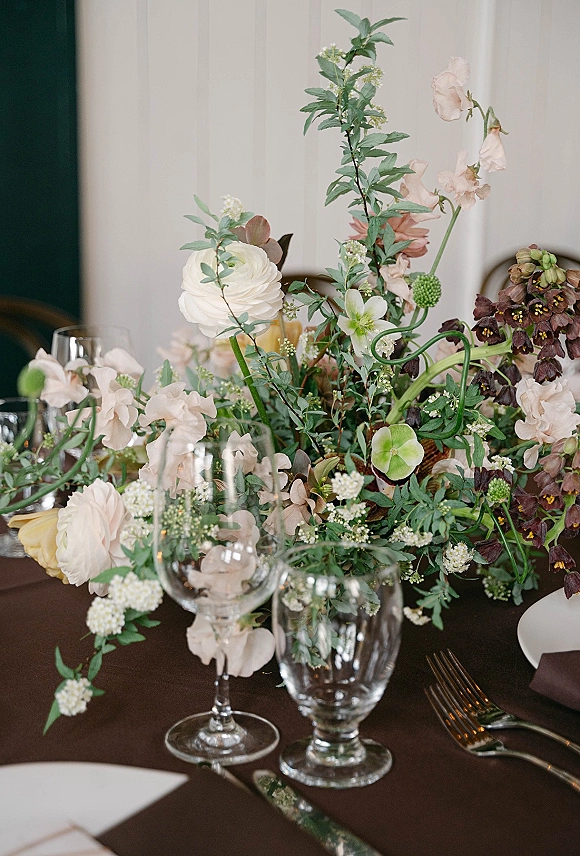
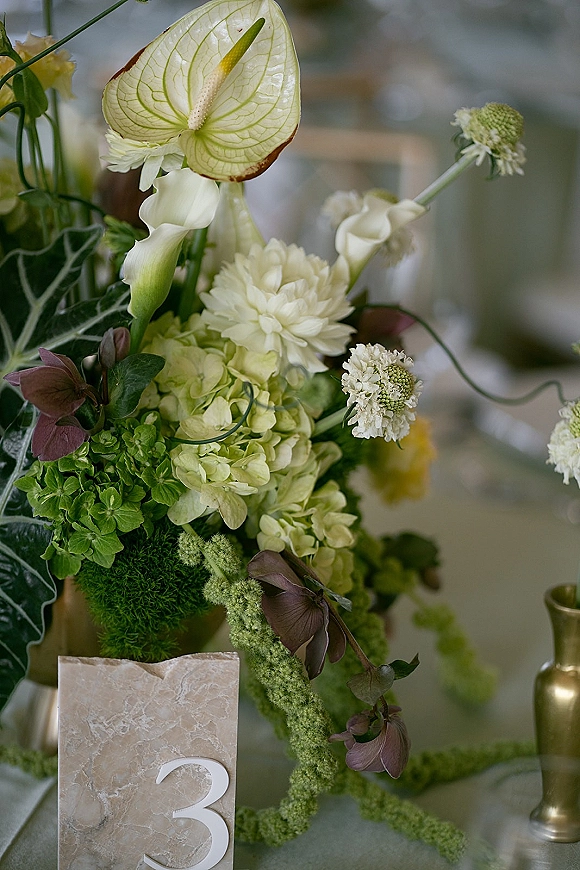
Why Choose an All-Floral Centerpiece
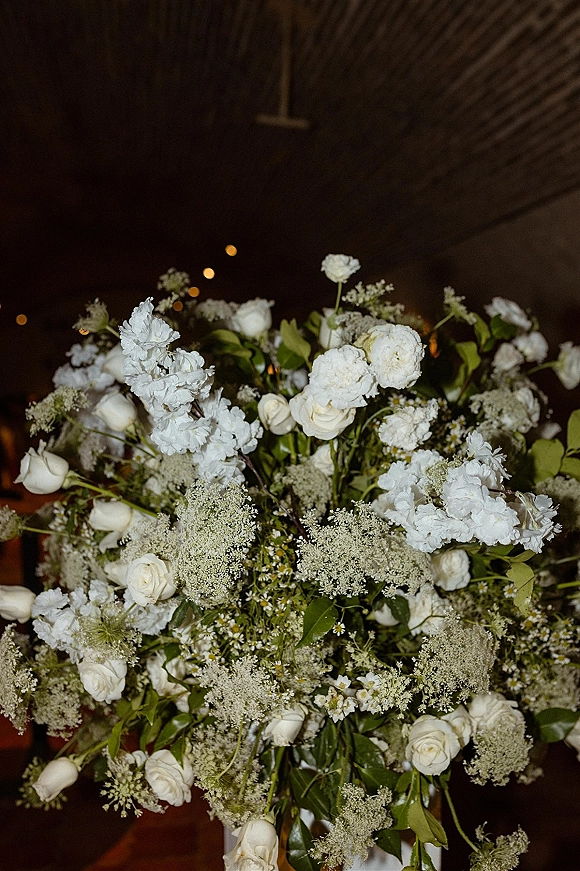
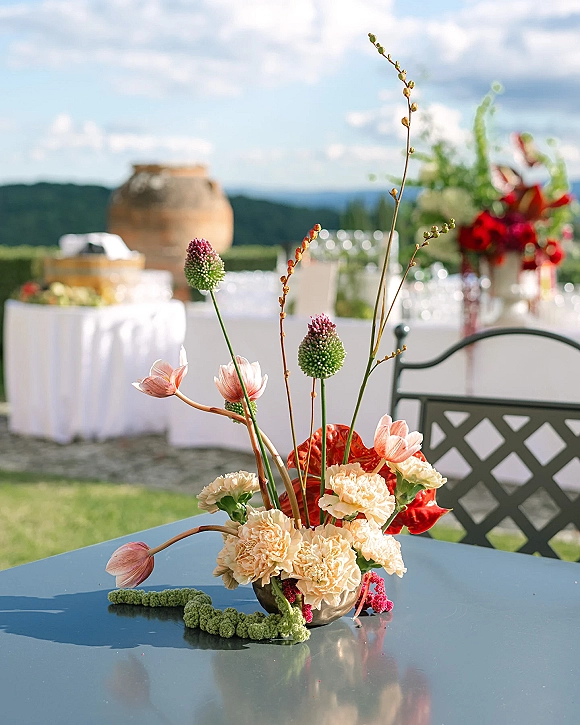
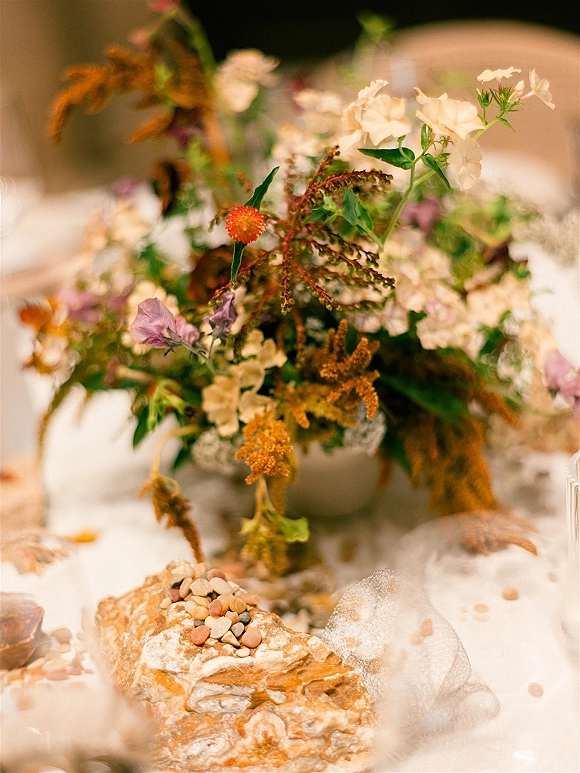
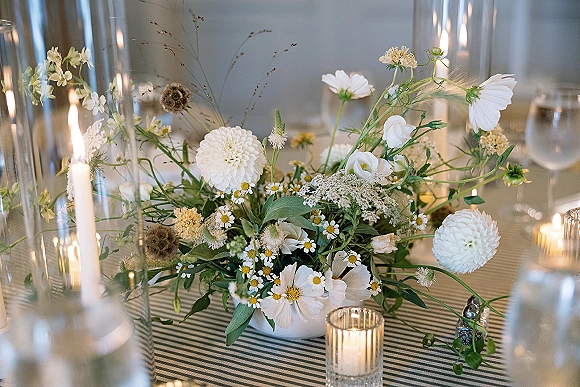
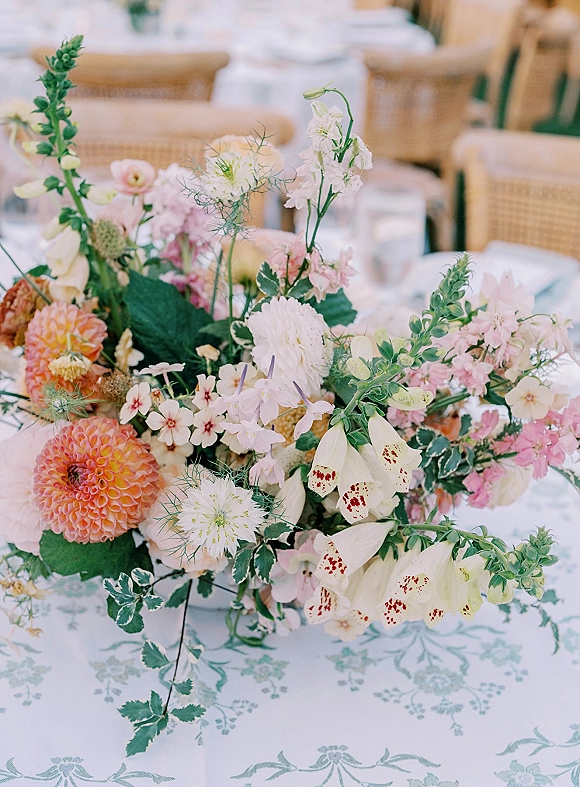
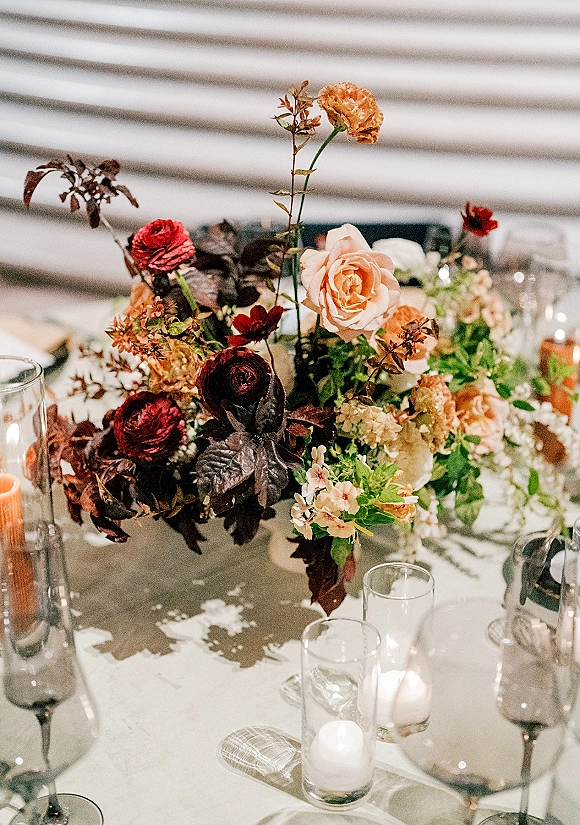
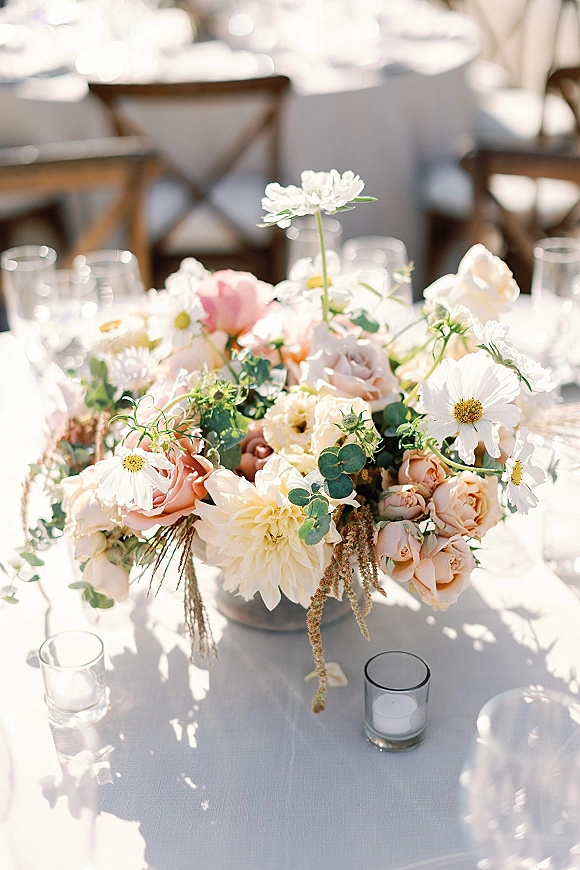
Wedding floral centerpieces make blooms the focal point of the table and the clearest carrier of your color story. Also called wedding flower centerpieces, or simply floral centerpieces for weddings, they let palette and bloom choice do all the work, which is exactly what a lush, garden-forward, or romantic reception wants. An all-floral table also photographs as the richest option and ties directly to the ceremony, so a table that echoes your wedding ceremony flowers makes the whole day read as one design.
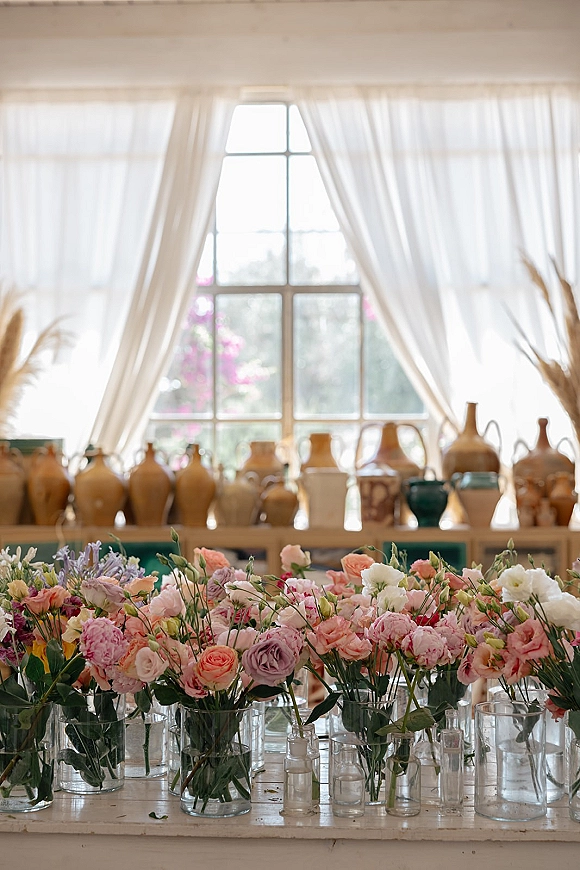
The trade-off is volume and upkeep. Because flowers fill the entire vessel instead of sharing it with candles or foliage, an all-floral look uses more stems than any other centerpiece of the same size, and the blooms need a water source to stay fresh through a long reception, whether that is a vessel deep enough to hold water or a hydrated mechanic hidden in the base. Sturdier focal blooms and a florist who conditions the stems ahead of time make the difference between a table that peaks at the first course and one that still looks full by the last dance, which is why many couples brief wedding florists early and reserve the fully floral treatment for the tables that matter most.
An all-floral table also rewards a clear point of view more than any other format. Because the flowers are the entire statement, a table that commits to one idea, a single lush bloom repeated, a tight two-color palette, a loose garden gathering, reads far stronger than one hedging across a little of everything. The most memorable floral centerpieces tend to be the most decisive ones, where the choice of bloom, color, and shape all point in the same direction and nothing on the table argues with anything else.
Choosing Your Blooms
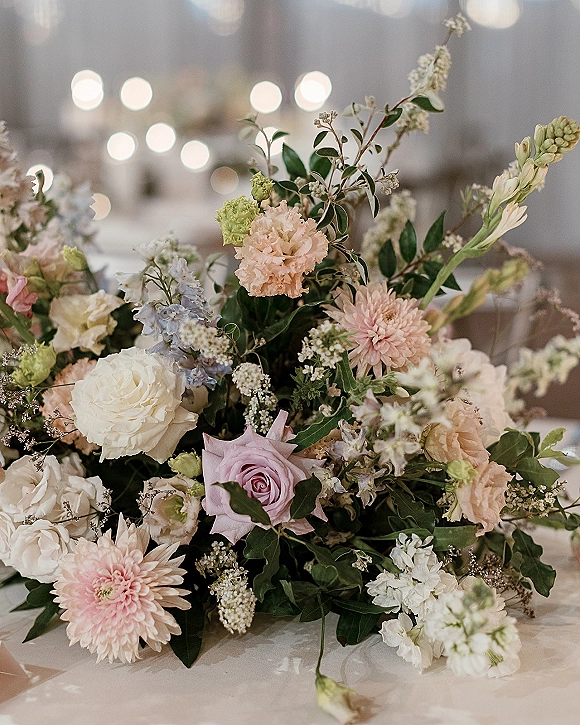
Every full arrangement is built in three layers, and knowing them helps you brief a designer. Focal flowers are the largest, most eye-catching blooms that set the scale and palette. Filler flowers such as ranunculus, lisianthus, and stock close the gaps and add depth. Foliage frames the whole thing, hides the vessel edge, and gives movement where stems trail over the rim. Shift that ratio toward foliage and you stretch the flower budget without thinning the look; shift it toward focals and the table reads dense and luxe.
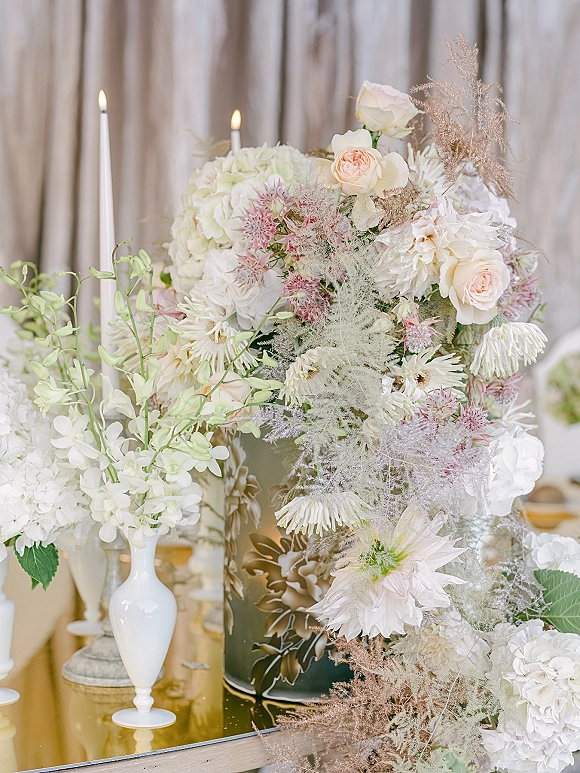
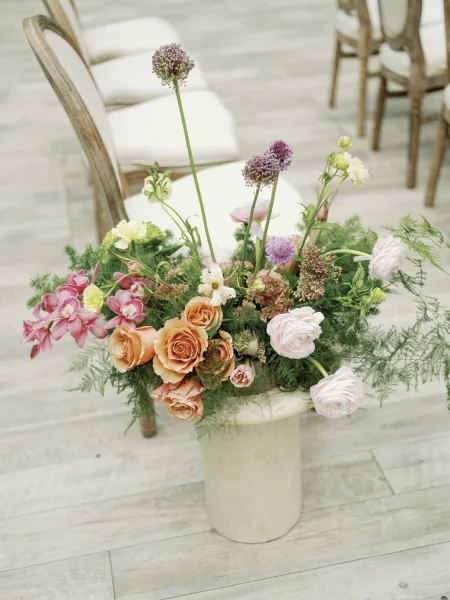
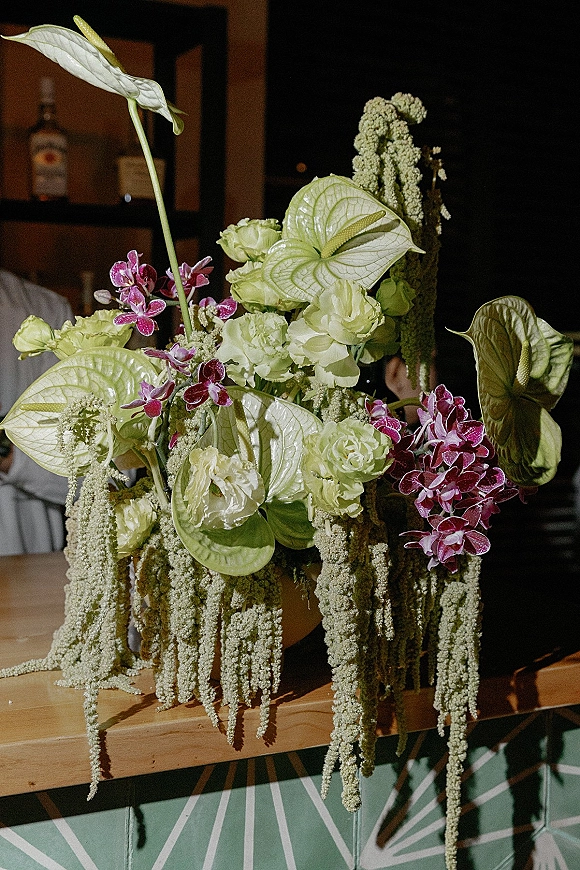
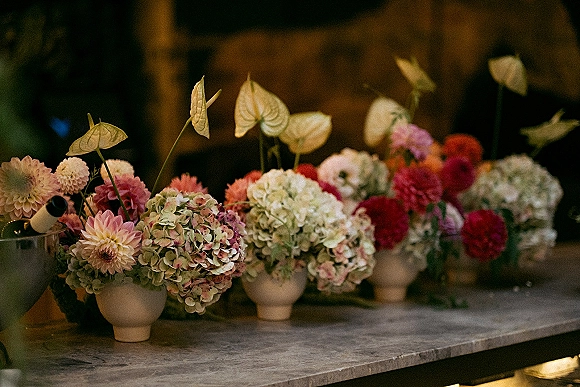
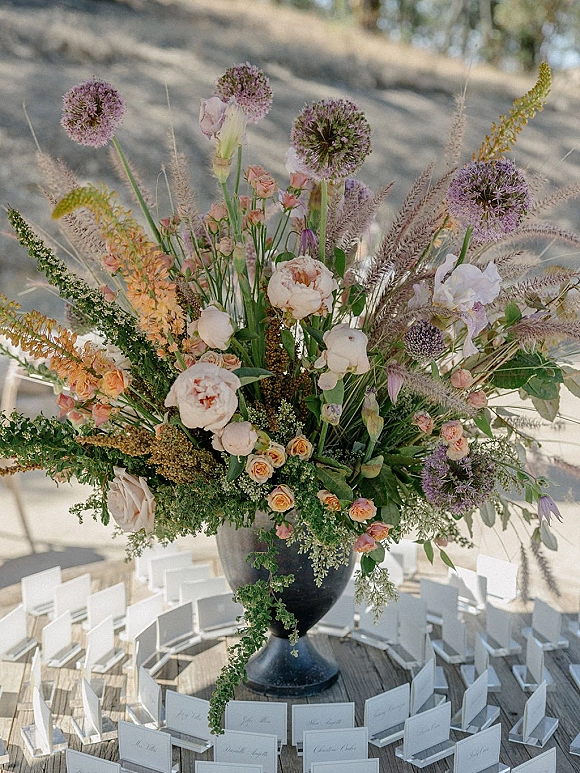
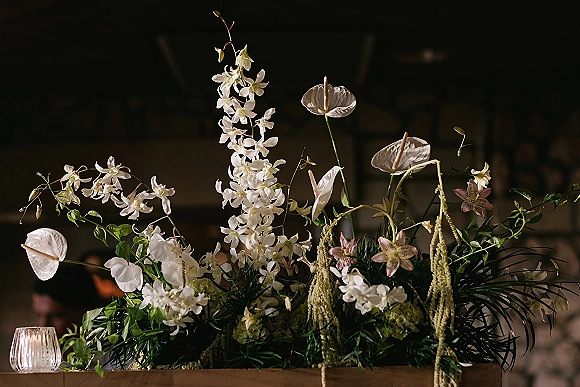
Four focal blooms come up more than any others, and each behaves differently once arranged. Hydrangea wedding centerpieces deliver volume fast, since a few large heads fill a low bowl almost on their own, which makes them a favorite for full tables with fewer stems overall. Garden roses are the most flexible choice, opening wide and ruffled for a soft romantic feel and combining with nearly every other flower. Peony brings the fullest, most layered bloom of all, though its short natural window ties a peony table to its season. Orchid wedding centerpieces lean modern and sculptural, arching from tall vessels where a single well-placed stem reads as intentional rather than sparse. Building around a bloom in its natural window keeps any of them full and easier to source, and a florist can steer the focal choice toward what is at peak so the table arrives as lush as the reference photo promised.
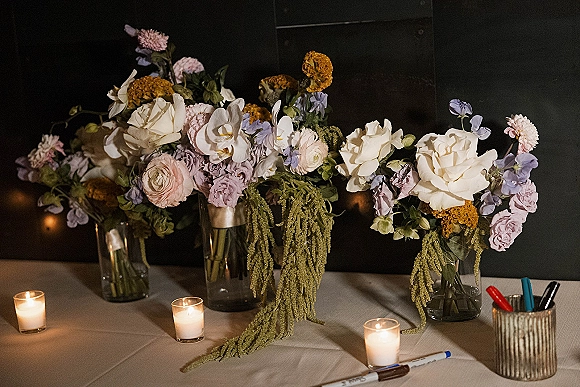
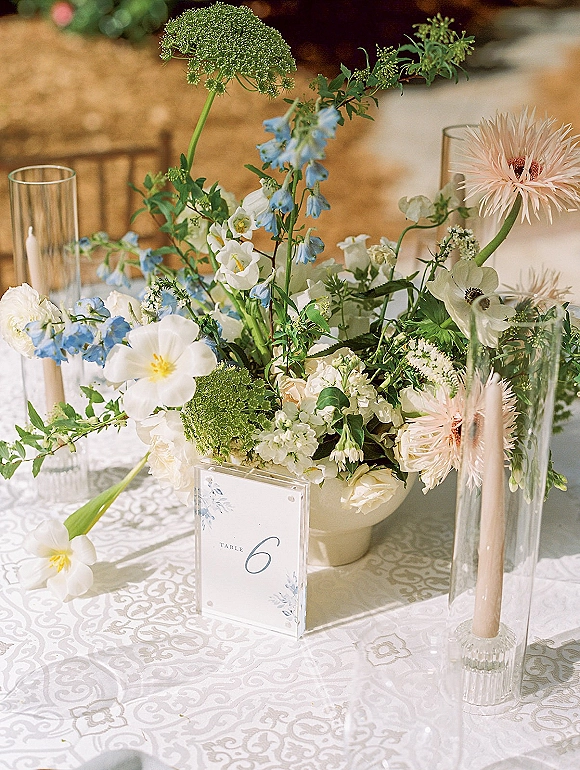
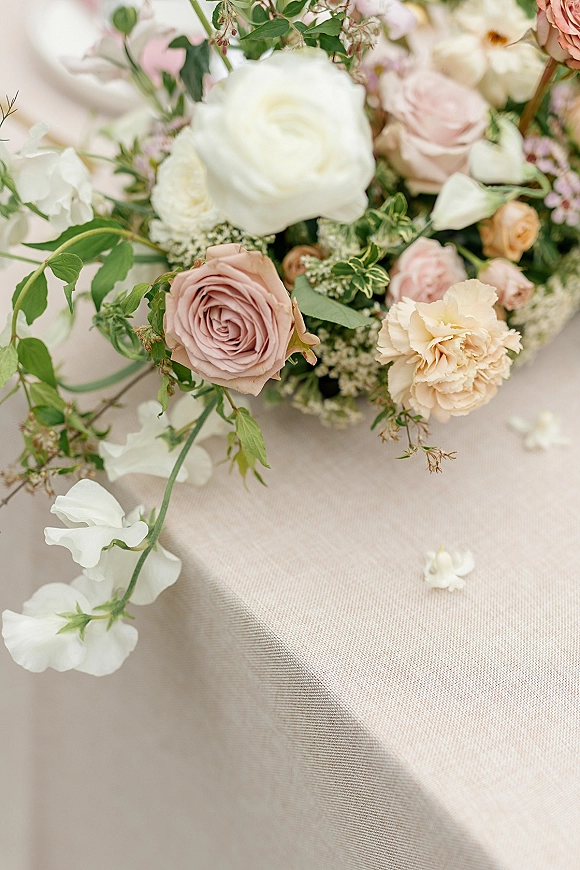
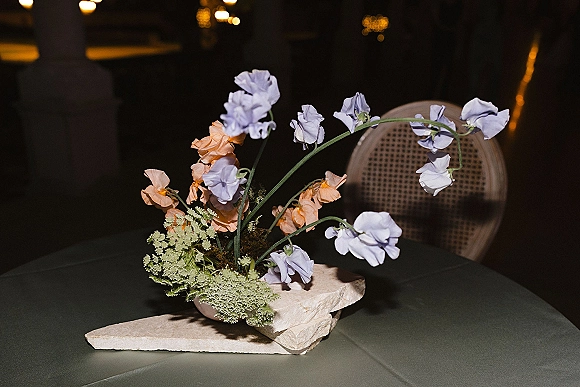
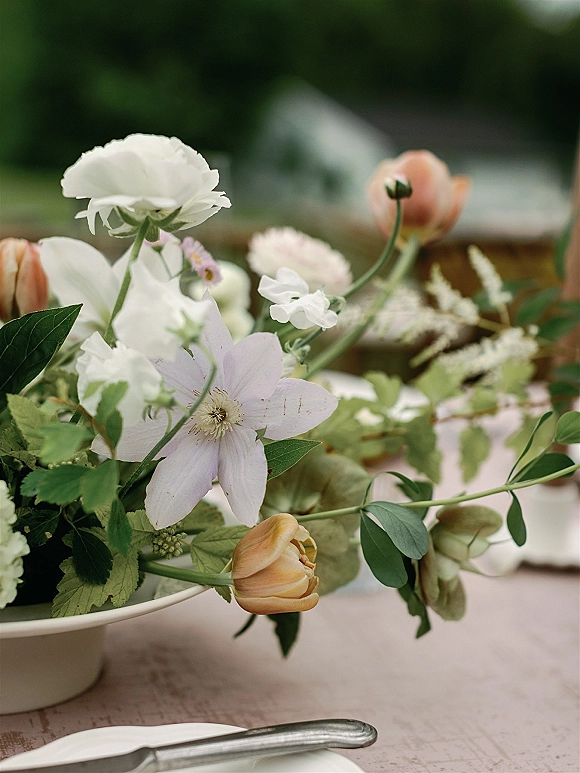
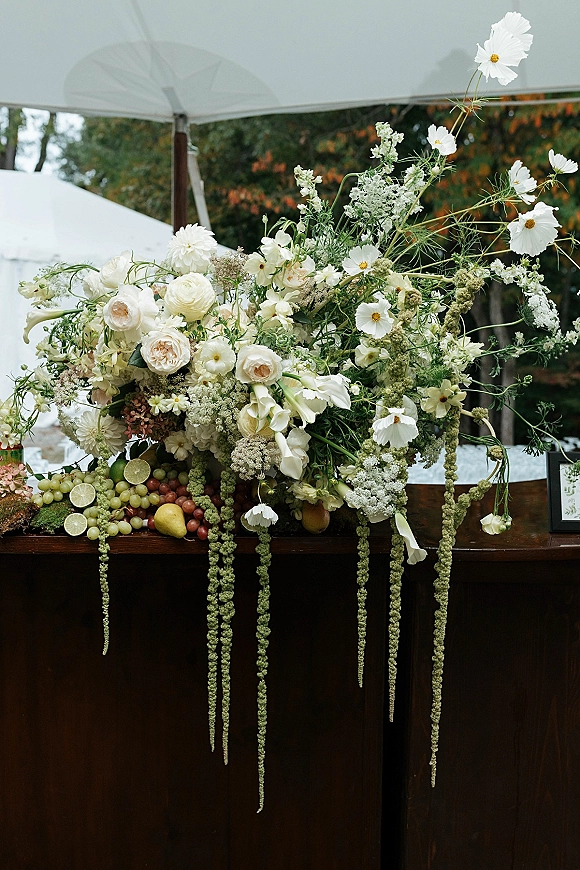
Beyond the four headliners, the supporting cast is where a designer earns their fee. Ranunculus and anemones add delicate movement, stock and lisianthus bring soft volume between focals, and a whisper of astilbe or sweet pea gives an arrangement the airy, just-picked quality that separates a garden-style table from a stiff, blocky one. Trailing greenery like jasmine vine or trailing amaranthus softens the edge where the arrangement meets the linen. Balancing these supporting stems against the focals is what makes a full arrangement read layered and alive rather than dense and flat, and it is the reason two tables built from the same focal bloom can look entirely different depending on what fills the space around it.
Shape, Vessel, and Table Fit
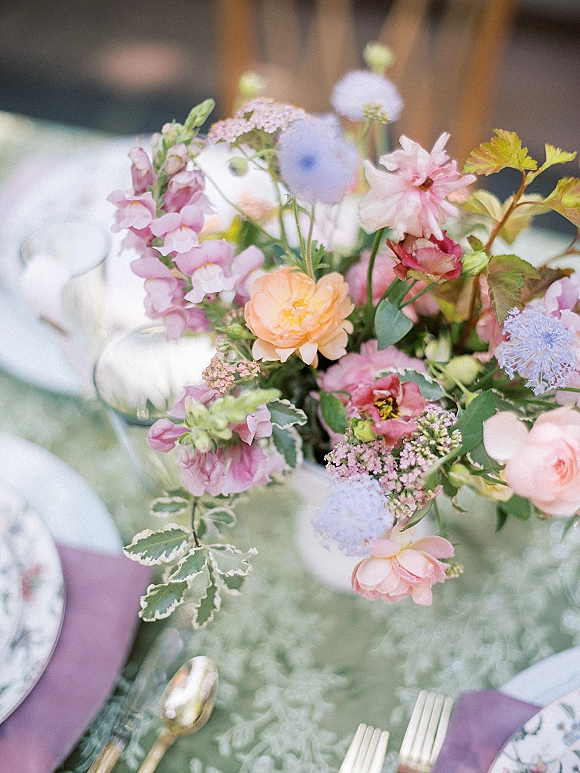
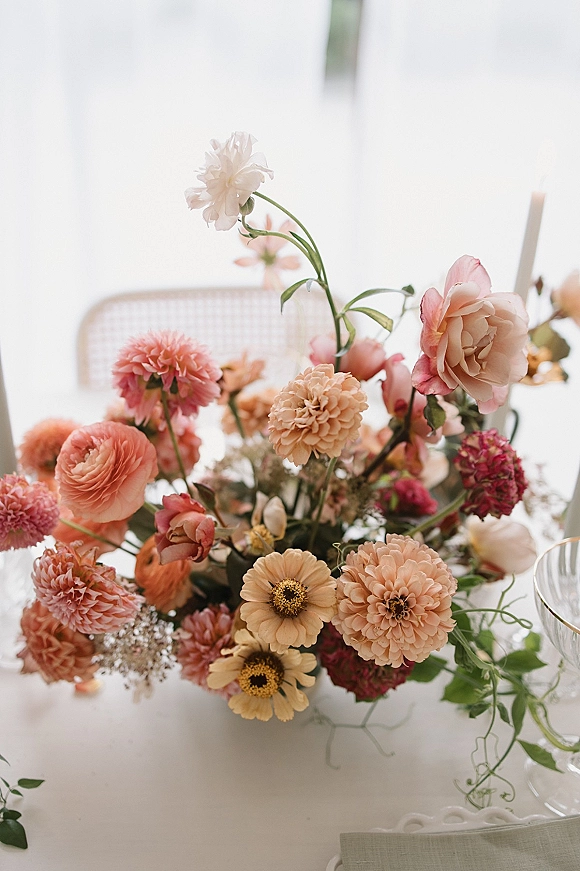
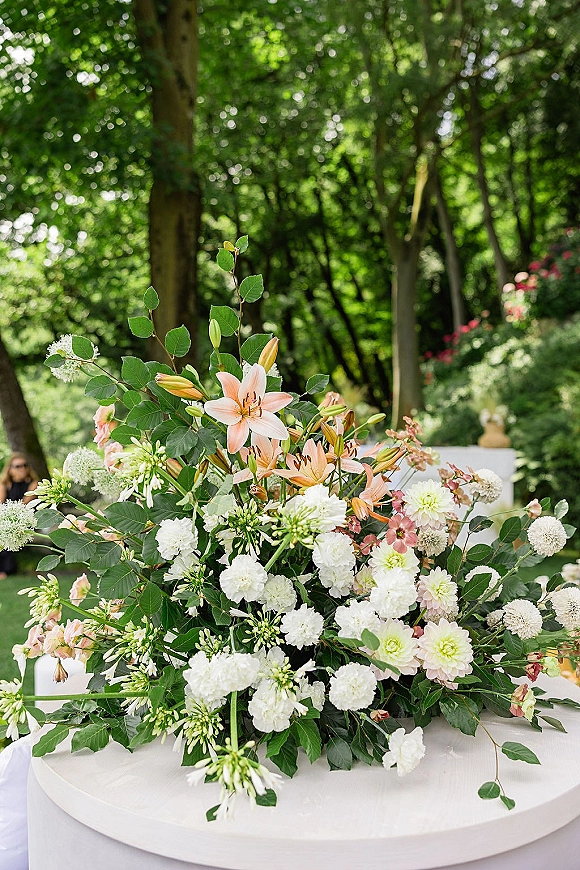
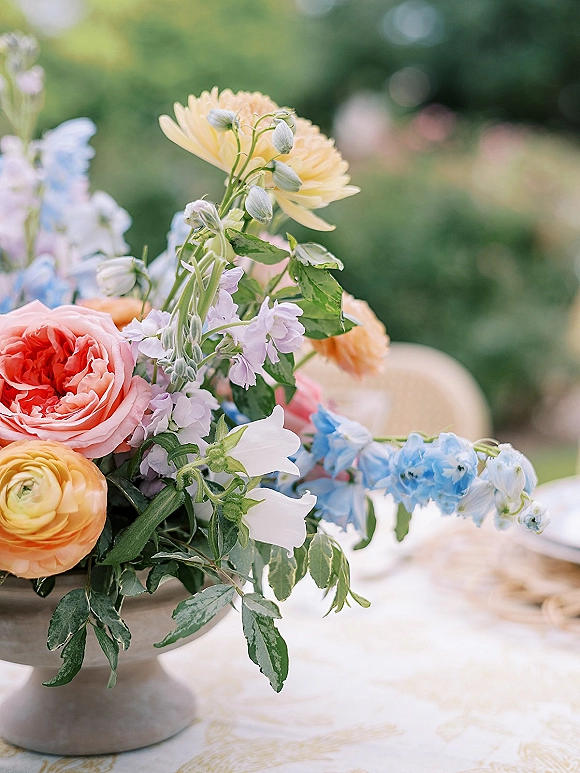
Floral centerpieces take a few shapes, and the shape sets the mood as much as the flowers do. A low-and-compact arrangement keeps blooms tight in a small footed bowl, which suits smaller tables and conversation-height receptions, while a low-and-lush design spreads wide and full in a compote, spilling slightly over the rim with trailing greenery for a garden feel. The other decision is one arrangement or many small ones: a single central design concentrates the flowers into one lush focal point that suits round tables, while a run of bud vases spreads a few stems each across a long table for an airy, modern effect that lets guests see between the blooms. Plenty of tables combine the two, anchoring the center with one arrangement and echoing its blooms in bud vases down the length.
The vessel then changes the entire read. Footed compotes lift and spread blooms for a soft garden shape, low bowls keep things compact and modern, and clear glass disappears so the flowers lead, while ceramic and metal add their own color and texture. Match the flowers to the table shape too: round tables suit a rounded, domed arrangement of mounding blooms like hydrangea and garden roses, while long tables suit a lower, more linear design or a run of bud vases. For tables that swap some blooms for foliage, see the greenery wedding centerpiece collection, and for tables that pair flowers with flame, the candle wedding centerpiece collection. Because an all-floral palette photographs so well, it also carries naturally into the ceremony, echoing the same tones used in your wedding aisle and ceremony florals for a cohesive look from vows to reception.
Palette and Styling
A floral palette should never stand alone. Pull it from the rest of the day, from the bouquets to the linens to the light.
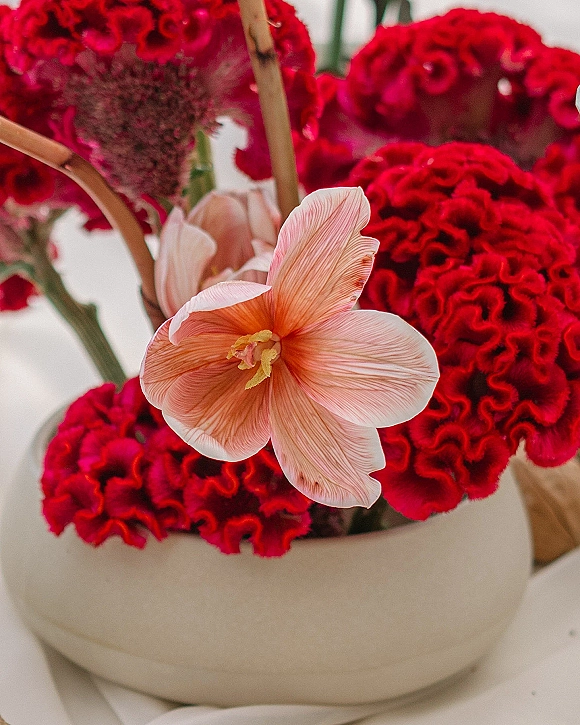
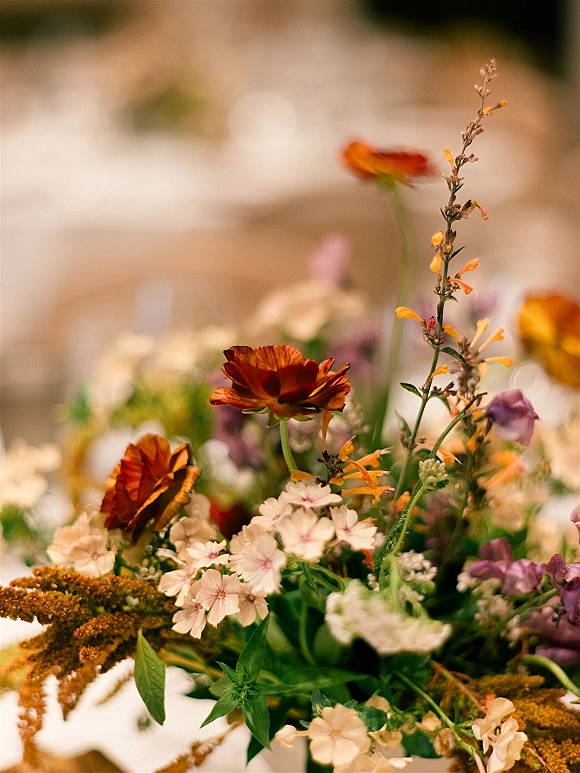
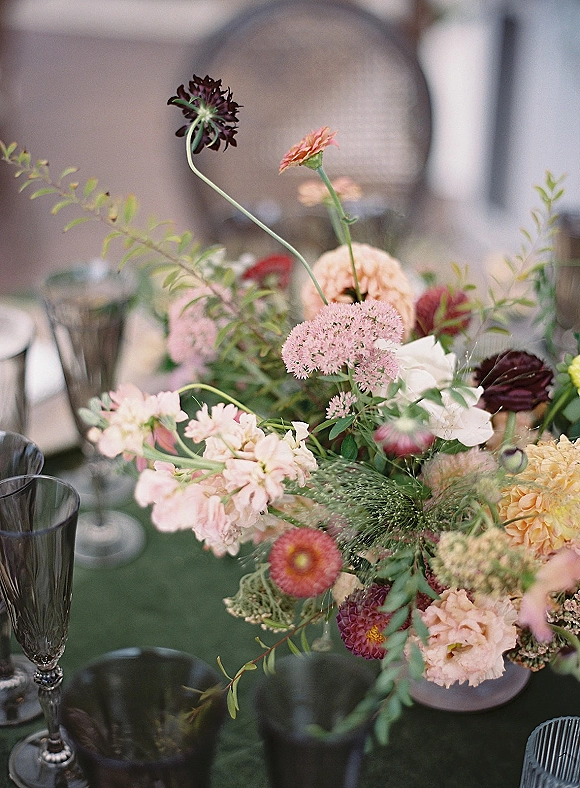
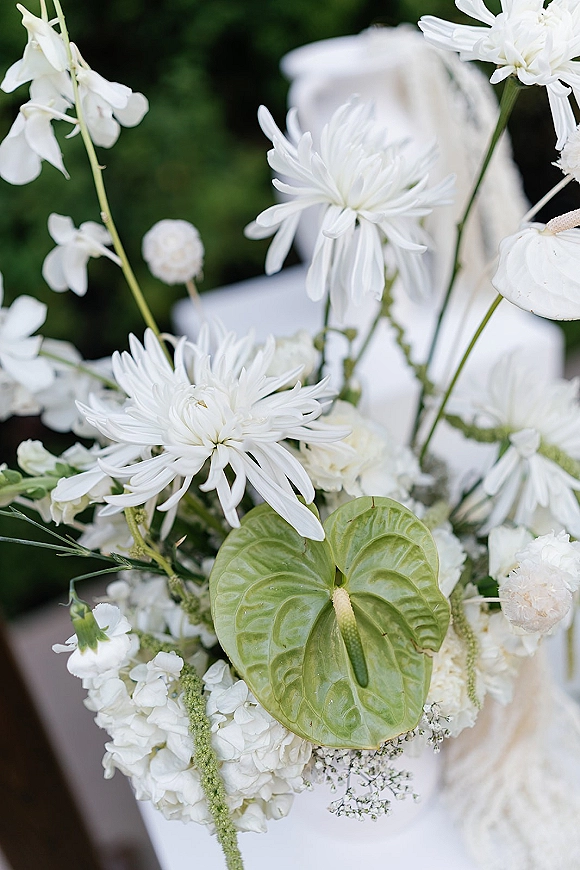
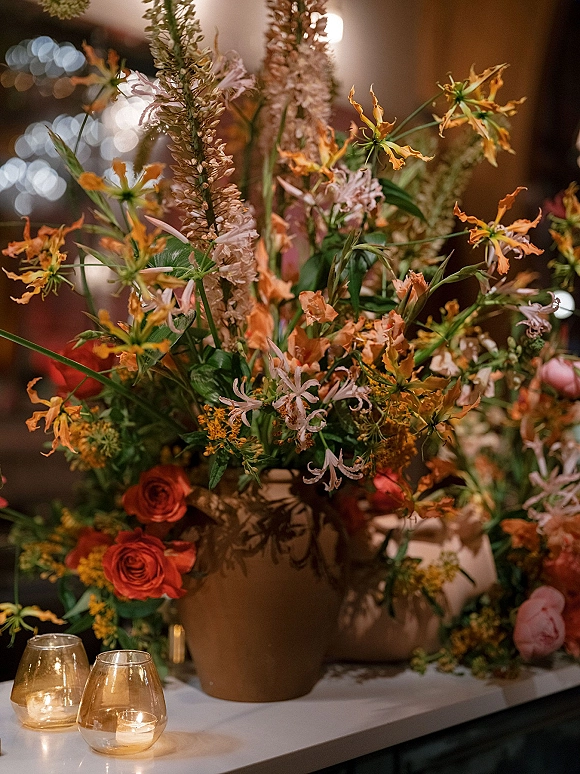
Monochrome palettes, all white, all blush, all burgundy, read elegant and cohesive; tonal palettes stack shades of one color for depth; complementary palettes pair a dominant bloom color with a single accent to stay lively without looking busy. Two or three colors almost always read more intentional than five. Repeating that palette across the bouquets, the ceremony, and the reception is what makes flowers feel designed, and a pink and white wedding bouquet carried down the aisle reads as deliberate when the same tones return on the tables. Think about how the palette photographs, too, since deep, saturated blooms read richer under warm reception light while soft pastels can wash out.
An all-floral centerpiece rarely stands alone once it is on the table. Ring it with low votives or bud vases that repeat one of its blooms so the flowers extend across the surface instead of sitting in a single clump, keep the base clear for settings and glassware, and let a few stems trail onto the linen to soften the edge. Season is worth a last thought here, since spring peony, summer dahlia, and cool-month chrysanthemum each arrive fullest in their own window and hold best through a long reception. Small finishing choices matter here too, since a linen that picks up the palette, a few loose petals scattered at the base, and settings that echo the tones turn a single arrangement into a fully composed place setting. For the widest range of formats and how floral tables sit among candle, greenery, and tall designs, start from the wedding centerpieces hub.
Frequently Asked Questions
What flowers are best for wedding centerpieces?
Hydrangea, garden roses, peony, and orchids are the most requested centerpiece blooms. Hydrangea fills volume with few stems, roses suit almost any palette, peony brings the fullest romantic shape in its season, and orchids read modern and sculptural. The best choice is the bloom that fits your palette and is in its natural window.
How many flowers go into one floral centerpiece?
An all-floral design uses more stems than a candle or greenery arrangement of the same size because blooms fill the whole vessel. A low, lush compote takes a full, dense gathering of focal and supporting flowers, while a bud-vase grouping needs only a few stems per vessel.
Are floral centerpieces better tall or low?
Both work; the choice is about the room. Low floral arrangements keep the eye at table level and let guests talk across, while raising a lush design onto a footed vessel adds height without losing the flowers. Many receptions alternate the two across tables for rhythm.
How do I keep centerpiece flowers fresh through the reception?
Florists build fresh arrangements a day or two before the wedding, condition the stems in water, and place them during setup so they peak on the day. Choosing in-season blooms and keeping arrangements out of direct heat helps them hold through a long reception.