The Rustic Look and Its Vessels
Rustic wedding centerpieces bring a warm, natural, farmhouse feel to the table through lanterns, wood, vintage vessels, and loose seasonal blooms.
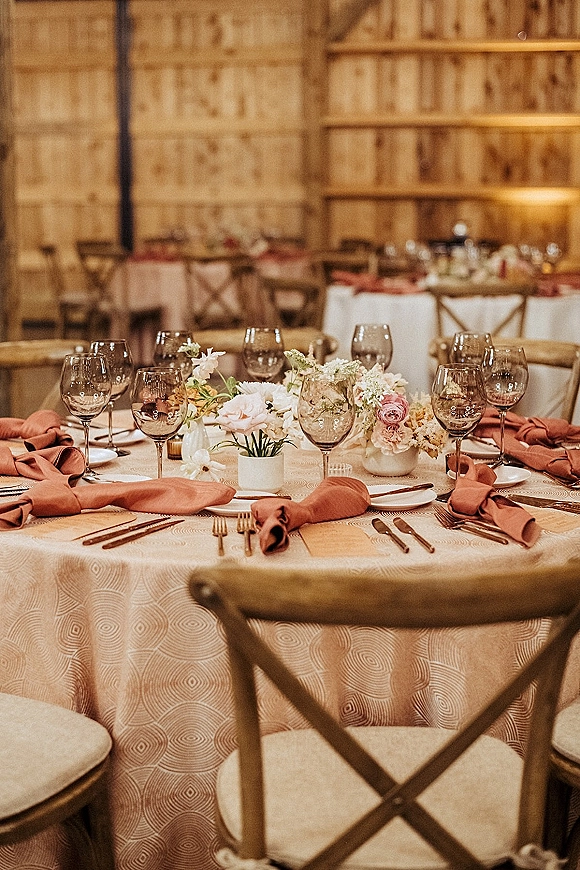
The look leans on organic materials and a lived-in palette, and it suits barn, vineyard, and outdoor weddings so well because it reads as gathered from nature, never composed in a studio. The wider room these tables live in is captured in the barn wedding ideas collection. The palette runs warm and earthy, cream, sage, dusty blue, terracotta, and soft blush, set against the natural browns and greys of wood and galvanized metal, and the aim is a collected, pleasantly imperfect feel, never a matched set.
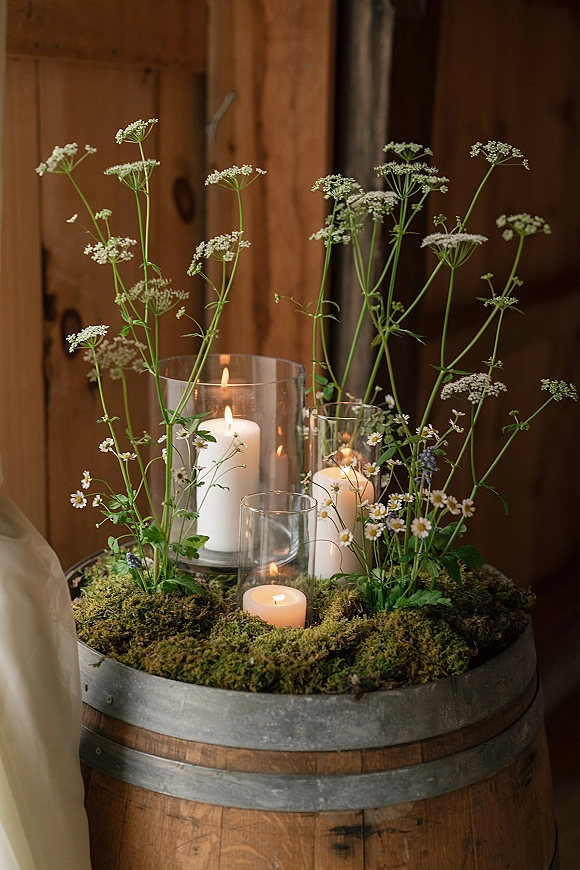
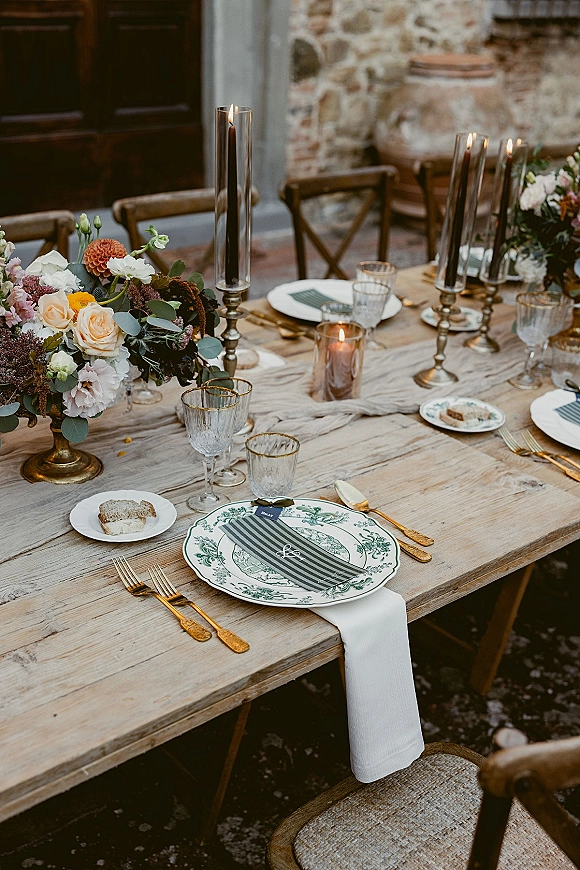
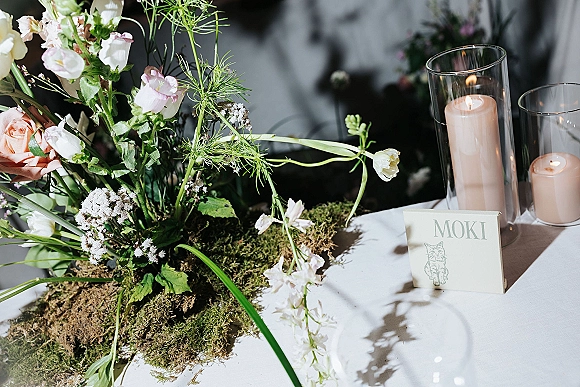
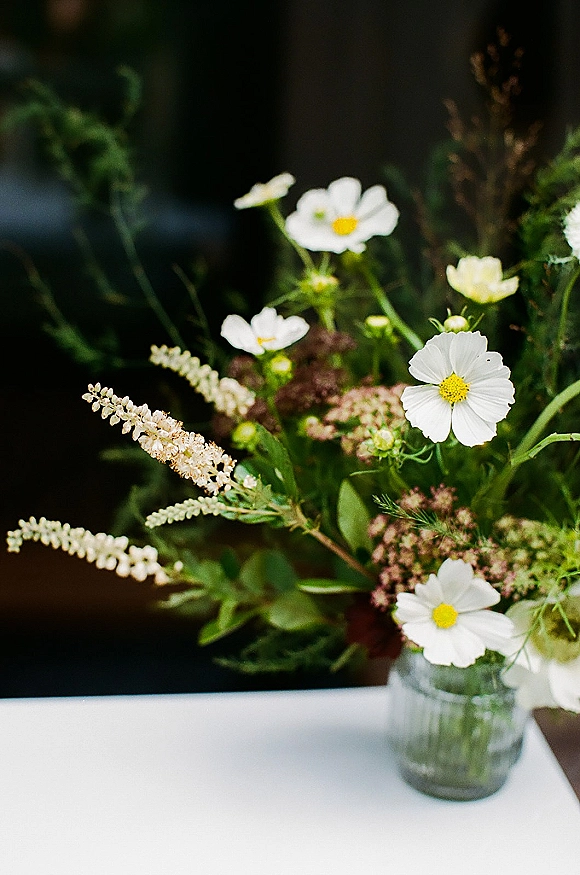
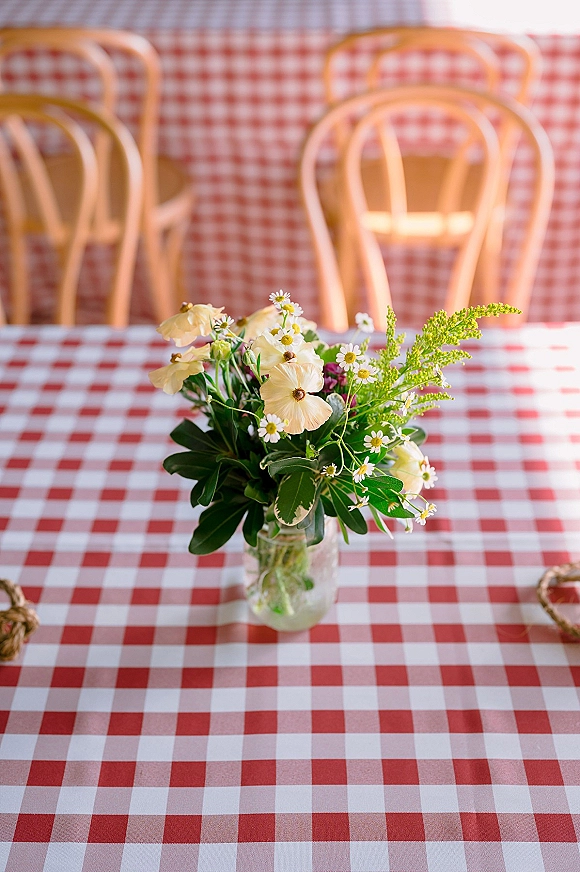
The vessels are half the look. Lantern wedding centerpieces are the cleanest rustic option, a weathered metal or wood-framed lantern holding a pillar candle inside glass, giving warm enclosed light that suits farm tables and satisfies many venue flame rules; the candle wedding centerpiece collection shows the candle-forward version. Mason jars and vintage bottles are the classic rustic vessel, and styled well they read charming and finished, not casual: mason jar wedding centerpieces holding loose wildflowers, or a grouping of amber and clear glass bottles each with a few stems, give a collected look down a farm table. The line between charming and cluttered comes down to restraint and repetition, so the same jars grouped in a repeating rhythm and tied together by one flower type read as design.
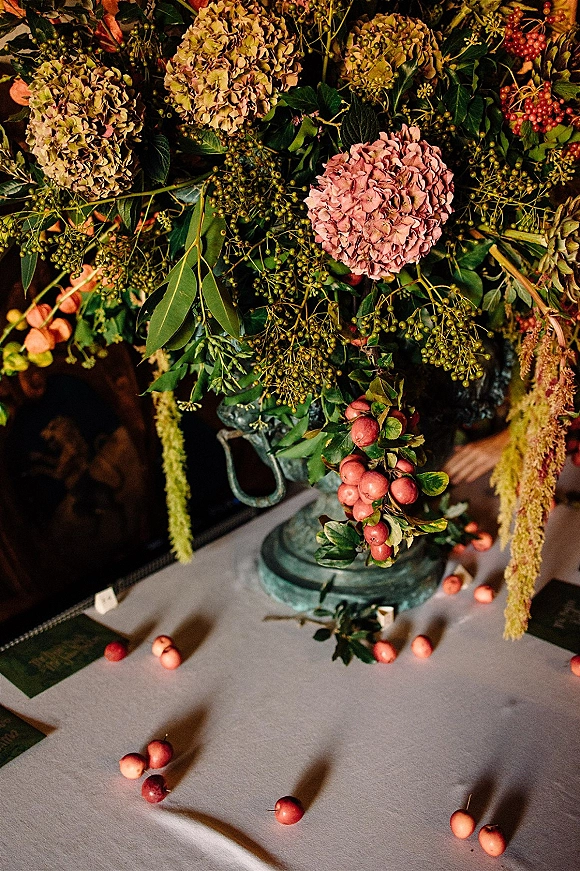
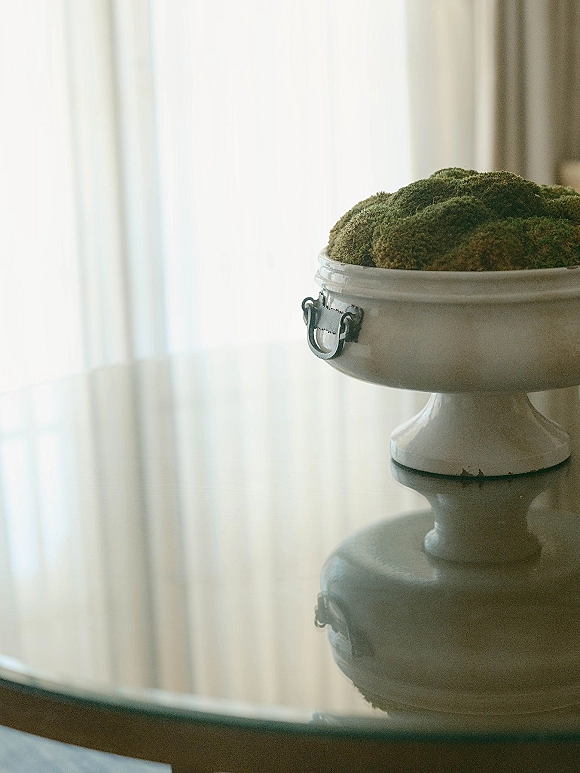
Vintage and reclaimed pieces carry more character than anything new, which is why so many rustic tables lean on weathered crocks, enamelware, apothecary bottles, and salvaged wood. Sourcing a mismatched but tonally consistent set, all amber glass, or all galvanized metal, gives the collected-over-time feel the look is after while still reading intentional. Odd-numbered clusters at varied heights keep a grouping lively, and a little breathing room between clusters stops a long farm table from looking crowded end to end.
Wood, Flowers, and Candlelight
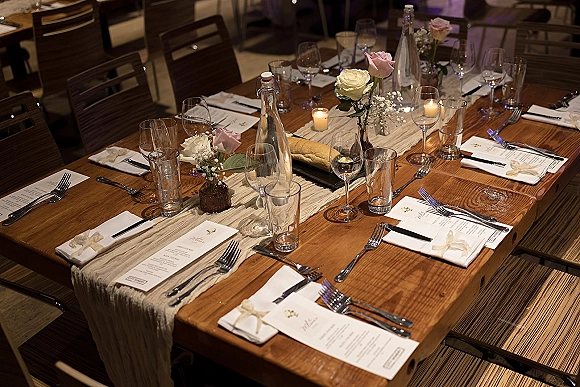
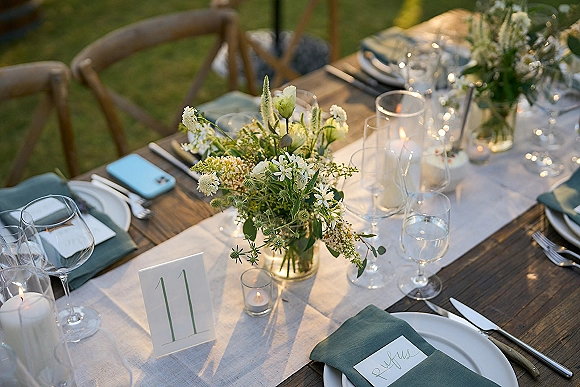
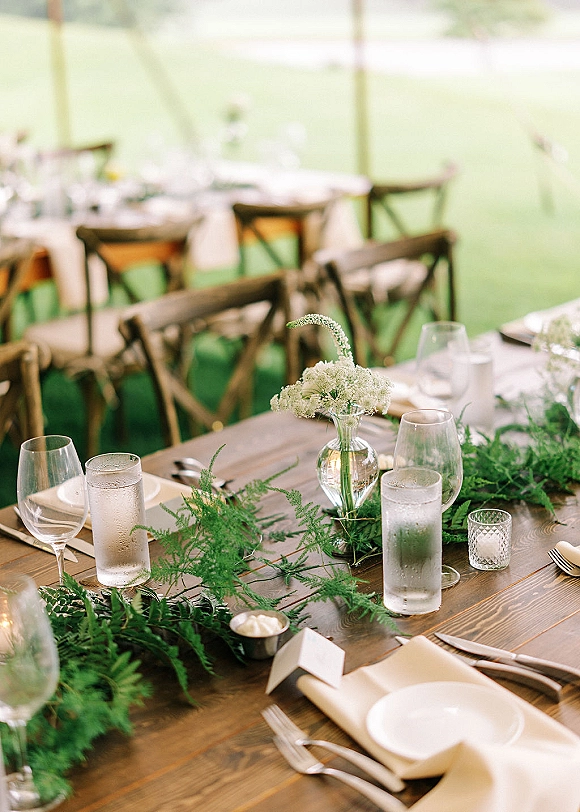
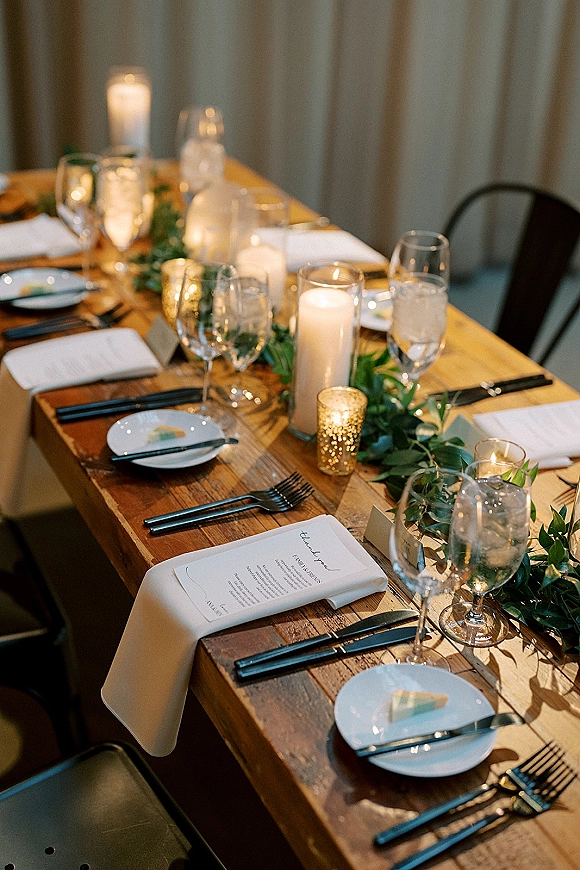
Raw wood grounds a rustic table. A low wooden planter box running down the center, filled with loose blooms and trailing greenery, is among the most requested farmhouse centerpieces and suits long family-style tables perfectly, while wood slabs and rounds work as risers beneath arrangements and lanterns. A natural linen or burlap runner, or a line of wood planks, creates a continuous base for lanterns, blooms, and candles, and scattered stems and votives extend the centerpiece along it so the design flows down the table without pooling in one clump.
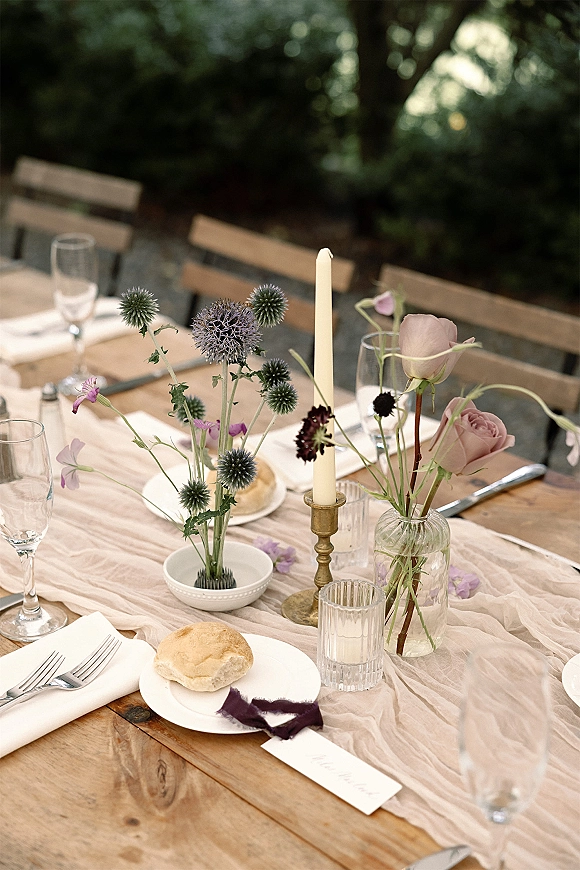
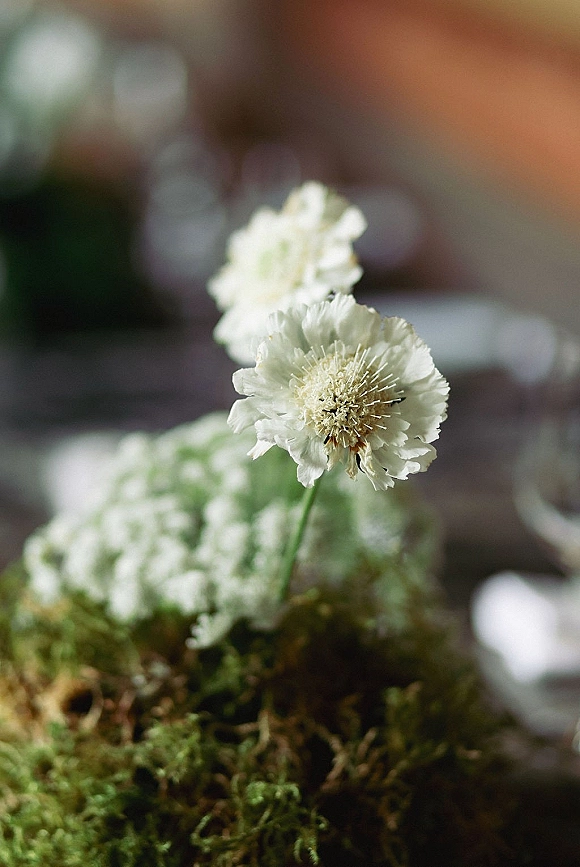
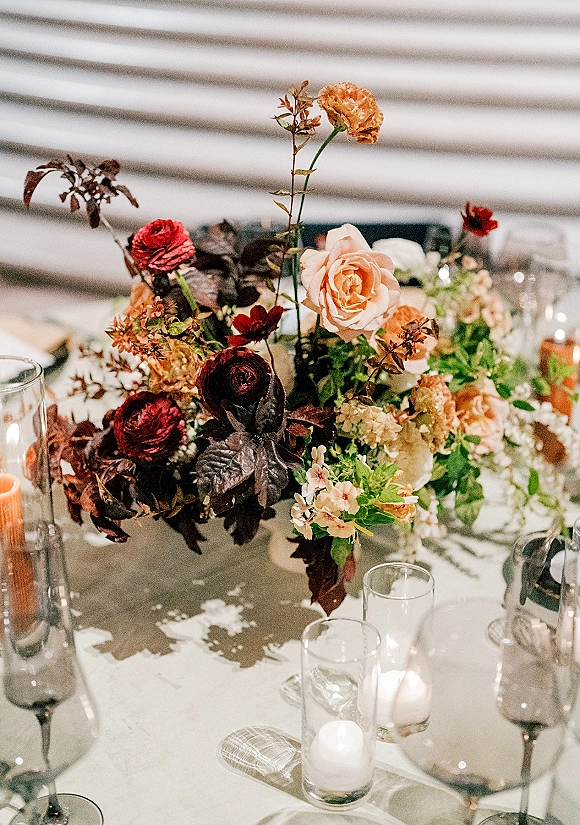
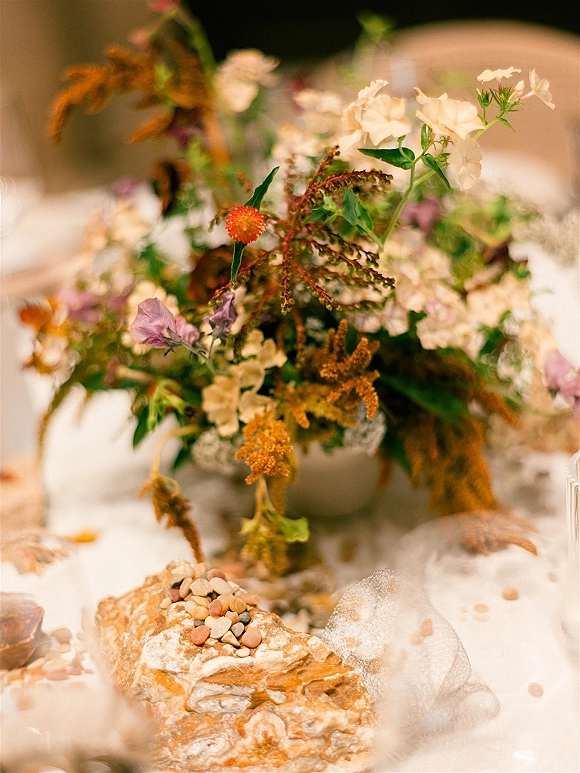
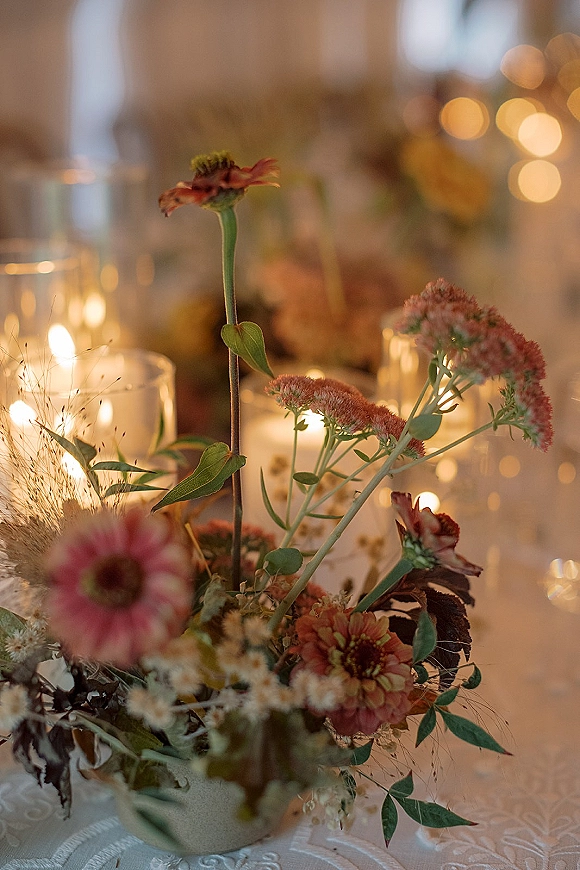
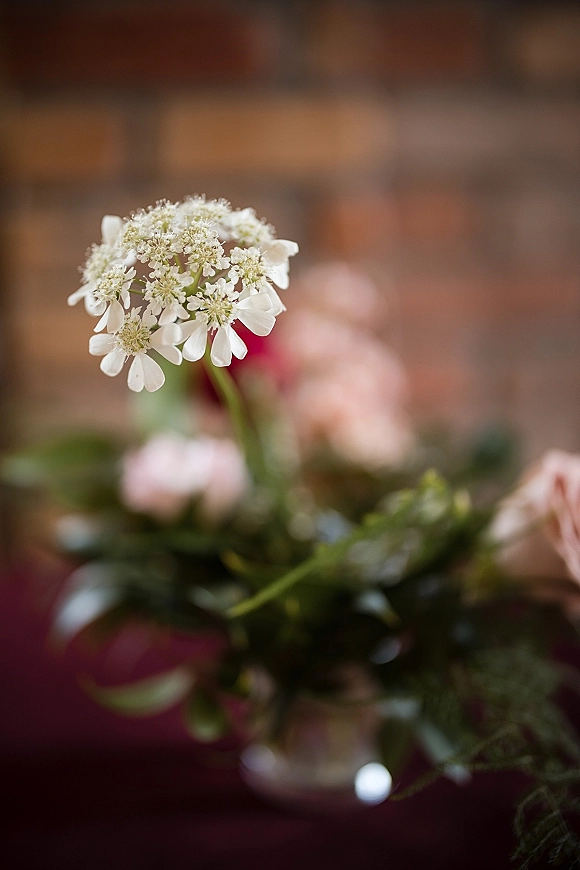
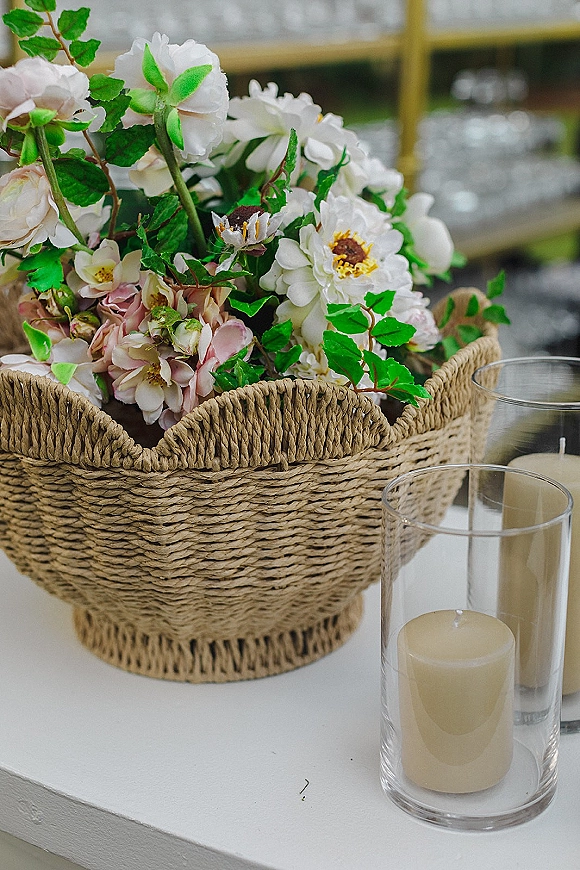
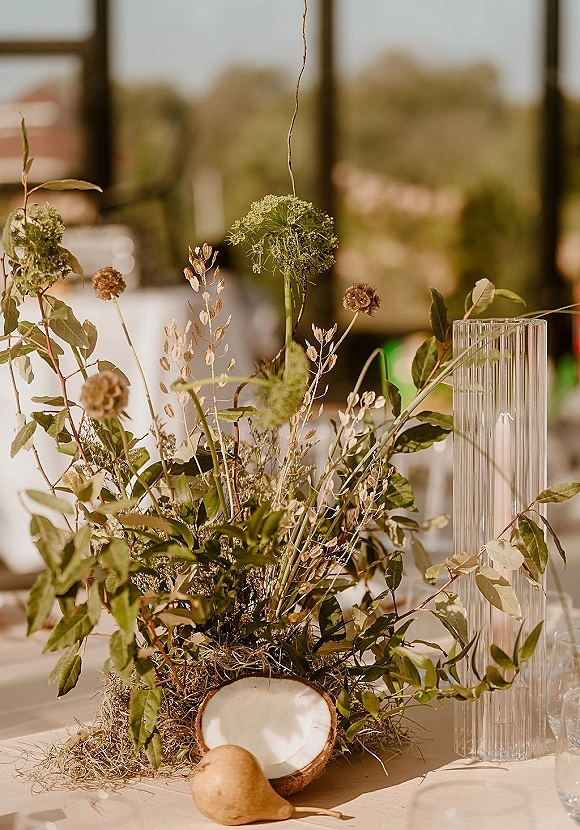
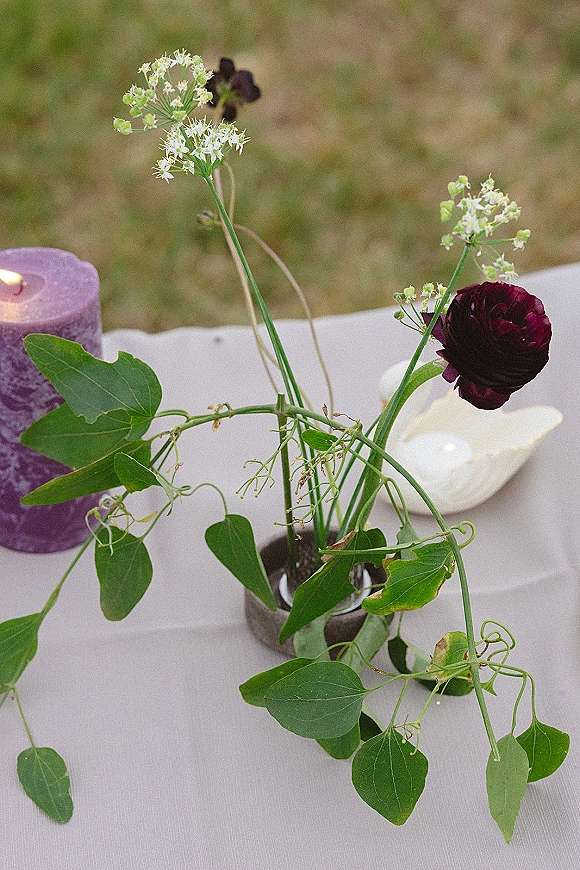
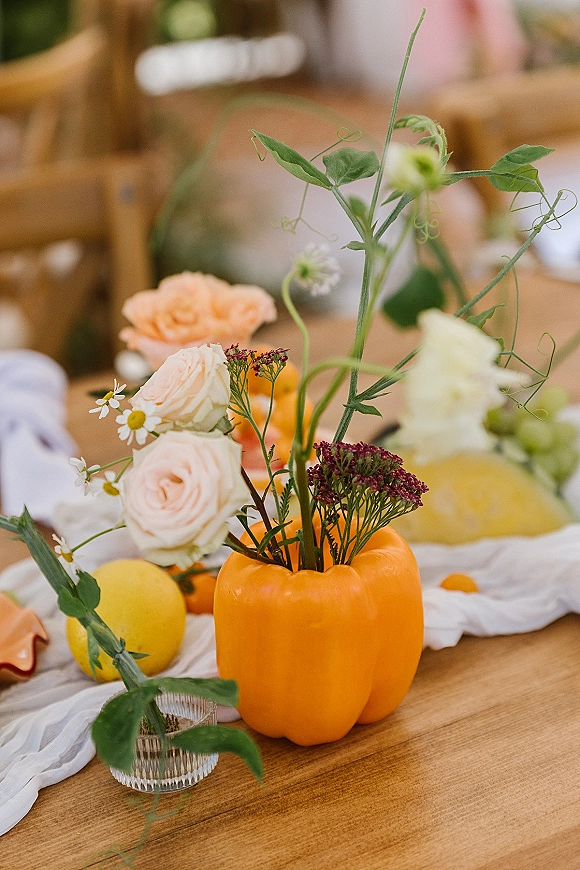
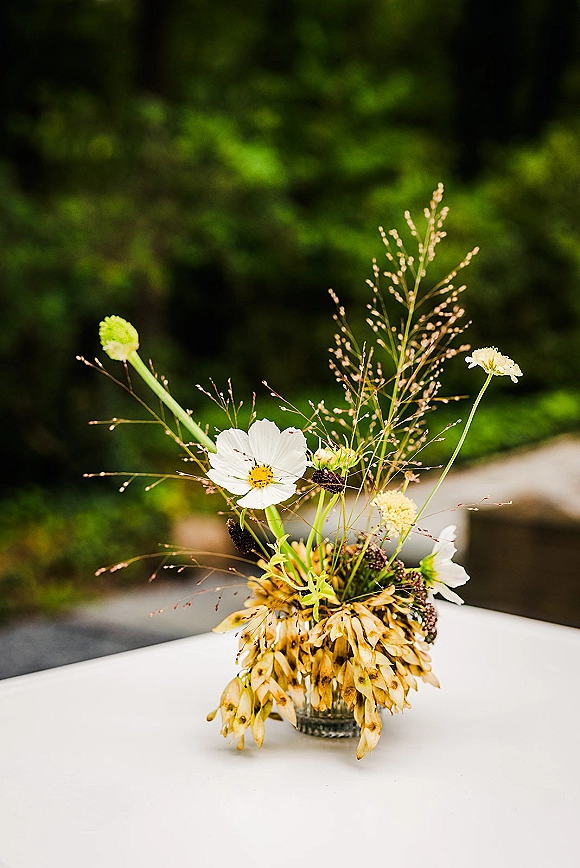
Rustic flowers look gathered rather than arranged. Loose wildflowers, daisies, and seasonal blooms mixed with plenty of greenery give the picked-from-a-field feel that defines the style, spilling softly out of jars, boxes, and crocks. A wildflower wedding bouquet carried by the party ties directly to these tables, and the greenery wedding centerpiece collection shows how foliage runs a rustic table on its own. Candlelight is what turns raw materials warm: pillars inside lanterns, votives scattered along a wood box, and tapers in simple holders soften weathered wood and galvanized metal into something inviting as the evening drops, and enclosed flames in glass suit both the look and most venue rules.
The base beneath it all ties the elements together. A natural linen or burlap runner grounds the arrangement and adds texture down a long table, a line of wood planks creates a continuous surface for lanterns and blooms, and some tables skip a runner entirely to let the bare wood of a farm table show, which reads honest in a barn. Whatever the base, keep the arrangements low and the materials natural, since the whole point is a table that looks gathered from the surrounding landscape, not shipped in and staged.
Rustic, Modern Farmhouse, and the Details
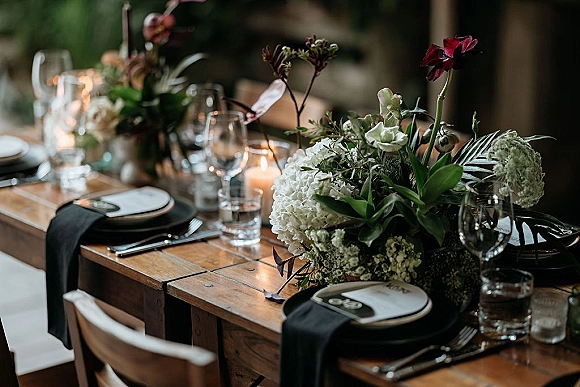
Rustic styling now spans a traditional barn look and a cleaner modern-farmhouse take, and the two share materials while reading differently. Traditional rustic leans warm and layered, mason jars, burlap, amber glass, and abundant loose wildflowers, for a homespun, gathered feel. Modern farmhouse pares the same materials back, clean wood, simple black or clear vessels, white and green blooms, and more negative space, for a crisp, current version of the barn table. Both rely on wood, candlelight, and organic shape, so a couple can dial the look warmer or cleaner without leaving the rustic family.
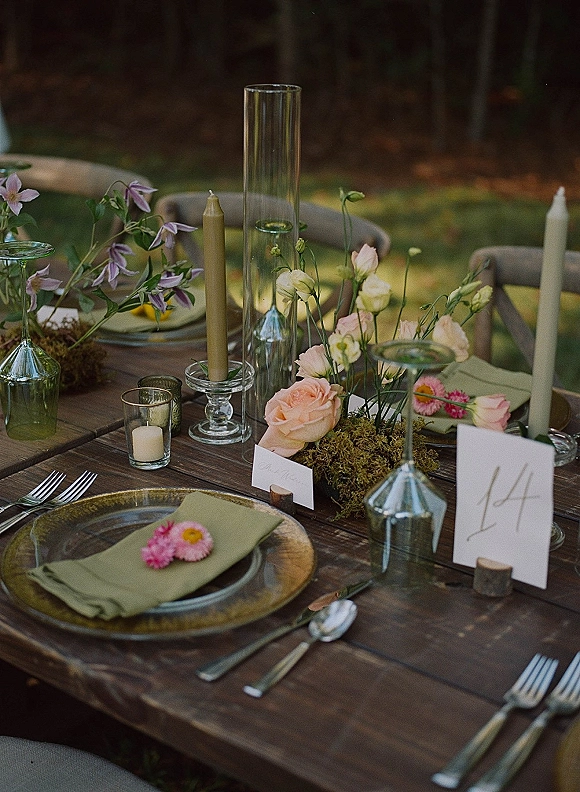
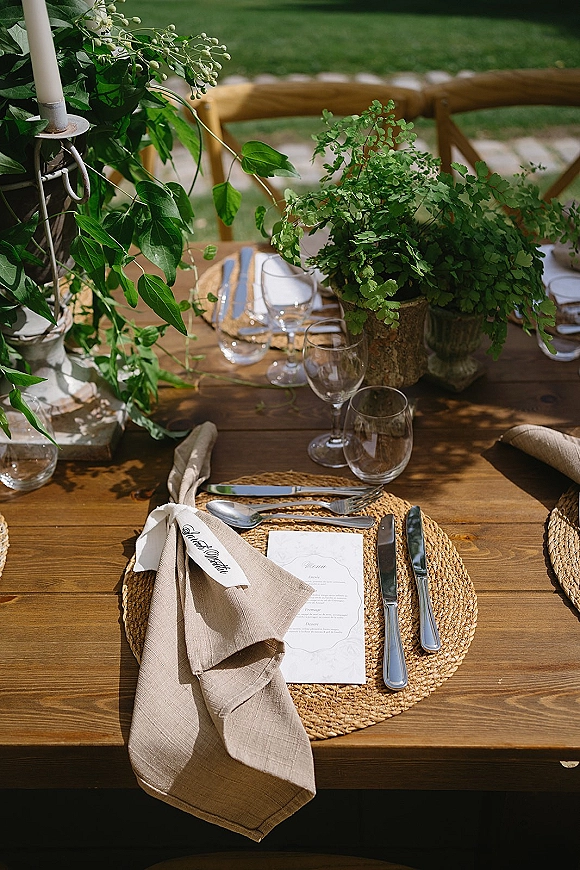
The small details around the arrangement finish the look. Wood or slate chargers, kraft-paper or calligraphed menus, twine-tied napkins, and wooden place-card holders reinforce the handmade feel at each seat, while galvanized buckets, wooden crates, and vintage crocks staged around the room carry it further. Seasonal touches slot in naturally, since the style is built on what grows nearby: warm months lean on loose wildflowers and abundant greenery, while cooler months bring in wheat, branches, and deeper blooms, an easy overlap with a fall wedding centerpiece palette when the date lands in autumn.
Whichever way a couple leans, the rustic table sits comfortably among the other centerpiece formats, and it often borrows from them: a rustic reception often runs mostly loose wood-box arrangements but lifts one or two onto raised stands for the head table, or fold in a few candle-only tables to stretch the flower budget. Seeing how these formats combine across a room is easiest from the wedding centerpieces hub, where the rustic look sits alongside floral, candle, greenery, and tall designs. The through-line is always the natural materials and the gathered, unforced shape.
Barn, Vineyard, and Outdoor Tables
Rustic centerpieces are built for the rooms they sit in. Barns, vineyards, and farmhouse venues bring exposed beams, long wood tables, and warm ambient light that these arrangements complement rather than compete with, so on long farm tables a continuous run of wood boxes, lanterns, and loose blooms reads better than isolated arrangements. The raw architecture means the centerpieces can stay low and natural, since the venue itself supplies the character a plain ballroom would ask the flowers to provide.
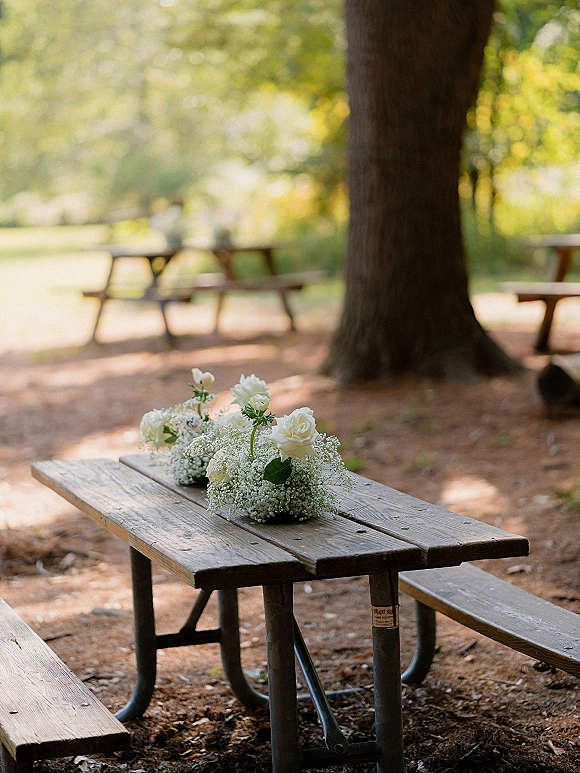
Outdoor and tented receptions suit the style naturally, with a few practical notes. Enclosed lanterns and hurricanes protect flames from breeze, hardy blooms and greenery hold up better through sun and warmth, and weighted vessels resist tipping, all of which matter under the open sides of a tent, as these tent wedding ideas show. String lights or ambient glow overhead pair with low candlelit tables for the signature rustic evening feel, and wedding florists who style loose, natural arrangements can build the look, imperfections and all, since a slightly uneven, gathered arrangement is the goal rather than a flaw.
That forgiving quality is part of why rustic tables scale so well across a big guest count: a room of loosely gathered arrangements does not demand the precision a formal floral table does, and small variations from table to table read as charm rather than error. Keep the palette and the vessels consistent, let the blooms and greenery vary a little within it, and the whole room holds together while still feeling handmade. It is one of the most relaxed centerpiece styles to pull off at scale, forgiving of the small inconsistencies that come with loose, natural arrangements, which is a large part of its enduring appeal for barn and vineyard weddings alike.
Frequently Asked Questions
What makes a centerpiece look rustic?
Natural materials and a gathered, loosely picked feel. Weathered wood, lanterns, mason jars and vintage vessels, loose wildflowers with plenty of greenery, and warm candlelight in an earthy palette all read rustic. Texture and organic shape matter more than symmetry or polish.
Are mason jar centerpieces still a good idea?
Yes, when styled as a designed grouping rather than a single jar. Clustered jars and vintage bottles at varied heights, holding loose blooms and greenery in a consistent palette, read charming and finished. The key is treating them as an intentional arrangement across the table.
What flowers suit a rustic centerpiece?
Loose, seasonal, gathered-looking blooms: wildflowers, daisies, garden roses, and dahlias mixed with abundant greenery. The goal is a picked-from-a-field feel rather than a tight formal arrangement, so flowers spill softly out of jars, wood boxes, and vintage vessels.
Do rustic centerpieces work indoors?
Yes. While barns and vineyards suit them naturally, rustic tables translate to any indoor room by leaning on wood, lanterns, and warm candlelight to supply the character. In a plain ballroom, the natural materials and gathered blooms add the warmth the architecture lacks.