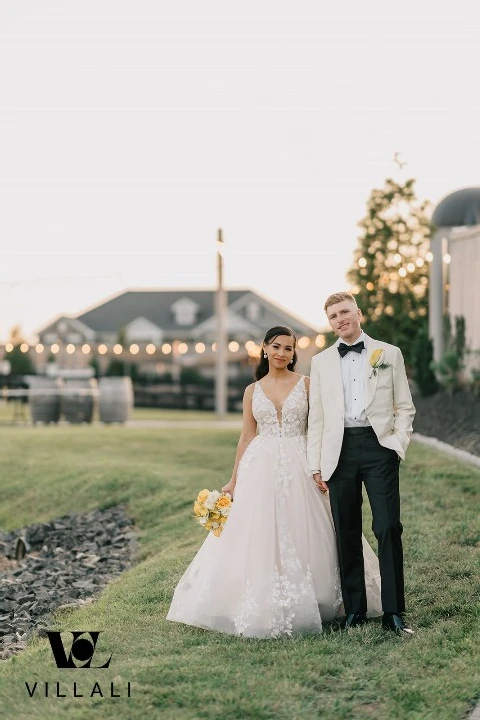
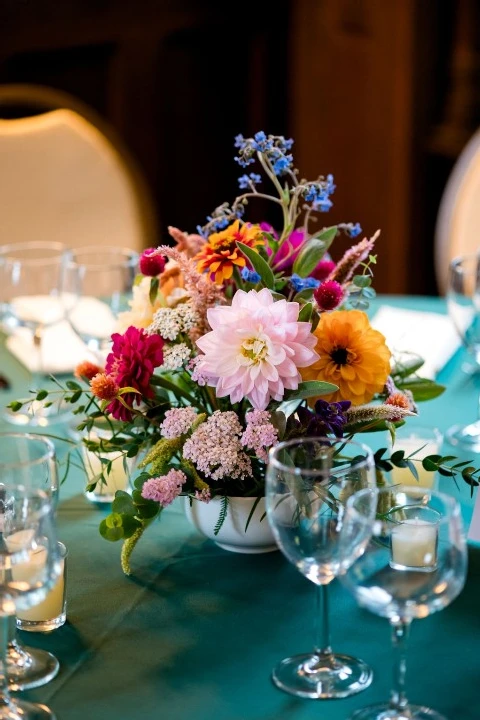
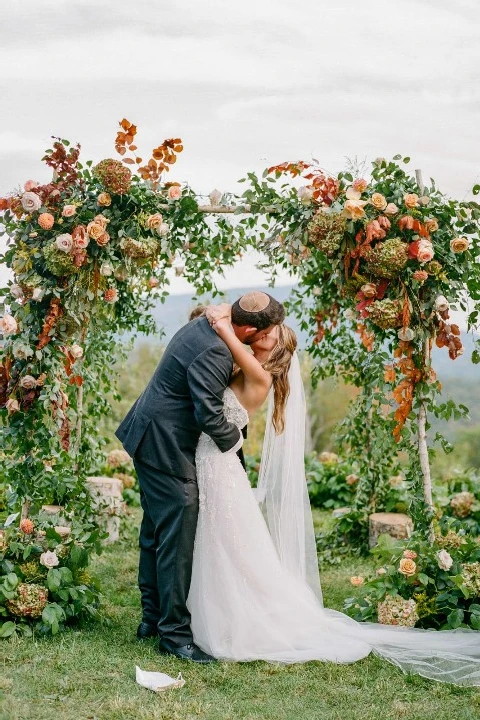
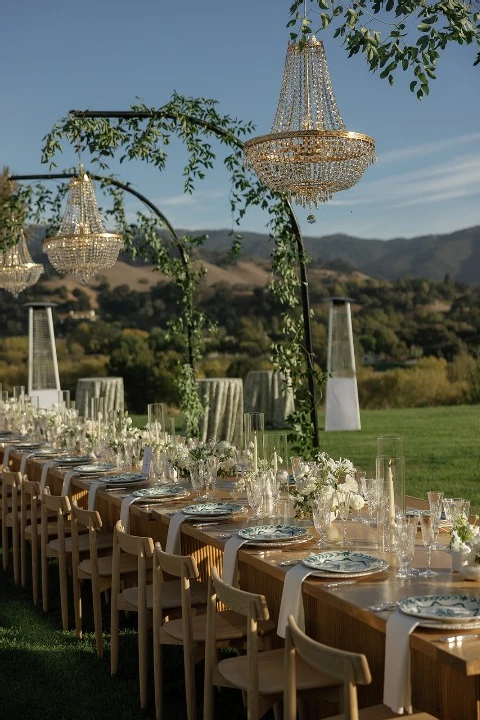
A wedding florist turns your vision into the flowers your guests actually remember: the bouquet you carry down the aisle, the arch you say your vows beneath, the centerpieces on every table. The right florist reads your style, knows what blooms in your season, and designs a cohesive look across the ceremony and reception so nothing feels like an afterthought. This directory makes that person easy to find. Browse vetted wedding florists and floral designers chosen from real, beautifully documented weddings, compare their work by city, and reach out to your favorites directly.
What does a wedding florist do?
A wedding florist designs, sources, and installs every floral element of your wedding, from the personal flowers you hold to the large-scale installations that transform a room. The job is part artist, part logistics: choosing a palette and flower mix that fit your style and season, then making sure every arrangement arrives fresh, on time, and in the right place.
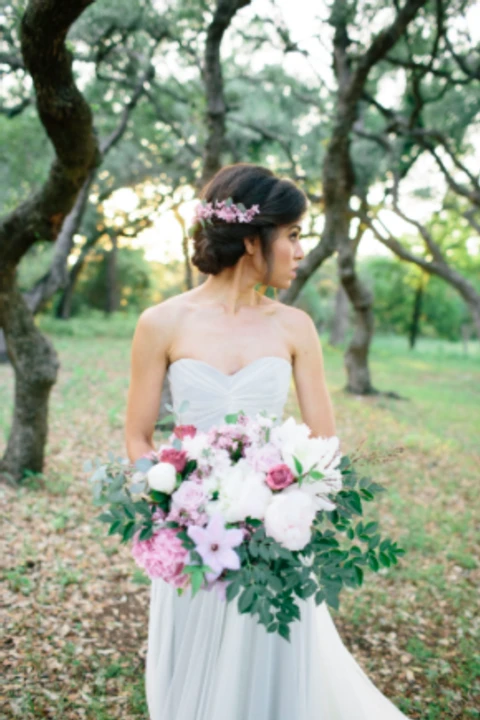
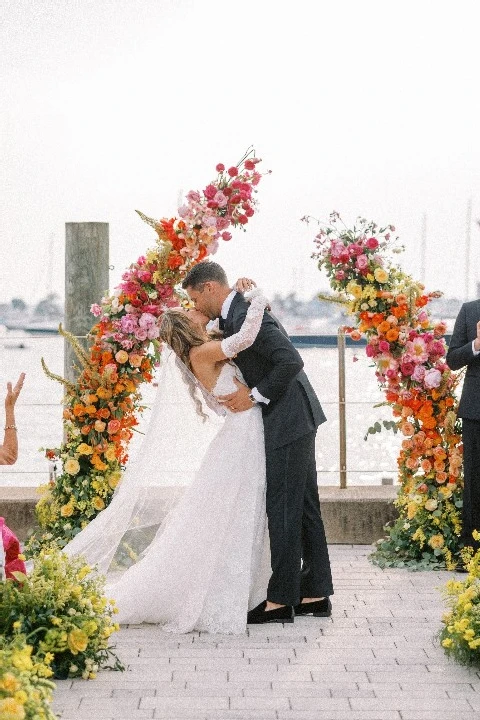
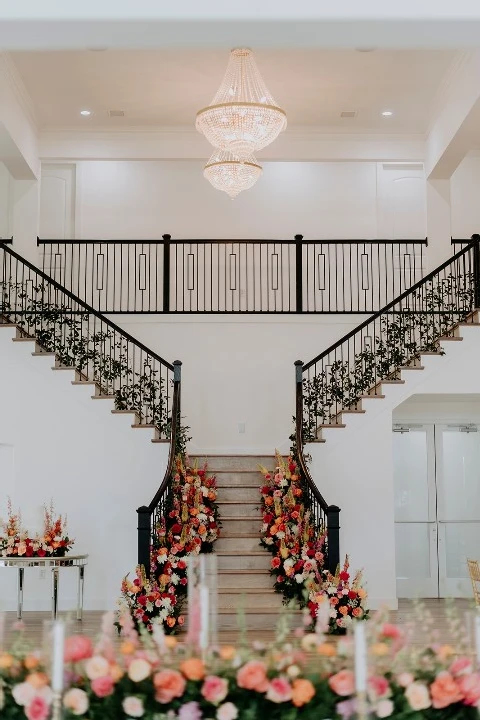
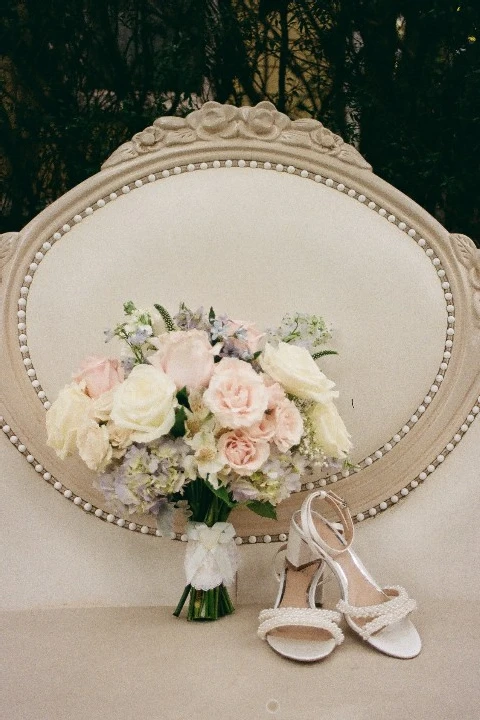
In practice that means the bridal bouquet, bridesmaid bouquets, boutonnieres, and corsages, plus the ceremony moments where flowers do the heavy lifting, like a floral wedding arch or the blooms lining your ceremony aisle. At the reception, your florist handles centerpieces, statement pieces for the bar and escort table, and any hanging or suspended installationsthat change the feel of the space.
A full-service florist also manages the parts you never see: ordering from growers, conditioning the flowers, building everything in a cooled studio, delivering and installing on site, and returning to break down at the end of the night. That behind-the-scenes work is most of what you are paying for, and it is the difference between flowers that fade by dinner and flowers that look right through the last dance.
How much does a wedding florist cost?
Wedding flower cost depends on what you order, not on a single sticker price. The biggest drivers are the number and size of your arrangements, the specific flowers you choose, and whether you want large statement installations. A handful of seasonal centerpieces and personal flowers sits at one end of the range; a ceremony arch, a flower wall, and suspended installations sit at the other.
Flower selection matters as much as quantity. Peonies, garden roses, lily of the valley, and orchids carry a premium and have short or unpredictable seasons, while in-season, locally grown blooms stretch the same budget further. Scale, labor, delivery, on-site setup, and breakdown all factor in too, which is why two weddings with the same guest count can land in very different places.
Rather than chase an average, decide what flowers are worth to you relative to your overall wedding budget, then request custom quotes from two or three florists whose work you love. Share your palette, your venue, and a realistic range up front, and a good florist will tell you exactly what is achievable and where to focus for the most impact.
What flowers and arrangements does a wedding florist provide?
Flowers appear at nearly every stage of a wedding, and a good florist designs them as one connected look rather than a series of one-off orders. The non-negotiables are the personal flowers, the bridal bouquet, bridesmaid bouquets, boutonnieres, and corsages, but the bigger opportunities are in the spaces your guests move through.
At the ceremony, flowers set the tone the moment guests sit down: aisle arrangements, altar or ceremony flowers, and a focal arch or chuppah that doubles as the backdrop for every photo of your vows. A wildflower bouquet reads very differently from structured calla lilies, so this is where your florist translates your aesthetic into something physical.
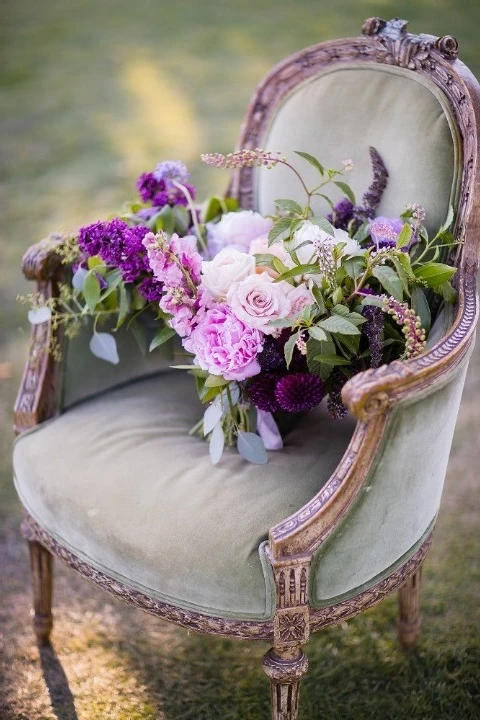
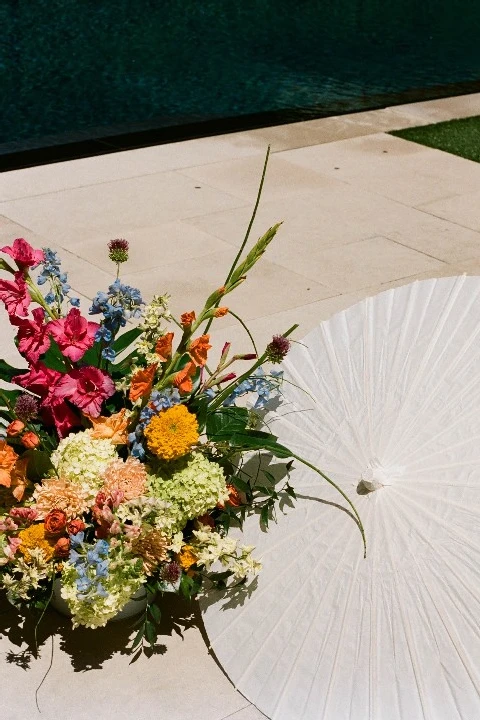
At the reception, centerpieces anchor each table, while greenery, garlands, and the occasional floral cake accent carry the palette across the room. Many couples ask their florist to repurpose ceremony pieces, moving aisle arrangements to the head table or the bar, which keeps the design cohesive and the flowers working all night.
Questions to ask a wedding florist before you book
Treat the first consultation like an interview. The strongest signal is whether the florist understands your vision quickly and can talk through trade-offs honestly, not just say yes to everything.
Ask what is included in each proposal and what counts as an add-on, how they handle delivery, setup, and breakdown, and whether they have worked your venue before. Ask how they price (by arrangement, by package, or by overall scope), how flexible the design is if your guest count shifts, and what they substitute if a specific bloom is unavailable that week. Find out how many weddings they take per weekend and who actually runs your day if the lead designer is out.
Bring images, a color palette, and your venue details rather than a rigid flower list. Florists design best when they know the feeling you want and the space they are working in, and the right one will steer you toward what will be beautiful, available, and in season for your date.
When to book a wedding florist
Book your wedding florist six to nine months before the wedding, and sooner if you are marrying in peak season or want a florist in high demand. The best floral designers take a limited number of weddings per weekend and book out twelve to eighteen months ahead for popular dates, so the short list you love can fill fast.
You do not need every detail decided to reach out. Once you have your date, your venue, and a rough guest count, you have enough to start consultations and hold a designer. Carats & Cake's editorial team consistently sees the same pattern across featured weddings: the couples happiest with their flowers locked in a florist early, then refined the design over the following months, rather than scrambling for whoever was still available.
How to choose the right wedding florist
Start with style, then shortlist two or three florists and study full weddings they have designed, not just single hero shots. You are hiring an eye and a point of view, so look for range, consistent quality, and weddings that feel like the one you are picturing. Recent reviews fill in the rest: look for patterns around communication, reliability, and how they handled last-minute changes.
Seasonality and venue fit matter more than a specific flower wish list. A florist who knows your venue arrives understanding the light, the ceiling height, the load-in, and what holds up in the heat or cold of your date. If you are working with a wedding planner, they can usually point you to florists they trust, since an established planner arrives with a vetted team for flowers, cake, and the rest of your day.
Most of all, trust the rapport. You will share a lot of back-and-forth and a meaningful part of your budget with this person, so a florist who listens, responds, and gets excited about your ideas is worth more than one with a slightly prettier portfolio.
Finding wedding florists near you
Searching locally is the smart default. A florist who works your area knows the venues, the seasonal flower availability, and the realistic delivery and setup logistics for your market, and local sourcing keeps the design fresh. Wedding florists in major metros like New York, Los Angeles, Chicago, Houston, Austin, and San Diego book quickly, so start your search as soon as you have a date.
Open the full vendor directory to browse florists and every other category in your area, and if you are still choosing where to marry, the wedding venues directory pairs naturally with this one. The best florist-and-venue combinations happen when both already know how to work the same space.
Ready to find yours? Browse the florists below, filter by your city and the look you want, and reach out to your favorites to check availability for your date.
Wedding Florist FAQs
How much does a wedding florist cost?
Wedding flower cost tracks with what you order, not a flat rate. The main drivers are the number and size of your arrangements, the specific flowers you choose, and whether you want large installations like an arch or a flower wall. In-season, locally grown blooms stretch a budget further than premium or out-of-season flowers, so the most reliable approach is to request custom quotes from a couple of florists whose work you love.
What does a wedding florist do?
A wedding florist designs, sources, installs, and breaks down every floral element of your day. That spans personal flowers like the bridal bouquet and boutonnieres, ceremony pieces like the arch and aisle, and reception flowers like centerpieces and statement installations. Much of the value is the invisible work: ordering from growers, conditioning the flowers, and delivering and setting up on site.
When should you book a wedding florist?
Book six to nine months before the wedding, and earlier for peak-season dates or in-demand designers who book twelve to eighteen months out. You only need your date, your venue, and a rough guest count to start consultations and hold a florist.
What questions should you ask a wedding florist?
Ask what each proposal includes versus what counts as an add-on, how they price, and how they handle delivery, setup, and breakdown. Confirm they have worked your venue or similar spaces, how flexible the design is if your numbers change, and what they substitute if a specific flower is unavailable. Bring a palette and inspiration images rather than a fixed flower list.
How do you choose the right wedding florist?
Shortlist two or three florists whose full weddings match your style, then read recent reviews for communication and reliability. Favor designers who know your venue and your season, since fit and seasonality matter more than any single flower. Above all, choose the one who listens well and gets your vision, because rapport carries the whole process.
Do you still need a florist if your venue or planner offers flowers?
Often, yes. In-house or planner-supplied flowers can work for simple arrangements, but a dedicated florist brings design range, custom installations, and a deeper flower selection. Many couples use their planner's recommendation to find a specialist florist rather than defaulting to a one-size package.
The right florist matches your style, works fluently in your season, and makes the flowers feel like an extension of you. Use the directory above to compare florists by city and aesthetic, study the real weddings in their portfolios, and reach out to the two or three you connect with most. Booking early is the surest way to land the designer you want for your date.