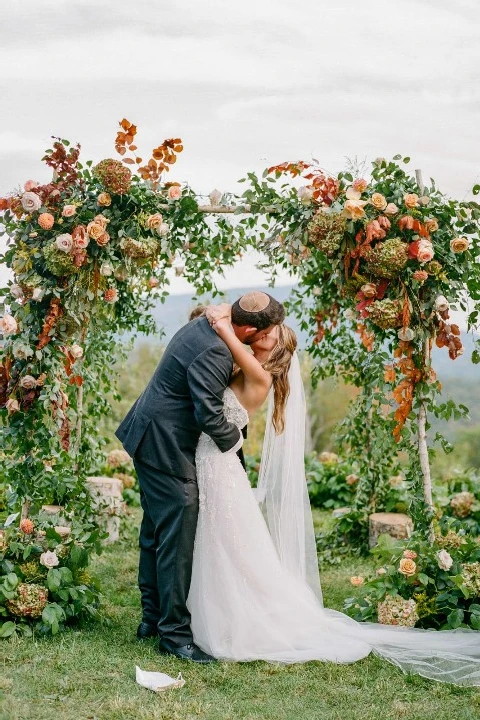
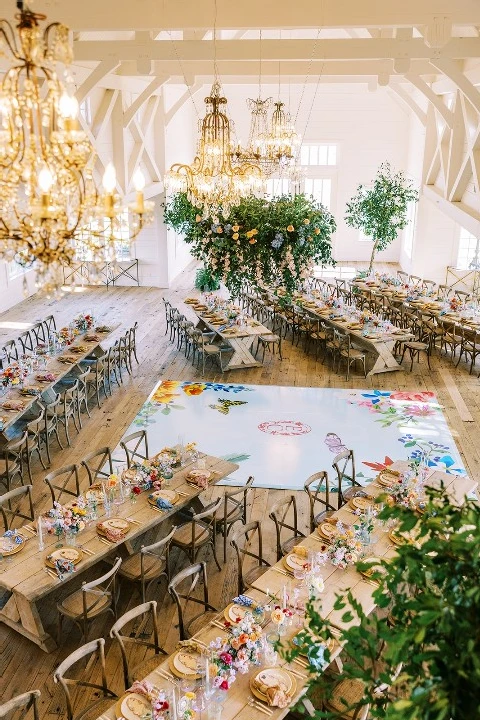
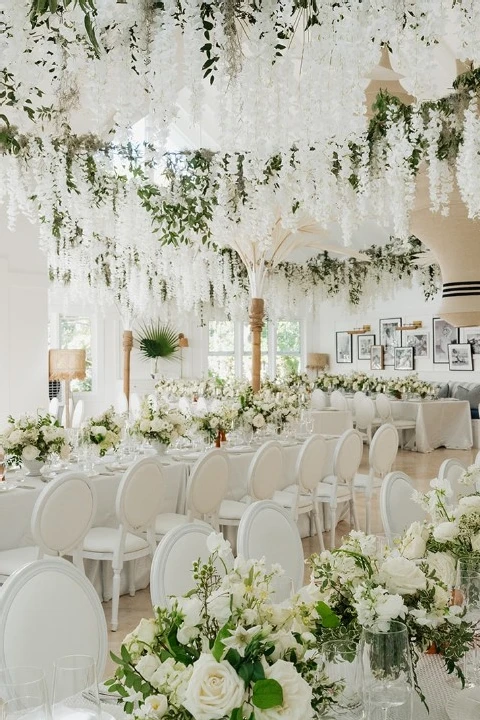
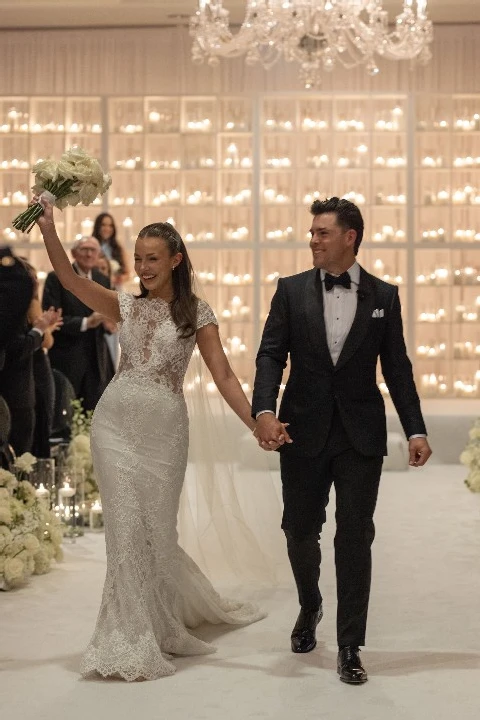
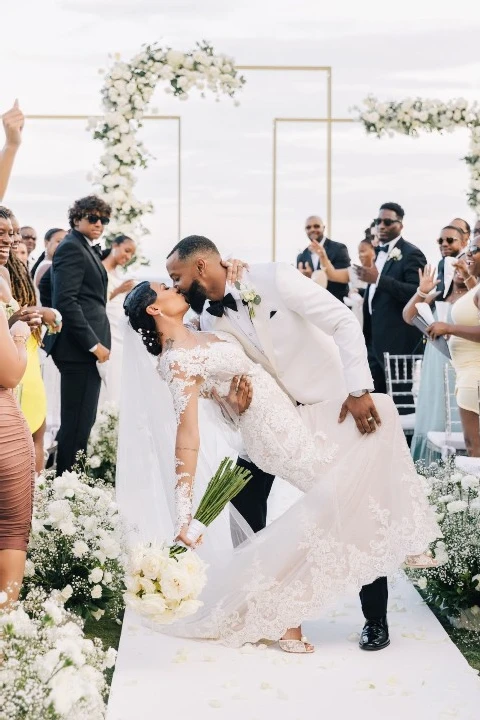
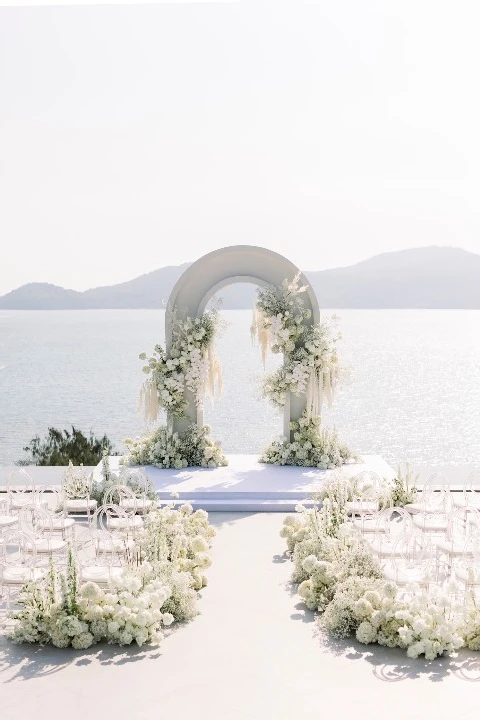
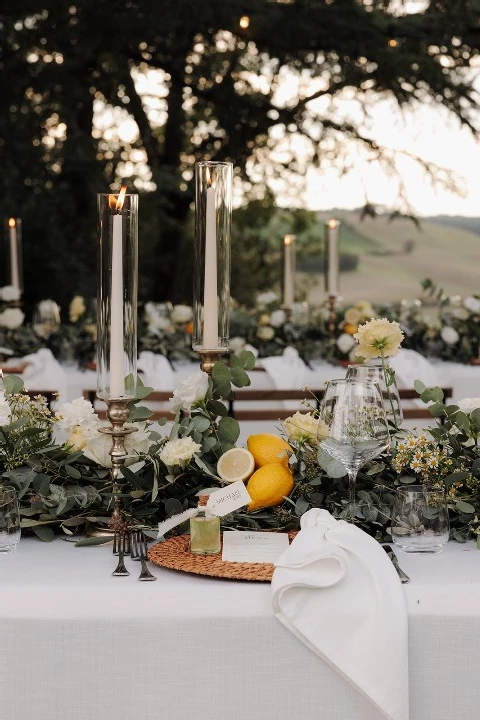
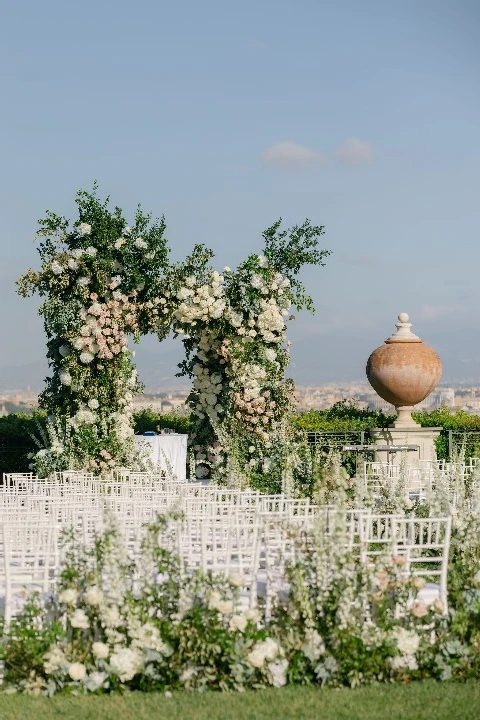
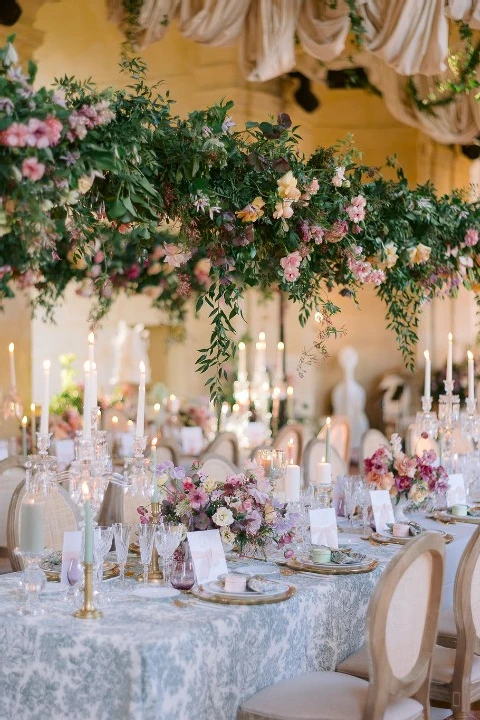
A wedding planner is the difference between living your wedding day and running it. The right planner takes the hundreds of moving parts of a wedding (budget, vendors, timeline, design, logistics, and the day-of choreography) off your plate so you can be fully present. Some couples want a partner from the engagement through the last dance; others just need a steady professional to run the day itself. This directory makes that person easy to find. Browse vetted wedding planners and coordinators chosen from real, beautifully documented weddings, compare their work by city, and reach out to your favorites directly.
How much does a wedding planner cost?
Wedding planner cost depends on how much help you want, where you are getting married, and the scale of your wedding. Pricing follows the level of service rather than a single flat rate, so the first question is not "how much," it is "how much planning do I actually need."
Service level is the largest driver. Day-of coordination is the leanest option, partial planning sits in the middle, and full-service planning, the engagement-to-cleanup partnership, is a meaningful investment and one of the larger lines in a wedding budget. Luxury and complex destination weddings sit at the top, since they involve a larger team and a longer runway. A curated directory like this one features established professionals rather than bargain options.
Two pricing models dominate. Many planners charge a flat fee tied to a defined scope; others bill a percentage of your total wedding budget. To put either in context, weigh it against your overall average wedding cost and against the value of your own time across a year or more of planning. The most reliable way to budget is to request custom quotes from two or three planners whose work you love.
What does a wedding planner do?
A wedding planner manages the strategy, vendors, budget, timeline, and logistics of your wedding so the details get handled correctly and on schedule. The exact scope flexes with the package, but the core job is the same: turn your vision into a concrete plan, then execute it.
In practice that means building and tracking your budget, recommending and booking vendors, negotiating and reviewing contracts, and keeping a master wedding-day timeline that every vendor works from. A full-service planner also shapes the design, sources rentals, manages payments and deadlines, runs the rehearsal, and acts as the single point of contact on the day so questions go to them instead of to you.
A great planner is also a problem-solver you never see working. They build the rain plan, absorb the vendor who runs late, fix the seating chart that breaks at the last minute, and quietly keep the day on its rails. That invisible labor is most of the value, and it is the part couples underestimate until the day arrives.
Wedding planner vs. wedding coordinator vs. day-of coordinator
The terms get used loosely, but the distinction is about involvement and timeline. A wedding planner is involved from early in the engagement and owns the full process: budget, vendor selection, design, and logistics over many months. A wedding coordinator focuses on logistics and is brought in later, usually to take a plan you have already built and make sure it runs.
A day-of coordinator (more accurately a month-of coordinator, since the work starts weeks ahead) handles only the final stretch: confirming vendors, building the run-of-show, managing deliveries and setup, and directing the day itself. It is the budget-conscious choice when you have the time and energy to plan the wedding yourself but want a professional in charge once it begins.
Some venues include an in-house venue coordinator, and it is worth knowing this is not the same role. A venue coordinator works for the venue and manages the space, staff, and catering tied to that property. A planner or independent coordinator works for you and manages everything across every vendor. Many couples hire both. If you are weighing which level fits your situation, our guide to hiring a wedding planner walks through the decision in detail.
Full-service, partial, and day-of planning packages explained
Planning packages tier by how early the planner joins and how much they own. Matching the package to your needs is the single biggest lever on cost, so it is worth being honest about your time, your budget, and your appetite for decisions.
Full-service planning is the start-to-finish option. The planner handles the budget, the full vendor team, design, logistics, and execution from the engagement through cleanup. It suits busy couples, large or multi-day weddings, and anyone who would rather delegate the entire process. Partial planning is the middle path: you start the planning, then a professional steps in to finish vendor booking, build the timeline, and run the day. It fits couples who enjoy the early creative work but want expert support before things get complicated.
Day-of, or month-of, coordination is the leanest package. You plan the wedding; the coordinator takes over the final weeks and the day itself. Beyond these, many planners offer à la carte and design-only services, so you can add exactly what you need. The featured planners in this directory span all of these levels, from boutique studios to full-service luxury firms.
When to hire a wedding planner
Hire a wedding planner as early as you can, ideally right after you set a budget and before you book a venue. The best planners book out twelve to eighteen months ahead, and the earlier yours is involved, the more money and stress they save you, because they steer the big decisions instead of cleaning up around them. Carats + Cake’s editorial team consistently sees the same pattern: the couples happiest with their planners are the ones who hired before the first vendor contract, not after the plan started to wobble.
Day-of coordinators run on a different clock. Most want to be booked three to six months out so they have time to learn your plan, contact your vendors, and build the run-of-show. If you are deep into planning and feeling the logistics pile up, that is the signal to bring in coordination help rather than push through alone.
How to choose the right wedding planner
Start with style and service level, then shortlist two or three planners and look closely at full weddings they have produced, not just highlight images. You are hiring judgment and taste as much as logistics, so look for range, polish, and weddings that feel like the one you are picturing. Read recent reviews for patterns around communication, responsiveness, and how the planner handled the unexpected.
Then interview your shortlist and ask pointed questions. Find out exactly what the package includes and excludes, how they bill (flat fee or percentage), how many weddings they take per weekend, who runs your day if they fall ill, whether they carry liability insurance, and how and how often you will communicate. Ask whether they have worked your venue and which vendors they recommend, since an established planner arrives with a trusted team for florists, cake, and the rest of your day.
Most of all, gauge the rapport. You will spend a year or more in close contact with this person, trusting them with your budget and your wedding, so an easy working relationship matters as much as a beautiful portfolio. If the first conversation feels effortless, the partnership usually will too.
Finding wedding planners near you
Searching locally is the smart default. A planner who works your area arrives knowing the venues, the vendor bench, the permitting quirks, and the realistic timeline for your market. Browse planners by metro to start close to home: Austin, Houston, Atlanta, Miami, Denver, Seattle, New Orleans, and New York City, or open the full vendor directory to search every category in your area.
Local knowledge compounds when your planner and venue already speak the same language. If you are still choosing where to marry, our wedding venues directory pairs naturally with this one, and many planners will tell you which venues they love to work.
Destination and luxury wedding planners
A destination wedding all but requires a planner, and ideally one who knows the location. Distance, time zones, local vendors, language, marriage-license logistics, and guest travel turn a destination wedding into a project that is genuinely hard to run from home. A destination specialist manages local suppliers directly, handles the paperwork, and builds a multi-day guest experience rather than a single event.
Luxury and full-service planners take on the most complex weddings, from multi-day celebrations and large guest counts to fully custom design. They typically work on a flat-fee or percentage basis at the higher end of the range, and they bring a team rather than a single coordinator. Many of the planners featured here specialize in destination and luxury work across the U.S., Italy, Mexico, and beyond, so you can filter for someone who travels to your location or owns the market you are marrying in. The design-forward details you see in their galleries are where a luxury planner’s vendor network shows its value.
Ready to find yours? Browse the planners below, filter by your city and the level of service you need, and reach out to your favorites directly to check availability for your date.
Wedding Planner FAQs
What affects how much a wedding planner costs?
Cost tracks with the service level, your location, and the scale of your wedding. Day-of coordination is the leanest option and full-service planning the most involved, with luxury and destination weddings at the top because they bring a larger team and a longer runway. Planners bill either a flat fee or a percentage of your total budget, so the most reliable approach is to request custom quotes from a short list whose work you love.
What is the difference between a wedding planner and a wedding coordinator?
A wedding planner is involved from early in the engagement and owns the entire process: budget, vendors, design, and logistics over many months. A coordinator focuses on logistics and joins later, typically to execute a plan you have already built. A day-of coordinator handles only the final weeks and the wedding day itself.
Are wedding planners worth it?
For most couples, yes. A planner saves time, prevents costly mistakes, manages your vendors and timeline, and removes the day-of stress so you can be present. Close to half of couples hire some form of planning or coordination help, and even a day-of coordinator meaningfully changes how the day feels.
When should you hire a wedding planner?
Hire a full-service planner as early as possible, ideally right after you set a budget and before you book a venue, since the best planners book twelve to eighteen months out. Day-of coordinators are usually booked three to six months ahead so they have time to learn your plan and contact your vendors.
What does a wedding planner actually do?
A planner manages your budget, recommends and books vendors, reviews contracts, builds and runs your timeline, shapes the design, handles logistics and payments, runs the rehearsal, and serves as the single point of contact on the day. Much of the value is invisible problem-solving, from the rain plan to the late vendor to the last-minute seating fix.
Do you still need a planner if your venue has a coordinator?
Often, yes. A venue coordinator works for the venue and manages the space, its staff, and catering tied to the property. A planner or independent coordinator works for you and manages every vendor and detail across the whole wedding. Many couples hire both.
The right planner fits your budget, matches your taste, and makes the months ahead feel lighter instead of heavier. Use the directory above to compare planners and coordinators by city and service level, study the real weddings in their portfolios, and reach out to the two or three you connect with most. Checking availability for your date early is the surest way to land the planner you want.