What is an estate wedding venue?
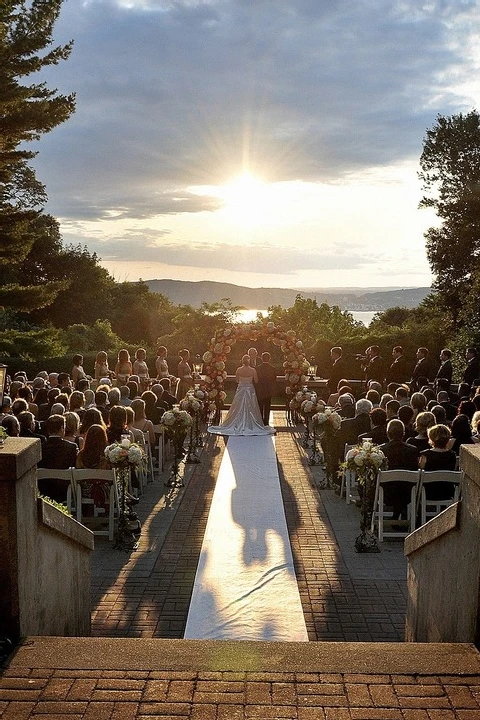
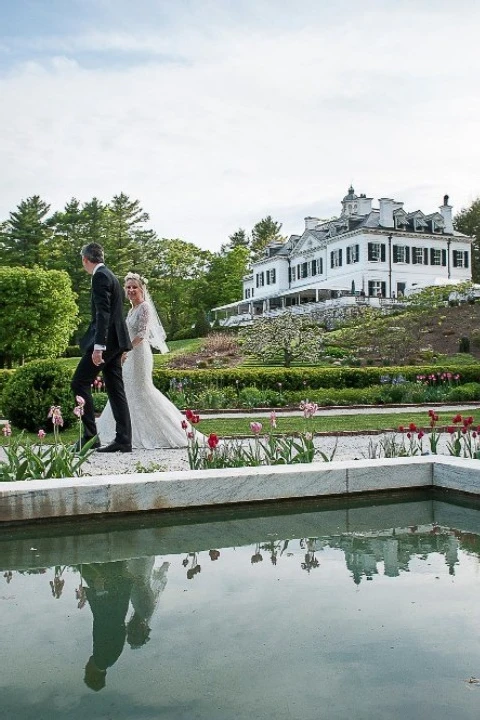
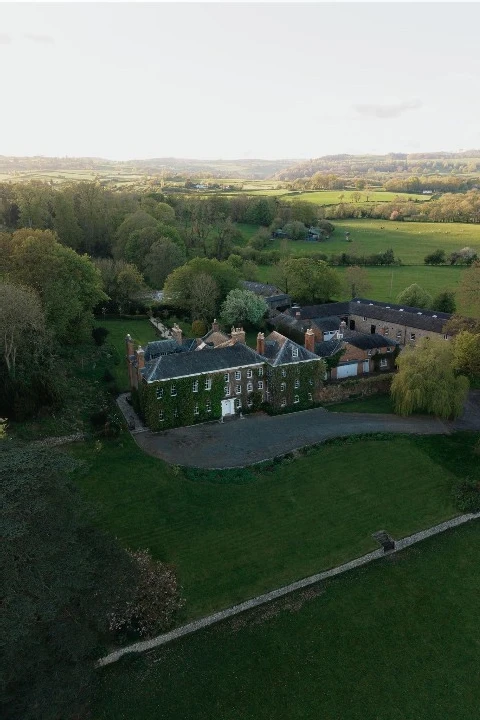
An estate wedding venue is a private mansion, historic home, or landmark property that couples rent for the day, typically with exclusive use of the grounds and interior. Most were originally built as residences, which is why they tend to carry distinct architectural features like grand staircases, formal gardens, ballrooms, and original millwork that newer venue builds can’t replicate. The defining trait is exclusivity: only one wedding happens onsite at a time, which makes estates the go-to choice for couples prioritizing privacy and an uninterrupted guest experience.
How much do estate wedding venues cost?
Estate wedding venue site fees typically run $15,000 to $50,000+, with luxury and well-known historic properties pushing well above that ceiling. Site fee alone is not the full picture: for a venue without in-house catering, expect rental costs (kitchen build-out, tables, chairs, linens, restrooms, lighting) to roughly match the site fee, and often exceed it. Properties with in-house catering or all-inclusive packages narrow that variance, often landing $25,000 to $40,000 total for a 100 to 150 guest count. For a full picture of how venue spend fits into total wedding budget, see our breakdown of the average wedding cost.
Private estate wedding venues vs. hotel and resort weddings
Private estate wedding venues give couples the property exclusively for the day, with no other weddings or hotel guests sharing the space. The tradeoff is operational: estates rarely bundle catering, bar service, tables, chairs, and restrooms into the site fee, so the planning lift and total spend land higher than the headline number suggests. Hotel and resort wedding venues package most of that infrastructure into a food-and-beverage minimum, which simplifies budgeting but limits design flexibility. Couples choosing an estate generally do so because the aesthetic, privacy, and weekend-takeover potential outweigh the added planning work.
Where to find historic estate wedding venues
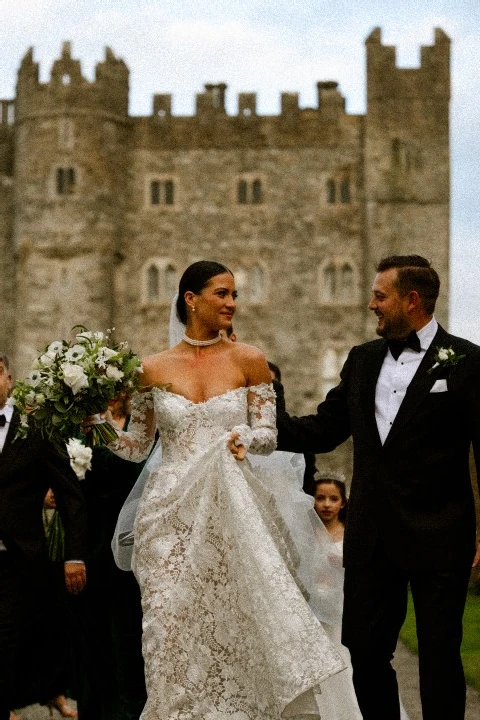
Estate wedding venue inventory concentrates in regions with established old-money architecture: New England (Massachusetts, Connecticut, the Hudson Valley), the Mid-Atlantic (New Jersey, Pennsylvania, Delaware), the Southeast (Florida, the Carolinas, Virginia), and pockets of California and the Pacific Northwest. The Berkshires, Newport, the Hamptons, and Hudson Valley carry the deepest inventories of Gilded Age mansion and historic estate venues with mature grounds and ceremony-ready interiors. Internationally, Ireland, France, and Italy offer castle and chateau properties that function as estate venues for destination weddings; our roundup of historic castle wedding venues covers the most established options. Use the location filter above or browse the full wedding venues directory to narrow by city and state.
Planning an estate wedding venue: what to confirm before booking
Estate wedding venues almost always require an experienced wedding planner, since the production load runs higher than at hotels. Before signing, confirm: caterer policy (preferred list, full open kitchen, or open vendor), rentals included (tables, chairs, linens, china), restroom capacity for your guest count, parking and shuttle logistics, weather backup (indoor square footage for full reception capacity), curfew and noise restrictions, and overnight stay options on the property. Most estates cap at 150 to 200 guests for a seated dinner; verify capacity against both seated and cocktail formats, not the maximum quoted on the website. Cherry’s gallery of wedding ceremony flower ideas is a useful reference for how installations actually look against historic estate interiors and outdoor garden ceremonies.
Across Carats + Cake’s submission data, estate weddings with onsite overnight accommodations and a single-vendor catering arrangement consistently produce smoother day-of timelines than open-vendor properties of similar tier, which is worth weighing alongside aesthetic fit when comparing options.
Frequently asked questions about estate wedding venues
What counts as an estate wedding venue?
A venue qualifies as an estate when it’s a private mansion, historic home, or landmark property hosted as a single-event-per-day rental, typically with grounds large enough to support the full wedding. The category overlaps with castle, manor, and private residence rentals, and most estates were originally built as private homes before converting to event use.
Are estate wedding venues more expensive than hotels?
Site fees often look lower than a comparable hotel food-and-beverage minimum, but total spend usually lands equal to or higher once catering, rentals, bar, kitchen build-out, and restroom needs are added. Compare estates against hotels on total all-in cost per guest, not headline site fee.
How many guests can an estate wedding venue hold?
Most estate wedding venues comfortably host 100 to 200 guests for a seated dinner, with larger historic properties pushing 250 to 300 for tented or cocktail-style formats. Capacity depends on indoor reception square footage and rain-plan options, not lawn size.
Can you have both the ceremony and reception at an estate?
Yes. The single biggest reason couples choose estates is that one property handles ceremony, cocktail hour, and reception, eliminating transit between locations and freeing the day for one continuous celebration. On tour, confirm three things: ceremony location options, cocktail flow space, and the reception room with its rain-plan equivalent.
Do estate wedding venues include catering?
Some do, most do not. Estates that include catering are usually all-inclusive properties with onsite kitchens; historic mansions and private residences typically require a preferred caterer or full open-kitchen build-out by an outside team. Confirm before assuming, since catering policy drives a significant portion of the total budget.