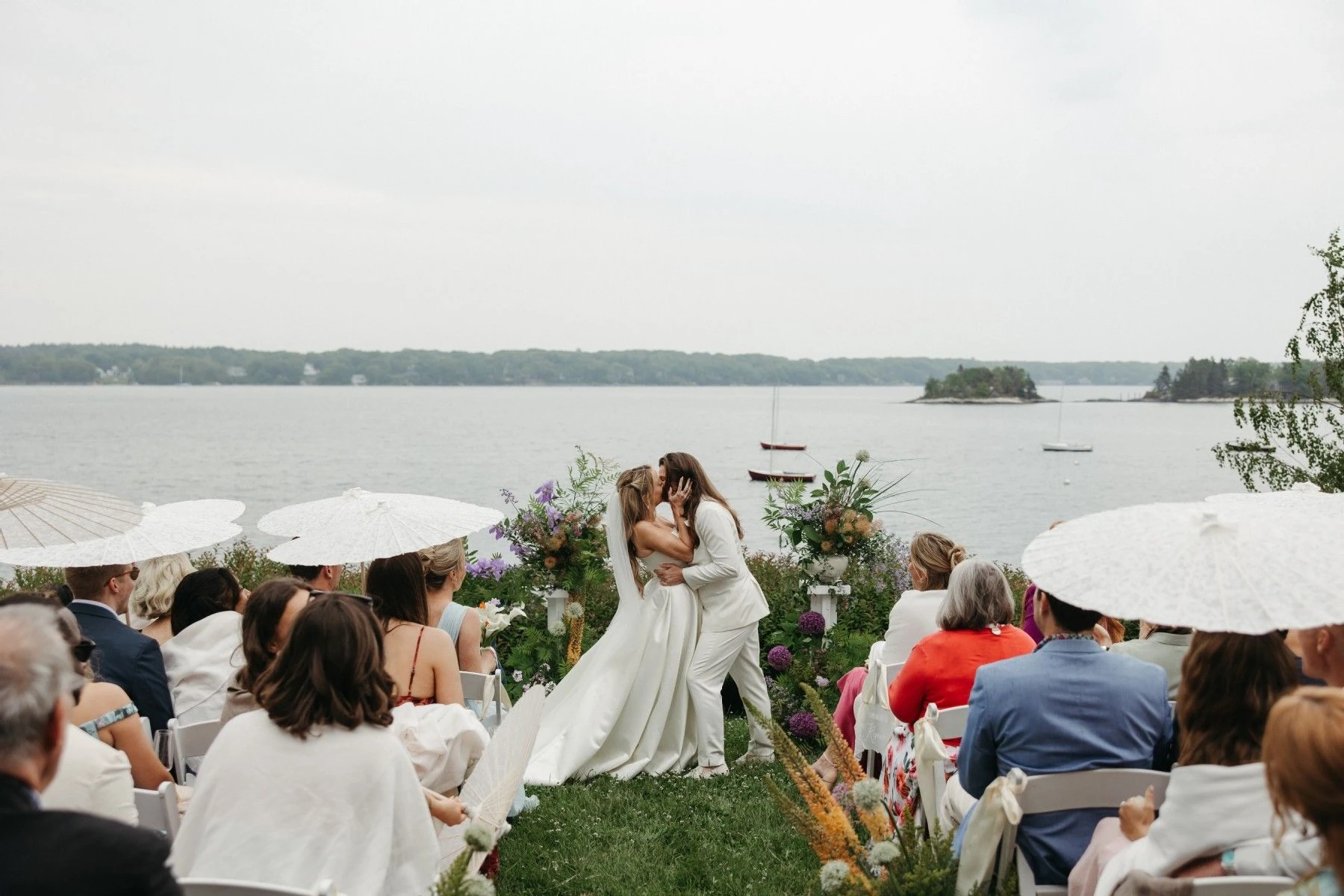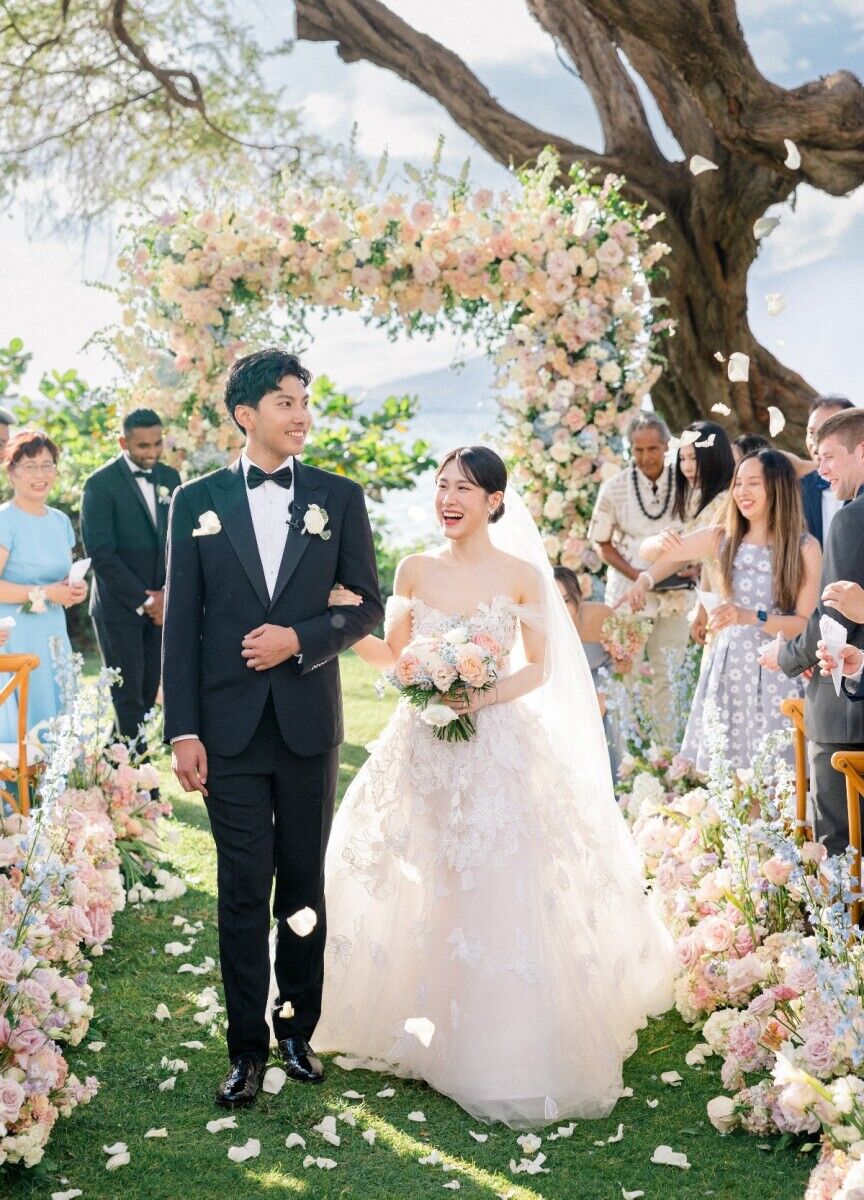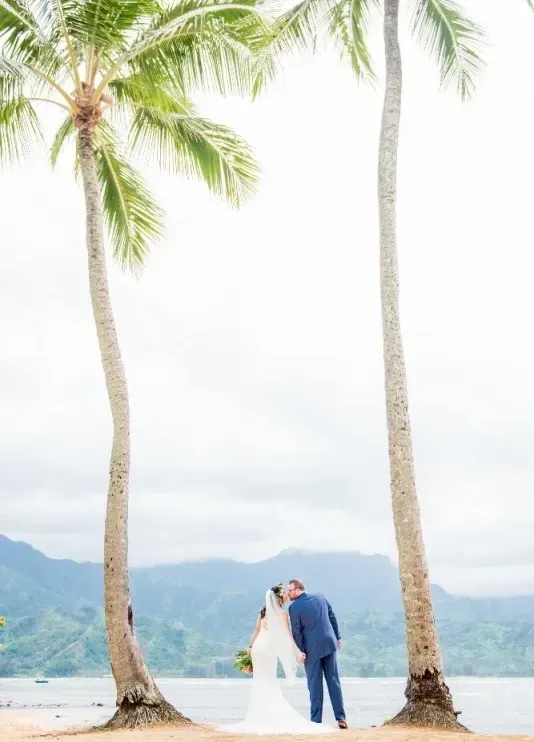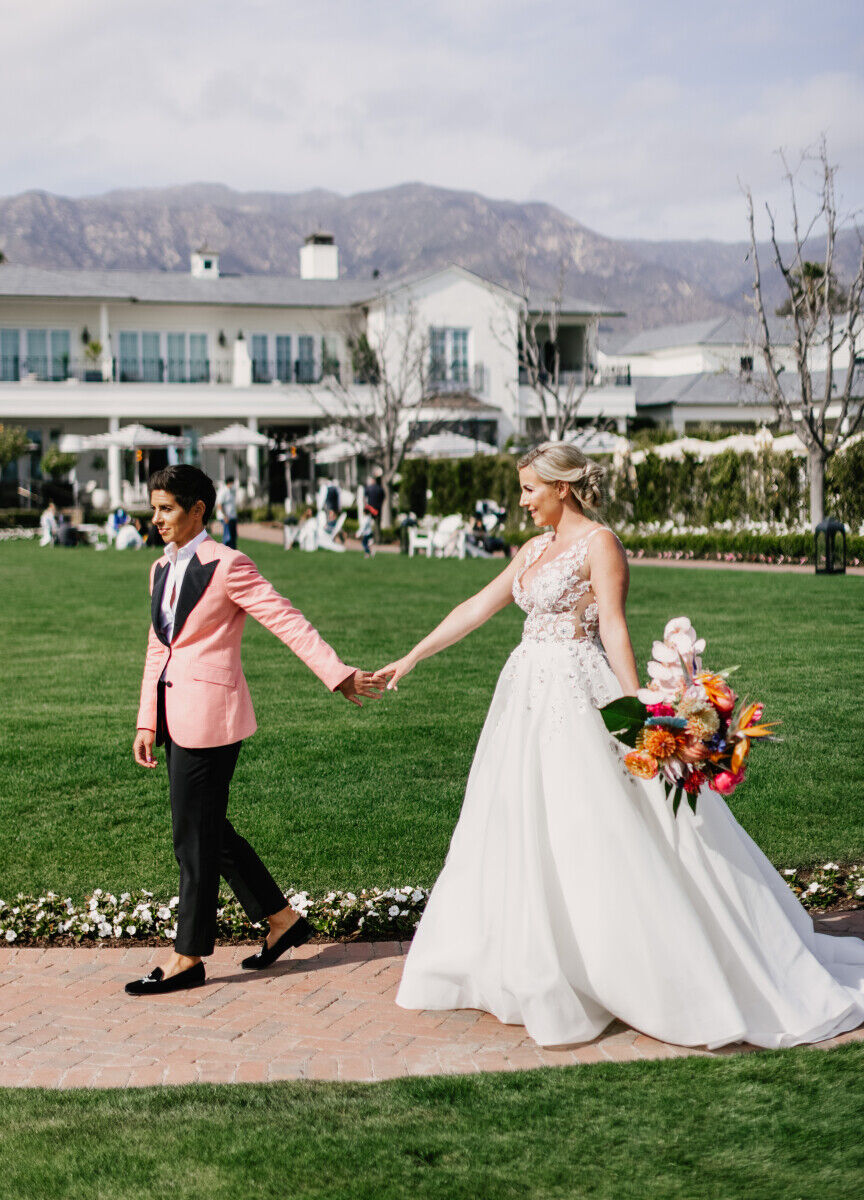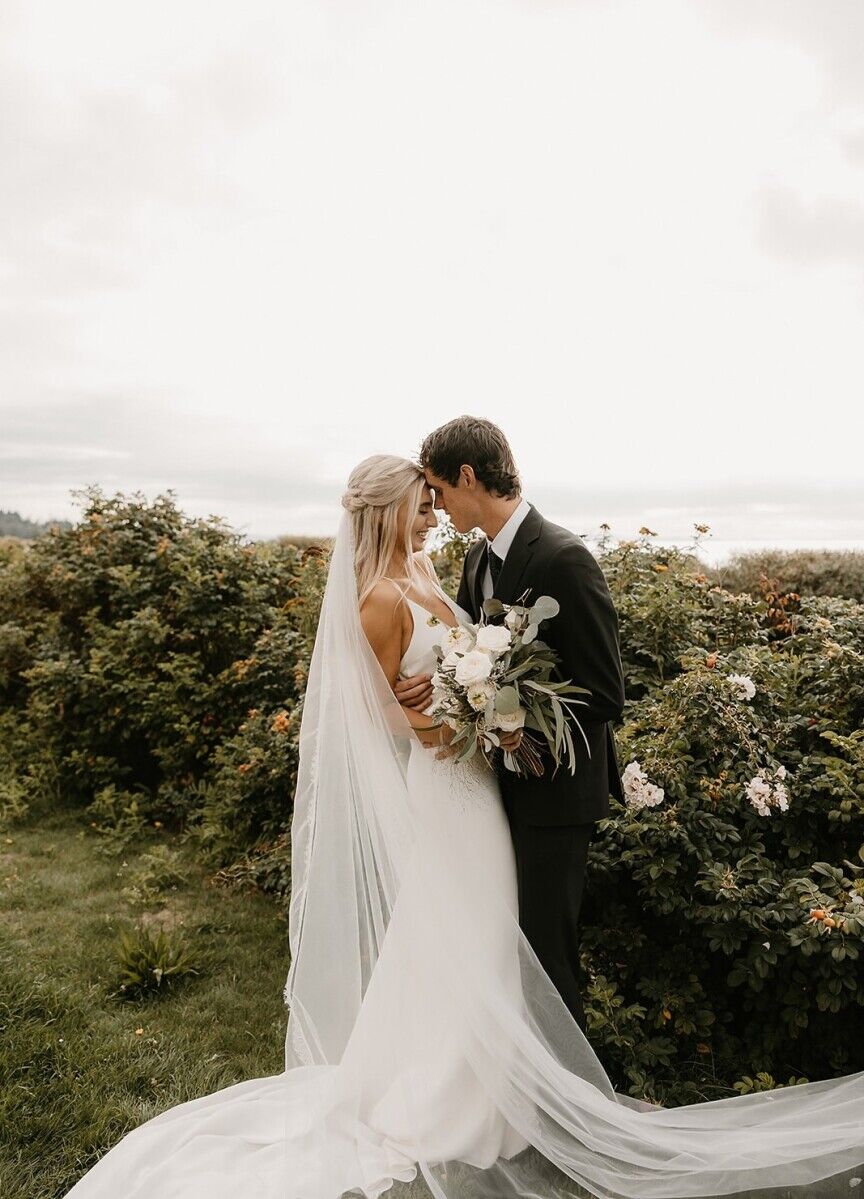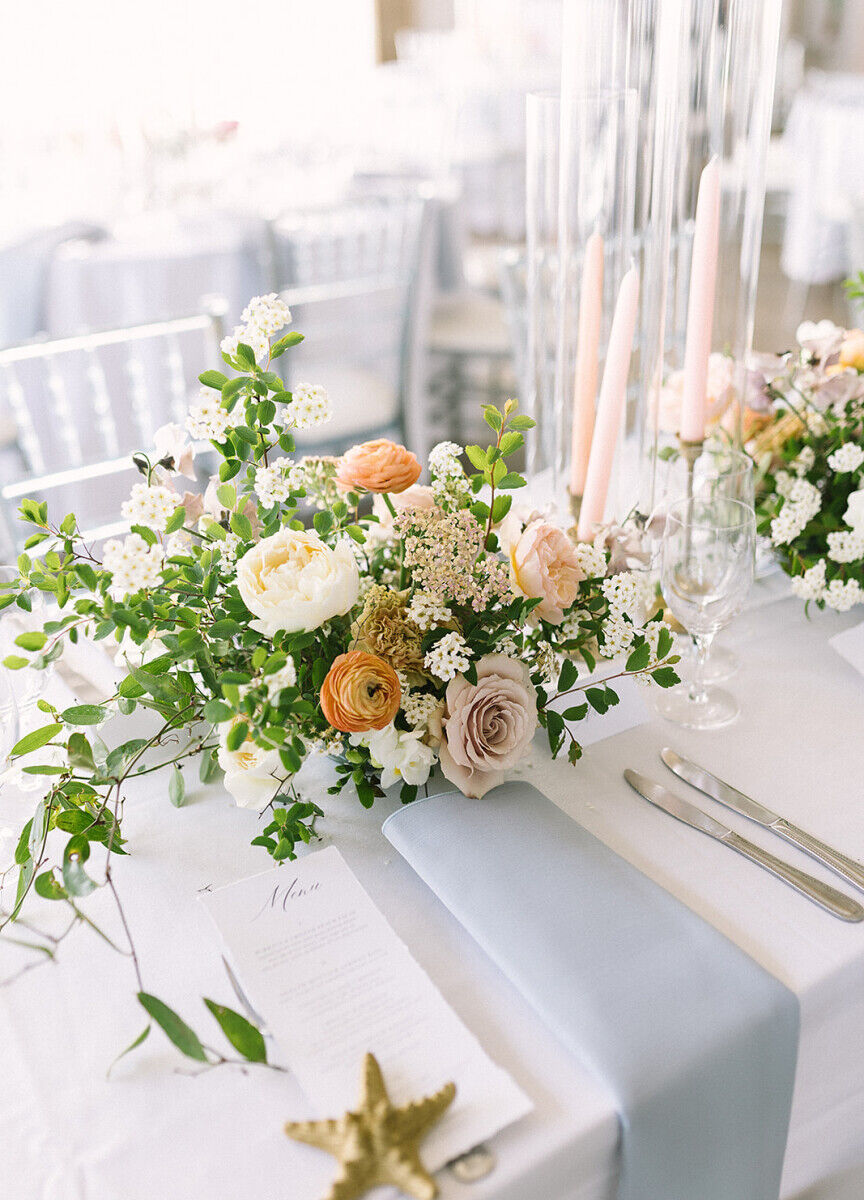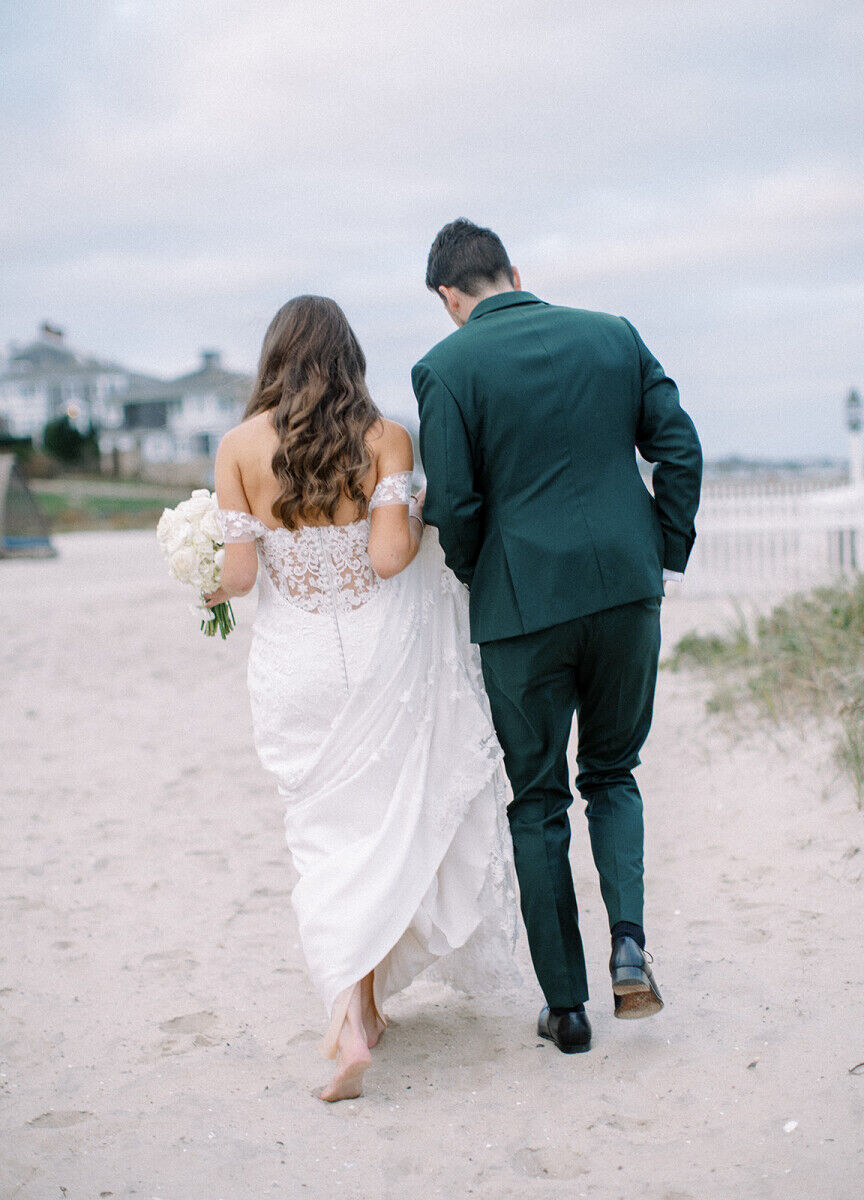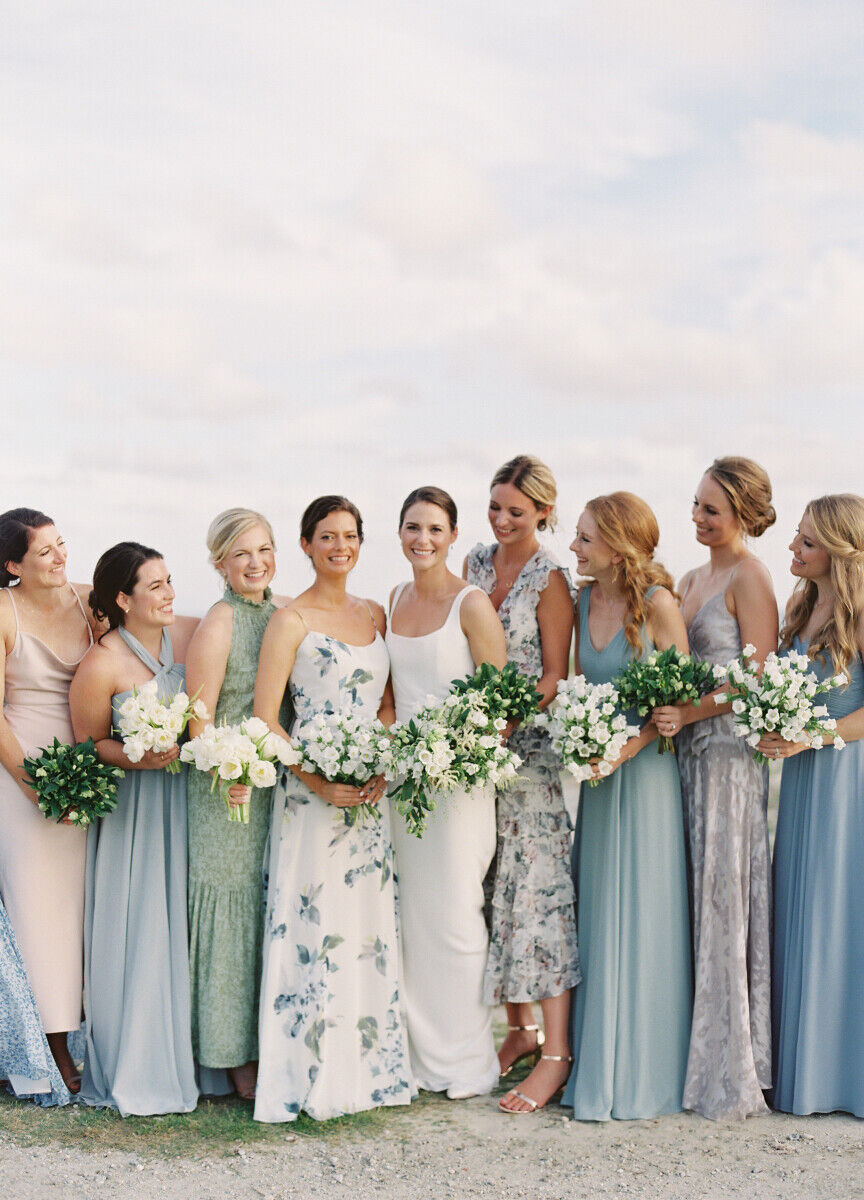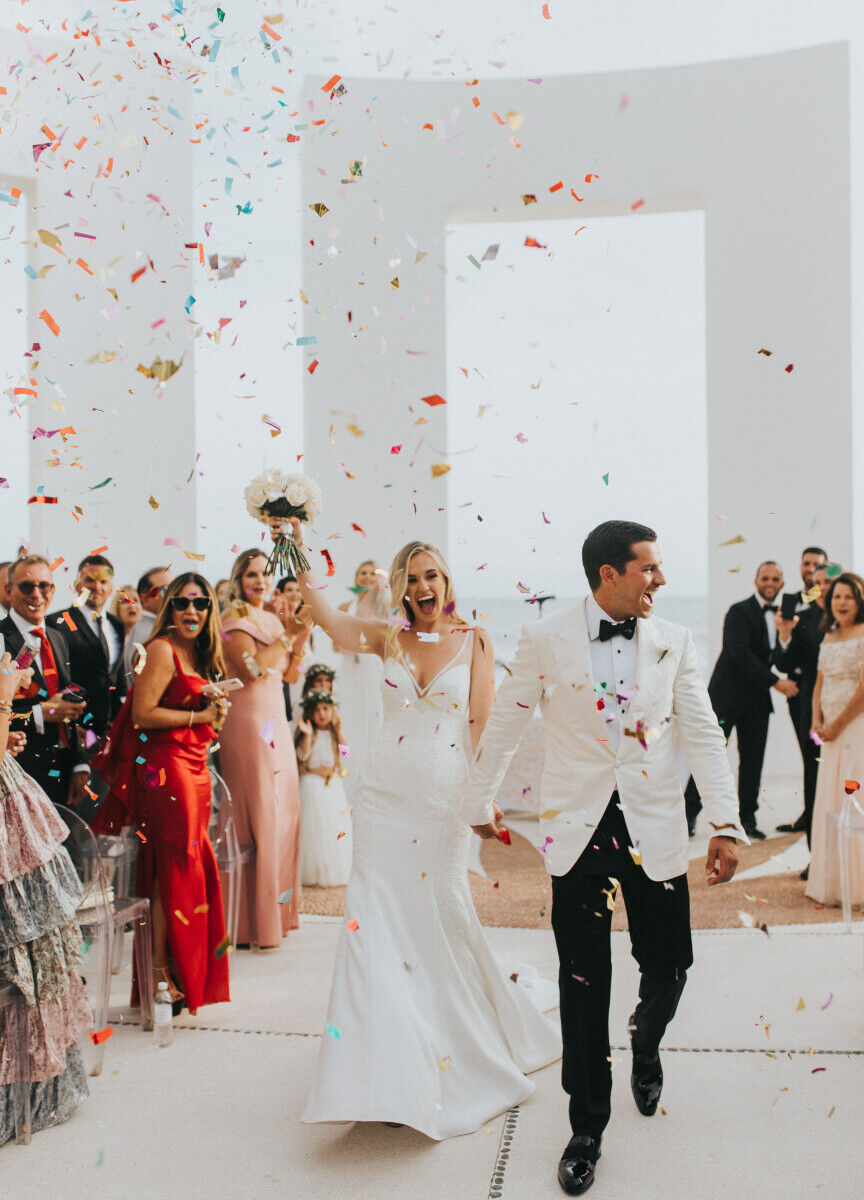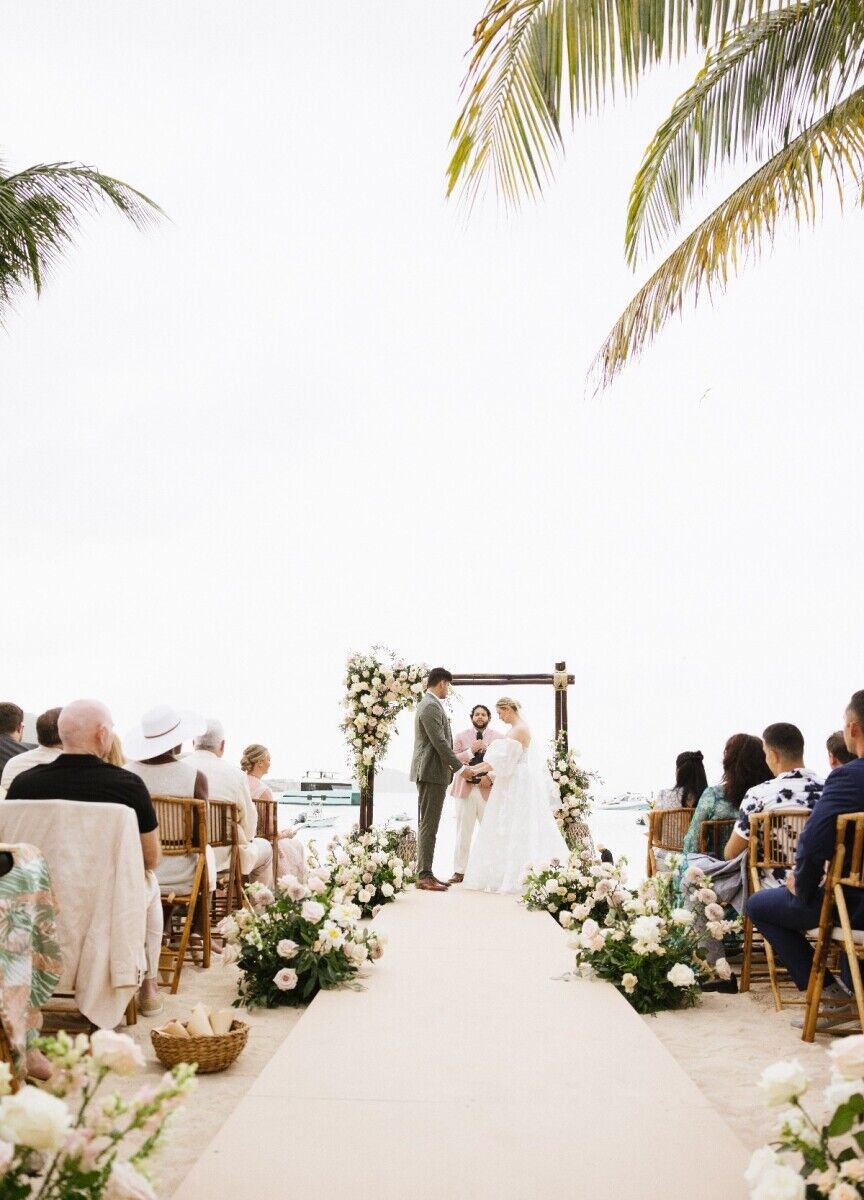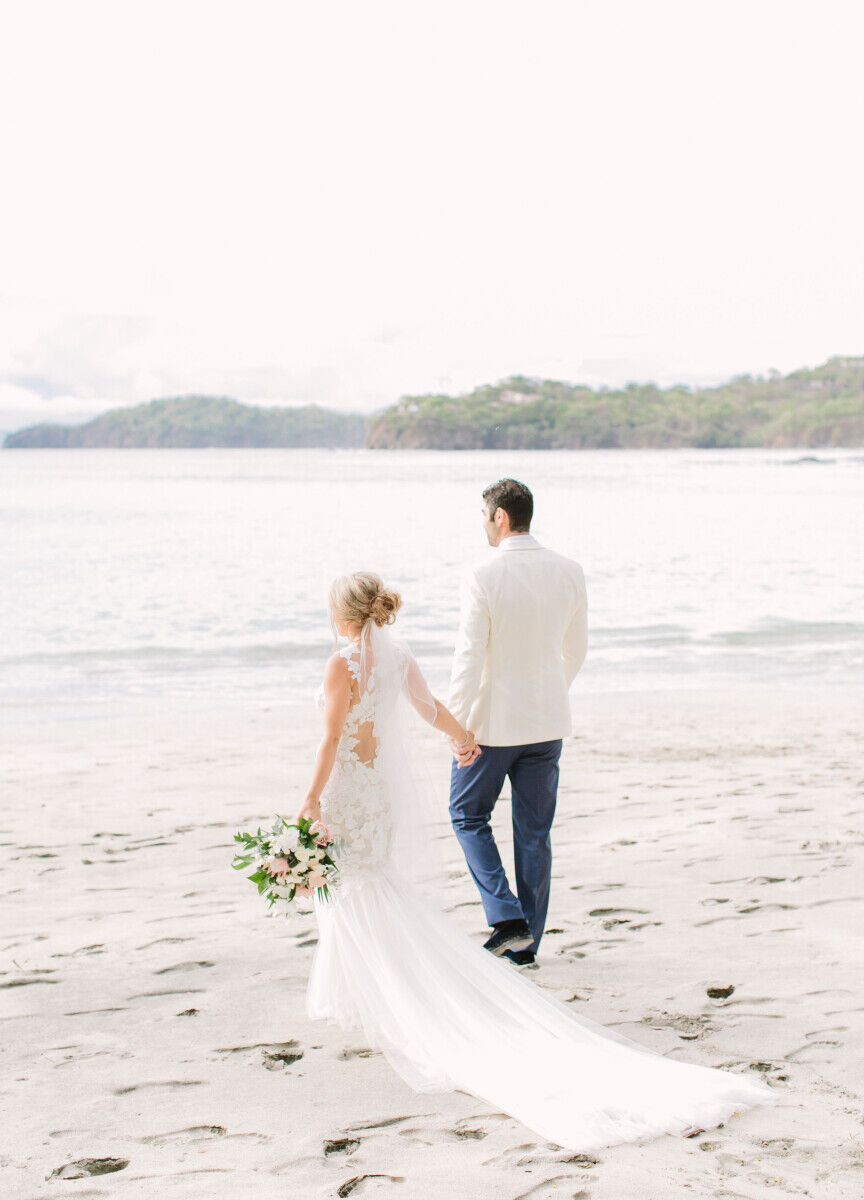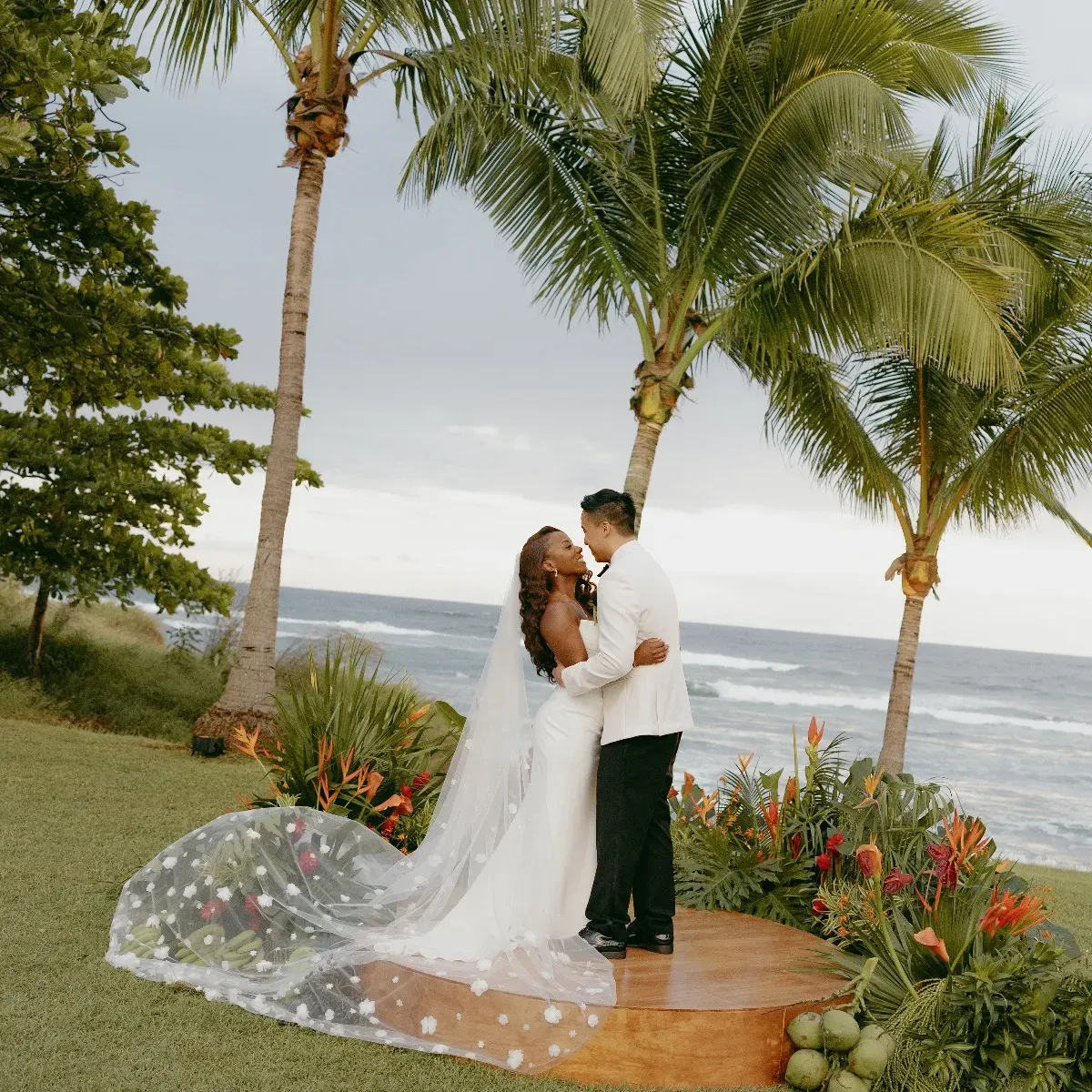
Beach wedding venues span every aesthetic and scale: barefoot ceremonies on private Caribbean sand, formal receptions on California clifftops, tented dinners in the Riviera Maya jungle. What they share is light, openness, and a backdrop that does a significant portion of the visual work for you. The list below pulls from real weddings across Hawaii, California, the East Coast, Mexico, and beyond, covering the properties that show up consistently at the highest level of execution.
Still deciding what kind of venue you want? Start with how to choose a wedding venue, then shortlist from the 30 below.
What Makes a Beach Wedding Venue Work
The difference between a beach wedding that photographs beautifully and one that's a logistical headache comes down to how well the venue manages the conditions inherent to coastal settings. Wind, changing light, noise ordinances, weather contingencies, and guest comfort in open-air spaces are all factors that a venue's team should have handled dozens of times before your wedding. When evaluating a beach wedding venue, the operational questions matter as much as the aesthetic ones.
Ceremony placement relative to the water is one of the first decisions. Some venues position the ceremony directly on the sand, others on elevated lawns or decks with water views. Each creates a different visual and logistical reality. Toes-in-the-sand ceremonies are experiential but require careful timing around tides, wind direction, and guest mobility. Lawn and deck ceremonies with ocean backdrops offer more control over setup, seating, and sound.
Indoor-outdoor flow is the other critical factor. Most strong beach wedding venues have a covered or indoor fallback that doesn't compromise the overall aesthetic: a tent that complements the property rather than clashing with it, or a ballroom with floor-to-ceiling water views. Ask to see how other couples have used the contingency spaces, not just the primary ceremony location.
Types of Beach Wedding Venues
Venues by the water cover a wider range than the term suggests. Resort and hotel properties, the most common format on this list, offer full-service coordination, on-site catering, and guest accommodations in a single package. These are the most operationally straightforward option and tend to work well for destination weddings where guests are traveling from multiple locations.
Private beach venues and beach clubs offer a more exclusive setting with fewer built-in services, which means more vendor coordination but also more creative control. Yacht and boat ceremonies are a distinct category suited to elopements and very small guest counts, where the intimacy is the point and the logistical constraints reflect that. For couples drawn to international destinations, the venue type often follows the destination: boutique hotels in Mexico and the Caribbean typically offer full buyout options; European properties tend to be more event-space-forward with the beach as backdrop rather than ceremony floor.
Beachfront and oceanfront describe two different weddings. A beachfront ceremony puts you on the sand with water directly behind you. An oceanfront ceremony puts you on a lawn, terrace or clifftop above the water, with the ocean as backdrop rather than floor. Alila Ventana Big Sur, Pebble Beach, Montage Laguna Beach, and Castle Hill Inn all sit in the second category, where you get the same horizon with a level floor, working power and a structure to retreat into.
The hybrid is the most reliable format at scale: ceremony on the sand, cocktails and dinner on a deck or lawn above it. Guests get the barefoot moment for 25 minutes and a serviceable space for the following five hours. Most resort properties on this list are built around exactly that sequence. For coastal venues that are not on a beach at all, browse waterfront wedding venues.