Understanding the Newest Seat on the Media Team
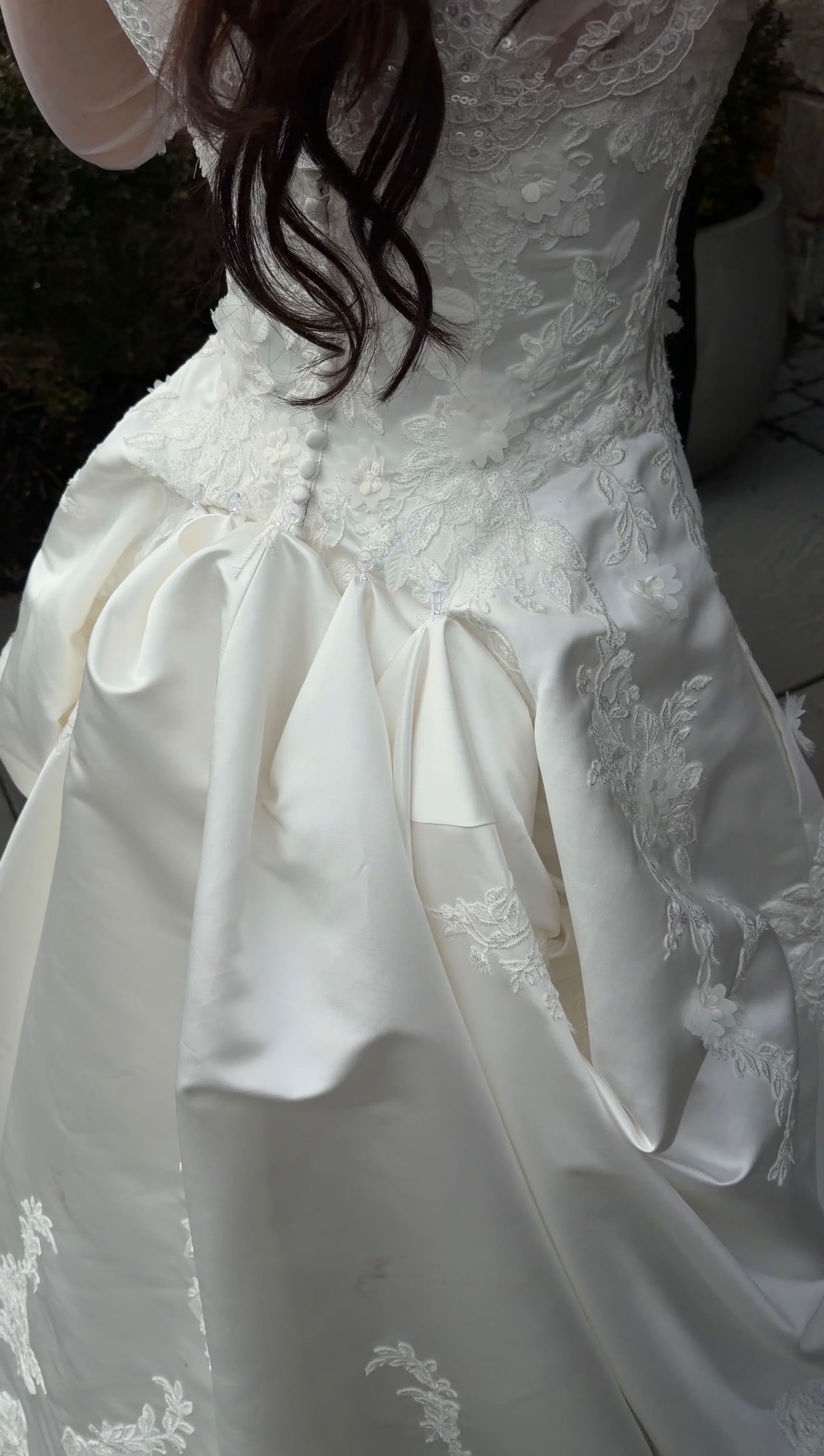
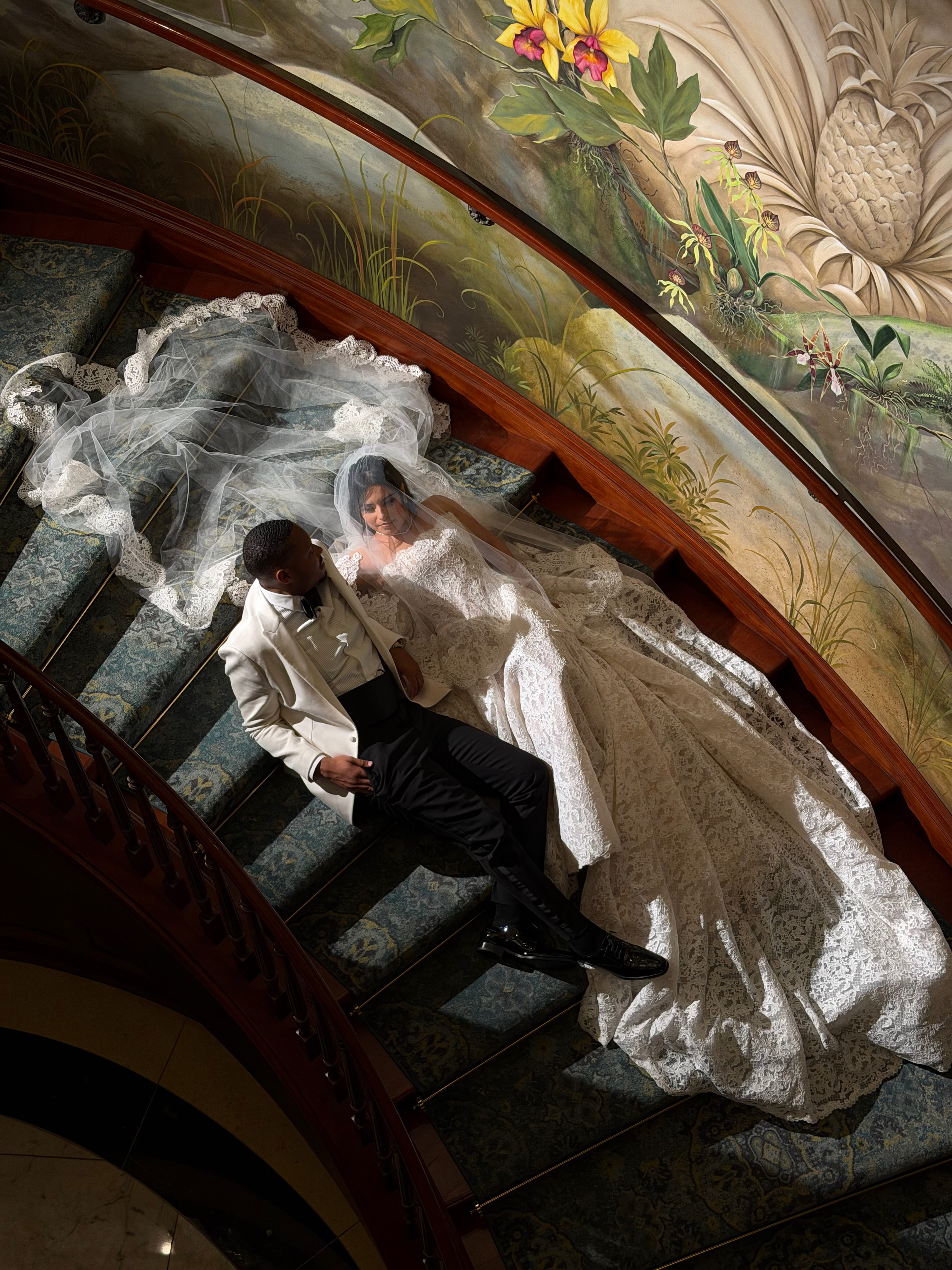
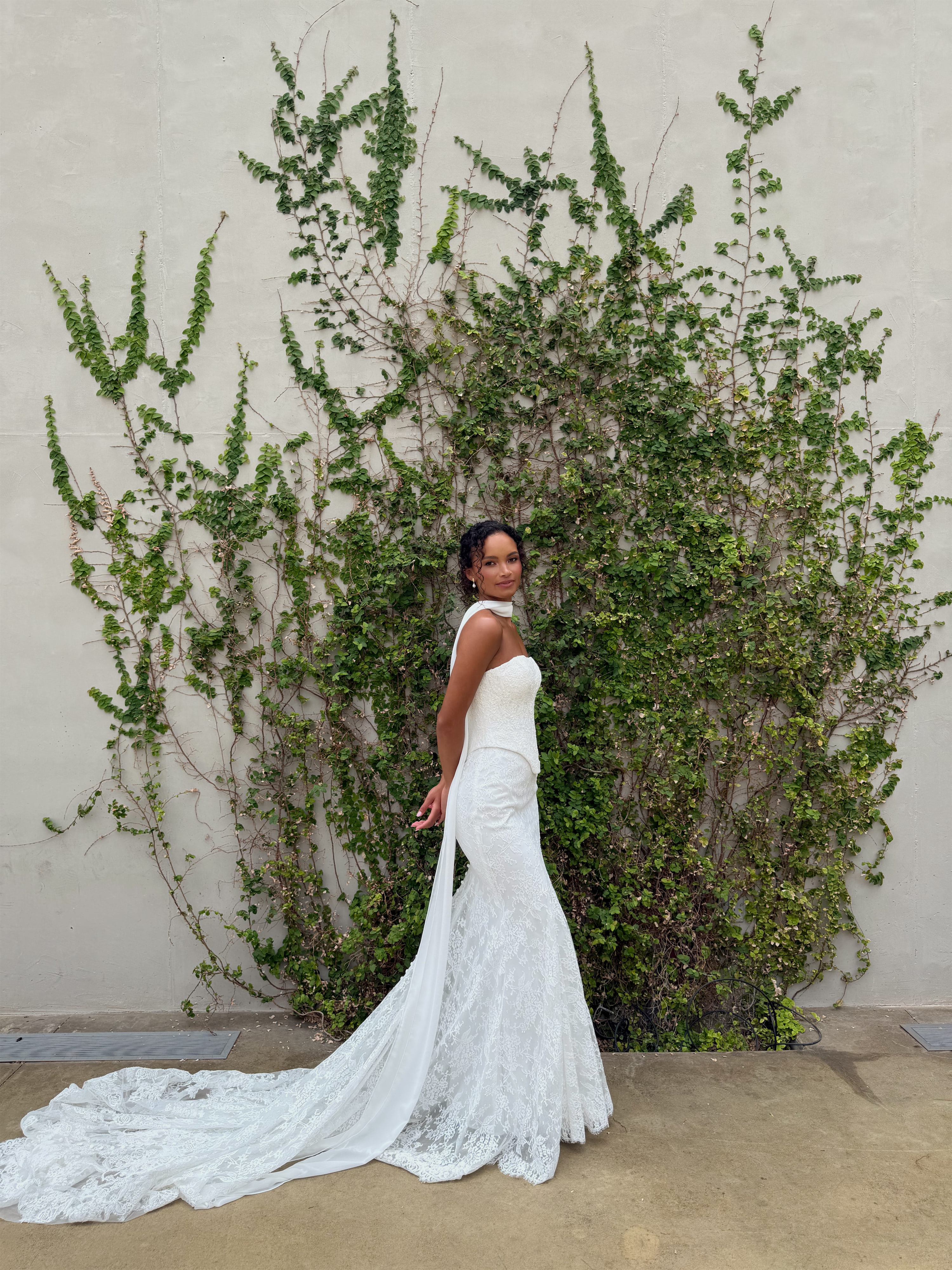
These days, couples are making room, in their budgets and in their wedding day itinerary, for a new seat on the media team: wedding content creators. Few roles in weddings are being debated quite as much right now. Couples who rarely post are wondering whether they need one at all. Photographers and videographers are wondering what another phone in the aisle means for their coverage. Pricing is all over the map, the barrier to entry is an iPhone, and more vendors are showing up with creators of their own.
So we went to the people doing the job. We asked 11 established wedding content creators about the role as it stands right now, from what couples misunderstand and what they actually deliver to where the role begins and ends, how they work alongside photo and video, and what the industry should be talking about. On the very first question, almost every one of them started in the same place.
It isn’t about social media.
When nearly a dozen independent business owners lead with the same correction, the name of the job is clearly working against the job. “Content creator” sounds like someone there to make your wedding go viral. What they actually describe is closer to the friend who films everything at every family event, except the product is a professional-quality series of intimate moments from your wedding day. Your grandma crying during the first dance. Your mom glancing over at your dad. A reaction across the room you never saw.
Past that first answer, they don’t all agree, and the rules are still being written, largely by the creators themselves. What follows is what they told us about what couples are actually getting, where the friction is, and the fixes already taking shape, for couples deciding whether to book one and for every vendor who now shares the day with one.
- @content_by_matt_ (opens in a new tab)
- @contentedlongisland (opens in a new tab)
- @cooksbridal (opens in a new tab)
- @cupidcontentco (opens in a new tab)
- @everafter________ (opens in a new tab)
- @foreverafterinstantly (opens in a new tab)
- @happilyeversocials (opens in a new tab)
- @sociallymichelleandco (opens in a new tab)
- @sparkly.weddingcontentcreator (opens in a new tab)
- @sproutscontent (opens in a new tab)
- @thebridalsocialclub (opens in a new tab)
What you’re actually getting
Most of the confusion around content creators starts with the deliverable, because there isn’t one standard version of it. A photographer delivers a gallery and a videographer delivers a film. Ask two content creators what you’ll receive and you may get two very different answers.
“Some content creators see their online albums with the raw footage of the day as their main deliverable, while others focus on more social media style clips and Reels,” says @sproutscontent (opens in a new tab). “Each approach is acceptable, but different couples might have a preference for which approach is best for their memories.”
@everafter________ (opens in a new tab) sees that range getting wider as the category grows. “For some creators, it is primarily social-first content—trends, TikToks, choreography, and fun content made specifically to be shared. For others, the approach is more focused on storytelling; some include live posting, additional camcorder footage, or more extensive event coverage. None of those approaches are wrong, but couples should understand exactly who and what they are booking.”
What nearly all of them share is speed and volume. “You wake up the next morning to hundreds of raw clips from a day that went by in what felt like seconds,” says @sociallymichelleandco (opens in a new tab). “And those clips are yours. You don’t have to post a single one on social media. You can keep every moment completely private.”
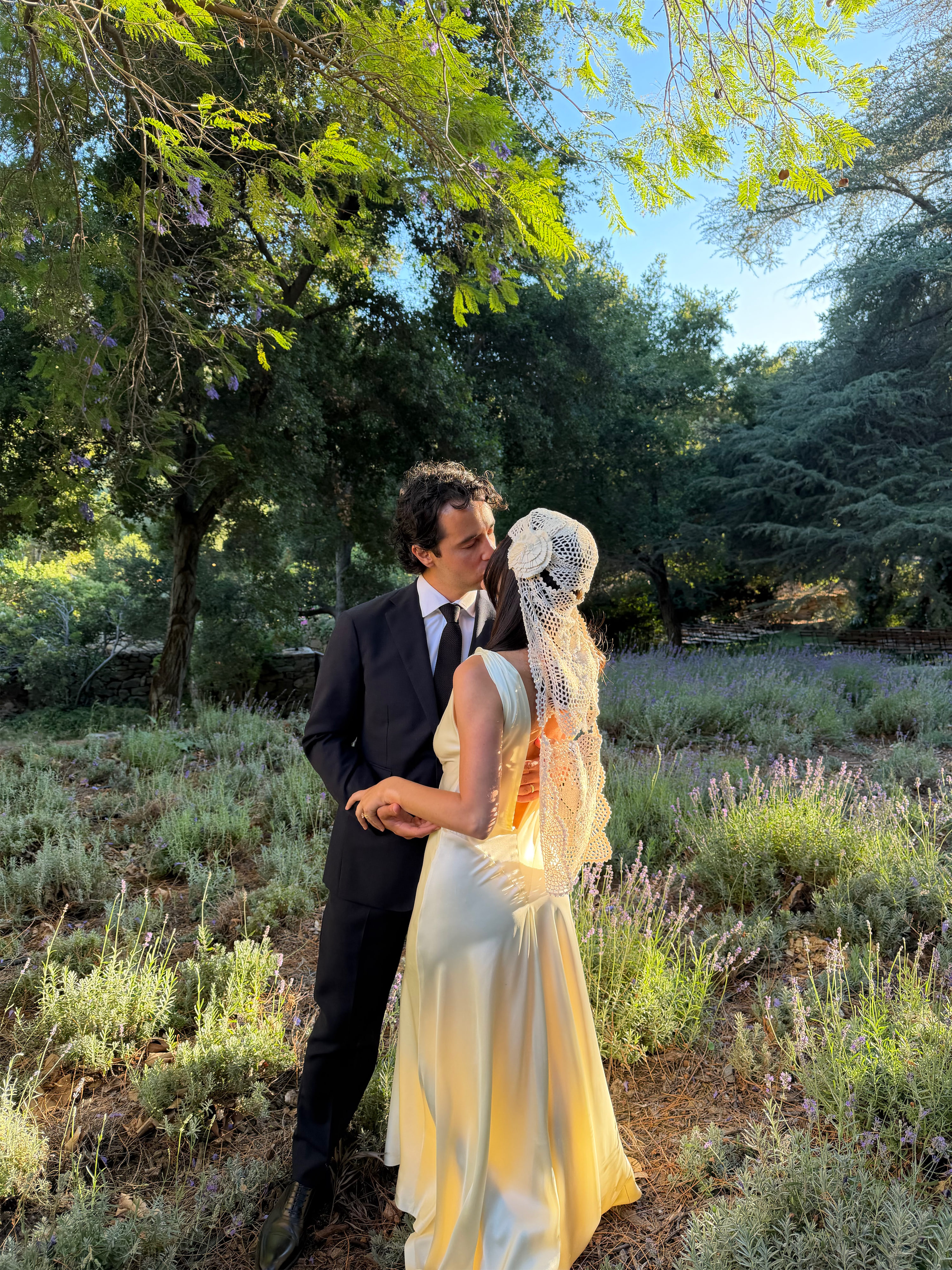
That speed is a big part of the appeal, and a big part of the skepticism. “People also tend to think quick delivery means rushed, or less considered,” says @content_by_matt_ (opens in a new tab). “To me those are two completely different things. The speed is part of what makes this work special, but that doesn’t mean there’s no intention behind it.” As @everafter________ points out, couples “get to relive so much of the day almost immediately, while their photography and video teams can take the time they need to carefully edit and create their final work.”
The format matters as much as the timing. “What they all want is an unguarded, in-the-moment perspective that still holds the craft of someone who knows how to see a wedding day, something that lives in vertical format on their camera roll,” says @contentedlongisland (opens in a new tab). “It’s not about performance, it’s about easy-to-access memory reliving and easy sharing in the group chat.”
Which is why so many of them pushed back on the idea that this is a service for people who post. “I always say I know I’m doing my job well when a couple doesn’t even know where their phones are on their wedding day,” says @cupidcontentco (opens in a new tab). @sproutscontent hears it in the thank-you texts. “When most people reach out to ask about content creation, they are either looking forward to the recap video or the major moments like the ceremony and speeches. However, after each wedding I normally get a text message saying how grateful they are to see it all. Their mom smiling at their dad, their best friends crying after seeing them in their dress, the reception details coming together.”
@content_by_matt_ takes the longer view. “Some of the most valuable stuff I capture is content that’ll probably never get posted anywhere. A grandparent filming something on their own little camera. The reaction of someone across the room the couple never even saw. A five-second moment between family members that nobody else clocked. It might not become a Reel, it might not perform well online, but in 10 or 20 years it could be some of the most important footage that couple has.”
Put together, the deliverable looks less like a highlight reel and more like an archive. @sparkly.weddingcontentcreator (opens in a new tab) would like to see the whole category repositioned around exactly that, as a memory service rather than a marketing tool. “What a content creator really offers is an emotional, almost patrimonial service: capturing raw, lived moments that become part of a couple’s personal archive, the same way wedding albums have for generations.”
For couples, that makes the first question less “do we need content?” and more “which version of content are we buying?” A raw archive and a set of polished Reels are very different products, even when they come from the same phone. For the rest of the vendor team, it explains a lot about how creators move through a day. Someone building an archive of hundreds of moments is going to be everywhere, quickly, in a way that a photographer working toward a curated gallery isn’t.
Where the job ends
As expectations around the role have grown, so has the pressure to stretch it. Couples ask for full speeches, mic’d vows and group photos. Some creators add more to their packages to win the booking. The most consistent pushback on that comes from the creators themselves, who could easily say yes.
“I’ve heard it all, content creators offering to record full speeches and vows, take professional photos, bring cameras or produce increasingly long-form edits,” says @sociallymichelleandco. “I’m seeing more and more being added to content creation packages in an attempt to secure bookings, but there has to be a line. For me, that’s where we start stepping into videographer territory. If a couple asks me to provide something that I believe should be captured by a professional videographer, I’ll simply recommend that they book one.”
@contentedlongisland has been asked to mic up couples, and won’t. “If content creators start offering videography-level deliverables, we lose the thing that makes this role valuable in the first place: a different approach, for a different purpose, not a cheaper version of the same job.”
The clearest way they separate the three roles is by what each one leaves you with. “A videographer is creating a wedding film. There is a cinematic approach to the cameras, lenses, audio, color, storytelling, and editing,” says @everafter________. “A photographer is creating images that may eventually live in albums, frames, or prints.” Content is the third format, short and vertical and immediate, made to be revisited on a phone.
When that line gets blurry, everyone loses something. @content_by_matt_ learned that early on. “I had a couple book me who almost gatekept the fact that they hadn’t booked a photographer, because in their minds I was going to fill that role. On the day I was being asked to organize group shots, family photos, the lot. I hadn’t seen it coming, so I had no plan for how to handle it,” he says. “When you’re starting out, you’re scared to say no or disappoint a couple, because you’re so conscious of your reputation and you want to give them the best experience possible. These days, I’d set that boundary without hesitation.”
That story captures the problem from both sides. The couple thought they were saving money and ended up without the photographs they assumed they’d get. The creator, still new, didn’t feel able to say no. Clear scope protects the couple as much as it protects the creator, and it’s a big part of why experienced creators are so specific about what they will and won’t do.
The iPhone problem
Almost everyone owns the main piece of equipment, which makes this one of the most rapidly diluted categories in weddings. Every creator we spoke with is established, and nearly all of them raised it anyway. “Owning a phone doesn’t make someone a skilled wedding content creator,” says @sociallymichelleandco.
The difficulty for couples is that the skill is hard to see in a portfolio. A great clip looks like a great clip, whoever shot it. What separates experienced creators mostly shows up in what didn’t go wrong. The moment that wasn’t missed, the photographer who wasn’t blocked, the timeline that shifted without anyone noticing.
“I always say that 70% of being a great wedding content creator is spatial awareness,” says @cupidcontentco. “Being able to read a room, anticipate where moments are unfolding, and instinctively know where you need to be without disrupting the natural flow of the day.” @everafter________ explains what’s at stake when that awareness is missing. “A wedding is a live event, and so many of its most important moments only happen once. You cannot ask a couple to walk down the aisle again because you missed the shot, recreate a first look because your focus was off, or repeat a reaction because you were not paying attention.”
An inexperienced creator doesn’t only risk their own work, either. “The way they work on the day can have a knock-on effect on the couple’s professional photographs and wedding film too,” says @sociallymichelleandco.
Then there’s everything couples never see. @content_by_matt_ lists it out. “Contracts. Insurance. Backups. File management. Websites. Privacy. Music licensing. Delivery expectations. Actually running a business properly.” That’s the difference between a business and someone with a good phone, and it’s a big part of why pricing varies so much. “Couples in 2026 are expecting far more than they did in 2023, when the role barely had a framework and most of us were figuring it out as we went,” says @contentedlongisland. “Couples are left trying to figure out what actually separates one creator from another when a lot of us are shooting on the same iPhone.”
The creators’ advice is to hire for this role the way you’d hire for any other. “Just like you would choose a photographer or planner based on their experience and the type of weddings they specialize in, I think the same should apply to your content creator,” says @cooksbridal (opens in a new tab). “If you’re having a destination wedding, it can be incredibly valuable to hire someone who has experience working destination weddings and understands the pace and logistics that come with them.” @thebridalsocialclub (opens in a new tab) adds a warning about follower counts. “A large social following doesn’t necessarily reflect the experience you’ll receive as a client. Ask about their process, communication, turnaround time, contracts, backup plans, and approach to working with other vendors.”
For anyone new to the role, @everafter________ has a simpler suggestion. “If possible, I would always recommend assisting or shadowing someone experienced before taking on your first paid wedding.”
@sociallymichelleandco“Owning a phone doesn’t make someone a skilled wedding content creator.”
Inside the media team
The relationship with photographers and videographers came up in almost every conversation, and not always comfortably. It’s a newer role sharing space with professions that have spent years earning their place in the room, and there’s no agreed etiquette yet for how all three should work together.
“Gatekeeping is still rampant, and there’s a real wave of anti-content creator sentiment among some media professionals in this industry,” says @contentedlongisland. “My advice to couples is to actually ask their photographer or videographer how they feel about working alongside a content creator on the wedding day. If the answer comes from a place of ego, that’s a red flag about whose experience they’re actually prioritizing, the client’s or their own.”
@sproutscontent reads the same tension more generously. “Many photographers and videographers have been in the industry five to 10 years longer than most content creators, since it’s such a new niche. It’s not that they’re against having us there, it’s that they don’t know how to feel about fast media.”
Both readings can be true at once, and the creators describe the same fix either way, which is more communication, earlier. @sproutscontent recommends reaching out to the photographer and videographer before the wedding and getting on a call. “This is a place to understand each other’s intentions and approach for the day before the wedding, so that on the day of it feels like you work together seamlessly. My favorite weddings are the ones where the media team felt like a family, which is typically the result of a lot of mutual respect.”
Respect, in their telling, has a practical shape. On the creator’s side, it means staying out of the shot. “You need to be able to capture what you need without compromising their shots, blocking an important moment or negatively impacting the professional imagery the couple has invested thousands in,” says @sociallymichelleandco. It also means not agreeing to every request. “If a couple asks for something that could affect another team’s coverage, timing, or creative process, I don’t think the answer should automatically be, ‘Of course,’” says @everafter________. “Sometimes the most professional thing you can do is communicate first.”
But @everafter________, whose team shoots on two phones at once, is clear that respect has to run in both directions. “That does not mean we are trying to recreate what a photographer or videographer is doing. It is simply part of how we use our own medium. In the same way a photographer may choose to shoot digital and film, or a videographer may incorporate Super 8 or camcorder footage, content creators can also develop tools and techniques that define their own style and coverage.”
@thebridalsocialclub sums up where most of them land. “Our goal is never to replace professional photography or videography, but to work seamlessly alongside them while bringing a different format and perspective to the wedding day.”
When vendors bring their own
Content is how nearly every wedding business markets itself now, so it’s no surprise that planners, florists and other vendors are bringing their own creators to capture their work. None of the creators we spoke with argued against it. But almost everything around it is still unsettled. Should a vendor’s creator be there without the couple’s okay? Who coordinates it all when a single wedding has several content teams, and who’s responsible when that content ends up online?
Right now, there’s no shared answer. Asked what the industry should be talking about, @content_by_matt_ named his own category. “This is going to sound hilarious because I am one, but content creators. More specifically, content creators who are being hired by suppliers rather than by the couple.”
He described a recent wedding to show why. “I was at a wedding recently where the planner had three people creating content, the florist had three, and then there were three of us hired by the couple as their actual creative team: the photographer, their second shooter and me.” At one point, the supplier teams, some carrying professional cameras, were filming the couple and following them into their portrait session.
“If you’ve been commissioned by a florist to capture their work, you haven’t been commissioned to photograph the bride and groom,” he says. “And it becomes even more uncomfortable when that content is then posted online in a way that makes it appear as though they were the photographer or videographer responsible for documenting the wedding.” The cost isn’t only to the couple’s team. “Following them into portrait sessions, competing for the same angles or inserting additional cameras into intimate parts of the day doesn’t just make their jobs harder, it can change the experience for the couple too.”
@foreverafterinstantly (opens in a new tab) points out how unusual the dynamic is. “We don’t commonly see individual vendors bringing their own photographers or videographers to document the same wedding. More content creators and vendors in general can mean potentially disregarding the professionals the couple specifically chose and invested in to document their day.” @cupidcontentco sees the same pressure from a different angle. “With so much emphasis on real-time sharing and viral moments for vendors, it’s easy for the focus to start shifting away from the day itself.”
The ideas they offered point toward coordination rather than restriction. @sparkly.weddingcontentcreator thinks it starts with the planner having visibility into every creator on the day, and floats a bigger idea. “Looking ahead, I think the real opportunity is for vendors to pool their content needs with one creator or entity, who could quote based on the total number of deliverables needed across everyone.” @content_by_matt_ boils the etiquette down to a few lines. “Capture the work you were commissioned to capture. Speak to the couple’s creative team. Work alongside them rather than around them. And if you want imagery of the couple interacting with your work, communicate and collaborate.”
For couples, this is worth knowing about before the wedding, not during it. It’s reasonable to ask your planner and other vendors whether they’re bringing their own content teams and what those people will be capturing.
Fast delivery, slower posting
When hundreds of clips arrive the next morning, a new set of decisions arrives with them about who gets to share what, and when. With photos and film that come later, couples rarely had to think about this so quickly.
“Privacy and sharing preferences should be part of the conversation before the wedding, especially because content creators are delivering such a large amount of footage so quickly,” says @happilyeversocials (opens in a new tab). “There should also be clarity around what the creator is allowed to post themselves. Hiring someone to document your wedding doesn’t automatically mean every moment needs to become marketing content.” On timing, they’re just as direct. “Fast delivery doesn’t have to mean immediate posting. There should be clear communication around who can share content, when it can be posted, and whether there are considerations around editorial exclusivity. The couple should feel in control of when and how their wedding appears online.”
@cupidcontentco takes that responsibility seriously on their end. “We’re very intentional about protecting sentimental or private moments and not sharing content that could feel embarrassing just because it might perform well on social media.”
The same thinking applies to how much of the day gets staged for the camera at all. “Couples shouldn’t feel like they spent their wedding performing for content,” says @happilyeversocials. “The content should bring them back to how the day actually felt.”
If you’re hiring a content creator
Because the title can mean very different things depending on who you hire, the most useful thing you can do is ask. These questions come straight from the creators, and how someone answers will tell you as much as their portfolio.
- What’s your main deliverable?A full archive of raw clips, edited social-style Reels or both. Neither is wrong, but you should know which one you’re buying.
- How quickly will I get footage, and roughly how much?Ask how many clips are typical so your expectations match theirs.
- Do you use mics, and how do you handle the ceremony and speeches?This is where you’ll find out where they draw the line with videography.
- Have you worked weddings like mine?A destination wedding, a multi-day event or a 300-person reception all move differently. Ask whether one creator is realistic for your day.
- How do you work alongside my photographer and videographer?Good creators reach out to the rest of the media team before the wedding. It’s also worth asking your photographer and videographer how they feel about sharing the day.
- What will you post, and when?Talk through moments or people you want kept private, and whether you’d like to hold off on posting, especially if you’re hoping to have your wedding published.
- What’s in the contract?Backups, insurance, file management and turnaround are the difference between a hobby and a business.
- Is anyone else bringing a creator?Ask your planner and other vendors whether they’re bringing their own content teams and what those people will be capturing.
If you’re working alongside one
For photographers, videographers, planners and every other vendor sharing the day, the creators’ answers point to a few habits that make the whole team run more smoothly.
- Talk before the wedding.A quick call with the couple’s content creator sets expectations about how each of you will move through the day.
- Know what they’re delivering.A creator building a raw archive of hundreds of moments will cover the day very differently from one focused on a few edited Reels.
- Keep the couple’s team at the center.If you bring your own creator, let the planner and the couple’s media team know, and keep the scope to your own work.
- Ask before you capture the couple.If you want imagery of them with your work, coordinate it with the people they hired.
- Post honestly, and on the couple’s timeline.Credit the people who documented the wedding, and respect how and when the couple wants it shared.
Where this leaves us
A few years ago, most of these creators were figuring it out as they went. Now they’re the ones asking for clearer scope, better etiquette and actual professional standards, which is usually what it looks like when a category starts taking itself seriously.
For couples, the biggest takeaway is not to take this hire lightly. A content creator is with you through the most intimate parts of the day, working shoulder to shoulder with the photographer and videographer you’ve invested in. Hire the wrong one and the effects run well past a few missed clips. Blocked shots, gaps nobody planned to cover, footage shared before you were ready. Vet a content creator the way you’d vet any other vendor, by their experience, their process and how they work with the rest of your team, not just by their reel, price or follower count.
For the rest of the industry, the answer the creators keep returning to is to act like a team. Communicate before the wedding, talk through how you’ll work together, and understand what each role is there to do, including any creators a vendor brings along. The category is still finding its footing, and transparency and clear communication are what will move it forward.
