Phoenix Wedding Photographers
Phoenix wedding photographers, all in one place. Browse portfolios from photographers serving Phoenix and the greater Valley of the Sun, and contact the ones that fit your vision.
Phoenix wedding photographers, all in one place. Browse portfolios from photographers serving Phoenix and the greater Valley of the Sun, and contact the ones that fit your vision.
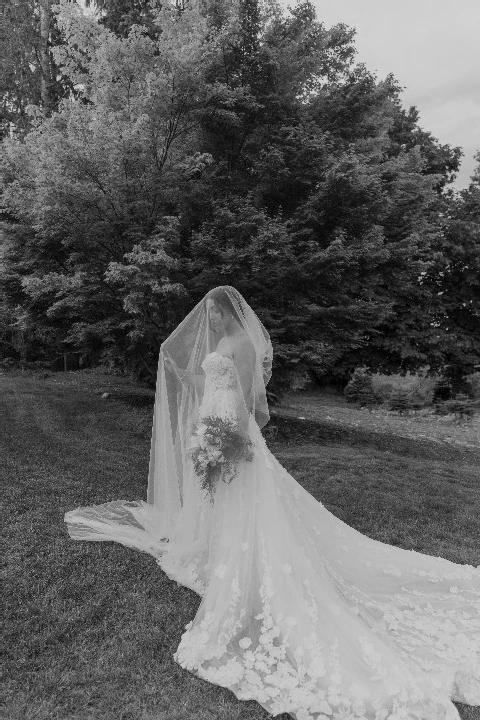
Editorial photographer for large, joy-filled weddings. Based in Washington, but available for travel worldwide. Believer in Jesus.
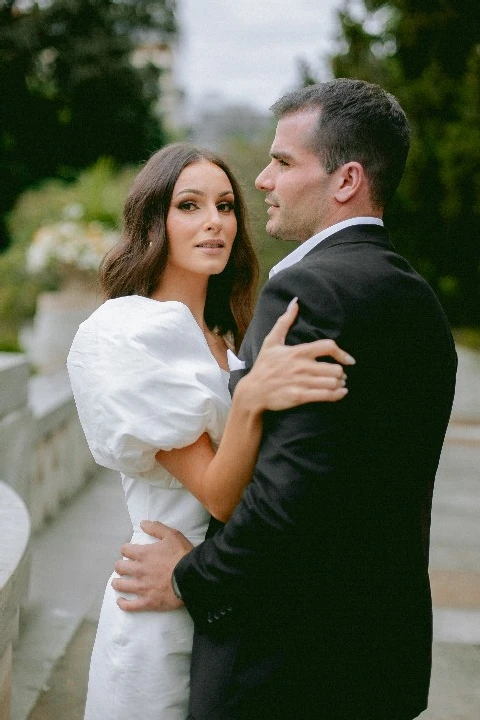
Rose Vine Studios is a Toronto and Montreal based wedding photography studio known for refined, editorial imagery and a fashion inspired eye. Blending natural emotion with elevated design, they document celebrations worldwide with intention, artistry, and timeless sophistication for couples who value authenticity and thoughtful detail.
Phoenix is one of the more visually demanding markets in the country for wedding photography. The desert landscape is striking — saguaro-studded terrain, red rock formations, and the rugged backdrop of the McDowell and South Mountain ranges — but the light that comes with it is unforgiving for most of the day. Midday sun in the Sonoran Desert is harsh and flat in a way that exposes technical weakness quickly. The photographers who have built real careers here have figured out how to work with it, not around it, and that distinction shows clearly in their portfolios.
Desert light has a specific rhythm, and experienced Phoenix photographers build their entire day-of schedule around it. Golden hour in the Sonoran Desert is legitimately exceptional — warm, directional, and saturated in a way that plays well against the landscape’s natural palette of ochre, sage, and terracotta. Getting there requires compressing the portrait schedule into the final hour before sunset, which means your photographer needs to be organized, decisive, and familiar enough with your venue to move efficiently. Ask specifically how they structure portrait timing and what their plan is for midday coverage when soft light isn’t available.
Venue type shapes photographer selection more in Phoenix than in most markets. An outdoor desert venue — Saguaro Lake Ranch, a private estate in Paradise Valley, an open-air space in Scottsdale — demands different skills than a ballroom at a resort property in downtown Phoenix. Both exist in volume here, and the photographers who are genuinely strong at one aren’t always equally strong at the other. Review full wedding galleries from venues similar to yours, not just the photographer’s best individual shots pulled from across different contexts.
The Phoenix market also skews heavily toward destination and winter weddings — couples from colder climates who want an outdoor ceremony in January or February, when temperatures are ideal and the desert is at its most accessible. If you’re planning a winter wedding, understand that those dates are among the most competitive in the market. Strong photographers book that window early. For broader context on what makes wedding photography worth the investment, the wedding photography ideas editorial covers it well.
October through April produces the most favorable conditions. Temperatures are manageable for outdoor ceremonies and portraits, and the light — particularly in late fall and early spring — is warm without the intensity of summer. Summer weddings are possible but require indoor or shaded ceremony spaces and careful scheduling around heat.
Most experienced photographers working the summer market schedule outdoor portraits exclusively during golden hour and keep the rest of the day indoors or under shade. Discuss this directly during your consultation and confirm the photographer has a specific plan for your venue’s conditions, not just a general policy.
Most do, and many list both as primary markets. Sedona in particular draws significant destination wedding volume and has a strong local and visiting photographer pool. Confirm travel logistics, any overnight requirements, and whether travel is included in the base package or invoiced separately.
Documentary and fine art editorial styles both perform well in the desert context. The landscape provides strong natural framing and the light — particularly at golden hour — rewards photographers who work with available light rather than relying heavily on flash or artificial sources. Moody and warm-toned editing approaches read naturally against the desert palette.
For fall and winter dates — October through February — twelve to eighteen months is the practical window. Those weekends fill across all vendor categories simultaneously as destination couples lock in their planning. Spring and summer dates have more flexibility, though strong photographers at any tier fill their calendars year-round.
