How to Find the Right Arizona Wedding Photographer
Start by reviewing full galleries rather than highlight reels, and look specifically for weddings shot in conditions like yours. Arizona’s harsh midday desert sun and deep golden-hour light are a real test, so a photographer who handles high-contrast saguaro scenes and low-light Sedona dusk well is showing you the exact skills your day will demand. Ask to see a complete wedding from preparation through the last dance, not a curated best-of that hides the gaps.
Confirm the practical terms early: hours of coverage, whether a second shooter is included, image-delivery timelines, and usage rights for prints and sharing. A short engagement session doubles as a trial run, letting you see how the photographer directs you, how you photograph together, and how the edited files look before the wedding itself, which removes a lot of guesswork from the biggest day.
Wedding Photography Styles in Arizona
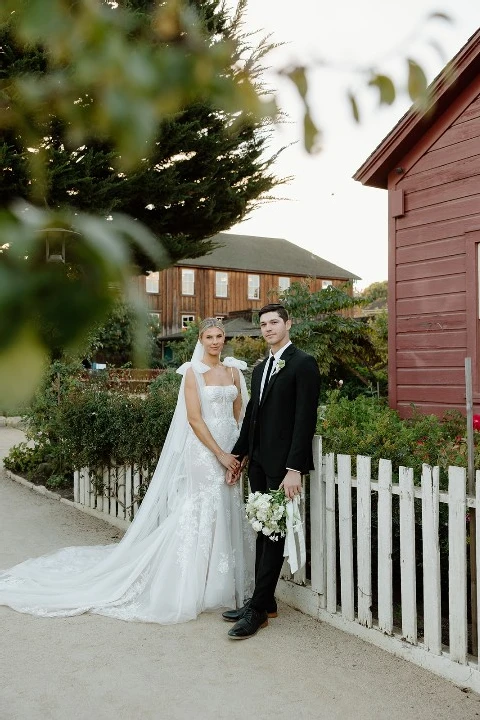
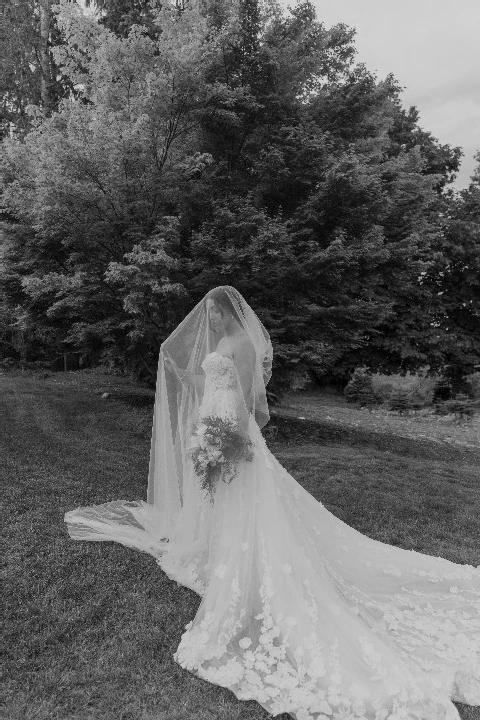
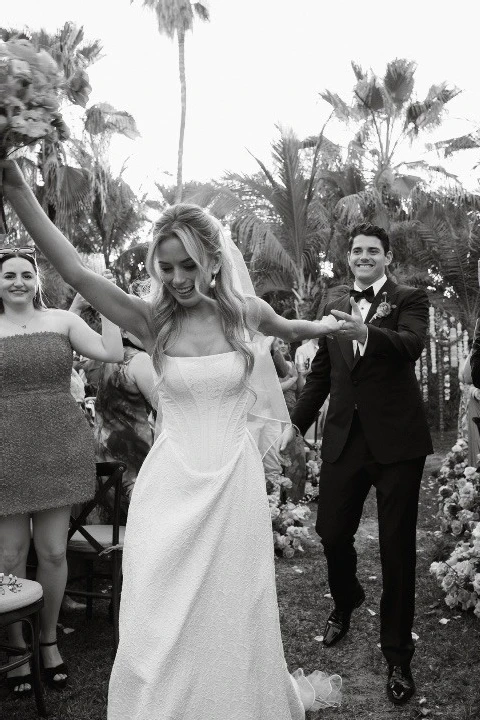
Most Arizona photographers work in a recognizable lane: documentary and candid coverage that captures the day as it unfolds, editorial or fine-art work with directed posing and a polished finish, or a blended approach that mixes both. Match the style to how you want to remember the day, since a documentary shooter and an editorial one produce very different albums from the same wedding.
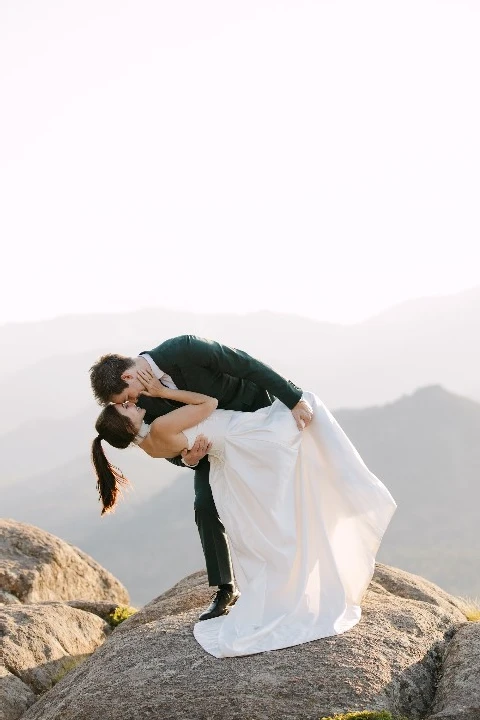
Setting matters here more than in many states. A desert or red-rock backdrop rewards photographers who shoot wide to use the landscape and know how to expose for bright sky against shadowed rock, while a downtown Phoenix loft or a resort ballroom calls for confident flash and tighter framing. Pair the visual look with your Arizona wedding videographers so the two teams complement rather than compete for the same angles.
Shooting in Desert Light and Red-Rock Settings
Arizona light is a defining factor. The same low-humidity air that produces clean desert sunsets also creates punishing midday contrast, so an experienced local photographer schedules portraits around the sun and uses open shade, reflectors, or off-camera flash to keep skin tones natural. Ask how a photographer approaches a noon ceremony in direct sun versus a sunset ceremony at a Sedona overlook.
Venue familiarity pays off in these conditions. A photographer who has shot your specific resort, garden, or red-rock site already knows the best portrait spots and how the light moves across the day, which saves time you would otherwise spend scouting. Confirm whether they have worked your venue or will visit beforehand.
When to Book Your Arizona Wedding Photographer
Book your photographer 9 to 12 months out, and sooner if your date lands on a peak cool-season Saturday between October and April when demand across Phoenix, Scottsdale, and Sedona is highest. The most sought-after shooters fill these dates first, so an early inquiry protects your shortlist rather than leaving you with whoever remains.
Arizona’s long shoot season is a planning advantage, since the reliable light lets photographers schedule golden-hour portraits for much of the year, though summer midday heat on the desert floor pushes outdoor sessions to early morning or evening. Confirm how your photographer plans around the season and the monsoon if you marry between July and September, and coordinate timing with your Arizona wedding planner.
Coordinating Photography Across Arizona Regions
Many Arizona photographers travel statewide, but a Sedona red-rock elopement and a Tucson resort reception draw on different experience and access. Ask whether a photographer regularly shoots your specific region, since familiarity with a site’s light and logistics translates directly into better coverage and fewer surprises on the day.
Confirm whether travel to Flagstaff, Sedona, or Southern Arizona is bundled or billed before you sign, and clarify any overnight or mileage charges for a remote high-country wedding. Settling travel terms up front keeps the final cost predictable as you compare Arizona wedding venues in different regions.
Before you sign, walk through the full day with your top choice so the coverage matches your timeline. Confirm when they arrive, whether getting-ready coverage is included, and how a first look or a sunset portrait session fits the Arizona light. A photographer who plans the day around the sun, rather than squeezing portraits into whatever time is left, comes back with stronger images and a calmer experience for you. Confirm the second-shooter arrangement, the number of edited images, and the delivery window as well. Settle all of these details in the contract so expectations are shared well before the wedding morning, and revisit the timeline once your other vendors are locked.
Frequently Asked Questions
How much do wedding photographers cost in Arizona?
Cost varies by experience, hours of coverage, deliverables, and whether a second shooter or album is included. Rather than comparing headline rates, confirm exactly what each package covers, including edited image count and delivery timeline.
How far in advance should I book a wedding photographer in Arizona?
Book 9 to 12 months ahead, and earlier for a peak cool-season Saturday between October and April. The most in-demand photographers in Phoenix, Scottsdale, and Sedona fill these dates first.
What photography style is most popular for Arizona weddings?
Documentary coverage and blended documentary-editorial styles are both common. The desert and red-rock landscape rewards photographers who shoot wide to use the setting, so review galleries from venues like yours before deciding.
Do Arizona wedding photographers travel to Sedona and the high country?
Many do, but travel to Sedona, Flagstaff, or Southern Arizona may be bundled or billed separately. Confirm both the travel terms and whether the photographer regularly shoots your specific region and venue.