Selecting a Wedding Florist in Georgia
The right Georgia florist designs to the season and the setting first. Georgia’s climate supports a long growing season and Southern garden favorites, but humidity is hard on soft blooms at an outdoor summer wedding, so an experienced florist conditions and cools everything and times installs close to the ceremony rather than hours before. Ask how they transport arrangements to a rural or mountain venue where the drive itself stresses delicate stems, whether they build arch florals on site, and how they keep bouquets fresh between portraits and the reception. Look at their outdoor Georgia work rather than styled studio shoots, since the real test is a design that survives a humid afternoon. Book six to nine months ahead, and earlier for a peak spring or fall Saturday, so the florist has time to source your palette and design to the venue instead of defaulting to what is on hand.
Southern Blooms and Seasonal Sourcing in Georgia
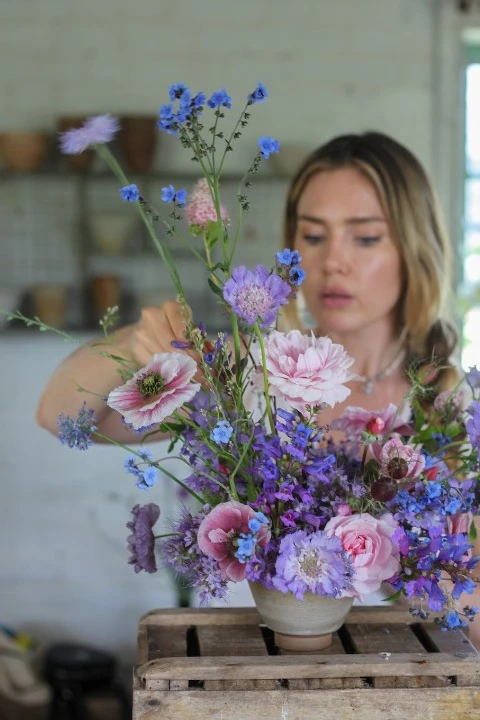
Georgia’s seasons shape the palette. Spring brings peonies, garden roses, dogwood, and ranunculus; summer favors hardier hydrangea, zinnia, and greenery that tolerate the heat; and fall opens dahlias, mums, and warm tones that suit a mountain wedding. Magnolia and Southern greenery run through the year and anchor a regional look that feels like Georgia. Local and regional sourcing shortens the time flowers spend out of water, which matters in the humidity, and a florist who buys smart builds a lush design without leaning on the most fragile stems. If you want a bloom that is out of season or heat-sensitive, a good florist says so and suggests a substitute that photographs the same or reserves it for a cooler date. The aim is flowers that still look fresh in the last dance photos, not just the first look.
Match the bouquet build to the day, since a wired bouquet holds up better than a loose hand-tied one through a humid Georgia afternoon and a long portrait session. Ask whether the florist offers preservation or a separate fresh toss bouquet, so your keepsake is not the one that wilted by the reception. If you plan to repurpose ceremony flowers at the reception, confirm who moves them and when, since that reuse stretches the budget but needs a pair of hands during cocktail hour. Boutonnieres pinned securely survive Southern hugs and heat, and a florist can echo the bouquet in them so the whole party reads as one palette.
Bouquets, Arch Installs, and Seasonal Planning in Georgia
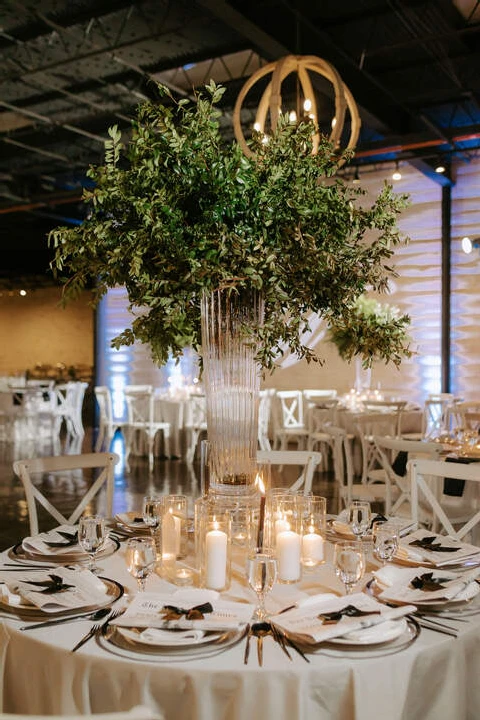
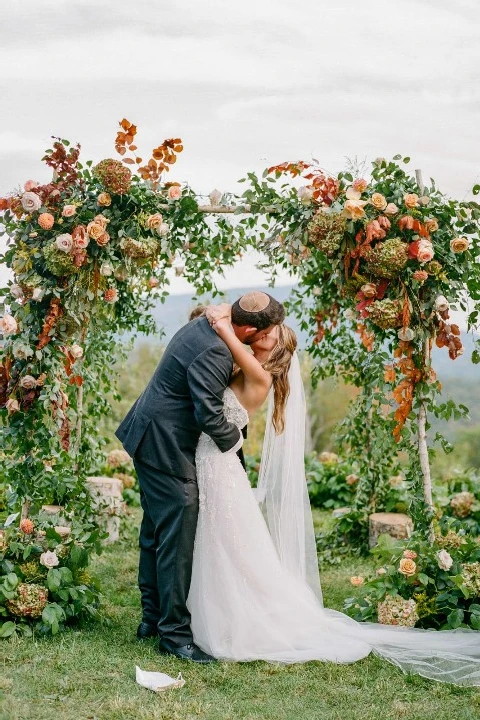
For an outdoor Georgia wedding, ask about shaded staging and timing so arch and centerpiece florals are set close to the ceremony rather than wilting in humidity or collecting spring pollen. Hardy focal blooms and greenery-forward designs hold up best across a long day. Confirm who repurposes ceremony florals for the reception if you plan to reuse them, since that stretches budget but needs a plan. Coordinate your florist with yourGeorgia wedding decor, wedding planners, and Georgia wedding venues.
Frequently Asked Questions
What flowers are in season for a Georgia wedding?
Spring brings peonies, garden roses, and dogwood; summer favors hardy hydrangea and greenery; and fall opens dahlias and warm tones. Magnolia and Southern greenery anchor a regional look year-round.
How far ahead should we book a Georgia wedding florist?
Book six to nine months out, and earlier for a peak spring or fall date. That leaves time to design around your palette, venue, and the season’s available blooms.
Will humidity affect our wedding flowers in Georgia?
Yes, soft blooms wilt faster in summer humidity. An experienced florist conditions and cools flowers and installs arch and centerpiece pieces close to the ceremony, and steers you toward hardy varieties for a hot outdoor date.