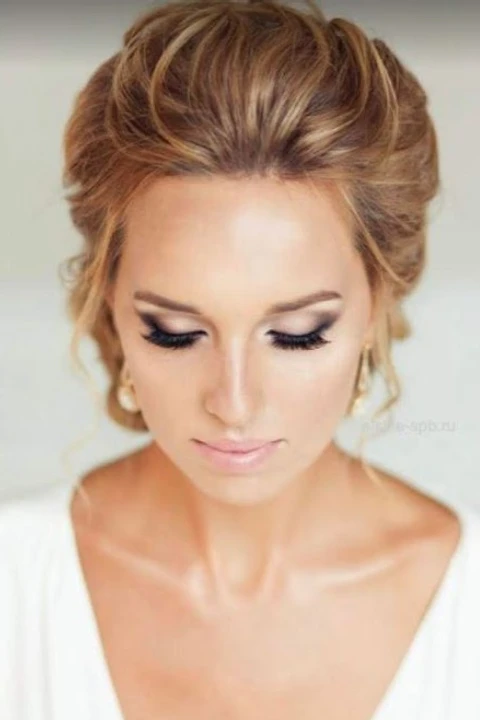
Vetting an Artist for Your Features and Setting
A portfolio is only useful if it shows someone with your coloring and hair texture, not a reel of the artist’s easiest faces, so ask to see full looks on brides like you and shot in daylight rather than a filtered studio. If you want to get ready at a Cape cottage, a Boston hotel suite, or a Berkshires inn, confirm the artist travels and what that adds. The trial is where the truth comes out, and it is worth doing before you commit a whole party. Because the state’s weddings swing from muggy August beaches to bone-dry February ballrooms, favor an artist who has clearly worked both and can explain how a look survives each. Nail down whether they arrive solo or with a team, since one artist facing a large party is the classic reason a morning slides late. Ask, specifically, how the hair and makeup are built to survive a humid ceremony and the hours of dancing after it.
Choosing Airbrush or Traditional for the Day
The airbrush-versus-traditional question really comes down to how hard the weather will push. Airbrush foundation is engineered to sit through heat, humidity, and sweat, which is exactly what a July Cape or coastal wedding throws at it, and it holds through an outdoor ceremony into a long reception. Traditional makeup trades some of that staying power for a fuller, more buildable finish and the ease of a quick spot-fix mid-day. The setting should decide it: a sticky beach afternoon and a heated, dry winter ballroom call for different products and setting steps, so talk it through with the artist rather than defaulting. Either way, a setting spray and a compact touch-up kit extend the wear, and blotting papers earn their place in summer. Test the actual conditions at the trial, then square the accessories with your Massachusetts wedding hair accessories and fit the schedule to your Massachusetts wedding planners.
Setting the Trial and Morning Schedule
Put the trial on the calendar three to four months out, and try to match the season so the artist reads the same light and humidity you will actually wear the look in. Plan on about two hours for it, which is enough to settle both hair and makeup for good. Come the wedding morning, roughly ninety minutes covers the bride and about an hour goes to each attendant, so count backward from the ceremony and stagger the start times so no one in a large party is rushed into the aisle. Ask whether the artist stays through the gap between ceremony and reception for a touch-up or leaves a kit for the humid middle of the day. Slot the whole beauty block into the broader getting-ready plan, because a late start here ripples straight into photos and the first look. Settle the venue and date through the Massachusetts wedding venues directory before you lock the beauty team.
Frequently Asked Questions
When should I do my bridal hair and makeup trial in Massachusetts?
Book the trial three to four months out, ideally in the same season so the artist matches your look to the humidity and light you will face on the day.
Is airbrush or traditional makeup better for a Massachusetts wedding?
Airbrush resists humidity and sea air, which suits summer coastal weddings, while traditional makeup allows easy touch-ups. Discuss your setting with the artist at the trial.
How long does wedding-day hair and makeup take?
Budget about ninety minutes for the bride and an hour per attendant. Work backward from the ceremony and add artists for a large party to stay on schedule.