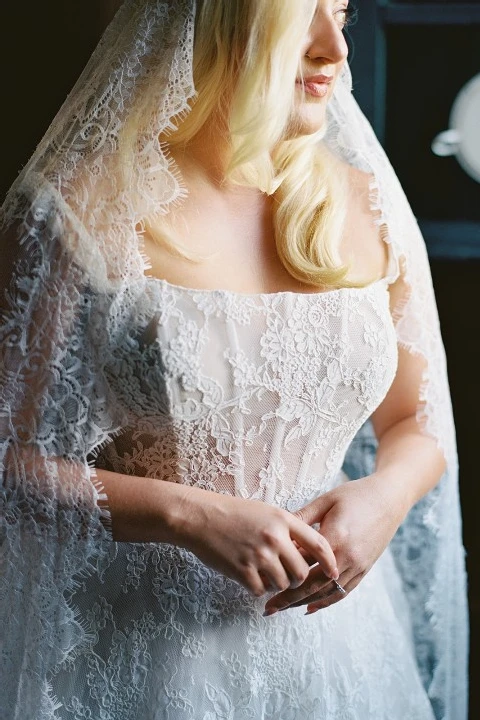
Levels of Wedding Planning Explained
Planning services fall on a ladder. Full-service planning starts at engagement and covers design, budget, and vendor selection; partial planning layers onto a wedding you have begun; and day-of, more accurately month-of, coordination starts around sixty days out to execute your plan. There is no standard definition of partial, so read each planner’s contract for exactly what is included and where responsibility shifts.
Montana weddings tilt many couples toward full-service. Planning a mountain wedding from another state, with a remote venue and vendors scattered across the region, is far more manageable with a local planner guiding it from the start rather than coordinating a dozen unfamiliar vendors by email from a thousand miles away.
The Value of Local Knowledge in Montana
A planner who works Montana regularly knows which ranches need full rentals, how catering reaches a venue with no kitchen, and how far vendors will travel across the state’s long distances. That network saves money and prevents mismatches, since planners hold the vendor relationships and budget guardrails a traveling couple cannot build alone from out of state.
They also know the local realities, from fire-season contingencies to weather backups and road access after early snow. A venue coordinator is not the same as a wedding planner: the venue’s staffer manages the property, while your planner coordinates the whole day across the caterer, florist, and timeline so nothing falls through the gap between vendors.
When to Bring On a Montana Planner
Hire a full-service planner as early as possible, ideally right after setting your date, so they guide venue and vendor choices from the start, which is especially valuable for a destination wedding you cannot easily scout in person. Partial planners join once the framework exists, and a day-of coordinator should be booked at least two to three months out to review the plan and build the timeline.
Montana’s short summer season fills first, so the best planners are reserved a year or more ahead. Start early even if unsure which level you need; a good planner helps you decide, flags what you have missed, and connects you to the right Montana wedding venue to anchor the rest of your search.
A Montana planner earns their fee in logistics a distant couple cannot manage alone, from coordinating vendors who drive hours to the site to holding a budget and tracking payments across a long timeline. Ask how large their day-of team is, since one person cannot cover a ceremony and a reception spread across a ranch. Confirm how they handle a fire-season or weather contingency, because those calls must be made early and calmly. A planner’s vendor network also shortens your search and steers you toward professionals who reliably reach remote venues, which matters far more here than in a city where every vendor is a short drive away.
Frequently Asked Questions
What is the difference between a wedding planner and a day-of coordinator?
A full-service planner works from engagement through the wedding on design, budget, and vendors, while a day-of, or month-of, coordinator joins around sixty days out to execute your plan. Partial planning falls between.
Do we need a planner for a Montana destination wedding?
For a mountain or destination wedding with a remote venue and traveling vendors, a local full-service planner is especially valuable. They hold the vendor network and handle logistics you cannot manage from out of state.
How far in advance should we hire a planner?
Hire a full-service planner as soon as you set a date, and book a day-of coordinator at least two to three months out. The short summer season means top planners reserve a year or more ahead.