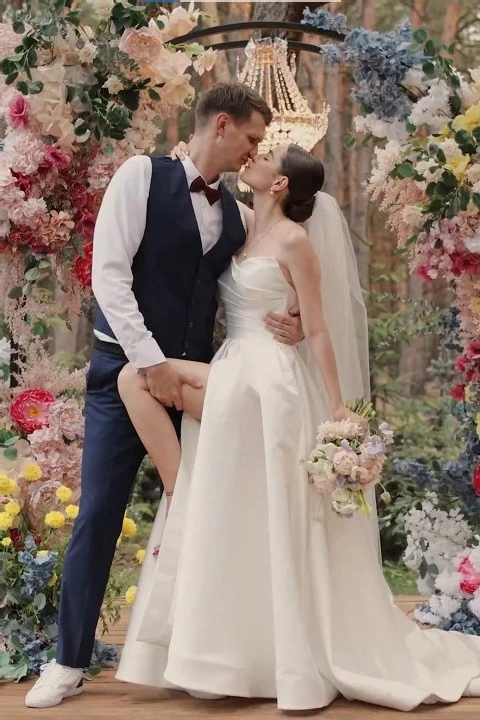
Choosing a DC Wedding Videographer and Film Style
Choose a DC videographer by watching full films start to finish, not 60-second highlight reels, because pacing, audio quality, and how they capture a ceremony only show across a complete edit. The District’s settings, marble monuments, embassy interiors, and waterfront skylines, reward a videographer with a strong sense of light and composition, so look for how they handle the same harsh midday and dim-reception conditions a DC day delivers.
Decide on a style that matches what you want to relive. A cinematic film is a short, music-driven piece of roughly four to eight minutes that plays like a trailer, a documentary edit runs longer and preserves the ceremony and speeches with live audio in sequence, and a hybrid pairs a polished highlight reel with full ceremony and toast audio. Chemistry matters too, since the videographer shadows your most personal moments all day.
What a DC Wedding Film Package Includes
Clarify the deliverables before you book. A package typically defines coverage hours, the number of shooters, drone or second-angle coverage where venue and airspace rules allow, and what films you receive, a highlight reel, a full ceremony edit, speeches, and sometimes raw footage. Note that drone use is restricted across much of the District’s airspace near federal sites, so confirm what is actually permitted at your venue rather than assuming an aerial shot.
Audio is the detail couples underrate. Crisp vows and toasts depend on lavalier mics and a backup recorder, so ask how the videographer captures sound in a windy monument-area ceremony or a loud reception. Most DC teams deliver finished films in four to eight weeks, with top studios booking nine to twelve months out for peak dates, so reserve early. Ask to see a sample delivered in the same season as your wedding, since the flat winter light of a December ceremony films very differently from the golden glow of an October evening along the water, and a videographer who shoots well in your conditions is the one to book.
Pairing Your Videographer and Photographer in DC
Photo and video teams share the same moments, so coordinating them prevents a videographer’s light or a photographer’s tripod from landing in the other’s frame during a tight monument portrait window. Ask whether your videographer regularly works with your photographer or whether one studio offers both, since a practiced pairing moves faster and divides angles cleanly through a compressed District timeline.
Bring both teams into the timeline early. Coordinate with your DC wedding photographers on the portrait route and confirm the day’s flow with your DC wedding planners; if your venue is still open, the Washington DC wedding venues directory will help both teams scout the spaces they will film.
Frequently Asked Questions
How is a videographer different from a photographer?
A photographer delivers still images, while a videographer captures motion and sound, the vows, toasts, and movement of the day, in an edited film. Many DC couples book both and coordinate the teams so they do not appear in each other’s shots.
How far in advance should we book a DC videographer?
Nine to twelve months out for peak spring and fall dates, when top DC studios fill first. Reserve once your date and venue are set, and confirm whether you want a cinematic, documentary, or hybrid film when you book.
Can we have a drone at our DC wedding?
Often not. Much of the District’s airspace near federal sites is restricted for drones, so aerial coverage may not be permitted at your venue. Confirm what is actually allowed with your videographer and venue rather than assuming an aerial shot is possible.