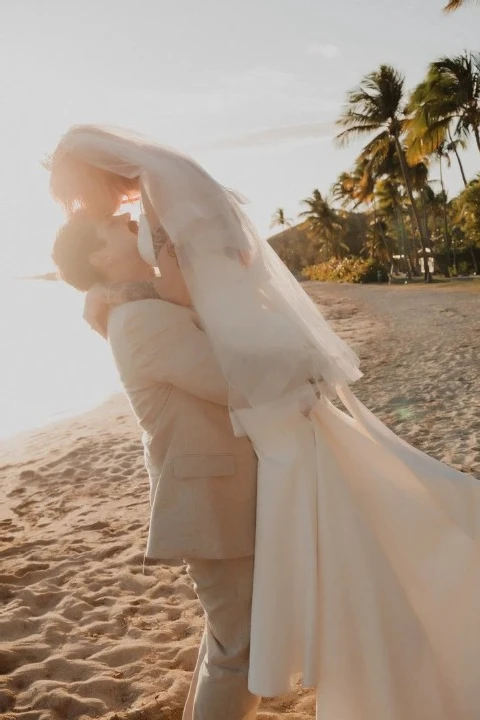
How to Choose a Colorado Wedding Photographer
Begin with full galleries, not highlight reels. A polished set of ten favorites tells you little about how a photographer handles a real Colorado day from start to finish, so ask to see one complete wedding shot at a venue like yours: the getting-ready room, a harsh midday ceremony, a dim reception, and the deep blue of mountain dusk. Consistency across all of those conditions is what separates a booked-out professional from a hobbyist with a strong feed.
Match the photographer to your terrain. Someone who shoots Front Range estates fluently may rarely work above 9,000 feet, where snowfields throw light upward and exposures shift fast. If your day involves a chairlift ride to a Telluride or Aspen ridgeline, hire someone who has carried gear to altitude and knows how to meter against snow and sky. An engagement session doubles as a trial run for how you move in front of their camera.
Colorado Wedding Photography Styles to Know
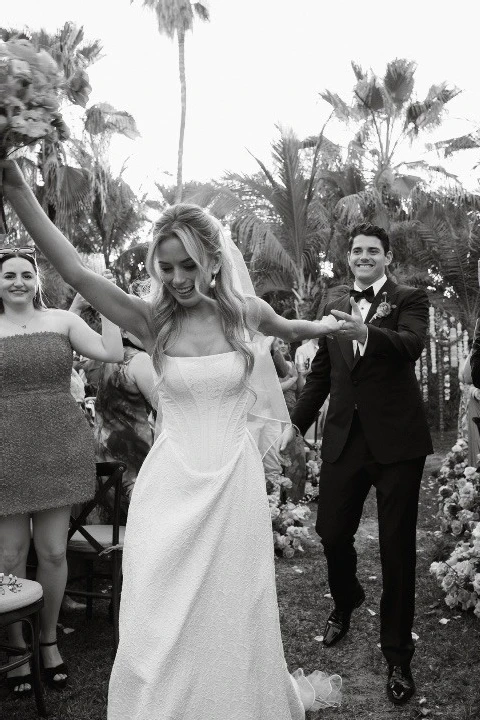
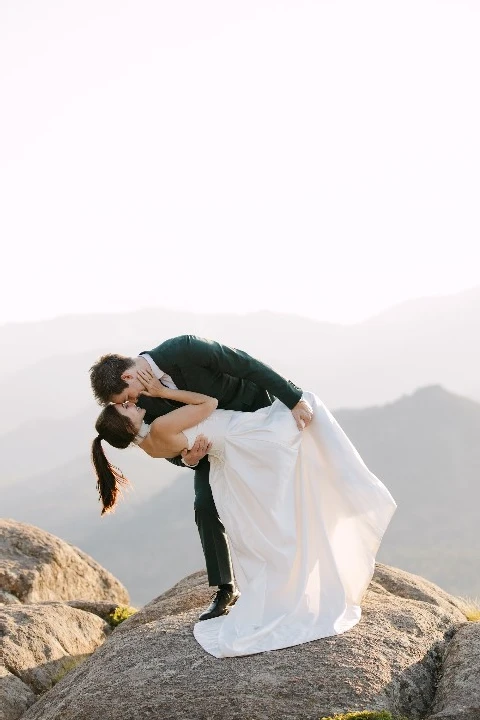
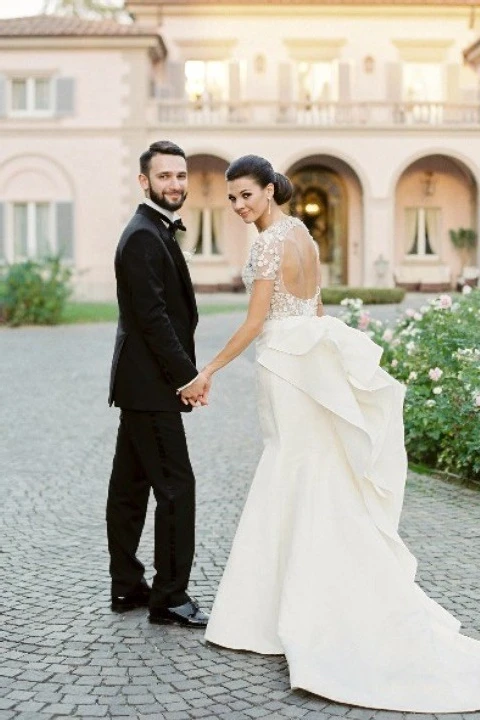
Three approaches dominate Colorado galleries. Documentary or candid coverage follows the day as it unfolds and reads as honest and unposed, which suits adventurous couples hiking to a vista. Editorial or fine-art work is more directed and styled, with deliberate posing and a refined color palette that flatters estate and ballroom weddings. Many Colorado photographers blend the two, shooting candidly through the ceremony and reception, then pulling the couple aside for a short directed session at golden hour.
Color treatment is part of style. Light-and-airy editing flatters a snowy Vail morning or a pale Boulder garden, while a richer, truer-to-life palette holds up to red-rock backdrops and the gold of late-September aspens. Ask how a photographer would treat your specific landscape, because an edit calibrated to green Eastern foliage can look off against Colorado’s high desert and granite.
Shooting at Altitude: Colorado Light, Weather, and Logistics
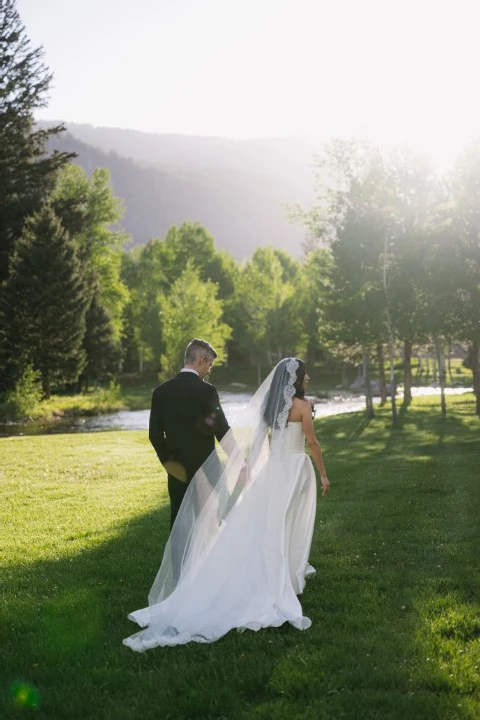
Colorado’s defining challenge is its light. At elevation the atmosphere is thinner and UV is intense, so midday sun is far harsher than at sea level and contrast blows out quickly. Experienced Colorado shooters plan portraits for the softer windows after sunrise and before sunset, use the mountains themselves for shade, and build a timeline around the afternoon thunderstorms that roll across the high country most summer days from July into August. A photographer who has worked your region will already know the light traps.
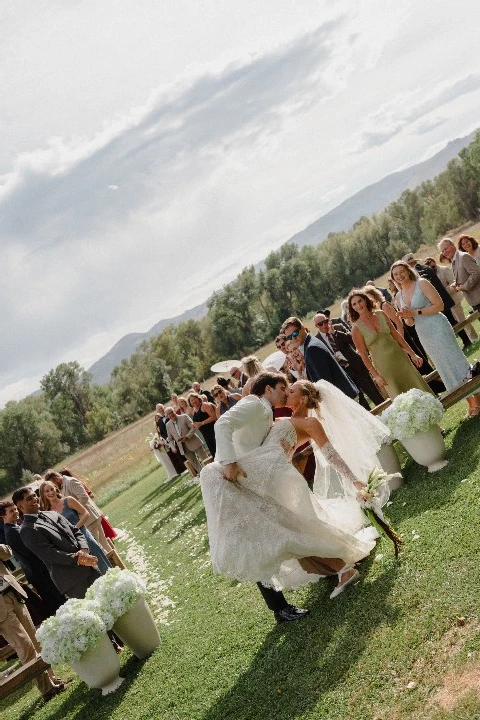
Logistics compound the light. Remote ceremony sites may sit a shuttle or chairlift away from the reception, golden hour disappears fast behind a western ridge, and weather can swing thirty degrees between the ceremony and the last dance. Confirm coverage hours, a second shooter for larger guest counts, and how the team moves between locations. A second shooter is close to essential when the ceremony and reception sit miles apart in the mountains.
Colorado Wedding Photographers by Region
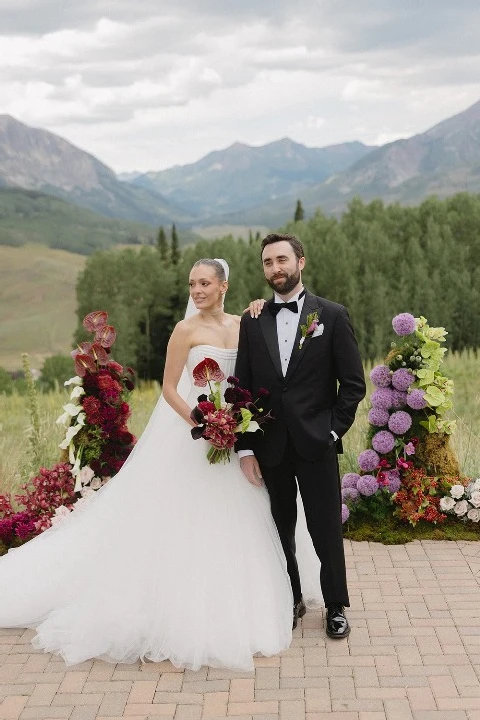
The state breaks into distinct shooting environments. Denver and the Front Range, including Boulder, Fort Collins, and Colorado Springs, offer urban warehouses, historic estates, and foothill gardens with easy vendor access and the deepest bench of photographers. The central mountains around Vail and Aspen bring ski-resort grandeur and the late-September aspen gold that draws couples from across the country. The Western Slope’s Grand Valley around Palisade adds vineyard and orchard light, while the San Juans near Telluride and Durango deliver the most dramatic, hardest-to-reach alpine backdrops.
Region affects more than scenery. A high-country wedding may require a photographer comfortable with thin air, long shuttle days, and rapidly changing conditions, while a Denver ballroom rewards someone fluent in mixed indoor lighting. Hire for the environment you have actually chosen, not the one on a generic portfolio.
When to Book Your Colorado Wedding Photographer
Book your photographer twelve to eighteen months ahead for a peak-season date, and treat that as a floor rather than a cushion in the resort towns, where a single photographer may shoot only a limited number of weddings a summer. Colorado’s prime stretch runs June through September, with late September’s foliage and the winter ski-wedding season creating their own booking crunches. Once you have your Colorado wedding venue and date, the photographer should be among your first vendors.
Coordinate photo and video early so the two teams share a timeline rather than competing for the same golden-hour minutes. Reviewing Colorado wedding videographers and your Colorado wedding planner alongside photographers keeps the visual coverage unified from the first walkthrough.
Building a Colorado Wedding Photo Timeline Around the Light
The timeline is where a Colorado wedding either earns its best photographs or misses them. Because high-altitude light is harshest at midday and softest in the hour after sunrise and before sunset, experienced photographers anchor the portrait windows to those golden stretches rather than to convenience. A first look earlier in the day frees the couple to attend cocktail hour, but it also means scheduling around the afternoon thunderstorms that build over the mountains in summer. The strongest approach leaves a flexible window near sunset that can shift with the weather, so a passing storm becomes a dramatic backdrop rather than a lost opportunity. Build in real travel time between a remote ceremony site and the reception, since golden hour vanishes fast behind a western ridge and a late shuttle can erase it entirely.
Plan the family and group portraits for efficiency so the couple can spend the best light on each other. A shot list shared in advance, a designated family wrangler, and a realistic estimate of how long large groups take all keep the schedule from eating into the scenic portraits that drew you to Colorado in the first place. For mountain weddings, add a buffer for guests adjusting to altitude and for the simple logistics of moving a wedding party across uneven terrain. A timeline that looks tidy on paper can run long the moment a shuttle is late or a storm rolls through, which is exactly why the flexibility, rather than a minute-by-minute script, is what protects the photographs you most want.
Frequently Asked Questions
How far in advance should we book a wedding photographer in Colorado?
Book twelve to eighteen months ahead for a peak June through September date, and earlier in resort towns like Aspen and Vail where photographers cap how many weddings they take each summer. Late-September foliage and ski-season dates fill especially fast.
How does altitude affect Colorado wedding photos?
Thin air at elevation means intense UV and harsh midday light, so experienced Colorado photographers schedule portraits for the softer hours near sunrise and sunset and plan around afternoon mountain thunderstorms. Snow and granite also reflect light, which changes how exposures are metered.
What photography style is most popular for Colorado weddings?
A blend is most common: documentary coverage through the ceremony and reception, then a short directed session at golden hour against the landscape. Adventurous couples lean candid, while estate and ballroom weddings often favor a more editorial, fine-art look.
Do Colorado wedding photographers travel to mountain venues?
Most do, and many specialize in it. For remote high-country sites reached by shuttle or chairlift, confirm travel terms, whether travel is bundled or billed, and that the photographer is comfortable carrying gear and shooting at altitude.
What does Colorado wedding photography cost?
It varies by coverage hours, deliverables, whether a second shooter is included, and travel to remote venues. Compare full packages rather than a single rate, and confirm what each one covers before booking.