How to Choose a Connecticut Wedding Photographer
Start with full galleries, not highlight reels. A curated set of favorites reveals little about how a photographer handles a complete day, so ask to see one full wedding shot at a venue like yours, from the getting-ready room through a dim reception. Consistency across bright outdoor light, a shaded chapel, and a candlelit estate is what separates a seasoned professional from a strong social feed.
Match the photographer to your setting. Someone who shoots Fairfield County ballrooms fluently may work differently along the shoreline, where bright light reflects off the water, or in the Litchfield Hills, where fall foliage drives the palette. An engagement session doubles as a trial run for how you move in front of their camera. Coordinate the booking with your Connecticut wedding venue so the photographer can scout the light in advance.
Connecticut Wedding Photography Styles to Know
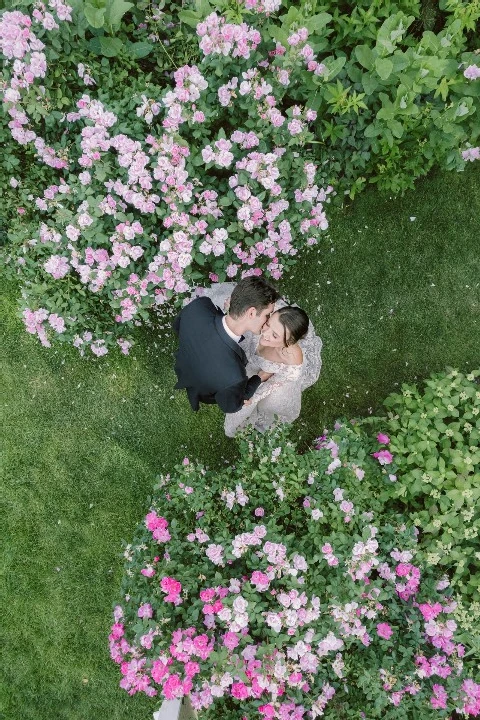
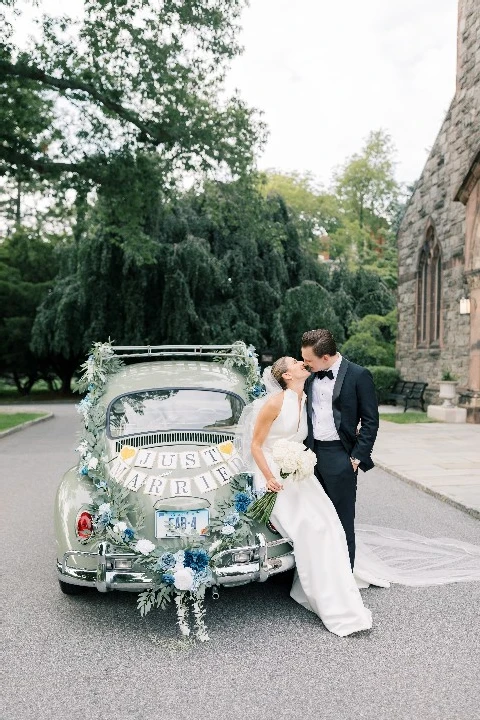
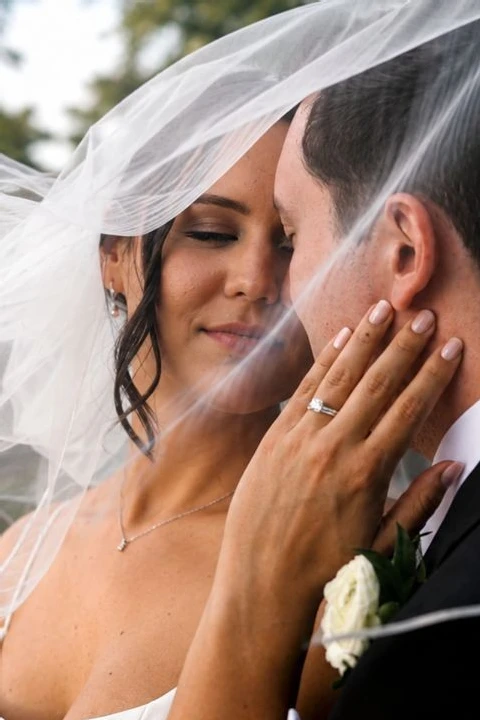
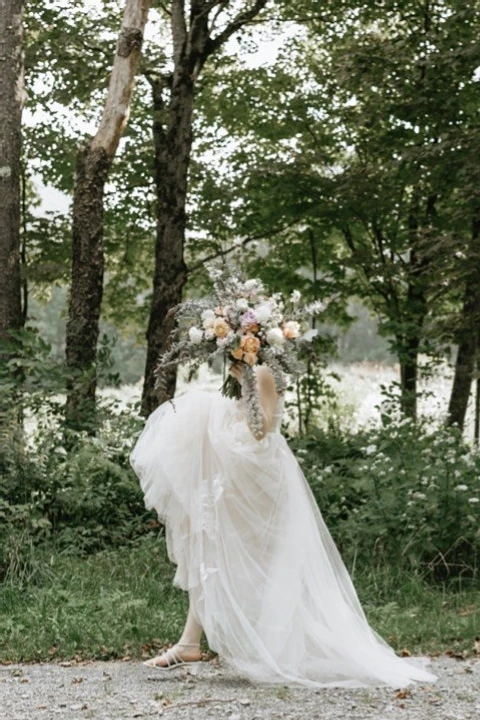
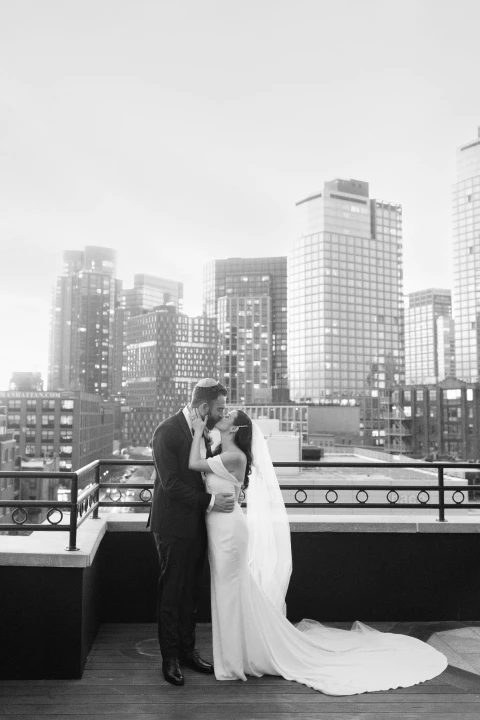
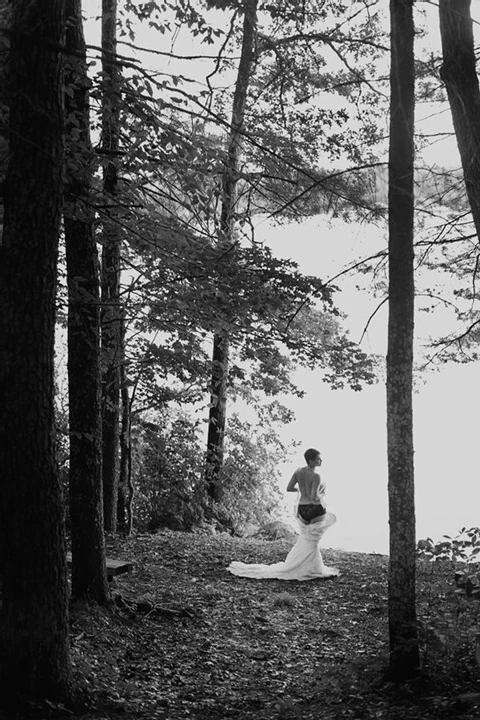
Three approaches dominate Connecticut galleries. Documentary or candid coverage follows the day as it happens and reads as honest and unposed. Editorial or fine-art work is more directed and styled, with deliberate posing and a refined palette that flatters estate and ballroom weddings. Many photographers blend the two, shooting candidly through the ceremony and reception, then pulling the couple aside for a short directed session at golden hour.
Editing style matters as much as shooting style. A light, airy treatment suits a bright shoreline morning, while a richer palette holds up to autumn foliage and a moody estate interior. Ask how a photographer would treat your specific season and setting, since an edit calibrated to summer green reads differently against October color.
Shooting Across Connecticut’s Seasons and Settings
Connecticut’s four seasons each bring distinct light. Summer offers long days but humid, hazy afternoons along the Sound; autumn delivers the vivid foliage that makes a Litchfield Hills wedding so photogenic and draws couples specifically for it; winter brings short days and early dark that reward a photographer comfortable with low light and candlelit interiors. The season shapes the timeline as much as the look.
Plan the timeline around the light you will have. A short winter day means scheduling portraits earlier, while a summer wedding can hold golden hour late into the evening. Confirm coverage hours and whether a second shooter is included for a larger guest count, and coordinate with your Connecticut wedding videographers so the photo and video teams share one plan.
When to Book Your Connecticut Photographer
Book your photographer nine to eighteen months ahead for a peak-season date, and treat the fall foliage window as its own crunch, since autumn is the single most requested time for a Connecticut wedding. Once your venue and date are set, the photographer should be among your first vendors, because the best ones take a limited number of weddings each season. Coordinating photo and video early through your Connecticut wedding planner keeps the visual coverage unified from the first walkthrough.
What to Expect from Your Connecticut Photographer’s Coverage
Beyond style, understand what a photographer actually delivers and when, since coverage and deliverables vary widely between professionals. Confirm the number of coverage hours, whether a second shooter is included, and how many edited images you receive, then ask about the delivery timeline, which commonly runs several weeks to a few months after the wedding. Clarify usage rights and whether albums, prints, or an engagement session are part of the package or added separately. A clear contract spelling out hours, deliverables, and timelines prevents the most common misunderstandings between couples and photographers.
Think about how the coverage maps to your Connecticut wedding day. A wedding split between a getting-ready suite, a ceremony, and a reception in different spaces benefits from a second shooter who can be in two places at once, and a short winter day or a tight golden-hour window may call for adjusting the timeline so the portraits get the best light. Discuss a shot list and any must-have family groupings in advance, and designate someone to help gather relatives, so the scenic portraits that drew you to your venue are not rushed at the end of the night.
Frequently Asked Questions
How far in advance should we book a wedding photographer in Connecticut?
Book nine to eighteen months ahead for a peak-season date. Autumn is the most requested time because of the foliage, so fall dates fill especially fast. Secure your photographer soon after the venue and date are set.
What photography style is most popular for Connecticut weddings?
A blend is most common: documentary coverage through the ceremony and reception, then a short directed session at golden hour. Adventurous couples lean candid, while estate and ballroom weddings often favor a more editorial, fine-art look.
How does Connecticut’s fall foliage affect wedding photos?
Autumn foliage in the Litchfield Hills and across the state creates a vivid natural backdrop that draws couples specifically for it. It also drives the editing palette toward warmer tones, so ask how a photographer treats fall color.
What does Connecticut wedding photography cost?
It varies by coverage hours, deliverables, whether a second shooter is included, and travel. Compare full packages rather than a single rate, and confirm exactly what each one covers before booking.