How to Choose a Wedding Photographer
Choosing a wedding photographer comes down to three checks. Review at least two complete galleries start to finish, confirm the photographer has worked in lighting conditions like yours, and meet them before you sign. Style is the only one of the three you can judge from a portfolio. Reliability and rapport show up in the other two.
Full galleries matter more than any other signal, because a portfolio is a photographer’s best forty frames from several years of work. A complete gallery shows the rest: the dim reception after the lights drop, the harsh midday ceremony with no shade, the mixed tungsten and daylight of a getting-ready room with one window. Consistency across those conditions is the actual skill you are buying. Ask for two galleries shot at venues structurally similar to yours, one outdoor and one indoor if your day involves both.
Credentials help you narrow a long list. The Professional Photographers of America awards a Certified Professional Photographer designation that requires a technical exam and an image review, and membership in PPA or WPPI signals someone operating as a business rather than a hobbyist. Neither guarantees a style you love. Both indicate insurance, contracts, and a backup plan exist. Shortlist three to five photographers, then let the conversations decide. If you have not hired the rest of your team yet, wedding planners often hold the shortlist you would spend weeks assembling on your own.
Wedding Photography Styles, From Documentary to Fine Art
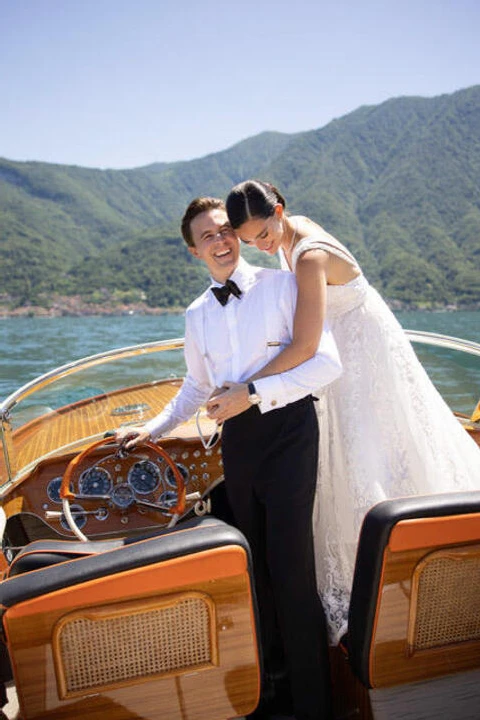
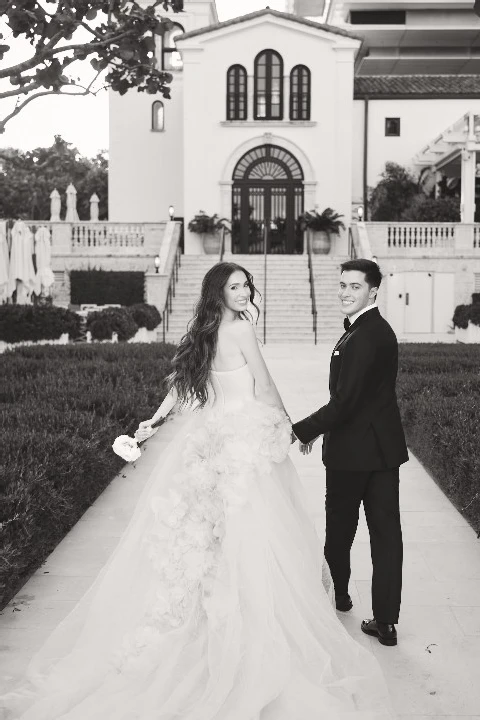
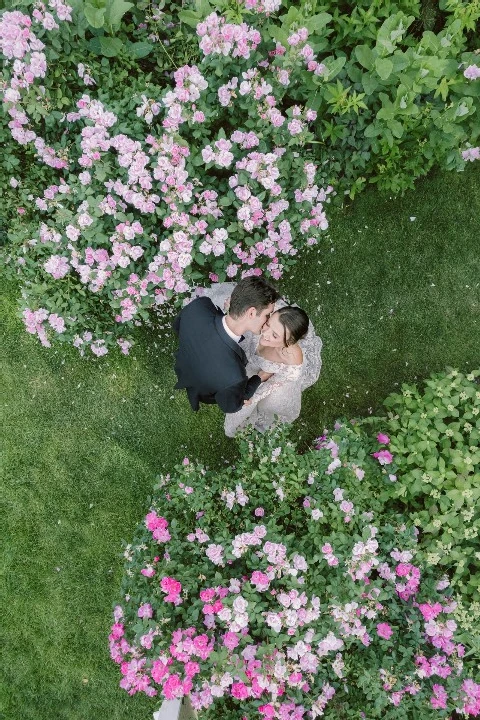
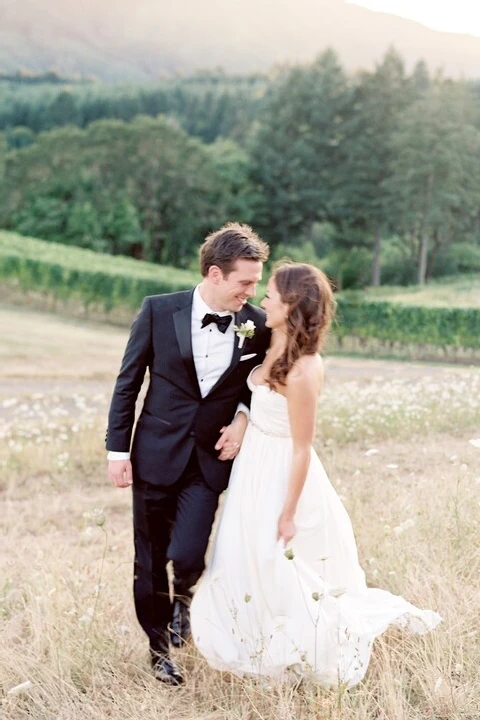
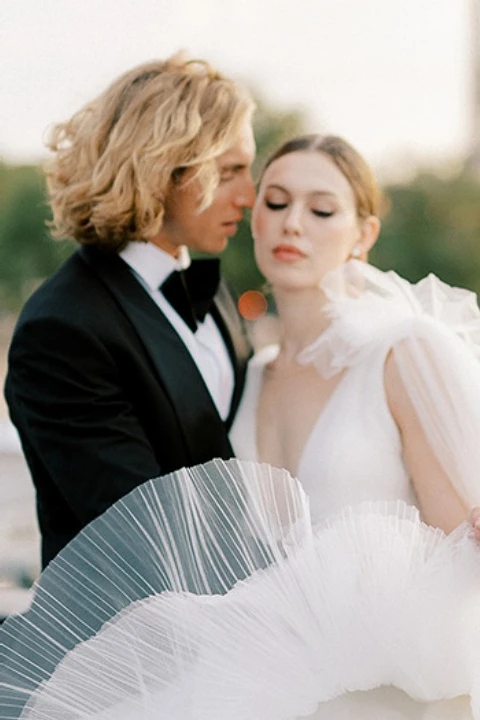
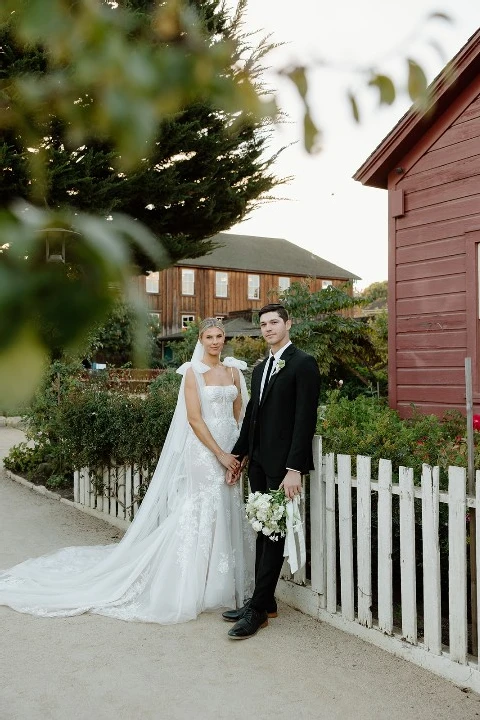
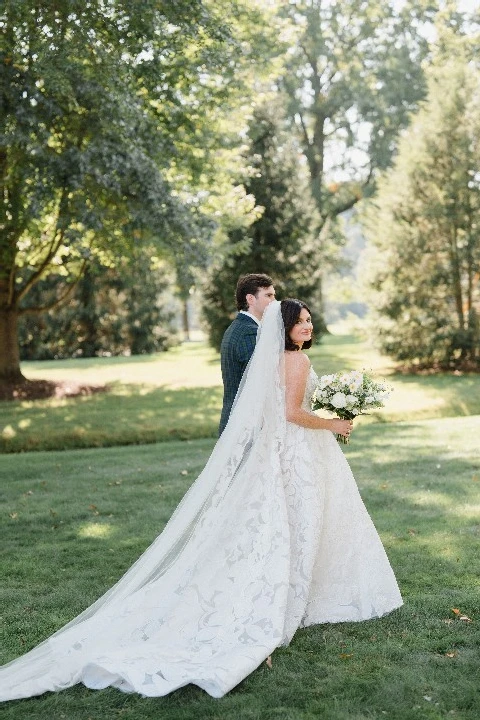
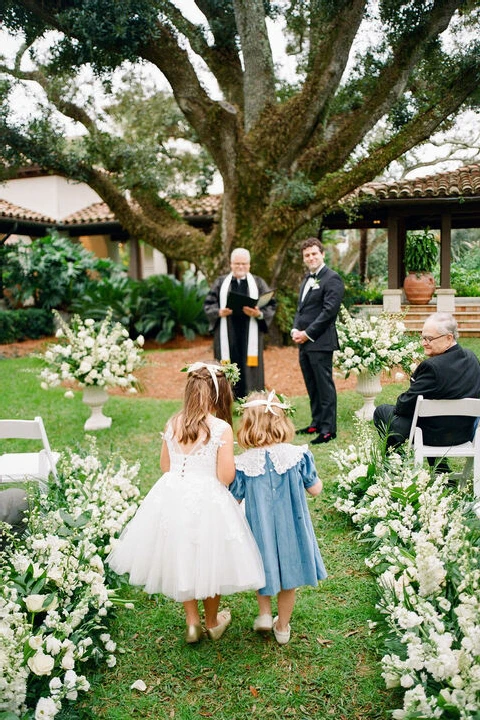
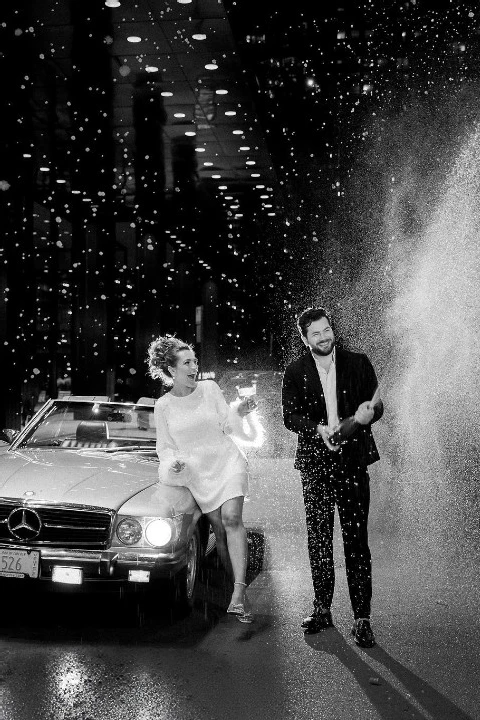
Three styles cover most of the market. Documentary and photojournalistic photographers shoot the day as it happens with minimal direction, producing candid, story-driven galleries. Editorial and fine art photographers direct the frame: deliberate posing, controlled light, magazine composition. Blended photographers, which is most working professionals now, shoot documentary through the ceremony and reception and direct only the portraits.
Film versus digital is a separate decision from style. Film photographers shoot medium format, which yields softer highlight rolloff and a grain structure digital emulation approximates but does not match, and it comes with a lab turnaround that adds weeks to delivery. Many photographers shoot hybrid, running a digital body for coverage and a film body for portraits.
Light and airy versus moody is a third axis, and it describes editing rather than shooting. The same ceremony delivered by two photographers can read pastel and bright or shadowed and saturated. This is where full galleries earn their keep again: an editing register that looks striking across ten selected images can feel monotonous across eight hundred. Look at how a gallery reads as a whole, not frame by frame.
What a Wedding Photography Package Includes
Standard coverage is eight hours with one photographer, a set of edited high-resolution images, and an online gallery. Six to eight hours covers a single-venue wedding with a tight timeline. Ten or more is what you need if getting-ready photos, a first look, a ceremony at a second location, and a late send-off all have to fit inside the same day.
Delivery timelines are worth confirming in writing, because they are the most common source of post-wedding frustration. Most photographers send a sneak peek of ten to thirty images within one to two weeks and the full edited gallery within six to twelve weeks, with peak-season deliveries at the longer end. Albums add four to eight weeks beyond that.
Rights are the line item couples skip and later regret. In the United States, copyright stays with the photographer by default; what you receive is a usage license. Confirm what that license permits, since a personal-use license and a print release are not the same thing, and social media, submission to publications, and vendor tagging are usually addressed separately. Second shooters, engagement sessions, rehearsal-dinner coverage, and expedited edits are add-ons rather than defaults, so compare two proposals line by line before comparing their totals.
Getting Ready, Bridal Party, and Detail Photos to Plan For
Coverage decisions get concrete once you map them to the timeline. Getting-ready coverage runs sixty to ninety minutes, bridal party portraits take thirty to forty-five minutes for a party of eight to ten, and couple portraits want twenty to thirty minutes scheduled to end at sunset. Miss those windows and no amount of skill recovers them.
Detail photography is the piece most couples underplan. Gather everything you want photographed into one box before the photographer arrives: both rings, the full invitation suite, heirloom jewelry, perfume, vows, ribbon, and any loose florals. Handing that over at the start rather than mid-morning is the difference between a styled wedding flat lay and a rushed set of rings on a windowsill. Photographers who shoot flat lays well usually bring their own styling kit, and it is a fair question to ask.
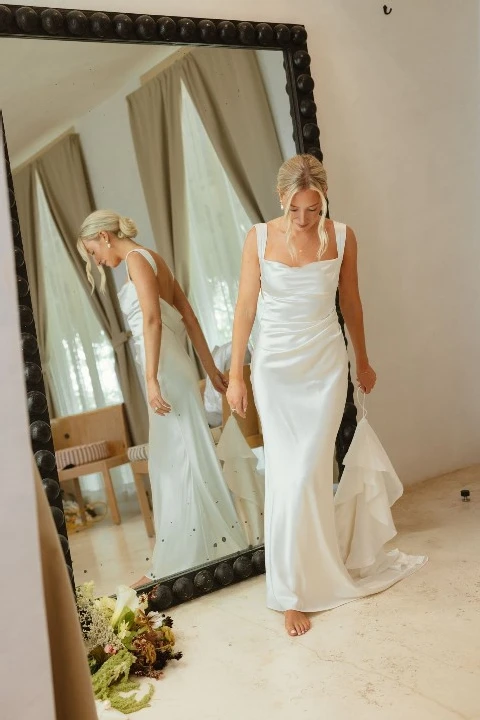
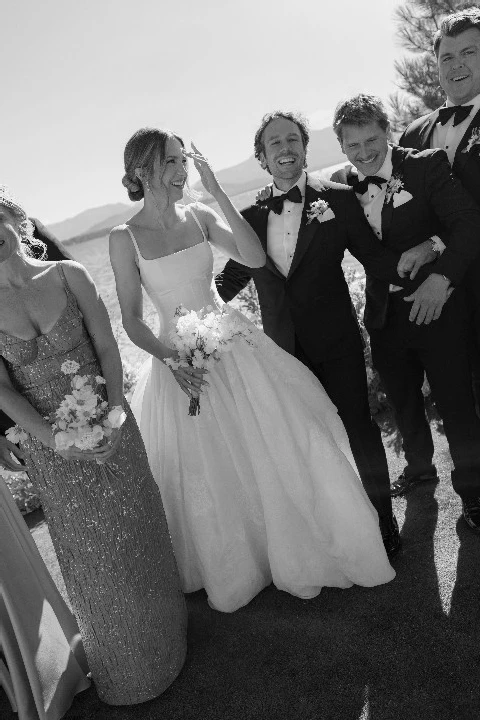
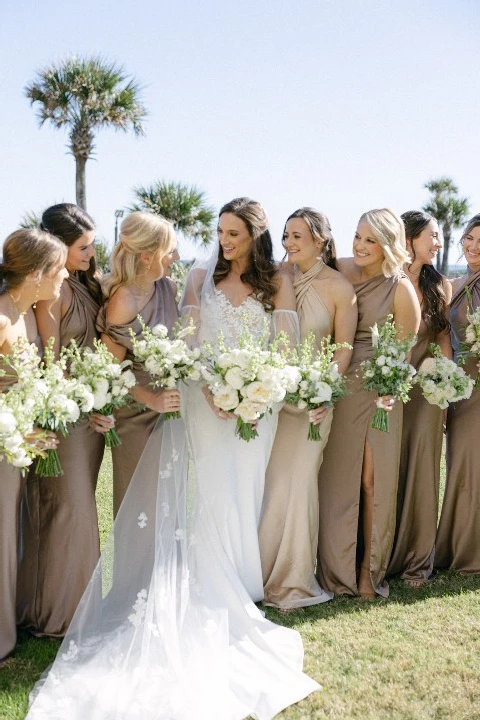
The rest of the morning is where the emotional frames live. Browse bridal party getting ready photos to see how much a single well-lit room shapes that hour, and bridal party photos for how groups of eight, twelve, and twenty get arranged without turning into a class portrait. For a broader visual pass before your first consultation, wedding photography ideascollects the shots worth naming in a shot list.
Questions to Ask a Wedding Photographer Before You Book
Seven questions separate a professional operation from a talented amateur. Do they shoot with two camera bodies and dual card slots, so a card failure is not a lost ceremony? Do they carry liability insurance, and can they produce a certificate of insurance, which many venues require from every vendor before load-in? How many weddings do they shoot in a weekend? What happens if they are ill or injured, and is a named substitute written into the contract? How long until delivery, in writing? What are the travel terms? And who, specifically, is shooting your wedding, the photographer you are talking to or an associate on their team?
Rapport is the eighth question and it does not come with a checklist. You will spend more of the day with this person than with almost anyone else, including your partner. A consultation that feels stilted predicts a getting-ready room that feels stilted. An engagement session, when included, works as a paid rehearsal for exactly this: you learn how they direct, they learn how you move, and you see their turnaround speed before it matters.
When to Book a Wedding Photographer
Book twelve to eighteen months before the wedding, and closer to eighteen if your date is a Saturday between September and October or May and June, when established photographers in every major market commit their calendars first. Photography is typically the second or third booking after the venue, ahead of most other vendors, because a specific photographer cannot be duplicated the way a rental order can.
Sequence matters more than speed. Lock the venue first, since the room dictates lighting, timeline, and whether a second shooter is warranted; browse wedding venues if that decision is still open. If you want film alongside video, book wedding videographers in the same stretch, ideally a team the photographer has worked with, because two crews meeting for the first time at the altar negotiate angles in real time. Destination weddings need a wider runway: travel, lodging, and a scouting day are contracted separately, and a photographer flying in benefits from arriving a day early to walk the site with you and your wedding florists.
Frequently Asked Questions
How far in advance should you book a wedding photographer?
Book twelve to eighteen months out. Established photographers fill peak Saturdays in September, October, May, and June first, and most limit how many weddings they take in a season. Photography is usually the second or third vendor booked after the venue, since a specific photographer's work cannot be substituted.
How much does a wedding photographer cost?
Photography pricing varies with experience, hours of coverage, market, and what the package includes, such as a second shooter, an engagement session, albums, or prints. The same eight-hour coverage can be quoted very differently depending on deliverables. Ask each photographer to itemize coverage hours, image count, delivery timeline, and add-ons separately so you are comparing the same thing.
Do you need a second wedding photographer?
A second shooter adds simultaneous coverage, which matters when two parties are getting ready in different locations, when the ceremony and reception sit at separate venues, or when the guest count runs past roughly 100 and reaction shots would otherwise go uncaptured. A single-venue wedding with a relaxed timeline is well covered by one experienced photographer.
What is the difference between documentary and fine art wedding photography?
Documentary photographers shoot the day as it unfolds with minimal direction, producing candid, emotion-led galleries. Fine art and editorial photographers direct posing, light, and composition for a polished, magazine-style result. Most working photographers blend the two, shooting documentary during the ceremony and reception and directing only the portraits.
When will you get your wedding photos back?
Expect a sneak peek of roughly ten to thirty images within one to two weeks, and the full edited gallery within six to twelve weeks. Peak-season weddings land at the longer end, and film adds lab time. Albums typically take another four to eight weeks after you approve the layout. Get the delivery window written into the contract.