How to Choose a Destination Wedding Location
Destination weddings change the math on every variable above. The guest list contracts, the planning window extends, and site visits become expensive enough that most couples make one or none.
Start with the legal question, because it is the one that has no workaround. Marriage requirements vary by country and by state, and residency periods, document translation, and civil ceremony rules determine whether your destination ceremony is legally binding or symbolic. Many couples handle the legal marriage at home and treat the destination ceremony as the real one. Decide that early, since it changes the paperwork timeline entirely.
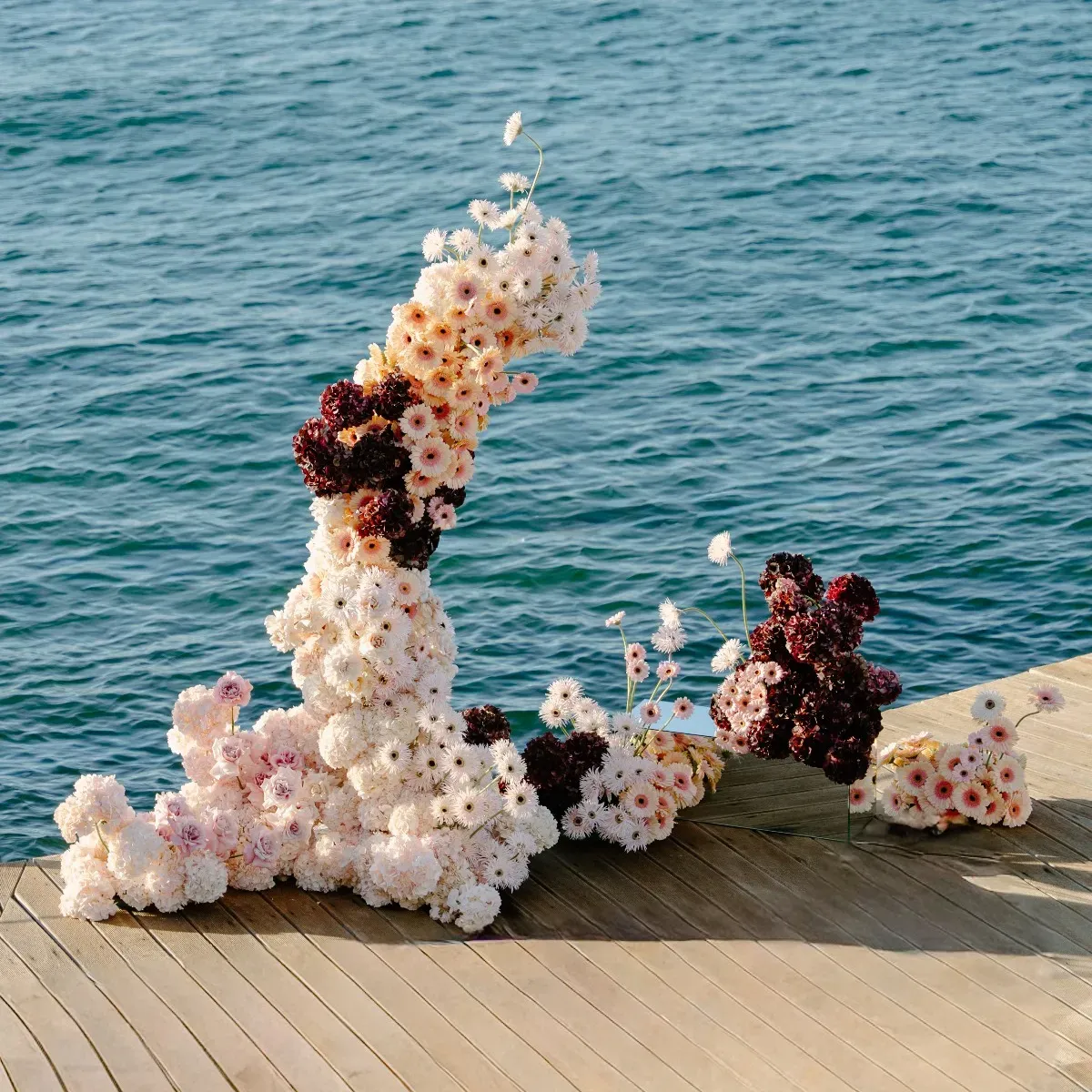
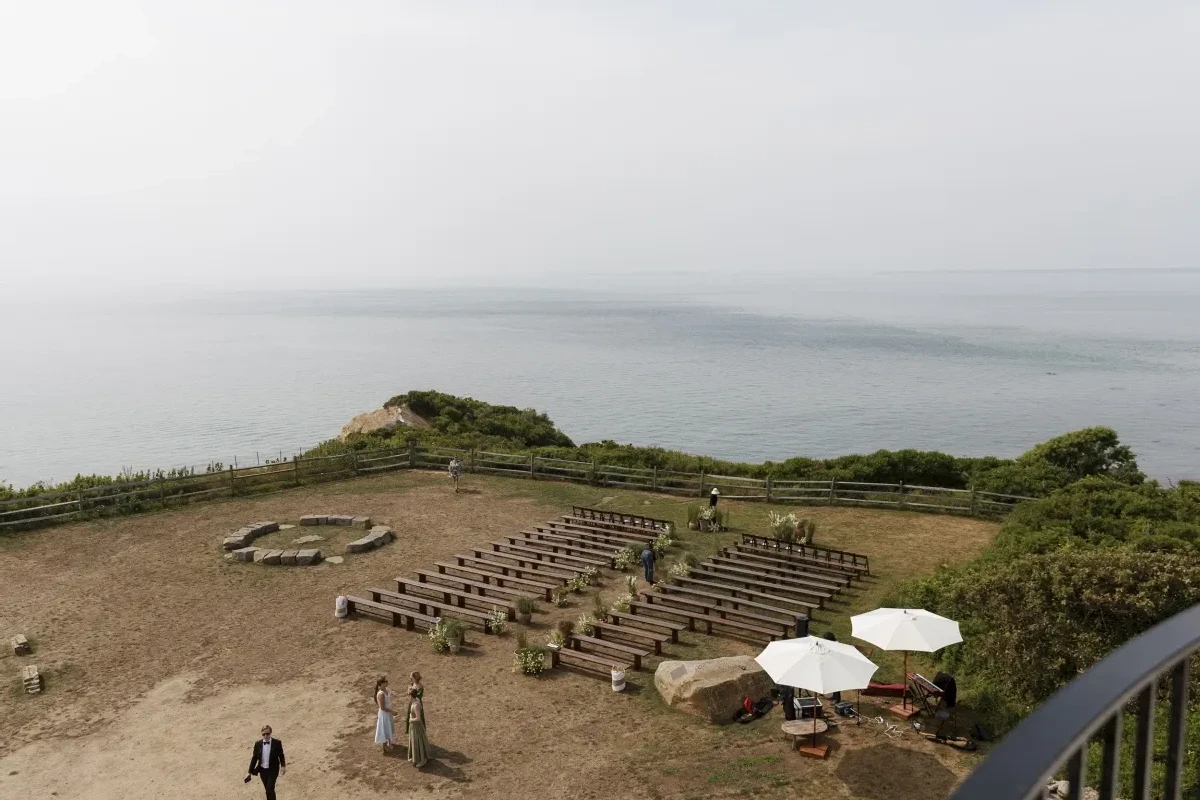
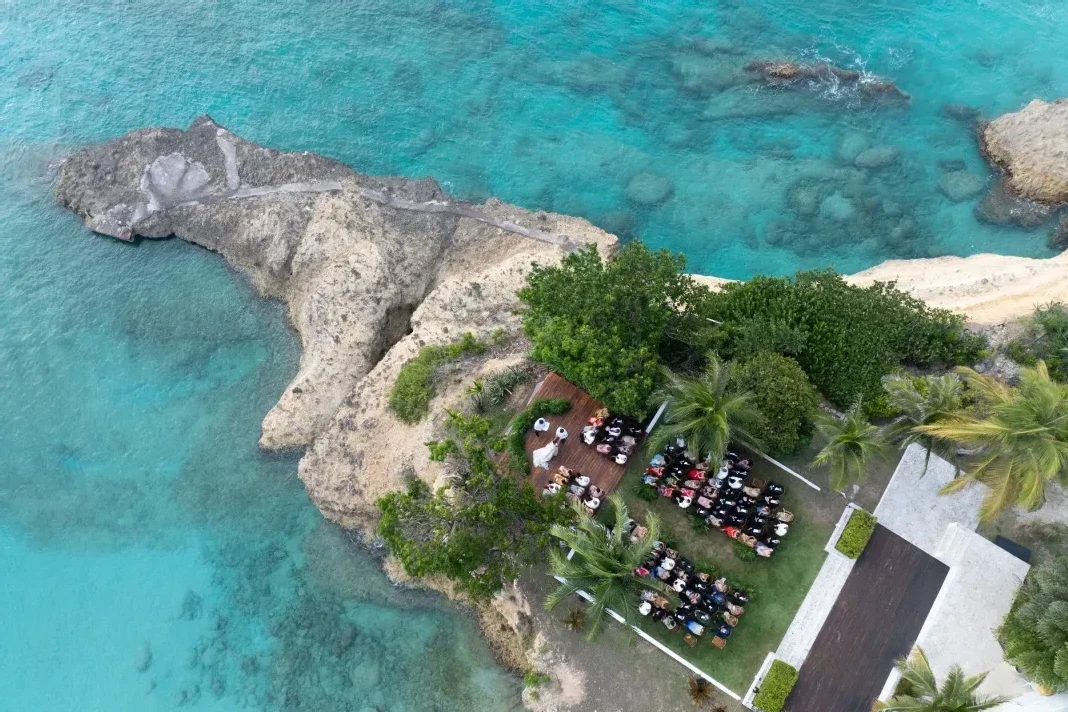
Then evaluate season with actual weather data rather than averages. Hurricane season, monsoon season, and shoulder-season humidity are the three factors that most commonly ruin destination timing, and they are all predictable a year out. Beach wedding venues in particular require a hard look at the storm calendar for the specific coastline, not the country.
If you can only make one site visit, spend it on the venue rather than the region, and use the trip to lock the things that photograph poorly: the ceremony location at ceremony time, the reception flow, the guest room block, and the transit from airport to hotel to venue. Properties in established destination markets like Los Cabos have run this playbook hundreds of times and can answer logistics questions in specifics, which is itself a filtering criterion. A destination venue that can't tell you exactly how guests get from the airport to the site has not hosted enough weddings.
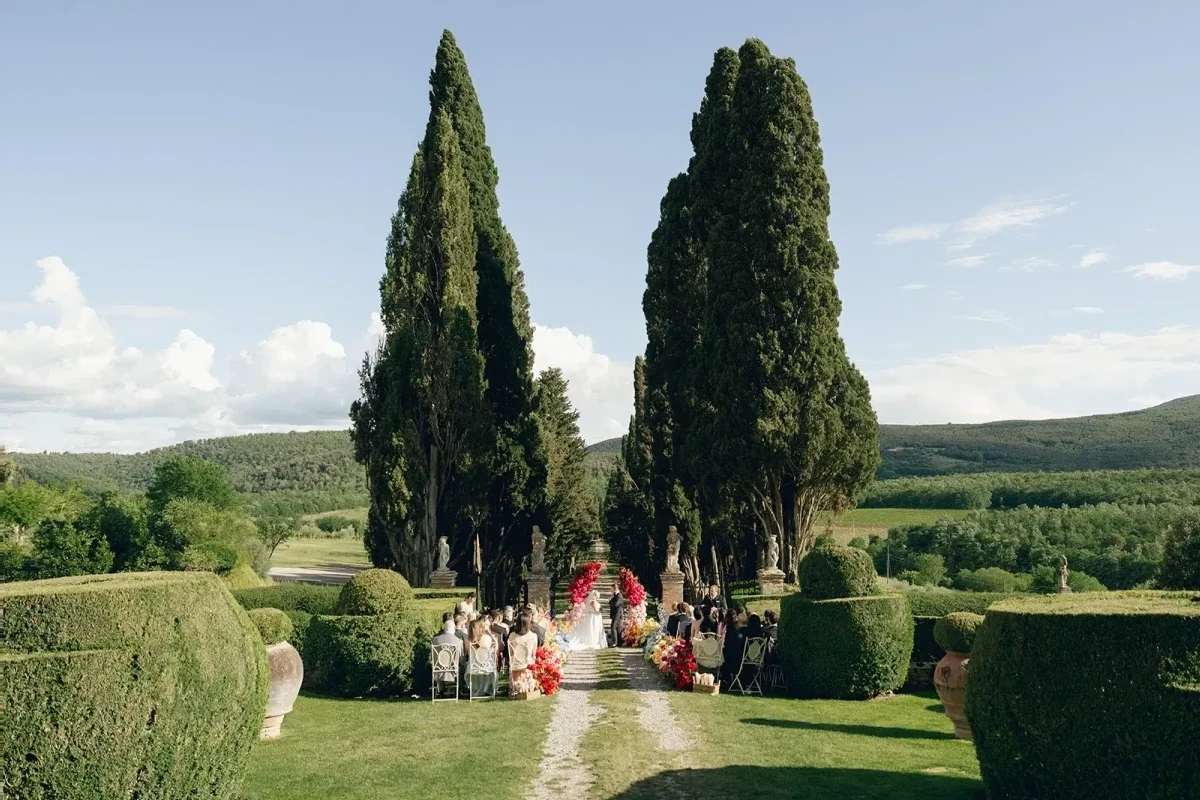
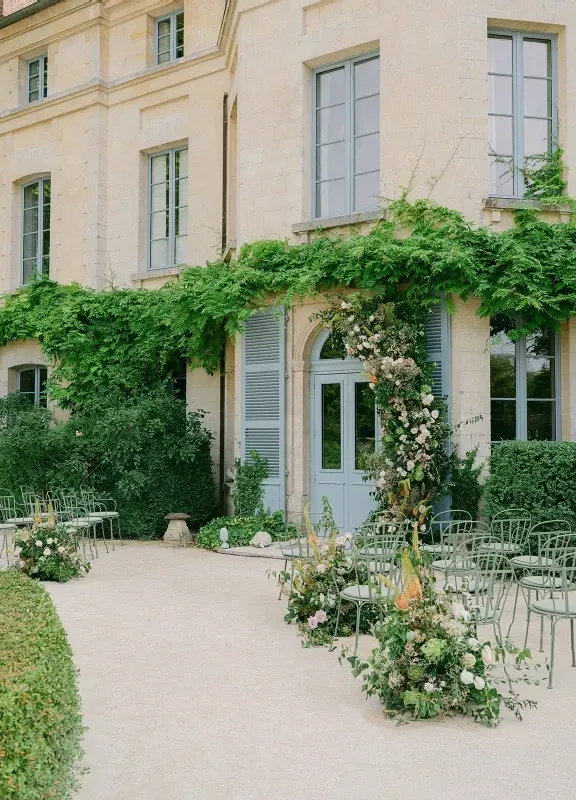
Established destination markets also tend to be narrow in what they produce, which is useful to know going in. Italy is the largest single market in the Carats & Cake dataset, and among the 223 Italian weddings in it, 77% fall into just two venue contexts: estates at 55% and lakeside at 22%. Those weddings run a median of 65 guests against 120 across the full dataset, and romantic and classic aesthetics appear at 76% and 71% respectively, well above dataset-wide rates. Booking into an established destination market means largely accepting the format that market is built to execute, which is a strength when that format is what you wanted.
Build the guest experience around a longer arc than a single evening. International destination weddings average 69 guests, and those 69 people have committed real time and expense. A welcome event and a farewell gathering do more for how the weekend is remembered than any upgrade to the wedding itself.
How to Verify a Wedding Venue Is Legitimate Before You Sign
Venue fraud is rare and venue instability is not. Both are avoidable with twenty minutes of diligence.
Confirm the business exists as a registered entity in its state or country, and that the name on the contract matches the name on the business registration. Verify the property carries liability insurance and ask for a certificate. Ask how long the venue has operated under current ownership, because a property that changed hands in the last year carries real risk that your contract terms and your point of contact both change before your date.
Read reviews with a filter for recency and specificity. Reviews older than eighteen months describe a different staff. Vague praise is noise. Specific complaints about communication, hidden charges, or day-of staffing are signal, and the same complaint appearing three times is a pattern.
Ask for references from couples married there in the last six months, and ask those couples one question: what surprised you. Then run the contract past someone who reads contracts for a living, whether that's a planner or a lawyer. Deposit non-refundability, force majeure language, minimum spend requirements, and the venue's right to substitute spaces are the four clauses that most often catch couples, and all four are negotiable more often than couples assume.
How to Decide on a Wedding Venue When You're Torn Between Two
Two finalists usually means you're comparing on the wrong axis. Both properties passed capacity, location, and restriction filters, or they wouldn't be finalists. What's left is rarely aesthetic.
Run three tiebreakers. First, imagine the day going wrong at each: rain at four, a vendor arriving late, a guest count fifteen over. The venue that handles adversity better is the better venue, and this is usually obvious the moment you frame the question that way. Second, compare the people rather than the properties. You will exchange dozens of emails with this staff over the next year. The venue whose coordinator answered your hardest question with a direct answer is the venue that will handle your hardest week the same way.
Third, ask which property requires you to change your plans and which one lets your plans happen. Couples routinely choose the more beautiful space and then spend a year fighting its restrictions. The Knot's 2026 study found 52% of couples set an initial budget lower than what they went on to spend, and a meaningful share of that gap traces back to a venue that required workarounds nobody accounted for at signing.
Once the decision is made, book quickly. Average engagements run 14 months, popular dates at popular properties are claimed twelve to eighteen months out, and the venue sets everything downstream on your wedding planning timeline. Every week the venue stays unbooked is a week the rest of your planning cannot start.
About this data: figures attributed to Carats & Cake are drawn from 1,836 weddings professionally submitted to Carats & Cake between September 2025 and June 2026, of which 1,633 carry aesthetic and venue context tags. Submissions come from wedding professionals documenting their own work, so the dataset over-represents higher-production and editorially minded teams rather than a random sample of all weddings.